Golden Triangle Highlights: Delhi, Agra and Jaipur, Place by Place
The best places to visit on India's Golden Triangle: Delhi, Agra and Jaipur, with who each stop suits, plus markets, food and how to pace the route.
The Golden Triangle is India's classic first journey. It links Delhi, Agra and Jaipur, three cities that together tell the story of the Mughal and Rajput empires. It works because the sights are unmistakable, the distances are short, and the contrast between the three cities is sharp.
This guide goes city by city. For each stop you get what it is, who it suits and what to look for. After the cities come the markets, the food and a few ways to pace the route.
Each major sight will get its own detailed guide in this Journal. We link the ones that exist now.
How to use this guide
Every stop carries a Best for note. It is a guide, not a rule.
First-time visitors should see the Taj, a Delhi tomb, and one Jaipur fort at an unhurried pace.
Families need shorter days, shade and time to rest between big sights.
Photographers should plan around first and last light.
History readers will want a good guide and fewer, longer stops.
Couples do well with garden sunsets and a long dinner.
Senior travellers should favour a slower route, with drivers and a pace that allows rests.
The first question is how long to give the route. Our guide to how many days you really need for the Golden Triangle answers it. Then use this guide to choose what to see.
Delhi: the capital, in layers
Delhi is where most journeys start. It is huge and layered, with eight centuries of capitals on top of each other. You do not need to see all of it. Our plan for two days in Delhi shows one sensible way to pace it.
Red Fort
Shah Jahan built the Red Fort between 1638 and 1648, when he moved the Mughal capital from Agra to a new city, Shahjahanabad. The walls run for two kilometres and rise to thirty-three metres. Inside are the audience halls, the private palaces and the Pearl Mosque, though much was stripped after 1857. It is a UNESCO site, and the Prime Minister addresses the country from its ramparts every Independence Day.
Best for: first-time visitors, history readers.
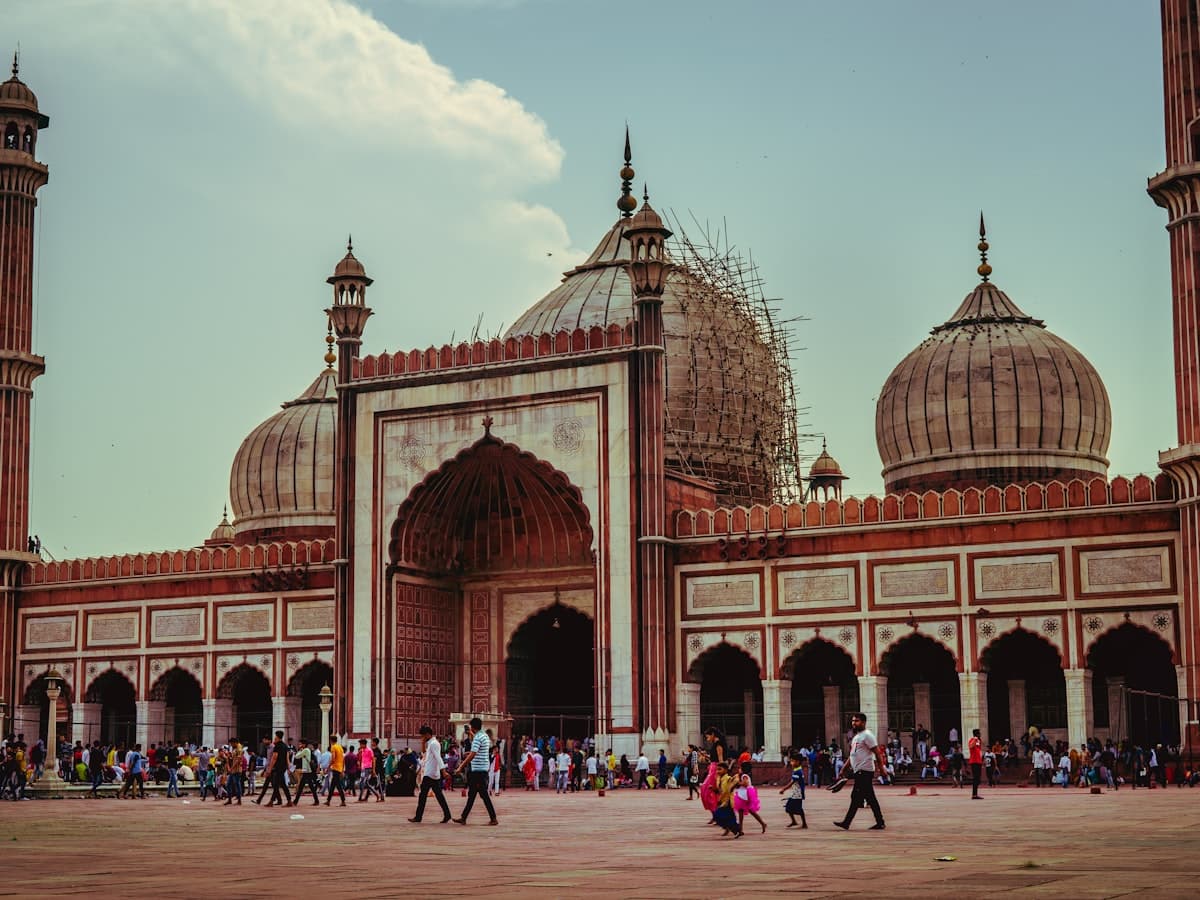
Jama Masjid and Chandni Chowk
The Jama Masjid took six years and five thousand workers, finishing in 1656. It stands on a rise opposite the Red Fort, reached by three long flights of steps. The courtyard holds twenty-five thousand people at prayer. Visitors are welcome outside prayer times, dressed modestly.
Beside it begins Chandni Chowk, Old Delhi's great bazaar. It is loud, crowded and unforgettable. A guided food walk is the best way in. See our guide to Old Delhi through its food.
Best for: food lovers, photographers, culture seekers.
Humayun's Tomb
Humayun's widow, Bega Begum, commissioned the tomb after his death, and it was finished around 1570. It was the first building in India to place a domed tomb at the centre of a formal four-part garden, the charbagh. The Taj Mahal, eighty years later, is the same idea taken further. It has red sandstone, white marble, a high double dome and long water channels. It is UNESCO-listed and has been carefully restored.
Best for: history readers, photographers, anyone who wants a calm start after a flight.
Qutub Minar
Qutub-ud-din Aibak began the tower in 1193 to mark the start of Muslim rule in Delhi. His successors added to it over the next 150 years, which is why the stone and carving change as it rises. It is seventy-three metres tall. The complex holds the first mosque built in India and a fourth-century iron pillar that has never rusted.
Best for: history readers, families, first-time visitors.
India Gate, Lodhi Garden and the lived-in city
India Gate stands at the east end of Kartavya Path, designed by Edwin Lutyens and finished in 1931. It remembers the Indian soldiers of the First World War and the Third Anglo-Afghan War. Lodhi Garden covers about ninety acres and holds fifteenth-century tombs. It is where Delhi comes to walk and run, best in the early morning.
Best for: families, couples, jet-lagged travellers.
Sacred Delhi
Three very different places of worship are open to visitors. The Lotus Temple, finished in 1986, is a Bahai house of worship with twenty-seven marble petals and a single quiet hall. Akshardham is a vast temple of pink sandstone and white marble, with a strict no-phones rule, and it closes on Mondays. Gurudwara Bangla Sahib is a Sikh temple where all visitors may sit, cover their heads and share the free meal.
Best for: culture seekers, families, spiritual travellers.
More Delhi, if you have time
Sunder Nursery is a restored garden around Mughal tombs. Agrasen ki Baoli is a deep stepwell in the middle of the city. Safdarjung's Tomb and the Mehrauli Archaeological Park reward a slower day. Shopping stops include Dilli Haat for crafts and Khan Market for bookshops and cafes.
Agra: the Taj and what surrounds it
Agra is smaller and calmer than Delhi. It is a city of tombs and forts, and one monument towers over them all.
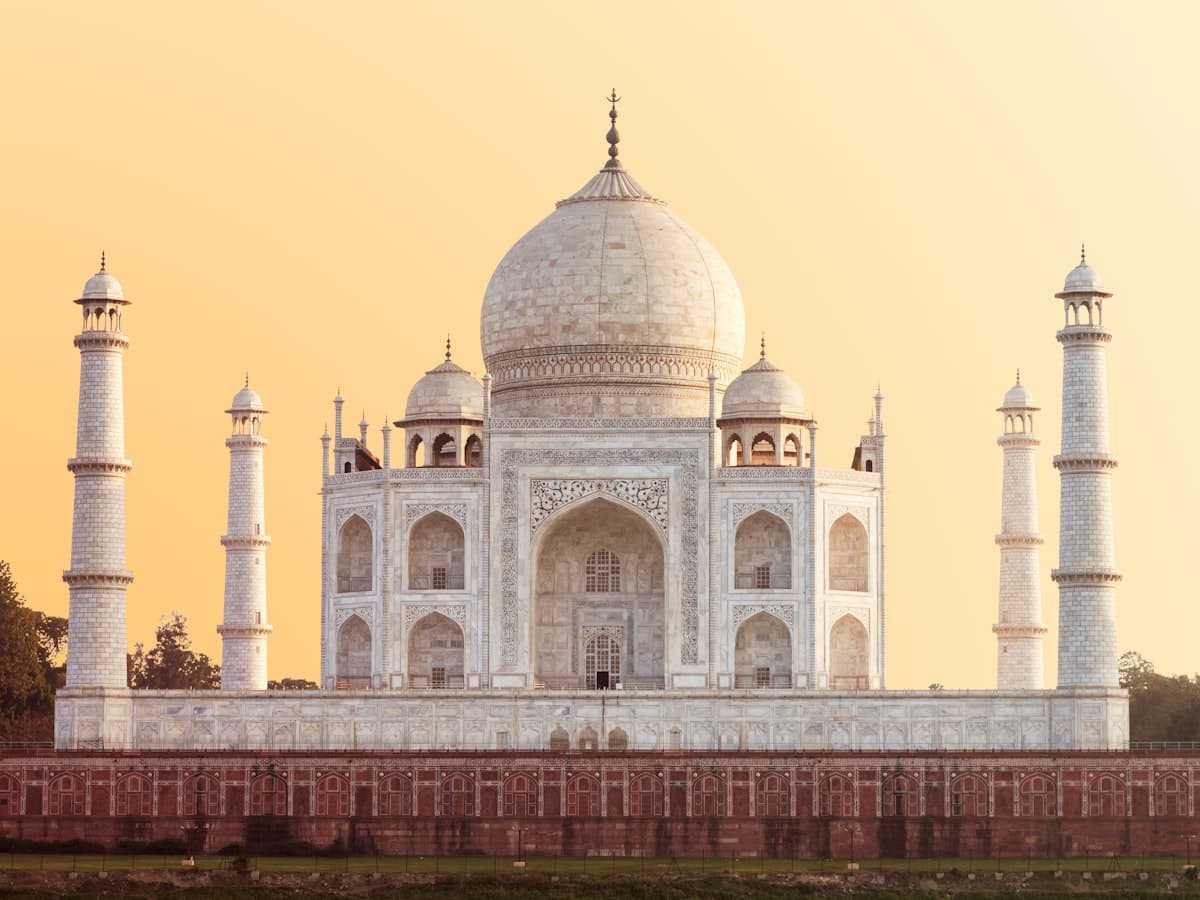
Taj Mahal
Shah Jahan built the Taj Mahal for his wife Mumtaz Mahal, who died in 1631. It took around twenty years and twenty thousand workers. The marble came from Makrana in Rajasthan, and the semi-precious stones inlaid into it came from as far as Afghanistan and Sri Lanka. The building is perfectly symmetrical except for Shah Jahan's own tomb, added later beside his wife's. It changes colour through the day, and the light at sunrise is the reason to arrive early.
The Taj is closed on Fridays, so plan your Agra day around that. Read our guide to Taj Mahal at sunrise or sunset to choose your hour.

Best for: everyone. It lives up to its reputation.
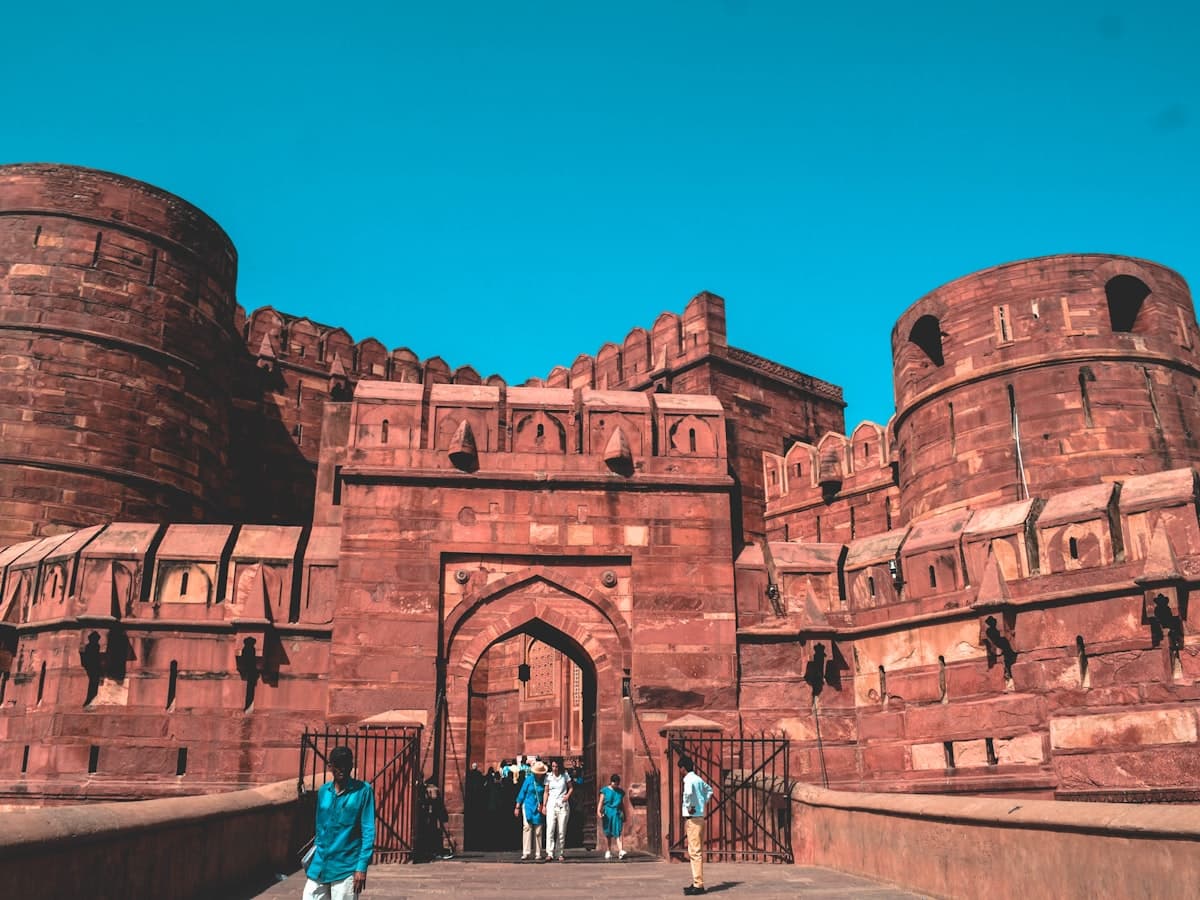
Agra Fort
Akbar rebuilt the fort in red sandstone between 1565 and 1573, on the site of an older one. Shah Jahan added white marble palaces and audience halls a generation later. Aurangzeb then imprisoned Shah Jahan here for his last eight years, in rooms that look downriver to the Taj Mahal. About half the fort is still an army cantonment, and the rest is open. It is a UNESCO site and pairs naturally with the Taj, two kilometres away.
Best for: history readers, photographers, families with older children.
Itimad-ud-Daulah, the "Baby Taj"
Itimad-ud-Daulah was built between 1622 and 1628 for Mirza Ghiyas Beg, a Persian noble who was the father of Nur Jahan and the Mughal treasurer. It was the first Mughal building faced entirely in white marble, and the first to use pietra dura, coloured stone inlaid into marble, on a large scale. Both ideas reappear in the Taj. It is smaller, more delicate and far quieter.
Best for: photographers, art lovers, travellers wanting calm.
Mehtab Bagh
Mehtab Bagh, the Moonlight Garden, sits on the far bank of the Yamuna, exactly on the Taj's axis. From its riverside terrace the Taj stands framed at the end of the water, with no crowds and no queue. The last hour before sunset is the reason to come.
Best for: couples, photographers.
Akbar's Tomb at Sikandra
Akbar began his own tomb and his son Jahangir finished it, around 1613. It stands about ten kilometres from Agra Fort on the road to Delhi. A huge gateway leads into a walled garden where blackbuck and deer graze. It is far less visited than the Taj or the Fort, and easy to fit in on the way in or out.
Best for: history readers, travellers wanting space.
Fatehpur Sikri
Akbar built Fatehpur Sikri as his capital from 1571. It was a full city of palaces, courts and a great mosque, all in red sandstone. It was abandoned around 1585, most likely because the water ran out. That is why it survives so complete. The Buland Darwaza, the fifty-four-metre gateway to the mosque, is the tallest in India. It sits about forty kilometres from Agra, on the road to Jaipur. Our guide to Fatehpur Sikri as a stop between Agra and Jaipur explains how to fit it in.
Best for: history readers, photographers, first-time visitors.
More Agra
For a fuller plan beyond the Taj, read Agra beyond the Taj. Further afield, Keoladeo Ghana National Park in Bharatpur is a major birding site, and Abhaneri's Chand Baori, a spectacular deep stepwell, is a good stop on the road to Jaipur.
Jaipur: the Pink City
Jaipur closes the triangle. It is also the doorway to the rest of Rajasthan, and its sights are covered in more depth in our Rajasthan places to visit guide. Here is the short version for a Golden Triangle visit.
Amber Fort
Amber Fort sits on a ridge above Maota Lake. Sandstone ramparts climb the hillside, and four courtyards open one into the next. The Sheesh Mahal is the part people remember, with thousands of mirror pieces set into the walls and ceiling. The fort faces east, so go in the morning. Skip the elephant ride and walk or take a jeep.
Best for: first-time visitors, photographers.
Hawa Mahal, City Palace and Jantar Mantar
Hawa Mahal is a pink sandstone screen of 953 windows, best photographed at sunrise from across the road. The City Palace is partly a royal home and partly a museum. Beside it, Jantar Mantar is an early-1700s observatory of giant stone instruments and a UNESCO site. A guide helps a great deal here.
Best for: history readers, curious families, photographers.
Sunset forts and the bazaars
Nahargarh and Jaigarh give the best views back over the city at sunset. Jaipur's bazaars are the best shopping on the route, covered below.
Best for: couples, shoppers.
Where to shop
Each city has its own specialty.
Chandni Chowk, Delhi is for silver, textiles, spices and the old-city experience. Kinari Bazaar and the spice market are inside it.
Dilli Haat, Delhi gathers craft stalls from across India in one place.
Khan Market, Delhi is for books, cafes and curated home goods.
Kinari Bazaar and Sadar Bazaar, Agra sell leather, zardozi embroidery and souvenirs.
Marble inlay workshops, Agra show the pietra dura craft that decorates the Taj. Visit a real workshop with your guide, and be cautious of showrooms that pay commission to drivers.
Johari Bazaar, Jaipur is for gems and kundan jewellery. Buy stones against a certificate.
Bapu Bazaar, Jaipur is for block prints, quilts and mojari shoes.
For the crafts behind Jaipur's stalls, read our Rajasthan crafts and textiles trail.
What to eat
The Golden Triangle is a food route as much as a monument route.
Delhi
Parathas at Paranthe Wali Gali: stuffed flatbreads from a narrow lane in Chandni Chowk, a long-standing Old Delhi stop.
Mughlai at Karim's: kebabs, nihari and mutton burra near Jama Masjid, a famous name.
Chaat and jalebi: the street snacks of Old Delhi, best with a guide.
Agra
Petha: the city's candied ash gourd, in plain, saffron and nut versions. Panchhi Petha is a name many locals mention.
Bedai and jalebi: a classic Agra breakfast of spiced fried bread and sweet jalebi.
Mughlai dishes: rich kebabs and curries.
Jaipur
Laal maas: a fiery Rajasthani mutton curry.
Pyaaz kachori: a crisp onion-stuffed pastry. Rawat Mishthan Bhandar is the name most often cited.
Thali and sweets: Laxmi Misthan Bhandar (LMB) in Johari Bazaar is an old name for both.
Hours and standards change, so confirm before you go, and your trip designer will recommend current favourites. If you are nervous about street food, read our practical guide to eating well in India without getting ill.
When to go
October to March is the comfortable season. December and January can bring fog and cold mornings, which affect Taj visibility and early starts. Summer, April to June, is very hot, and sightseeing needs to be early. Monsoon is humid but quieter.
How to put it together
Rough road distances: Delhi to Agra is a few hours on the expressway. Agra to Jaipur is longer, around five hours with a Fatehpur Sikri stop. Jaipur to Delhi is a similar drive.
Three days: the express version. Possible, but tight.
Four to five days: the comfortable classic.
Six to seven days: adds Fatehpur Sikri, a day in Old Delhi or a garden-and-market day in Jaipur.
Eight days or more: extend into Rajasthan, to Udaipur or Ranthambore.
A private driver and guide makes the route far easier. They manage the traffic, the queues and the stories. To see how it fits together, look at Golden Triangle Classic, 5 days, Golden Triangle in Depth or Golden Triangle and Udaipur. If you are weighing a private tour against a group, read private tour or group tour in India.
Frequently asked questions
What are the main places to visit on the Golden Triangle?
In Delhi, the Red Fort, Humayun's Tomb and Qutub Minar. In Agra, the Taj Mahal, Agra Fort and Fatehpur Sikri. In Jaipur, Amber Fort, the City Palace and Hawa Mahal.
How many days do I need?
Four to five days is comfortable. Three days is possible but rushed. Seven days lets you add depth.
Which day is the Taj Mahal closed?
Fridays. Plan Agra around it.
What is the best time to visit?
October to March. Mornings can be foggy and cold in December and January.
Is the Golden Triangle good for first-time visitors?
Yes. It is the most popular first route in India, with great sights and well-developed services.
Can I extend the route?
Easily. Popular additions are Udaipur, Ranthambore or Varanasi.
Plan your Golden Triangle journey
Start with the Golden Triangle destination page. For a ready route, try First-Timer's Golden Triangle or Golden Triangle Classic. Or talk to a trip designer, and we will build the route around your pace and the sights you most want to see.
Read Next
All Stories →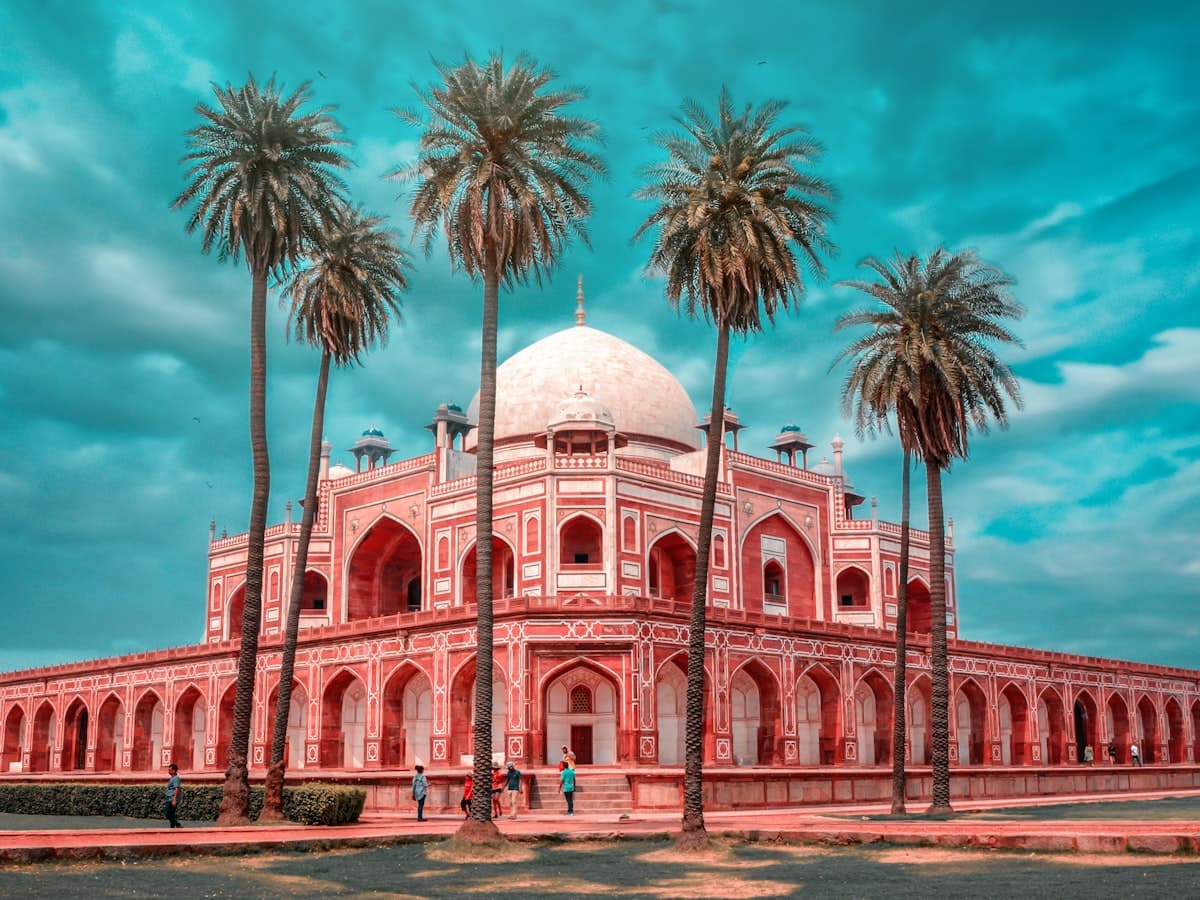
Two Days in Delhi: Tombs, Monuments and Where to Slow Down
Agra Beyond the Taj: The Fort, the Baby Taj and the Riverside View