
Luxury Agra Tours
A Mughal capital, home to the Taj Mahal and Agra Fort, both UNESCO World Heritage Sites since 1983, with Mehtab Bagh and Fatehpur Sikri close by.
Plan My Agra Trip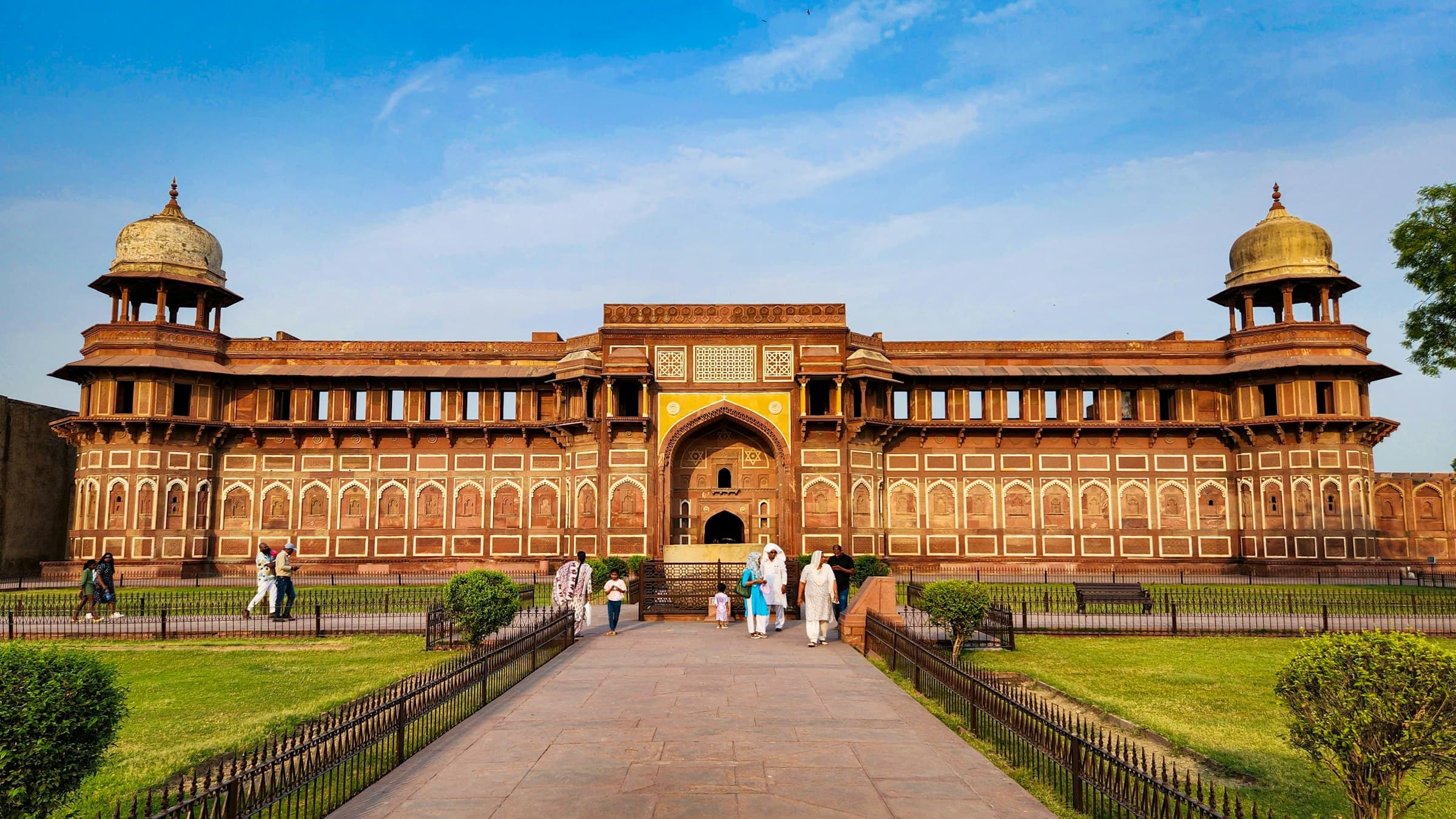
Overview
Agra At A Glance
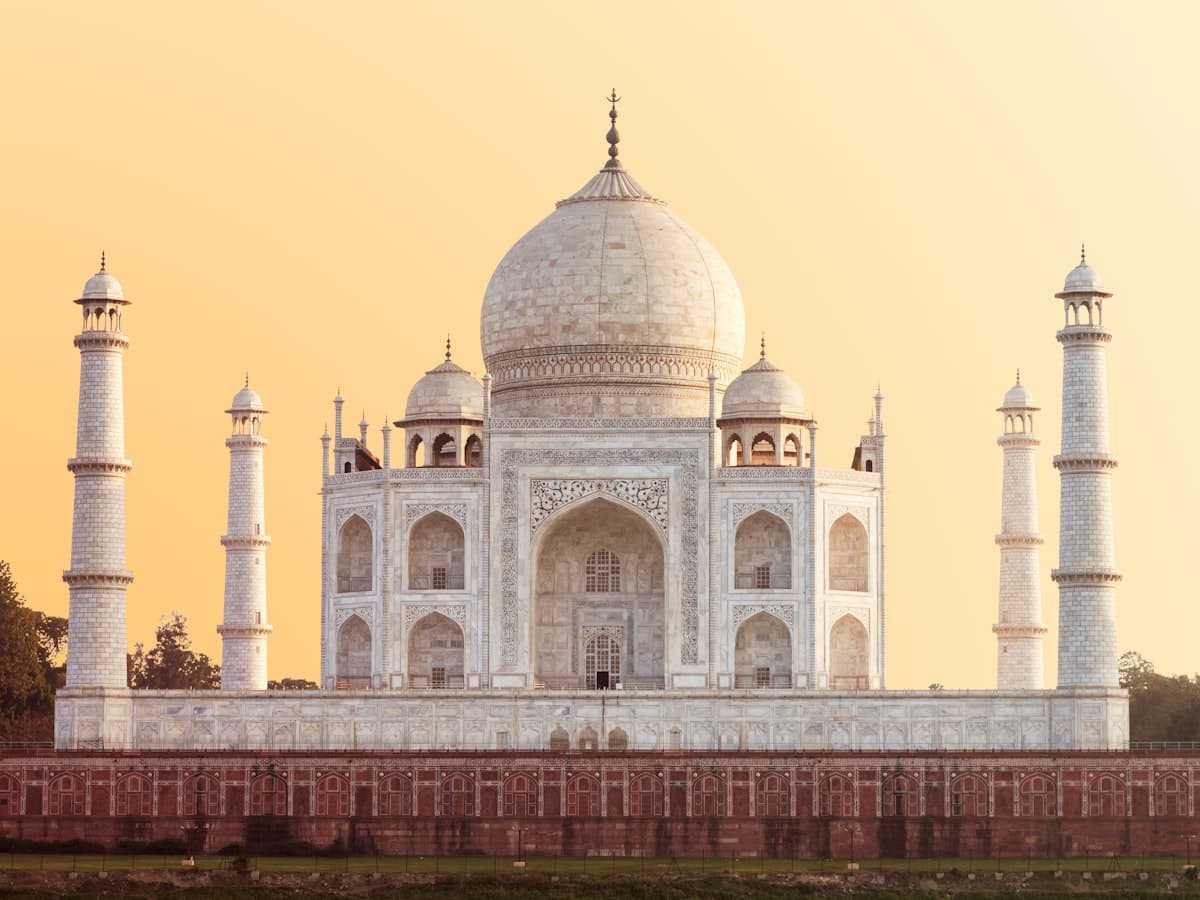
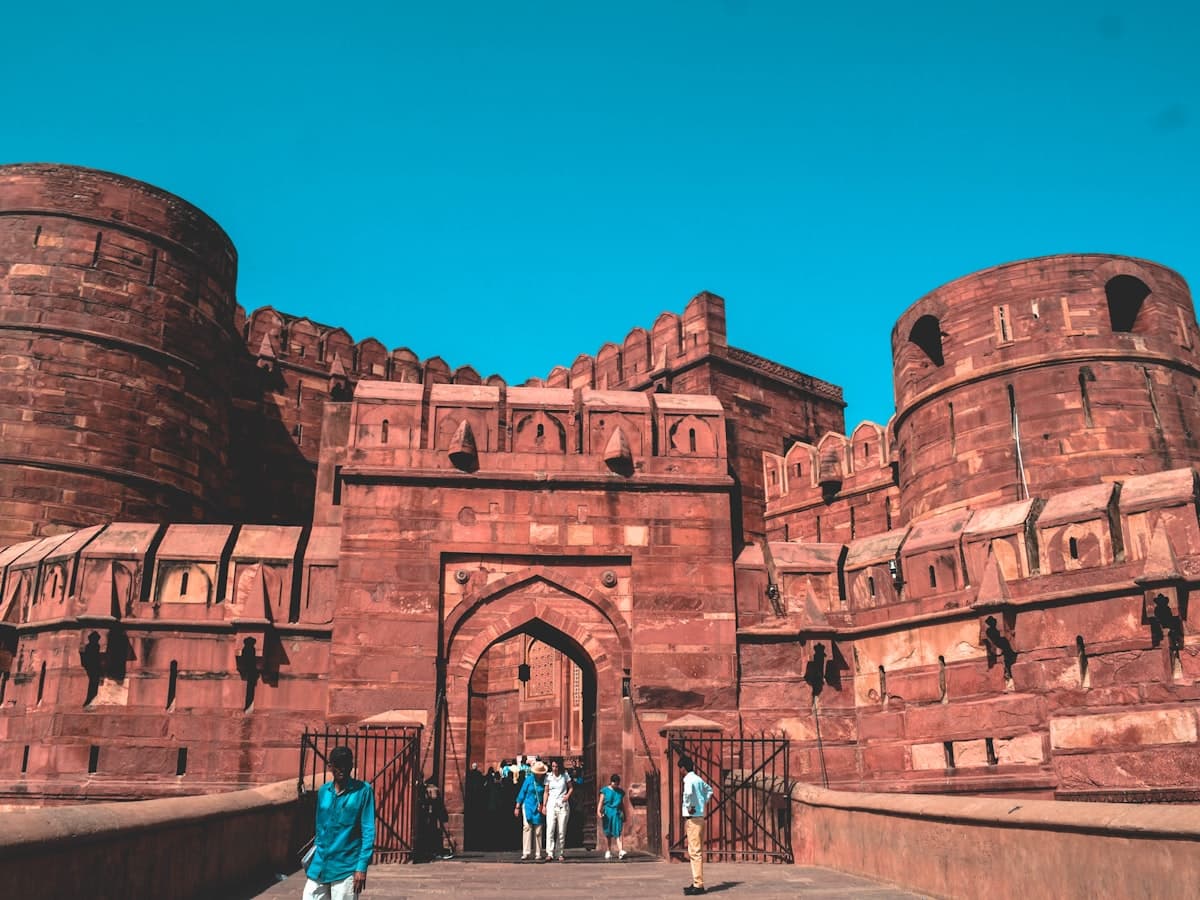
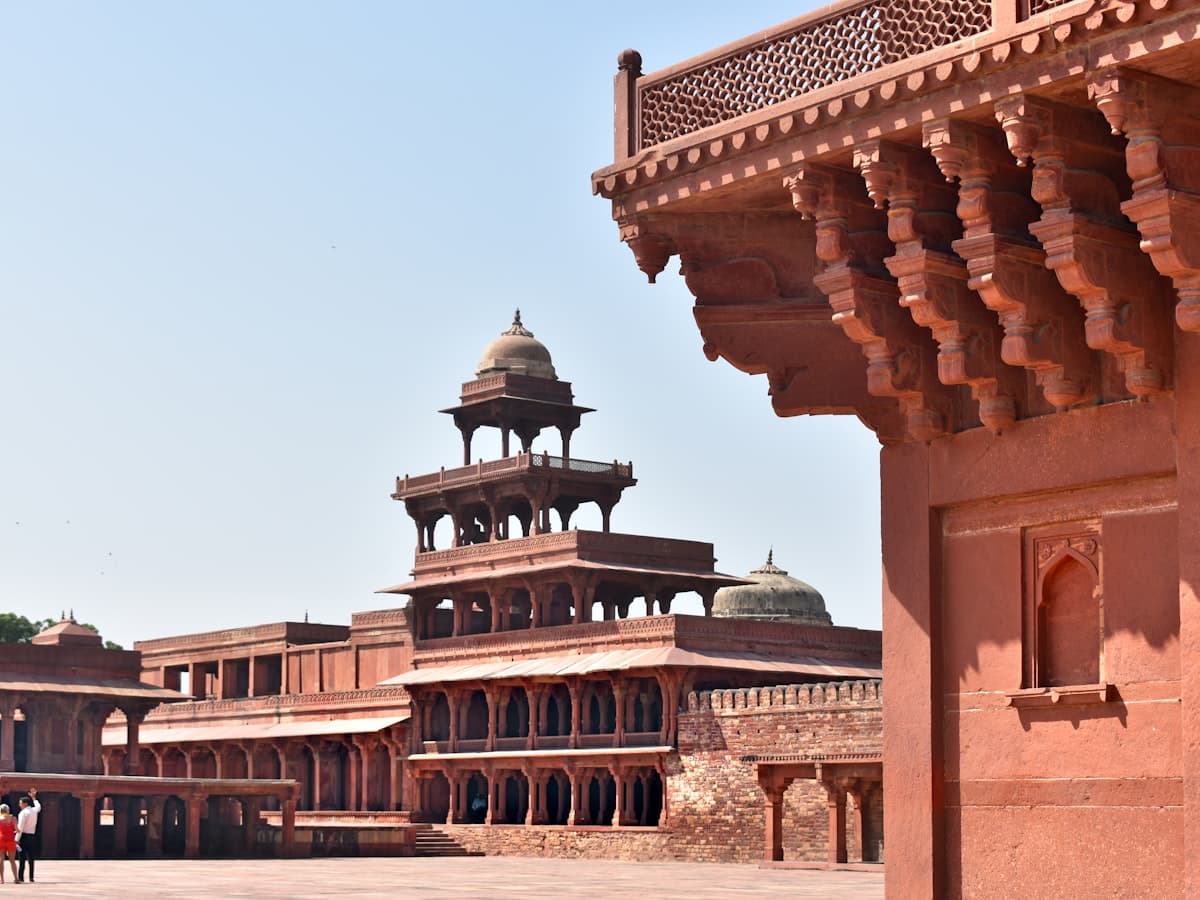
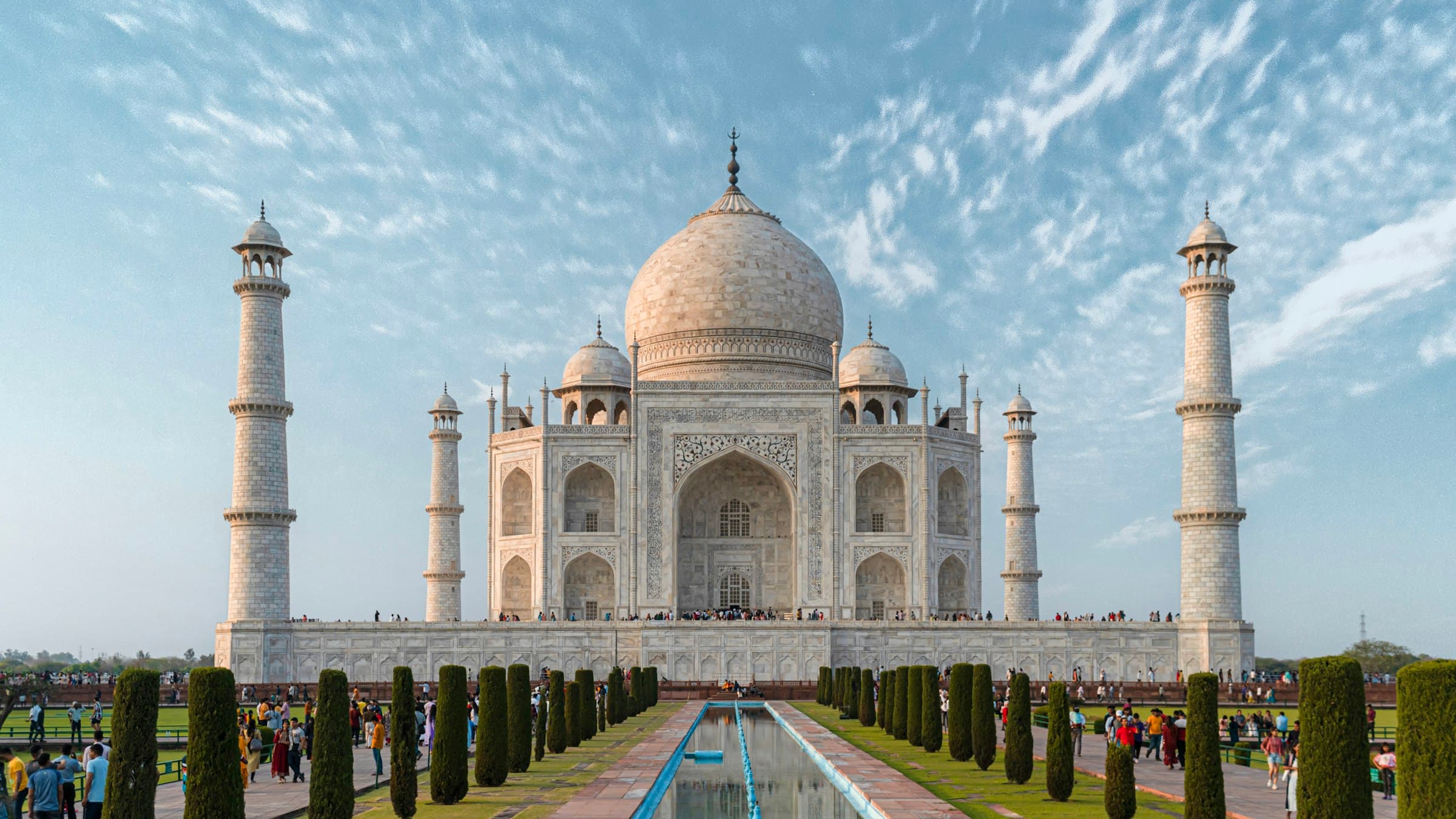
Agra was a Mughal capital for much of the 16th and 17th centuries, and the city still runs on that legacy. A luxury Agra tour is built around the Taj Mahal, but it does not stop there. Shah Jahan built the mausoleum for Mumtaz Mahal, and the complex was finished by 1653. The white marble changes through the day. Pinkish in early light, milky white by day, golden under the moon. Agra Fort, commissioned by Akbar in 1565, stands on the same river. Both monuments were listed by UNESCO in 1983. Across the Yamuna, Mehtab Bagh is a Mughal riverfront garden that looks straight back at the Taj. Itimad-ud-Daulah is a small tomb with walls of inlaid stone, often called the Baby Taj. It rewards a slower look. Akbar's Tomb at Sikandra lies on the road toward Delhi, set in walled gardens. Fatehpur Sikri, about 40 km southwest, is Akbar's planned capital of 1571, abandoned within twenty years. A private guide and driver can pace these across one day or two. You can start at first light at the Taj, then move to the fort as the day warms. Agra also sits at the heart of the Golden Triangle, between Delhi and Jaipur.
- Best Time
- October to March, when the days are cooler for long walks through the monuments. Summers are extremely hot, and winter fog can disrupt travel.
- Getting There
- Agra Airport (Kheria) has limited domestic flights, so many travellers arrive by road or rail from Delhi, about 230 km away. Allow roughly three to four hours by road.
- Where To Stay
- ITC Mughal, a Luxury Collection Resort & Spa, The Oberoi Amarvilas, Trident, Agra
- Continue To
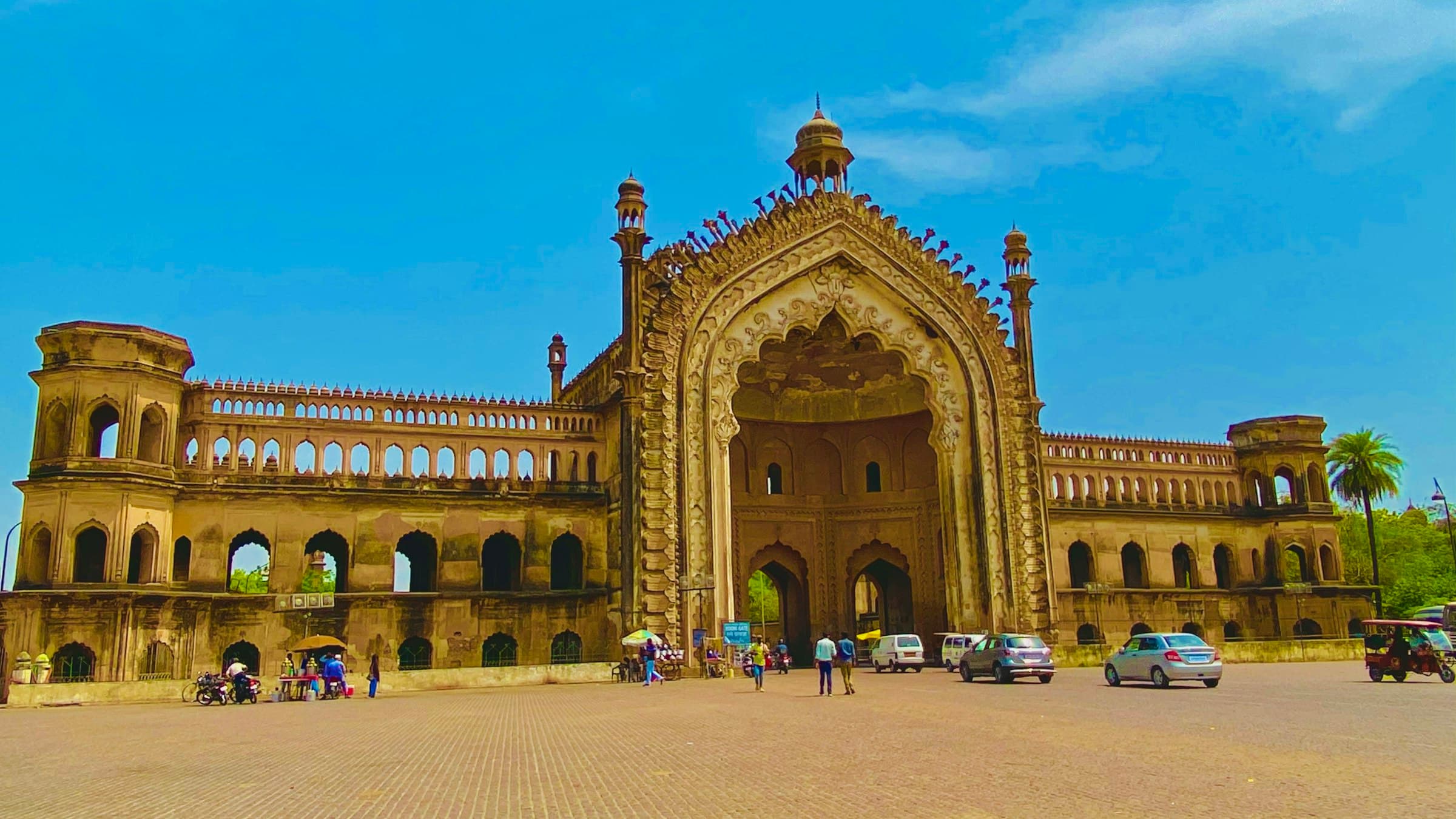
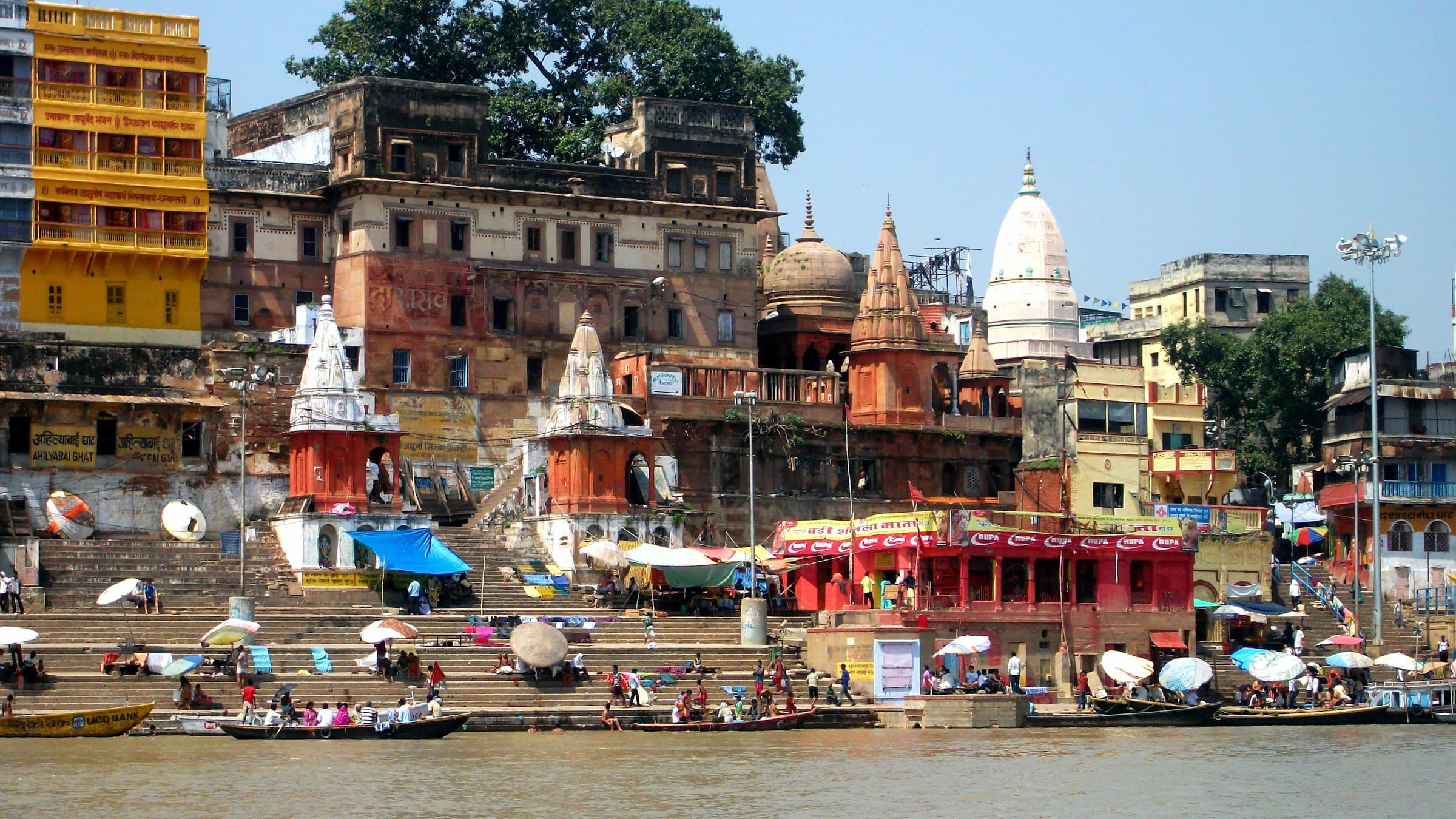
- Lucknow, Varanasi
- Coordinates
- 27.18° N, 78.01° E
What To See
What To See In Agra
Agra's real highlights are what a private guide builds each day around.
Taj Mahal
Shah Jahan's marble mausoleum for Mumtaz Mahal, built 1632–1653 — the reason most people come to India.
Agra Fort
Akbar's red sandstone fort on the Yamuna, later given marble palaces by Shah Jahan.
Fatehpur Sikri
Akbar's planned capital of 1571, built in red sandstone and abandoned within twenty years.
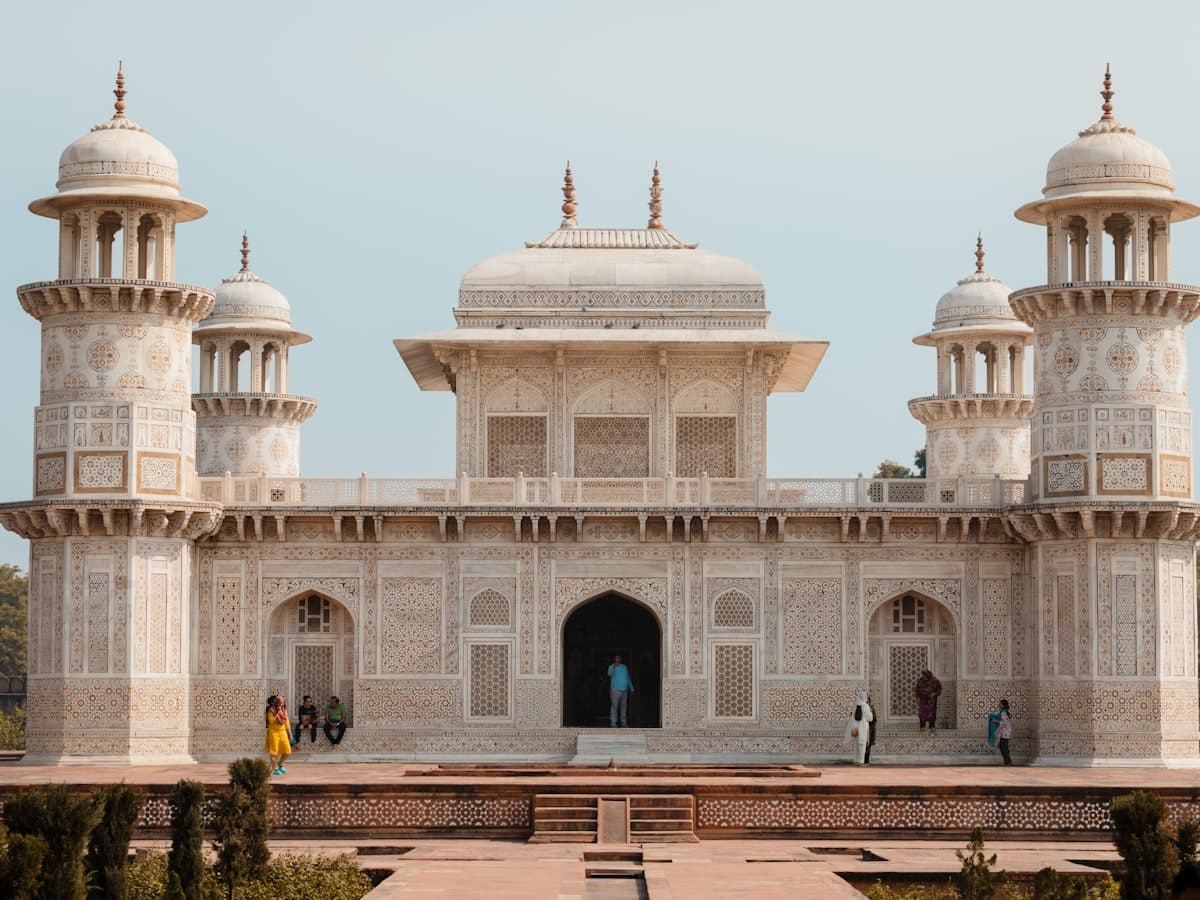
Itimad-ud-Daulah
A small white-marble Mughal tomb on the Yamuna's east bank in Agra, its walls a lattice of inlaid stone — often called the Baby Taj.
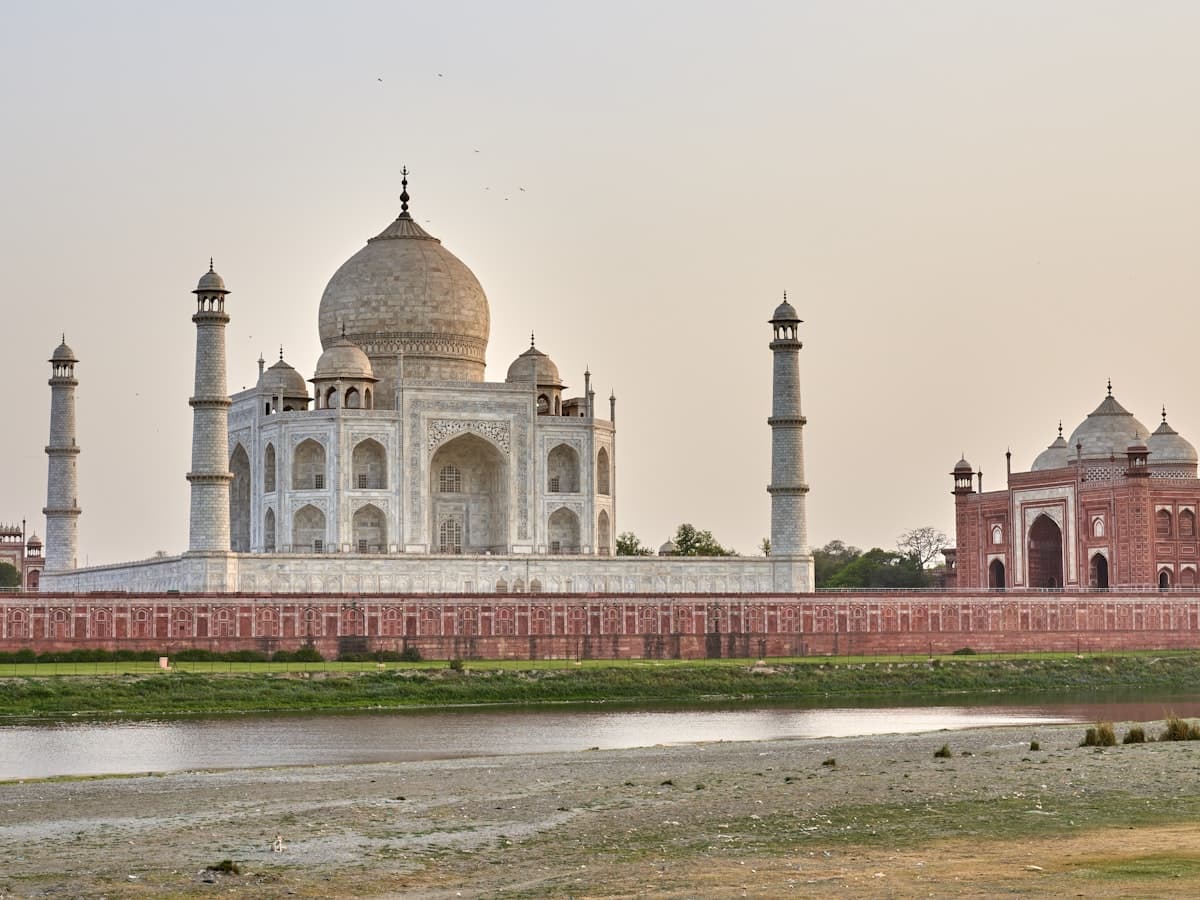
Mehtab Bagh
A Mughal riverfront garden directly across the Yamuna from the Taj Mahal, and the best place to watch it at sunset.
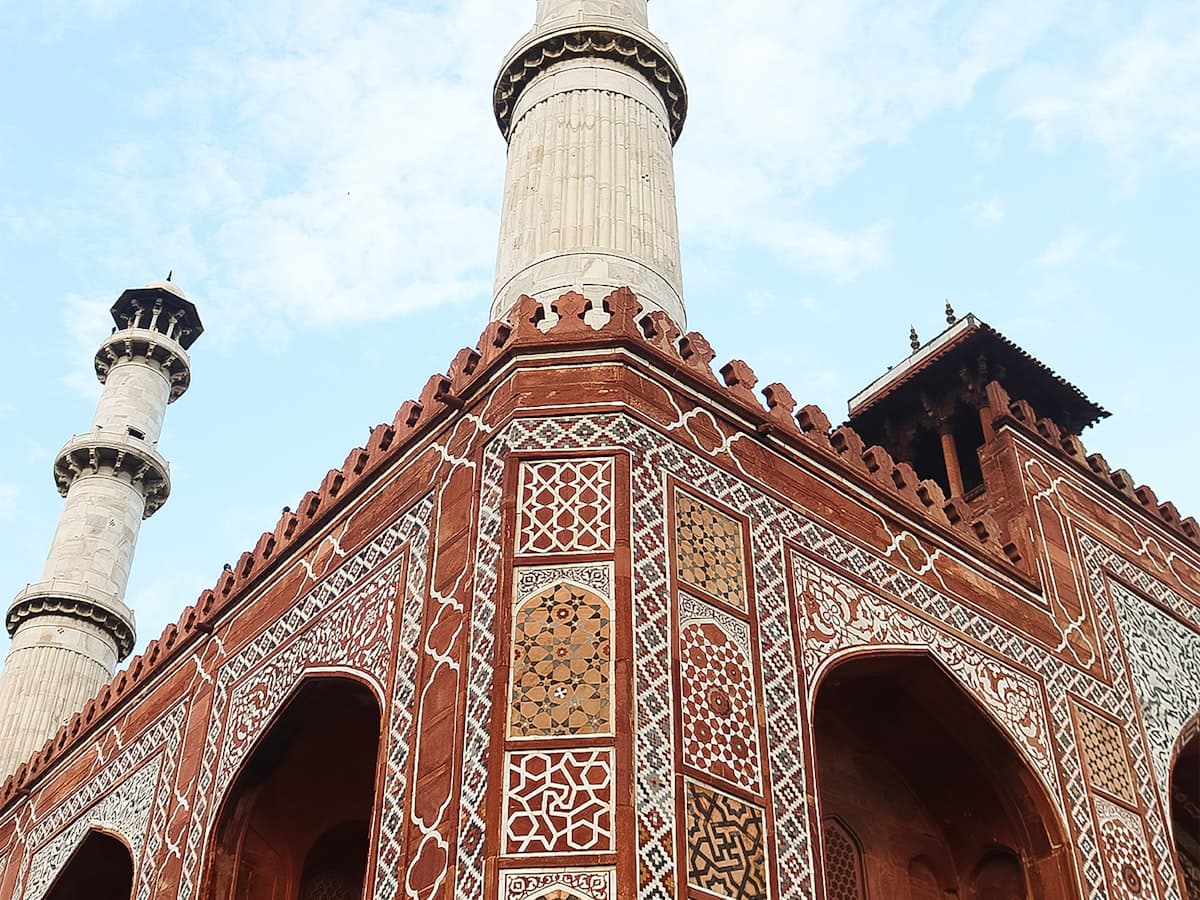
Akbar's Tomb, Sikandra
The Emperor Akbar's tomb at Sikandra, on the Agra–Delhi road, a red sandstone and marble mausoleum in a deer park.
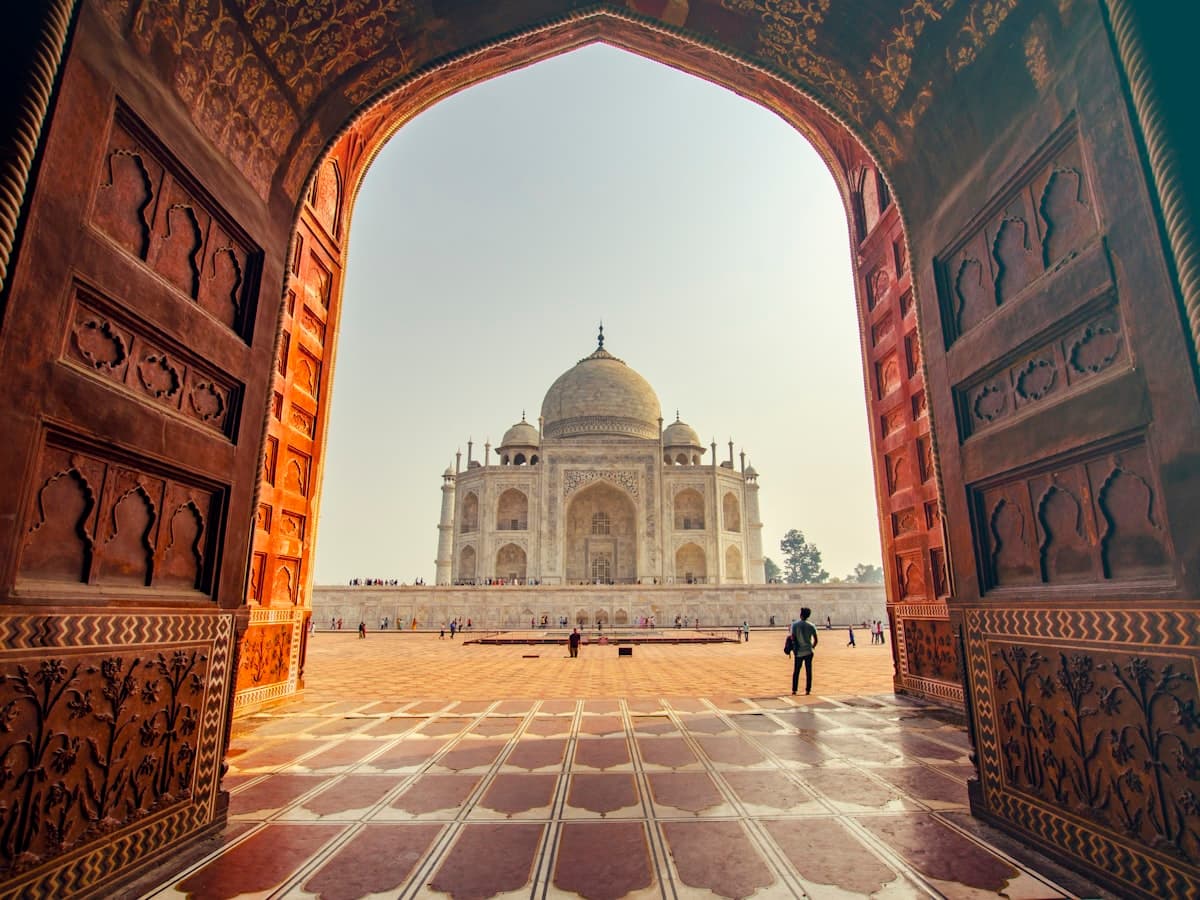
Taj Mahal at Sunrise
The Taj at first light, with a private guide, before the coach parties arrive.
How To Travel
Journeys Through Agra
Every journey comes with a private guide and driver for each day on the road. Full details live on each journey's own page.
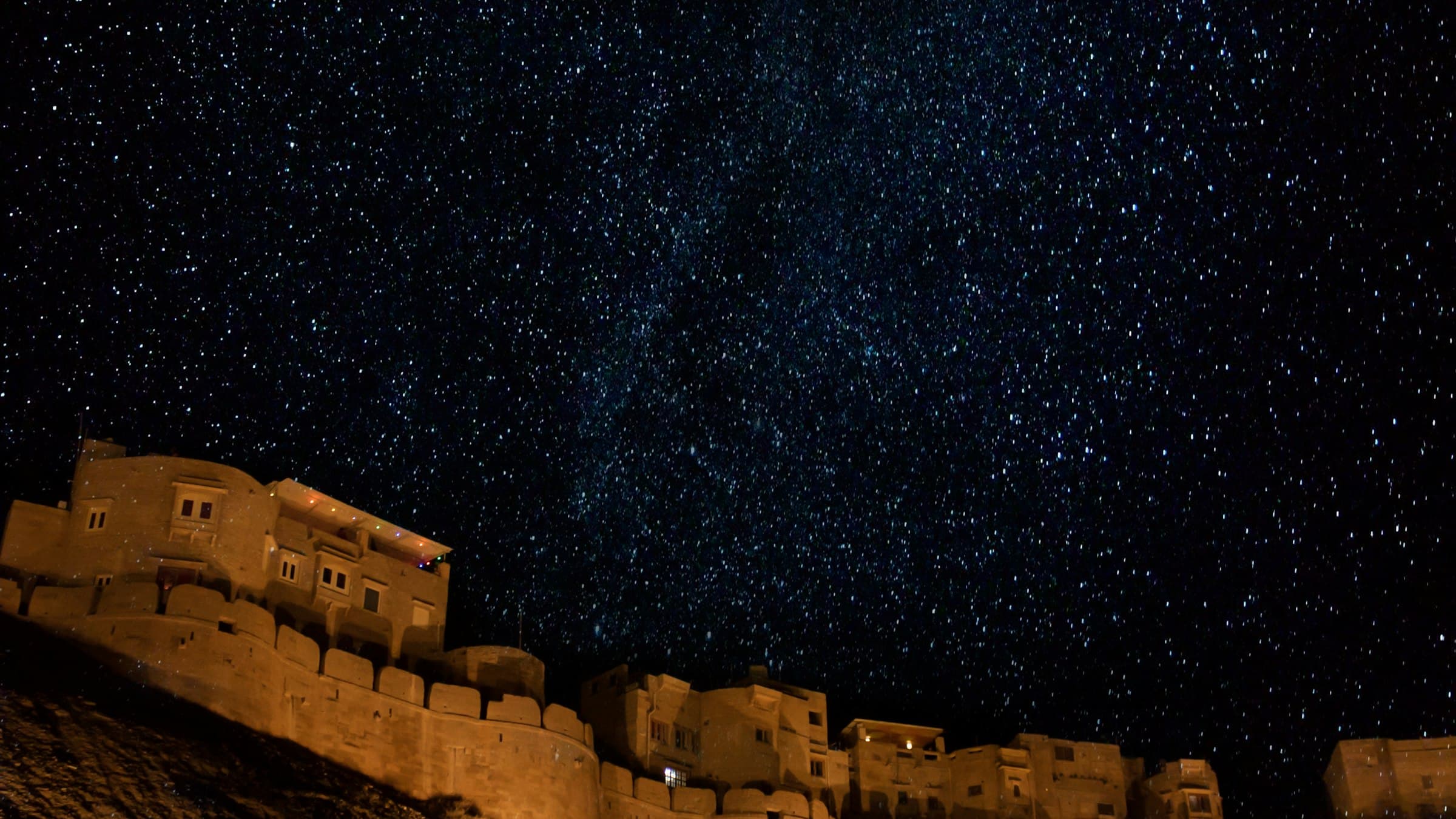
15 Nights
Royal Rajasthan Photography Journey
Delhi · Jaipur · Jaisalmer · Jodhpur · Pushkar · Udaipur · Agra
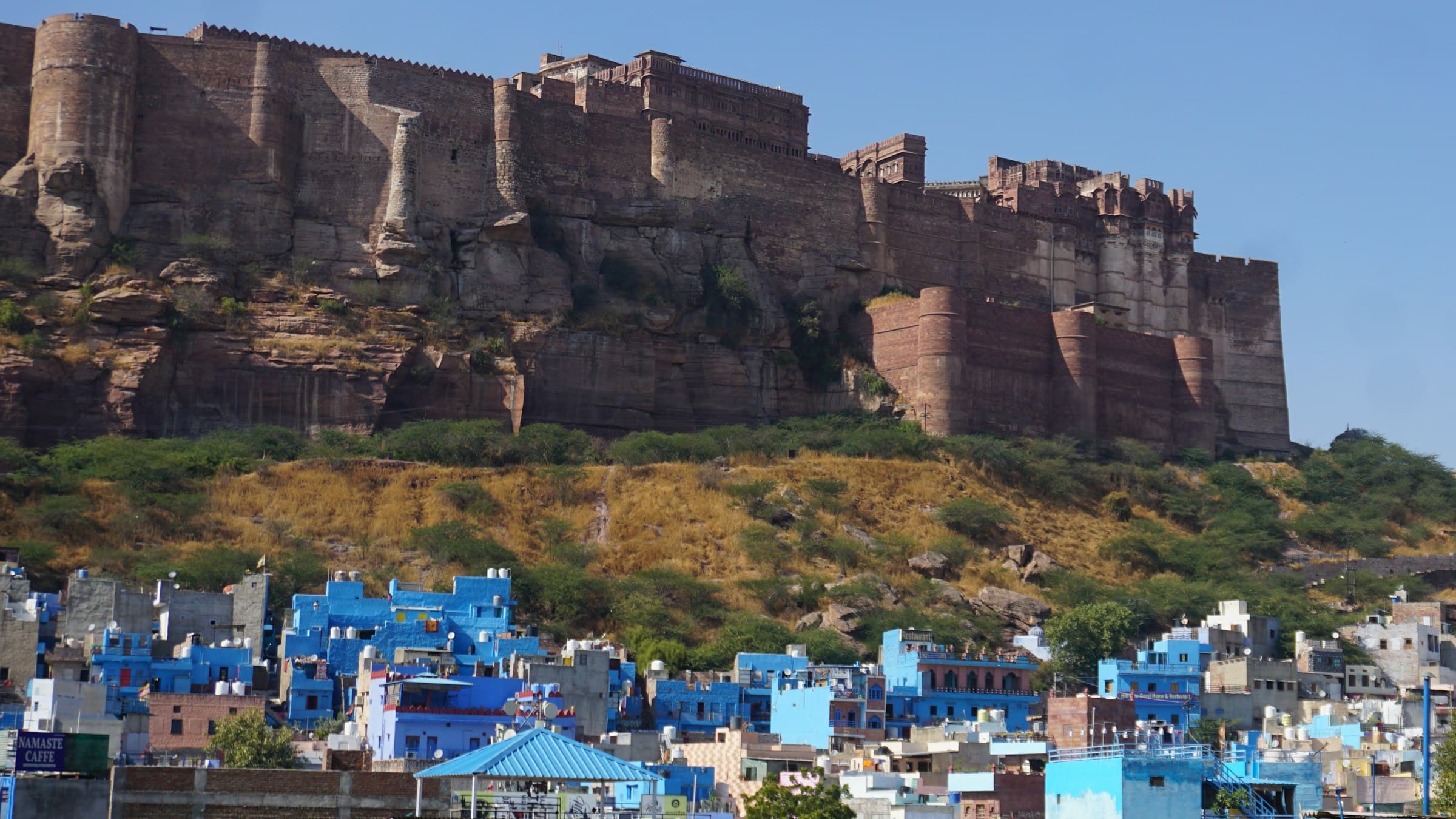
12 Nights
Royal Rajasthan Grand Tour
Delhi · Jaipur · Jaisalmer · Jodhpur · Pushkar · Udaipur · Agra

10 Nights
Golden Triangle, Rishikesh & the Ganga
Delhi · Jaipur · Agra · Rishikesh

8 Nights
Golden Triangle Tiger Safari
Delhi · Jaipur · Ranthambore · Agra
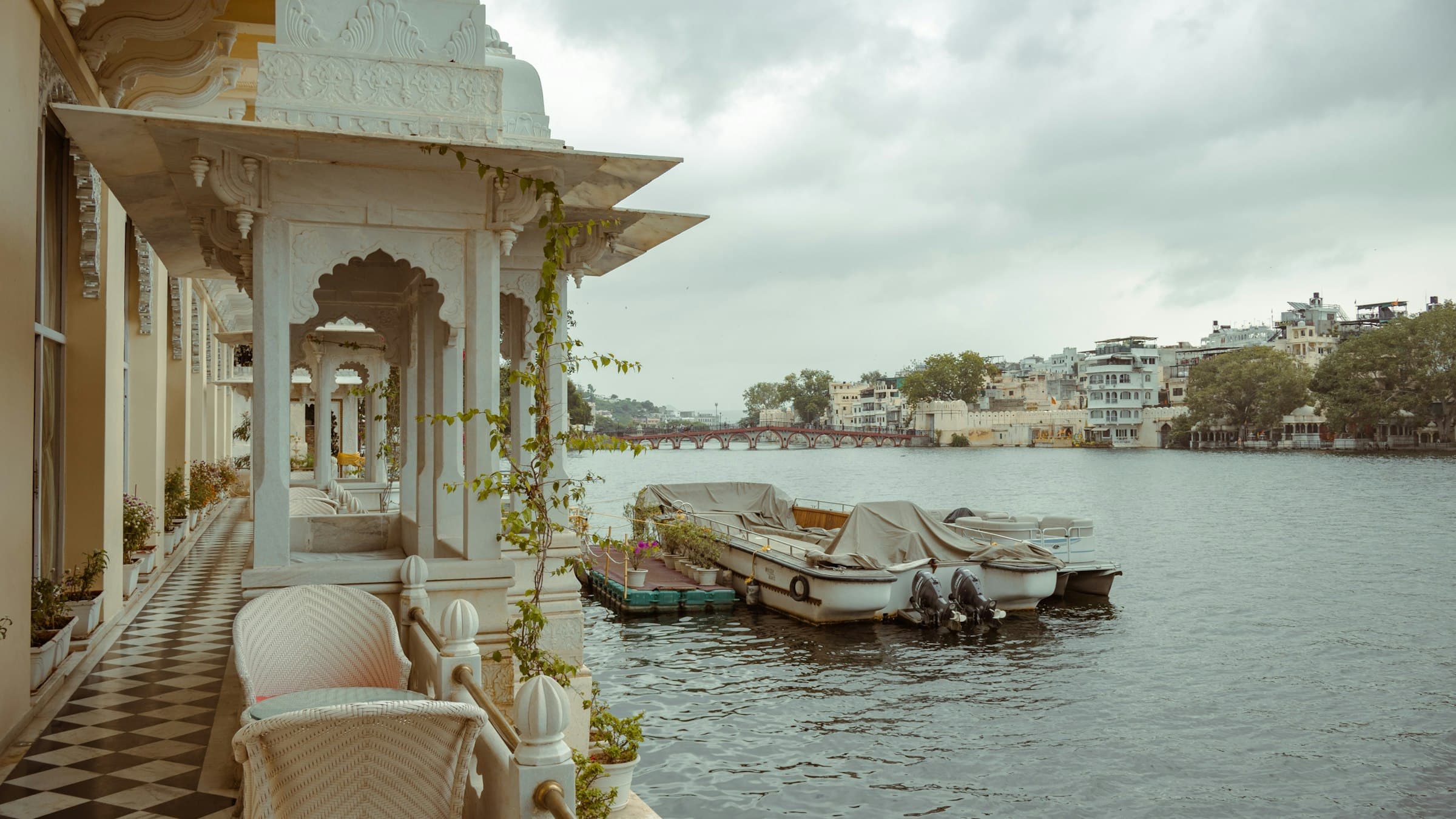
8 Nights
Golden Triangle & Udaipur Honeymoon
Delhi · Jaipur · Udaipur · Agra
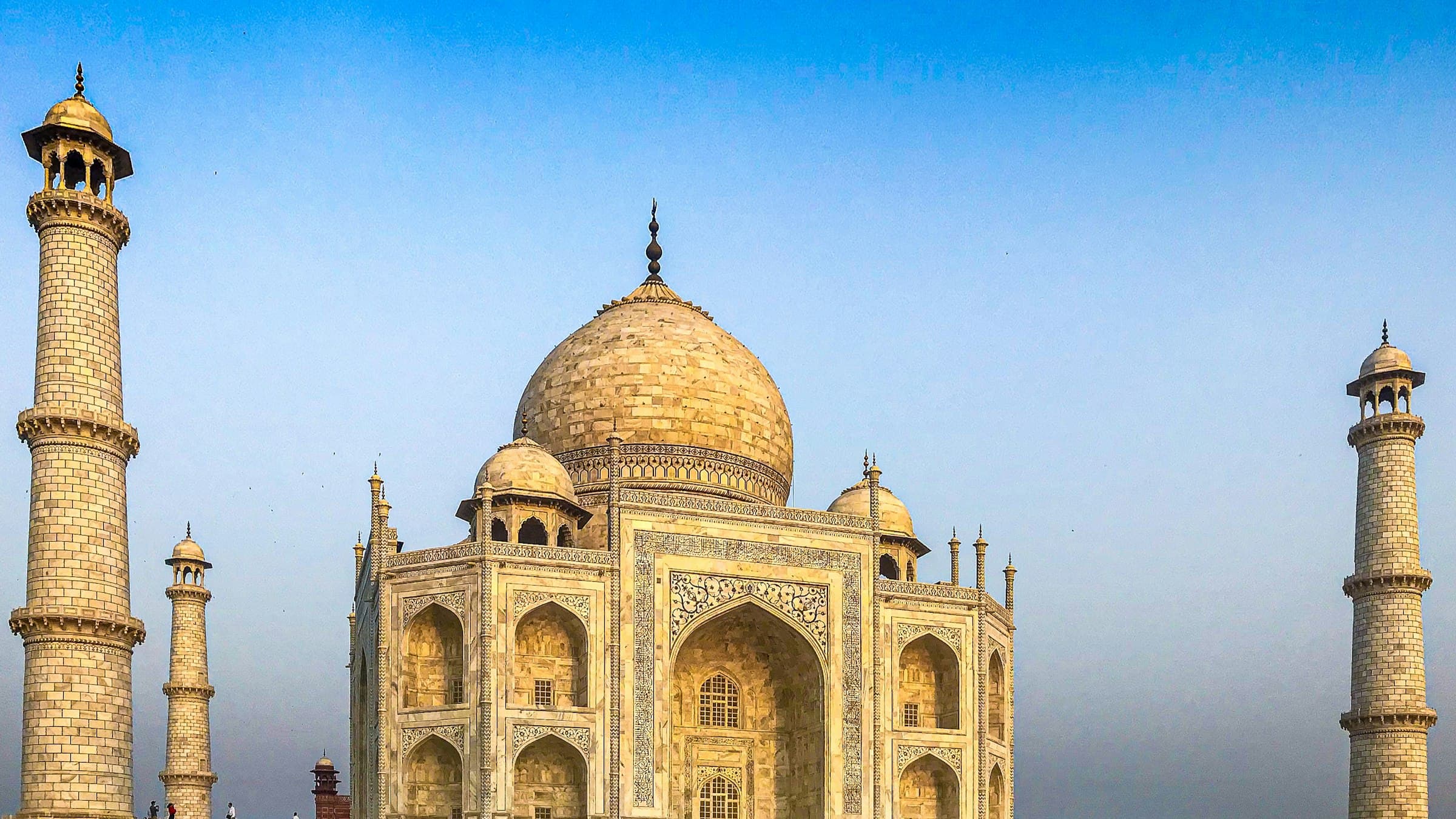
7 Nights
Golden Triangle & Udaipur Lakes
Delhi · Jaipur · Udaipur · Agra
6 Nights
Golden Triangle In Depth
Delhi · Jaipur · Agra
6 Nights
Golden Triangle with Ranthambore Tiger Safari
Delhi · Jaipur · Ranthambore · Agra
Where To Stay
Where To Stay In Agra
Stays are chosen for the setting and the service, then matched to the pace of your route.
ITC Mughal, a Luxury Collection Resort & Spa
★★★★★
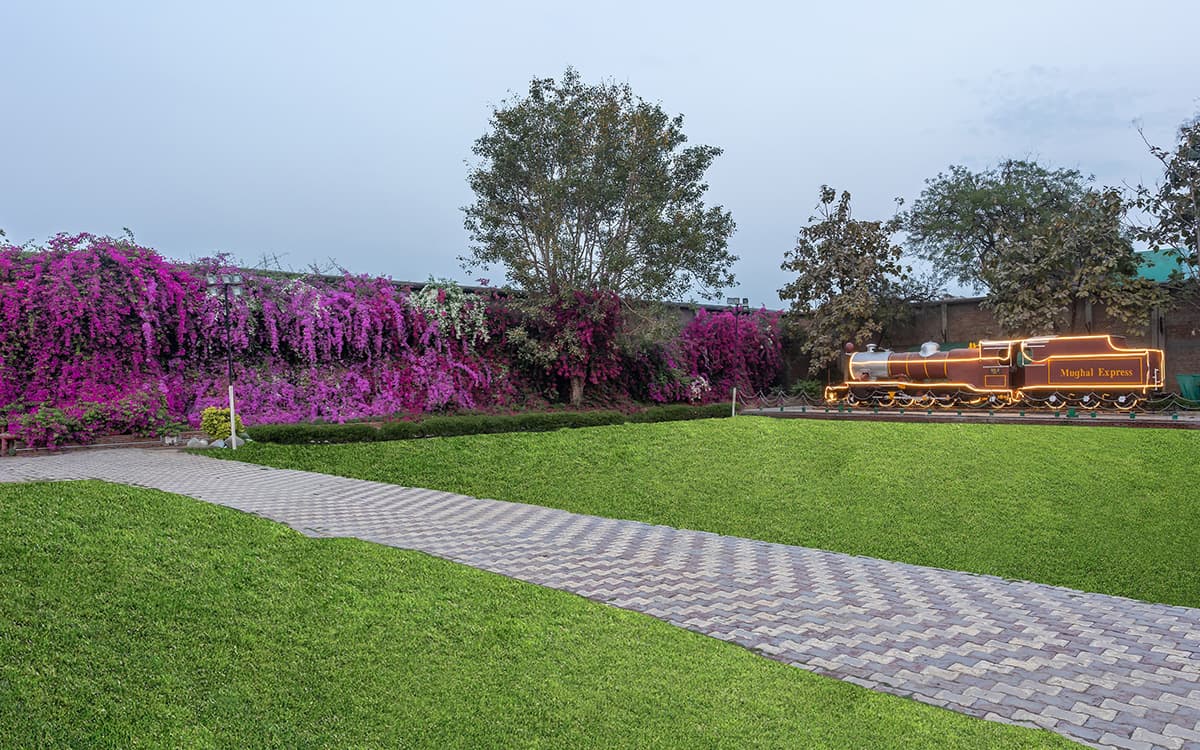
ITC Mughal spreads across 23 acres of gardens on Agra's Fatehabad Road, about 15 minutes from the Taj Mahal. Red sandstone walls, domed towers, and water courtyards echo Mughal architecture throughout the property. It remains the only Indian hotel to win the Aga Khan Award for Architecture, a recognition reserved for genuinely significant design. Walk in and the lobby, named Akbar Mahal, sets the tone immediately. Marble floors, hand-carved wooden reception desks, and a broad chandelier fill the space with quiet grandeur. Courtyards throughout the property use reflecting pools and fountains, drawing directly on Mughal garden design rather than borrowing only its surface details. The resort holds 233 rooms and suites across several categories. Mughal Rooms and Chambers offer classic comfort with rich textiles and dark wood furniture. Higher categories, including the Royal Mughal Suite and Grand Presidential Suite, add separate living rooms, private plunge pools, and dedicated treatment areas. Every category carries some version of the property's Mughal-inspired design language, from patterned wallpapers to carved detailing. Dining centres on Peshawri, one of India's most celebrated restaurants. It specialises in North West Frontier cuisine, cooked over open tandoors and displayed through a live kitchen. The restaurant has spawned a small chain across other ITC properties, but Agra's original location still draws travellers on its own reputation. Taj Bano serves refined Indian cuisine in a more formal setting, Mughal Pavilion offers poolside dining, and Maikhana rounds things out as the resort's bar. Kaya Kalp, The Royal Spa, is another genuine draw. It holds eight treatment suites, including a Royal Mughal Hamam modelled on Mughal-era bathing rituals. The spa has picked up international recognition, including a Conde Nast Traveller nod for Favourite Hotel Spa in Asia. An outdoor pool sits within its own landscaped courtyard, framed by the same red-brick architecture used across the property. Guests can also explore the resort's gardens on foot, spotting the same palm-lined courtyards and fountain pools that define its award-winning design. For travellers who want serious architectural ambition alongside genuinely excellent Indian food, ITC Mughal offers both without asking guests to choose between them. It sits slightly further from the Taj Mahal than some Agra hotels, but the trade-off is space, gardens, and a resort feel rare in a city this dense with tourism. The resort also carries strong environmental credentials, part of the ITC group's wider sustainability push across its hotel portfolio. Solar heating, water recycling, and locally sourced landscaping all sit behind the scenes, without affecting the guest experience. Event spaces and banqueting halls make ITC Mughal a genuine option for destination weddings and larger group bookings too, a role its scale and gardens suit particularly well.
The Oberoi Amarvilas
★★★★★
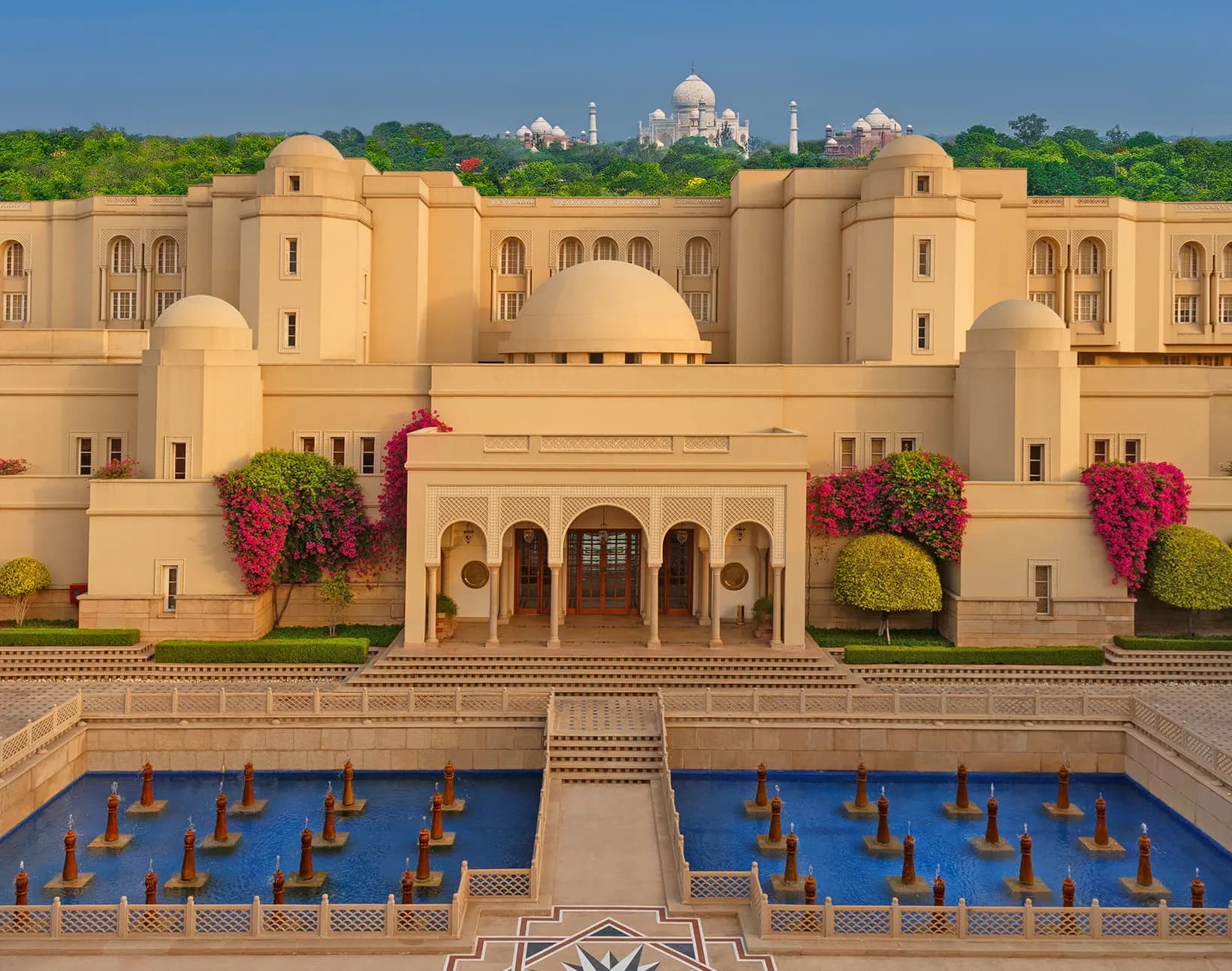
The Oberoi Amarvilas stands just 600 metres from the Taj Mahal, and every one of its rooms and suites shares the same view. That is a rare claim for any hotel in the world. Guests wake up, pull back the curtains, and see the marble dome in the near distance, often through the same morning haze the poets wrote about. The building itself echoes Mughal and Rajasthani architecture without copying it directly. Domes, arches, and reflecting pools recall the era that built the Taj Mahal itself. Red sandstone and cream stone give the exterior real texture and depth, especially at sunrise and sunset. Guests arrive through a series of terraced courtyards and fountain pools, climbing gradually toward the main building. This layered approach was designed deliberately, drawing on the tradition of Mughal garden design. It also means the Taj Mahal reveals itself gradually rather than all at once, from the driveway to the final courtyard. Inside, the hotel offers 95 rooms and seven suites, each with an unrestricted Taj Mahal view. Some rooms open onto private balconies, ideal for watching the marble change colour through the day. Every room and suite includes 24-hour butler service, a standard that goes beyond what most Agra hotels offer. Dining leans into the same historical setting. Esphahan serves Mughlai cuisine in a formal, candlelit room styled after imperial dining halls. Bellevue offers all-day international and Indian menus with the same Taj-facing views. The Bar rounds out the evening with cocktails and quieter conversation away from the crowds. A large outdoor pool sits within the hotel's terraced gardens, framed by domed pavilions and blue-tiled water. The Oberoi Spa offers massages and body treatments across private suites, drawing on both Indian and international techniques. Guests can also book a sunrise or sunset visit to the Taj Mahal directly through the hotel's concierge, timed to avoid the busiest crowds. The property spreads across landscaped grounds far larger than a typical city hotel, and buggies ferry guests between the entrance, rooms, and restaurants. This gives Amarvilas a resort-like calm despite sitting minutes from Agra's busiest tourist district. Peacocks are a common sight on the lawns, adding to the sense of a private, cultivated retreat. The Oberoi Amarvilas has become one of the most-photographed hotels in India, and it earns that reputation honestly. Few properties anywhere pair a genuine world wonder with this level of architectural ambition and personal service. For travellers visiting Agra, this hotel turns the Taj Mahal from a single day-trip stop into the reason to stay several nights.
Trident, Agra
★★★★
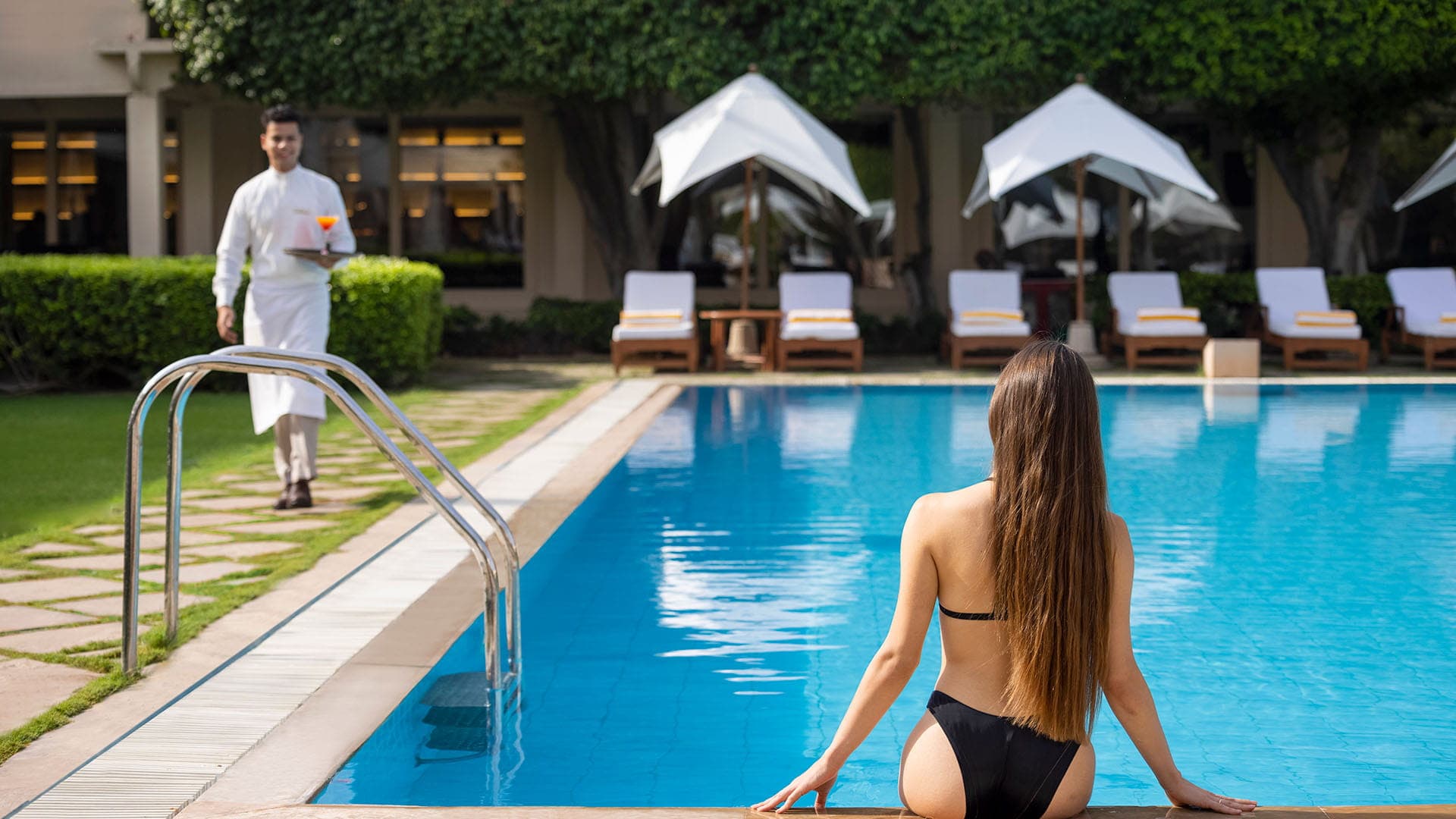
Trident Agra is a low-rise garden hotel on Fatehabad Road, under ten minutes from the Taj Mahal. It is the premium sister brand to The Oberoi Amarvilas, run by the same group but priced well below it. The building wraps around courtyards and a central water channel, in a nod to the Mughal charbagh gardens the city is known for. Rooms look onto the gardens or the pool. The grounds are large and quiet, which matters in Agra. There is a spa with Ayurvedic therapies, a pool, a kids' club, and one all-day restaurant and bar. The hotel draws a quarter of its power from on-site solar and bottles its own water. This is the sensible premium choice for the Golden Triangle's Agra night — a real garden hotel close to the monument, without the palace-hotel price.
16
years crafting private India journeys
30,000+
travellers guided end to end
4.5
from 15 reviews on Trustpilot

Ministry of Tourism
NIDHI Certified Tour Operator

Rajasthan Tourism
Recognized Travel Agency

Travel for LiFE
Sustainable Tourism Pledge

Google Reviews★★★★★
Verified business reviews
Frequently Asked
Questions About Agra
How many days do you need in Agra?
One full day covers the Taj Mahal and Agra Fort. Two days let you add Itimad-ud-Daulah, Mehtab Bagh, Akbar's Tomb at Sikandra and Fatehpur Sikri without rushing. Many travellers visit Agra between Delhi and Jaipur, so a night in the city makes a sunrise Taj visit easier. Your guide can shape the days around your pace.
What should I know before visiting Agra?
Dress modestly and wear comfortable shoes, as you will walk on stone and marble. Start early in the warmer months. Expect security checks at the Taj Mahal, so carry only what you need. Rules on bags, tripods and footwear can change, so check current details with your guide. Winter fog can slow roads and trains.
When is the best time of day to visit the Taj Mahal?
Early morning is a favourite. The marble reads pinkish in early light, and the day is cooler. Late afternoon light is softer too, and Mehtab Bagh across the river gives a different view at sunset. Timings and closures change, so check current details with your guide before you fix a plan.
How far is Fatehpur Sikri from Agra?
Fatehpur Sikri is about 40 km southwest of Agra. Akbar built it as his planned capital in 1571, and it was abandoned within twenty years. It is usually visited as a half-day trip by road. Many travellers combine it with a drive between Agra and Jaipur, which your driver can arrange.
Are your tours in Agra private?
Yes. Every journey is private. You travel with your own guide and driver, and the pace is yours to set.
What is the best time to visit Agra?
October to March, when the days are cooler for long walks through the monuments. Summers are extremely hot, and winter fog can disrupt travel.
How do I get to Agra?
Agra Airport (Kheria) has limited domestic flights, so many travellers arrive by road or rail from Delhi, about 230 km away. Allow roughly three to four hours by road.
Can I combine Agra with other cities?
Yes. We can join Agra to other cities in Uttar Pradesh in a single route, with transfers and stays planned around it.
Can you arrange hotels in Agra?
Yes. Stays are part of every journey. We match them to your budget and to the pace of your route.
How do I plan a trip to Agra?
Share your dates and who is travelling using the form on this page. A specialist replies with a private route for you to review.

Kashmir to Kanyakumari
Get In Touch
Start Planning Your Agra Journey
Tell us a little about who's coming and when. A private itinerary comes back built around your answer.