First, 2 nights in Delhi
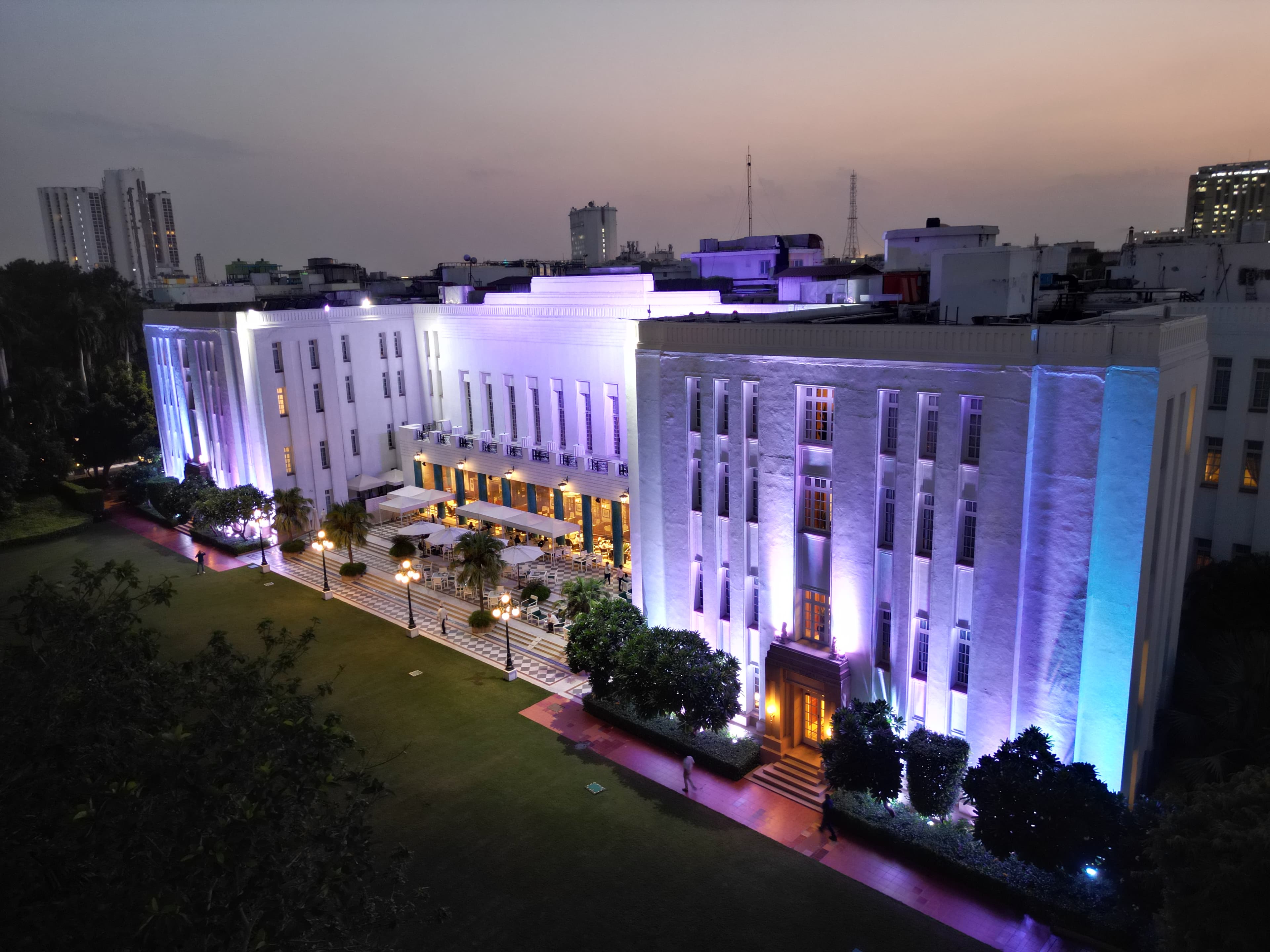
The Imperial New Delhi
The Imperial New Delhi is a 1936 heritage hotel on Janpath with a vast art collection, celebrated restaurants, and five-star comfort.
Delhi · Hotel · Luxury★★★★★
Delhi → Agra → Jaipur → Pushkar → Jodhpur → Jaisalmer → Udaipur
About This Journey
Fifteen nights across seven cities, built for travellers who want to work each location properly rather than move through it. Delhi's Old City and Imperial capital open the trip with real time on the ground, and every stop that follows — Agra, Jaipur, Pushkar, Jodhpur, Jaisalmer, Udaipur — gets an extra day beyond the standard grand tour specifically for shooting light, architecture and street life without a fixed departure time.
The additional days show up where they matter most for a camera: a second day in Jaipur for the Pink City beyond Amber Fort, a look at Jodhpur's Old City and the Toorji Ka Jhalra stepwell beyond Mehrangarh, and a day at Jaisalmer's merchant havelis, intricately carved sandstone mansions that most itineraries pass by. It is the same royal circuit, given the time a photographer actually needs.
Beyond the fort itself, Jaisalmer's old merchant havelis — carved sandstone mansions built by wealthy trading families — are some of the finest stone architecture in Rajasthan, and this route gives them their own day rather than a stop on the way to the dunes.
Toorji Ka Jhalra, a restored 18th-century stepwell in the heart of the Blue City, is a striking piece of stone geometry most standard itineraries miss entirely — this route builds in a dedicated day for Jodhpur's Old City to reach it.
Amber Fort is the obvious highlight, but Jaipur's Old City walls, bazaars and pink sandstone facades reward a second, unhurried day — which this itinerary includes before the departure onward.
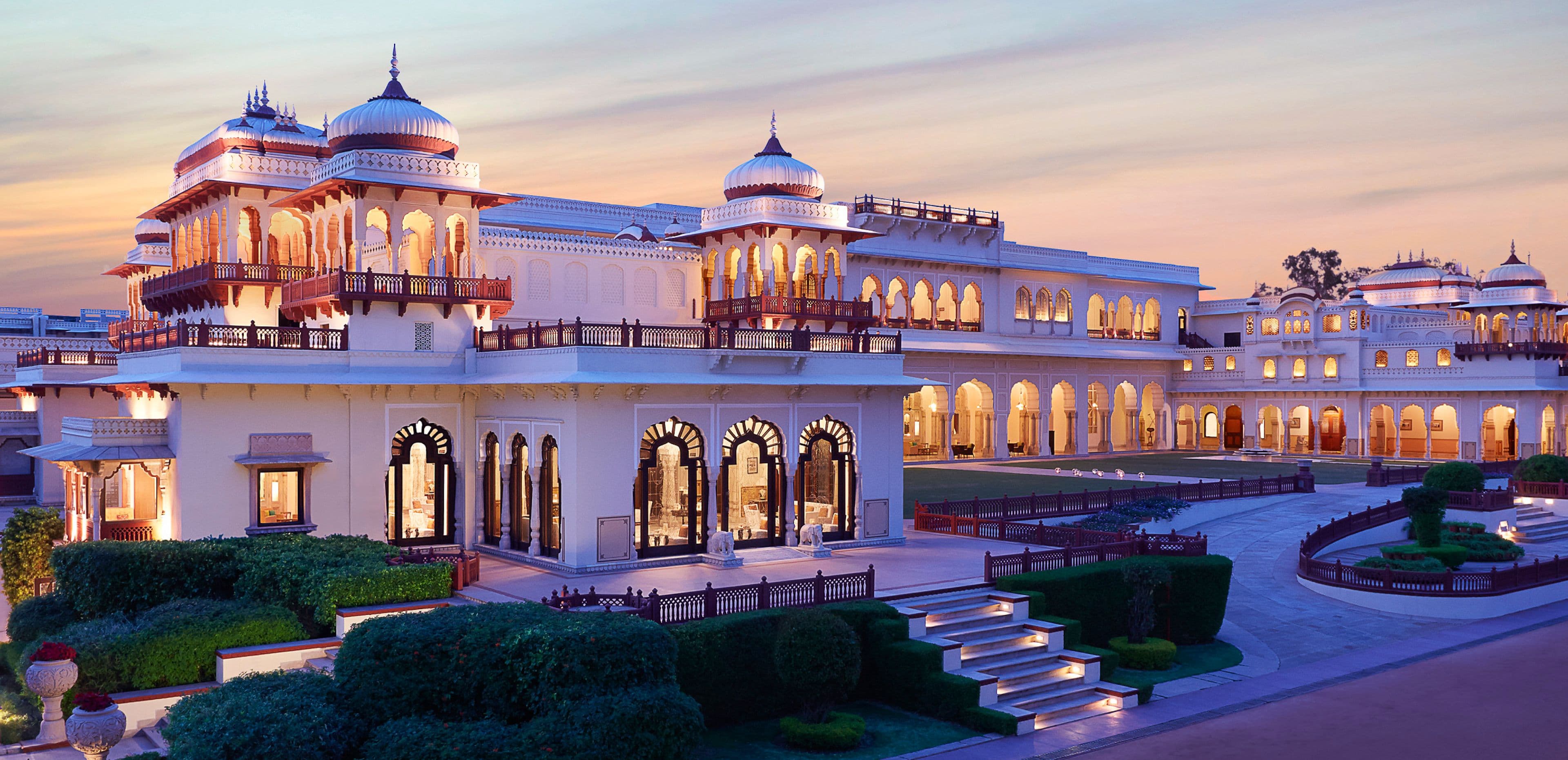
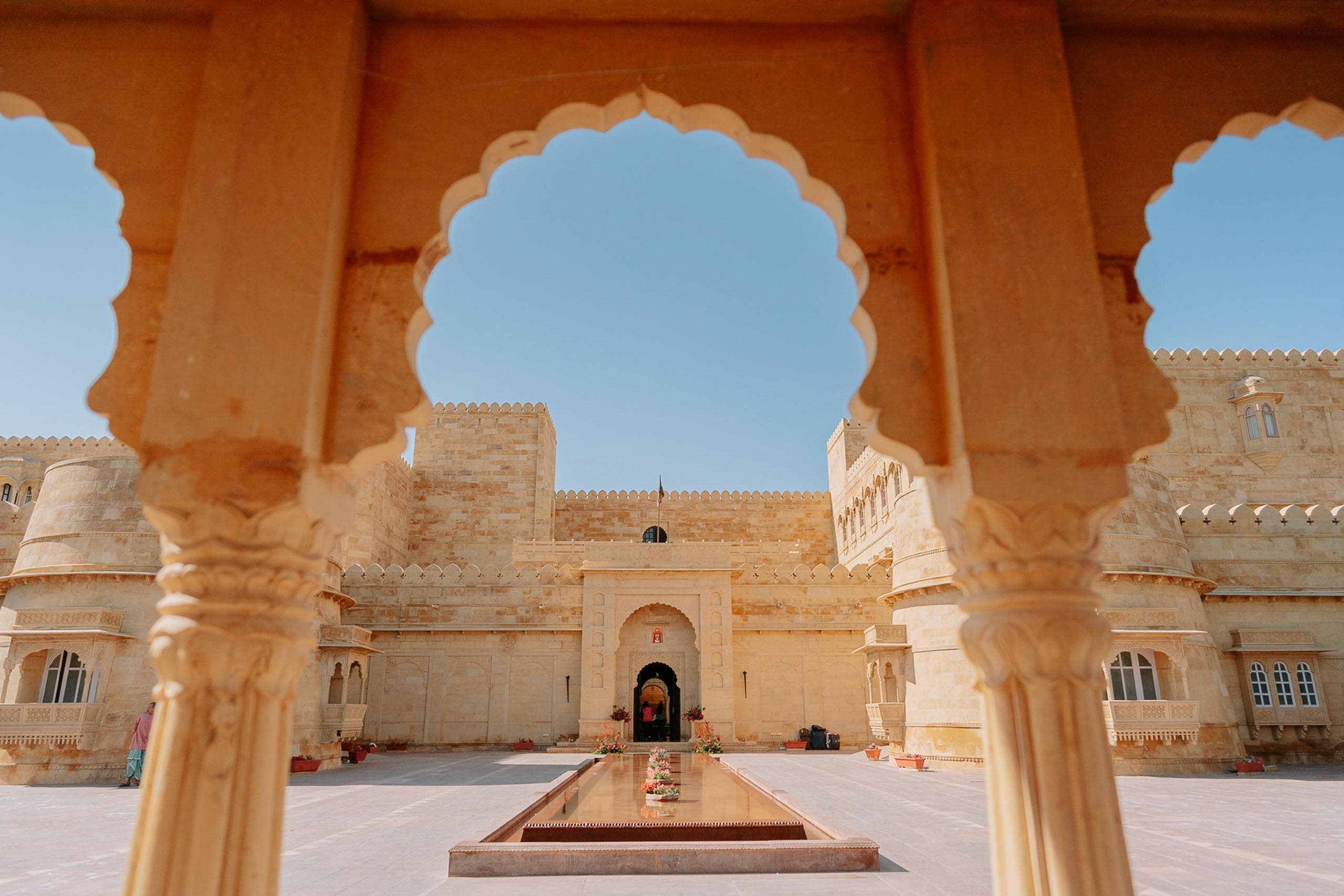
The extended nights at properties like Rambagh Palace in Jaipur and Suryagarh in Jaisalmer mean early mornings and late evenings on the grounds themselves are part of the itinerary, not just the transit stops.
Chapter Two — Where You'll Stay
Handpicked along your own route — not a hotel chain repeated city to city.
First, 2 nights in Delhi
The Imperial New Delhi is a 1936 heritage hotel on Janpath with a vast art collection, celebrated restaurants, and five-star comfort.
Next, 2 nights in Agra
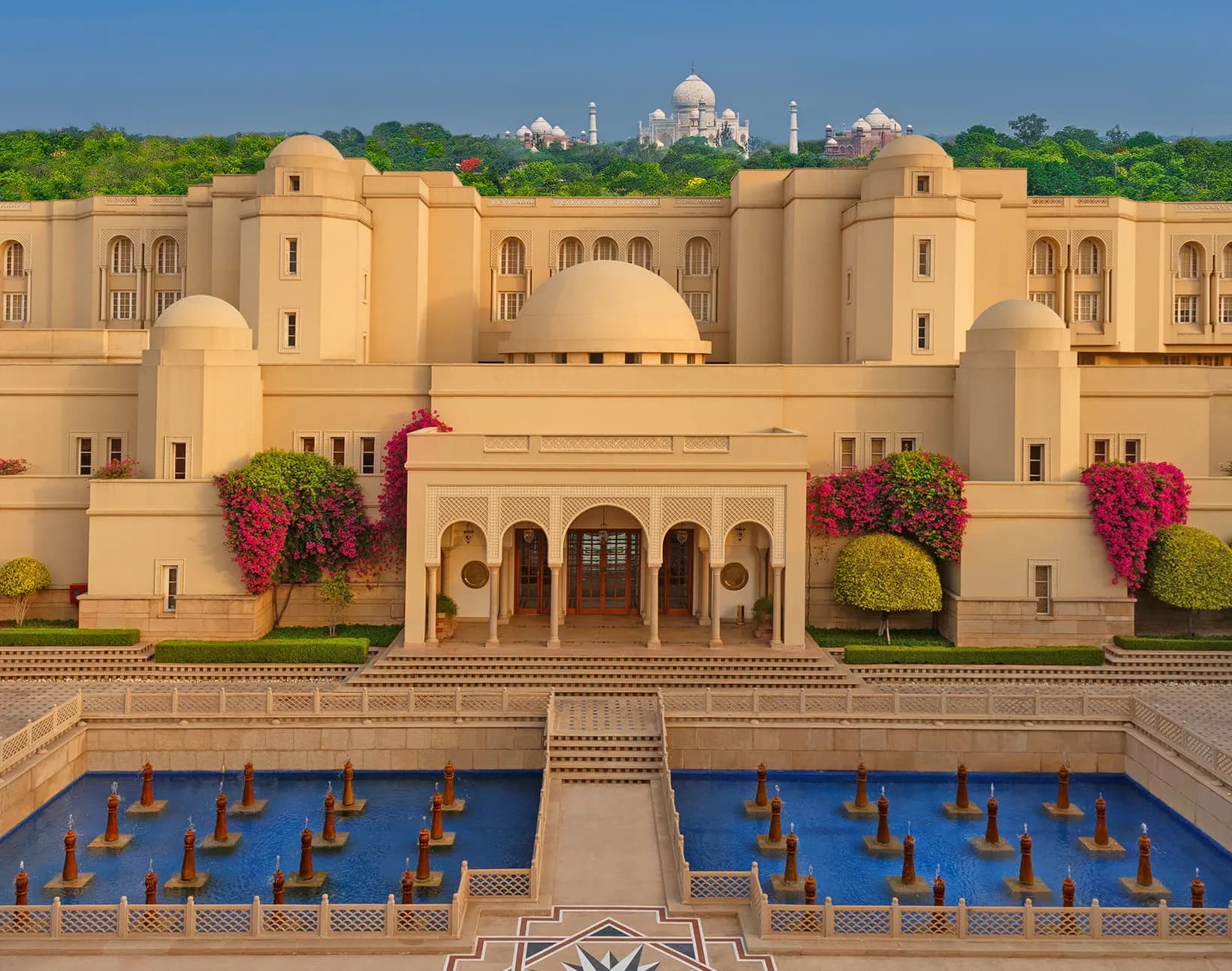
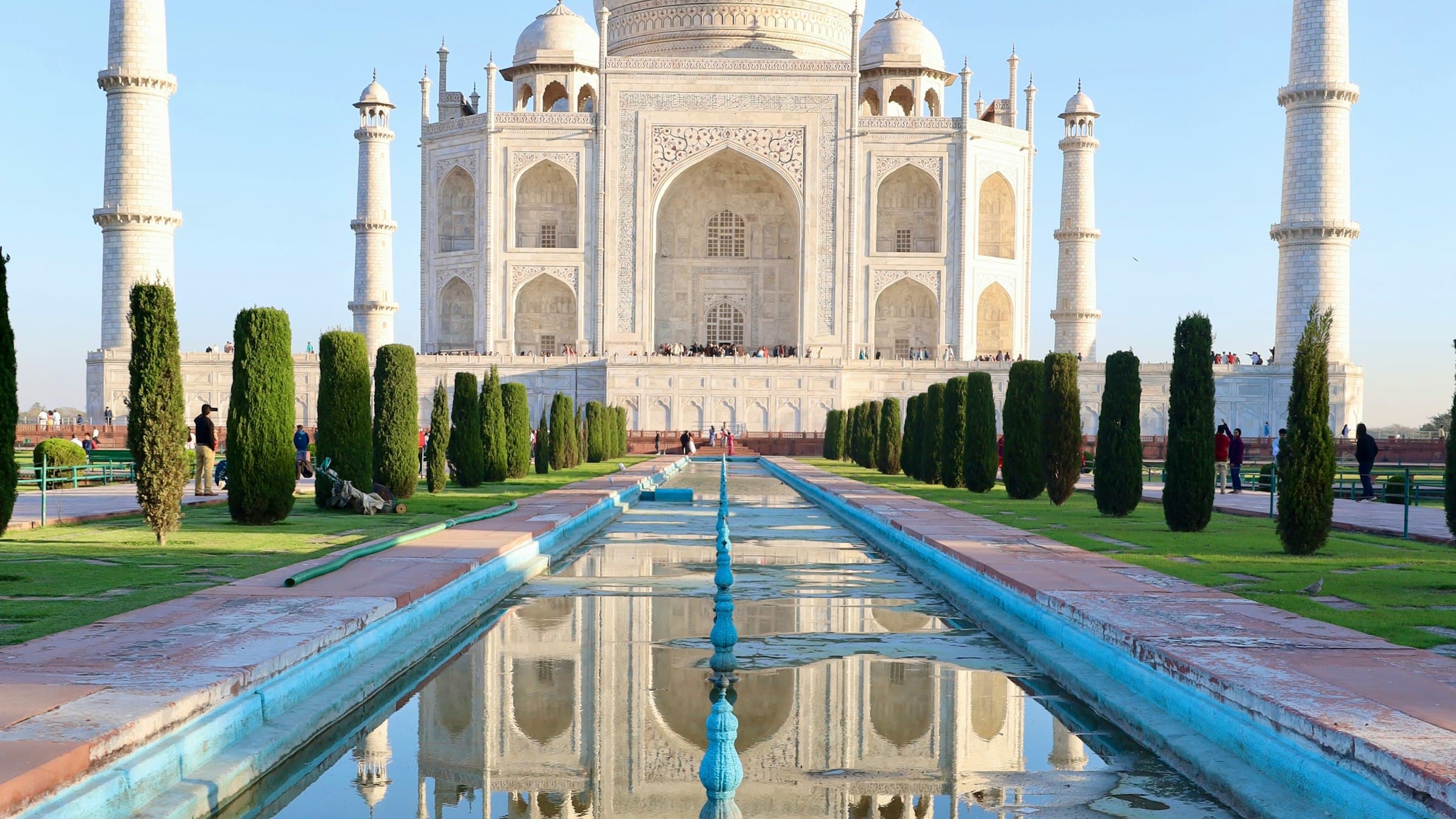
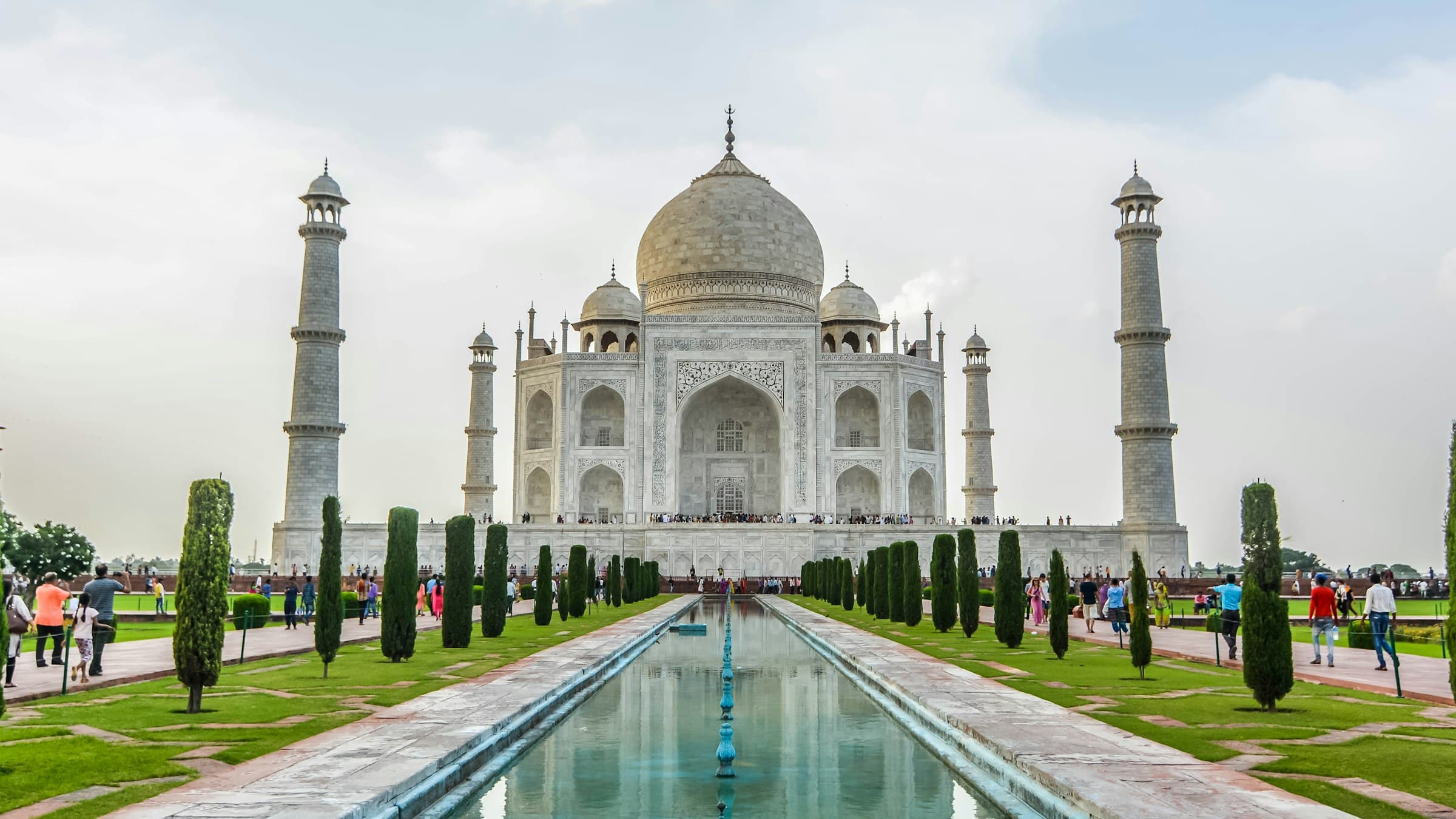
The Oberoi Amarvilas sits 600m from the Taj Mahal, with unrestricted views from every room and Mughal-inspired architecture.
Next, 3 nights in Jaipur
Stay at Rambagh Palace, Jaipur — the former Maharaja's residence. 47 acres of gardens, royal suites and Taj service on our luxury Rajasthan tours.
Next, one night in Pushkar
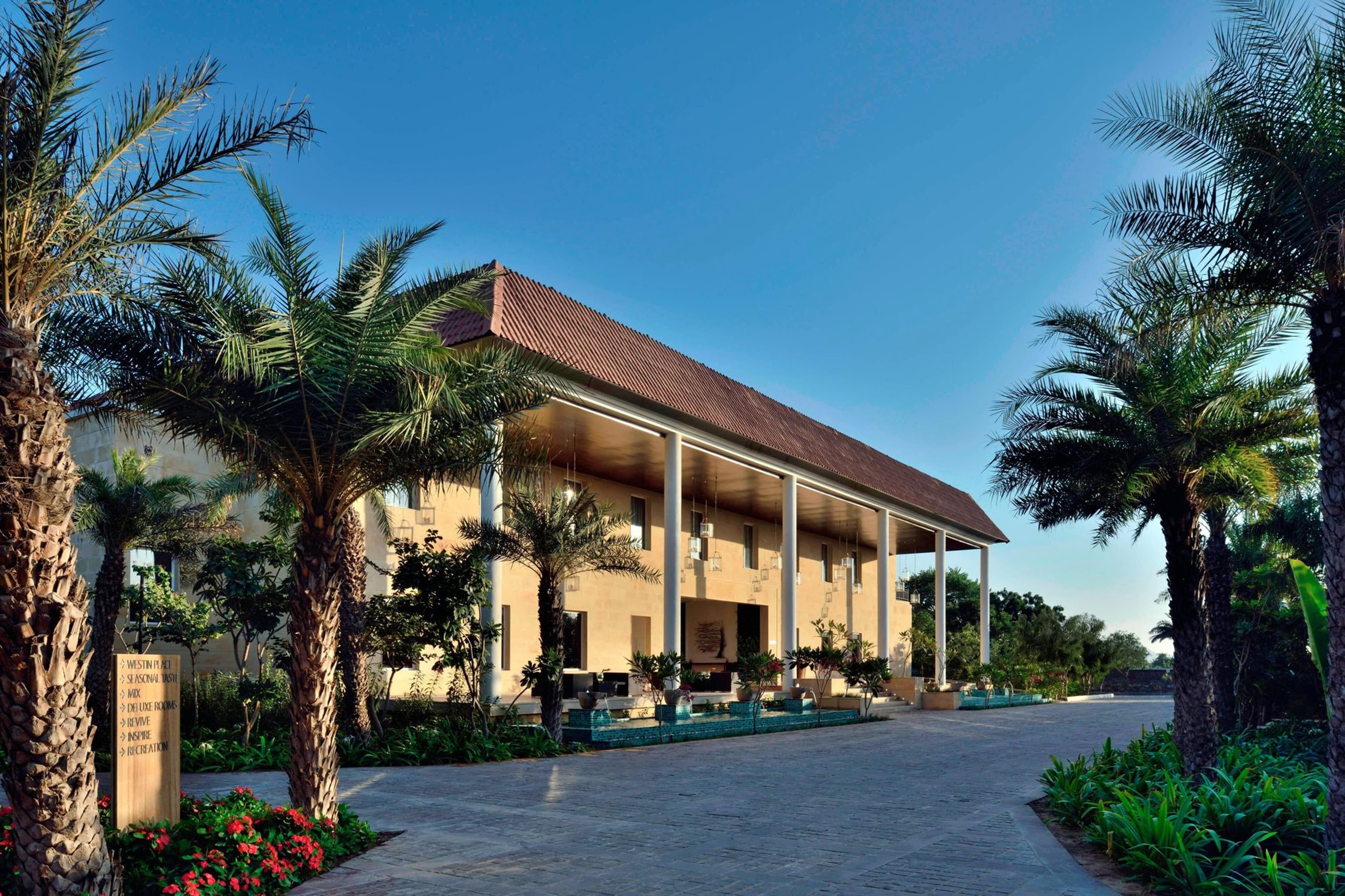
Five-star Westin resort near Pushkar, Rajasthan, set against the Aravalli hills with spa, pools, and multiple dining venues.
Next, 3 nights in Jodhpur
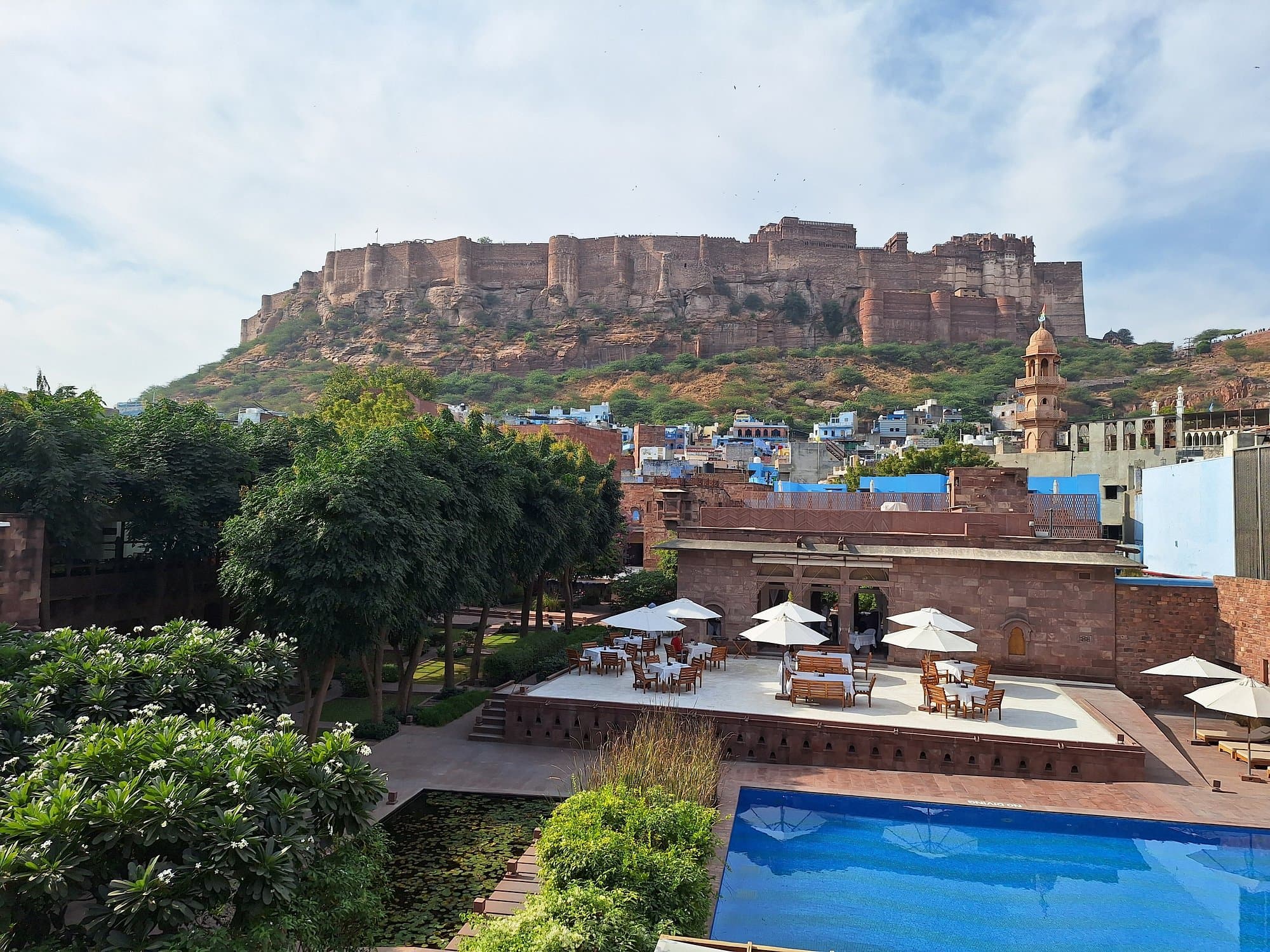
RAAS Jodhpur is a boutique luxury hotel in the walled city, set beneath Mehrangarh Fort with heritage suites and modern comfort.
Next, 3 nights in Jaisalmer
Suryagarh Jaisalmer is a sandstone fort hotel on the edge of the Thar Desert, blending Rajasthani heritage with five-star comfort.
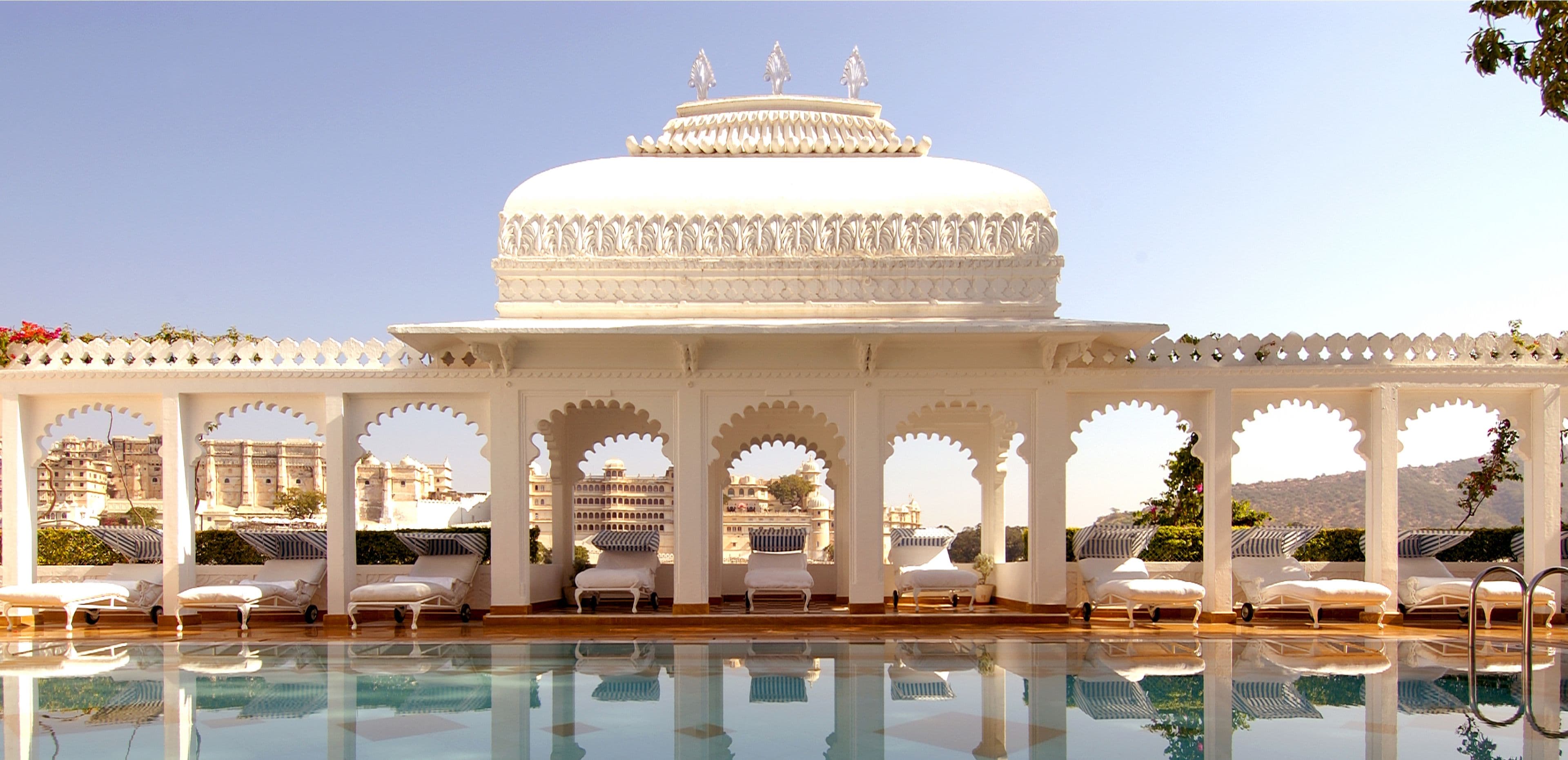
Finally, one night in Udaipur
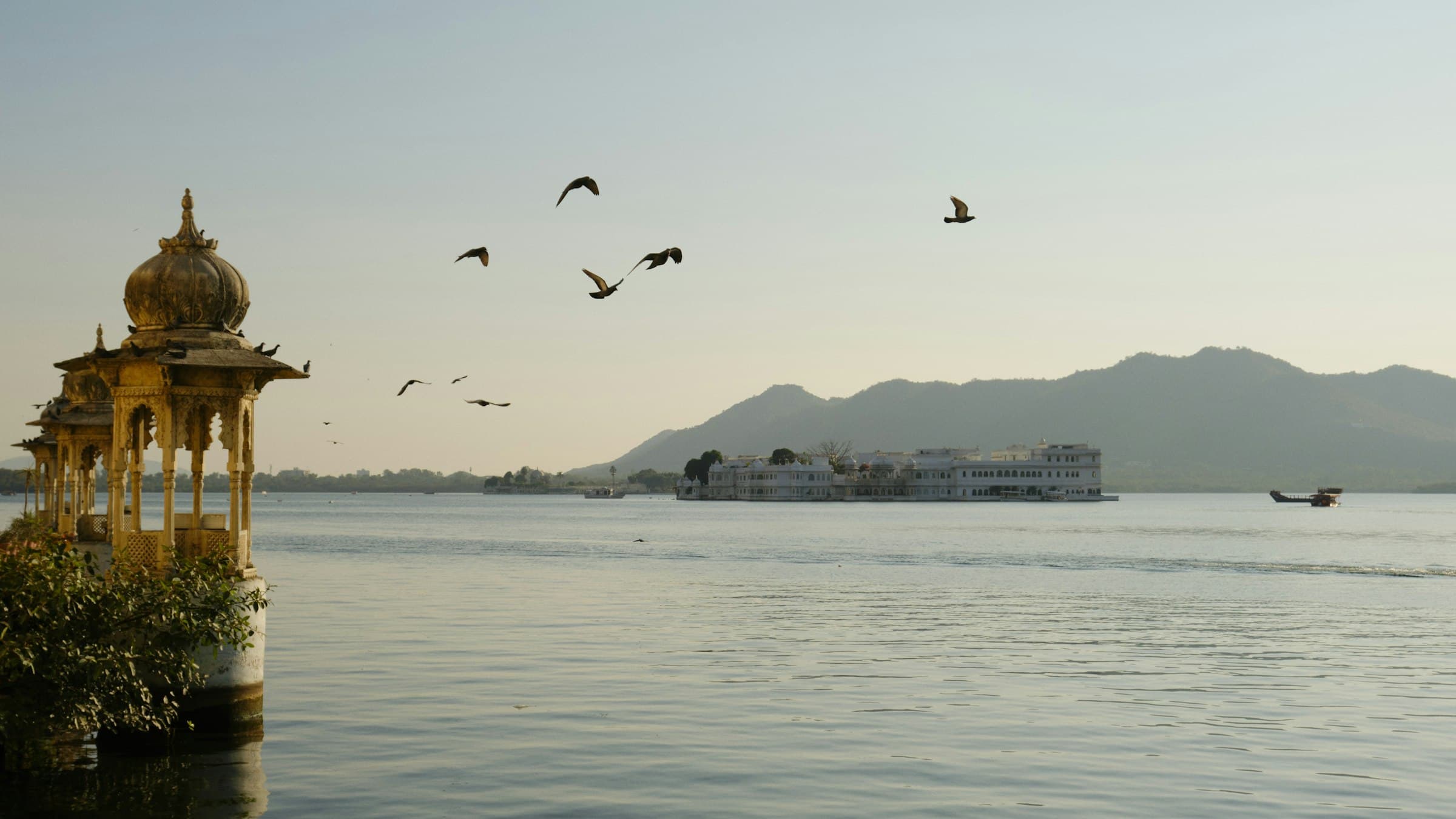
Taj Lake Palace floats on Lake Pichola, reached only by boat. Marble courtyards, lake-view suites and a barge spa on our luxury Udaipur tours.
Chapter Three — Day by Day
14 of your 16days — the full itinerary follows below. Scroll to travel the route.
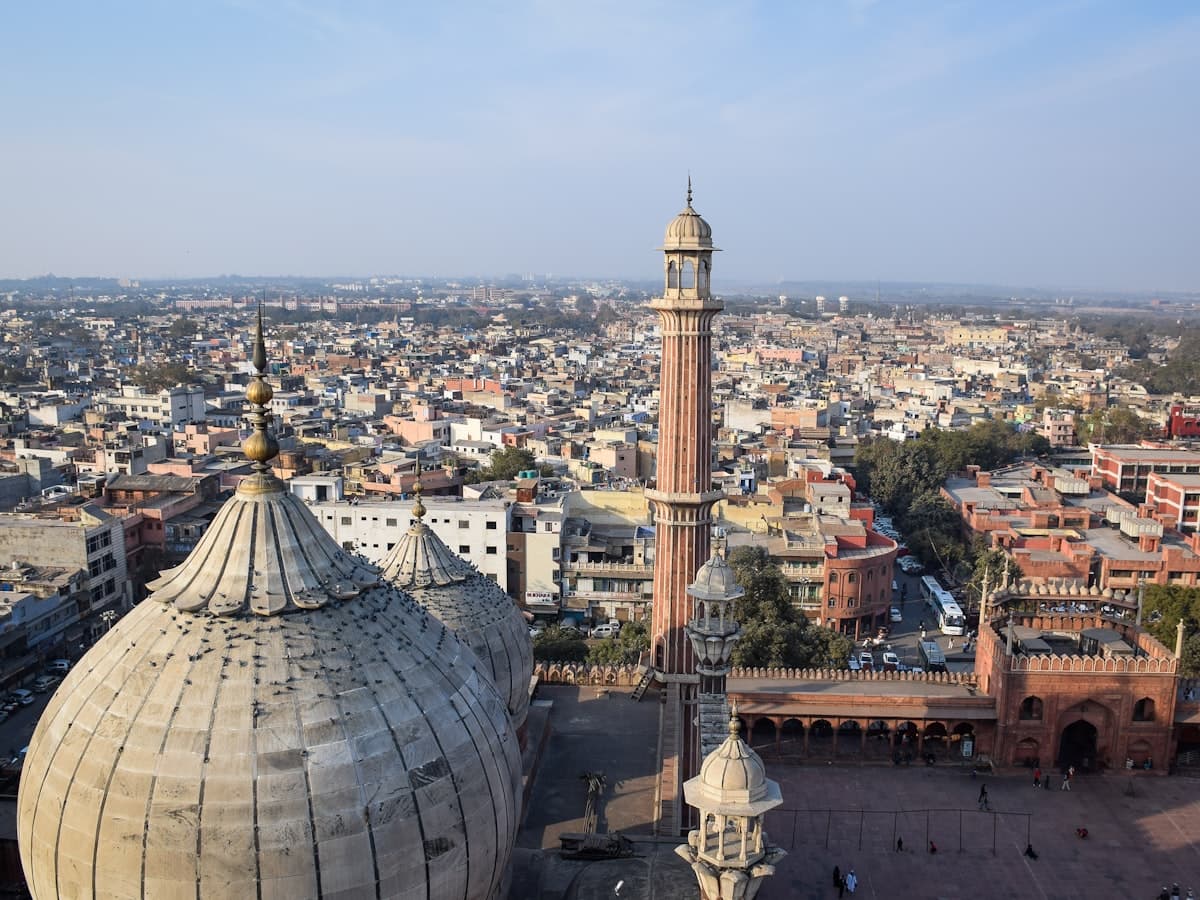
Day 2 · Delhi
A full day across two Delhis. The morning is Shahjahanabad on foot — the Jama Masjid, the spice market, a cycle-rickshaw through Chandni Chowk. The afternoon is the imperial city the British built: the long axis of Rajpath, India Gate, and the sandstone government buildings on Raisina Hill. Humayun's Tomb or the Qutub Minar fills the gap between them. It is a long day and worth it.
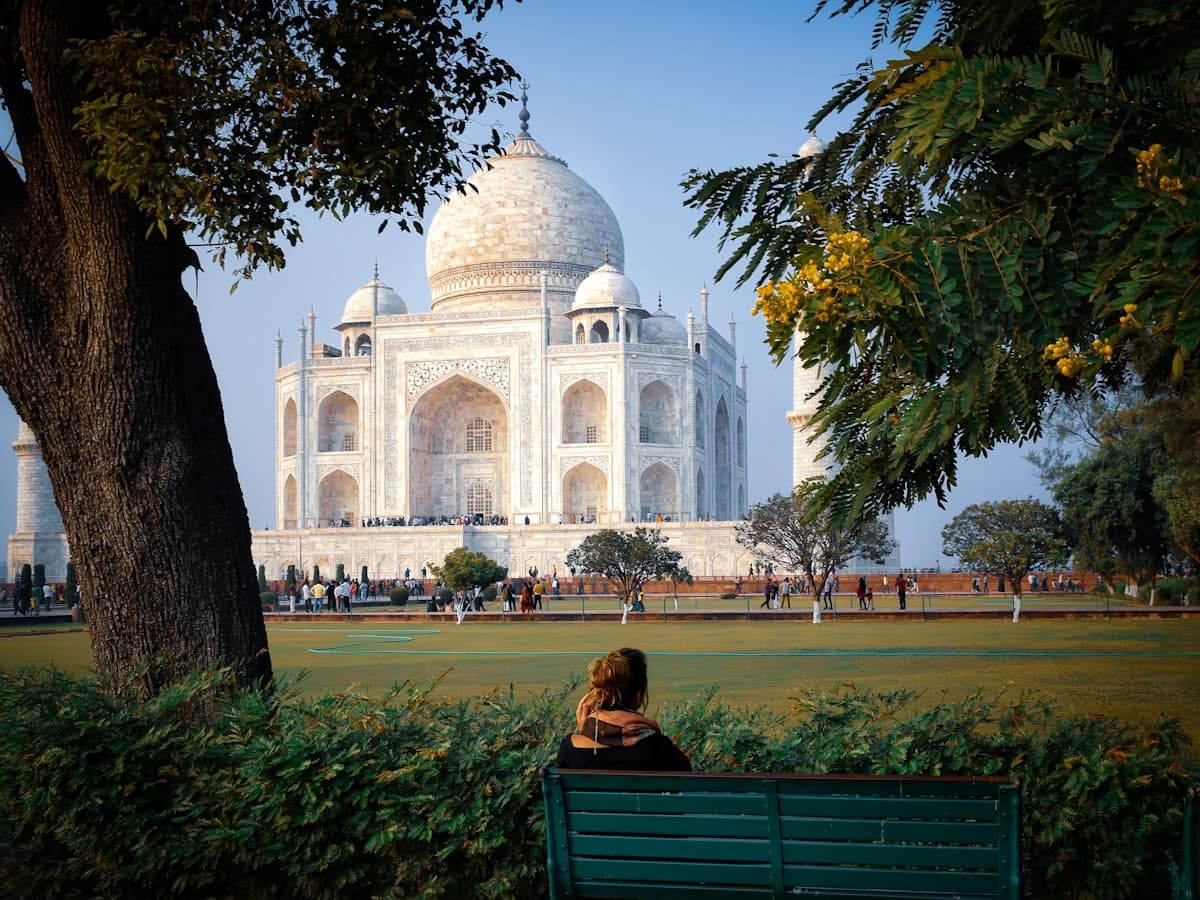
Day 3 · Delhi → Agra
The drive to Agra runs about 165 kilometres down the Yamuna Expressway and takes three to three and a half hours. It is flat, fast and unremarkable, which is the point — it replaced a full day on the old road. You reach Agra by early afternoon. The rest of the day is Agra Fort, in the long light, with the Taj Mahal visible downriver from its marble balconies — a first sight of it before tomorrow's sunrise.
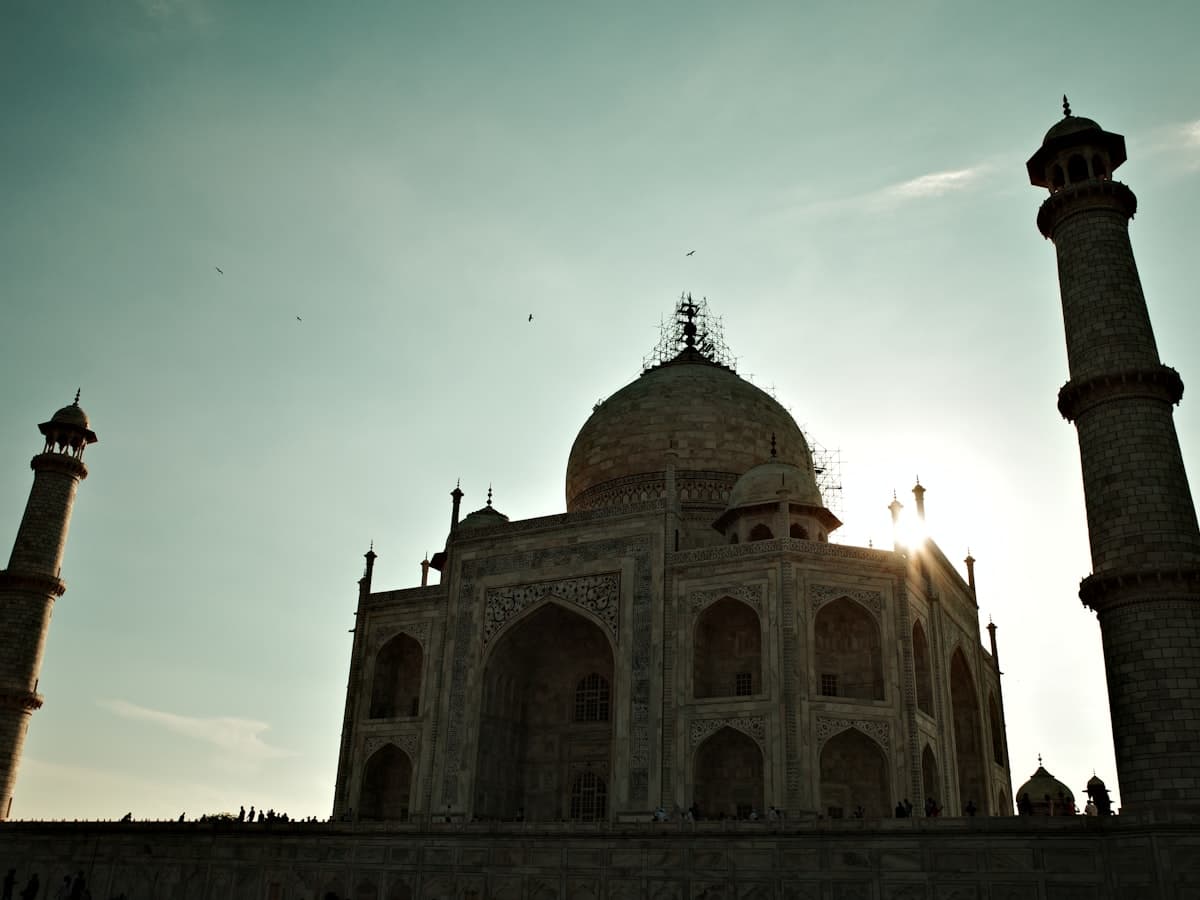
Day 4 · Agra
The gates open at first light, and the first hour is the coolest, the quietest and the best for photographs, as the marble shifts from grey to pink to white. A private guide handles the tickets and the queue. Back to the hotel for breakfast. The rest of the morning is Agra Fort, Akbar's red sandstone citadel, including the rooms where Aurangzeb held his father prisoner within sight of the Taj. The Taj is closed on Fridays.
Day 5 · Agra → Jaipur
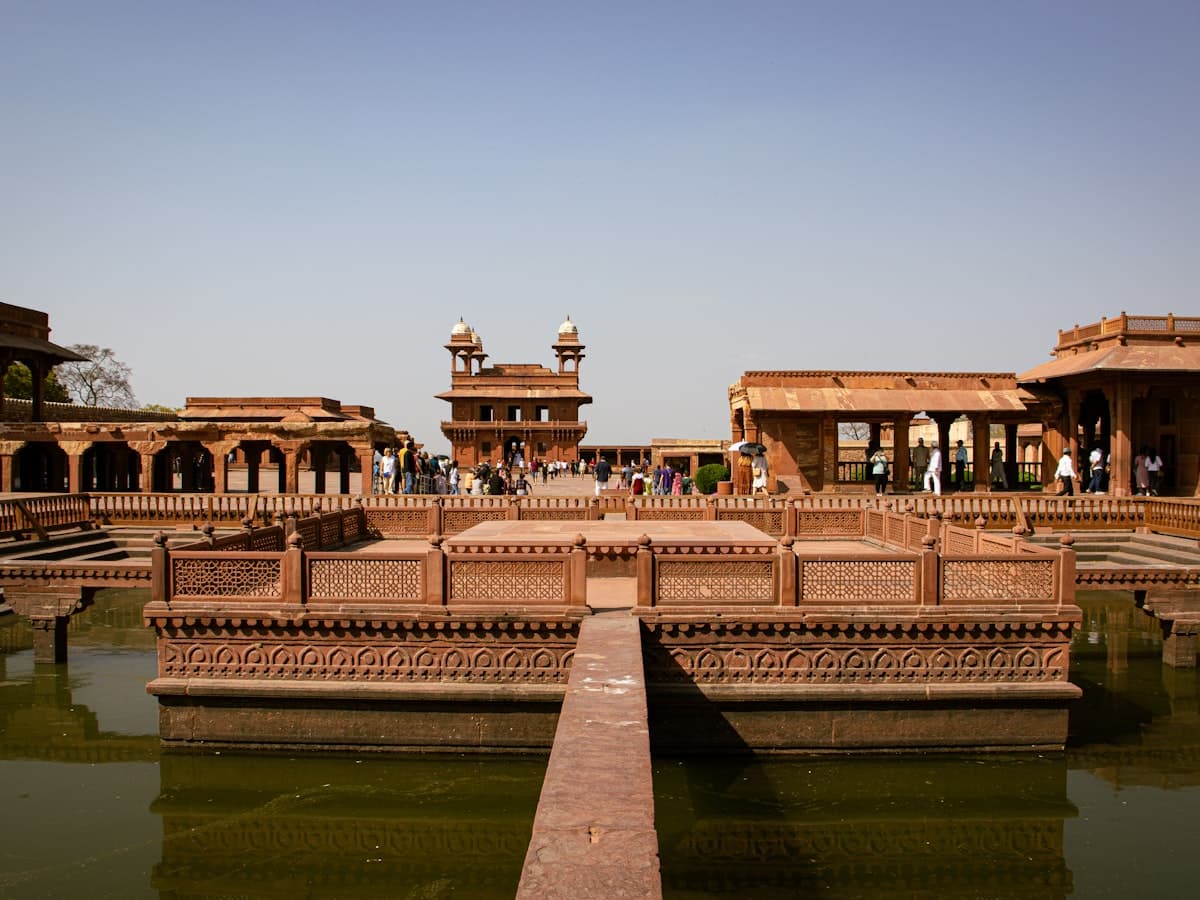
A morning drive out to Fatehpur Sikri, Akbar's capital of 1571, abandoned within twenty years and left almost untouched since. The Buland Darwaza is the tallest gateway in India. The road then runs on towards Jaipur. Near Abhaneri it passes Chand Baori, a stepwell that drops thirteen storeys into the ground. Its walls are a lattice of some 3,500 steps. It is one of the oldest and deepest in the country. Jaipur by evening, about five hours of driving in all.
Day 6 · Jaipur
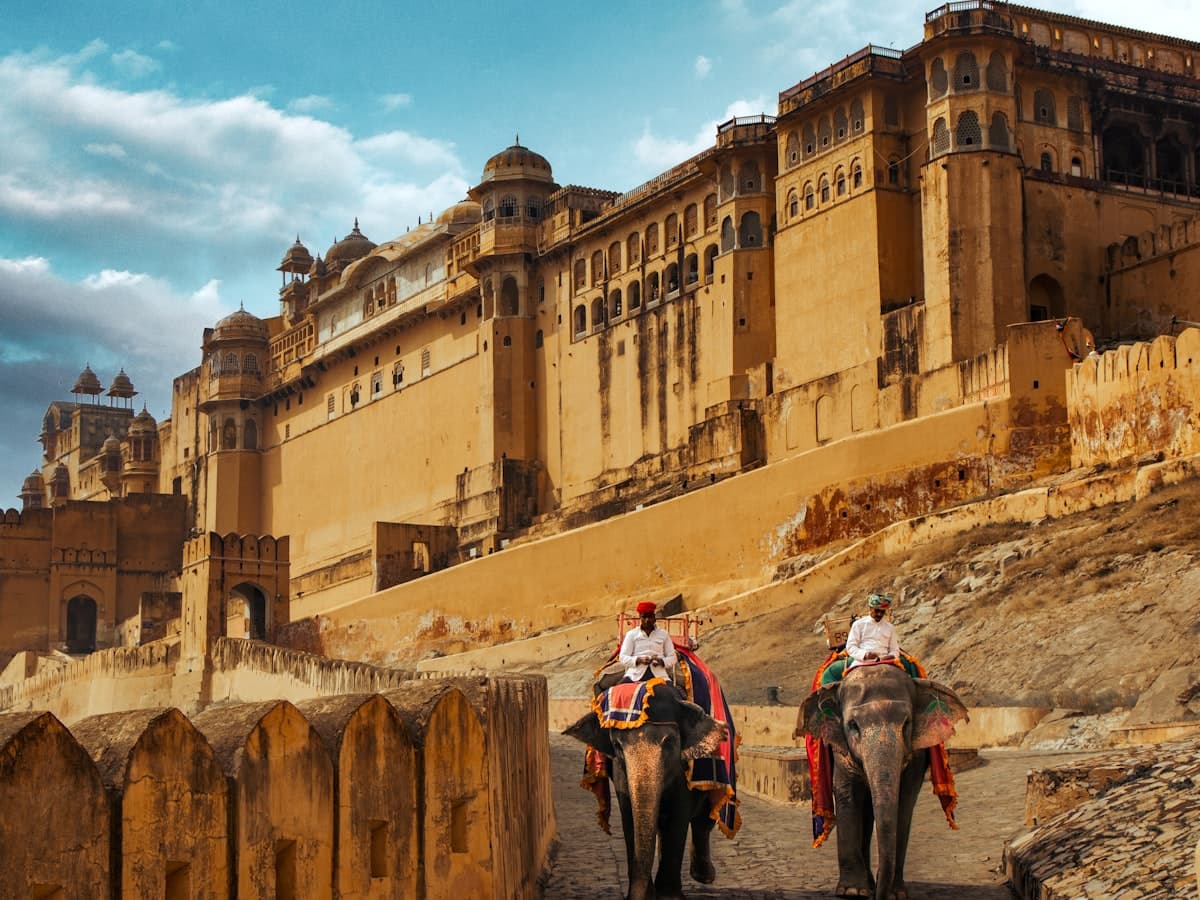
A full day built around Amber Fort. The fort sits on a hill above Maota Lake, begun in 1592 by Raja Man Singh I. Inside, Sheesh Mahal glitters — thousands of small mirror tiles set into the walls and ceiling, still catching light after four centuries. A guide walks you through Ganesh Pol, the fort's most ornate gate, before the afternoon opens up. Back in the old city, Johari Bazaar sells jewellery the way it has for generations, and Bapu Bazaar deals in block-printed textiles. Both are better explored slowly, with someone who knows which shops to trust.
Day 7 · Jaipur
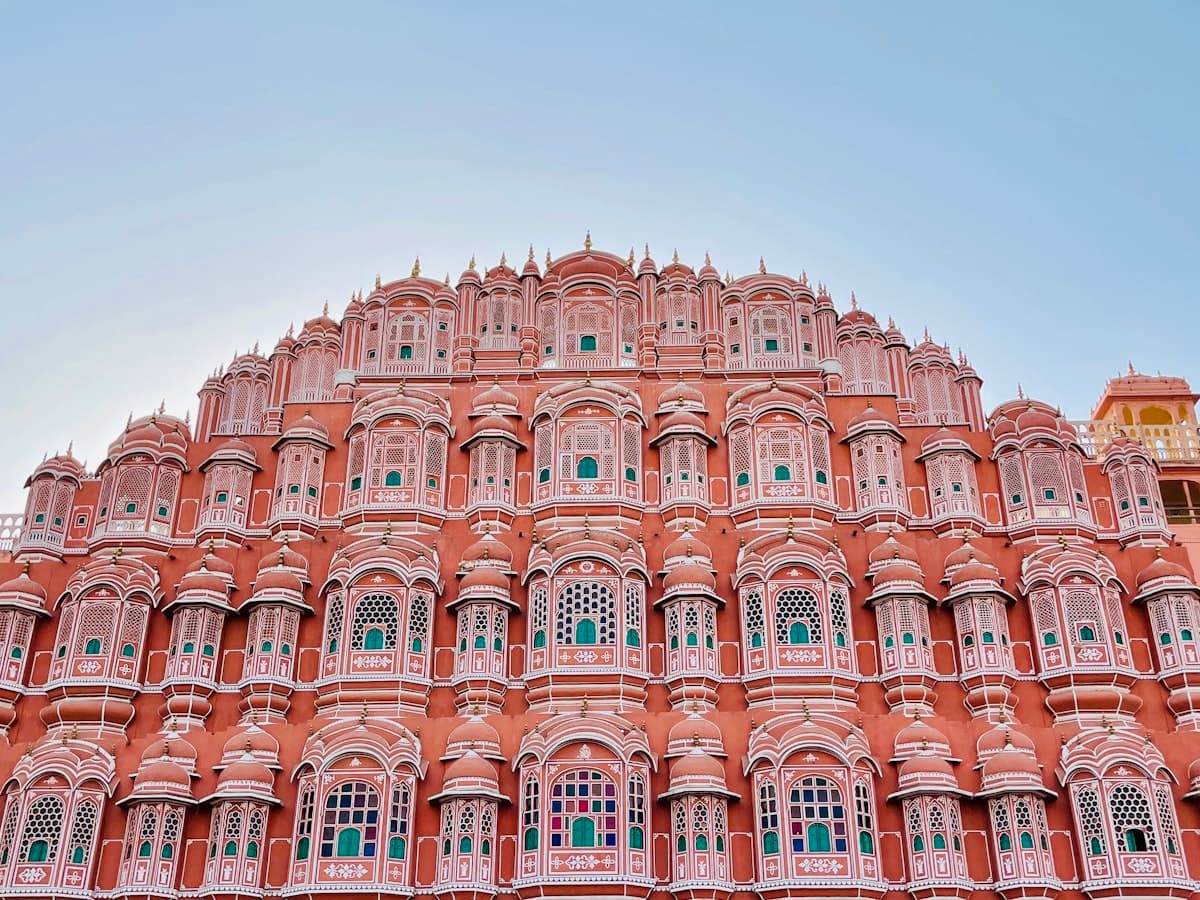
The morning is Amber Fort, on its ridge above the lake, reached on foot or by jeep up the ramp. Inside are the mirrored hall, the painted gates and the older palace behind. Back in the city, a drive past the Hawa Mahal and a walk through the bazaars around the City Palace fills the rest of the day. Your driver times the transfer to the airport or the train. This is the usual last day of a Golden Triangle trip.
Day 8 · Jaipur → Pushkar
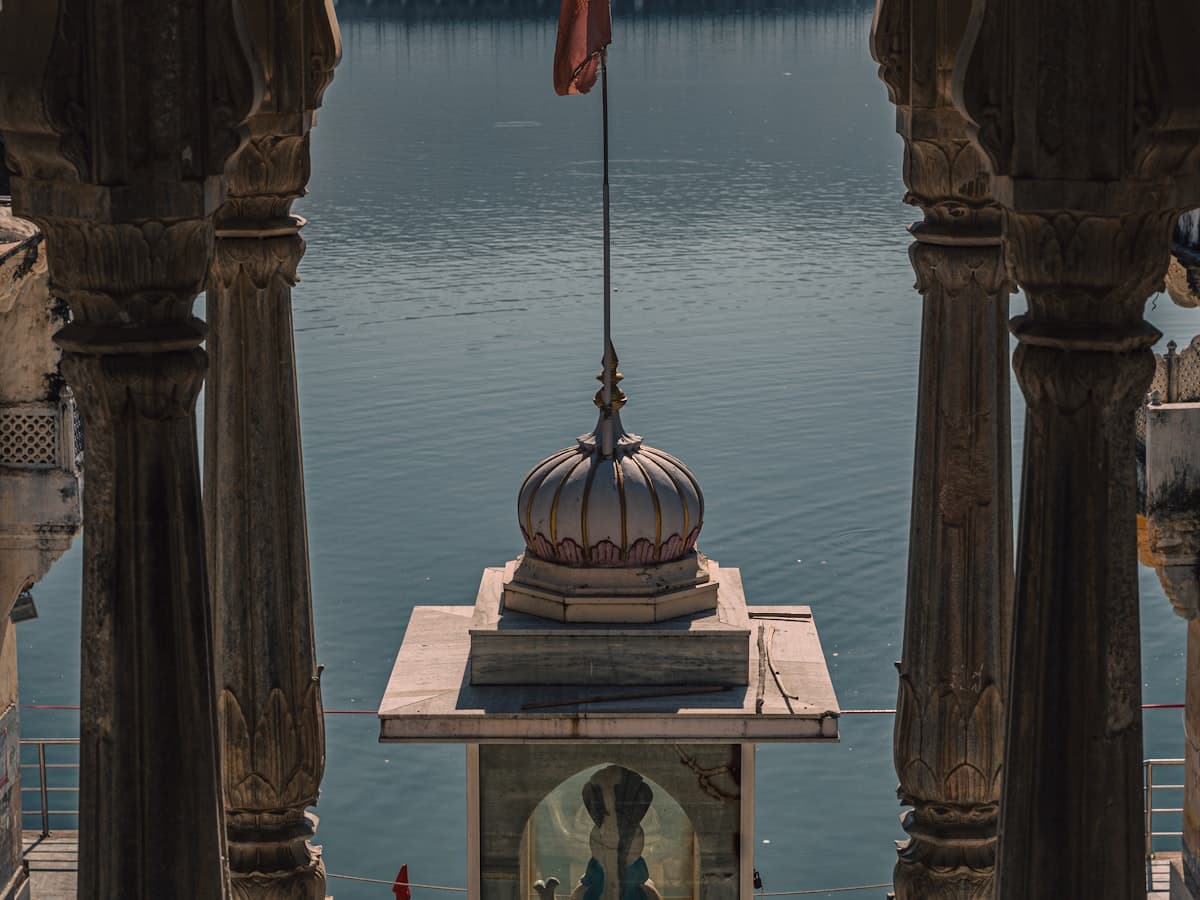
A shorter transfer, around three hours, to Pushkar — a small desert town built around a lake considered sacred in Hindu tradition. Pushkar Lake is ringed by more than fifty bathing ghats. Above them stands Brahma Temple, one of only a handful anywhere in India dedicated to Brahma, and by far the most visited. Evening brings the ghats to life with lamps and prayer, best watched from a quiet spot along the water rather than the busiest steps.
Day 9 · Pushkar → Jodhpur
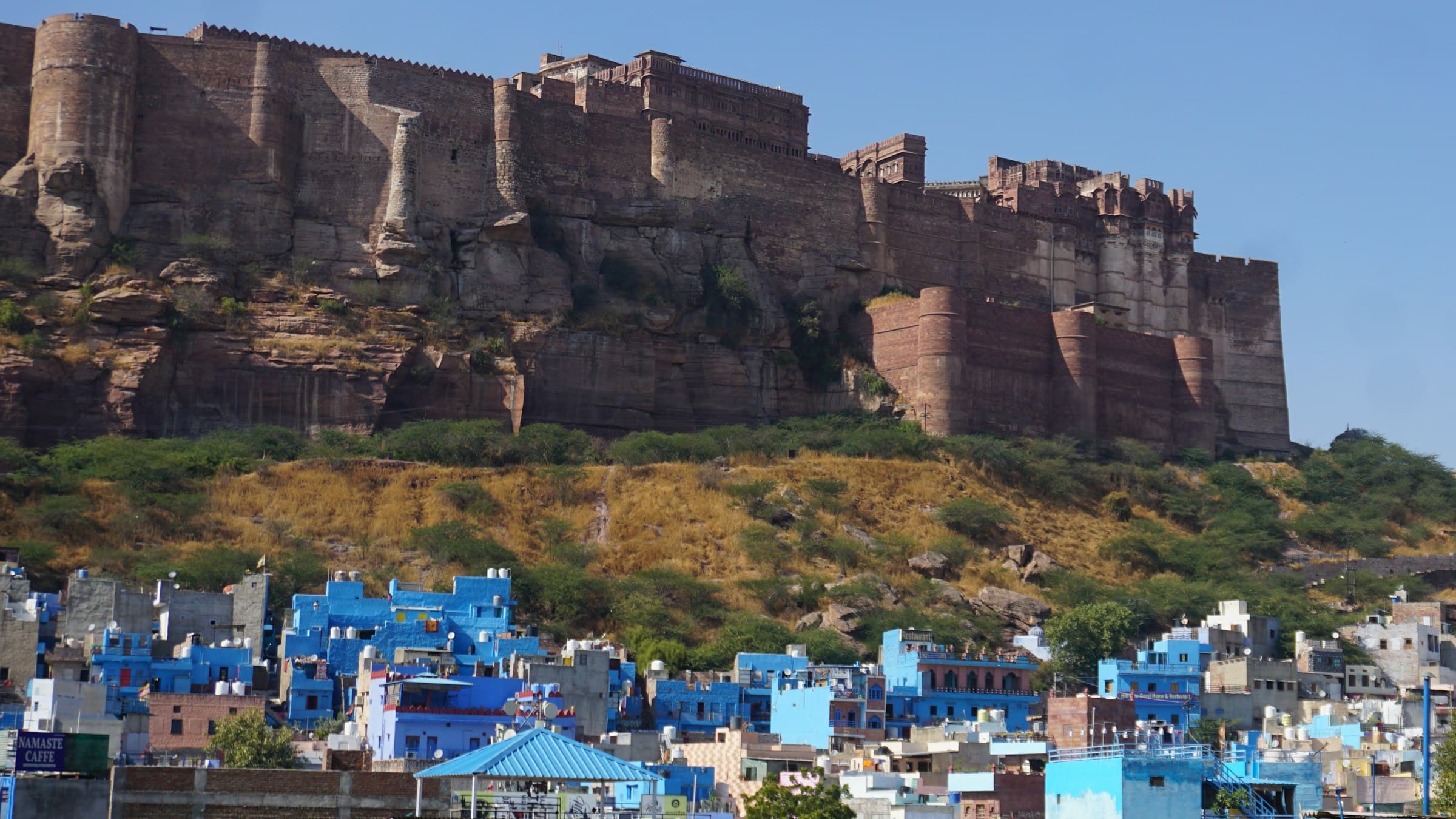
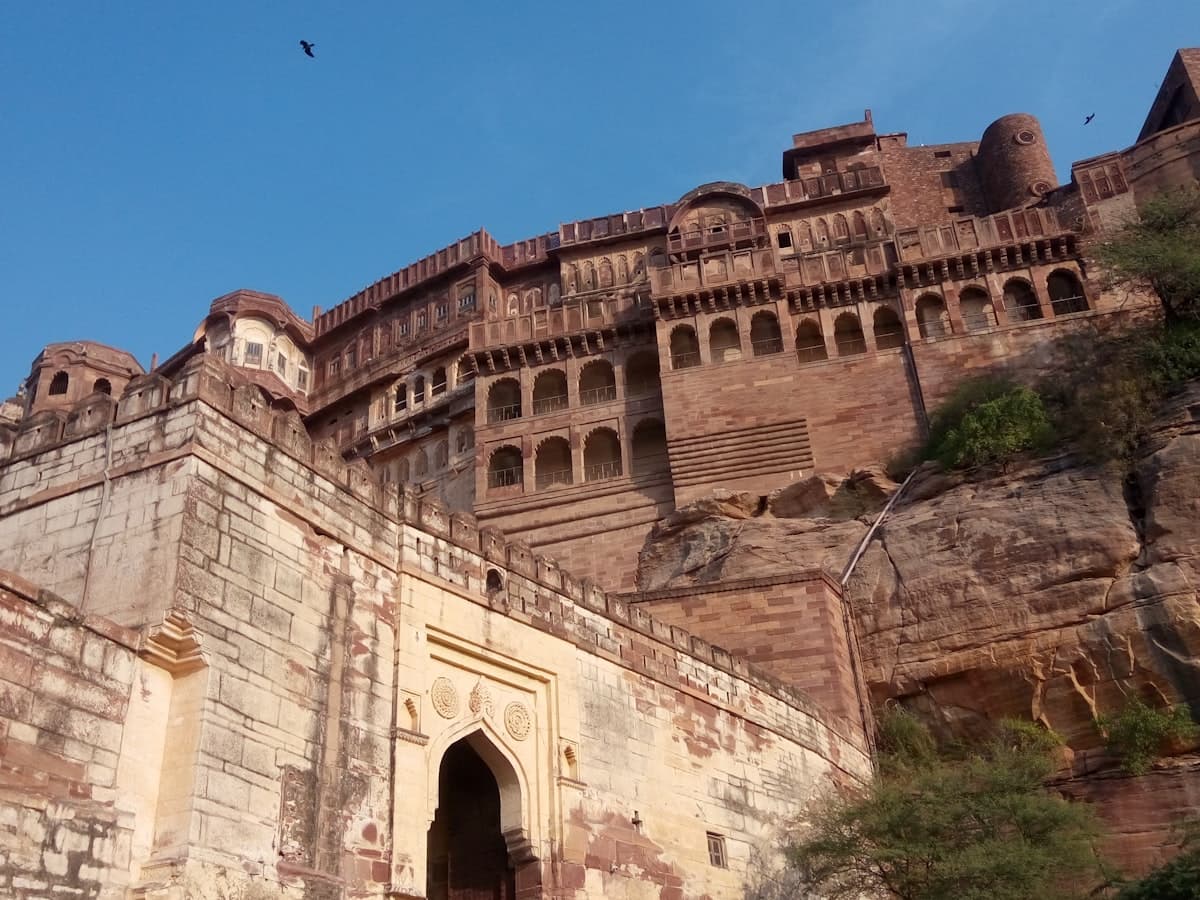
The road from Pushkar to Jodhpur takes about four hours, arriving in time for an afternoon at Mehrangarh Fort. Built in 1459 on a cliff 125 metres above the city, the fort's museum covers five centuries of Rajput rule through armour, palanquins, and painted manuscripts. The old city below is known as the Blue City for the indigo-washed houses spreading out beneath the ramparts — best seen from the fort walls just before sunset.
Day 10 · Jodhpur
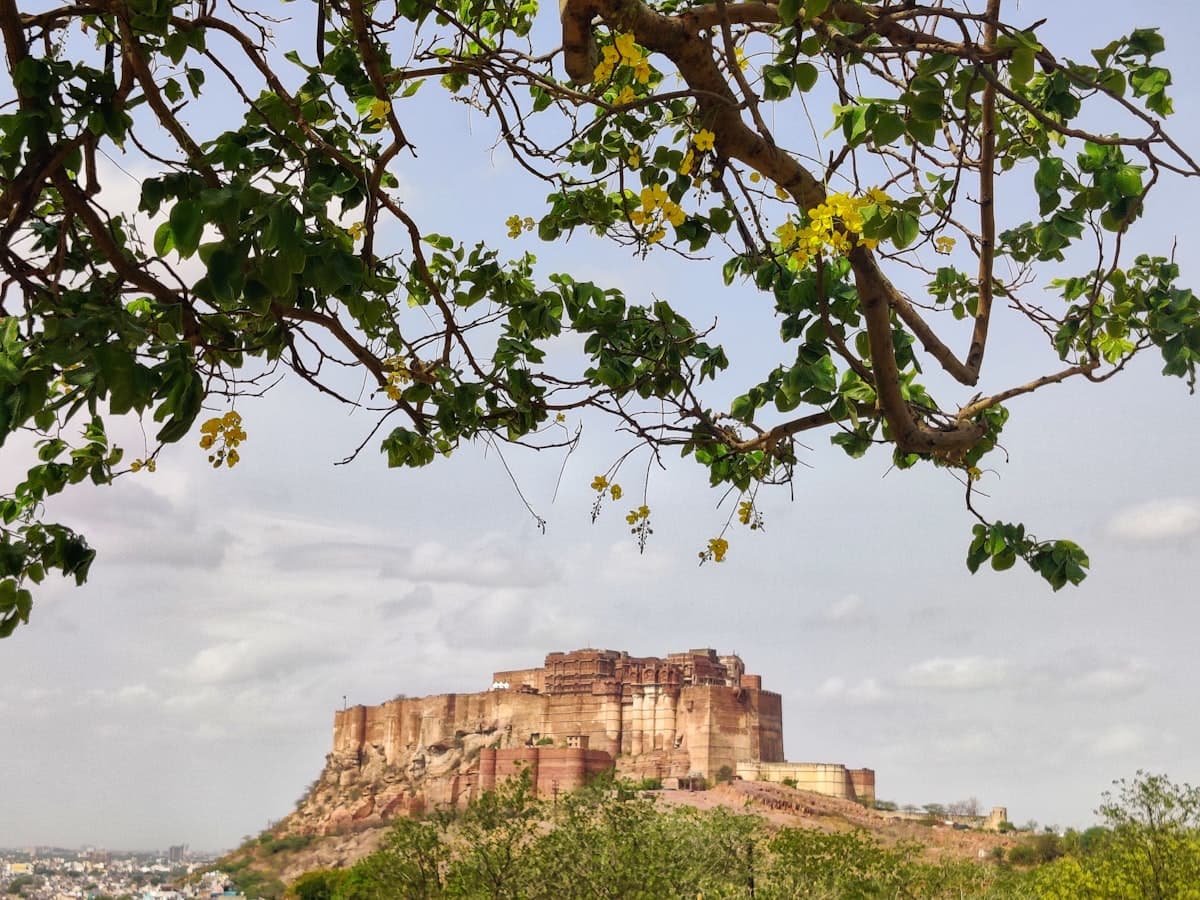
Mehrangarh rises 125 metres above Jodhpur. It sits on a sheer rock face, built in 1459 by Rao Jodha. Its ramparts are some of the thickest in Rajasthan. The museum inside holds royal palanquins, armour, and a gallery of miniature paintings. From the fort walls, Jodhpur's old city spreads out below in shades of blue. The colour started with Brahmin homes. It spread more widely later, partly for its heat-reflecting properties. The afternoon is free to walk those blue lanes at ground level, camera in hand.
Day 11 · Jodhpur
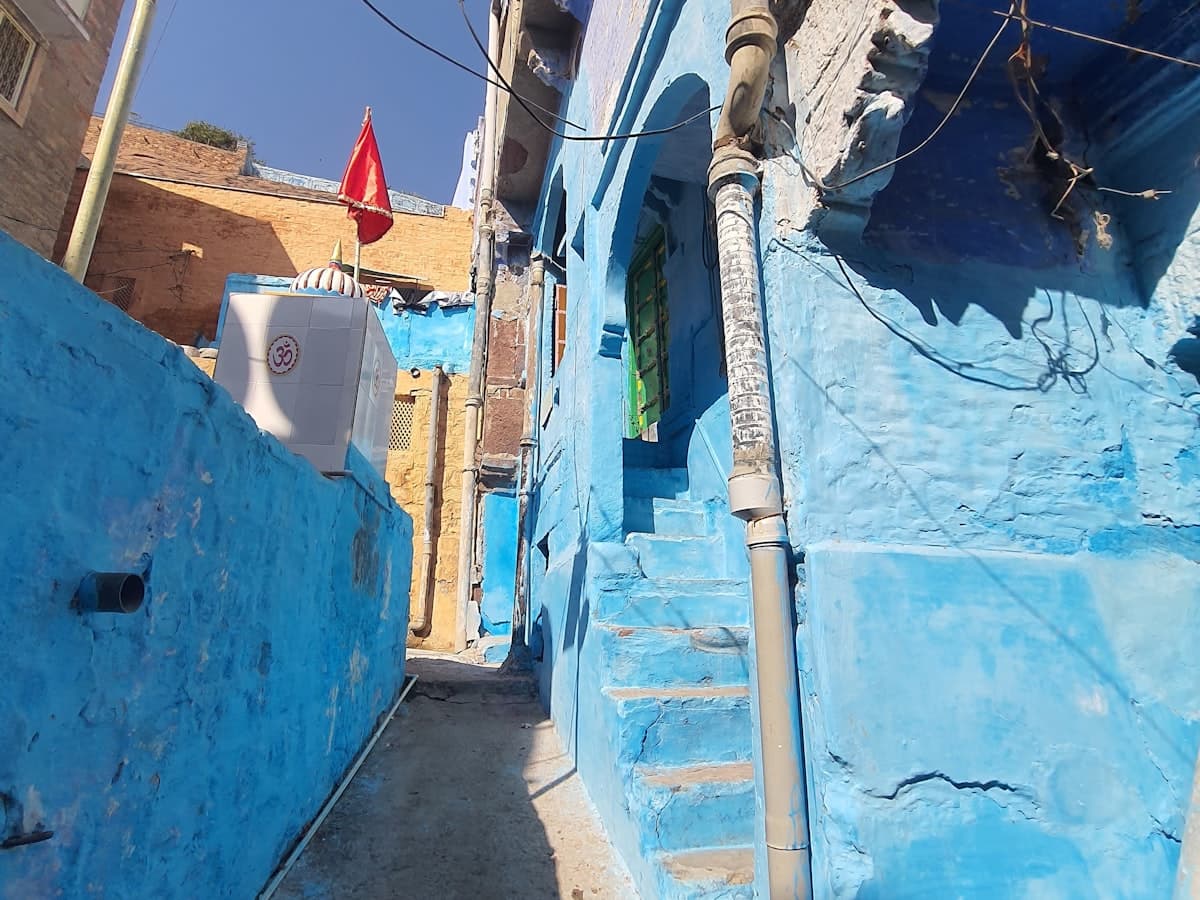
A morning exploring Jodhpur beyond the fort. Toorji Ka Jhalra is a stepwell built in 1740 by a queen consort of Maharaja Abhaya Singh. It drops more than 200 feet below street level in tiered sandstone terraces. Carvings of elephants and lions still trace its walls. From there, the old clock tower market fills the afternoon — spice stalls, textile shops, and lanes that haven't changed their trade in generations.
Day 12 · Jodhpur → Jaisalmer
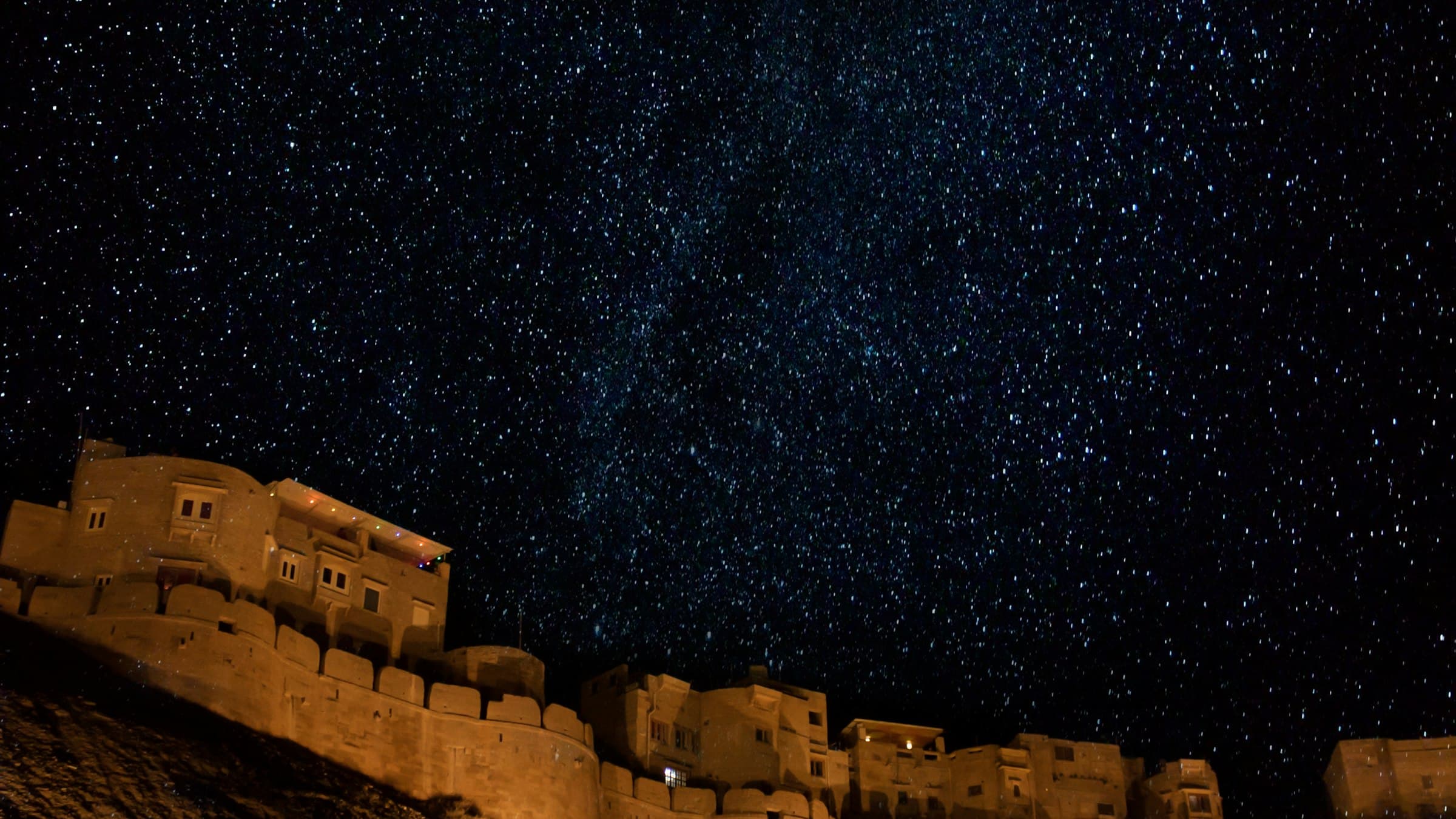
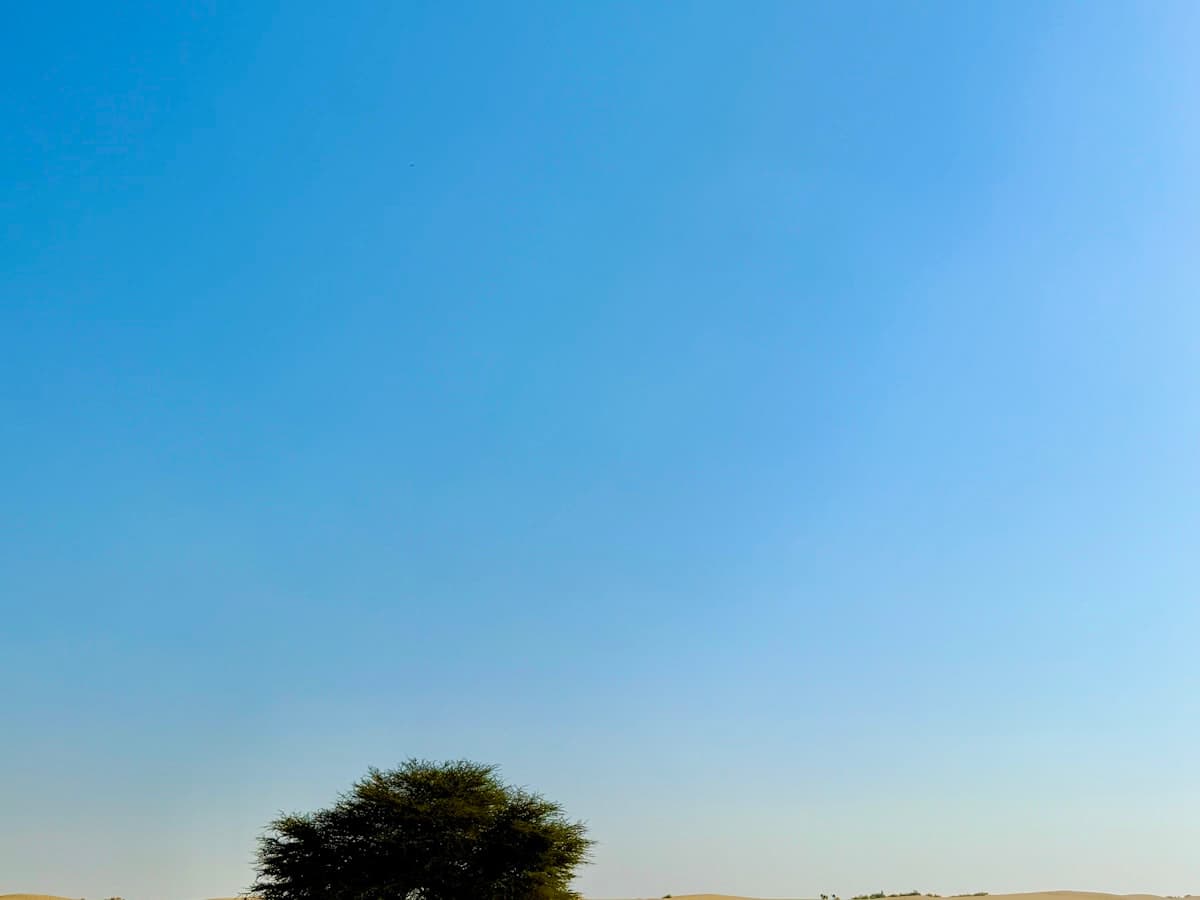
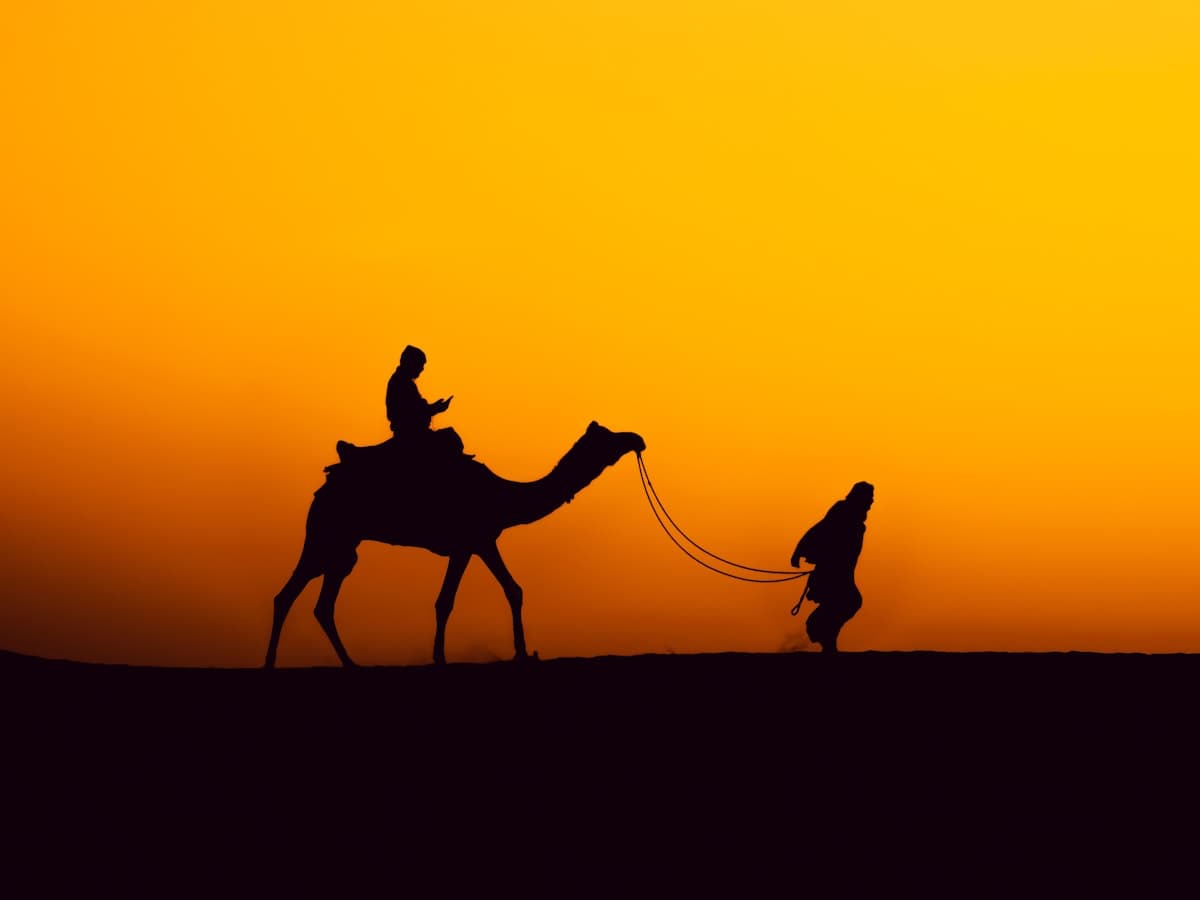
A five-hour drive further west, deeper into the Thar Desert. The land empties out along the way — scrub, open sky, and small villages built low against the wind. Jaisalmer announces itself from a distance: a fort of golden-yellow sandstone rising straight out of the desert floor. Check in by early evening, with the fort itself saved for tomorrow.
Day 13 · Jaisalmer
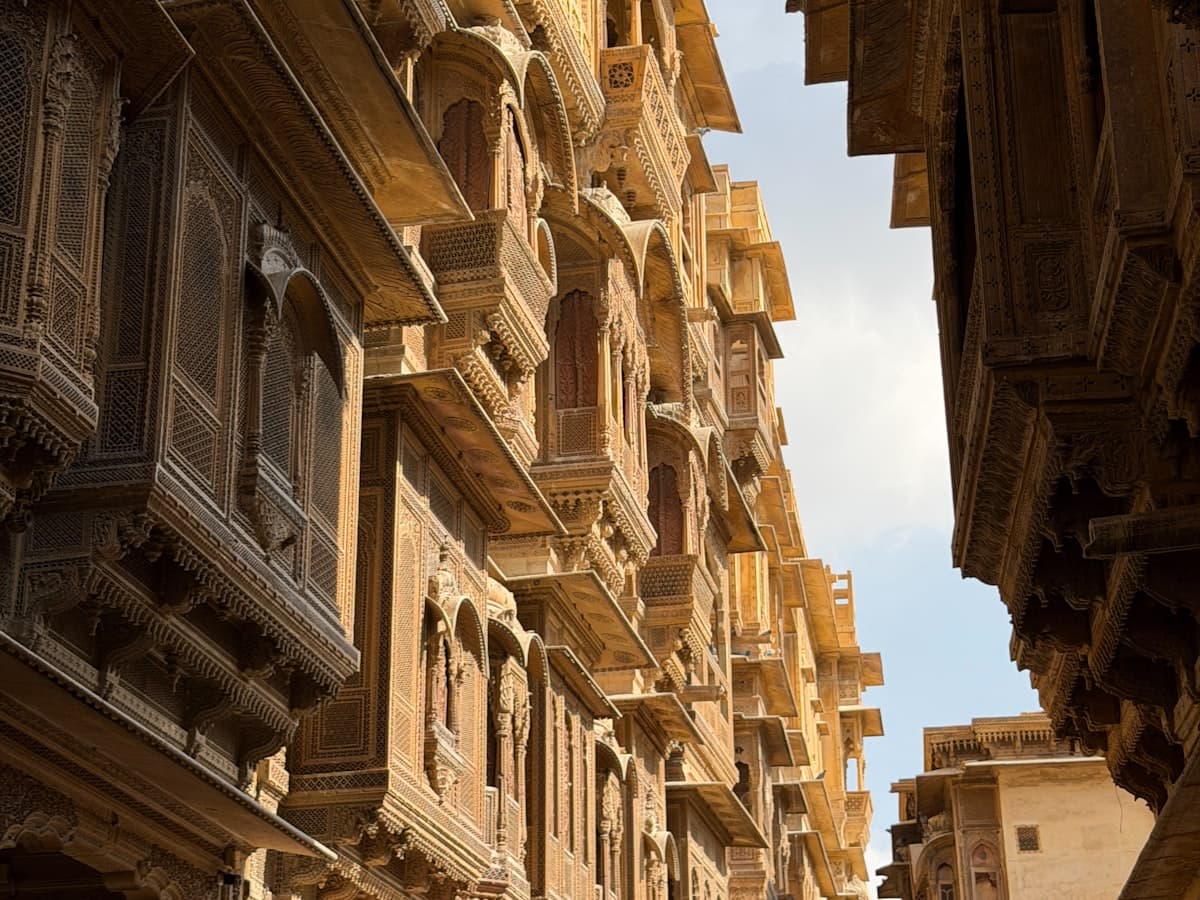
Jaisalmer Fort, built in 1156 by Rawal Jaisal, is one of the few forts left in the world that's still fully lived in — around four thousand people call it home today, running shops, hotels, and temples inside its walls. Morning is spent inside the fort and at Patwon ki Haveli, a cluster of merchant mansions with carved sandstone facades. In the afternoon, drive out to the Sam Sand Dunes, about 40 kilometres and an hour from the city. Watching the sun drop behind the dunes, the desert turns gold and then a deep orange-red — a genuinely different landscape from anything earlier in the trip.
Day 14 · Jaisalmer
A day spent among Jaisalmer's havelis, the ornately carved mansions built by the city's trading families. Patwon ki Haveli is really five havelis in one complex, built by five brothers who dealt in gold brocade and silver. Nathmal ki Haveli adds two life-sized elephants carved from yellow sandstone at its entrance. Salim Singh ki Haveli's curved upper storey is often compared to a ship's stern. Every facade here was carved by hand, and it shows.
Day 15 · Jaisalmer → Udaipur
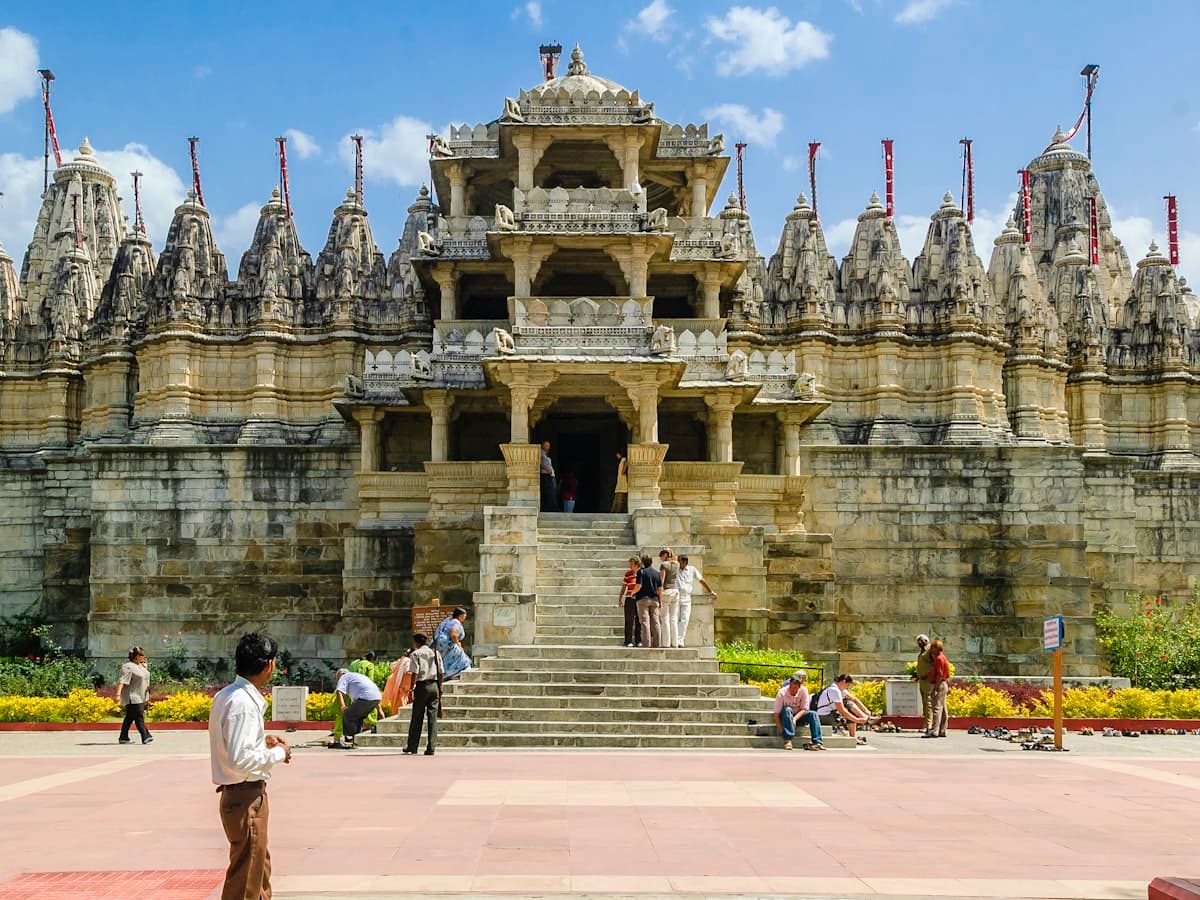
The longest drive of the trip, close to nine hours, so it begins early. The road crosses open desert and then climbs into the Aravalli hills. A break at Ranakpur splits the day. Its 15th-century Jain temple holds 1,444 carved marble pillars, each one different. The final stretch drops down to Udaipur and Lake Pichola, reached by evening.
Chapter Four — The Full Itinerary
Every day, start to finish — including the transfers the day-by-day chapter above skipped.
Delhi
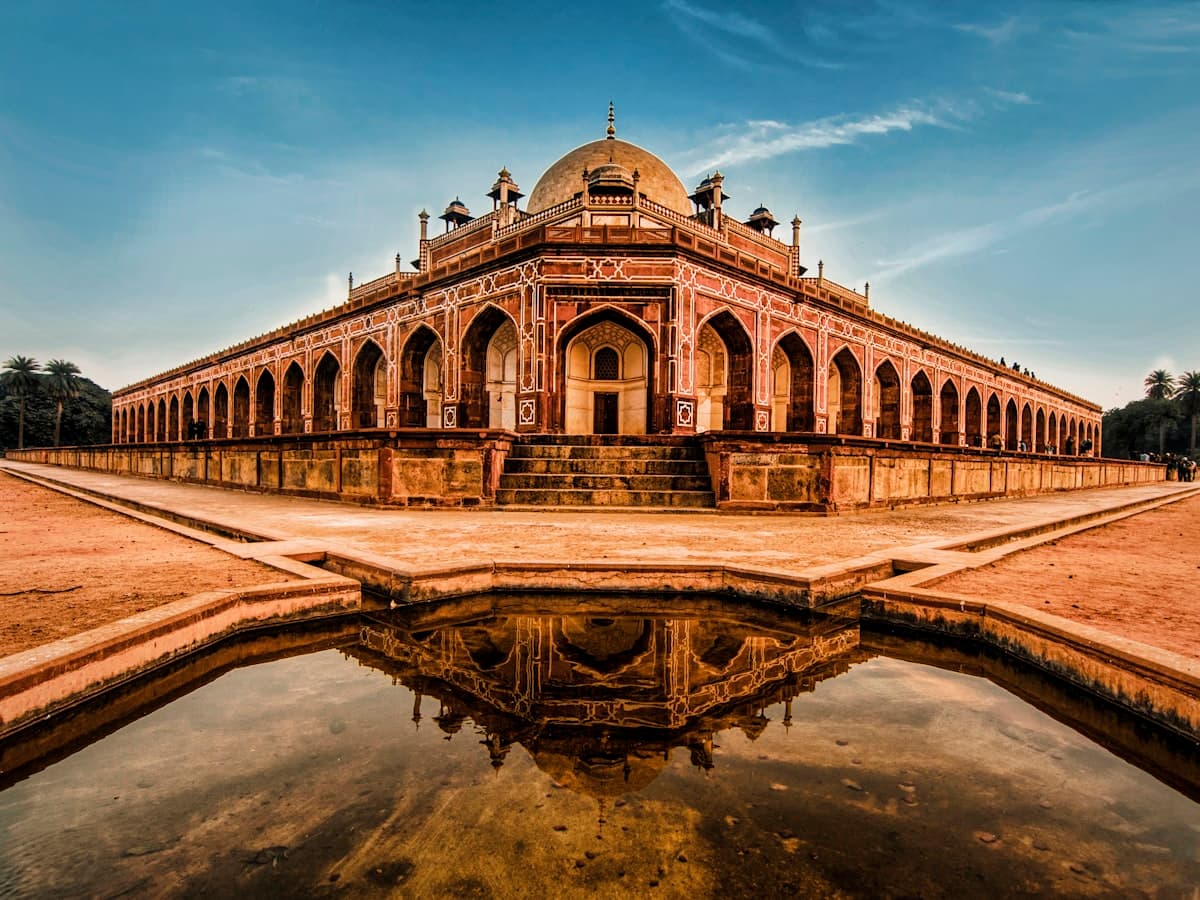
A private airport pickup in Delhi, then a first afternoon among the city's Mughal landmarks. Humayun's Tomb, finished in 1570, was the first great garden tomb built in India. Its design was later echoed in the Taj Mahal. Qutub Minar rises more than 70 metres and dates from the 12th century. It is the tallest brick minaret in the world. Old Delhi adds the Red Fort and the broad steps of the Jama Masjid. The evening is free before the drive to Rajasthan.
Delhi
A full day across two Delhis. The morning is Shahjahanabad on foot — the Jama Masjid, the spice market, a cycle-rickshaw through Chandni Chowk. The afternoon is the imperial city the British built: the long axis of Rajpath, India Gate, and the sandstone government buildings on Raisina Hill. Humayun's Tomb or the Qutub Minar fills the gap between them. It is a long day and worth it.
Delhi → Agra
The drive to Agra runs about 165 kilometres down the Yamuna Expressway and takes three to three and a half hours. It is flat, fast and unremarkable, which is the point — it replaced a full day on the old road. You reach Agra by early afternoon. The rest of the day is Agra Fort, in the long light, with the Taj Mahal visible downriver from its marble balconies — a first sight of it before tomorrow's sunrise.
Agra
The gates open at first light, and the first hour is the coolest, the quietest and the best for photographs, as the marble shifts from grey to pink to white. A private guide handles the tickets and the queue. Back to the hotel for breakfast. The rest of the morning is Agra Fort, Akbar's red sandstone citadel, including the rooms where Aurangzeb held his father prisoner within sight of the Taj. The Taj is closed on Fridays.
Agra → Jaipur
A morning drive out to Fatehpur Sikri, Akbar's capital of 1571, abandoned within twenty years and left almost untouched since. The Buland Darwaza is the tallest gateway in India. The road then runs on towards Jaipur. Near Abhaneri it passes Chand Baori, a stepwell that drops thirteen storeys into the ground. Its walls are a lattice of some 3,500 steps. It is one of the oldest and deepest in the country. Jaipur by evening, about five hours of driving in all.
Jaipur
A full day built around Amber Fort. The fort sits on a hill above Maota Lake, begun in 1592 by Raja Man Singh I. Inside, Sheesh Mahal glitters — thousands of small mirror tiles set into the walls and ceiling, still catching light after four centuries. A guide walks you through Ganesh Pol, the fort's most ornate gate, before the afternoon opens up. Back in the old city, Johari Bazaar sells jewellery the way it has for generations, and Bapu Bazaar deals in block-printed textiles. Both are better explored slowly, with someone who knows which shops to trust.
Jaipur
The morning is Amber Fort, on its ridge above the lake, reached on foot or by jeep up the ramp. Inside are the mirrored hall, the painted gates and the older palace behind. Back in the city, a drive past the Hawa Mahal and a walk through the bazaars around the City Palace fills the rest of the day. Your driver times the transfer to the airport or the train. This is the usual last day of a Golden Triangle trip.
Jaipur → Pushkar
A shorter transfer, around three hours, to Pushkar — a small desert town built around a lake considered sacred in Hindu tradition. Pushkar Lake is ringed by more than fifty bathing ghats. Above them stands Brahma Temple, one of only a handful anywhere in India dedicated to Brahma, and by far the most visited. Evening brings the ghats to life with lamps and prayer, best watched from a quiet spot along the water rather than the busiest steps.
Pushkar → Jodhpur
The road from Pushkar to Jodhpur takes about four hours, arriving in time for an afternoon at Mehrangarh Fort. Built in 1459 on a cliff 125 metres above the city, the fort's museum covers five centuries of Rajput rule through armour, palanquins, and painted manuscripts. The old city below is known as the Blue City for the indigo-washed houses spreading out beneath the ramparts — best seen from the fort walls just before sunset.
Jodhpur
Mehrangarh rises 125 metres above Jodhpur. It sits on a sheer rock face, built in 1459 by Rao Jodha. Its ramparts are some of the thickest in Rajasthan. The museum inside holds royal palanquins, armour, and a gallery of miniature paintings. From the fort walls, Jodhpur's old city spreads out below in shades of blue. The colour started with Brahmin homes. It spread more widely later, partly for its heat-reflecting properties. The afternoon is free to walk those blue lanes at ground level, camera in hand.
Jodhpur
A morning exploring Jodhpur beyond the fort. Toorji Ka Jhalra is a stepwell built in 1740 by a queen consort of Maharaja Abhaya Singh. It drops more than 200 feet below street level in tiered sandstone terraces. Carvings of elephants and lions still trace its walls. From there, the old clock tower market fills the afternoon — spice stalls, textile shops, and lanes that haven't changed their trade in generations.
Jodhpur → Jaisalmer
A five-hour drive further west, deeper into the Thar Desert. The land empties out along the way — scrub, open sky, and small villages built low against the wind. Jaisalmer announces itself from a distance: a fort of golden-yellow sandstone rising straight out of the desert floor. Check in by early evening, with the fort itself saved for tomorrow.
Jaisalmer
Jaisalmer Fort, built in 1156 by Rawal Jaisal, is one of the few forts left in the world that's still fully lived in — around four thousand people call it home today, running shops, hotels, and temples inside its walls. Morning is spent inside the fort and at Patwon ki Haveli, a cluster of merchant mansions with carved sandstone facades. In the afternoon, drive out to the Sam Sand Dunes, about 40 kilometres and an hour from the city. Watching the sun drop behind the dunes, the desert turns gold and then a deep orange-red — a genuinely different landscape from anything earlier in the trip.
Jaisalmer
A day spent among Jaisalmer's havelis, the ornately carved mansions built by the city's trading families. Patwon ki Haveli is really five havelis in one complex, built by five brothers who dealt in gold brocade and silver. Nathmal ki Haveli adds two life-sized elephants carved from yellow sandstone at its entrance. Salim Singh ki Haveli's curved upper storey is often compared to a ship's stern. Every facade here was carved by hand, and it shows.
Jaisalmer → Udaipur
The longest drive of the trip, close to nine hours, so it begins early. The road crosses open desert and then climbs into the Aravalli hills. A break at Ranakpur splits the day. Its 15th-century Jain temple holds 1,444 carved marble pillars, each one different. The final stretch drops down to Udaipur and Lake Pichola, reached by evening.
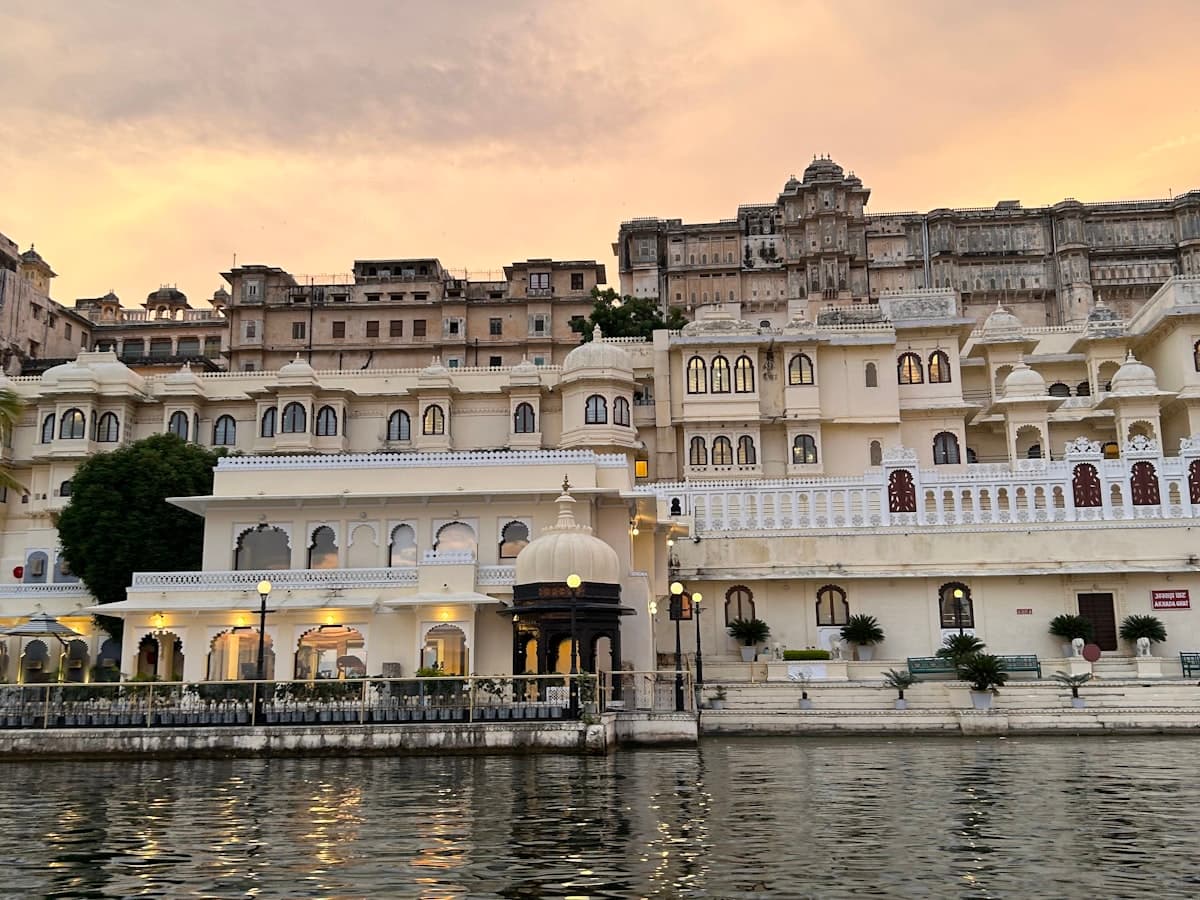
Udaipur
A morning at City Palace, its marble courtyards facing the lake directly. It was built up over nearly four hundred years by successive Mewar rulers. Like most Rajasthan palaces, it mixes Rajput and Mughal styles. In the afternoon, a private boat crosses to Jag Mandir, an island palace once used as a refuge by a young Mughal prince. The best seat for sunset is on the water itself, watching City Palace catch the last light.
Guest Stories
Real words from real journeys — rated 5.0 across 310 Google reviews.
“
An absolutely flawless experience. We felt like royalty from the moment we landed in Delhi until our departure.
Sarah & James
United Kingdom
“
Truly exceptional — Brijesh, our tour planner, was incredibly attentive, professional, and meticulous in organizing a flawless itinerary.
Milly Witcomb
United Kingdom
Mentions guide Brijesh
“
Nothing short of magical. Brijesh crafted a seamless itinerary that balanced sightseeing, culture, and relaxation, making our journey truly special.
Shakira Tabizi
United States
Mentions guide Brijesh
“
Everything went beyond our expectations. Our driver Rajesh kept us comfortable in every city, and Vicky was endlessly knowledgeable.
Melissa
Australia
Mentions guide Rajesh & Vicky
“
From the moment we landed until we left, our driver Manish made us feel so taken care of — he made the trip even more memorable.
Rossen Milanov
United States
Mentions guide Manish
“
Brijesh is a super good man! A comfortable journey through six cities, exactly to our desires and limits.
Michelle de Matheu
United States
Mentions guide Brijesh & Manish
“
Excellent hotels and tour guides. Our driver Manish was superb in every way — reliable, and full of local knowledge.
James Boochame
Australia
Mentions guide Manish
Chapter Five — Terms & Conditions
Cancellation windows, refund timing, and rescheduling terms for this journey follow our one sitewide policy — nothing package-specific to dig through.
Read the Return & Refund PolicyFrequently Asked
Same core cities, three extra nights spread across Delhi, Jaipur, Jodhpur and Jaisalmer specifically for additional time at each — a second Jaipur day, an old-city day in Jodhpur, and a haveli day in Jaisalmer.
Within the group schedule, some — for full flexibility to chase early and late light at each fort or haveli, ask your trip designer about arranging this as a private departure.
October to March gives the clearest skies and most comfortable midday temperatures for working outdoors, especially in the desert stretches around Jodhpur and Jaisalmer.
Chapter Six — Similar Journeys
Other ways to see it
Before you go
Why Choose Us
01
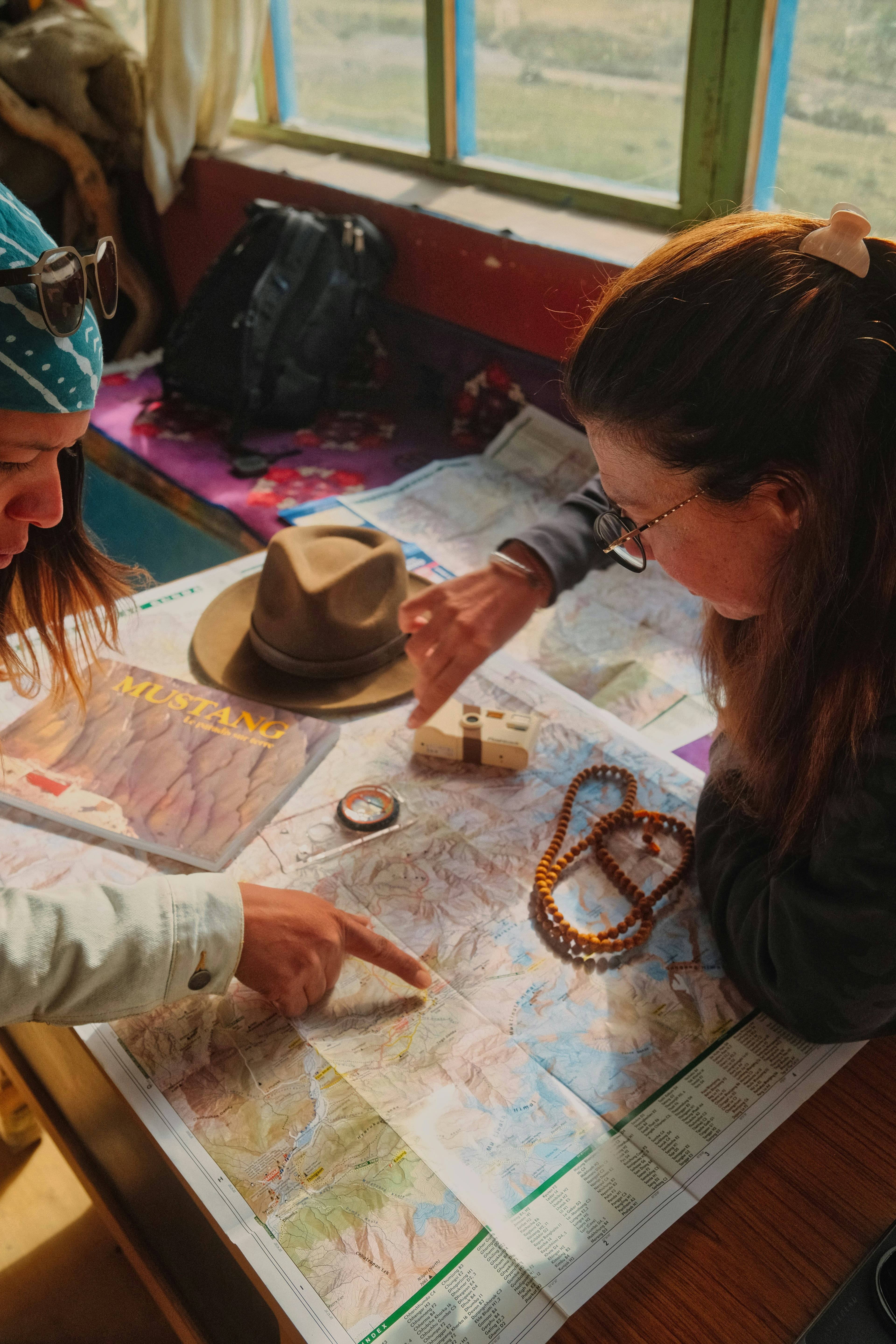
This route was shaped around Royal Rajasthan Grand Tour's real places, not lifted from a fixed template.
13 years — Brijesh Sharma, Bespoke Itinerary Specialist
02
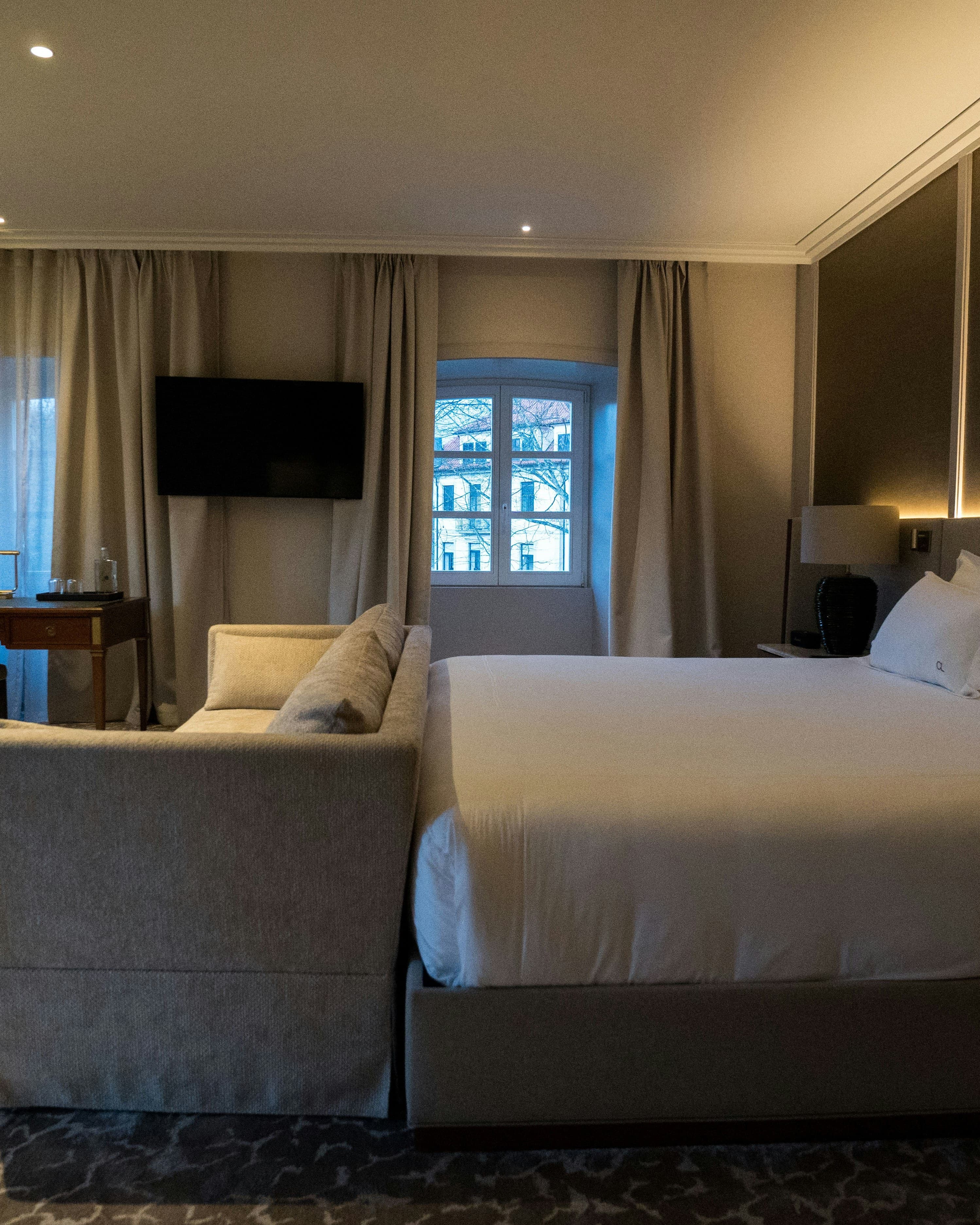
Every stay on this trip was chosen in person, not off a ratings page.
7 real stays, 5★
03
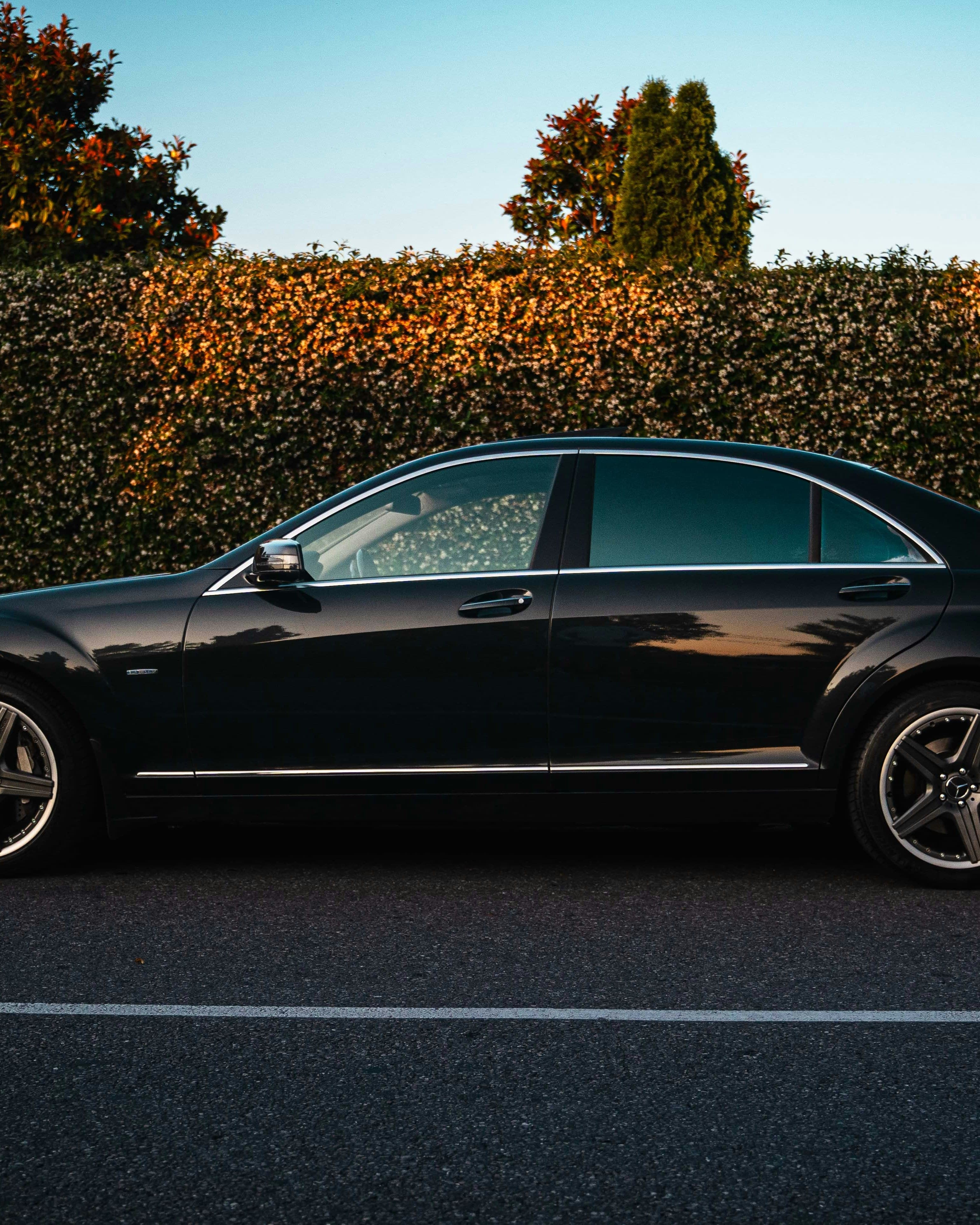
One driver, air-conditioned, for the whole route — no shared shuttle.
Premium sedans & SUVs · One driver, the whole trip

Kashmir to Kanyakumari
Get In Touch
Tell us your travel dates and group size — we'll confirm availability and refine this itinerary around you.