Two Days in Delhi: Tombs, Monuments and Where to Slow Down
A 2 days in Delhi itinerary that avoids the rush: Humayun's Tomb, Qutub Minar, New Delhi's boulevards and Old Delhi, paced for jet-lagged first-timers.
A good 2 days in Delhi itinerary is really a lesson in pacing. Delhi is enormous, hot for much of the year and often the place where you land tired. Try to see everything and you'll remember traffic. Choose five or six places and let them breathe, and you'll remember the city's extraordinary depth. This guide sets out a calm plan for first-timers.
Delhi is the usual start of the Golden Triangle. If you're wondering how it fits with the wider route, our guide to how many days you need for the Golden Triangle explains the balance.
Before you plan: three ideas that help
Split the city in two. Delhi is really several cities. Old Delhi is the crowded Mughal capital. New Delhi is the wide, leafy British capital. South Delhi holds older tombs and ruins. Grouping sights by area saves hours in the car.
Use the cool hours. Sightsee from early morning until lunch, then rest. Return out in the late afternoon.
Check opening days. Several major monuments close one day a week, often Monday. Your guide will plan around it, but it helps to know.
Day one: the Mughal south
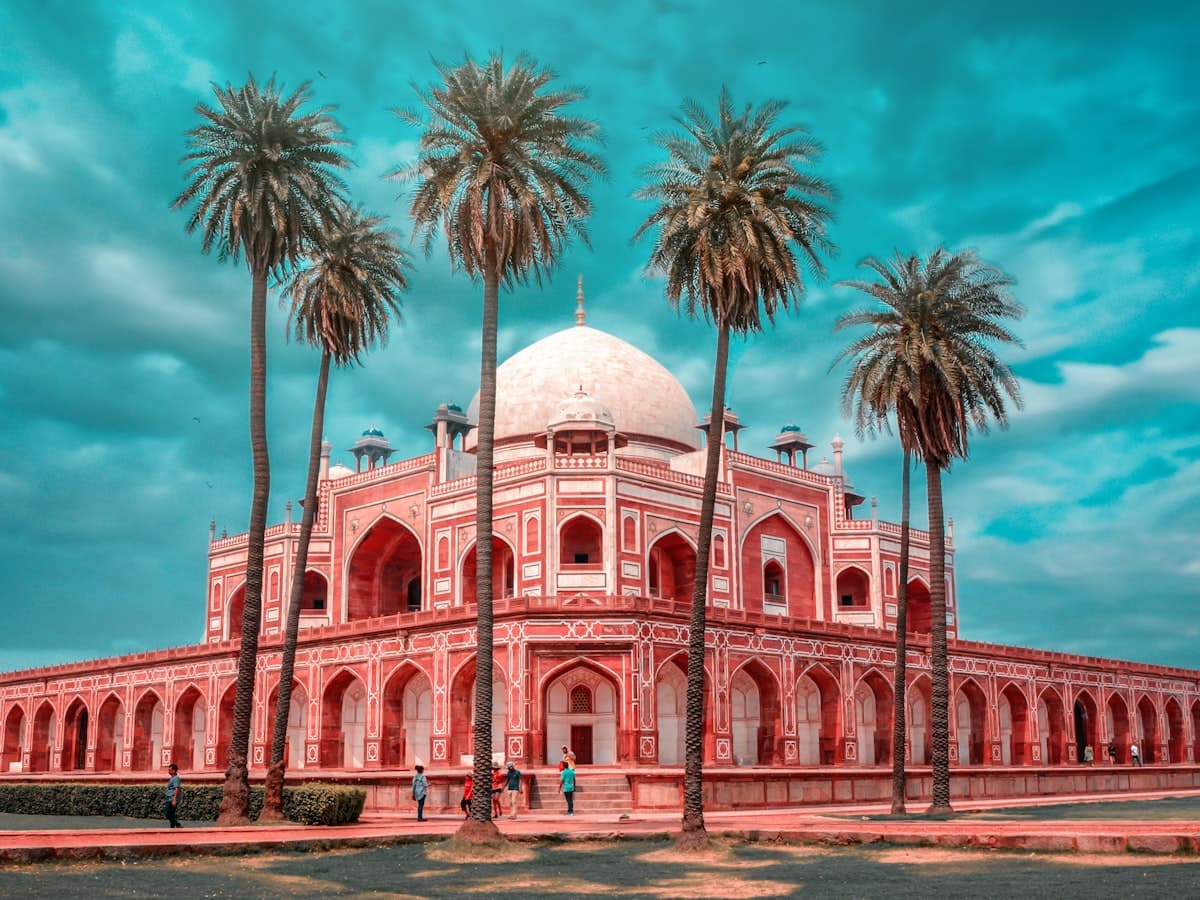
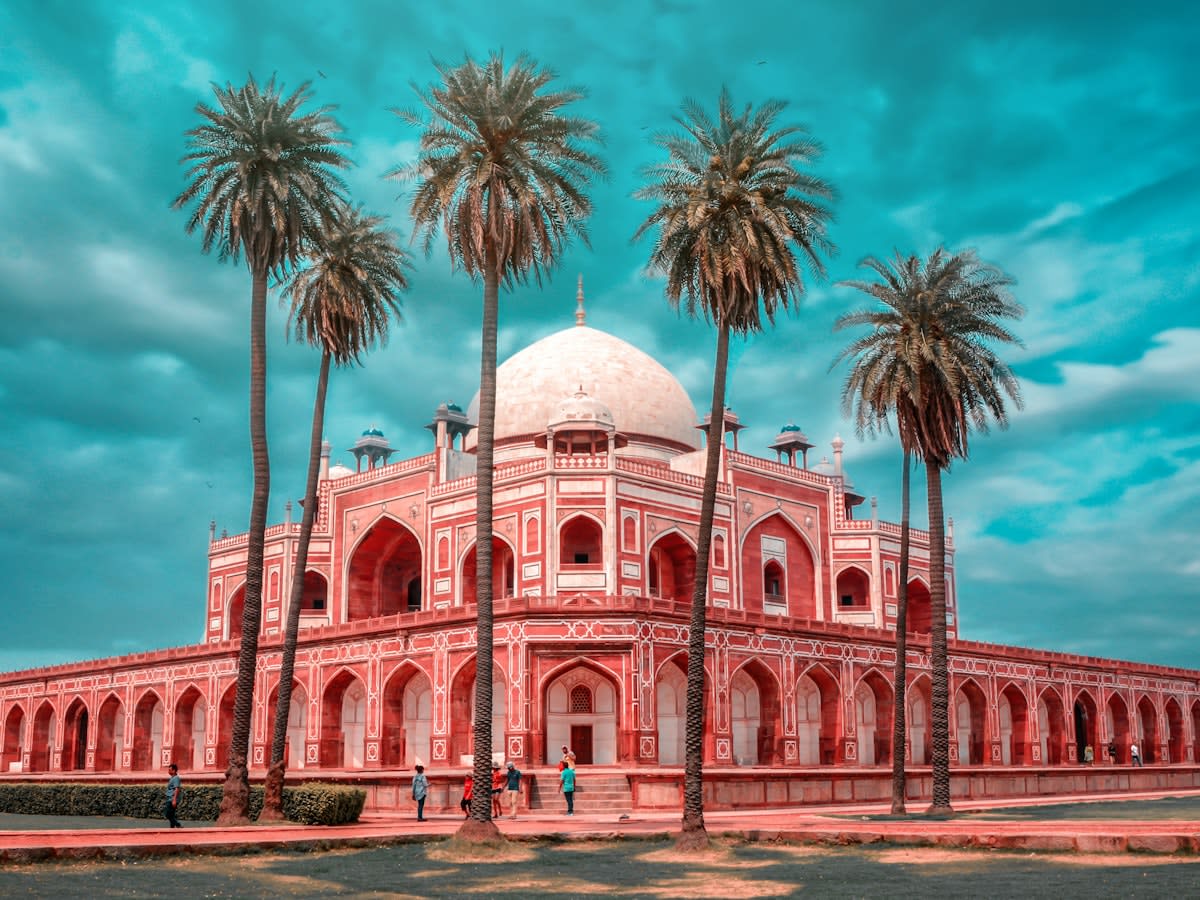
Morning: Humayun's Tomb. Start here. Built in the 1500s and commissioned by the emperor's widow, it is a grand garden tomb of red sandstone and white marble, and a forerunner of the Taj Mahal. It is a UNESCO World Heritage Site. Symmetrical gardens surround it, and the early light is lovely. Give it an hour and a half.
Late morning: Qutub Minar. A short drive south takes you to the Qutub complex, dominated by a soaring 13th-century victory tower of red sandstone and marble, covered in carved inscriptions. The surrounding ruins include one of the earliest mosques in India, and an iron pillar that has stood for well over a thousand years. It's also a UNESCO site.
Lunch and rest. Head back to your hotel. Delhi is at its hottest and busiest from noon to mid-afternoon, so resting is the smart choice.
Late afternoon: Lodhi Garden. This park holds 15th-century tombs among lawns and old trees. Locals come here to walk, jog and picnic. It is a gentle, atmospheric place to end the day and a chance to see everyday Delhi at ease.
Day two: New Delhi and the old walled city
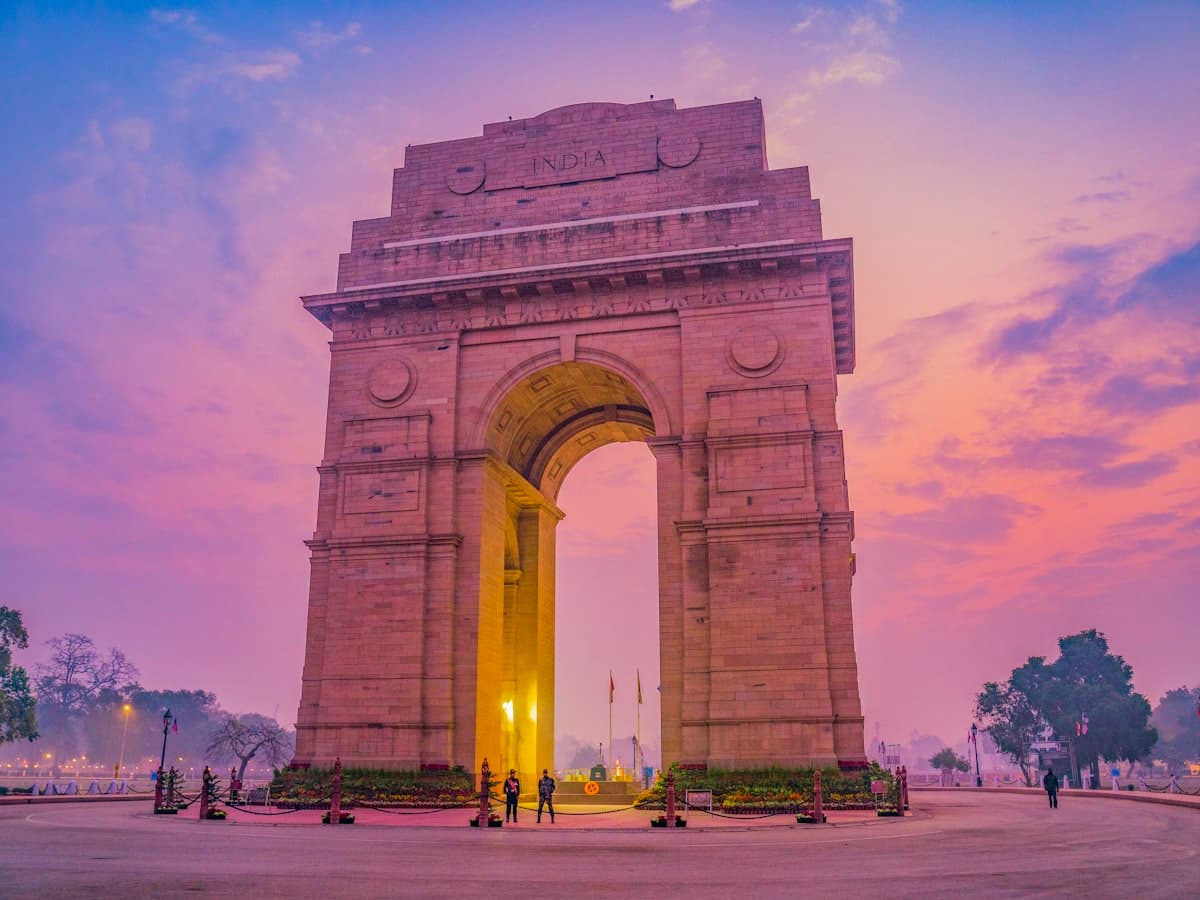
Morning: New Delhi's boulevards. Begin with a drive along Rajpath and past India Gate, the war memorial arch designed by Edwin Lutyens. The government buildings around it show how the British imagined an imperial capital. A short stop for photographs is enough.
Late morning: Old Delhi. Now step into the city's older heart. Jama Masjid, built by Shah Jahan in the 1600s, is one of India's largest mosques, and visitors can climb a minaret for a view over the rooftops (dress modestly, and expect to remove shoes). The Red Fort, his great palace-fortress, is nearby, with its long ramparts and halls.
Old Delhi is intense: narrow lanes, wires overhead, a constant hum. A guided rickshaw ride through the lanes lets someone else steer.
Lunch: eat in Old Delhi. This is where Delhi's food history lives. Kebabs, parathas, sweets and sharp street snacks all have specialist shops here. A guided tasting is far better than wandering hungry. Our Old Delhi food walk guide explains what to try and how to do it comfortably.
Afternoon: rest, or a quiet stop. The Lotus Temple, with its white petal-shaped roof, is peaceful and free to enter. Akshardham, an enormous modern temple complex, is very impressive, but it has strict security and closes one weekday. Choose one, not both.
Getting around without stress
Delhi's distances are large, and traffic can turn a short hop into a long wait. A private car and driver is the calmest way to move, because the car waits while you visit, and the air conditioning is a refuge.
The Delhi Metro is clean, efficient and useful for a single hop, such as Old Delhi to the centre. It can be very crowded at rush hour, so we rarely build it into a first visit. Rickshaws are best kept for short lane-to-lane rides in the old city, where cars cannot go.
If it is too hot, or it rains
Delhi's summer afternoons can climb well above 40 degrees Celsius, and the monsoon brings sudden downpours. Have a plan B ready.
Go earlier and shorter. Start at first light and finish by noon.
Swap outdoors for indoors. Delhi has excellent museums, including the National Museum, with its collection of Indian art and sculpture. Check opening days before you go.
Save the tombs for late afternoon. The stone warms in the day and cools quickly as the sun drops.
Carry water and a hat. Even short walks are tiring in the heat.
A word on shopping
Delhi is a good place to buy textiles, jewellery, brassware and handmade paper. Fixed-price government emporiums are a low-stress introduction, and specialist shops in the old city offer more range with more haggling. Buy only what you love, and ask your guide to steer you away from commission-driven stops. If crafts interest you more broadly, our crafts and textiles trail in Rajasthan explains what makes good work.
What to leave out
Trying to add Delhi's museums, markets and temples to this plan will overload it. Leave some things for the return visit. The city rewards repeat trips.
Jet lag: a note on your first day
If you land in the early hours, do not plan a full day. Rest, eat lightly, take a gentle walk in the evening and start properly the next morning. Our first-trip planning checklist covers arrival planning in more detail.
Where to stay
Your hotel is your refuge. The Imperial is a grand 1930s hotel with colonial-era elegance. The Oberoi is a polished, quiet base near Humayun's Tomb and Lodhi Garden. The Lodhi is a contemporary retreat beside the park it is named for. Whatever your choice, book somewhere restful. You'll need it.
Turning two days into a journey
Delhi's two days can stand alone or lead onward. Our Delhi in depth itinerary is a slower four-day version, and the Delhi for first-timers package wraps it with private guiding. Or continue onward to Agra and Jaipur with the Golden Triangle classic itinerary, and read our advice on the Taj Mahal at sunrise or sunset before you go.
Frequently asked questions
Is two days enough for Delhi?
It is enough for a first taste. Three or four days lets you see more without rushing.
What is the best time to visit Delhi?
October to March is the most comfortable. Summers are very hot, and the monsoon brings humidity.
Should I hire a guide?
Yes. A good guide explains what you're looking at and handles logistics, which matters in a city this big.
Which monuments close on a set day?
Several close weekly, commonly on a Monday. Your guide will check current days before planning your route.
Start planning
Explore Delhi or the Golden Triangle, or talk to a trip designer about how to pace your first days in India.
Read Next
All Stories →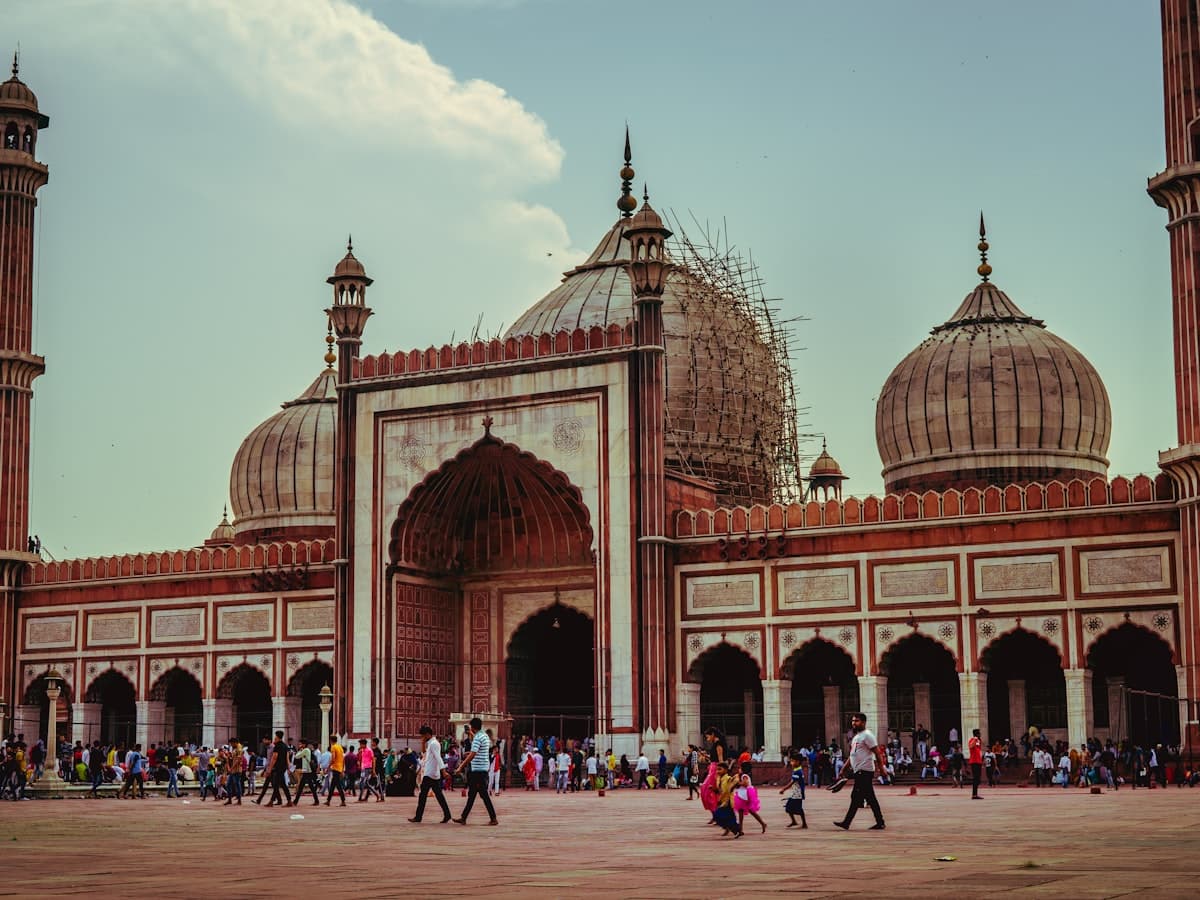
Old Delhi Through Its Food: A First-Timer's Walking Guide
Fatehpur Sikri: The Best Stop Between Agra and Jaipur