
Luxury Jaipur Tours
Rajasthan's capital: Amber Fort on its ridge, City Palace, Jai Singh's stone observatory, and craft workshops where block printing is still done by hand.
Plan My Jaipur Trip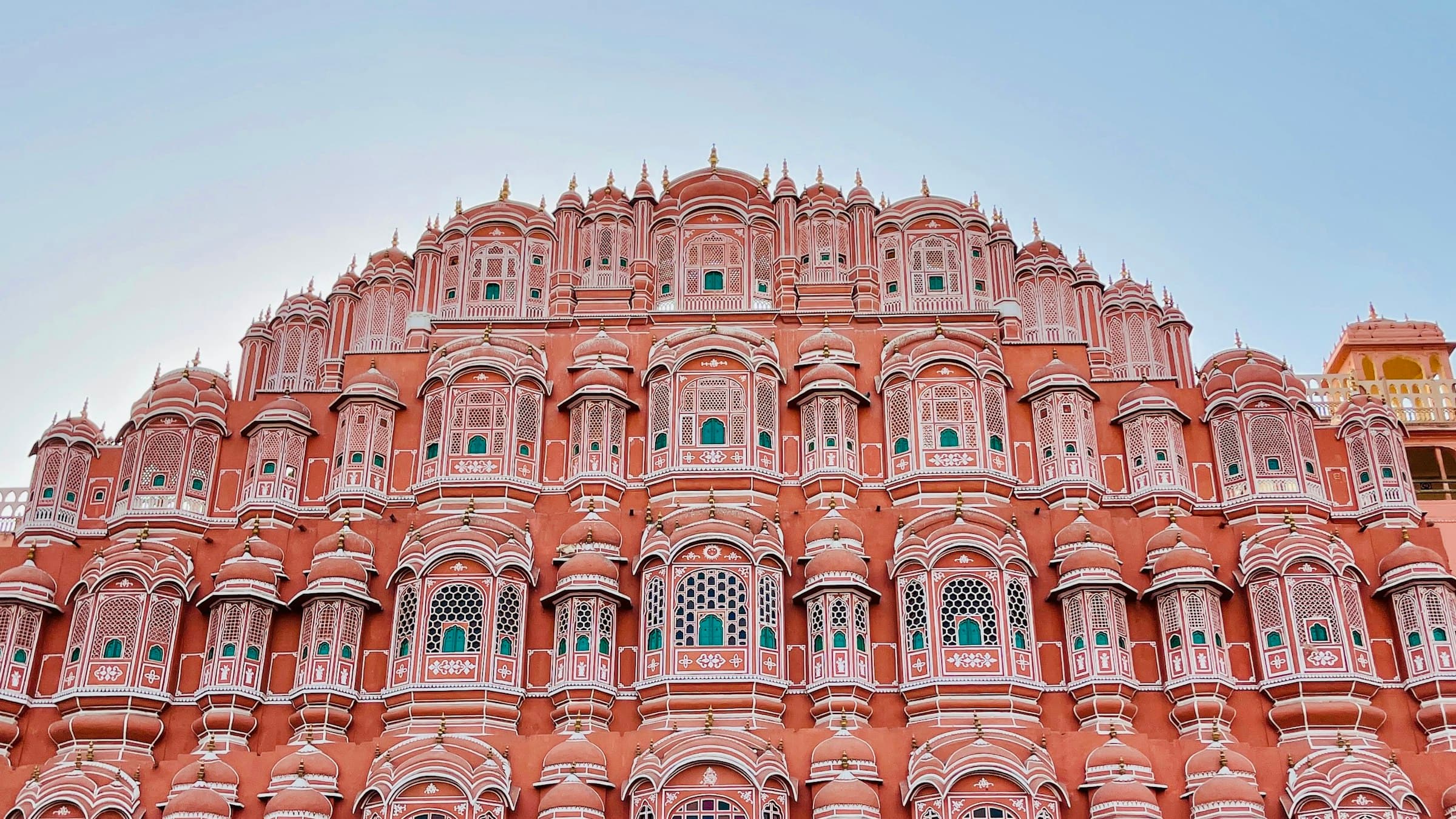
Overview
Jaipur At A Glance
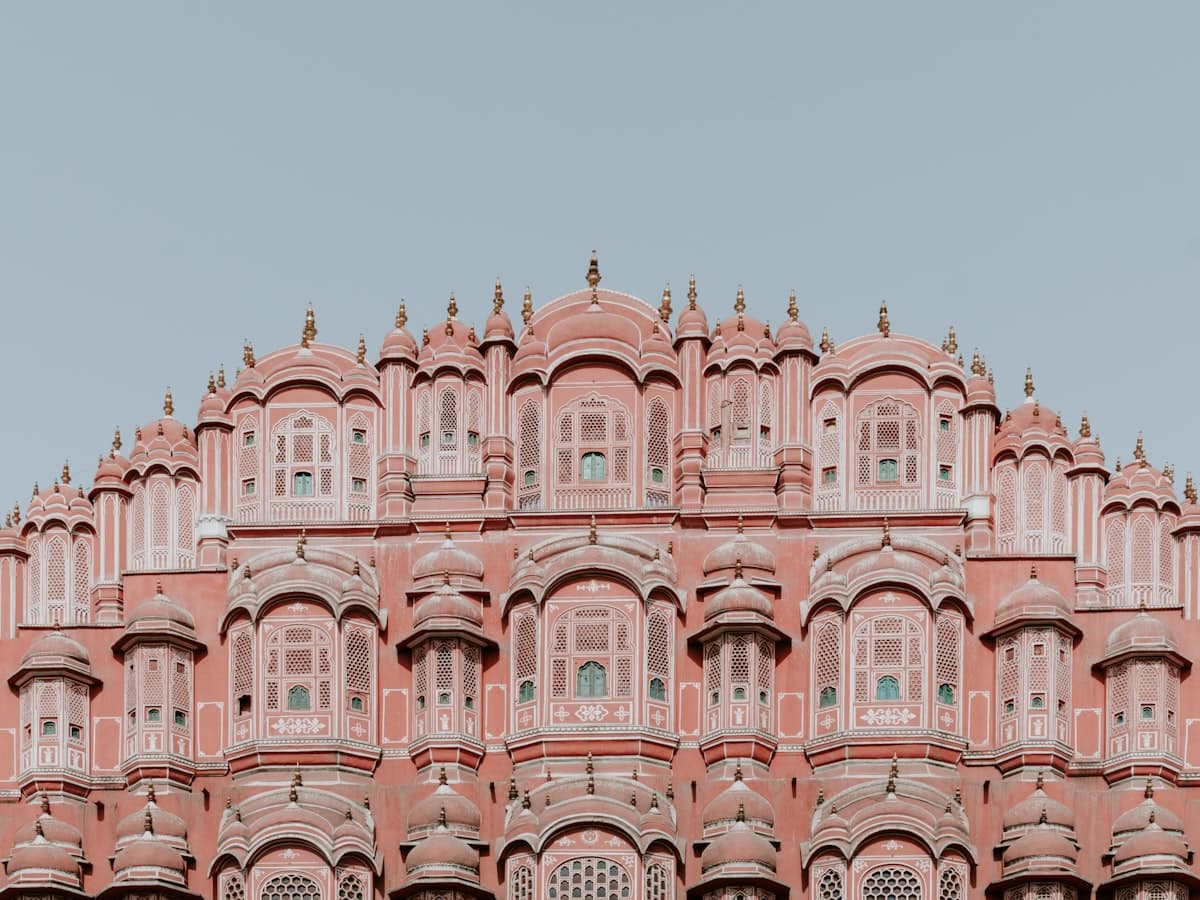
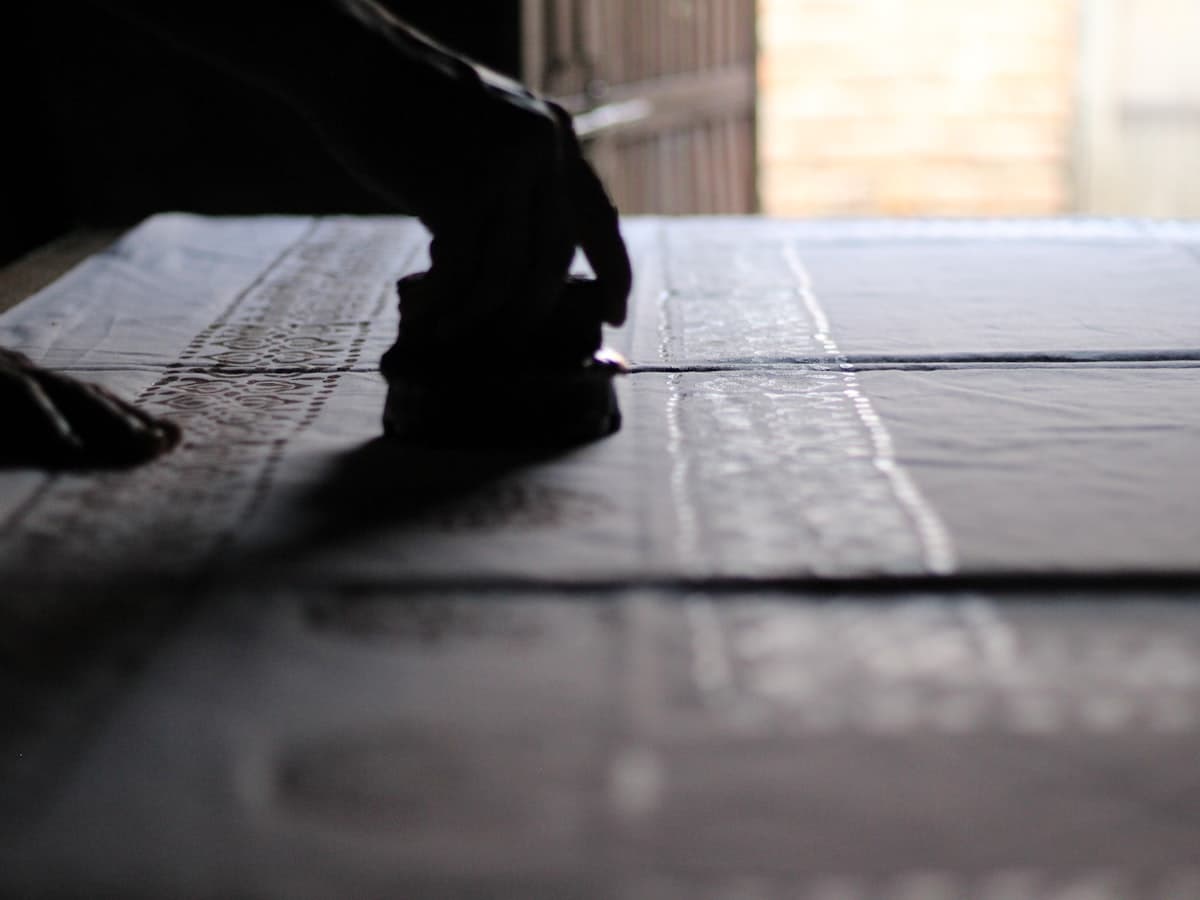
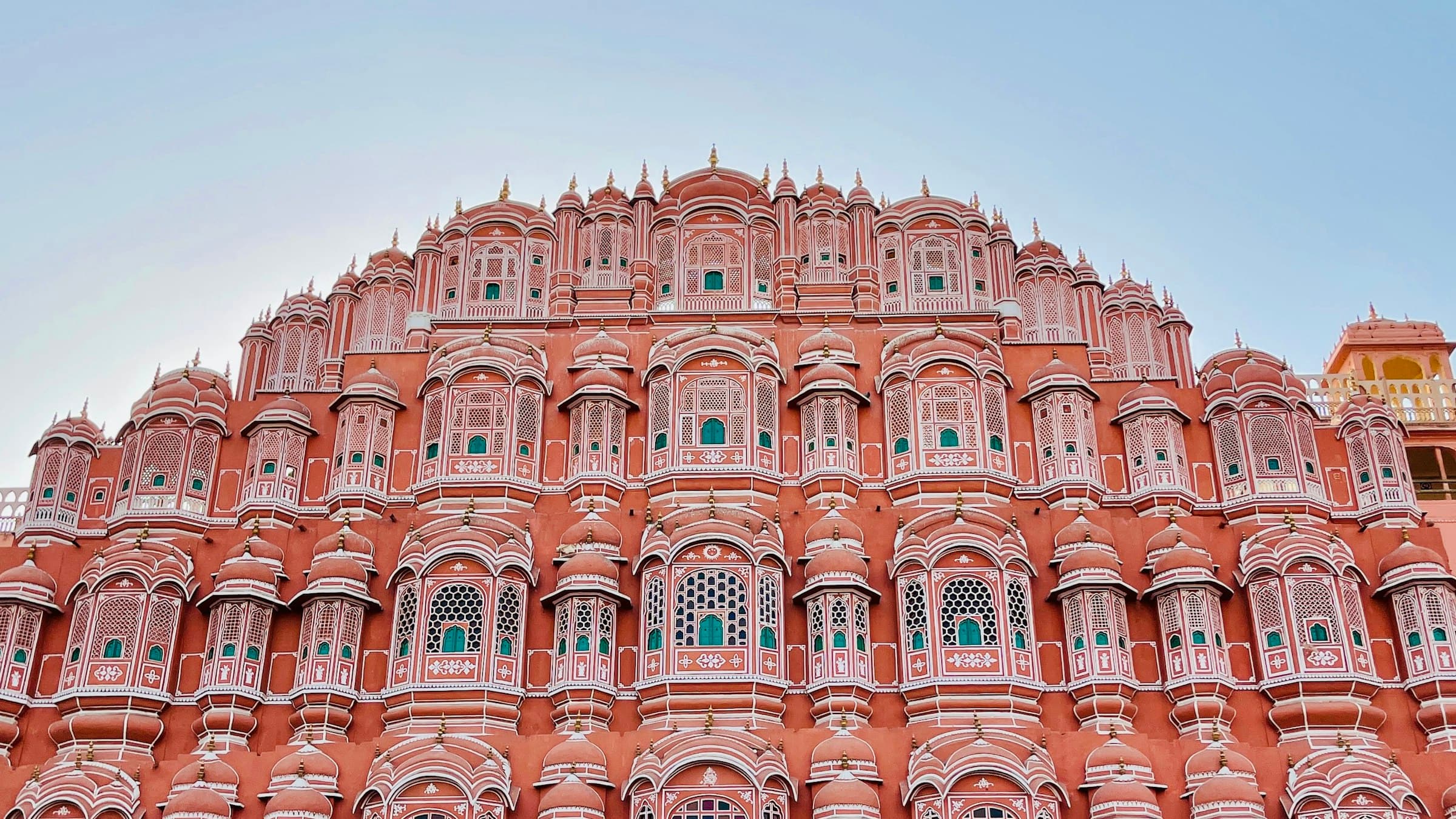
Planning a luxury Jaipur tour starts with its founder. Sawai Jai Singh II established the city in 1727. Rajasthan's capital has been a UNESCO World Heritage city since 2019. Begin at Amber Fort, on its ridge above Maota Lake. Go early, before the courtyards fill. Then turn to the old city. City Palace sits at its heart, with courtyards and halls you can explore at an easy pace. Hawa Mahal's honeycomb facade, pierced by 953 windows, looks best from a rooftop across the street at golden hour. Jantar Mantar is Jai Singh's stone observatory of 19 astronomical instruments. It is also a UNESCO site. It rewards a guide who can explain how each one works. Beyond the monuments, Jaipur is still a working craft city. Printers carve teak blocks by hand. Gemstone cutters work in small workshops. Your private guide and driver can add a block-printing session, or a dawn balloon flight over Amber. The day is built around your pace. Some travellers want four forts. Others want one fort and a long lunch. Both are easy to arrange here.
- Best Time
- October to March. Days are mild and clear, which suits long fort visits and evenings outdoors.
- Getting There
- Jaipur International Airport is in Sanganer, a short drive south of the centre. By road, Delhi is about five to six hours away.
- Where To Stay
- Rambagh Palace, Alsisar Haveli
- Continue To
- Jaisalmer, Jodhpur, Kumbhalgarh
- Coordinates
- 26.91° N, 75.79° E
What To See
What To See In Jaipur
Jaipur's real highlights are what a private guide builds each day around.
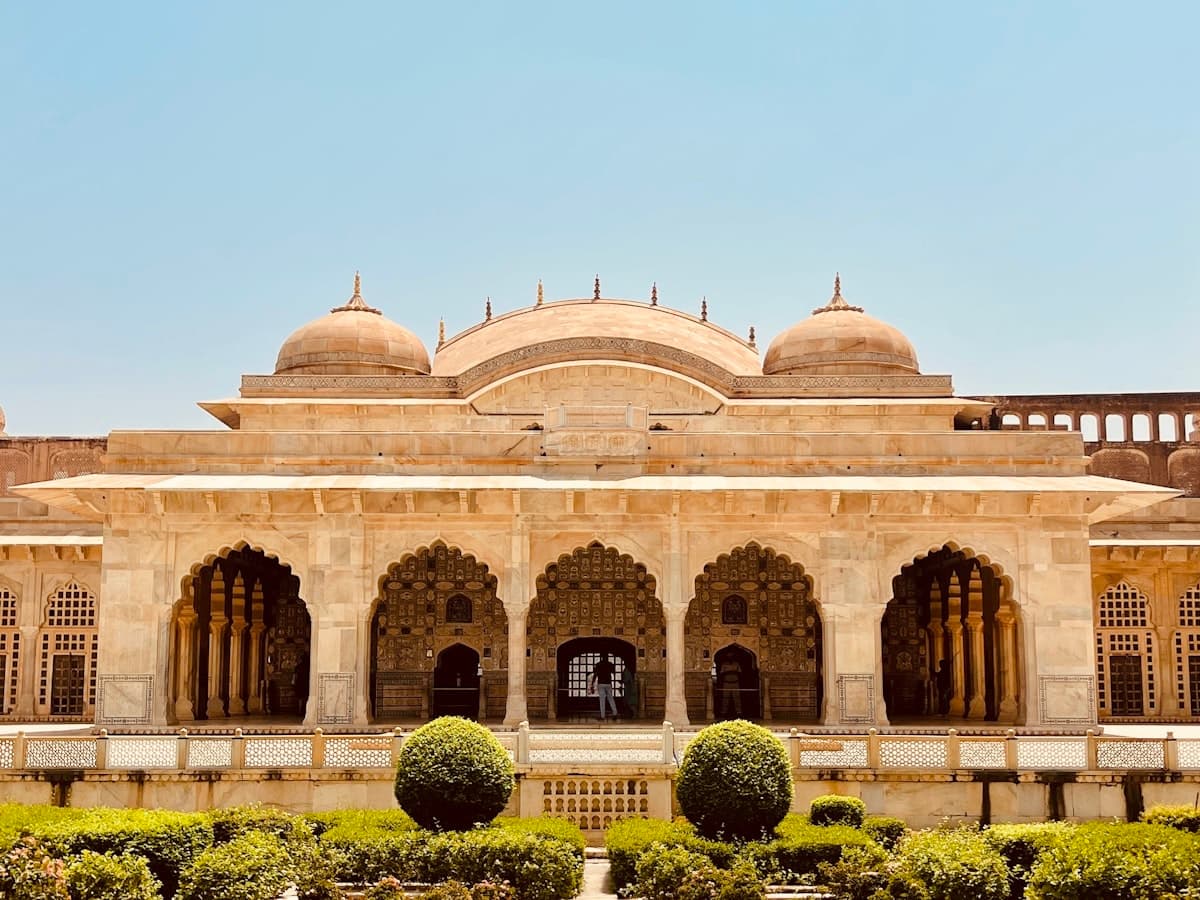
Amber Fort
Jaipur's great hill fort, built in pale sandstone on a ridge above Maota Lake.
Hawa Mahal
The Palace of Winds — a five-storey screen of 953 windows on Jaipur's busiest street.
Hot-Air Balloon over Amber
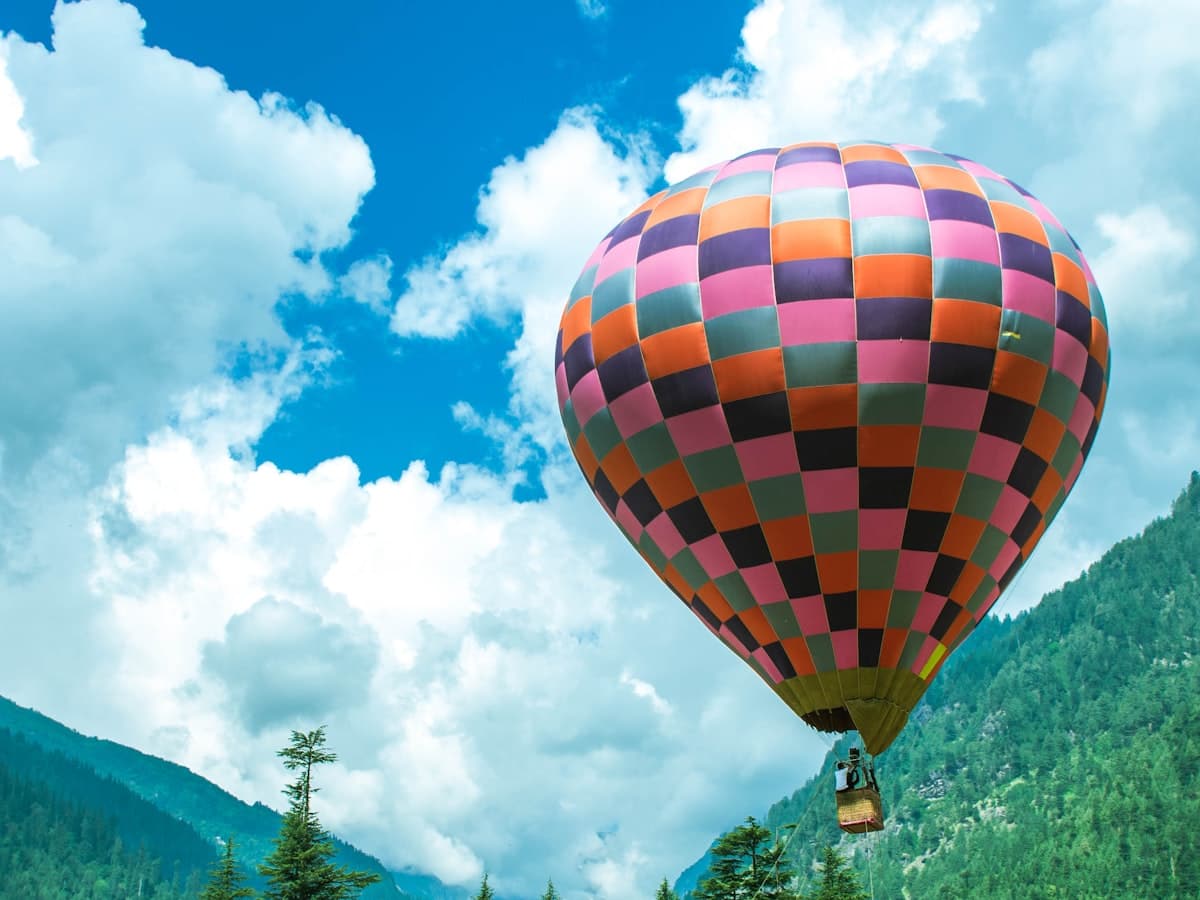
Lift off at first light and drift over Amber Fort, the Aravalli ridge and the old city.
Block-Printing Workshop
Cut, ink and print with hand-carved teak blocks in a working Jaipur printers' workshop.
How To Travel
Journeys Through Jaipur
Every journey comes with a private guide and driver for each day on the road. Full details live on each journey's own page.
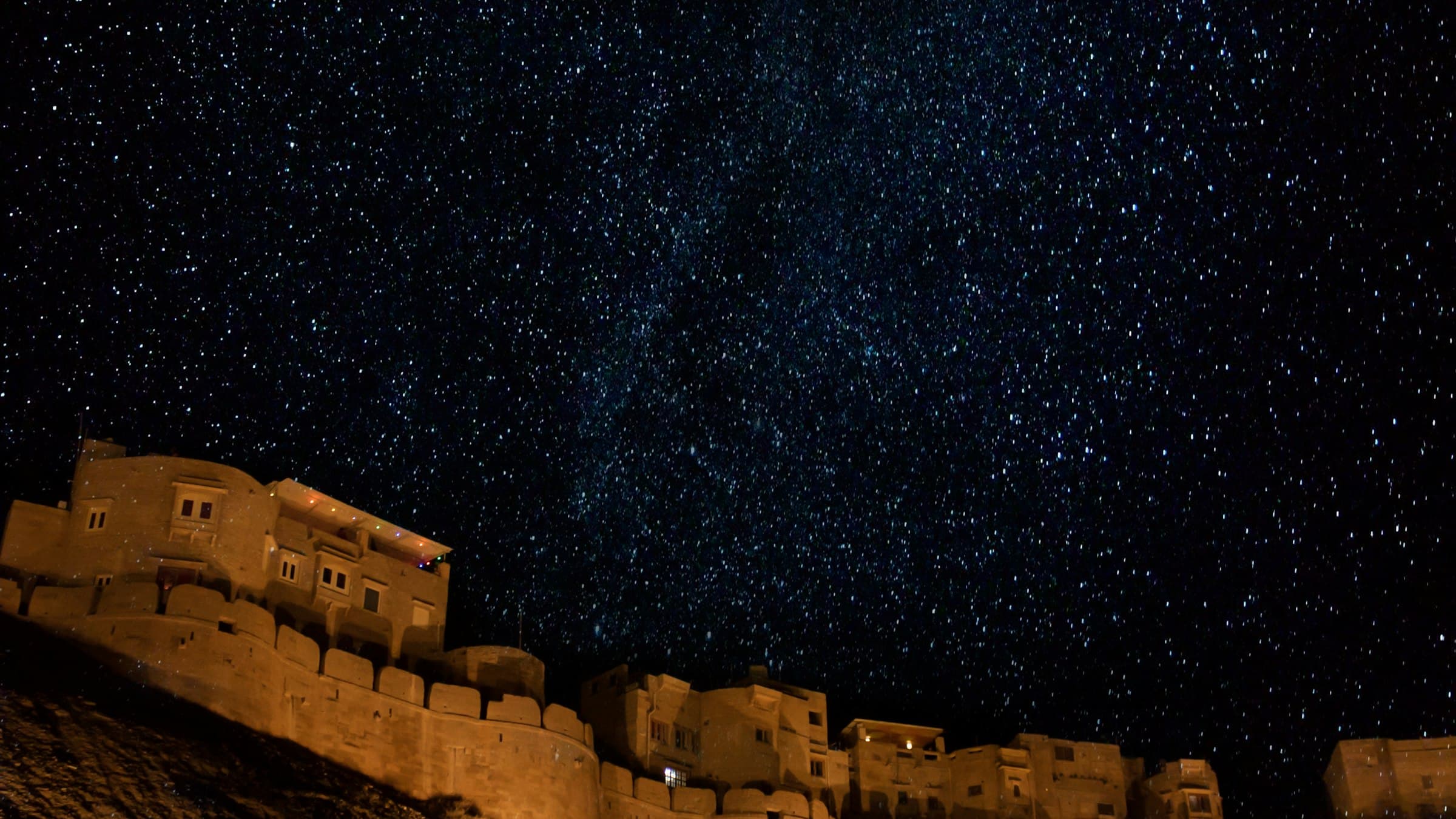
15 Nights
Royal Rajasthan Photography Journey
Delhi · Jaipur · Jaisalmer · Jodhpur · Pushkar · Udaipur · Agra
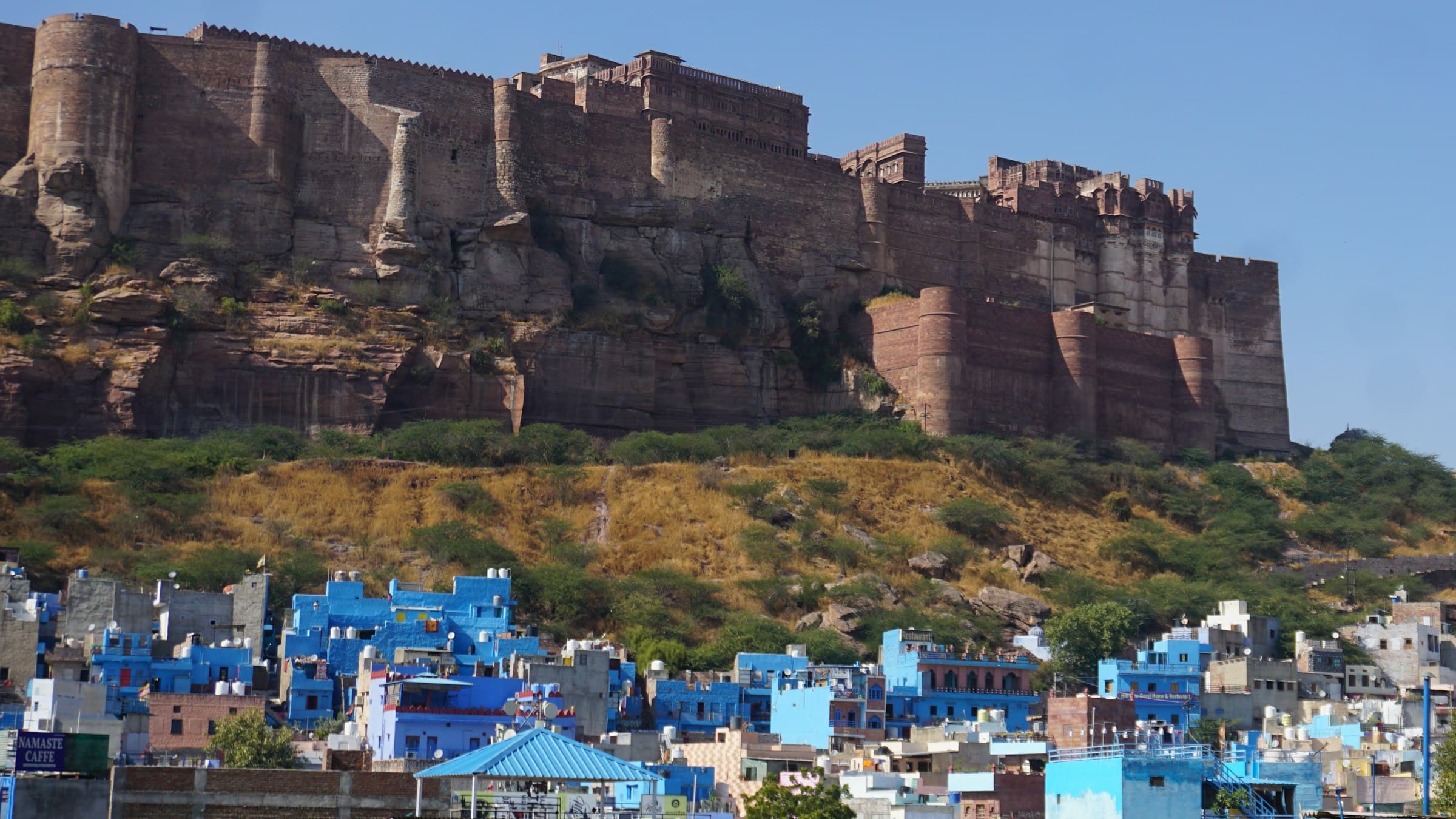
12 Nights
Royal Rajasthan Grand Tour
Delhi · Jaipur · Jaisalmer · Jodhpur · Pushkar · Udaipur · Agra

10 Nights
Golden Triangle, Rishikesh & the Ganga
Delhi · Jaipur · Agra · Rishikesh
9 Nights
Rajasthan Spiritual Sojourn
Delhi · Jaipur · Jodhpur · Ranthambore · Udaipur
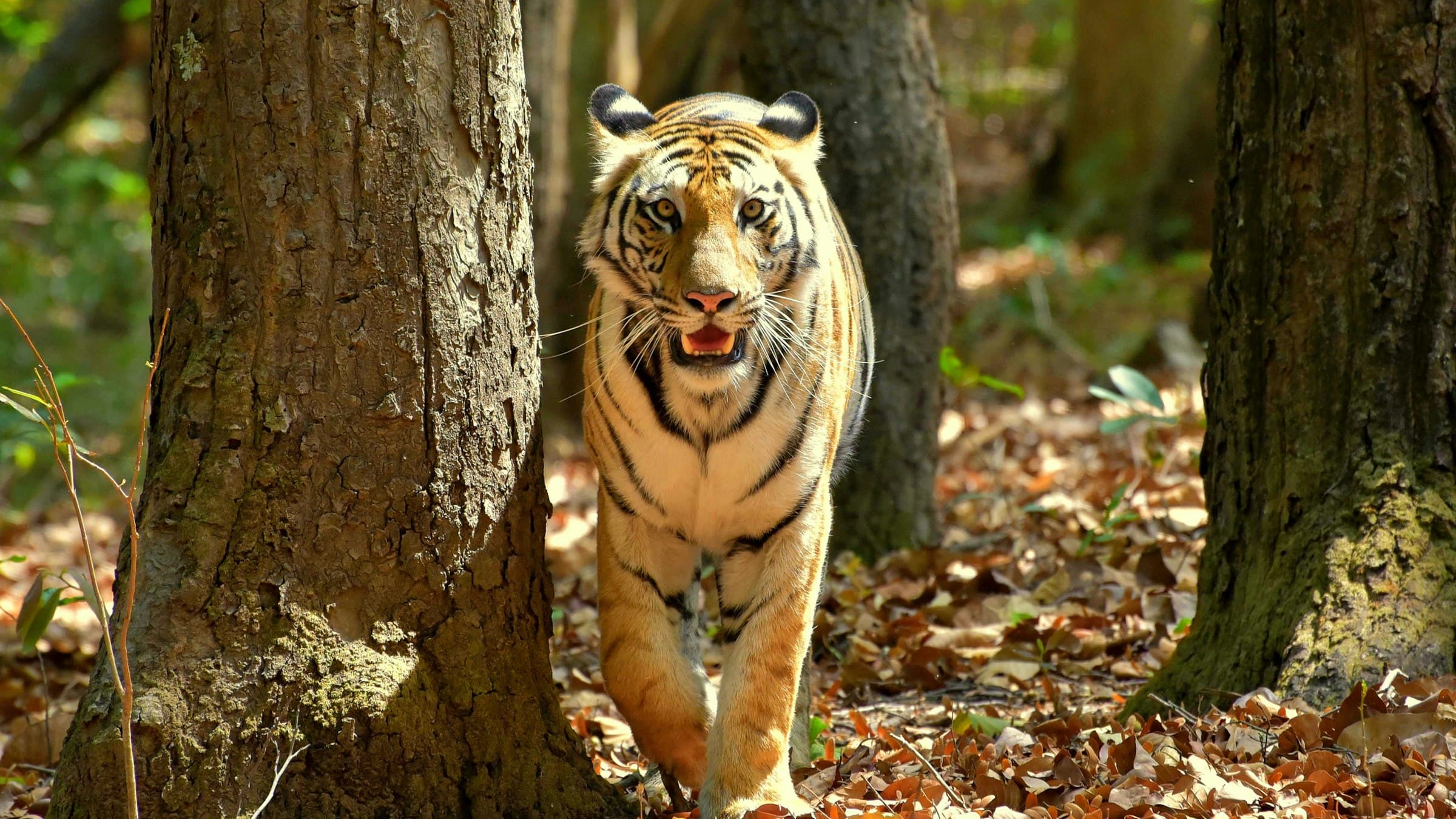
8 Nights
Golden Triangle Tiger Safari
Delhi · Jaipur · Ranthambore · Agra
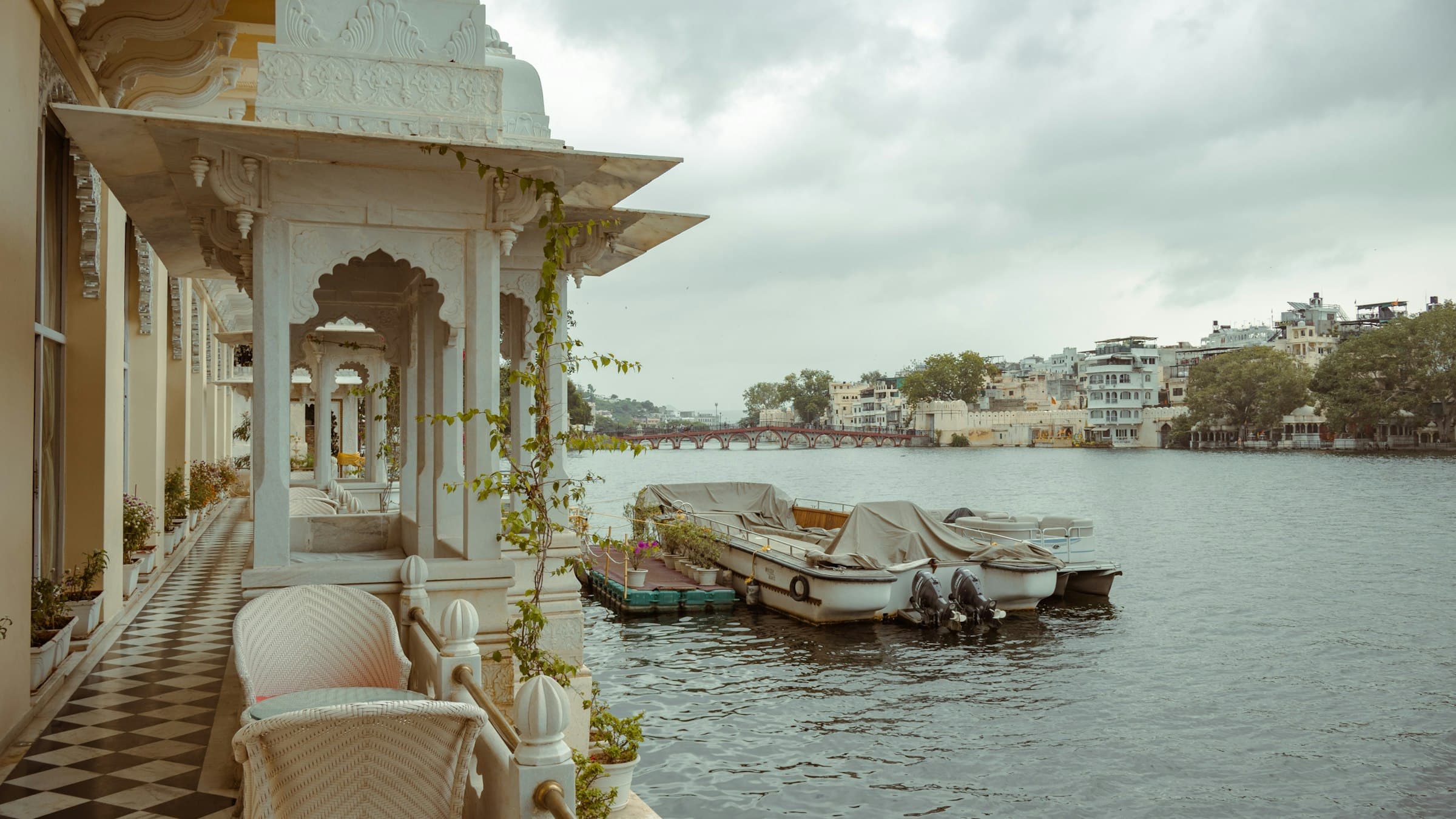
8 Nights
Golden Triangle & Udaipur Honeymoon
Delhi · Jaipur · Udaipur · Agra
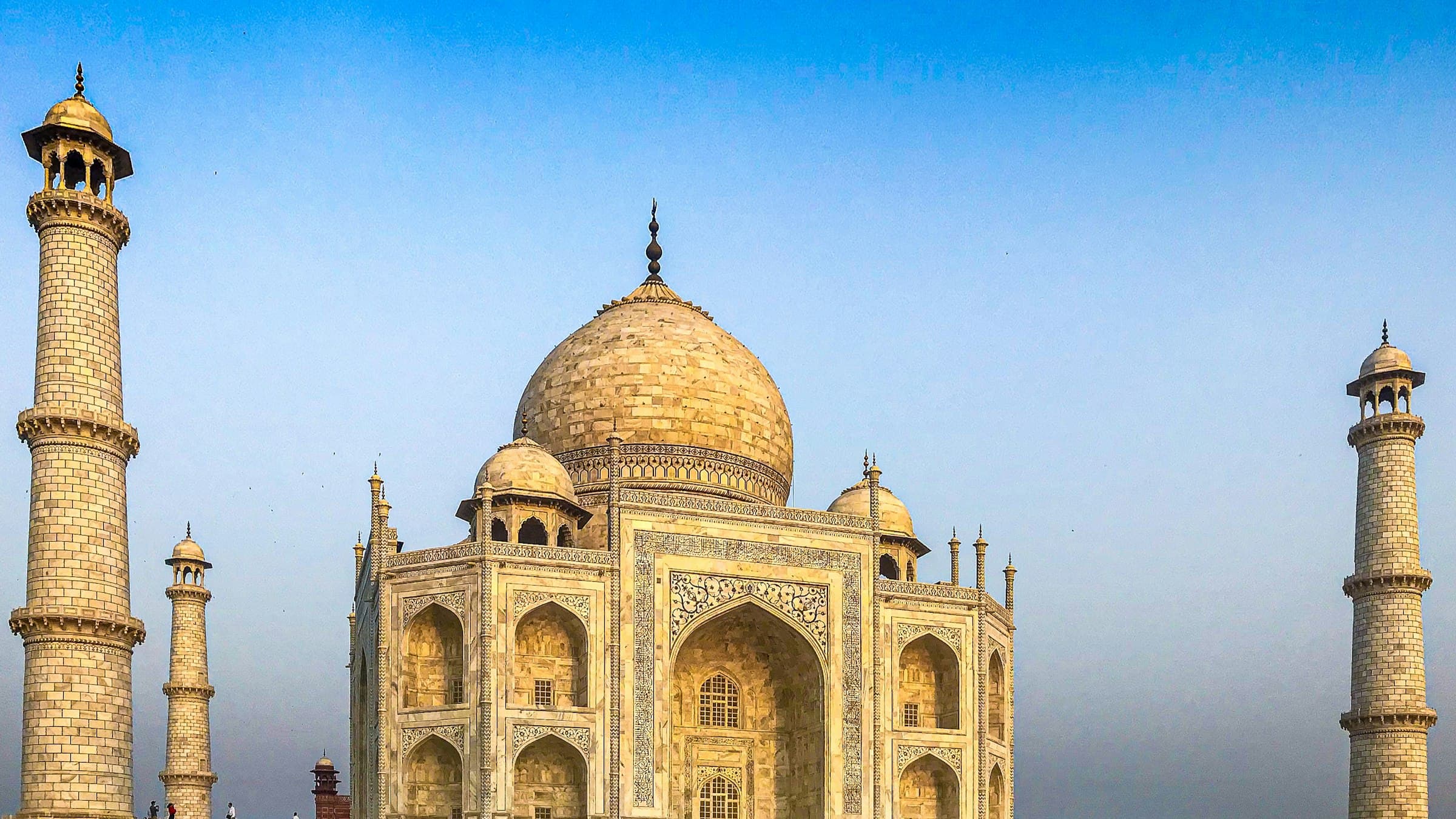
7 Nights
Golden Triangle & Udaipur Lakes
Delhi · Jaipur · Udaipur · Agra
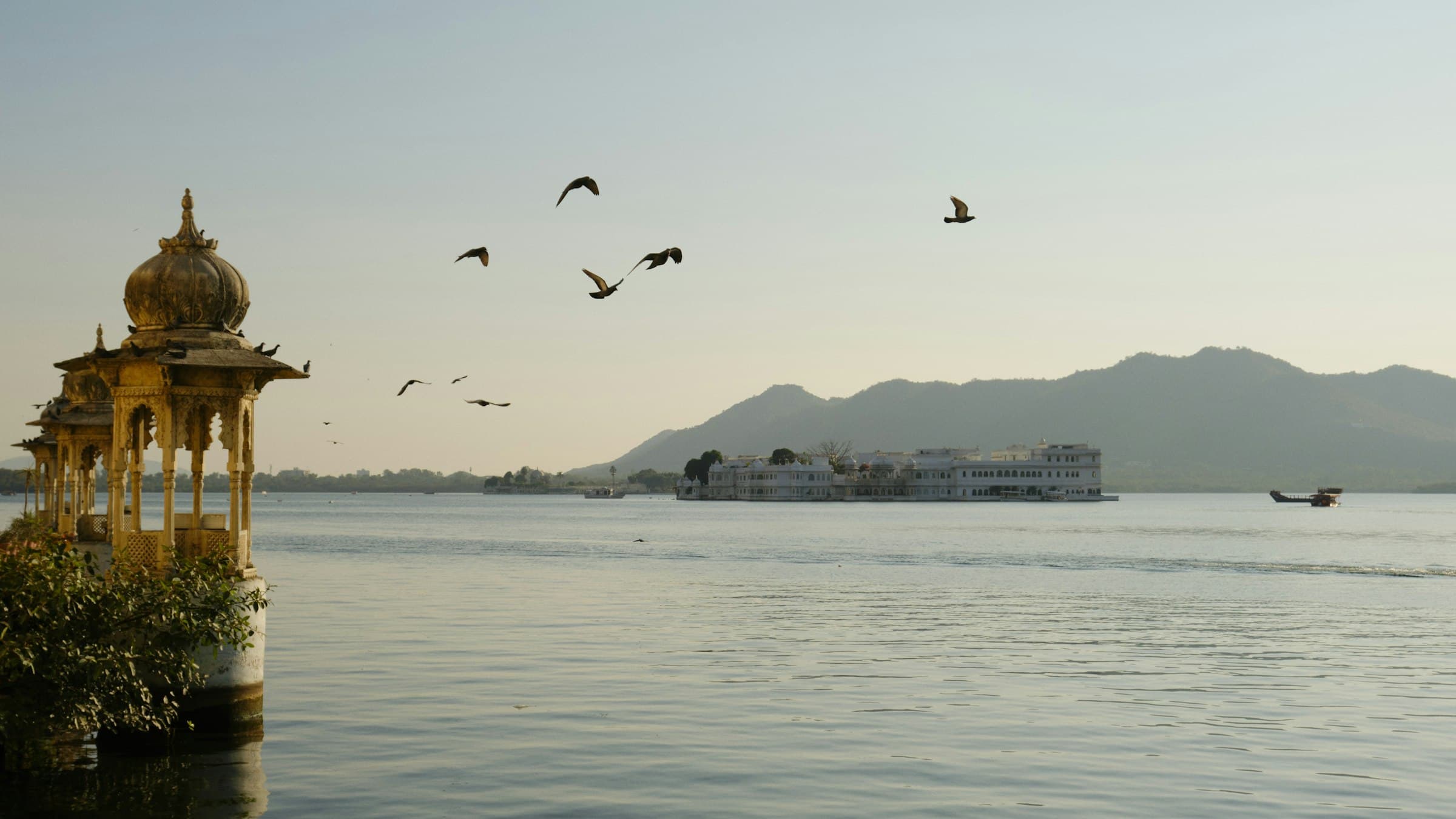
7 Nights
Rajasthan Golden Cities Grand Tour
Jaipur · Kumbhalgarh · Pushkar · Udaipur
Where To Stay
Where To Stay In Jaipur
Stays are chosen for the setting and the service, then matched to the pace of your route.
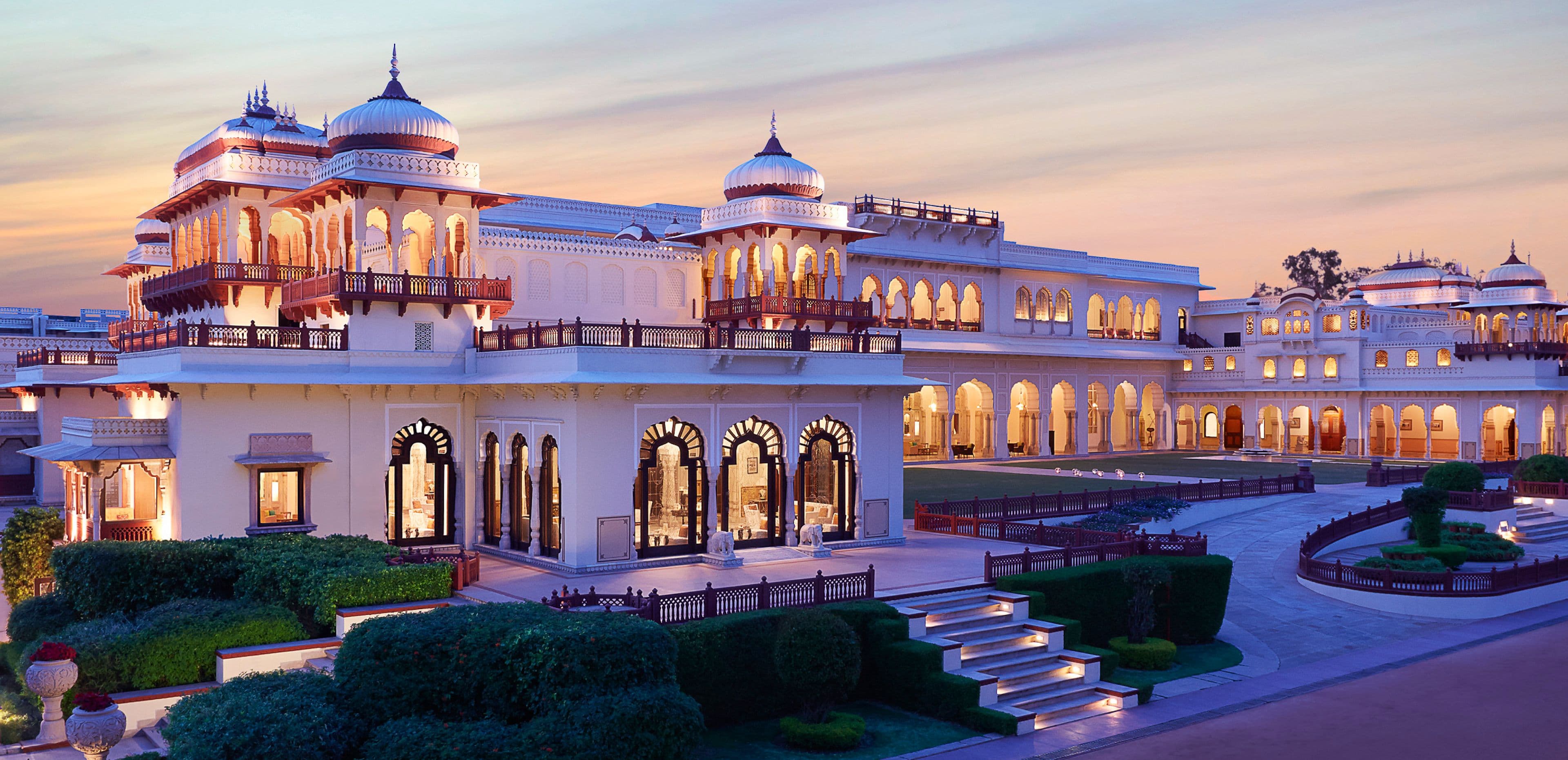
Rambagh Palace
★★★★★
Rambagh Palace began life in 1835 as a garden house. It became a hunting lodge, then the residence of the Maharaja of Jaipur. Today it is a Taj hotel. It still reads as a private home rather than a property. The setting is 47 acres of walled garden, and all of it sits inside Jaipur city. Peacocks cross the lawns at dusk. Marble corridors run past hand-carved sandstone screens and old family portraits. Very little has been added that does not belong. Rooms and suites keep their original proportions. Many look straight out over the formal gardens. The Royal Suites were once the Maharani's own apartments. The restoration left the frescoes and the silk where they were. Dining is a large part of the appeal here. Suvarna Mahal serves royal Indian cuisine in what was the palace ballroom. The Rajput Room opens onto the veranda for long, slow breakfasts. Steam Bar is built around a restored 1930s locomotive. The Jiva Grande Spa occupies its own wing. Treatments draw on Rajasthani royal ritual, and the indoor pool sits beneath a vaulted ceiling. Amber Fort and the old walled city are both about twenty minutes away.
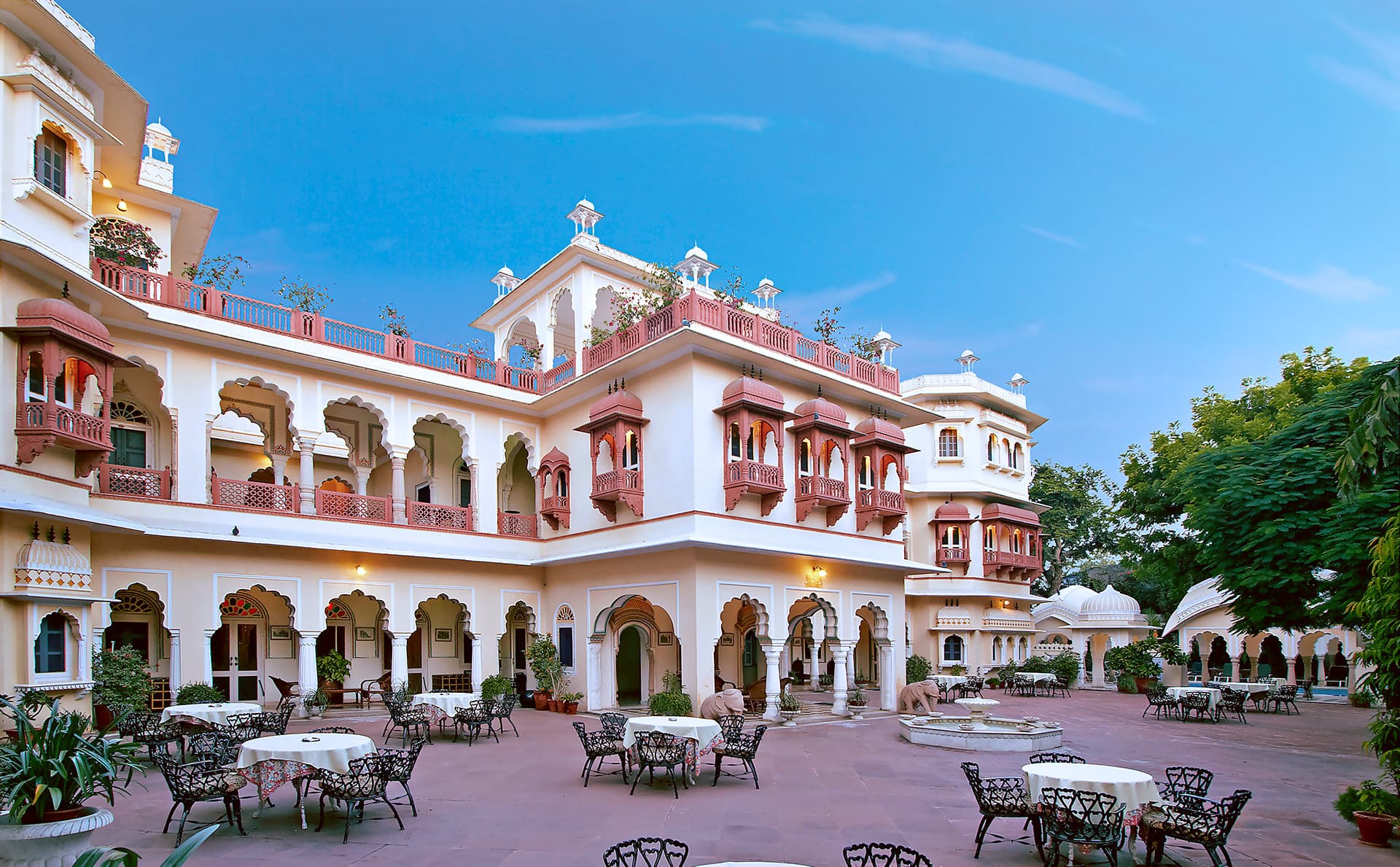
Alsisar Haveli
★★★★
Alsisar Haveli was built in 1892 as a family mansion. It still belongs to the same family, the Thikana of Alsisar in Shekhawati. That continuity is the point of staying here. Nothing about it feels leased or rebranded. The building works the way old Rajasthani havelis do. Rooms open off a series of open courtyards. Painted arches, carved jharokha windows and frescoed walls survive throughout. Corridors turn where the original plan turned, not where a floor plate would have preferred. Every room is decorated on its own terms. Some carry old family furniture. Ceilings are high, windows are shuttered, and the walls are thick enough to keep the Jaipur heat outside. There is a swimming pool set in the garden, which is rare for a haveli of this age in the middle of a city. Meals are served on the terrace and in the courtyard. The kitchen cooks Rajasthani home food alongside a wider menu. The location is central. The walled Pink City, Hawa Mahal and the bazaars around Johari Bazaar are a short drive away. Amber Fort is roughly half an hour out.
16
years crafting private India journeys
30,000+
travellers guided end to end
4.5
from 15 reviews on Trustpilot

Ministry of Tourism
NIDHI Certified Tour Operator

Rajasthan Tourism
Recognized Travel Agency

Travel for LiFE
Sustainable Tourism Pledge

Google Reviews★★★★★
Verified business reviews
Frequently Asked
Questions About Jaipur
How many days do you need in Jaipur?
Two full days cover the essentials. Day one takes in Amber Fort, then City Palace and Jantar Mantar. Day two can follow the old city's bazaars, Hawa Mahal and a craft workshop. A third day gives room for a block-printing session, a slow lunch, or a balloon flight at dawn.
What should I know before visiting Jaipur?
Wear comfortable, closed footwear. Forts mean steep ramps and uneven stone. Carry a hat and water, since the sun is strong outdoors. Cover shoulders and knees at temples. Ask before photographing people, especially craftspeople at work. Start early. Mornings are cooler and the light is softer. Your guide will adjust the day around you.
When is the best time of day to visit Amber Fort?
Early morning is usually the most comfortable. The light is soft on the sandstone and the ramps are cooler underfoot. Late afternoon is a second option, with warm light on the ridge. Check current timings with your guide before you plan the day, as they can change.
Can I see Hawa Mahal from a rooftop?
Yes. The best views of the facade are from buildings across the street, not from inside it. Your guide can suggest a viewing spot. Golden hour, when the sandstone turns warm, is the usual choice for photographs. Plan it for the end of a day in the old city.
Are your tours in Jaipur private?
Yes. Every journey is private. You travel with your own guide and driver, and the pace is yours to set.
What is the best time to visit Jaipur?
October to March. Days are mild and clear, which suits long fort visits and evenings outdoors.
How do I get to Jaipur?
Jaipur International Airport is in Sanganer, a short drive south of the centre. By road, Delhi is about five to six hours away.
Can I combine Jaipur with other cities?
Yes. We can join Jaipur to other cities in Rajasthan in a single route, with transfers and stays planned around it.
Can you arrange hotels in Jaipur?
Yes. Stays are part of every journey. We match them to your budget and to the pace of your route.
How do I plan a trip to Jaipur?
Share your dates and who is travelling using the form on this page. A specialist replies with a private route for you to review.
Continue The Route
More Of Rajasthan
The other cities in Rajasthan we build private journeys through, each with its own guide.

Kashmir to Kanyakumari
Get In Touch
Start Planning Your Jaipur Journey
Tell us a little about who's coming and when. A private itinerary comes back built around your answer.