Old Delhi Through Its Food: A First-Timer's Walking Guide
Chandni Chowk's lanes decoded: what to actually eat, how to walk it comfortably, and why a guided food walk beats wandering alone.
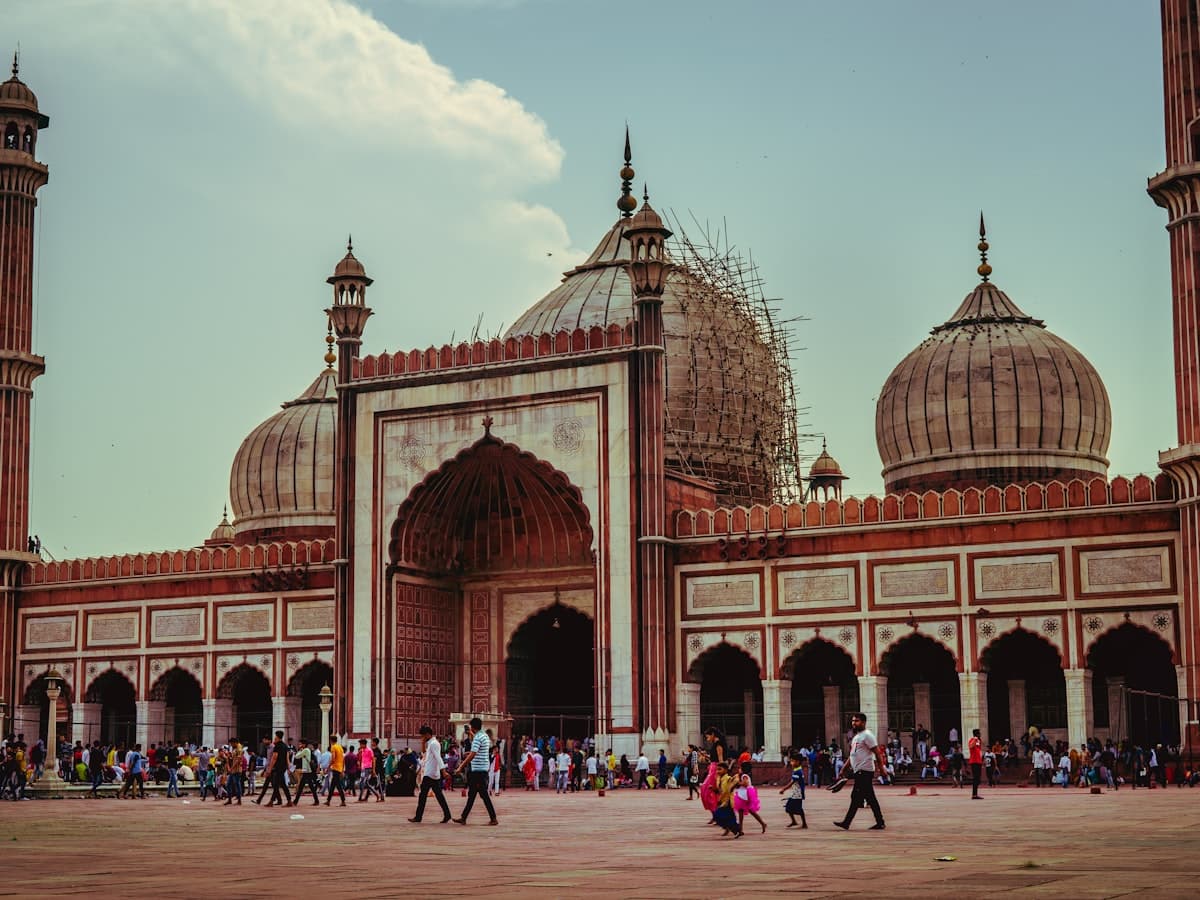
Most people meet Old Delhi through its monuments. Red Fort, Jama Masjid, the wide processional street Shah Jahan built between them. The better way in is through its food. This is the same walled city, but eaten rather than photographed, and it tells you more about how Delhi actually lives.
Why food, not just sightseeing
Old Delhi was built as a working city, not a museum. Its lanes are narrow because they were built for handcarts, not cars, and its food stalls have mostly been in the same spot for generations. A food walk moves at the pace the city was designed for. You end up seeing the same forts and mosques anyway, just with a reason to stop every few minutes.
The route, roughly
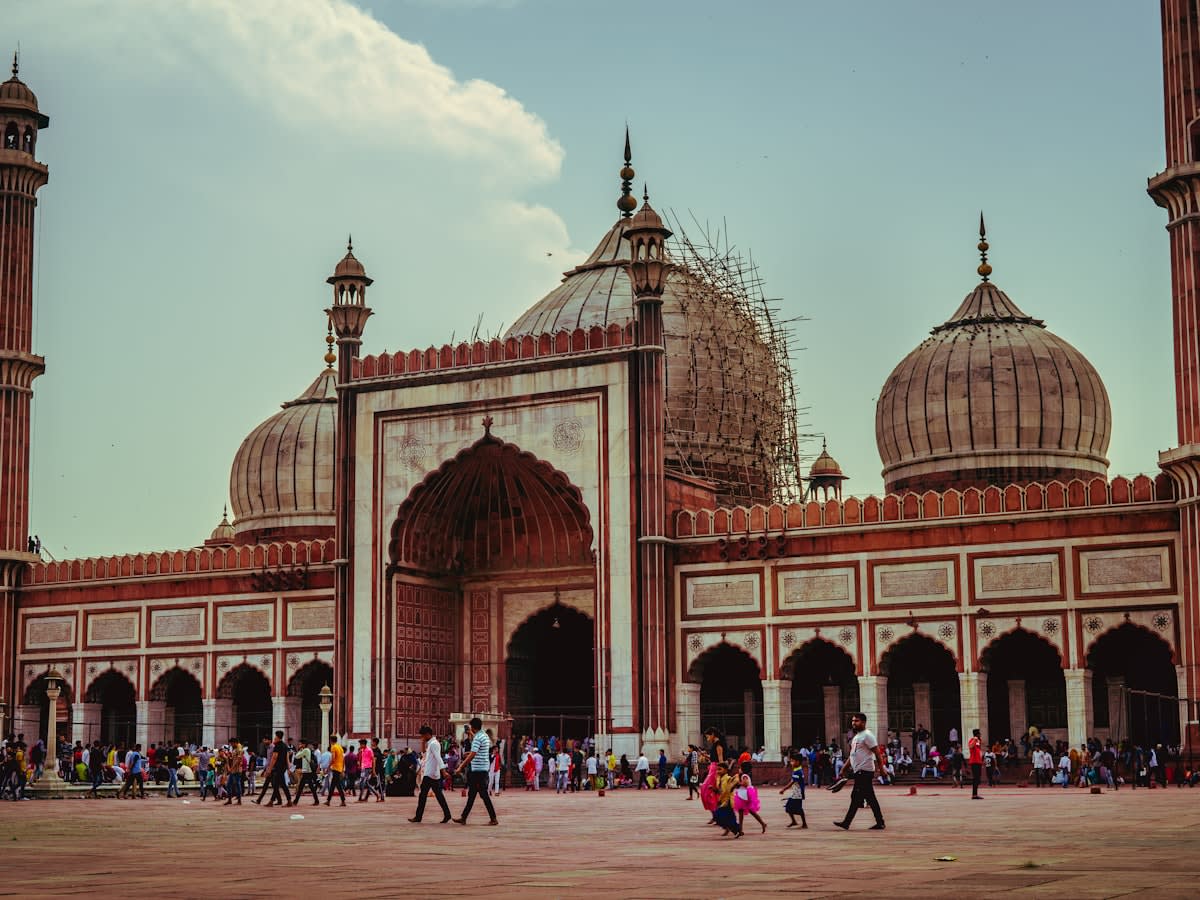
A good walk starts near Jama Masjid, India's largest mosque, and works into the lanes behind it before finishing on the main Chandni Chowk street.
Matia Mahal, the lane running off the mosque's gate, for slow-cooked mutton korma and seekh kebabs at old Mughlai kitchens.
Paranthe Wali Gali, a single alley of stuffed-flatbread shops running since the 1870s. Order two kinds and share.
Chandni Chowk's main street for jalebi fried fresh in ghee, and a cold, thick lassi to cut through it.
Fatehpuri, at the western end, where the street quiets down and the spice and dried-fruit trade takes over from food.
None of this is far. The whole stretch from Jama Masjid to Fatehpuri is under two kilometres, but crowds and stops make it a two-to-three-hour walk, not a twenty-minute one.
Doing it safely and comfortably
Old Delhi's food is safe if you eat the way locals do: hot off the pan, high turnover, no room-temperature buffet. A few habits help.
Go hungry, not starving. You will be offered food every few minutes.
Watch the pan, not the sign. A stall with a queue and fresh oil is a better bet than an empty one with a famous name.
Carry cash in small notes. Very few stalls take cards.
Go on an empty-ish stomach in the late morning or early evening. Midday sun and the lunchtime crowd both make the lanes harder work.
A guided walk is worth it for a first visit, mostly for navigation. The lanes are not signposted in any way a visitor can follow, and a good guide knows which stall is having a good day.
What to skip your first time
Old Delhi has more food than any single walk can cover, so a first visit benefits from restraint as much as appetite.
Skip the fixed "thali tour" menus some operators sell — they route you to a handful of paid-partner stalls rather than the ones actually worth the walk.
Skip trying every lane in one visit. Matia Mahal and Paranthe Wali Gali alone, done properly, is a full and satisfying walk. Chawri Bazar and Khari Baoli (the spice market) are worth a second trip, not a rushed add-on.
Skip the peak lunch rush (1–2.30pm) if you can. The lanes are narrow enough that a crowd changes the experience from a food walk to a queue.
A rough sense of cost
This is one of the least expensive things to do in Delhi. A generous tasting walk across four or five stops, sharing plates, typically runs well under what a single sit-down restaurant meal in South Delhi would cost. A guided walk adds a fixed fee on top, which mostly buys navigation and stall selection rather than the food itself.
Where it sits in a Golden Triangle trip
This walk works as a half-day inside Delhi, not a full day on its own. Our Classic 5-Day Golden Triangle and In-Depth 7-Day itinerary both build in real time in the old city rather than a drive-past. If you are still deciding how long to spend in Delhi before Agra and Jaipur, our guide to how many days the Golden Triangle needs covers that in full.
Where to stay for it
Haveli Dharampura, a restored 19th-century haveli inside the walled city itself, puts you a short walk from everything above — useful if you want an early start before the lanes fill up. The Lodhi, our usual Delhi base, is calmer and about twenty minutes by car; most guests treat the food walk as a planned excursion from there rather than staying inside the old city.
Frequently asked questions
Is Old Delhi street food actually safe to eat?
Yes, if you follow where the crowds and the fresh oil are. Stalls with high turnover cook to order, which is the same food-safety logic as anywhere else.
Is there enough for vegetarians?
Yes. Paranthe Wali Gali's stuffed flatbreads, most chaat, and all the sweets are vegetarian; only some of Matia Mahal's kebab stalls are meat-only.
How long should I set aside?
Two to three hours, including stops. Treat it as a slow half-day, not a checklist.
Can this be combined with seeing Jama Masjid and Red Fort?
Yes, easily. Jama Masjid sits right at the start of the walk, and Red Fort is a short rickshaw ride away, best added at either end rather than in the middle.
Plan it as part of your Delhi stop
See our Golden Triangle destination page for full routes through Delhi, Agra and Jaipur, or browse the First-Timer's Golden Triangle package. To build a food walk into your own itinerary, talk to a trip designer.
Read Next
All Stories →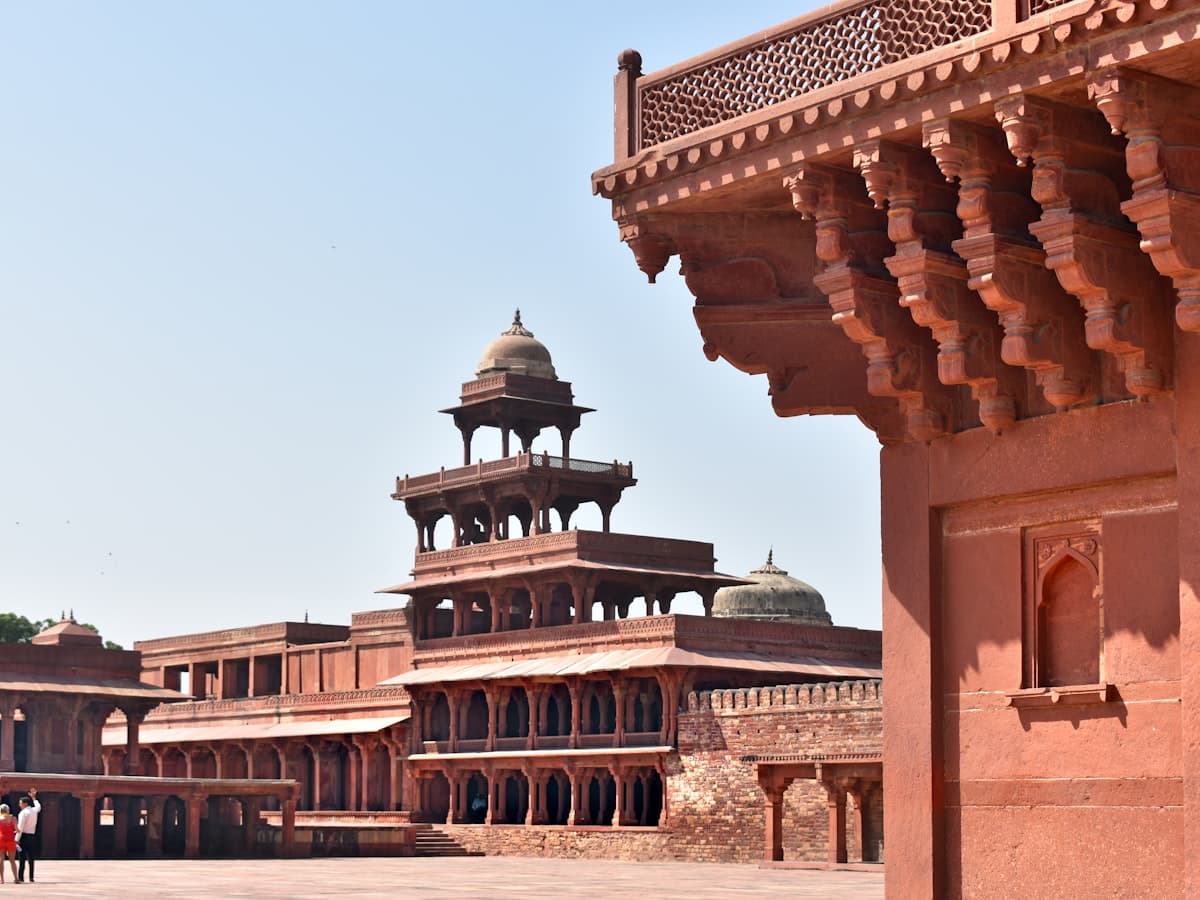
Fatehpur Sikri: The Best Stop Between Agra and Jaipur
How Many Days Do You Really Need for the Golden Triangle?