Taj Mahal at Sunrise or Sunset? How to Time Your Visit
Sunrise, sunset or midday? When the Taj Mahal looks its best, which days to avoid, and how to see it without the crowds.
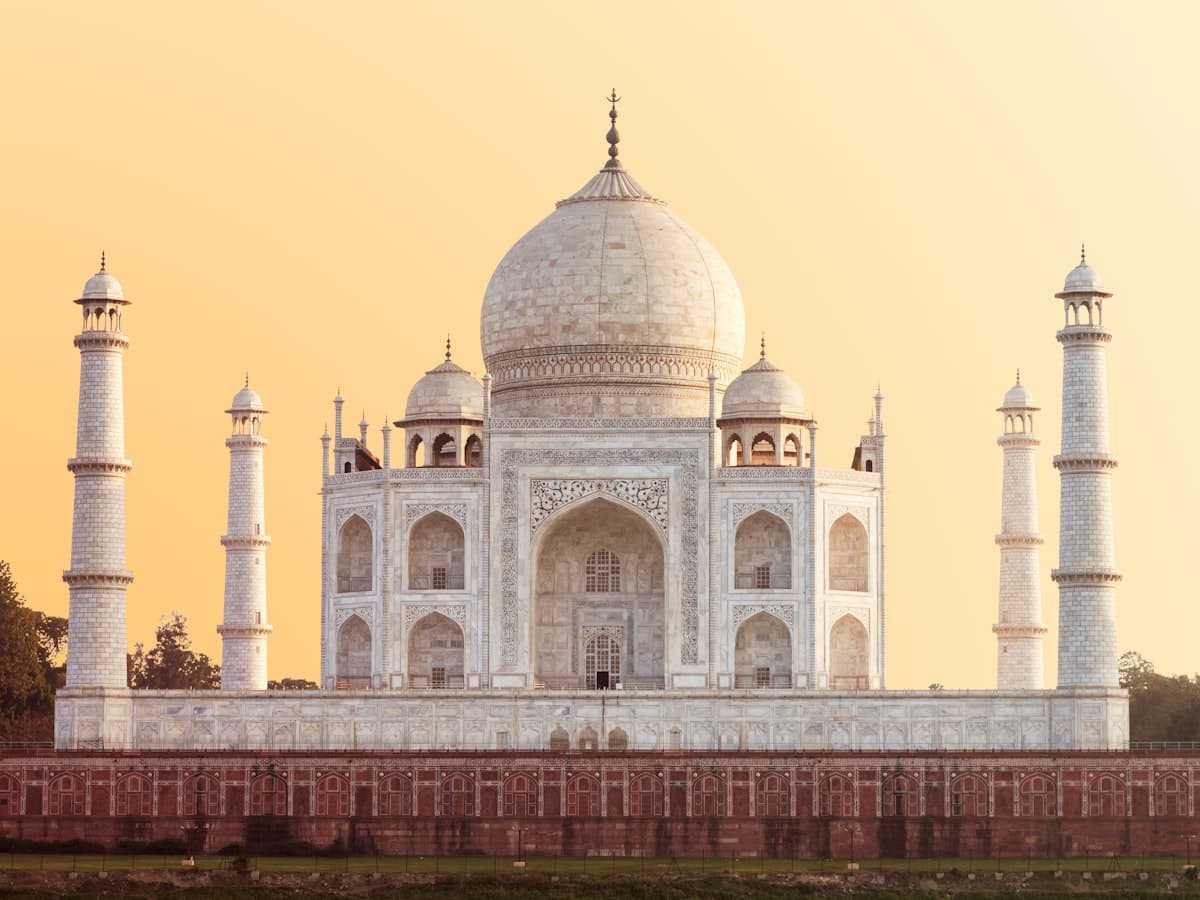
The Taj Mahal does not need an introduction. It does need a plan. Everyone who visits wants the same thing: the famous white dome, glowing, with room to breathe. Whether you get that depends almost entirely on when you go.
This guide covers the questions that matter. Sunrise or sunset. Which day. Which season. And what to do with the rest of your Agra visit.
The short answer
Go at sunrise if you can. The light is soft, the air is cooler and the crowds are lighter. It is the version most people remember.
Choose a sunset view from across the river if you want a second look, or if mornings are not your thing. And plan around Friday, when the monument is closed to general visitors.
Why sunrise wins
At dawn, the Taj Mahal changes as you watch. White marble takes on the colour of the sky. It can begin as a cool grey-blue, turn a soft pink, and end as a clean, glowing white as the sun clears the horizon.
There are practical reasons too.
Crowds are thinner. Most tour groups arrive later in the morning. Early entry means clearer photographs and a calmer walk along the gardens and reflecting pools.
It is cooler. Agra gets hot fast. Early morning is the only comfortable time from April to September.
The rest of the day is free. After the Taj, you have time for the rest of Agra, or you can move on to Jaipur without a rushed evening.
A good private guide times the entry precisely, so you are inside the gate as the light begins to change.
The honest case for sunset
Sunset has its fans, and it has one great advantage. You do not need an early start.
Inside the complex, late afternoon brings warmer light, and the marble takes on a golden glow. But the grounds are usually busier than at dawn, and the day's heat and haze have built up by then.
The best sunset view is from across the river
For sunset, we prefer to leave the Taj and look at it from a distance. Mehtab Bagh is a Mughal-era garden on the opposite bank of the Yamuna. From here you see the monument from behind, across the water, without the crowds.

It is a quieter, more contemplative way to end the day, and a good complement to a sunrise inside.
What about midday?
Avoid it if you can. Light is flat, heat is high and crowds are at their peak. White marble also reflects harshly at noon, which is unkind to photographs and to eyes.
Which days to avoid
Friday is the key one. The Taj Mahal is closed to general visitors on Fridays, when the mosque within the complex is used for prayer. Plan your Agra day around it. Check opening days before you fix dates, as rules can change.
Public holidays and weekends are busier. If you have a choice, a weekday morning is calmest.
The best season
October to February: cooler and comfortable. This is the classic season.
December and January: beautiful but sometimes foggy. Dense morning fog can hide the monument entirely until mid-morning. If you have flexibility, build in a second day, or keep the morning open.
March: warm and clear, with fewer crowds.
April to June: very hot. Sunrise is the only sensible time.
July to September: monsoon. Skies are dramatic and it is greener, though rain can interrupt.
Do not stop at the Taj
Agra has more to see, and it repays the time.
Agra Fort is Akbar's red sandstone citadel, and it predates the Taj Mahal by nearly a century. It later became Shah Jahan's own prison, where he was confined under his son's rule, with a private view of the tomb he had built for his wife. Visit after the Taj, when the light has flattened out. The two monuments read very differently in the same afternoon.

Itimad-ud-Daulah is a white-marble tomb often called the "baby Taj". It is small, delicate and rarely crowded.
Fatehpur Sikri is a ghost city of red sandstone, built by Akbar and abandoned after a few years. It sits on the road between Agra and Jaipur.
How to see the Taj Mahal well
A few practical habits make a big difference.
Go early. Even a slightly earlier start buys a much calmer visit.
Travel light. Security is strict. Large bags, food and tripods are typically restricted, so leave them at your hotel.
Wear comfortable shoes. You will walk on marble and stone. Shoe covers or barefoot access applies at the mausoleum itself.
Bring a guide who knows the story. The inlay work, the calligraphy and the layout are far more interesting when someone explains them.
Stay overnight in Agra. A driver from Delhi at dawn is a very long morning. A night in Agra makes sunrise easy. The Oberoi Amarvilas is well known for its Taj views.
Fit it into the wider trip
The Taj is the centre of any Golden Triangle route. Our Classic 5-Day puts it at dawn, with Fatehpur Sikri on the road to Jaipur. If you are still deciding how long to spend, read our guide to how many days you need.
To browse everything we plan in Agra, see the Uttar Pradesh destination page. For the full route, start at the Golden Triangle page.
Frequently asked questions
Is the Taj Mahal worth it at sunrise?
Yes. It is the calmest, coolest and most photogenic time to visit.
Which day is the Taj Mahal closed?
Friday. It is closed to general visitors on that day. Confirm before you travel.
How much time do you need inside?
Allow about two hours to walk the grounds, see the mausoleum and take photographs without rushing.
Can I see the Taj Mahal from a hotel?
Some hotels have rooms and terraces with Taj views. It is a lovely way to see it in changing light.
Let us plan the morning
The best Taj visit is a quiet one, and timing is most of it. Speak to a trip designer and we will build your Agra day around sunrise, your hotel and your pace.
Read Next
All Stories →
How Many Days Do You Really Need for the Golden Triangle?
A Night on a Kerala Houseboat: What It Is Really Like