What to Pack for India: A Season-by-Season Packing List
A practical India packing list by season and region, from Rajasthan's desert winter to Kerala's monsoon, with what actually earns its space in the bag.
What to pack for India depends far more on season and region than most generic checklists let on — a desert winter in Rajasthan, a monsoon month in Kerala and a beach week in Goa call for genuinely different bags, not the same fifteen items reshuffled. The constants across all of them are modest, breathable layers, comfortable closed shoes, and a few small items that solve problems generic advice tends to skip. Everything below is organised by what actually changes trip to trip, not a single one-size list.
The constants, regardless of season or region
A few things belong in every India packing list no matter where or when you're going: lightweight, breathable fabrics (cotton and linen outperform synthetics in the heat and humidity); modest clothing that covers shoulders and knees for temples, mosques and most heritage sites; comfortable closed-toe walking shoes for fort and old-city cobblestones; a lightweight scarf or shawl, useful for modesty, sun protection and cold air-conditioning; a basic medical kit (rehydration salts, any regular medication, basic stomach remedies); and a universal power adapter, since Indian sockets are Type C/D/M.
Rajasthan and the Golden Triangle: October to March
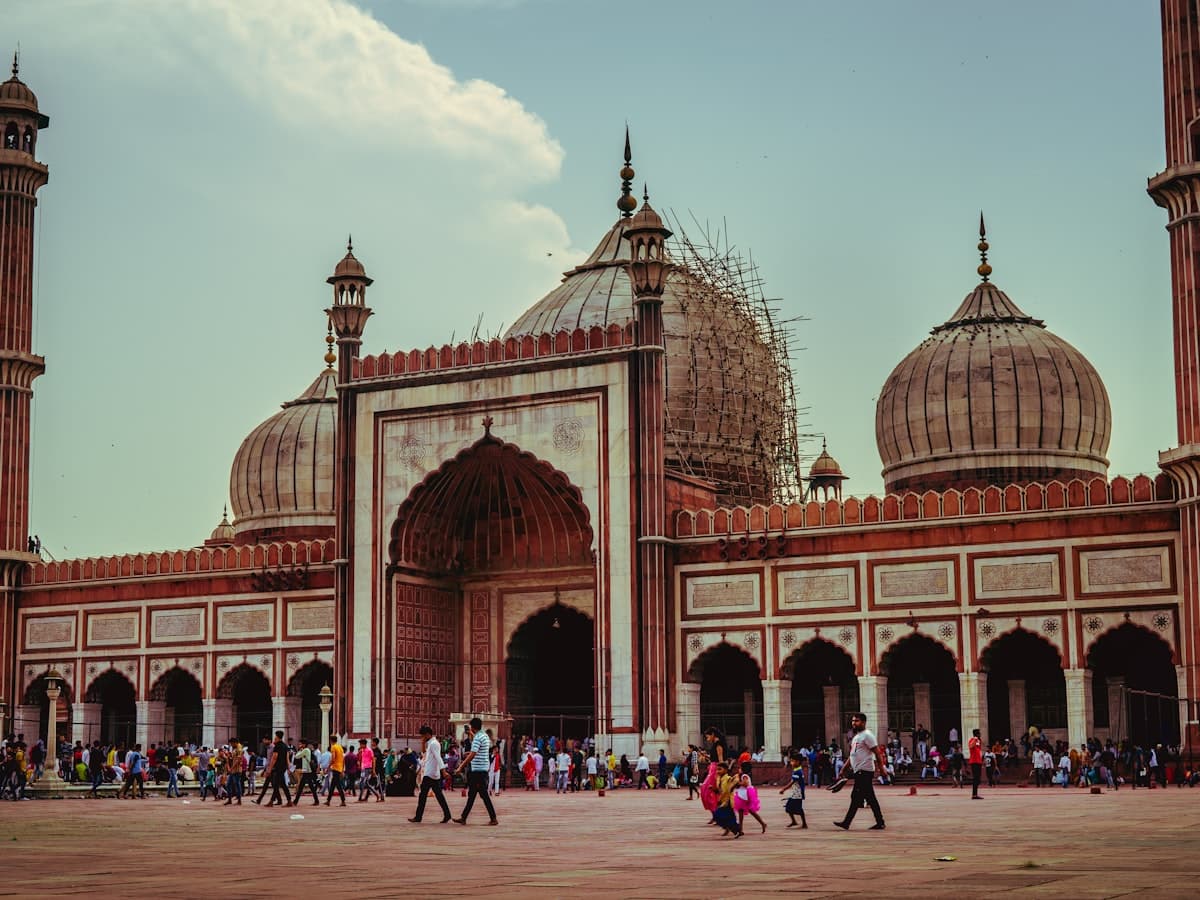
This is the most popular season for a reason — clear skies and comfortable daytime temperatures — but nights and early mornings run genuinely cold, especially in Rajasthan's desert regions, where temperatures can drop into single digits in December and January. Pack layers you can add and remove through the day: a warm jacket or fleece for mornings and evenings, a light sweater for indoor spaces, and sturdy walking shoes for Amber Fort, Mehrangarh and the old-city bazaars. See our guide to ordering Rajasthan's cities for how the season interacts with route planning.
Kerala: humid and monsoon-aware, year-round
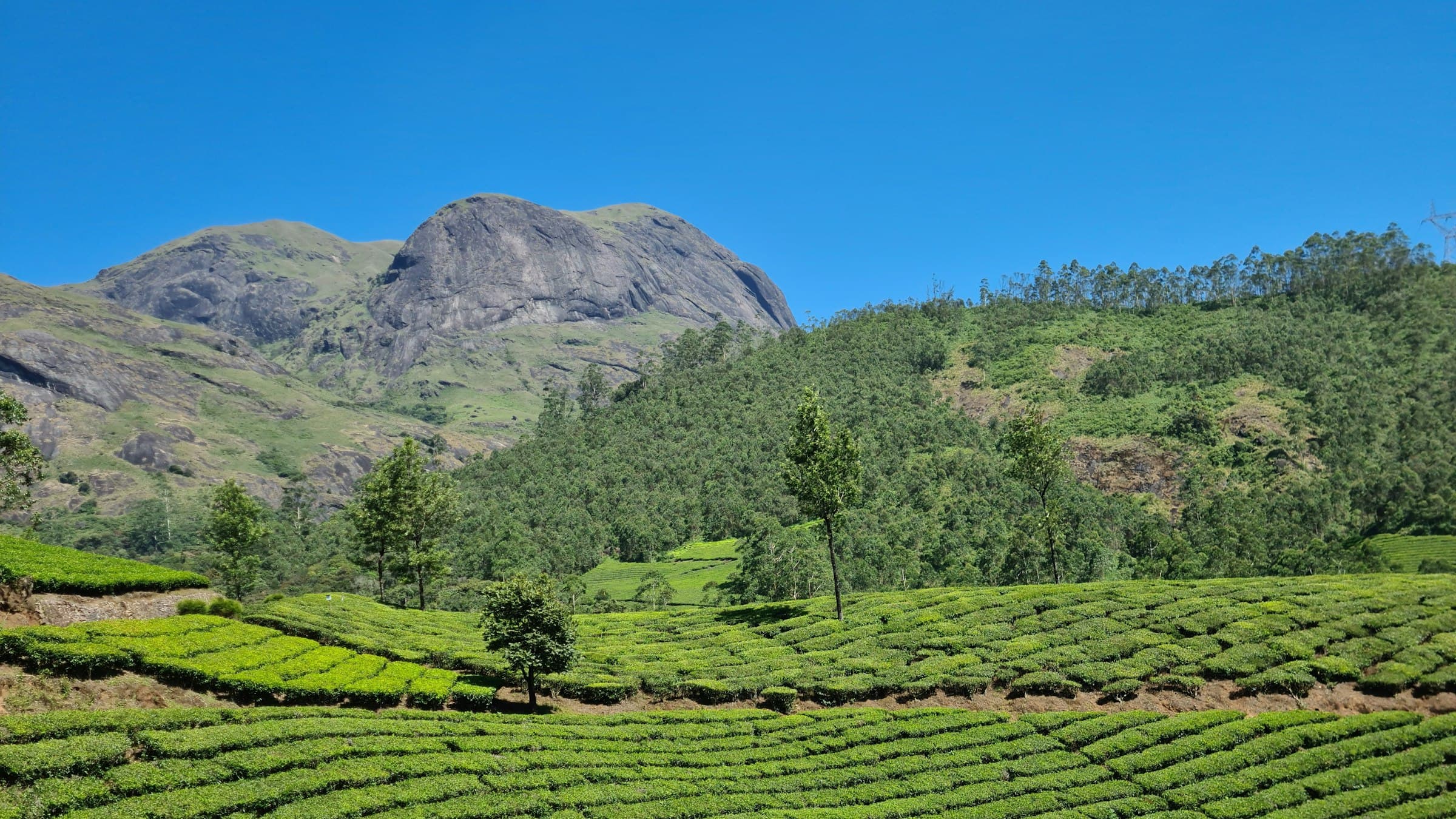
Kerala runs warm and humid for most of the year, with a distinct monsoon window from June to September. Outside monsoon, pack the lightest fabrics you own, strong sun protection, and swimwear or houseboat-appropriate clothing for backwater stays — see our houseboat guide for what a night on the water actually requires. During monsoon, a compact umbrella and quick-dry clothing matter more than rain jackets, which tend to trap heat; our full best time to visit Kerala guide breaks the season down month by month.

The Andaman Islands: tropical, beach and water-focused
Pack for a beach holiday first: swimwear, reef-safe sunscreen (a genuine requirement, not a suggestion, given how many activities happen directly over coral), a rash guard for snorkelling and diving, and light cover-ups for boat transfers between islands. Water shoes are worth the small bag space for rocky entry points. Our first scuba dive guide covers what's provided by dive operators versus what to bring yourself.
Goa and Western India: beach heat with a heritage detour
Goa runs warm and humid most of the year, comfortable for classic beachwear, sandals and light linen — but pack one modest outfit regardless, for the church cluster in Old Goa and any temple visits, where beach dress genuinely isn't appropriate. See our best time to visit Goa guide for how the season shifts this further. Gujarat is drier and dustier than the coast, with the same cold-morning pattern as Rajasthan during its November–February peak season, plus specific needs if the White Rann of Kutch is on the route — closed shoes for salt-flat walking and a warmer layer for evenings in the desert, where temperatures drop faster after dark than most travellers expect.
Regional footwear, specifically
Footwear is worth planning by activity, not just region: sturdy closed shoes for fort and heritage-site walking in Rajasthan and the Golden Triangle, water shoes or sandals with good grip for Kerala's backwaters and the Andamans' beach-and-boat days, and something comfortable enough for extended walking on Fontainhas' cobbled lanes if Goa's heritage side is on the itinerary. One well broken-in pair of closed shoes covers most of this; flip-flops are a beach-only addition, not a general-purpose shoe.
What most first-time packers get wrong
Over-packing "just in case" outerwear for a trip that's mostly warm, under-packing sun protection, and bringing dressy shoes that don't survive uneven heritage-site flooring are the three most common mistakes we see. A better rule: pack for the warmest part of your trip, add one warm layer for the coolest evening you'll actually hit, and prioritise shoes you've already broken in over anything new.
A working checklist
Lightweight, breathable clothing in muted tones (practical for dust and travel, not just aesthetic).
One warm layer, sized to your coldest planned evening — heavier for Rajasthan winter, minimal for Kerala or Goa.
Modest coverage for temples and mosques: shoulders and knees, plus a light scarf.
Broken-in, comfortable closed shoes for walking on uneven heritage-site surfaces.
Reef-safe sunscreen and a hat, especially for Kerala, Goa and the Andamans.
Basic medical kit: rehydration salts, personal medication, stomach remedies.
Universal power adapter (Type C/D/M) and a portable charger for long transfer days.
A dedicated day bag for excursions, separate from checked luggage.
Frequently asked questions
What should I not wear in India?
Very short shorts, sleeveless tops or fitted clothing at religious sites and in smaller towns tend to draw unwanted attention; swap them for looser, longer options and save beachwear for beach towns specifically.
Do I need to pack warm clothes for India in winter?
Yes, if your route includes Rajasthan or the Golden Triangle between November and February — mornings and evenings get genuinely cold despite warm afternoons.
Is monsoon a bad time to pack for Kerala?
Not necessarily — quick-dry fabrics and a compact umbrella handle it well, and the backwaters are at their greenest. See our Kerala seasonal guide for the full trade-offs by month.
How many outfits do I actually need for a two-week India trip?
Fewer than most people pack — most hotels offer reliable laundry service, so five to seven mix-and-match outfits comfortably covers a two-week trip across multiple regions.
Start planning
See our full first-trip planning checklist for visa, season and pacing alongside packing, or talk to a trip designer to build a route around the season you're travelling in.
Read Next
All Stories →
Is India Safe for Solo Female Travellers? A Practical Guide
Planning a First Trip to India: A Calm Checklist