Planning a First Trip to India: A Calm Checklist
Visa, season, pace and packing: a practical, unhurried checklist for a first trip to India, from people who plan them every day.
A first trip to India tends to generate more advice than any single traveller needs. Most of it is noise. What actually matters fits into five things: your visa, your season, your pace, what you pack, and how you choose where to go. Get those right and the rest sorts itself out.
Visa
Most nationalities can apply for an e-Visa online before travelling, processed well ahead of arrival — this is not something to leave to the airport. Apply at least a few weeks before departure, and double-check your passport has at least six months' validity and two blank pages, a common and avoidable hold-up at immigration.
Season
India is large enough that "the best time to visit" depends entirely on where you're going, not the country as a whole. As a general rule:
North India (Rajasthan, the Golden Triangle): October to March, avoiding the summer heat and the June–September monsoon.
Kerala and the south: slightly milder year-round, but the same October–March window is still the most comfortable.
The Andaman Islands: November to April for calm seas and reliable ferries — see our full best time to visit the Andamans guide.
If your trip spans more than one region, plan the route around whichever leg has the narrower weather window, not the widest one.
Pace
This is where most first trips go wrong. India rewards a slower pace than the itinerary templates suggest — two nights in a city, not one, wherever the schedule allows it. Our own guide to the Golden Triangle walks through exactly this trade-off for Delhi, Agra and Jaipur specifically; the same logic applies everywhere. A rule of thumb: budget one full day per major city or region, plus a travel day between each, rather than stacking sightseeing back to back.

Packing
Lighter than you'd expect, adjusted for modesty at religious sites (shoulders and knees covered), and built around layers rather than one climate assumption — mornings and evenings run noticeably cooler than midday, especially in Rajasthan's desert regions and Kerala's hill country. A few specifics worth packing deliberately: modest clothing for temples and mosques, a light scarf or shawl (useful for both modesty and air-conditioned transfers), comfortable closed shoes for fort and heritage-site walking, and a basic medical kit for common travel upsets.
Choosing where to go
Trying to cover too much ground is the single most common first-trip mistake. A first visit generally works better as one or two connected regions done properly, rather than a rushed loop through four. The classic combinations we build most often:
Golden Triangle alone, or extended with Ranthambore or Udaipur, for a compact first trip.
Rajasthan in full, for travellers with 8–10 days who want forts, palaces and desert without adding a second region.
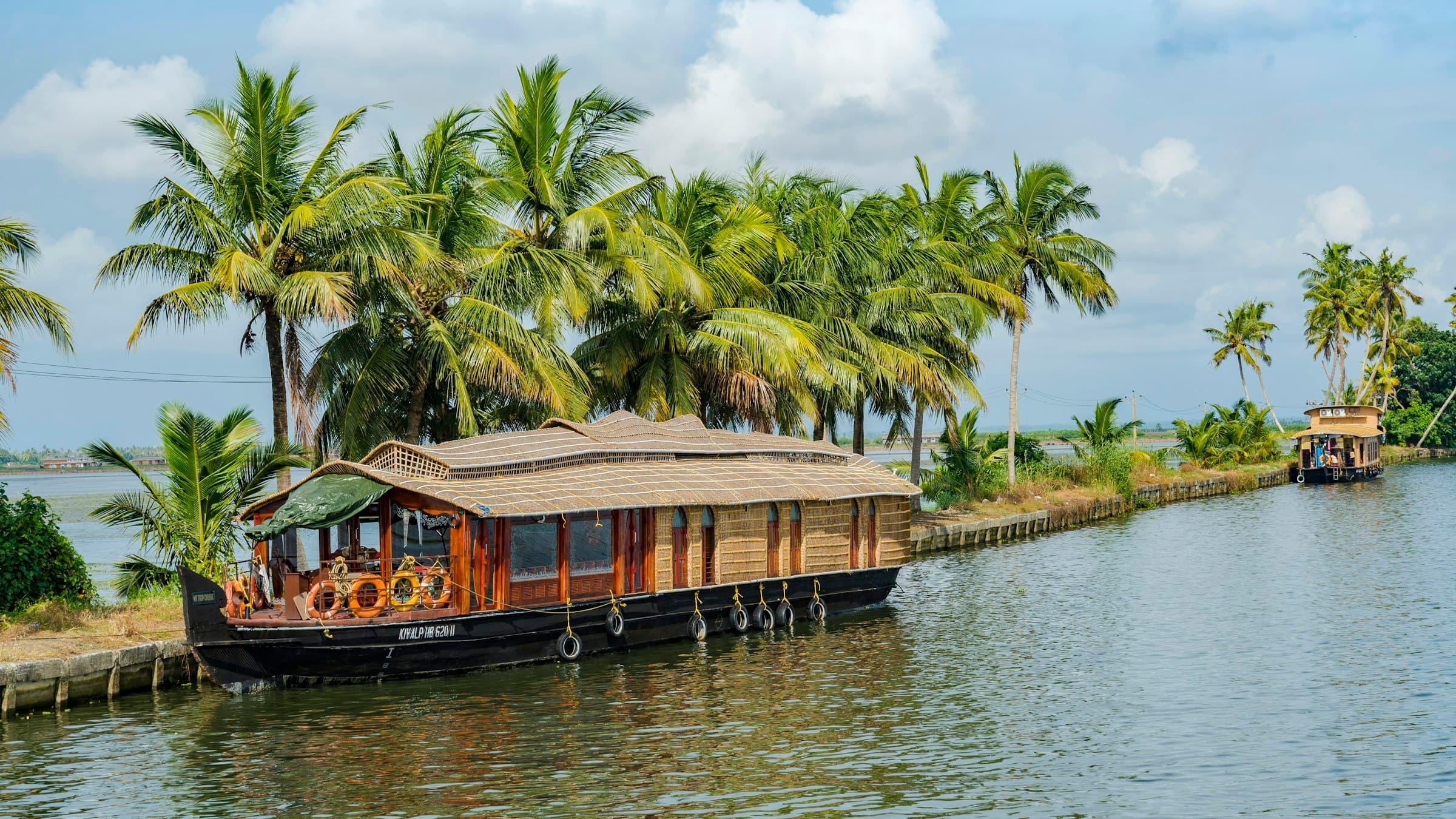
Kerala alone, for a slower, greener first trip built around backwaters and hills rather than monuments.
See our guide to ordering Rajasthan's cities if that's the region you're leaning toward.
Money and connectivity
Cards are widely accepted at hotels, better restaurants and most shops in tourist areas, but carry some cash for markets, small vendors and tipping — ATMs are easy to find in cities but less reliable in rural stretches between destinations. A local SIM or an international eSIM is worth arranging on arrival or before departure; connectivity is generally good in the regions covered on this site, patchier in remote forts and wildlife reserves. Tipping isn't obligatory but is customary and appreciated for drivers, guides and hotel staff — your trip designer can give exact, honest figures rather than the wildly inconsistent ranges you'll find online.
A short pre-departure list
E-Visa applied for and approved.
Passport valid 6+ months from your return date, with blank pages.
Basic travel insurance, ideally covering medical evacuation.
Modest layer for temples/mosques, comfortable walking shoes.
Local currency or a card confirmed to work internationally — most hotels and better restaurants take cards, but street markets and small vendors are cash-first.
Frequently asked questions
How many days does a first trip to India need?
Ten to fourteen days covers one region properly without rushing. Anything under seven is better spent on a single compact route, like the Golden Triangle alone.
Is India safe for first-time travellers?
Yes, with the same common-sense precautions as any major destination — reputable transport and accommodation, and awareness in crowded areas, go a long way. A trip designer's local contacts also remove most of the guesswork.
Do I need vaccinations before travelling?
Routine vaccinations should be up to date; some travellers also take additional precautions depending on the specific regions and season. Check with a travel health provider a few weeks before departure.
What's the biggest mistake first-time visitors make?
Trying to see too much. A slower, more focused itinerary consistently produces a better trip than a rushed multi-region loop.
Start planning
Browse our destinations to see full route options across Rajasthan, the Golden Triangle, Kerala and the Andamans, or talk to a trip designer to build a first itinerary around your own dates and pace.
Read Next
All Stories →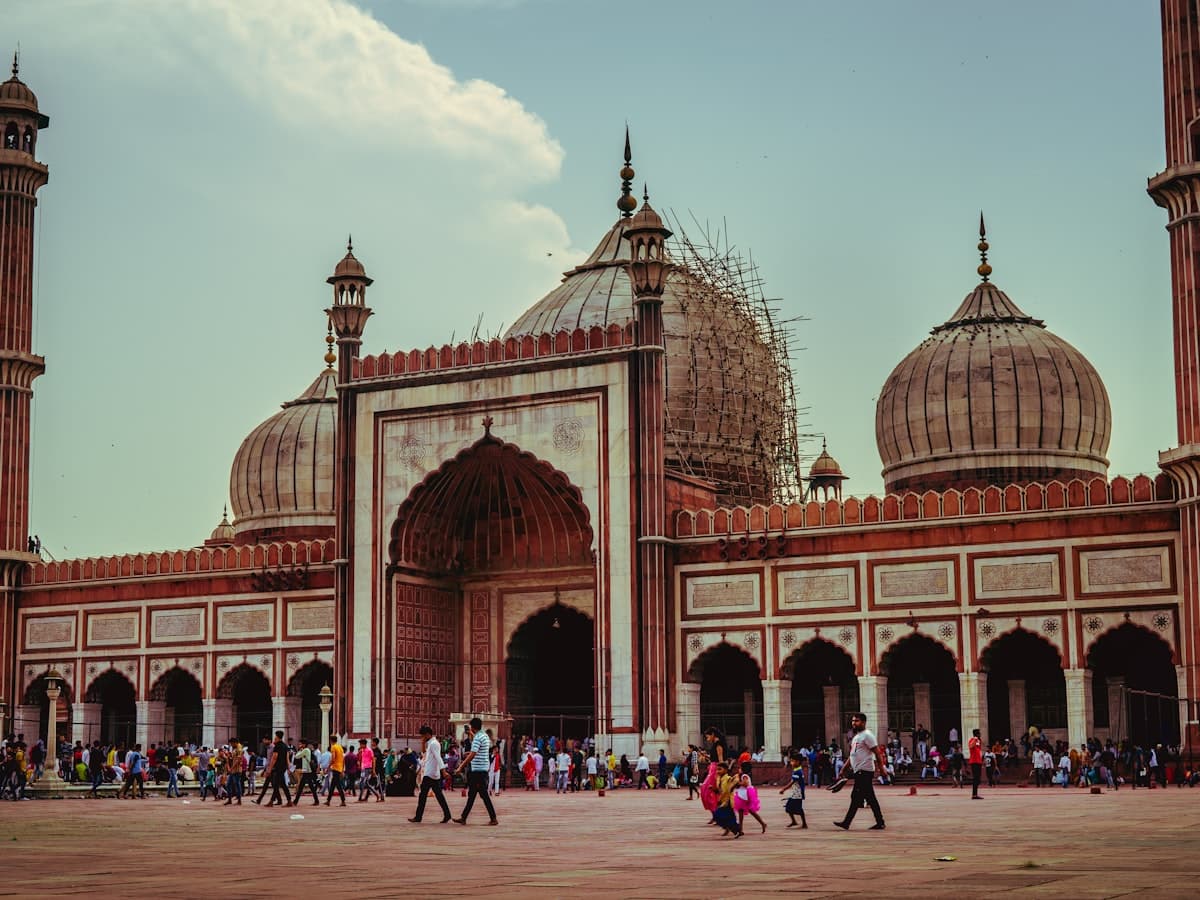
Old Delhi Through Its Food: A First-Timer's Walking Guide
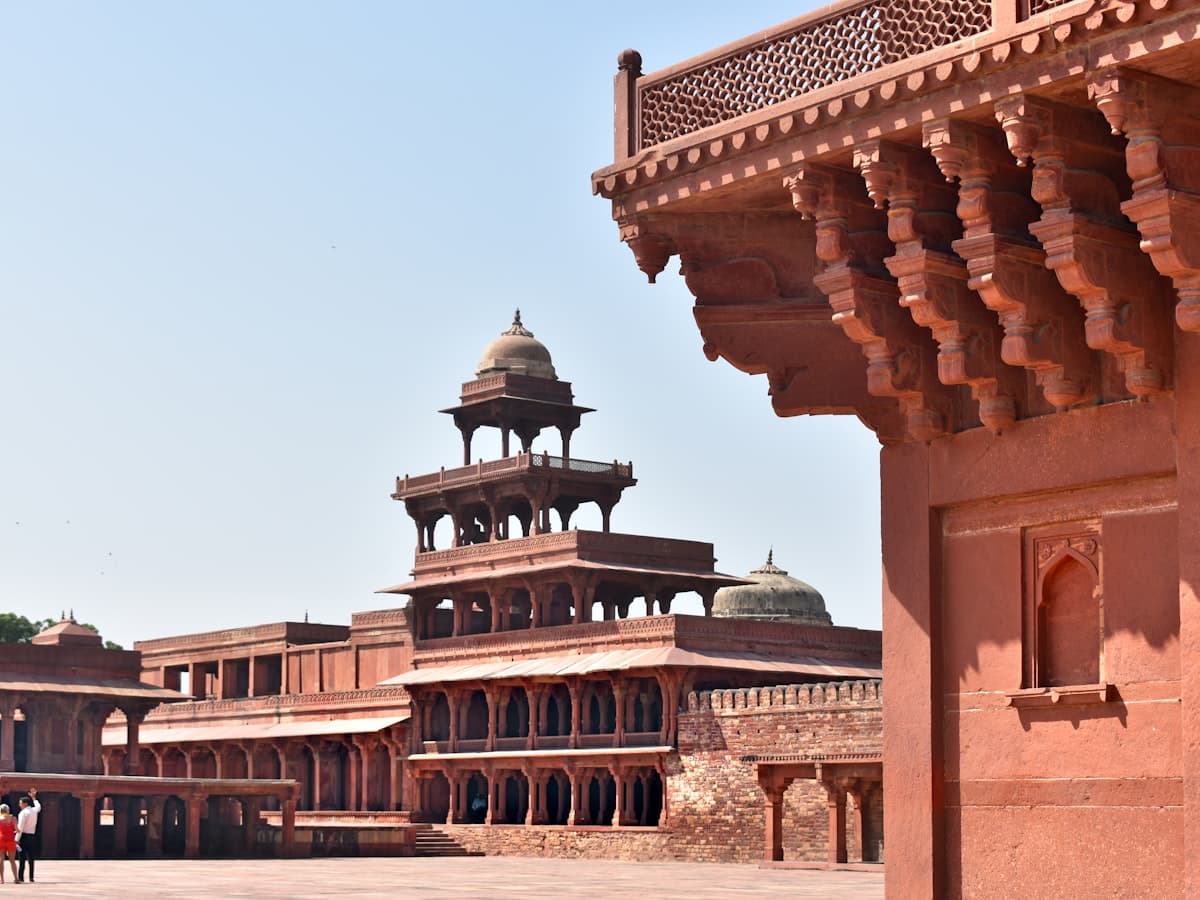
Fatehpur Sikri: The Best Stop Between Agra and Jaipur