Your First Scuba Dive in the Andamans: A Beginner's Guide
No certificate needed for a first dive. What a beginner scuba day on Havelock involves, what you will see, and when the water is best.
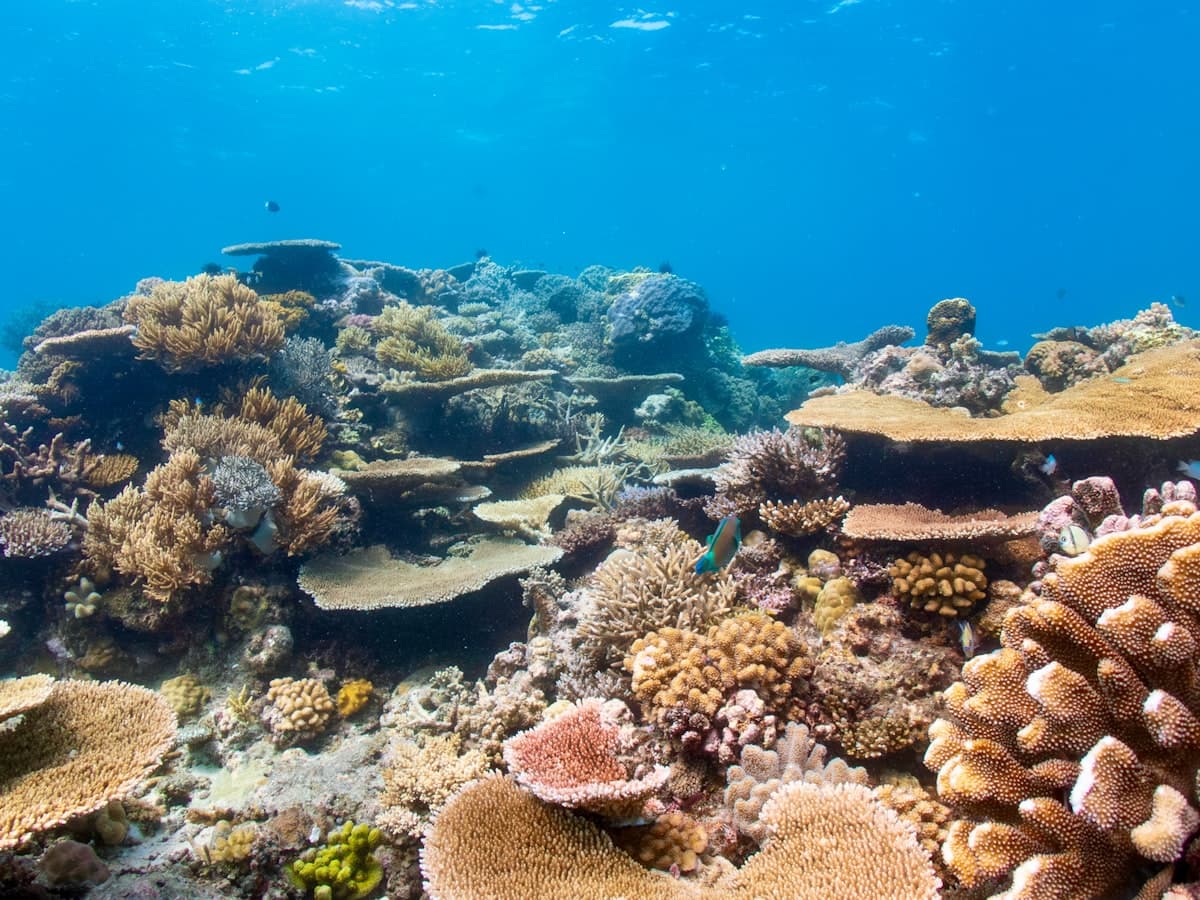
The Andamans are one of the easiest places in India to try diving. The water is warm, the reefs are healthy and start close to shore, and you do not need any experience. Many guests who have never put a mask on end the trip talking about the reef more than the beaches.
This guide explains what a first dive really involves, what you will see, and how to fit it into a wider island trip.
You do not need a certificate
The first thing to know is that a beginner dive does not require a qualification. A "discover scuba" experience is designed for people who have never dived. You learn the basics in a short briefing, practise a few skills in shallow water, and then swim out with an instructor.
Key points:
No prior experience is needed, but you should be comfortable in water and in reasonable health.
You dive one-to-one or in a very small group with a qualified instructor, who stays beside you throughout.
Depths are shallow. Introductory dives stay within a few metres of the surface, where light and colour are at their best.
There is a minimum age, typically around ten years old. Operators will confirm this when you book.
Medical questions are part of the process. You will fill in a short health form, and some conditions need a doctor's approval.
If you would like to go further, full certification courses take a few days. Most guests on a holiday choose the one-day experience and save the course for later.
Why Havelock is the place to start
Havelock's reefs are the reason. Its clear water and healthy coral make it some of the best diving in the Andamans. Dive centres cluster on the island, and boats run to sites that suit beginners.
If you are still deciding between islands, our comparison of Havelock and Neil will help. For diving, Havelock wins.
What a beginner dive day looks like
A typical day runs like this.
Morning briefing. You meet your instructor, sign the health form and learn the essentials: breathing, equalising your ears, and simple hand signals.
Kit fitting. You are fitted with a mask, fins, wetsuit and regulator.
Practice in shallow water. You clear your mask and get used to breathing underwater.
The dive itself. Around thirty to forty-five minutes underwater, drifting over the reef with your instructor beside you.
Afterwards. A rest, a meal and a debrief. Many centres will give you photographs or video.
Water is warm all year, so a thin wetsuit or even a rash vest is often enough.
What you will actually see
Expect a working coral reef, alive with colour.
Hard and soft corals in every shade.
Schools of small reef fish, and clownfish among the anemones.
Parrotfish, angelfish, butterflyfish and sweetlips.
Turtles, rays and, with luck, a reef shark on more advanced dives.
Sites like Nemo Reef are known for exactly this sort of life. More experienced divers head to walls and deeper sites, where the reef drops off in steep, colourful faces.
Prefer to stay on the surface? Snorkel
Not everyone wants to dive, and you do not have to. Elephant Beach is one of the best places to start with a snorkel. It is reached by boat, or by a forty-minute walk through forest and mangrove. The reef begins very close in. You can stand waist-deep and still see coral and fish. Boats bring day-trippers from mid-morning, so the early crossing is the quiet one.

Snorkelling is a good first step. If you enjoy it, a discover-scuba dive is the natural next move. Water sports also operate at Elephant Beach, which some people want and some are escaping.
The best time to dive
Conditions are best from November to April. The sea is calm, the water is clear and visibility is at its best. This is the main season, and the one we plan most trips around.
From May to September, the monsoon brings rougher seas. Visibility can drop, and some sites close on bad days. Ferry disruptions also make travel less predictable. October is a transition month, with variable weather.
How to fit diving into your trip
Give it a proper day, not an hour. A good pattern is to arrive on Havelock, spend the first day on the beach, then dive on the second, when you have settled in.
Remember one rule: do not fly within about a day of diving. Leave a buffer before your flight home. Your dive centre can give exact guidance, and a private itinerary builds this in.
Our Havelock Dive Retreat is designed around this. It puts you on Havelock the day you land, fills the middle with Radhanagar Beach, Elephant Beach's reef and a full scuba day at sites like Nemo Reef and The Wall, then closes quietly on Neil Island.
Related packages include the Scuba Diving Journey and, for a gentler option, Snorkelling & Reefs.
Where to stay
Choose a resort that makes the water easy. Barefoot at Havelock is an eco-resort behind Radhanagar Beach, and a short walk to the sand. It is a calm base to come back to after a day underwater.
What to bring
Reef-safe sunscreen. It protects the coral as well as your skin.
A rash vest, to protect against the sun and light scrapes.
Motion-sickness tablets, if you are prone to seasickness on boat rides.
Contact lenses or a prescription mask, if you need vision correction.
A dry bag for your phone and valuables.
Reef etiquette
The reefs are alive, and they are fragile. Do not touch or stand on coral, do not feed fish, and take nothing away. Good operators brief you on this, and it is one of the best reasons to dive with a well-run centre.
Frequently asked questions
Can beginners scuba dive in the Andamans?
Yes. Introductory "discover scuba" dives are made for beginners and need no certificate.
Is scuba diving in the Andamans safe?
It is safe when done with a professional, certified centre and a qualified instructor. Follow every briefing and be honest on your health form.
Do I need to know how to swim?
You should be comfortable in water. Ask your dive centre about their exact requirements.
What is the best month for diving?
February and March are often excellent, with calm seas and clear water. The whole November to April window is good.
Can I do it with children?
Older children can. There is a minimum age, so check with the operator when you book.
Plan the water days
Diving works best when the tides, boats and rest days are arranged around it. See the wider Andaman destination page, or talk to a trip designer about building a reef-focused trip.
Read Next
All Stories →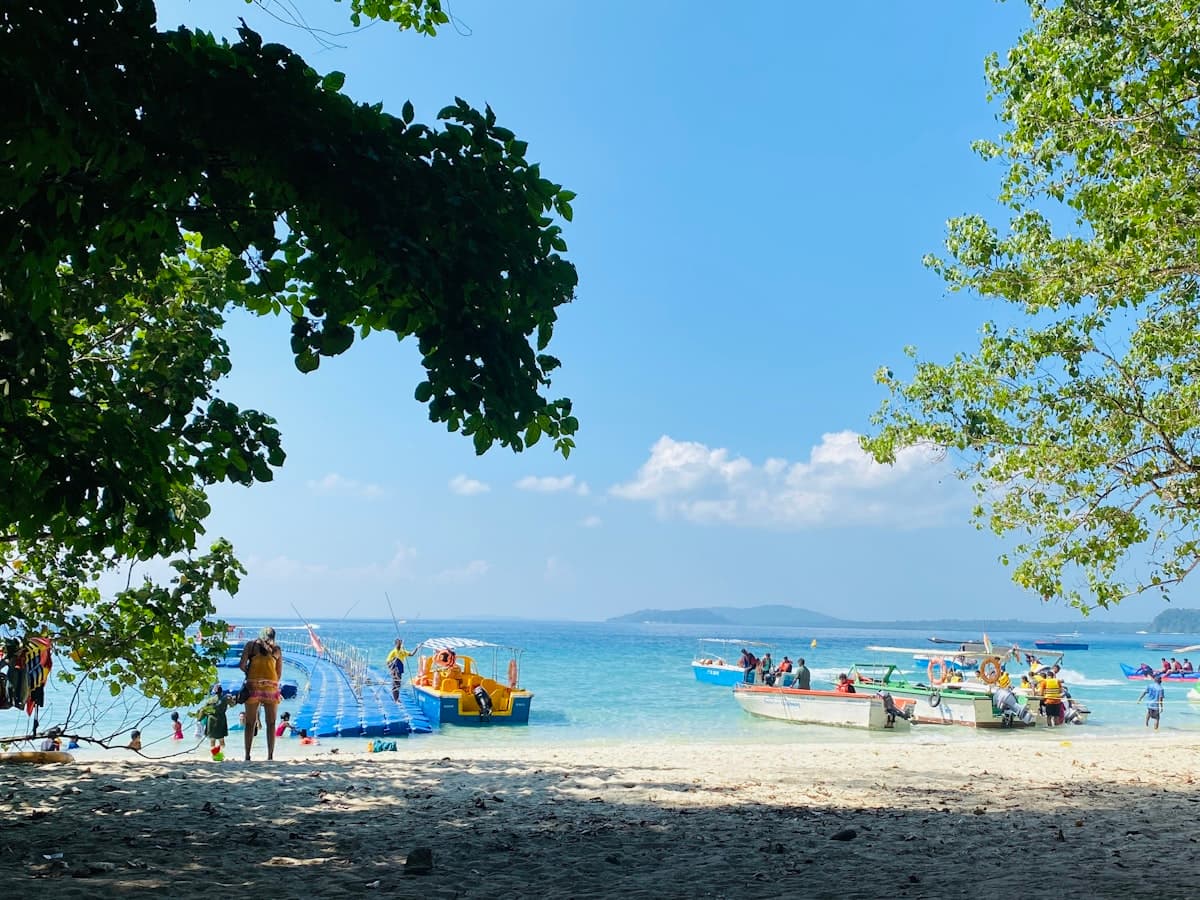
Havelock or Neil Island? Choosing Your Andaman Base
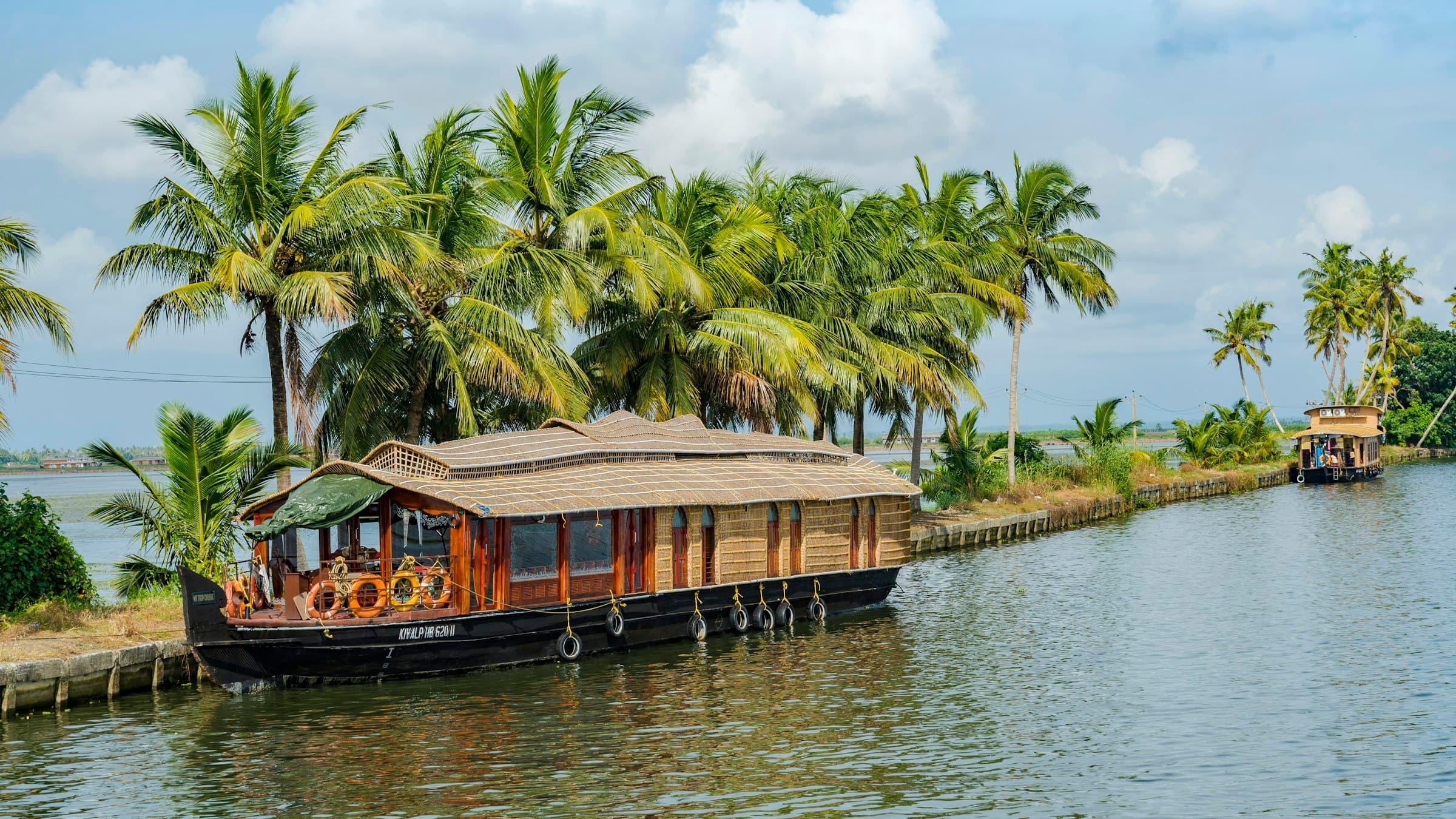
A Night on a Kerala Houseboat: What It Is Really Like