A Night on a Kerala Houseboat: What It Is Really Like
Alleppey or Kumarakom? What the crew cooks, when you moor, and how to pick the right houseboat night in Kerala's backwaters.
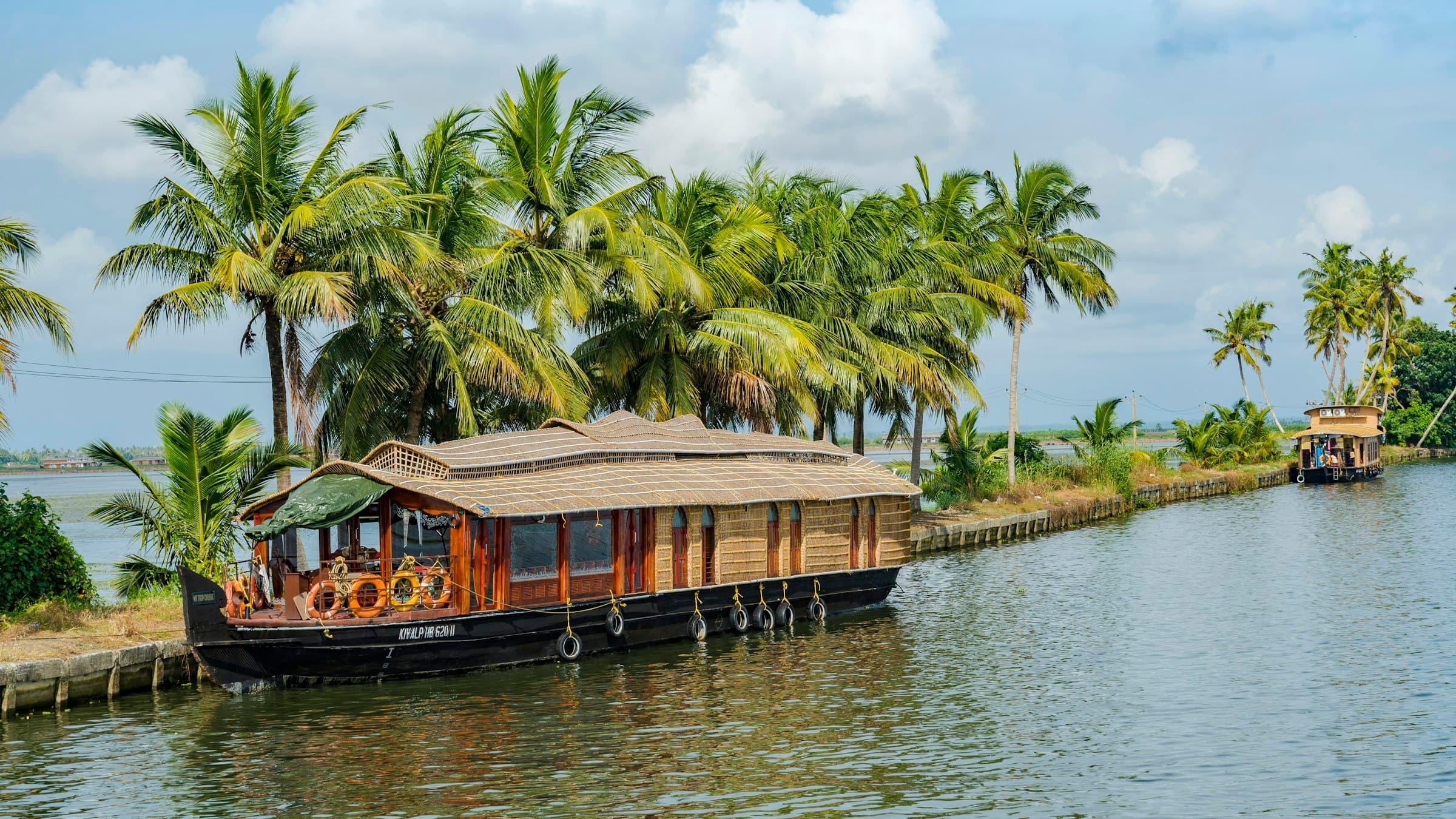
The houseboat is the image most people carry of Kerala. A long, low boat with a curved thatch roof, sliding past coconut palms on flat green water. It looks like a postcard. It also works better than a postcard has any right to.
But a night on the water is not a hotel stay with a view. It has its own rhythm, its own rules and a few honest trade-offs. Here is what to expect, and how to choose the right one.
What a Kerala houseboat actually is
The traditional boat is called a kettuvallam, which means "boat tied with rope". These were cargo barges. They carried rice and spices across the backwaters for centuries. The hull is planked, then lashed together with coir rope and sealed with cashew-nut oil. No nails.
Today's houseboats keep that shape and that thatched roof. Inside, they are private floating suites. Most have one to three bedrooms with en-suite bathrooms, a small lounge that opens onto the water, and a front deck for meals. A crew of three or four runs the boat: a captain, a cook and a helper.
Boats are usually pushed slowly by a quiet engine. Some are poled through the narrowest canals. Either way, the pace is walking speed.
A day on the water, hour by hour
Most cruises follow the same gentle pattern.
Around midday: you board at the jetty and are welcomed with a cool coconut drink. The boat slips out into the canals.
Early afternoon: a Kerala lunch is cooked on board and served on the deck. Expect fish curry, sambar, thoran (a dry vegetable dish) and red rice. The cook works from a small galley, and the food is usually the highlight.
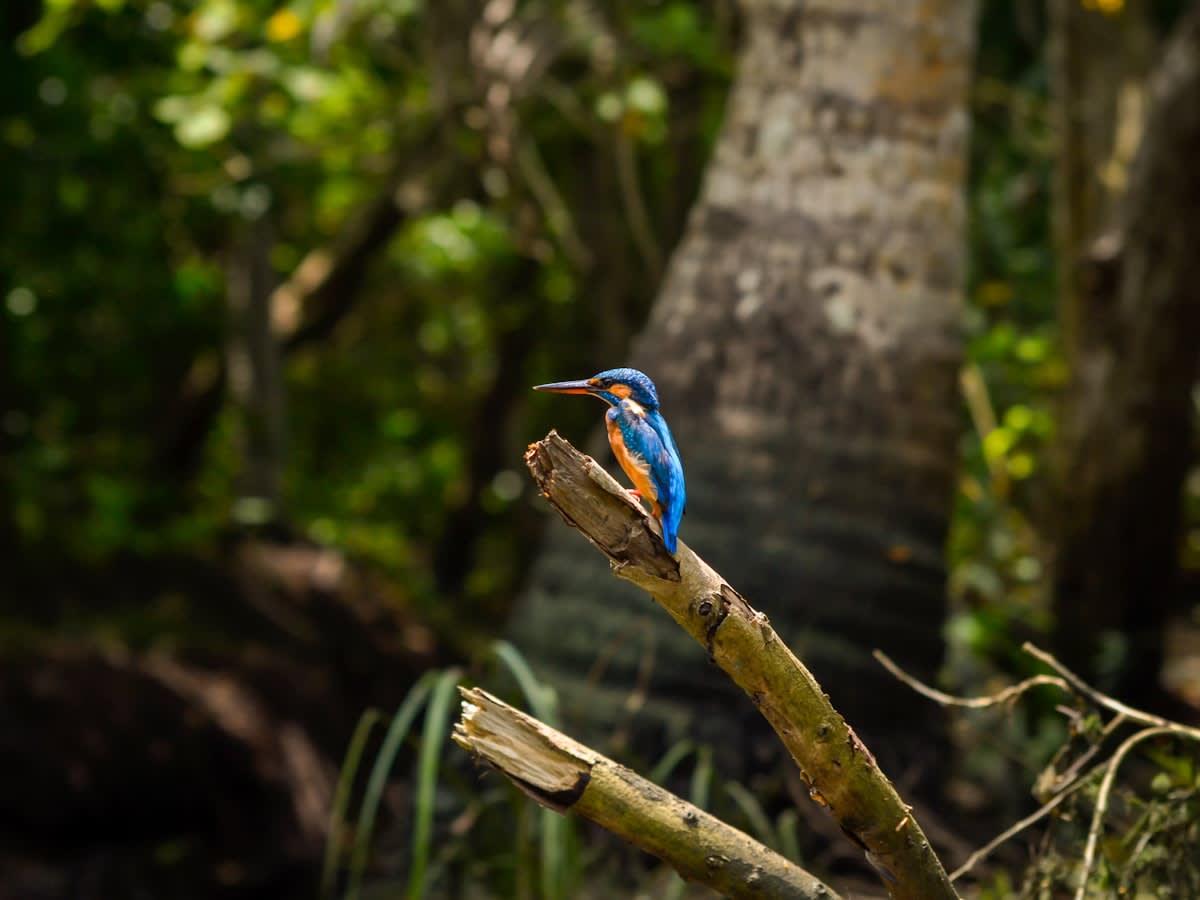
Afternoon: you drift past paddy fields, village jetties and churches. Women wash clothes on the steps. Children wave from canoes. Kingfishers and egrets work the banks.
Late afternoon: the boat moors for the night. Cruising generally stops by early evening, both by local rule and because the light goes quickly.
Evening: dinner, then silence. There is no traffic and very little light. The sky is dense with stars.
Morning: tea on the deck at dawn, breakfast, and then the short return to the jetty.
The key point is that the boat does not go far. This is a slow way to see a small stretch of water, not a way to cover distance. Guests who accept that tend to love it.
Alleppey or Kumarakom?
Two towns dominate houseboat travel, and they feel different.
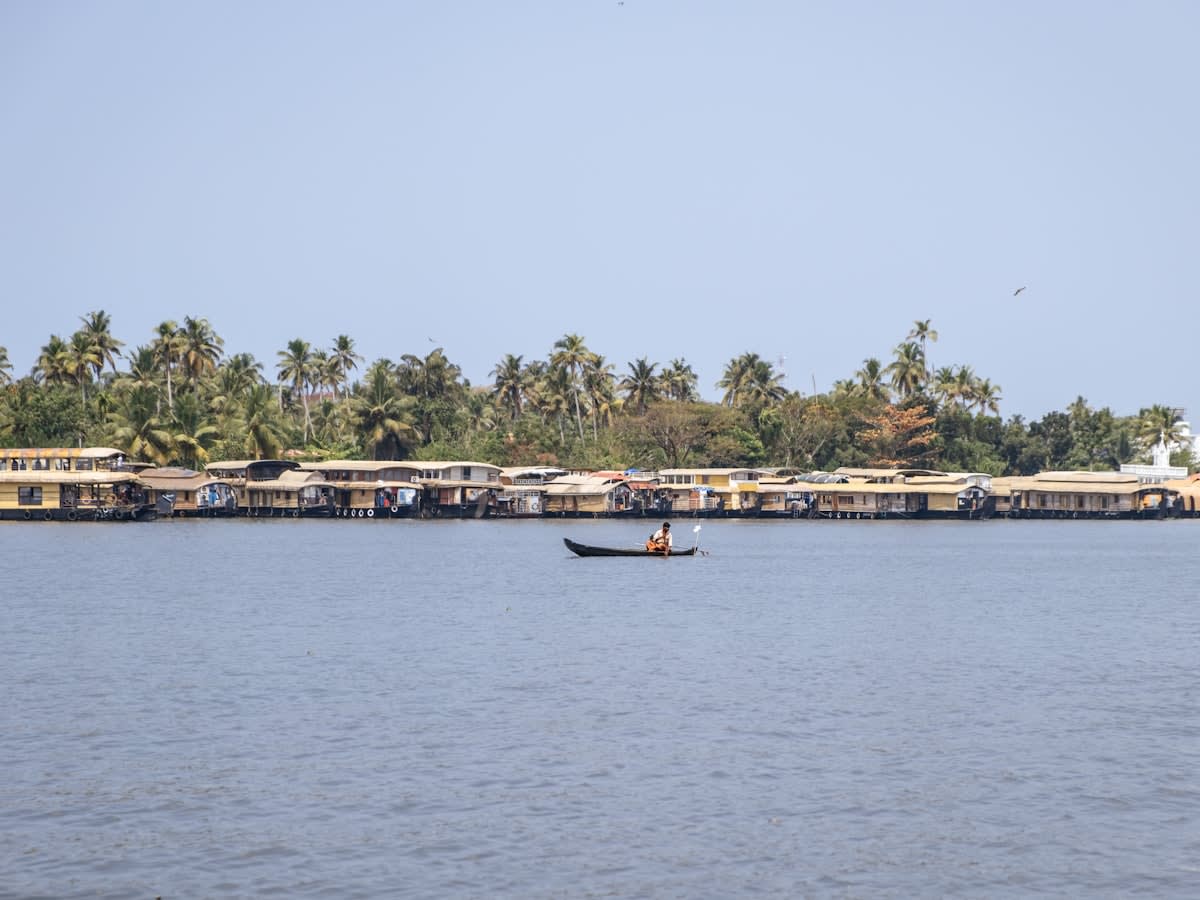
Alleppey (Alappuzha) is the classic. The backwaters here are at their widest and most photogenic, with a dense web of canals threading through paddy fields. It is also the busiest. On a peak-season afternoon you will pass other boats. A private itinerary manages this by choosing a quieter mooring, well away from the day-boat traffic.
Kumarakom sits on the eastern shore of Lake Vembanad. It is calmer and greener, with fewer boats and more birds. The Kumarakom Bird Sanctuary is next door to Taj Kumarakom, one of the region's best resorts, and mornings here are for birdwatching.
A simple rule of thumb. If you want the postcard, choose Alleppey. If you want quiet, choose Kumarakom. If you have three or more nights in the region, do a little of both.
One night or two?
One night is the right answer for most travellers. It gives you an afternoon, an evening and a morning, which is exactly enough to feel the rhythm without getting restless.
Most guests then pair the boat with a night at a resort on the water's edge. A resort like Punnamada gives you a proper bed, a spa and a pool, and lets the houseboat be the special evening rather than the whole stay. Our Backwater Houseboat Journey is built exactly this way.
Choose two nights only if the boat itself is the point of the trip: a honeymoon, a milestone anniversary, or a family that wants to slow right down.
What to know before you go
Air-conditioning is usually night-only. On most boats the bedrooms are cooled after dark, running on a generator or shore power. The lounge and deck stay open-air. In April and May the afternoons are hot and humid.
The kitchen is small, so tell the crew what you like. Dietary needs are easy to meet if the boat knows in advance. Ask for milder spice if you prefer it.
Space is limited. Bring soft bags rather than hard suitcases, and leave the heavy luggage at your resort.
Insects come out at dusk. Repellent is sensible.
Standards vary a lot. Boats range from basic to genuinely luxurious. Cleanliness, crew quality and mooring location matter far more than the number of bedrooms. This is where a trip designer's experience earns its keep.
Timing matters. The calm, dry months from October to March are the most comfortable. Read our month-by-month Kerala guide before you fix dates.
How to choose a houseboat
Ignore the photos of the interior. Every boat looks charming in a well-lit photo. Ask these questions instead:
Where will the boat moor overnight, and is it away from other boats?
Is the crew experienced with international guests?
How is the food prepared, and can it be adapted?
What is the air-conditioning setup, and how many hours does it run?
Is the boat truly private, or shared with other guests?
A private boat with a good crew and a quiet mooring is worth more than any extra bedroom.
Where a houseboat fits in a wider Kerala trip
A houseboat night works best as one chapter, not the whole book. A typical order runs from Fort Kochi's fishing nets and spice lanes, south to the backwaters, then inland to the tea hills of Munnar. Beaches such as Kovalam or Varkala can close the trip.
Our Backwaters & Beaches itinerary and the Backwaters & Ayurveda route show how that plays out day by day. You can browse everything we plan across the state on the Kerala destination page.
Frequently asked questions
Is a Kerala houseboat safe?
Yes, when you choose a well-run boat. Reputable boats carry life jackets and follow local licensing rules. The lakes are calm and shallow, and cruising stops before dark.
Can you swim from a houseboat?
Generally, no. Most operators do not allow it, and the water is used by fishing communities and boats. Enjoy the pool at your resort instead.
What should you wear?
Light, breathable cotton. Bring a hat, sunglasses and sunscreen for the day, and a light layer for the evening breeze off the water.
Is a houseboat good for children?
For older children, yes. They usually love the crew, the fishing canoes and the wildlife. Families with toddlers should ask about deck railings and boat layout.
Plan the night properly
The difference between a forgettable houseboat and a memorable one is small things. The mooring, the cook, the timing. If you would like a night on the water woven into a wider Kerala route, talk to a trip designer and we will build it around your dates.
Read Next
All Stories →
The Best Time to Visit Kerala, Month by Month
Jaipur, Jodhpur or Udaipur First? How to Order Your First Rajasthan Trip