The Best Time to Visit Goa: A Month-by-Month Guide
Goa changes completely by month — peak season crowds, shoulder-season value, and the monsoon most visitors skip. A practical, month-by-month planning guide.

The best time to visit Goa is November to February, when the monsoon has fully cleared, the sea is calm, and daytime temperatures sit in the comfortable high-20s to low-30s Celsius — but that three-month window is also when Goa is at its most crowded and most expensive, and it isn't the only good time to go. Goa's real character shifts month by month more than its beach-holiday reputation suggests, and knowing what each stretch actually looks like changes which trip you plan.
November to February: peak season
This is Goa at its most reliable — dry, sunny, warm without being oppressive, and the sea calm enough for swimming and water sports across both coasts. It's also when hotel rates peak and beaches, especially in the north, get genuinely busy, particularly around Christmas and New Year. Book heritage and beachfront properties well ahead for this window; our Goa Beach Escape package is built specifically around this season's conditions.
March to May: hot, quieter, and better value
Temperatures climb into the mid-30s and humidity builds ahead of monsoon, which thins the crowds noticeably and drops hotel rates from peak. Early March is still comfortable for beach days; by late April the heat is more suited to pool time and air-conditioned interiors than long stretches on the sand. This shoulder window suits travellers prioritising value and quiet over guaranteed cool evenings — a Goa Wellness & Sunsets itinerary, built around spa time and slower pacing, handles the heat well.
June to September: the monsoon most visitors skip
Goa's monsoon is dramatic rather than merely wet — the Western Ghats turn deep green, waterfalls like Dudhsagar Falls run at full force, and the coastline empties out almost entirely, since most beach shacks close for the season and swimming conditions turn rough. It's genuinely not the season for a classic beach holiday, but it's underrated for heritage sightseeing in Old Goa and Panaji, where monsoon light and near-empty streets suit a slower, more atmospheric visit. Hotel rates drop to their lowest point of the year.

October: the transition month
The monsoon tapers off through October, leaving Goa green, humidity still present but easing, and far fewer visitors than November onward — arguably the best-value month of the year for travellers willing to accept a little residual humidity and the occasional late shower in exchange for near-empty beaches and pre-peak rates.
North Goa or South Goa — does the season change the answer?
Season affects this less than most people expect; the real difference between the two coasts is nightlife and pace, not weather. Our full north vs south Goa guide covers that decision in detail, but as a rule: peak season crowds hit North Goa's Baga, Calangute and Candolim hardest, while South Goa's Palolem and Benaulim stay comparatively calm even in December.
How many days Goa's season affects
Season shapes pacing as much as it shapes packing. In peak season, a five- to six-day trip comfortably covers a single-coast beach stay with a heritage day built in — our Goa Classic Journey itinerary is sized for exactly this. In shoulder season, with lower rates and thinner crowds, a longer stay of eight to ten days makes better economic sense, letting a trip cover both coasts without the peak-season premium; the Goa in Depth itinerary is built for this slower, fuller version.
Festivals and events worth timing around
Goa's Portuguese-Catholic heritage gives it a festival calendar unlike anywhere else in India: Christmas and New Year draw the year's biggest crowds and highest rates, Carnival in February brings parades and street parties to Panaji, and the Feast of St. Francis Xavier in early December (tied to the Basilica of Bom Jesus) draws pilgrims from across the region. Travellers specifically wanting to experience one of these should book several months out; travellers wanting to avoid the crowds they bring should plan a week either side instead.
Choosing a season for your trip
Want reliable sun and swimmable seas: November to February, book ahead.
Want good beaches without peak-season crowds or prices: late October or early March.
Want heritage sightseeing, waterfalls and dramatically lower rates, and don't need beach days: June to September.
Combining Goa with a wider Western India route: pair with Gujarat, which shares a similar October–March comfortable window.
Frequently asked questions
What is the cheapest time to visit Goa?
June through September, during monsoon, offers the lowest hotel rates of the year — worth considering for heritage sightseeing, though not for a classic beach holiday.
Is Goa good to visit in December?
Yes — December sits squarely in peak season, with reliable weather and calm seas, but expect the highest rates and busiest beaches of the year, especially around Christmas and New Year.
Can you swim in Goa during monsoon?
Not safely in most cases — monsoon brings rough seas and strong currents, and many beaches suspend lifeguard cover and water sports for the season.
Is October a good time to visit Goa?
Very good — the monsoon has largely cleared, crowds and rates are still well below peak, and the landscape is at its greenest.
Start planning
Browse our Goa itinerary options across both coasts, or talk to a trip designer about timing a Goa trip around the season that suits you.
Read Next
All Stories →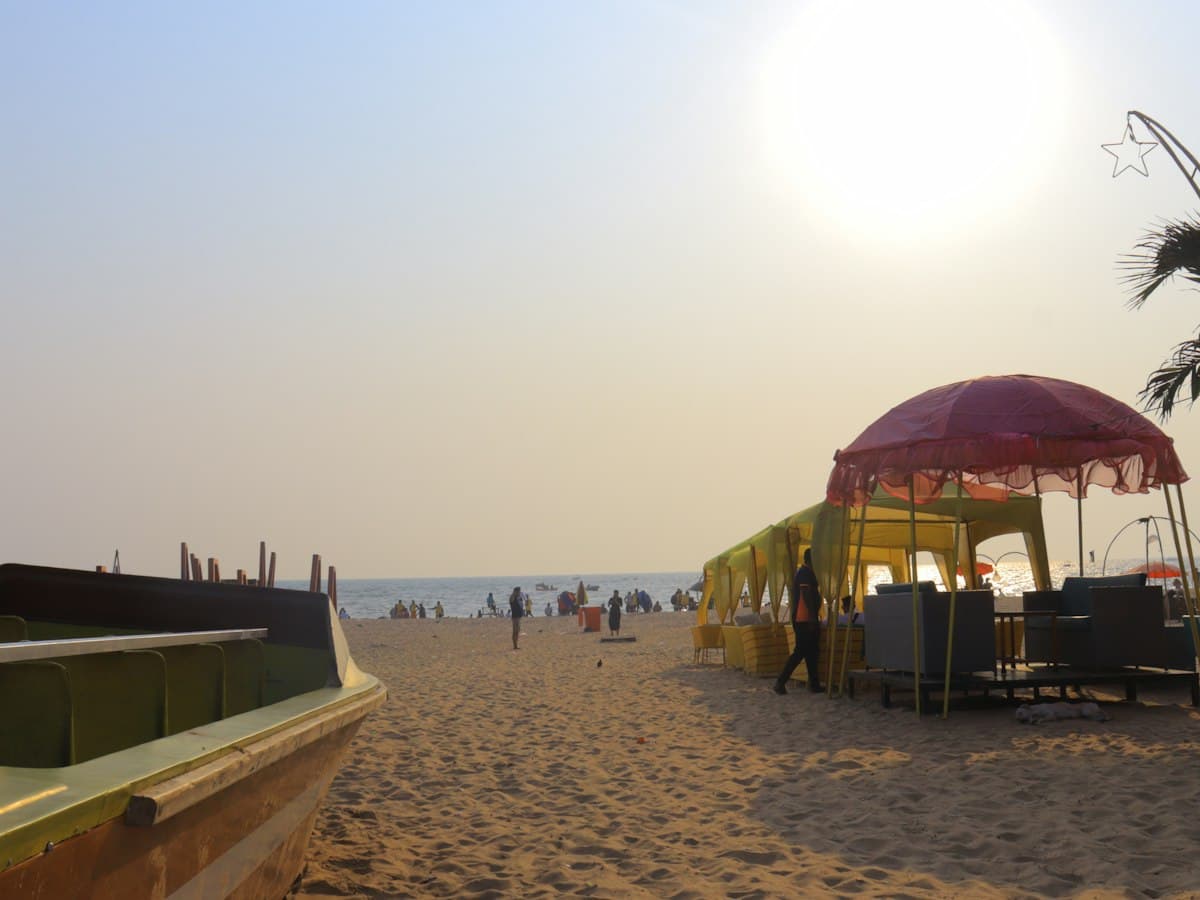
North Goa or South Goa? Choosing Your Coast

Old Goa's Portuguese Heritage: Churches, Forts and Fontainhas in a Day