The Best Time to Visit Gujarat: Rann, Gir and the Heritage Cities
Gujarat's best window is November to February, but the White Rann, Gir's lions and the heritage cities each have their own peak. A practical planning guide.
The best time to visit Gujarat is November to February, when the White Rann is open to visitors, Gir National Park's safari season is in full swing, and the heritage cities of Ahmedabad, Patan and Vadodara are comfortable for full-day walking. Gujarat spans desert, coastline, wildlife reserve and dense heritage cities within a few hours' drive of each other, and unlike a single-climate destination, each part of that circuit has its own real season worth planning around.
November to February: the core season, and the only Rann window
This is Gujarat's most reliable stretch — dry, sunny, and cool enough for comfortable daytime sightseeing across the whole state. It's also the only period the White Rann of Kutch is genuinely worth visiting: Rann Utsav, the seasonal desert festival built around the salt flats, runs from roughly late October to February, and the Rann floods and becomes inaccessible outside this window. Gir National Park's safari season also runs strongest here, before summer heat pushes wildlife-viewing conditions toward pre-monsoon months instead. Our Rann of Kutch Escape package is built entirely around this season.
March to May: hot, but Gir's best lion-spotting window
Gujarat's summer runs genuinely hot — daytime temperatures regularly exceed 38°C in Ahmedabad and the interior — which makes this an uncomfortable season for city sightseeing but, counterintuitively, one of the better windows for spotting the Asiatic lion at Gir. As water sources shrink through the dry heat, lions concentrate more predictably around known waterholes, which experienced guides use to their advantage. See our Gir National Park guide for how this trade-off plays out for a safari specifically.
June to September: monsoon, and the Rann is closed
Gujarat's monsoon brings the White Rann underwater entirely — this is the one period it's genuinely off the itinerary, not a quieter version of the same trip. Ahmedabad and the heritage cities are humid and prone to heavy, sudden downpours, making this the least practical season for the classic Gujarat circuit. It is, however, when the state's stepwells and lakes are at their most dramatic visually, for travellers building a narrower, heritage-only trip around Ahmedabad.

The heritage cities: Ahmedabad, Patan, Vadodara
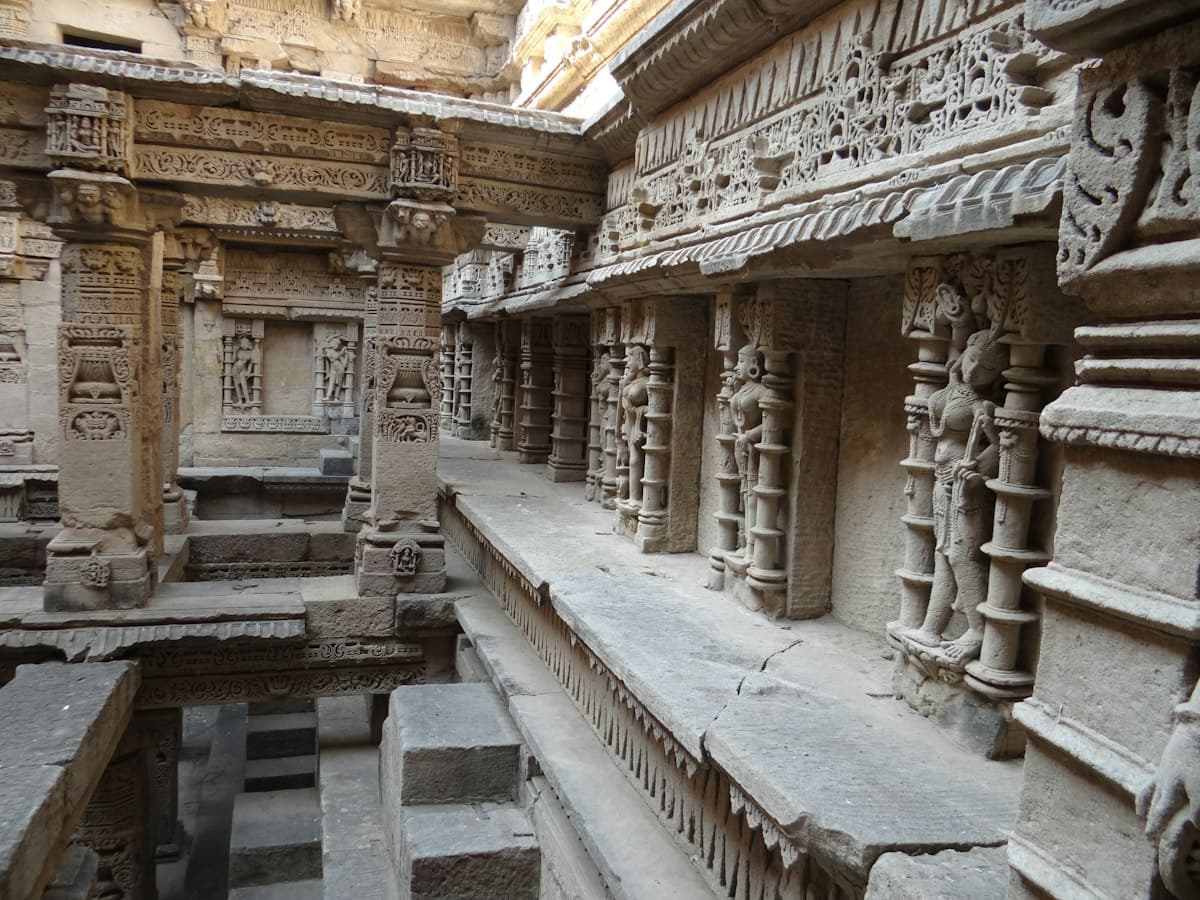
Ahmedabad, Patan and Vadodara are comfortable to walk through November to February and manageable with an early start in March; by peak summer, heritage sightseeing in these cities is best kept to mornings and late afternoons around the heat. Ahmedabad's Sabarmati Ashram, Adalaj Stepwell and Jama Masjid, alongside Patan's UNESCO-listed Rani ki Vav, form the core of most heritage-focused Gujarat itineraries — our Gujarat Heritage & Stepwells itinerary covers this circuit in full.
What each season actually delivers
November–February: comfortable temperatures throughout, the Rann open, strong Gir conditions, and the heritage cities fully walkable — the season nearly every Gujarat itinerary is built around.
March–May: hot and increasingly uncomfortable for city sightseeing, but the best pre-monsoon window for concentrated wildlife-viewing at Gir as water sources shrink.
June–September: monsoon; the Rann is closed entirely, heritage cities turn humid and rain-prone, and this is genuinely the season to avoid for a first Gujarat trip.
Late October: a short, underrated transition window — the Rann has usually just opened, temperatures are easing, and crowds haven't built to peak-season levels yet.
How long to spend in each season
A peak-season trip (November–February) comfortably supports the full circuit — heritage cities, Gir and the Rann — over nine to twelve days without rushing; our Gujarat in Depth itinerary is built for exactly this. Outside that window, a narrower trip focused on one or two legs — Gir alone in March/April, or Ahmedabad and Patan's stepwells during monsoon — makes more sense than attempting the full circuit against the season.
Sequencing a trip around Gujarat's seasons
Because the Rann is only open in one window and Gir has a genuine trade-off between comfort and lion-spotting odds, most well-built Gujarat itineraries anchor themselves to November–February and treat the rest of the state's flexibility around that anchor, rather than trying to force a Rann visit into an off-season trip. Our Gujarat in Depth itinerary sequences the full circuit — heritage cities, Gir and the Rann — around exactly this logic.
Frequently asked questions
When is Rann Utsav in Gujarat?
Rann Utsav typically runs from late October or early November through February, aligned with the only window the White Rann of Kutch is dry and accessible to visitors.
Is Gujarat too hot to visit in summer?
For general sightseeing, yes — but summer's dry heat concentrates wildlife around waterholes, making it a genuinely strong (if uncomfortable) window for Gir National Park specifically.
Can you visit the White Rann of Kutch outside Rann Utsav season?
Not practically — the salt flats flood during monsoon and the region loses much of its infrastructure and accessibility outside the November–February window.
What is the best month to visit Gujarat overall?
December and January offer the most reliable combination of comfortable weather, an open Rann, and strong Gir safari conditions, making them the single best months for a first Gujarat trip.
Start planning
Browse our Gujarat itinerary options, or talk to a trip designer about timing a Rann of Kutch or Gir-focused trip correctly.
Read Next
All Stories →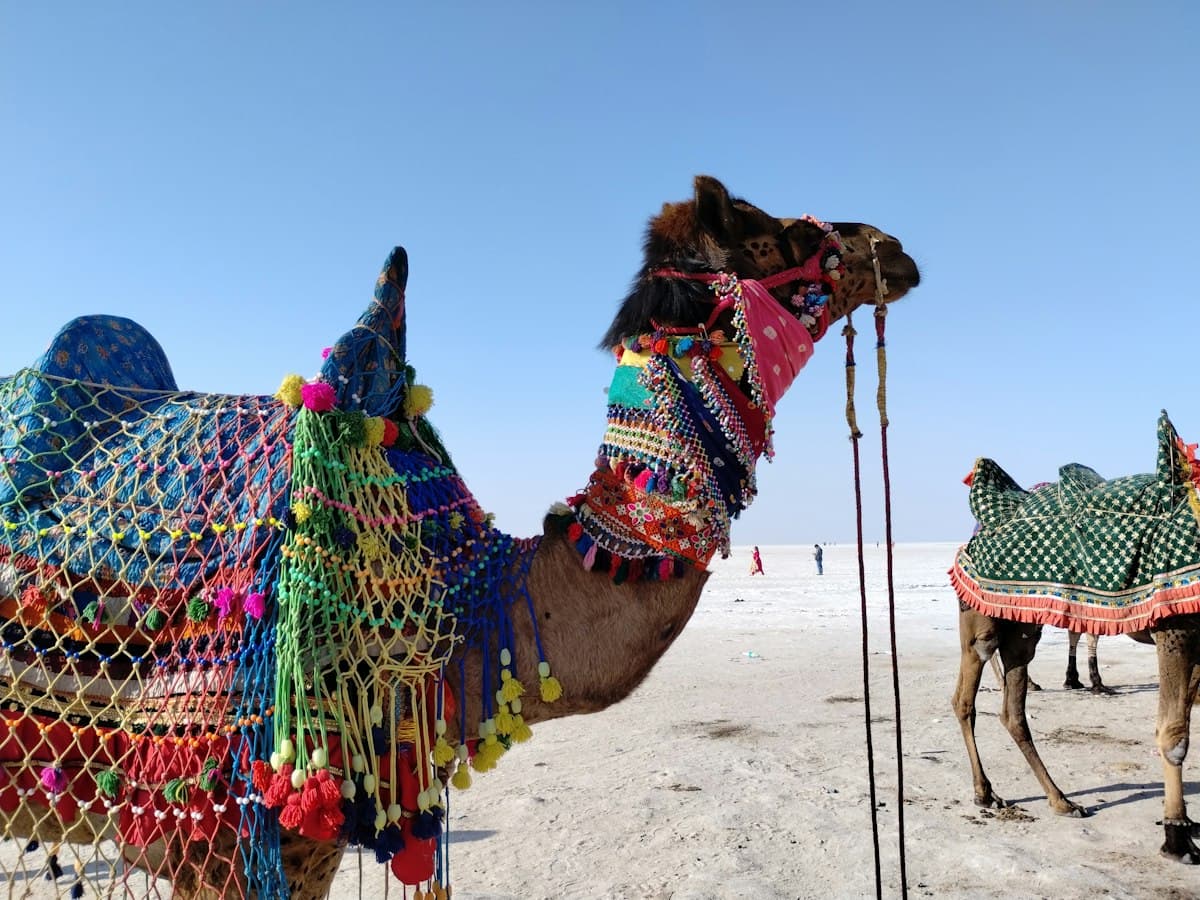
The White Rann of Kutch: When to Go and What Rann Utsav Is Really Like
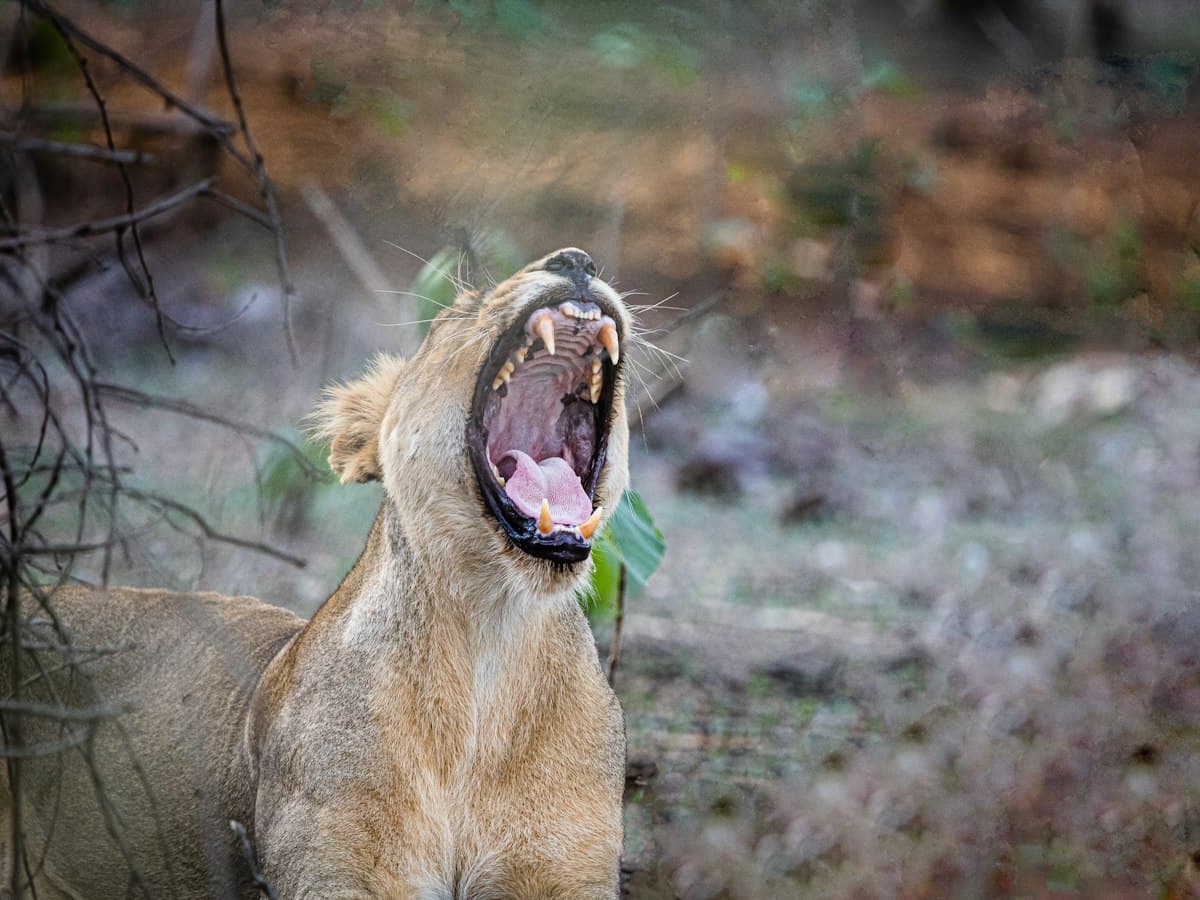
Gir National Park: Your Guide to Spotting the Asiatic Lion