The Craft Villages of Kutch: Weaving, Block Printing and Rogan Art
A guide to the craft villages of Kutch: Bhujodi weaving, Ajrakh block printing, bandhani and rogan art, and how to visit makers respectfully.
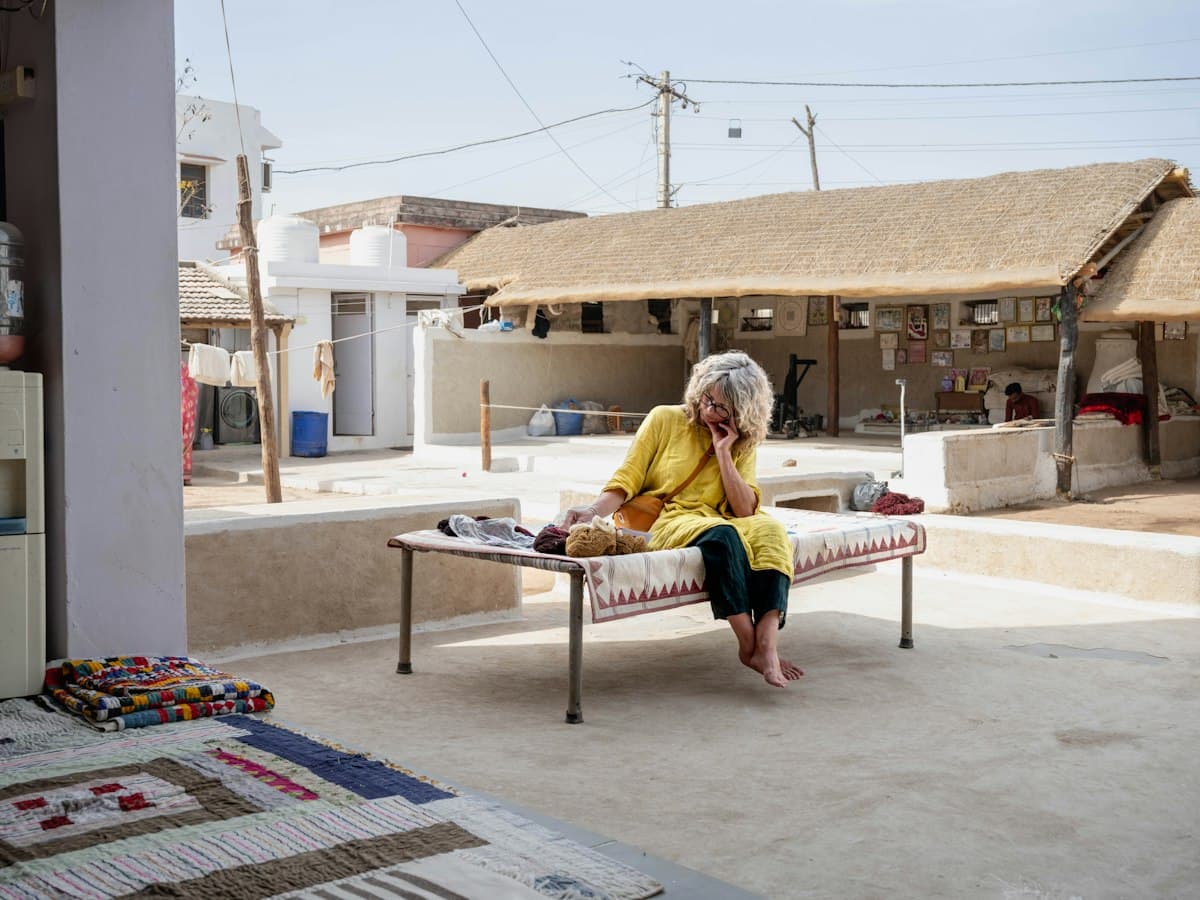
The craft villages of Kutch are the second reason to come to this part of Gujarat, and for many guests they become the first. The White Rann of Kutch draws people with its salt desert. But in the villages around Bhuj, families still weave, print, dye and paint by hand, in techniques passed down for generations. A visit puts a human face on every scarf and shawl you might otherwise buy in a shop.
This guide explains which crafts to look for, where to find them and how to visit well.
Why Kutch is a craft region
Kutch sits at the edge of Gujarat, cut off from the mainland for much of the year by seasonal salt marsh. Its communities, including pastoral herders and farmers, developed rich textile traditions to mark identity, marriage and status. Cloth carried meaning here.
The region was badly damaged by the great earthquake of January 2001. The recovery that followed helped revive several crafts, with new workshops and cooperatives supporting makers. Craft became a lifeline as well as a tradition.
Bhujodi: weaving
Bhujodi is a village near Bhuj known for its hand-woven textiles. The Vankar community has woven here for generations, producing shawls, blankets, stoles and wall hangings on wooden looms. You can watch a weaver at work, see the warp threads set up and learn how patterns emerge.
Look for: - Wool and cotton shawls with bold geometric borders - Natural dyes and undyed local wool, including the region's native cotton - Small workshops and cooperatives where prices are fair and makers are paid directly
Ajrakh: block printing
Ajrakh is a form of block printing with deep indigo and madder red, drawn in intricate geometric and floral patterns. Cloth is printed with carved wooden blocks in many stages, and each stage involves washing, mordanting and dyeing. A single length can take days to complete.
After the 2001 earthquake, a community of printers relocated and built a village dedicated to the craft, with space for washing cloth in flowing water. A visit shows how much of Ajrakh is chemistry as well as art. Ask to see the blocks and the dye pits.
Bandhani: tie-dye
Bandhani is the art of tying tiny knots in cloth before dyeing it, so that the knotted spots resist the dye and form patterns of dots. The result is a shimmering, textured cloth, often in bright reds, yellows and blacks.
The work is fiddly and very skilled. Some scarves carry thousands of individual knots. Watching a craftswoman tie them, using a fingernail, is quietly astonishing.
Rogan art: painting with castor oil
Rogan art is a rare craft, in which artisans boil castor oil into a thick paste, colour it with natural pigments and draw designs onto cloth with a metal stylus. The famous motif is the tree of life. The technique is practised by very few families, and only a handful of makers keep it alive.
It is slow, precise work. If you have the chance to see a demonstration, take it.
Embroidery, leather and more
Kutch is also known for mirror-work embroidery, in styles tied to different communities, as well as leather work, lacquered woodwork and copper bells. Different villages specialise in different skills, so a good guide plans a route by craft.
Our guide to Rajasthan's crafts and textiles trail explains some of the shared techniques across the two states, and how to judge quality in a market.
How to visit makers well
Go with a guide. They know which workshops are genuine and welcome visitors.
Ask before photographing. Most makers are happy to be photographed, but ask first.
Buy directly where you can. That way more of your money reaches the maker.
Look at the work closely. Check stitching, dye fastness and finishing.
Don't haggle hard. Prices are often already fair, and handmade work takes time.
Ask about shipping. Larger pieces can be sent home, which saves carrying.
When to go
The cool season, October to March, is the best time for the villages and for the White Rann. Summer is very hot. Many guests pair the craft villages with the Rann Utsav season. Our White Rann guide explains how to time it.
Building a Kutch trip
A craft route fits well into three days around Bhuj, with visits to two or three villages, an evening at a market and time at the museums and palaces in town. It links naturally with Ahmedabad's heritage and Gujarat's stepwells. Read our guide to Gujarat's stepwells for the other half of a heritage-and-craft route.
Our Kutch craft and textile journey is built around exactly this, and the Ahmedabad and Kutch itinerary combines crafts with the salt desert.
What to buy, and how to judge it
Knowing a little makes shopping more fun and less stressful.
Weaving: hold the cloth up to the light. Even weave, straight selvedges and a firm hand feel signal good work. Natural dyes look slightly softer than synthetic ones.
Ajrakh: the pattern should be crisp on both sides of the cloth, since the block is printed front and back. A blurred or one-sided print suggests a shortcut.
Bandhani: the tiny dots should be even and clear. Fine work has small, tightly spaced knots.
Embroidery: look for even stitches and secure mirrors. Flip the piece over. The back should be tidy too.
Rogan art: each piece is unique. Ask the artist to explain the process, and you'll appreciate the price.
Prices depend on the time involved. A hand-woven shawl can take days, and a large block-printed length can take longer. Fair pricing pays the maker, and cheaper often means machine-made.
The people behind the crafts
What stays with most guests isn't the cloth. It's the conversation with a weaver or printer about their family's history, the apprenticeships and the change since the earthquake. Many of these craftspeople run their workshops alongside farming or herding, and they are proud, generous hosts. A cup of tea in a courtyard, with the sound of a loom, often becomes the trip's happiest hour.
Approach with curiosity and patience. Ask questions, listen to the answers and never treat the visit as a photo stop. A respectful visitor is welcomed back.
Staying in Kutch
Comfortable stays around Bhuj and the Rann make the region easy to enjoy. During the winter Rann Utsav season, tented camps such as Rann Utsav Tent City offer a memorable base near the salt desert. Ahmedabad's heritage hotels suit the start or end of the journey, as our guide to Gujarat's stepwells notes.
Frequently asked questions
What is the best craft village in Kutch?
Bhujodi for weaving, and the Ajrakh printing village for block printing. Together they give a good first look.
Can I buy directly from the makers?
Yes. Many workshops sell directly, and buying there helps the makers most.
How many days do I need for the craft villages?
Two days covers the main crafts. Three lets you go slowly and add the salt desert.
Are the crafts expensive?
Prices vary widely. Handmade work costs more than mass-produced imitations, and it lasts longer.
Start planning
Read about Gujarat, or talk to a trip designer about a route built around the makers.
Read Next
All Stories →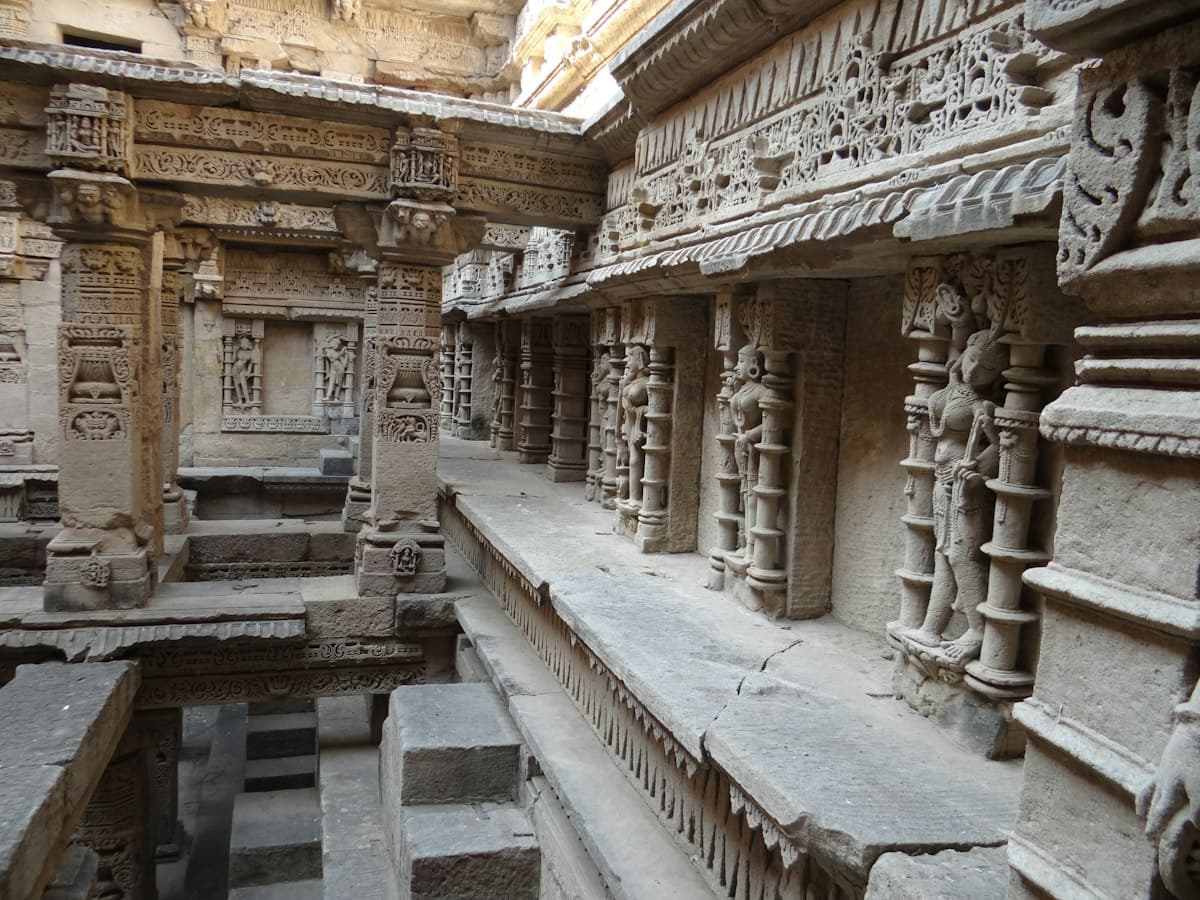
Gujarat's Stepwells: Rani ki Vav, Adalaj and the Art of Going Down
The Best Time to Visit Gujarat: Rann, Gir and the Heritage Cities