The White Rann of Kutch: When to Go and What Rann Utsav Is Really Like
What the White Rann of Kutch actually looks like, when Rann Utsav runs, where to stay in a tent city, and how to pair it with Kutch's craft villages.
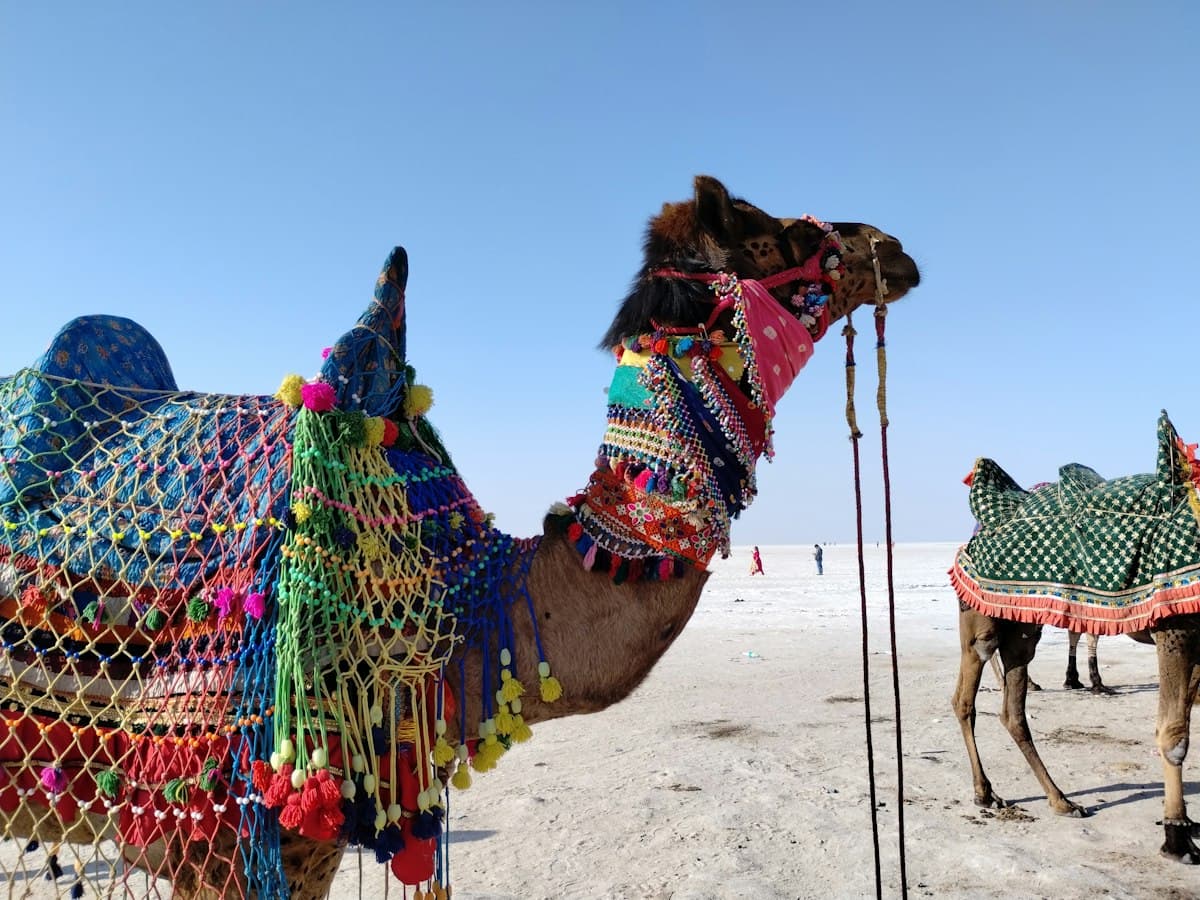
The White Rann of Kutch is a 30,000-square-kilometre salt marsh in Gujarat's far west that turns, for a few winter months each year, into one of the most surreal landscapes in India — a flat, brilliant-white expanse that stretches to the horizon under a full moon, dotted with a seasonal tent city built specifically for the festival that takes its name. Rann Utsav is the reason most travellers plan a trip here at all, and getting the timing and the format right changes the visit considerably.
What the White Rann actually is
For most of the year, the Rann of Kutch is a marshy, largely inaccessible wetland. Come winter, the seasonal floodwaters evaporate and leave behind a crust of pure white salt that stretches unbroken to the horizon — walking onto it, particularly under a full-moon night, is genuinely disorienting in a way photographs undersell. The full-moon nights during Rann Utsav are the single most sought-after experience here, when the salt flat reflects moonlight back almost like snow.
When Rann Utsav runs
Rann Utsav runs roughly from late October or early November through February, aligned exactly with the only window the Rann is dry enough to access — outside this period, the marsh floods and the tent city closes entirely. Within the season, the nights around each full moon are the highest-demand dates and worth booking well ahead; see our best time to visit Gujarat guide for how this fits into the wider seasonal picture.
Staying in the Rann Utsav tent city
The festival's signature accommodation is its seasonal tent city at Dhordo, on the edge of the salt flat — Swiss-style tents ranging from simple to genuinely luxurious, with cultural performances, local cuisine and craft demonstrations built into the evening programme. Rann Utsav Tent City is the flagship property here, purpose-built for exactly this experience and only open during the season. It's a genuinely different kind of stay from a conventional hotel, closer to a curated desert camp.

Pairing the Rann with Kutch's craft villages
Kutch is one of India's richest regions for textile and craft heritage, and most well-built Rann itineraries pair the salt flat with a visit to Bhujodi, a village cluster known for hand-weaving, block printing, leatherwork and mirror-work embroidery passed down through generations of artisan families. Our Kutch Craft & Textile Journey package builds a trip around exactly this combination — the Rann's landscape alongside its living craft traditions — rather than treating the salt flat as a standalone day trip.
What to pack for the Rann
The Rann's desert climate swings hard between day and night — warm, sun-exposed afternoons and genuinely cold evenings, especially around a full-moon overnight stay. Layers matter more here than almost anywhere else on a Gujarat itinerary: a warm jacket for the desert evening, sun protection for daytime walking on the salt flat, and closed shoes, since the crusted salt surface is rougher underfoot than it looks in photographs. A scarf or shawl does double duty against both sun and wind.
Cultural context worth knowing before you go
The Rann sits within Kutch district, home to a genuinely diverse mix of pastoral and artisan communities — the Rabari, Meghwal and Ahir among others — whose distinct textile and jewellery traditions are what actually stock Bhujodi's workshops. Rann Utsav's cultural programming (folk music, dance, craft stalls) draws directly on these communities, which is part of why pairing the festival with a Bhujodi visit gives a fuller picture than the salt flat alone.
Sequencing a Rann of Kutch trip
Bhuj is the practical gateway to the region, with an airport and the closest sizeable town to both the Rann and Kutch's craft villages. A well-paced trip typically spends one to two nights in the Rann Utsav tent city around a full-moon date, a day in Bhuj itself for its Hamirsar Lake and Prag Mahal, and a half-day in Bhujodi for the craft villages. Our Rann of Kutch Escape itinerary sequences this exact route over five days.
Frequently asked questions
When is the best time to visit the White Rann of Kutch?
The full-moon nights during Rann Utsav season, roughly November to February, offer the best combination of accessibility and the salt flat's signature moonlit landscape.
Can you visit the Rann of Kutch outside Rann Utsav season?
Not practically — the marsh floods during monsoon and loses most of its accessibility and infrastructure outside the November–February festival season.
What is Rann Utsav tent city like?
A seasonal, purpose-built camp at Dhordo with tents ranging from simple to luxury, cultural performances, local cuisine and craft demonstrations, open only during the winter Rann Utsav season.
Is Bhujodi worth visiting alongside the Rann of Kutch?
Yes — Bhujodi's craft villages are one of India's richest living textile-heritage destinations and pair naturally with a Rann visit given the short distance from Bhuj.
Start planning
See our Rann of Kutch Escape itinerary in full, or talk to a trip designer about booking a full-moon date in the tent city.
Read Next
All Stories →
The Best Time to Visit Gujarat: Rann, Gir and the Heritage Cities
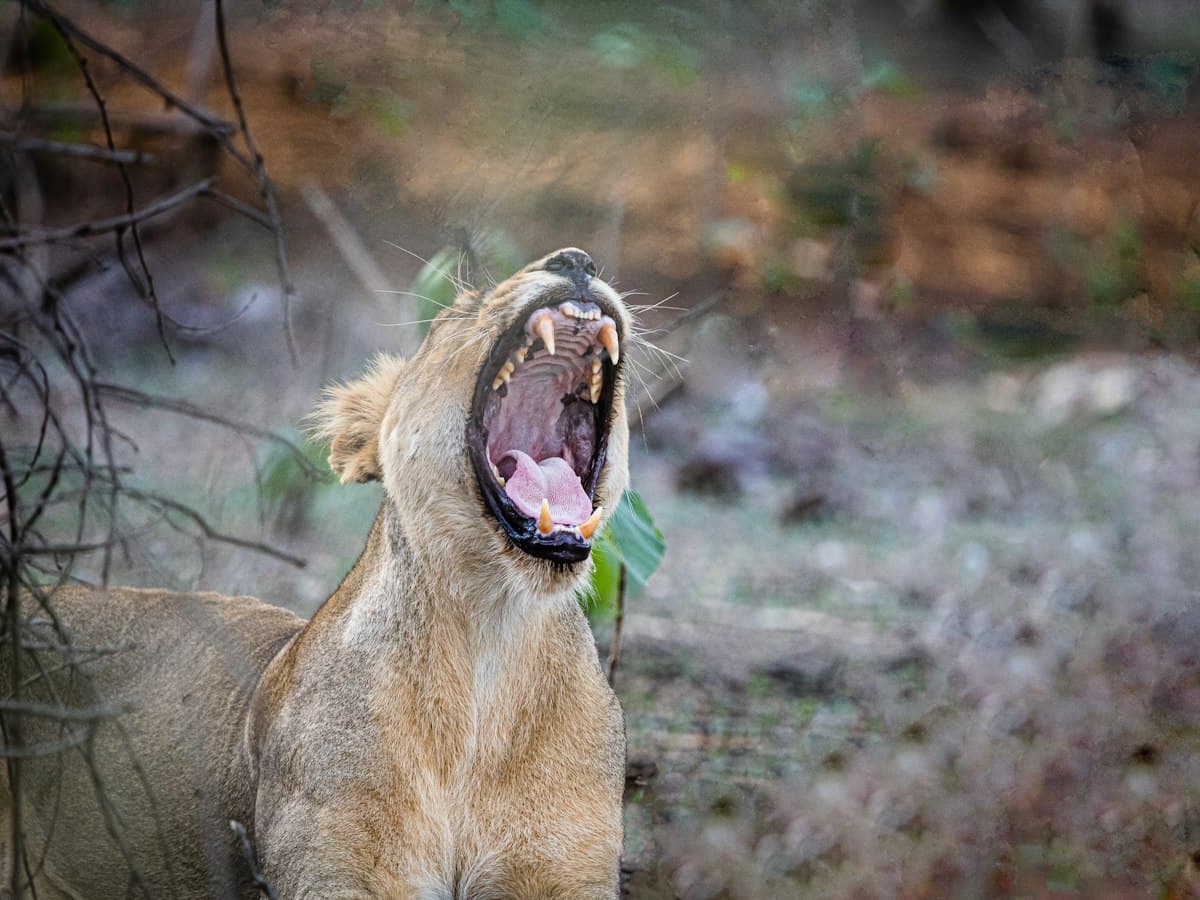
Gir National Park: Your Guide to Spotting the Asiatic Lion