Gir National Park: Your Guide to Spotting the Asiatic Lion
Gir is the only place on earth to see the wild Asiatic lion. A practical guide to safari zones, timing, permits and where to stay near the park.
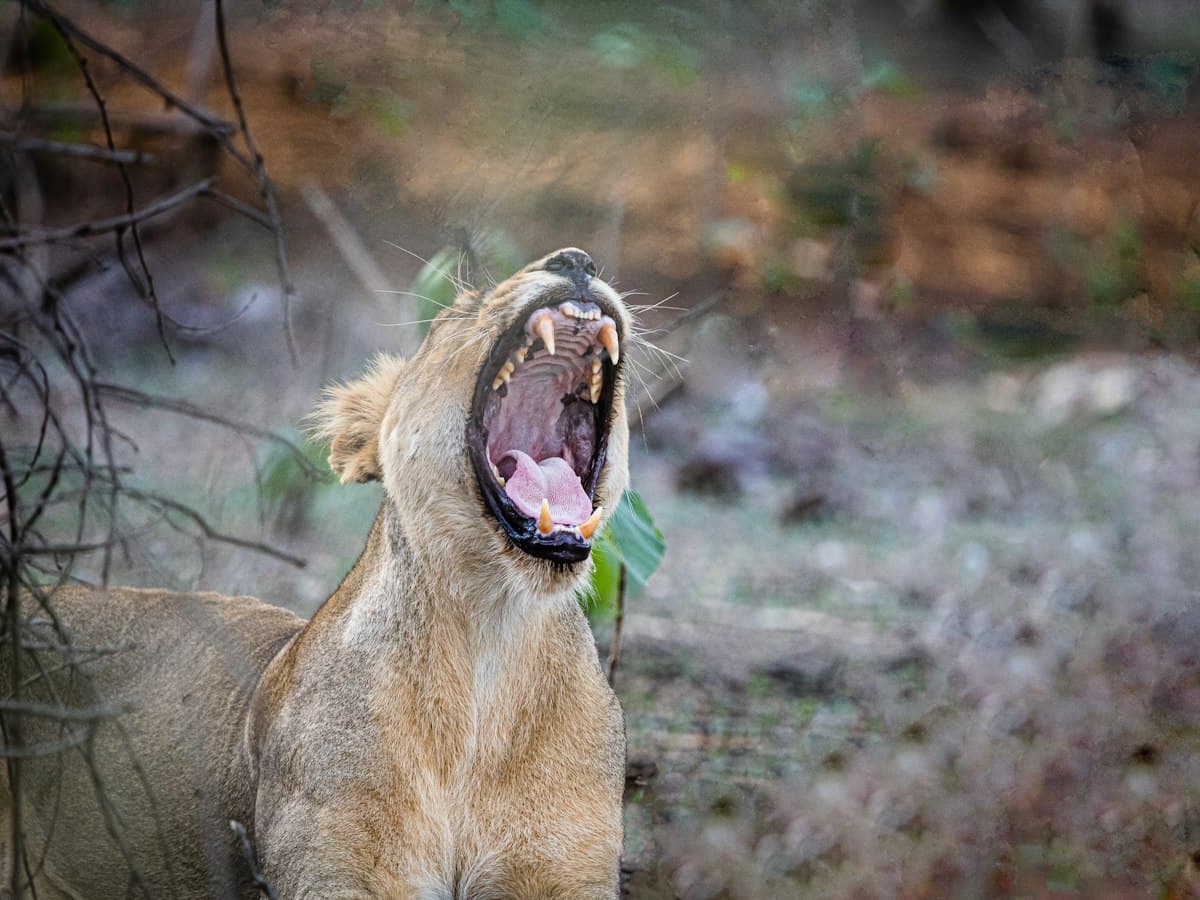
Gir National Park in Gujarat is the only place on earth where the Asiatic lion still exists in the wild — a subspecies that once ranged from the Middle East to eastern India and now survives solely in this one forest, thanks to a century-long conservation effort that has taken the population from under two dozen individuals to several hundred today. A Gir safari is genuinely unlike an African savanna safari in both terrain and experience, and a little planning around zones, timing and permits changes the odds considerably.
Why Gir is different from other Indian wildlife parks
Gir's dry deciduous forest and scrubland habitat is denser and more varied than the open grassland most safari imagery suggests, which makes tracking more skill-dependent than a simple drive-and-spot exercise — experienced naturalist guides read pugmarks, alarm calls from deer and langurs, and known territorial patterns rather than relying on open sightlines. This is also lion country specifically, not a big-cat park in the broader sense; leopards share the forest but stay markedly more elusive, and the Asiatic lion is the reason almost every visitor comes.
Safari zones and how they work
Gir is divided into multiple tourism zones, each requiring a separate permit and opened on a rotating quota system to manage visitor pressure on the ecosystem. Permits are limited and time-slotted (typically two safari windows a day, early morning and late afternoon), and the more established zones book out well ahead during peak season — this is one of the clearest cases where booking through a trip designer rather than arriving and hoping matters, since permits are secured in advance as part of the itinerary rather than left to on-the-ground availability.

Best time for a Gir safari
Gir's core season runs November to April; the park typically closes for the monsoon (mid-June to mid-October) to let the ecosystem recover. Within that window, the trade-off shifts through the season: cooler winter months (November–February) are more comfortable for guests but lions range more widely with water plentiful, while the hotter pre-monsoon months (March–May) push wildlife to concentrate around shrinking waterholes, generally improving sighting odds despite the heat. Our full best time to visit Gujarat guide covers how this fits the wider regional season.
Where to stay near Gir
Sasan Gir, the small town at the park's edge, is the practical base, with properties ranging from comfortable mid-range stays to dedicated wildlife lodges built specifically around early safari departures. Araiya Gir and Asiatic Lion Lodge are both purpose-built for this — close enough to the park gates for the early-morning safari slot without a long pre-dawn transfer, which matters more than it sounds given how early the first safari window opens.
What to expect on the ground
A typical safari runs two to three hours in an open jeep with a naturalist guide and a required forest tracker, moving slowly through the designated zone with regular stops to read tracks, listen for alarm calls, and check known territorial areas. Sightings are never guaranteed — this is wild forest, not an enclosure — but Gir's lion density is high enough relative to its size that multi-safari visitors see strong results far more often than not. Beyond lions, the park holds leopards, striped hyenas, marsh crocodiles and over 300 recorded bird species, making even a lion-quiet safari worthwhile on its own terms.
Conservation context worth knowing
Gir's Asiatic lion population has grown from under two dozen individuals in the early 20th century to several hundred today, largely credited to protection efforts led by the former princely state of Junagadh and continued by Gujarat's forest department since independence. Permit fees and zone quotas exist specifically to balance tourism revenue, which funds ongoing conservation, against pressure on a population that, despite its recovery, remains geographically concentrated in this single forest and nowhere else on the planet.
Building Gir into a wider Gujarat trip
Gir pairs naturally with Ahmedabad's heritage sites and the White Rann of Kutch given the drivable distances across the state, and most well-built Gujarat itineraries treat it as one leg of a broader circuit rather than a standalone wildlife trip. Our Gir Lion Safari package focuses the itinerary specifically on the park with two full safari days, while Gujarat: Lions, Palaces & the Statue folds it into a longer, multi-region route.
Frequently asked questions
Is Gir National Park the only place to see Asiatic lions?
Yes — Gir Forest is the sole surviving wild habitat of the Asiatic lion anywhere in the world, following a conservation effort dating back to the early 20th century.
How many safaris should I book at Gir?
Two to three safaris meaningfully improve your odds of a strong sighting, given the forest's dense terrain compared to open-grassland parks; a single safari carries real risk of missing lions entirely.
What is the best time of day for a Gir safari?
Early morning generally offers the best activity levels, as temperatures are cooler and lions are more likely to be moving rather than resting in shade.
Do I need a permit for Gir National Park?
Yes — Gir operates a zoned, time-slotted permit system with limited daily quotas, and permits for popular zones and peak-season dates should be secured well in advance.
Start planning
See our Gir Lion Safari package in full, or talk to a trip designer about securing safari permits for your dates.
Read Next
All Stories →
The Best Time to Visit Gujarat: Rann, Gir and the Heritage Cities
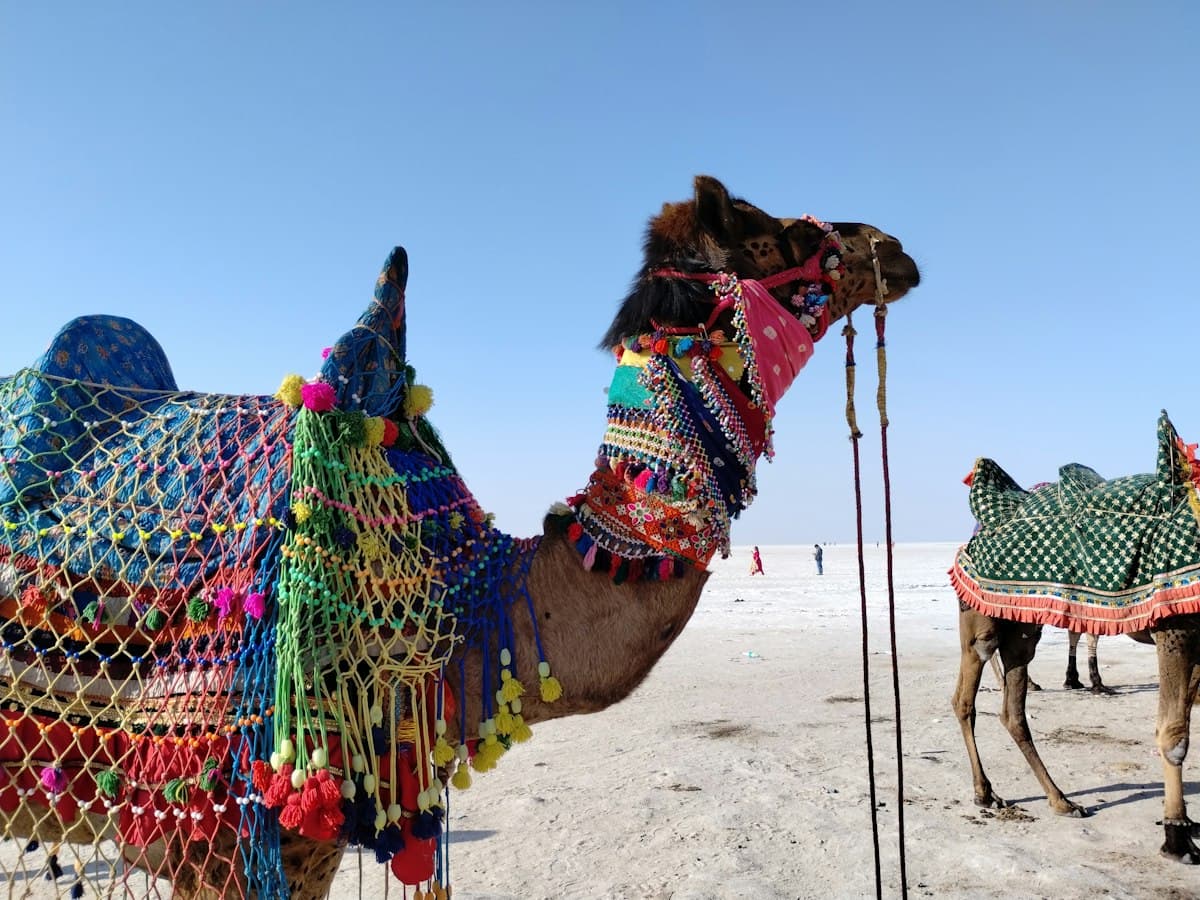
The White Rann of Kutch: When to Go and What Rann Utsav Is Really Like