
Rajasthan · 8 Days
Rajasthan Desert Forts & Lakes Grand Tour
Eight days from Jodhpur and Jaisalmer's desert forts through Kumbhalgarh's wall, ending in Udaipur.
Day by Day
8 Days, In Full
The longest desert route, trading the final night's desert camp for a push south to Udaipur instead. The first five days follow the desert-forts route above — Jodhpur's fort and stepwell, then Jaisalmer's fort, dunes, and merchant havelis. From Jaisalmer, the road turns toward Kumbhalgarh, its 36-kilometre wall the second-longest continuous wall in the world, before a final short drive brings the trip to a close, arriving in Udaipur.
Jodhpur
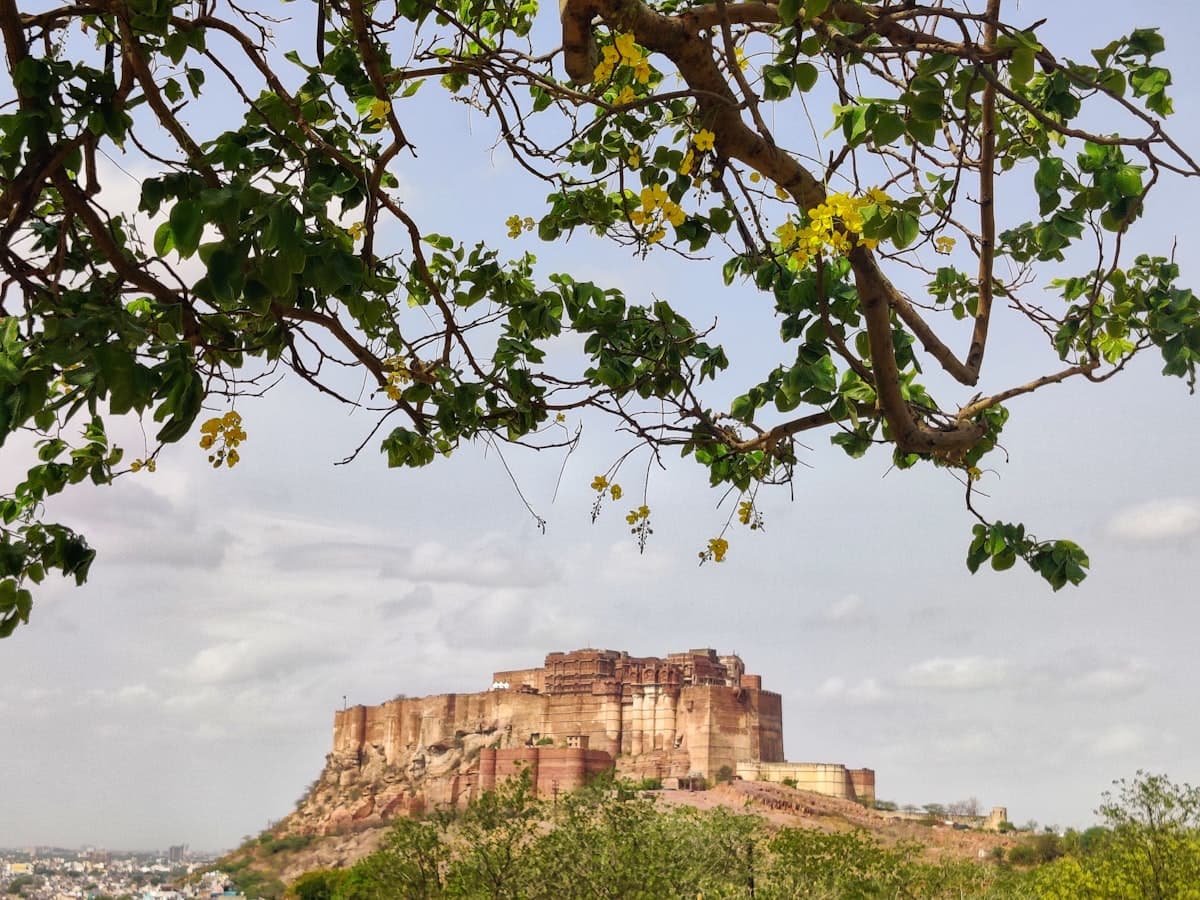
Mehrangarh Fort & the Blue City
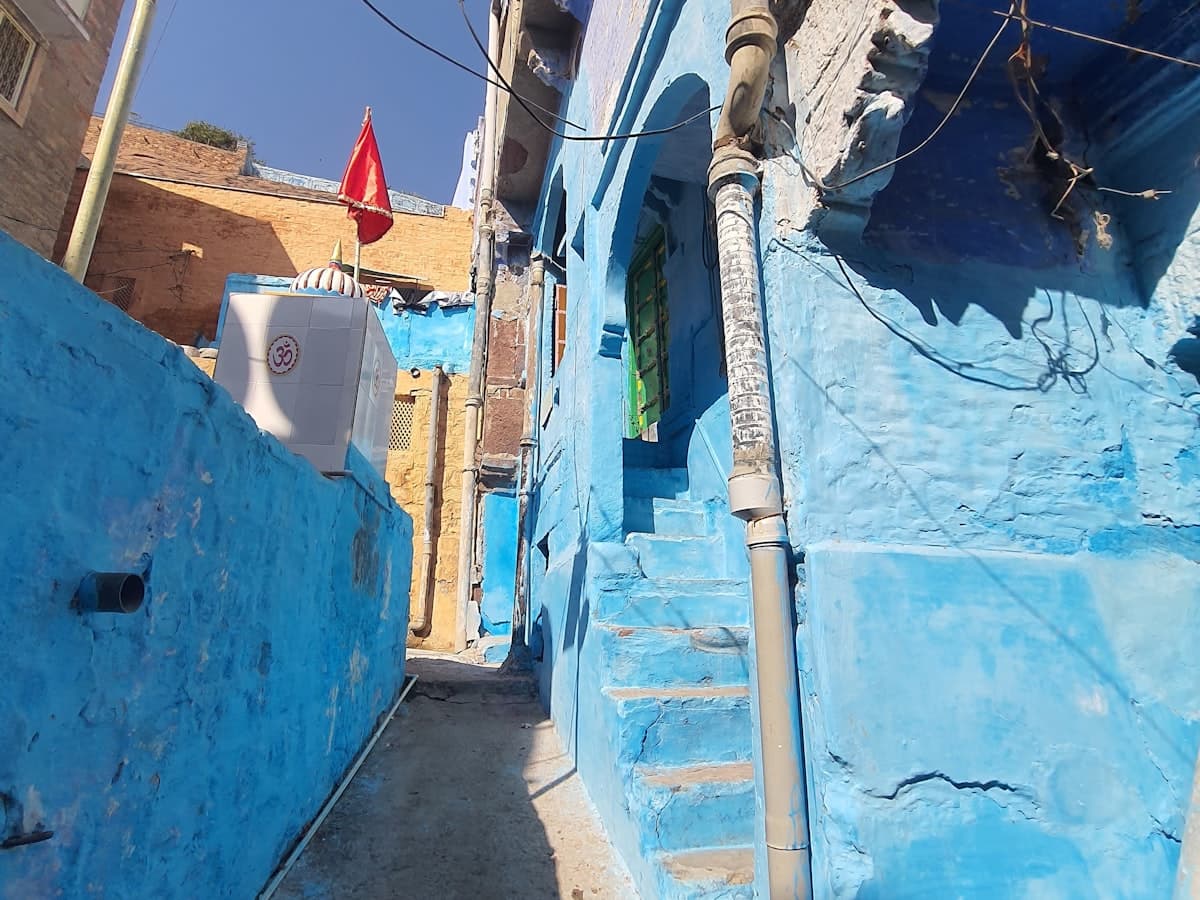
Mehrangarh rises 125 metres above Jodhpur. It sits on a sheer rock face, built in 1459 by Rao Jodha. Its ramparts are some of the thickest in Rajasthan. The museum inside holds royal palanquins, armour, and a gallery of miniature paintings. From the fort walls, Jodhpur's old city spreads out below in shades of blue. The colour started with Brahmin homes. It spread more widely later, partly for its heat-reflecting properties. The afternoon is free to walk those blue lanes at ground level, camera in hand.
Jodhpur
Jodhpur's Old City & Toorji Ka Jhalra Stepwell
A morning exploring Jodhpur beyond the fort. Toorji Ka Jhalra is a stepwell built in 1740 by a queen consort of Maharaja Abhaya Singh. It drops more than 200 feet below street level in tiered sandstone terraces. Carvings of elephants and lions still trace its walls. From there, the old clock tower market fills the afternoon — spice stalls, textile shops, and lanes that haven't changed their trade in generations.
Jodhpur → Jaisalmer
Jodhpur to Jaisalmer — Into the Thar Desert
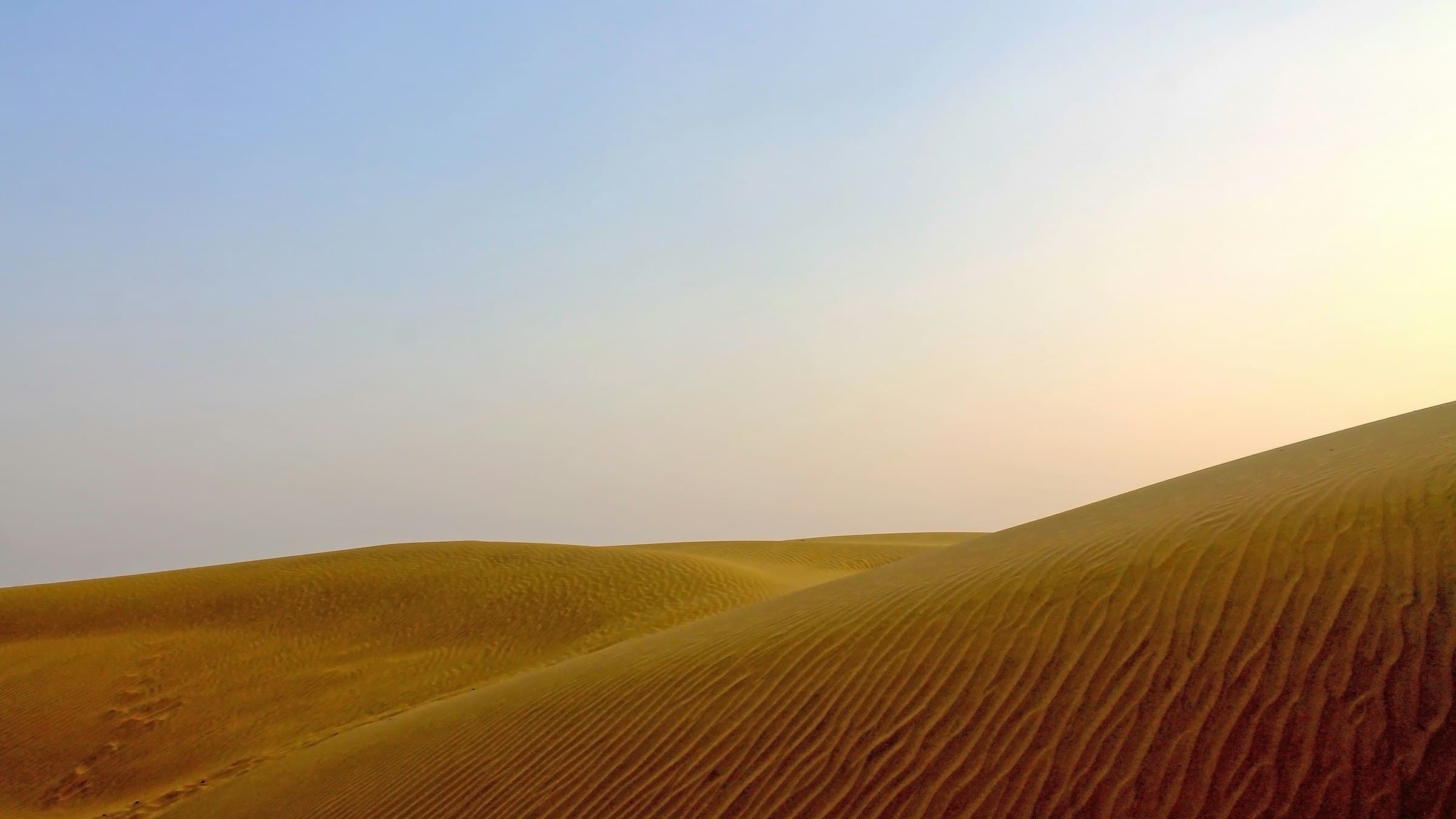
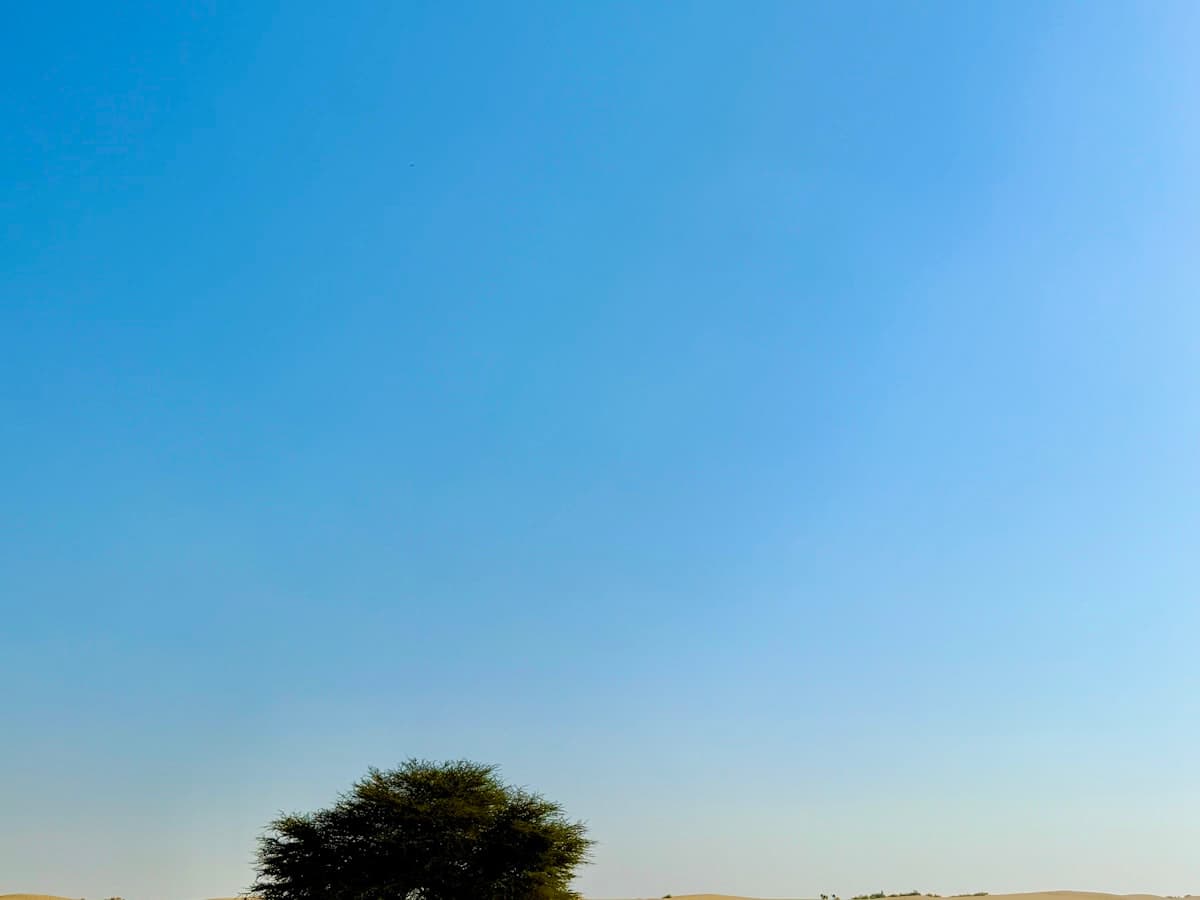
A five-hour drive further west, deeper into the Thar Desert. The land empties out along the way — scrub, open sky, and small villages built low against the wind. Jaisalmer announces itself from a distance: a fort of golden-yellow sandstone rising straight out of the desert floor. Check in by early evening, with the fort itself saved for tomorrow.
Jaisalmer
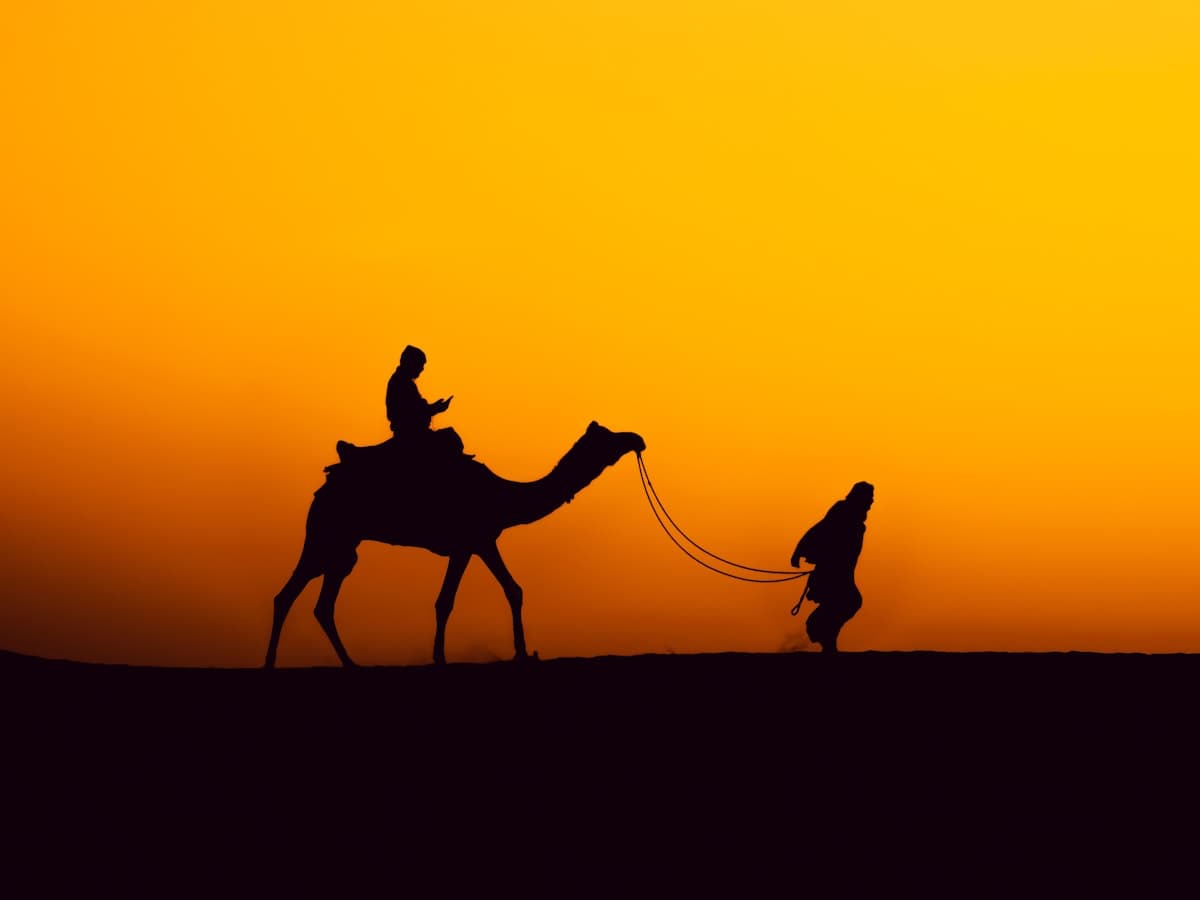
Jaisalmer Fort & Sam Sand Dunes at Sunset
Jaisalmer Fort, built in 1156 by Rawal Jaisal, is one of the few forts left in the world that's still fully lived in — around four thousand people call it home today, running shops, hotels, and temples inside its walls. Morning is spent inside the fort and at Patwon ki Haveli, a cluster of merchant mansions with carved sandstone facades. In the afternoon, drive out to the Sam Sand Dunes, about 40 kilometres and an hour from the city. Watching the sun drop behind the dunes, the desert turns gold and then a deep orange-red — a genuinely different landscape from anything earlier in the trip.
Jaisalmer
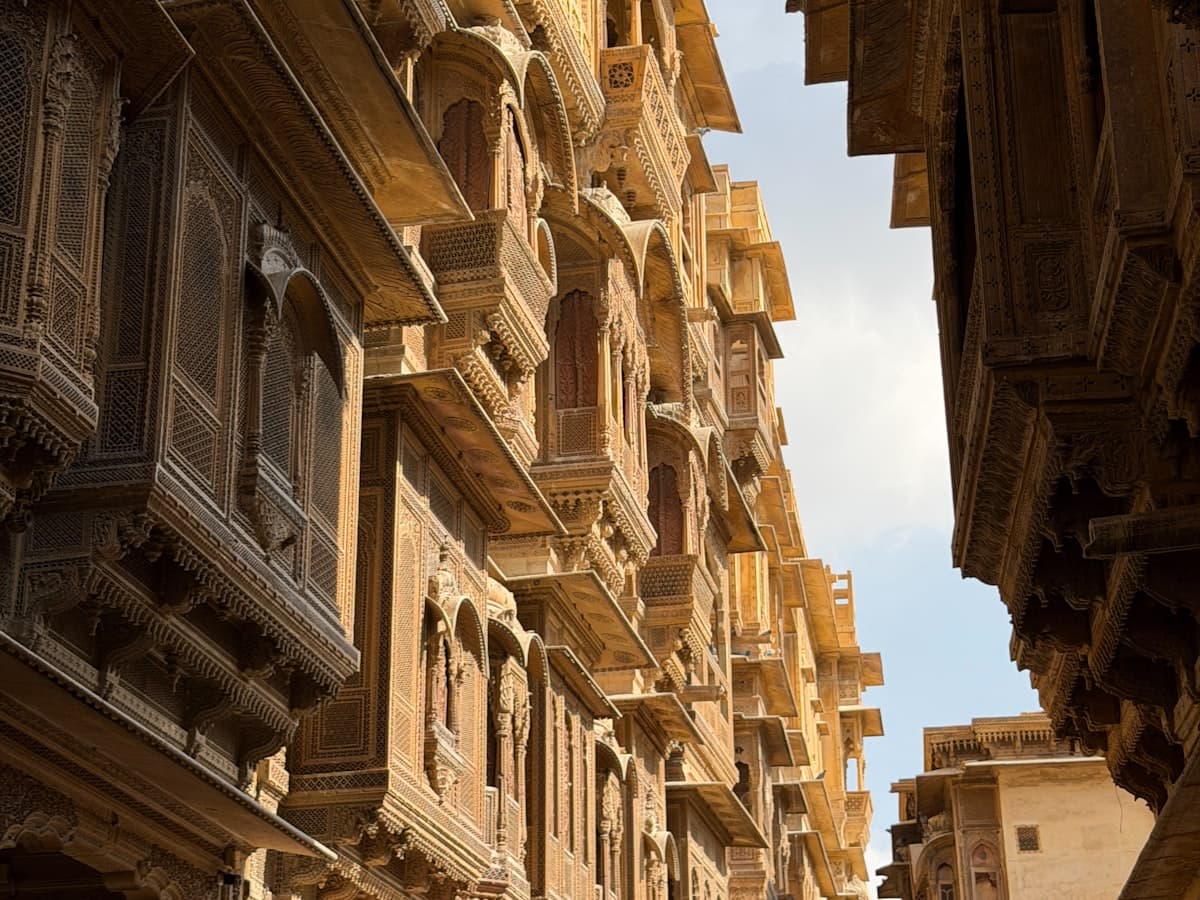
Jaisalmer's Merchant Havelis
A day spent among Jaisalmer's havelis, the ornately carved mansions built by the city's trading families. Patwon ki Haveli is really five havelis in one complex, built by five brothers who dealt in gold brocade and silver. Nathmal ki Haveli adds two life-sized elephants carved from yellow sandstone at its entrance. Salim Singh ki Haveli's curved upper storey is often compared to a ship's stern. Every facade here was carved by hand, and it shows.
Jaisalmer → Kumbhalgarh
Jaisalmer to Kumbhalgarh via Ranakpur
The longest drive of the trip, roughly seven hours, broken up by a stop at Ranakpur's Jain temple. Built from pale marble in the 15th century, the temple holds more than 1,400 carved pillars — no two exactly alike. From there it's a shorter final stretch to Kumbhalgarh, arriving in the evening with the fort's outline visible against the hills.
Kumbhalgarh
Kumbhalgarh Fort & Wildlife Sanctuary
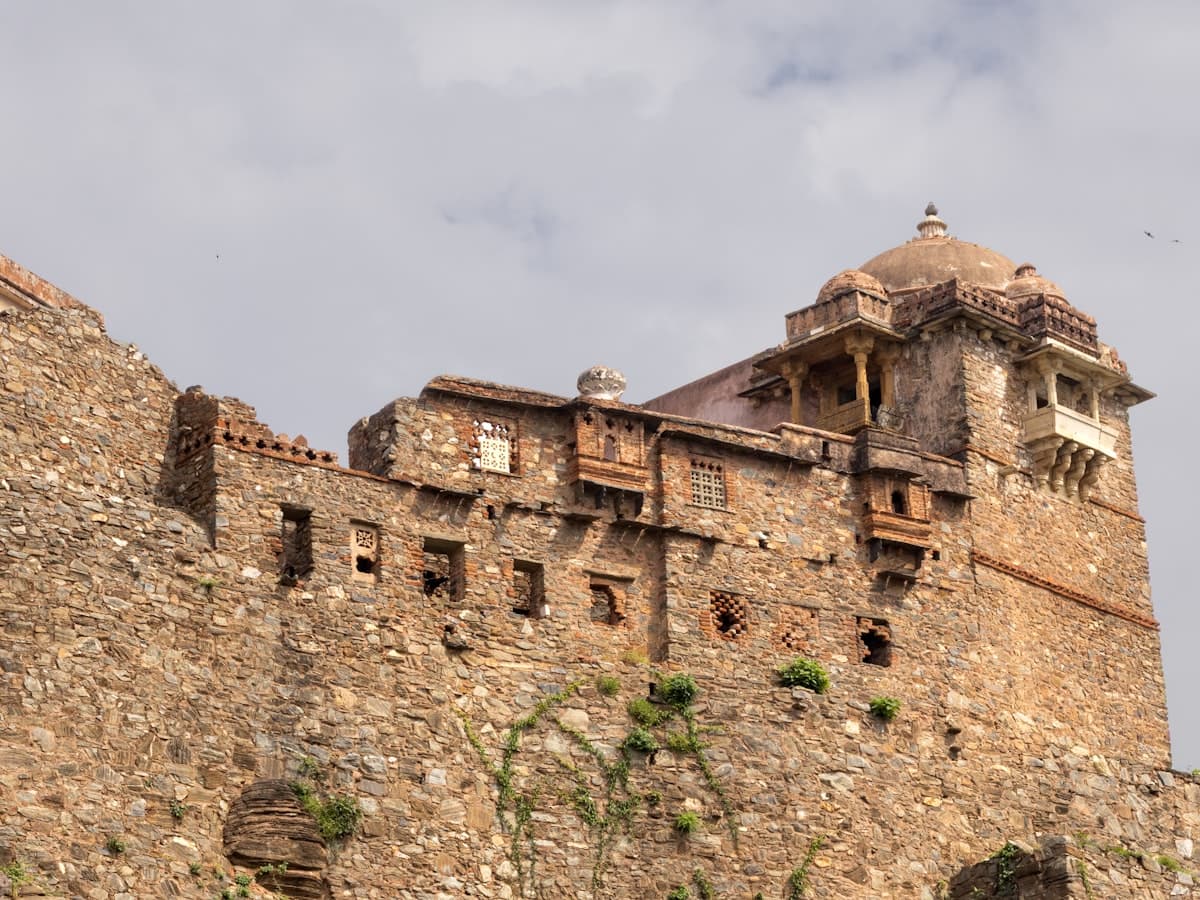
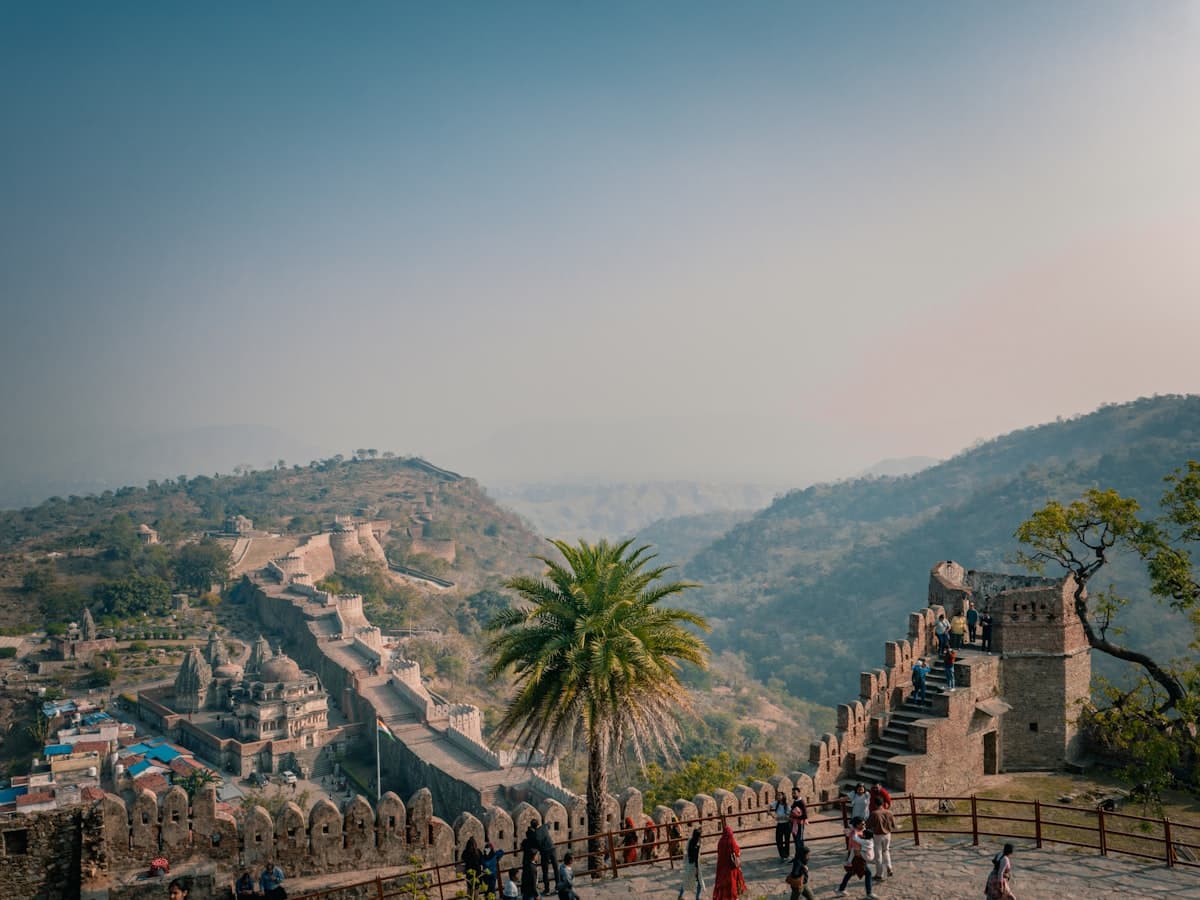
A full morning at Kumbhalgarh Fort, built in the 15th century by Rana Kumbha and the birthplace of Maharana Pratap. Its wall runs for nearly 36 kilometres — the second-longest continuous wall in the world after the Great Wall of China. In the afternoon, the surrounding wildlife sanctuary opens up. Forested hills here are home to leopards, wolves, and sloth bears, best explored on a quiet jeep safari as the light turns gold.
Kumbhalgarh → Udaipur
Kumbhalgarh Fort to Udaipur
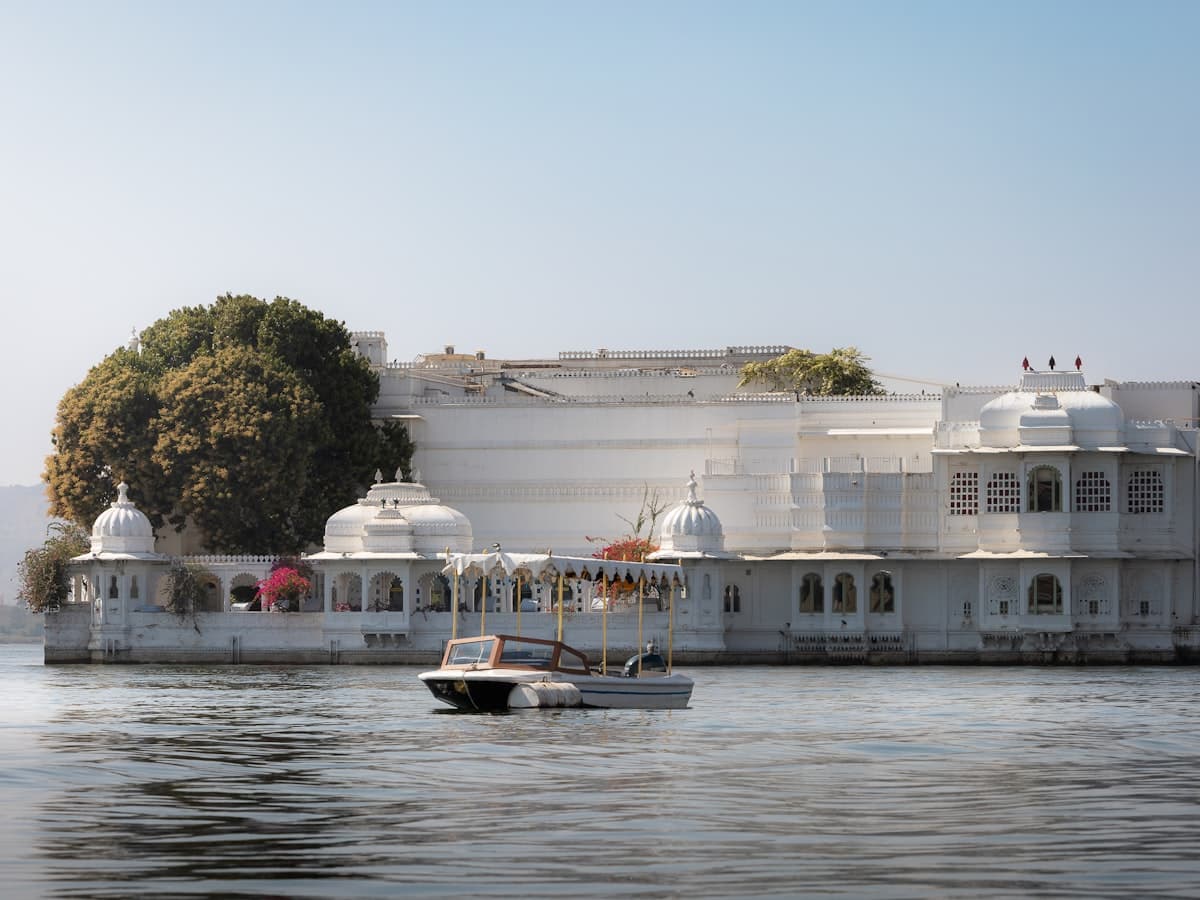
Morning at Kumbhalgarh Fort. Built in the 15th century by Rana Kumbha, it's the birthplace of Maharana Pratap. Its wall runs for nearly 36 kilometres along the hilltops. That makes it the second-longest continuous wall in the world, after the Great Wall of China. It's wide enough in places for eight horses to ride side by side. After the fort, a two-hour drive brings you into Udaipur by early evening. You'll arrive in time for a sunset view over Lake Pichola from the hotel.
Book This Itinerary
Priced Packages On This Route
This route is already built into these packages — real inclusions and pricing on each one's own page.

Kashmir to Kanyakumari
Get In Touch
Start Planning Your Trip
Full itinerary, real pricing, one honest conversation — no sales pressure, just answers.