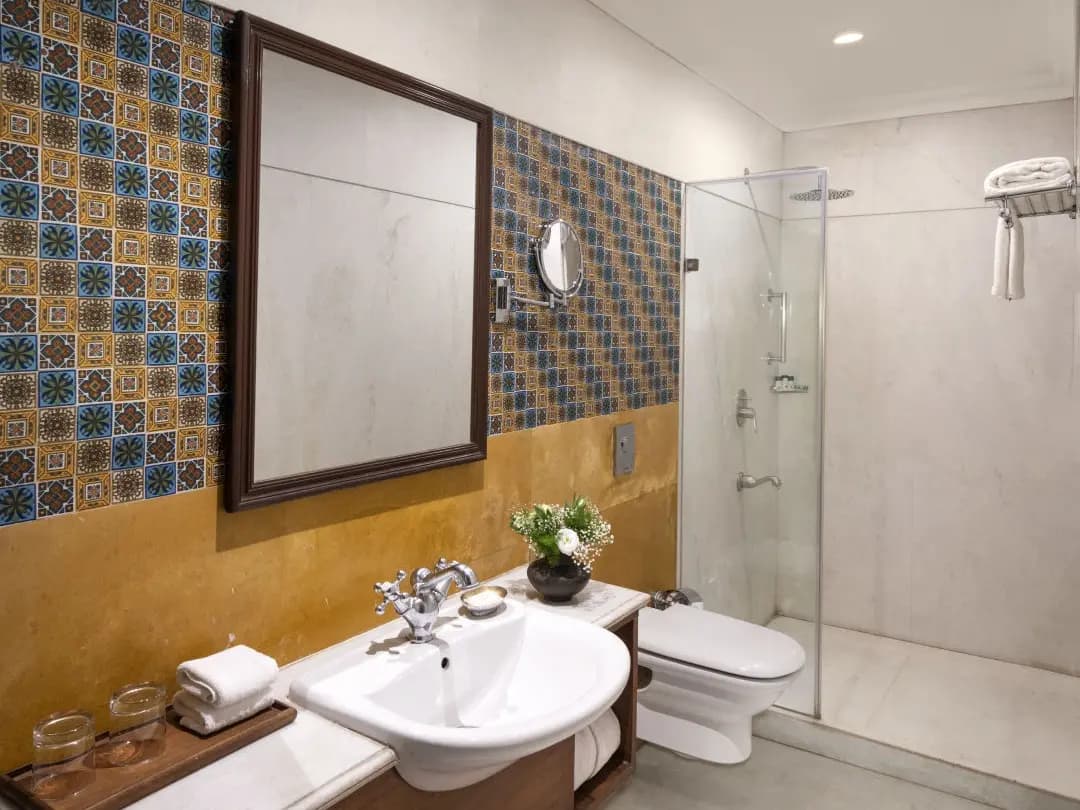
First, 2 nights in Delhi
Haveli Dharampura
A UNESCO-awarded restored 19th-century haveli in the Chandni Chowk lanes — carved courtyards, a rooftop over the Jama Masjid, evening kathak.
Delhi · Hotel · Premium★★★★
About This Journey
The same five-day, four-night Golden Triangle route, timed for the monsoon months rather than around them — a season most visitors avoid, and one that changes how Delhi, Agra and Jaipur actually look and feel.
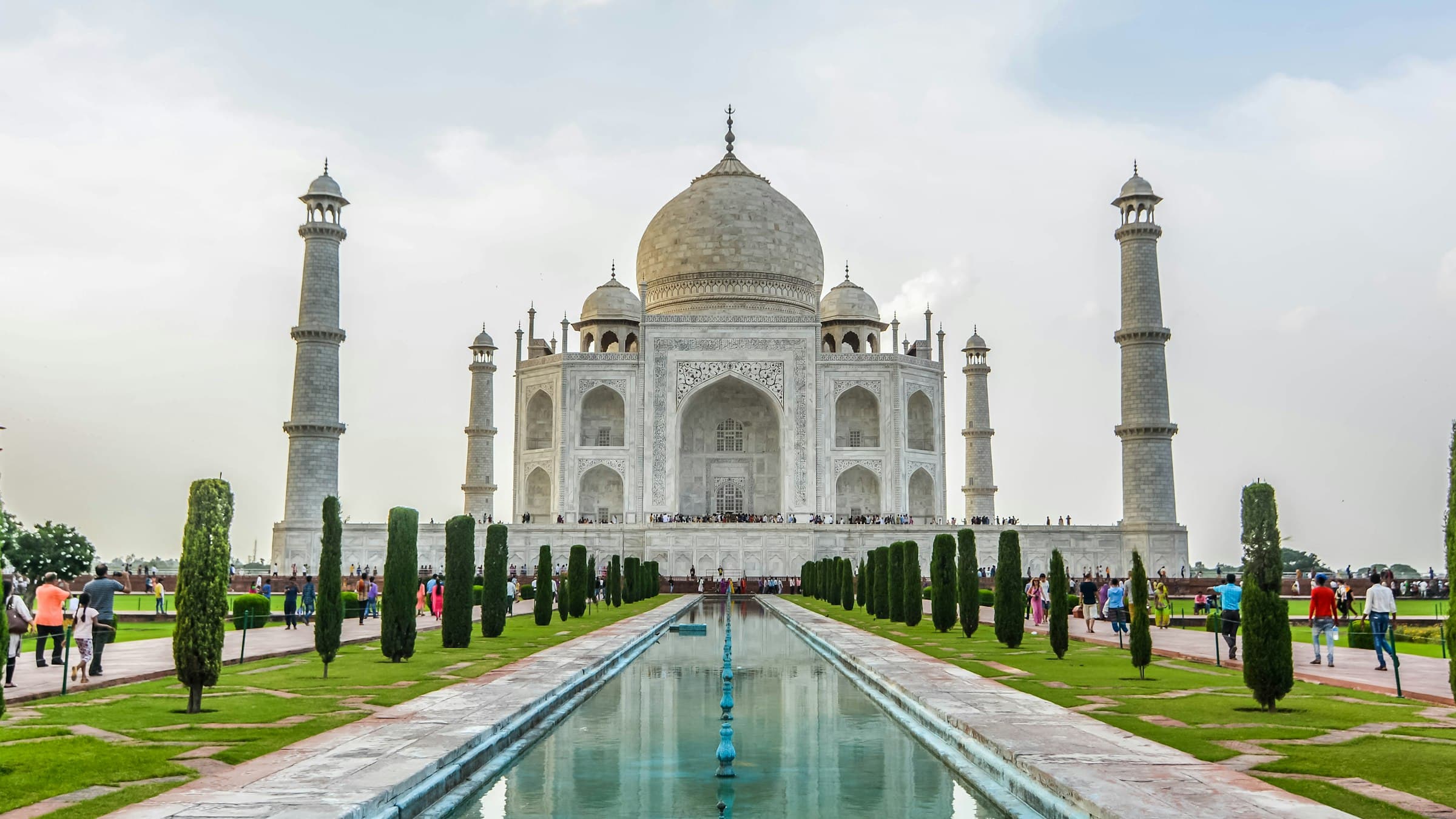
Delhi's Mughal landmarks and Old City open the trip under a cooler, greener sky than the pre-monsoon heat allows. Agra follows with the Taj at dawn, its marble washed by recent rain, then Fatehpur Sikri on the drive to Jaipur, where Amber Fort's hillside setting turns genuinely green before the trip closes.
Delhi and Agra in April to June regularly pass 40°C. The monsoon months bring real, noticeable relief — cooler, more comfortable days for the same sightseeing.
The Aravalli hills around Amber Fort turn a genuine green during the monsoon, a striking contrast to the dry, dust-coloured landscape most Golden Triangle photographs show.
The monsoon is the Golden Triangle's quietest tourist season. The Taj Mahal, Amber Fort and Fatehpur Sikri are all noticeably less crowded than in the October-to-March peak.
Chapter Two — Where You'll Stay
Handpicked along your own route — not a hotel chain repeated city to city.
First, 2 nights in Delhi
A UNESCO-awarded restored 19th-century haveli in the Chandni Chowk lanes — carved courtyards, a rooftop over the Jama Masjid, evening kathak.
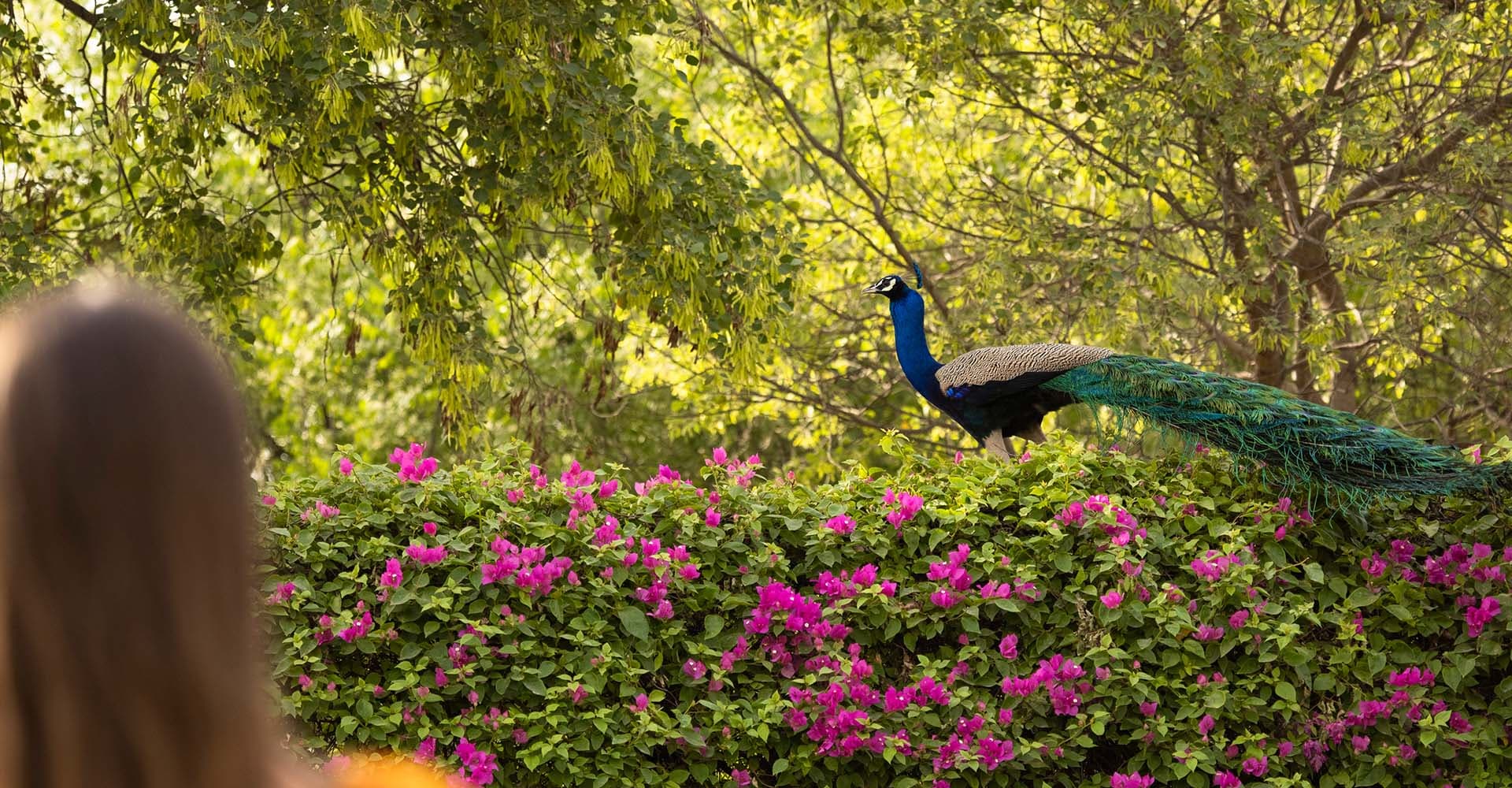
Next, one night in Agra
A low-rise garden hotel on Fatehabad Road, under 10 minutes from the Taj Mahal — Mughal-style courtyards, a pool and an Ayurvedic spa. The premium Agra stay.
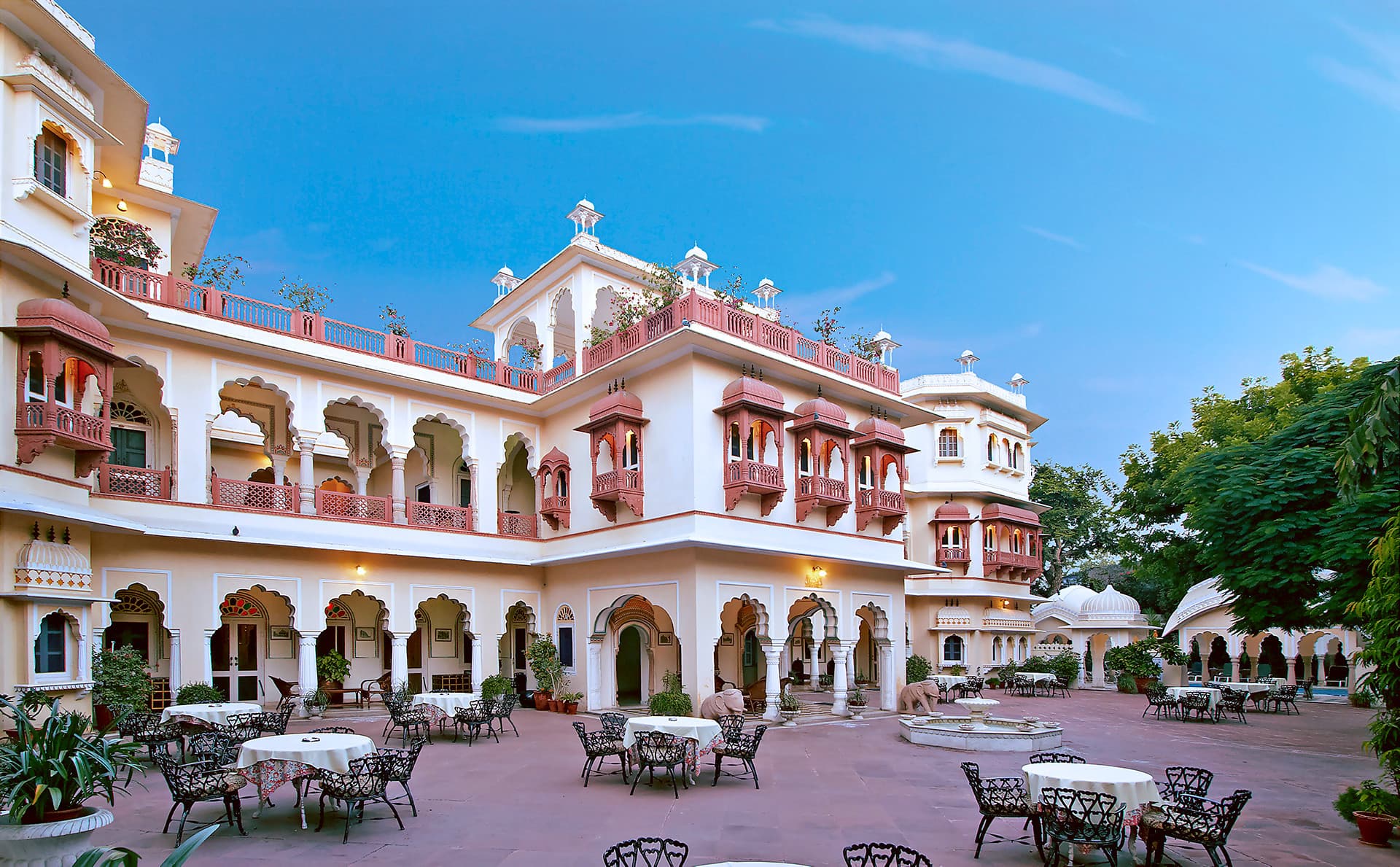
Finally, one night in Jaipur
Stay at Alsisar Haveli, Jaipur — an 1892 family-owned haveli with frescoed courtyards and a garden pool, on our premium Rajasthan tours.
Chapter Three — Day by Day
3 of your 5days — the full itinerary follows below. Scroll to travel the route.
Day 2 · Delhi
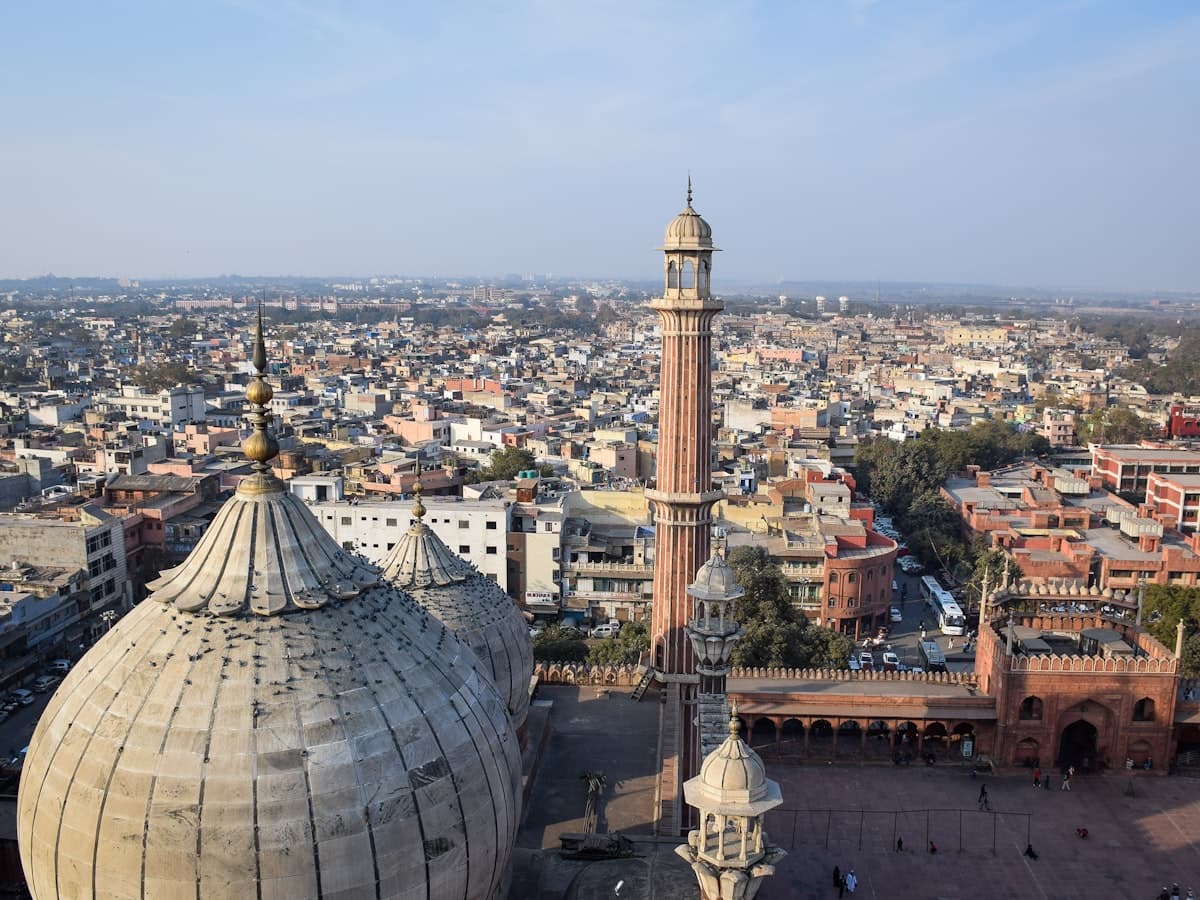
A full day across two Delhis. The morning is Shahjahanabad on foot — the Jama Masjid, the spice market, a cycle-rickshaw through Chandni Chowk. The afternoon is the imperial city the British built: the long axis of Rajpath, India Gate, and the sandstone government buildings on Raisina Hill. Humayun's Tomb or the Qutub Minar fills the gap between them. It is a long day and worth it.
Day 3 · Delhi → Agra
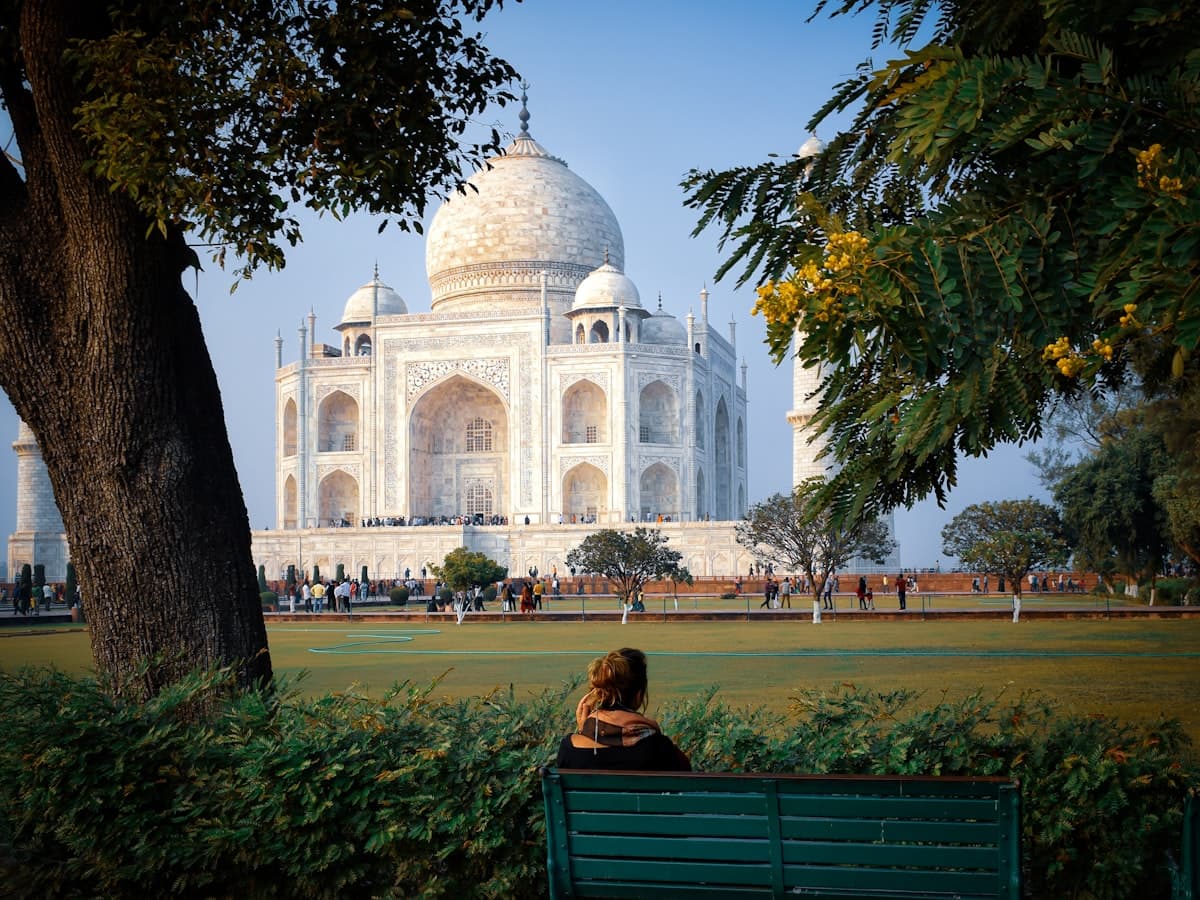
The drive to Agra runs about 165 kilometres down the Yamuna Expressway and takes three to three and a half hours. It is flat, fast and unremarkable, which is the point — it replaced a full day on the old road. You reach Agra by early afternoon. The rest of the day is Agra Fort, in the long light, with the Taj Mahal visible downriver from its marble balconies — a first sight of it before tomorrow's sunrise.
Day 4 · Agra → Jaipur
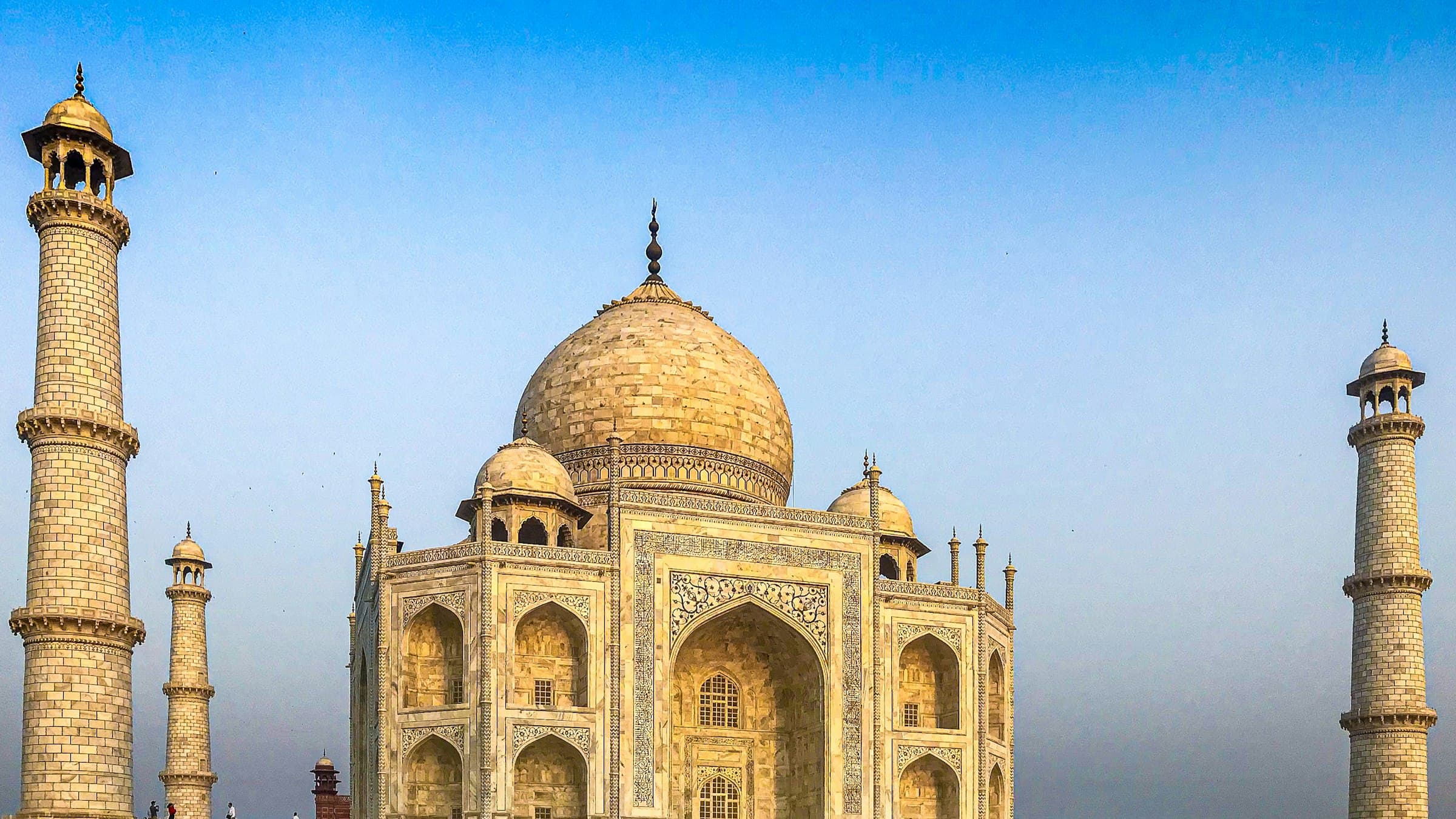
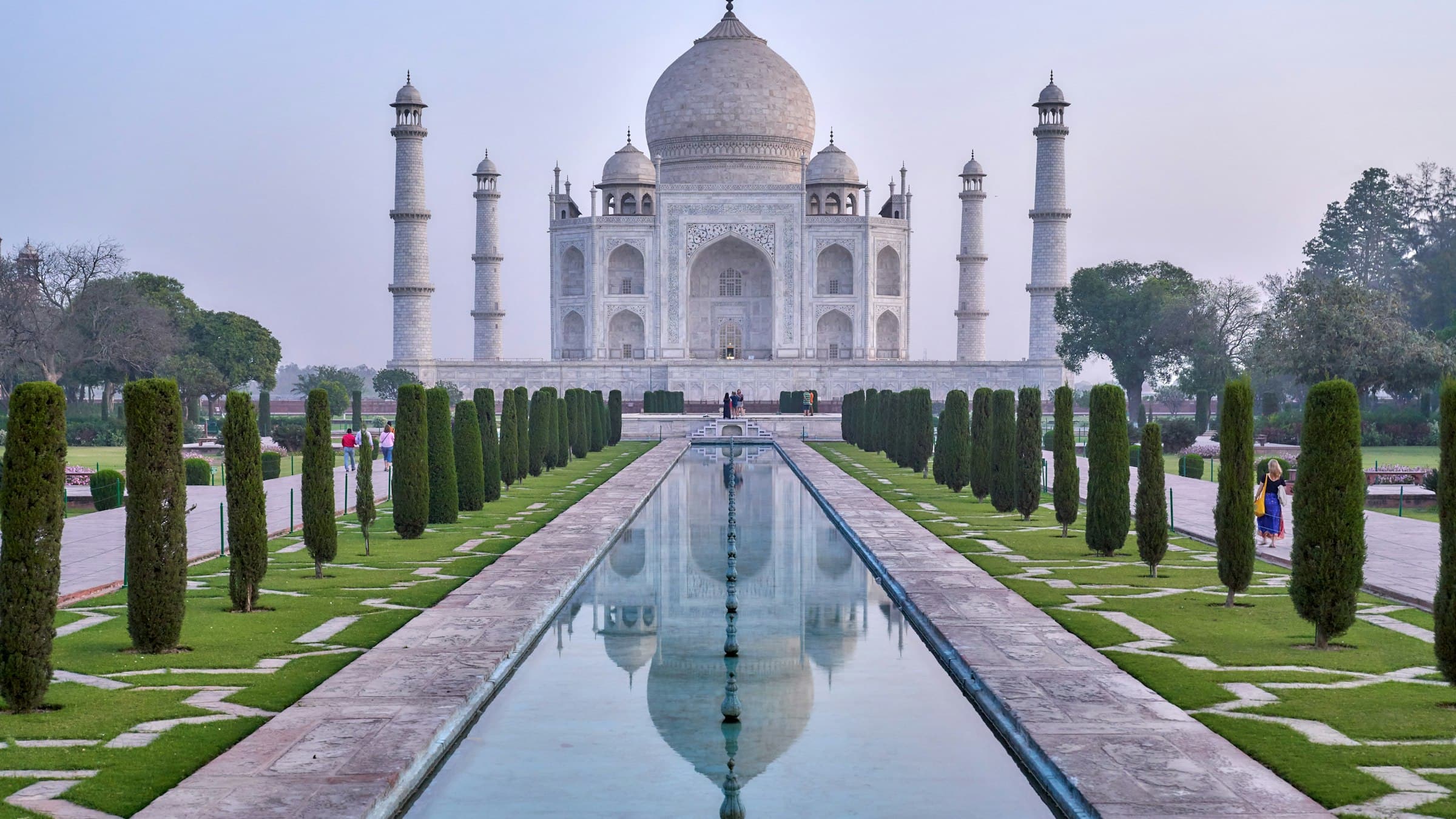
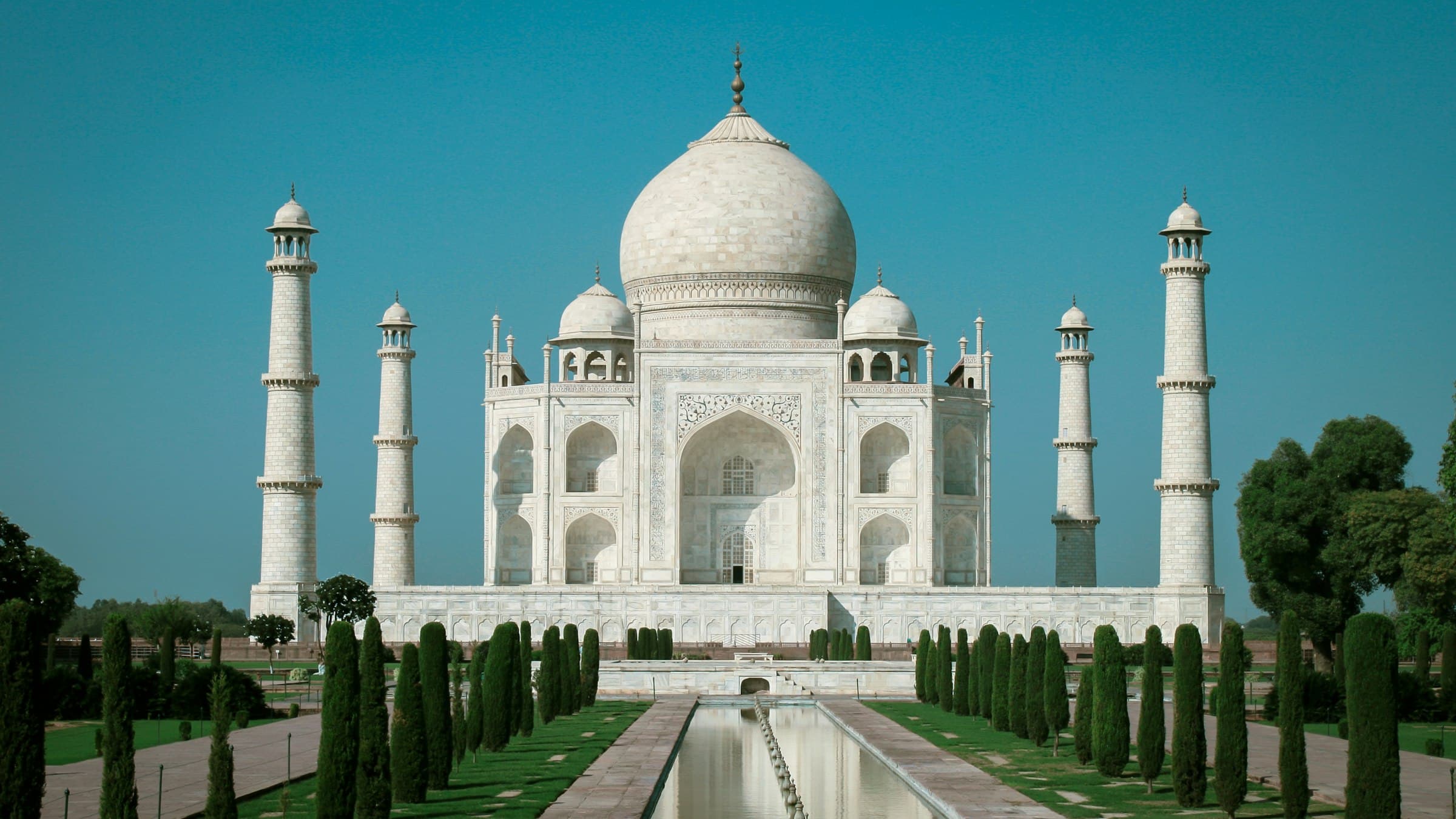
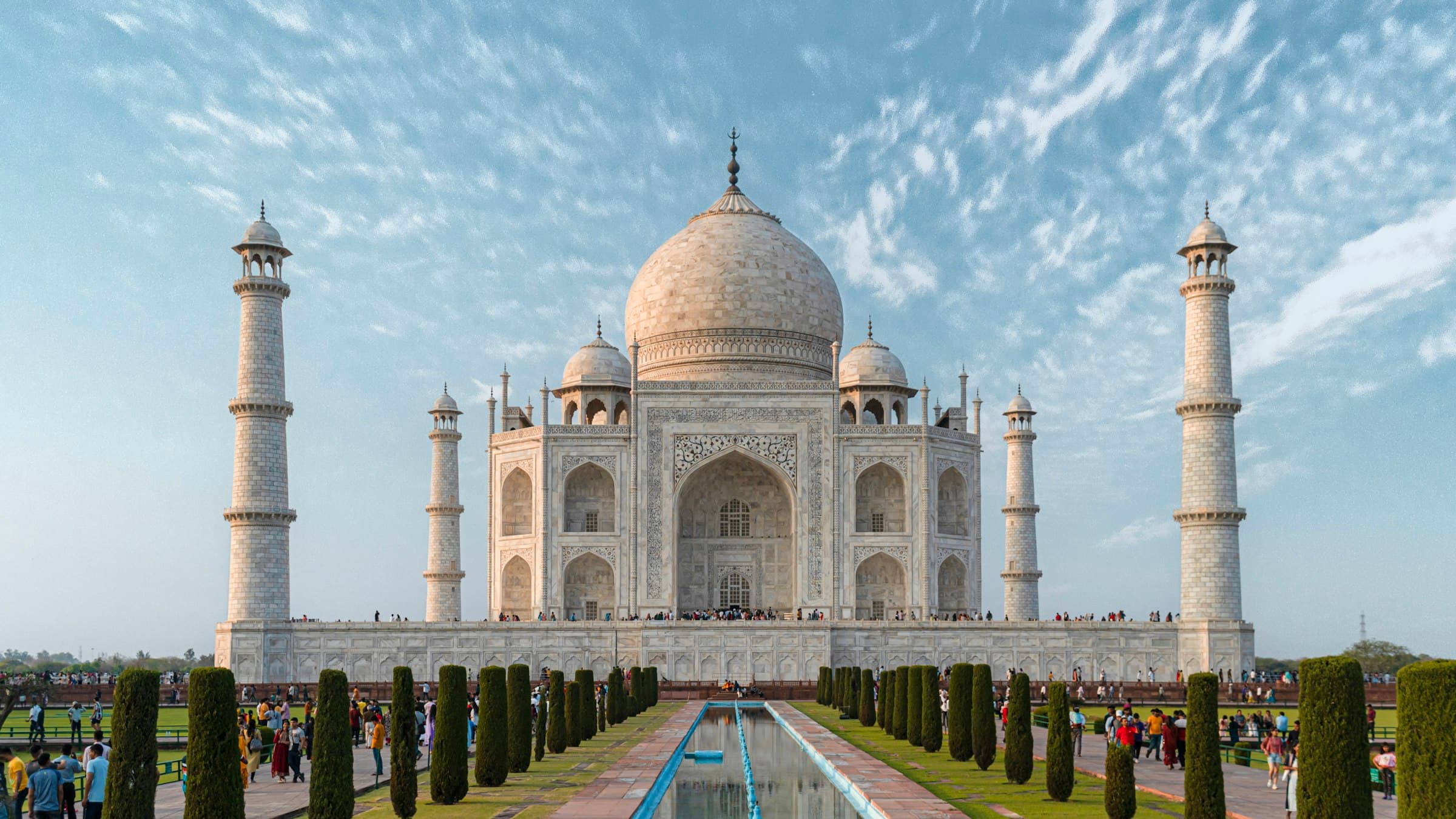
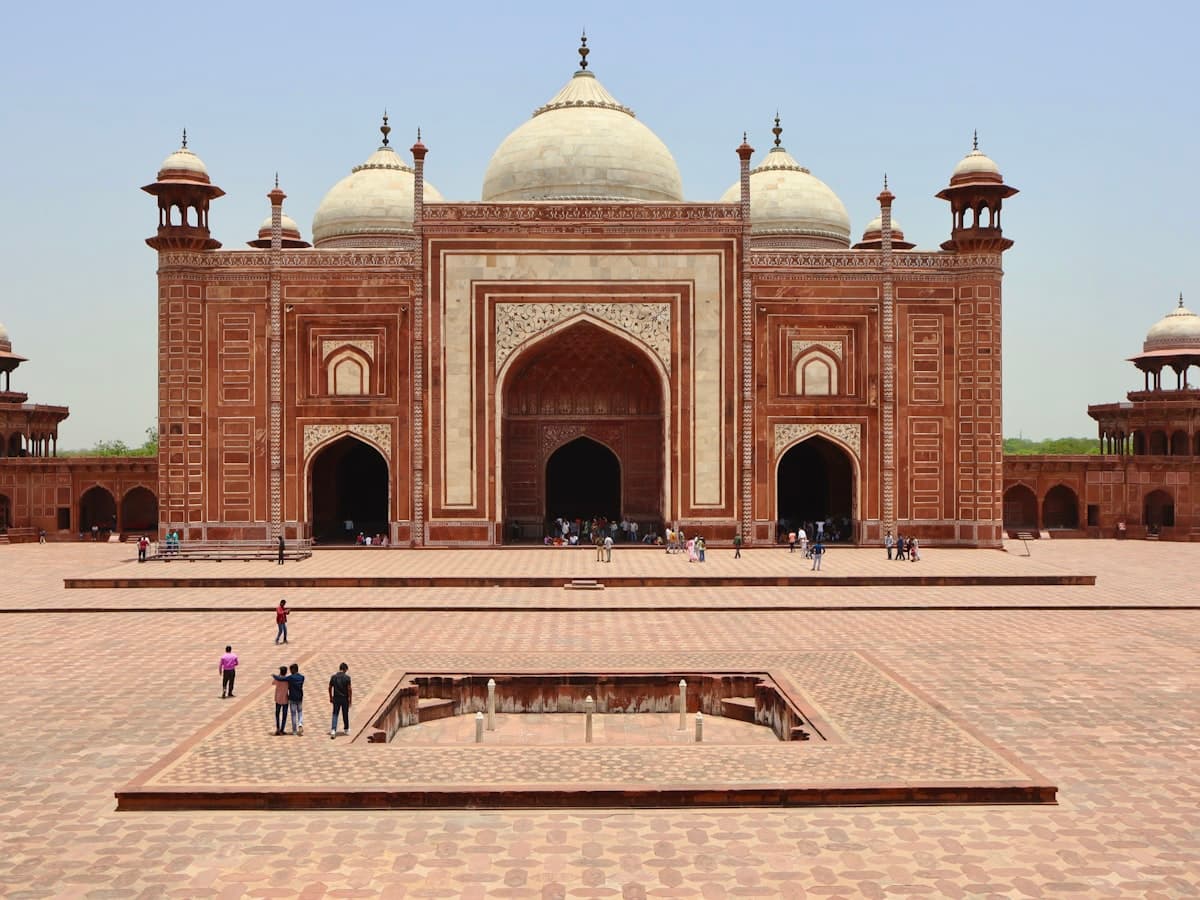
The Taj Mahal at sunrise first, then check out and drive for Jaipur. Forty kilometres out is Fatehpur Sikri, Akbar's abandoned capital, still complete because nothing was ever built over it — the palaces, the courts, the fifty-four-metre gateway. Further on, near Abhaneri, is Chand Baori, a ninth-century stepwell that drops thirteen storeys in a lattice of stairs. You reach Jaipur in the evening. The full drive is about five and a half hours plus stops.
Chapter Four — The Full Itinerary
Every day, start to finish — including the transfers the day-by-day chapter above skipped.
Delhi
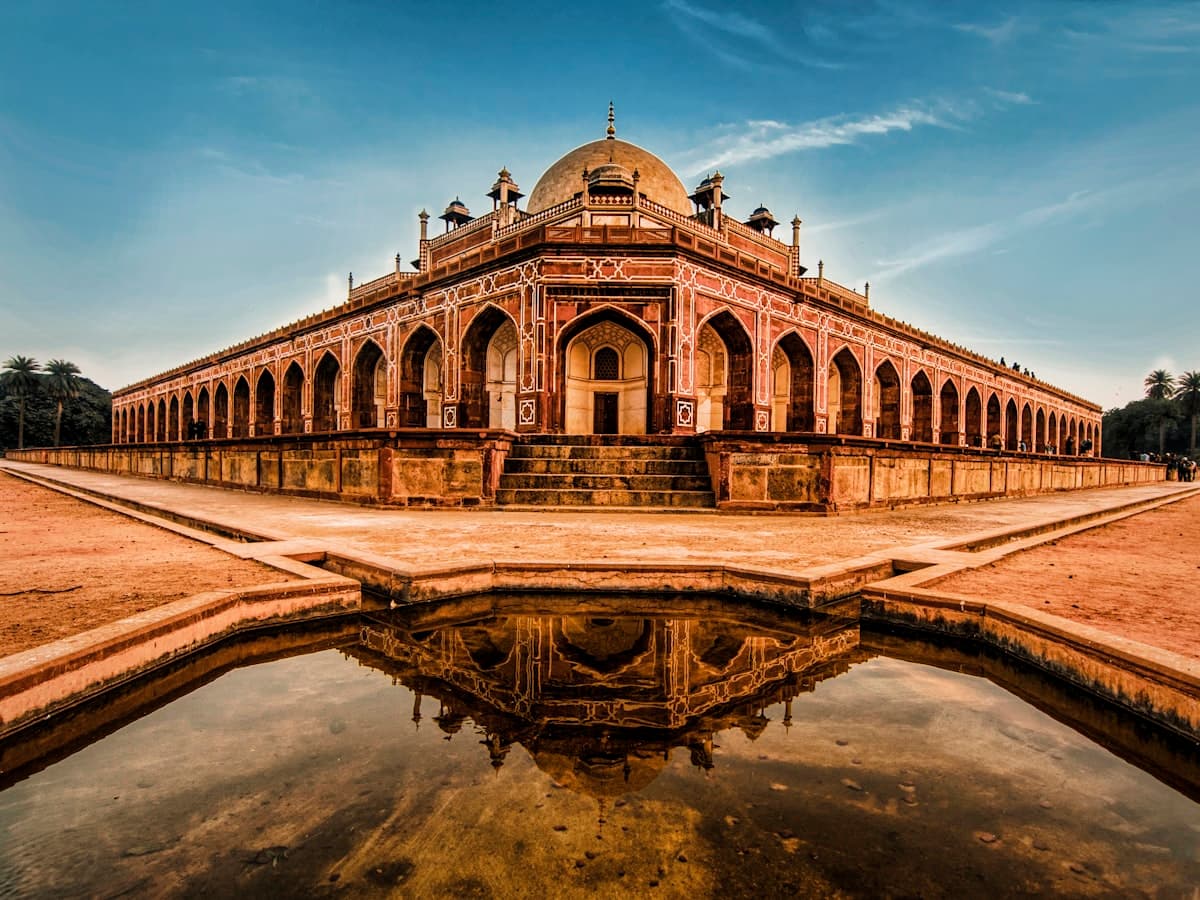
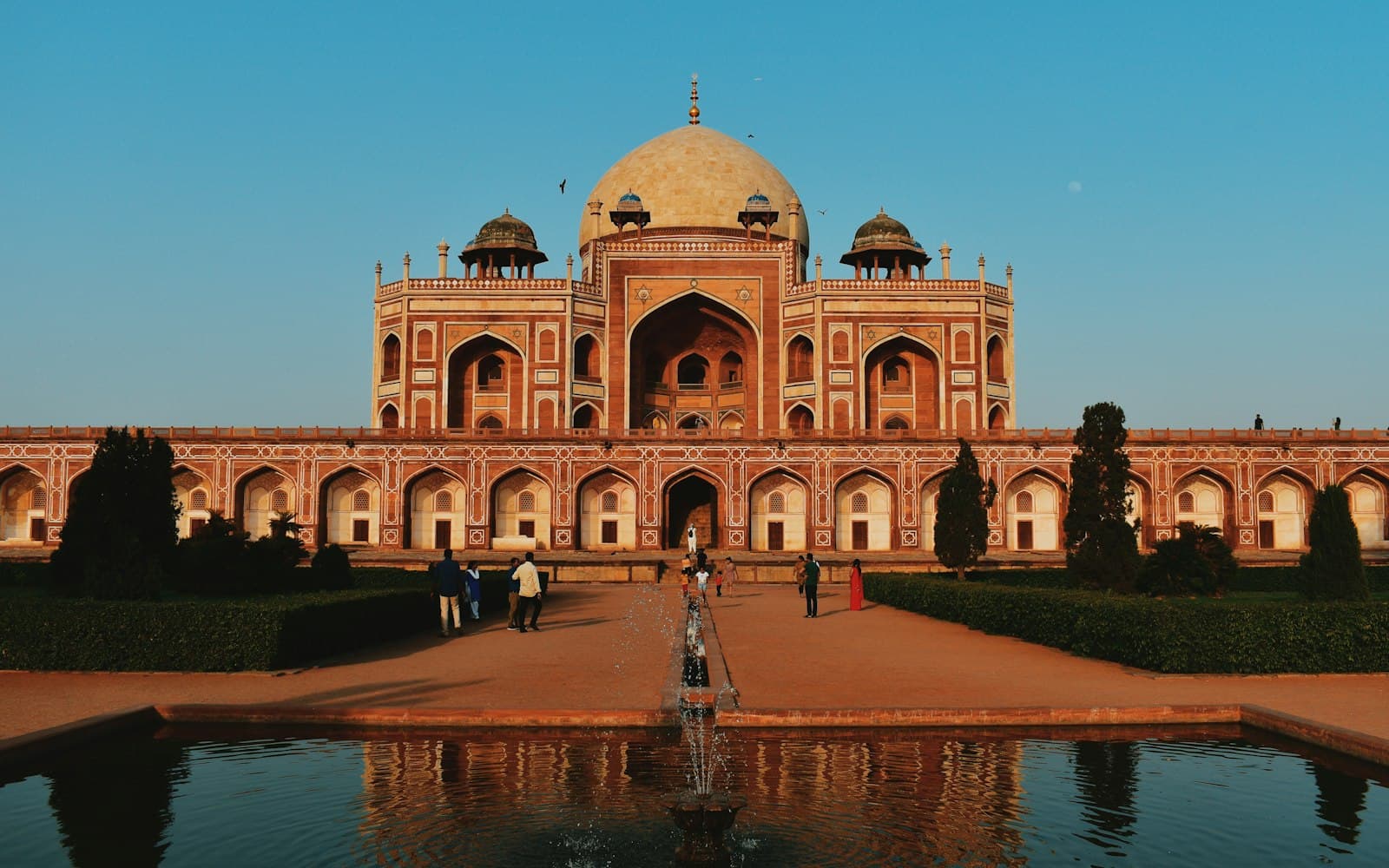
A private airport pickup in Delhi, then a first afternoon among the city's Mughal landmarks. Humayun's Tomb, finished in 1570, was the first great garden tomb built in India. Its design was later echoed in the Taj Mahal. Qutub Minar rises more than 70 metres and dates from the 12th century. It is the tallest brick minaret in the world. Old Delhi adds the Red Fort and the broad steps of the Jama Masjid. The evening is free before the drive to Rajasthan.
Delhi
A full day across two Delhis. The morning is Shahjahanabad on foot — the Jama Masjid, the spice market, a cycle-rickshaw through Chandni Chowk. The afternoon is the imperial city the British built: the long axis of Rajpath, India Gate, and the sandstone government buildings on Raisina Hill. Humayun's Tomb or the Qutub Minar fills the gap between them. It is a long day and worth it.
Delhi → Agra
The drive to Agra runs about 165 kilometres down the Yamuna Expressway and takes three to three and a half hours. It is flat, fast and unremarkable, which is the point — it replaced a full day on the old road. You reach Agra by early afternoon. The rest of the day is Agra Fort, in the long light, with the Taj Mahal visible downriver from its marble balconies — a first sight of it before tomorrow's sunrise.
Agra → Jaipur
The Taj Mahal at sunrise first, then check out and drive for Jaipur. Forty kilometres out is Fatehpur Sikri, Akbar's abandoned capital, still complete because nothing was ever built over it — the palaces, the courts, the fifty-four-metre gateway. Further on, near Abhaneri, is Chand Baori, a ninth-century stepwell that drops thirteen storeys in a lattice of stairs. You reach Jaipur in the evening. The full drive is about five and a half hours plus stops.
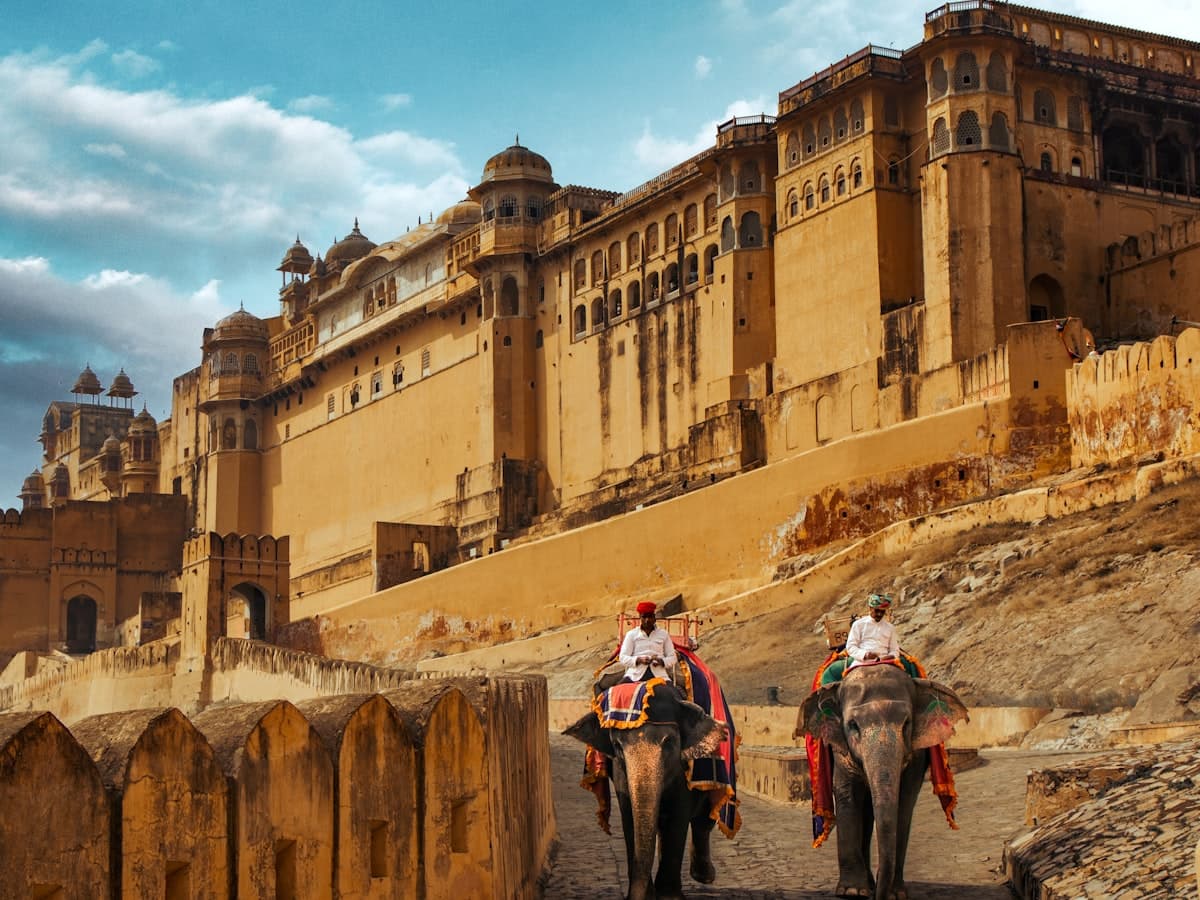
Jaipur
The morning is Amber Fort, on its ridge above the lake, reached on foot or by jeep up the ramp. Inside are the mirrored hall, the painted gates and the older palace behind. Back in the city, a drive past the Hawa Mahal and a walk through the bazaars around the City Palace fills the rest of the day. Your driver times the transfer to the airport or the train. This is the usual last day of a Golden Triangle trip.
Guest Stories
Real words from real journeys — rated 5.0 across 310 Google reviews.
“
An absolutely flawless experience. We felt like royalty from the moment we landed in Delhi until our departure.
Sarah & James
United Kingdom
“
Truly exceptional — Brijesh, our tour planner, was incredibly attentive, professional, and meticulous in organizing a flawless itinerary.
Milly Witcomb
United Kingdom
Mentions guide Brijesh
“
Nothing short of magical. Brijesh crafted a seamless itinerary that balanced sightseeing, culture, and relaxation, making our journey truly special.
Shakira Tabizi
United States
Mentions guide Brijesh
“
Everything went beyond our expectations. Our driver Rajesh kept us comfortable in every city, and Vicky was endlessly knowledgeable.
Melissa
Australia
Mentions guide Rajesh & Vicky
“
From the moment we landed until we left, our driver Manish made us feel so taken care of — he made the trip even more memorable.
Rossen Milanov
United States
Mentions guide Manish
“
Brijesh is a super good man! A comfortable journey through six cities, exactly to our desires and limits.
Michelle de Matheu
United States
Mentions guide Brijesh & Manish
“
Excellent hotels and tour guides. Our driver Manish was superb in every way — reliable, and full of local knowledge.
James Boochame
Australia
Mentions guide Manish
Chapter Five — Terms & Conditions
Cancellation windows, refund timing, and rescheduling terms for this journey follow our one sitewide policy — nothing package-specific to dig through.
Read the Return & Refund PolicyFrequently Asked
No — monsoon rain in this region tends to arrive in bursts rather than continuously, often in the late afternoon or evening, leaving much of the day clear for sightseeing.
For travellers who prioritise cooler weather, green landscapes and thinner crowds over guaranteed dry skies, yes. It's a genuine trade-off rather than simply a worse season.
Chapter Six — Similar Journeys
Before you go
Why Choose Us
01
This route was shaped around Golden Triangle's real places, not lifted from a fixed template.
13 years — Brijesh Sharma, Bespoke Itinerary Specialist
02
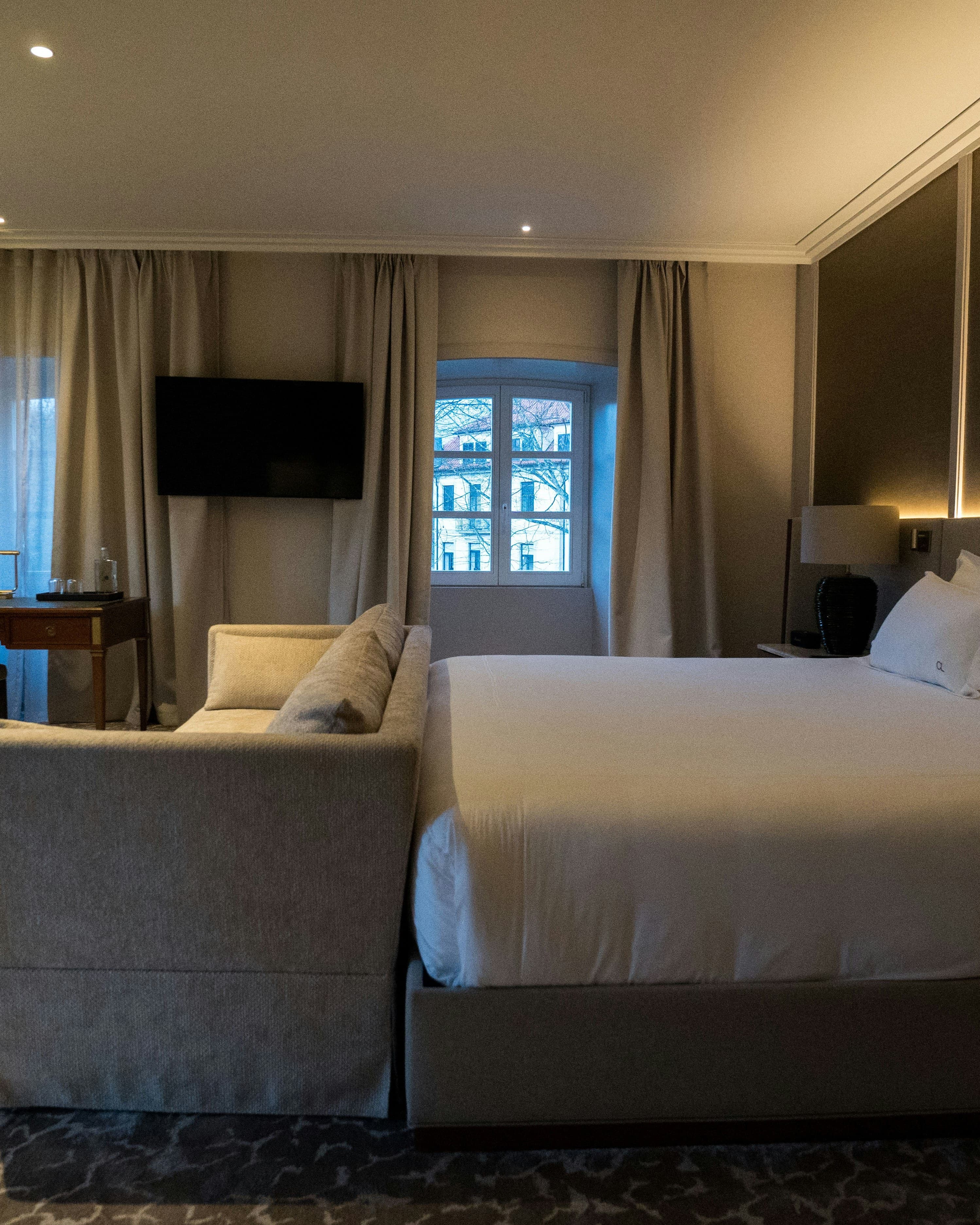
Every stay on this trip was chosen in person, not off a ratings page.
3 real stays, 4★
03
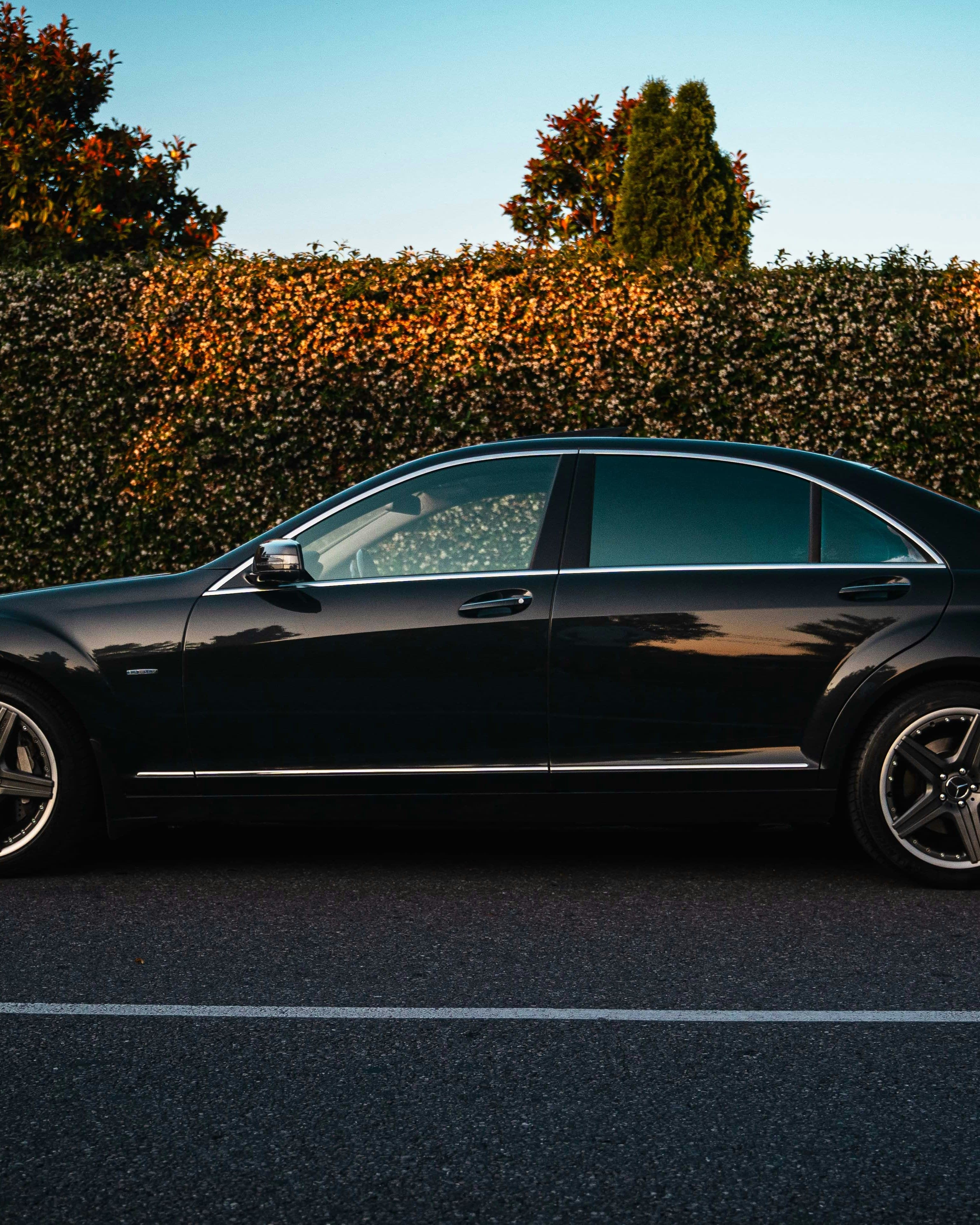
One driver, air-conditioned, for the whole route — no shared shuttle.
Premium sedans & SUVs · One driver, the whole trip

Kashmir to Kanyakumari
Get In Touch
Tell us your travel dates and group size — we'll confirm availability and refine this itinerary around you.