First, one night in Delhi
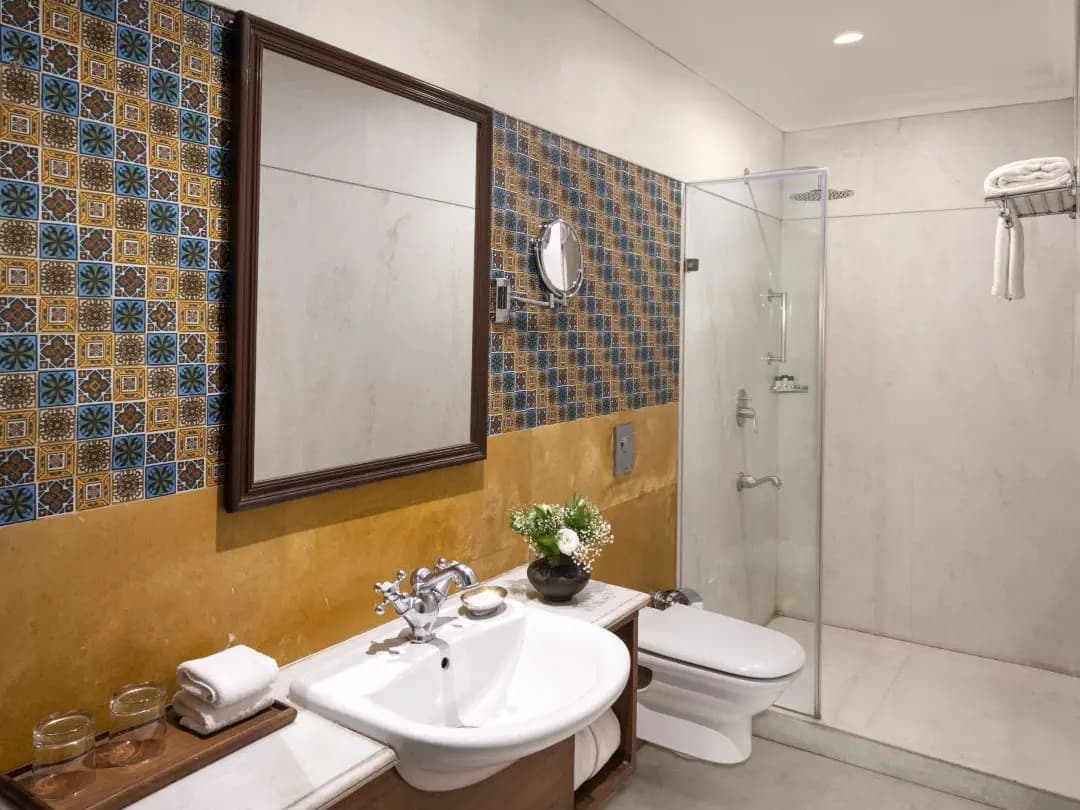
Haveli Dharampura
A UNESCO-awarded restored 19th-century haveli in the Chandni Chowk lanes — carved courtyards, a rooftop over the Jama Masjid, evening kathak.
Delhi · Hotel · Premium★★★★
About This Journey
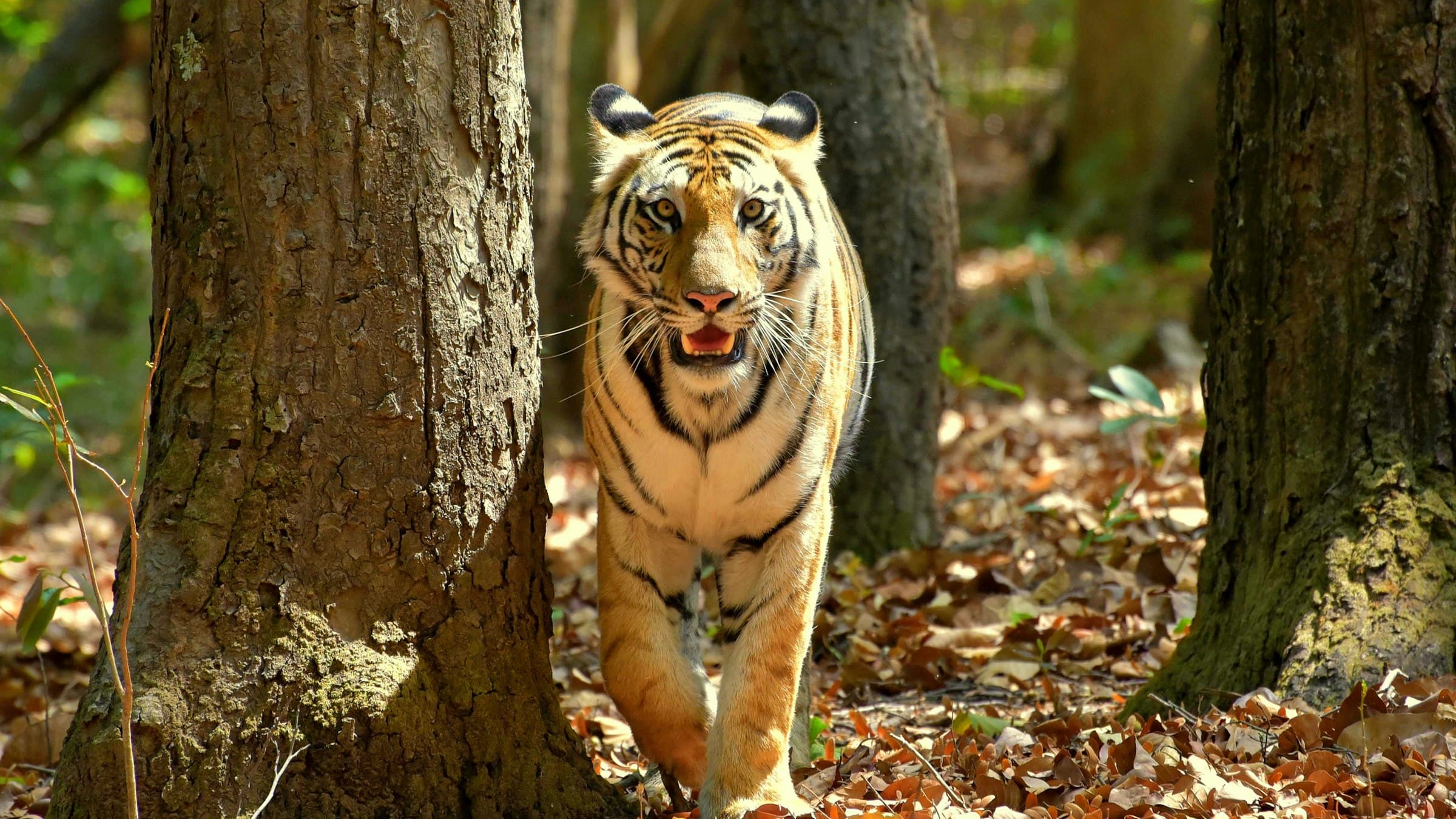
Seven days that give a family the classic Golden Triangle and something rarer: a real chance of seeing a tiger together, on foot in nothing but the memory, from an open jeep. You move through Delhi, Agra and Jaipur at a pace built for children as much as adults, then close in Ranthambore, where the forts give way to forest.
The history days are the ones most families already picture. Delhi's Mughal landmarks, the Taj at sunrise, Amber Fort's elephant-path ramparts, Jaipur's bazaars. What changes the trip is the finish. Two game drives through Ranthambore's dry deciduous forest, tracking tigers, sambar and crocodiles along its lakes, staying inside the reserve at a resort built specifically for wildlife travel.
Ranthambore is given a full day rather than a quick add-on, with morning and evening safaris by open-top gypsy through the reserve's forest and lake zones. Sightings are never guaranteed, but the extra drive roughly doubles the odds, and gives restless younger travellers a second chance if the first one is quiet.
Two nights at the Oberoi Vanyavilas Wildlife Resort, where each luxury tent has its own plunge pool and opens straight onto lawns bordering the reserve. It reads as an adventure to children and as genuine luxury to their parents, which is a rarer combination than it sounds.
Jaipur's morning at Amber Fort is one children tend to remember longest — the fort's hilltop approach, its mirrored halls, and the old elephant path up to the gate. It is followed by an easy afternoon in the Old City's bazaars, with room to browse rather than rush.
A short pre-safari briefing on Ranthambore's wildlife and what to look for can be arranged for younger travellers on request — useful for keeping a first safari engaging rather than just quiet and long.
Chapter Two — Where You'll Stay
Handpicked along your own route — not a hotel chain repeated city to city.
First, one night in Delhi
A UNESCO-awarded restored 19th-century haveli in the Chandni Chowk lanes — carved courtyards, a rooftop over the Jama Masjid, evening kathak.
Next, 2 nights in Agra
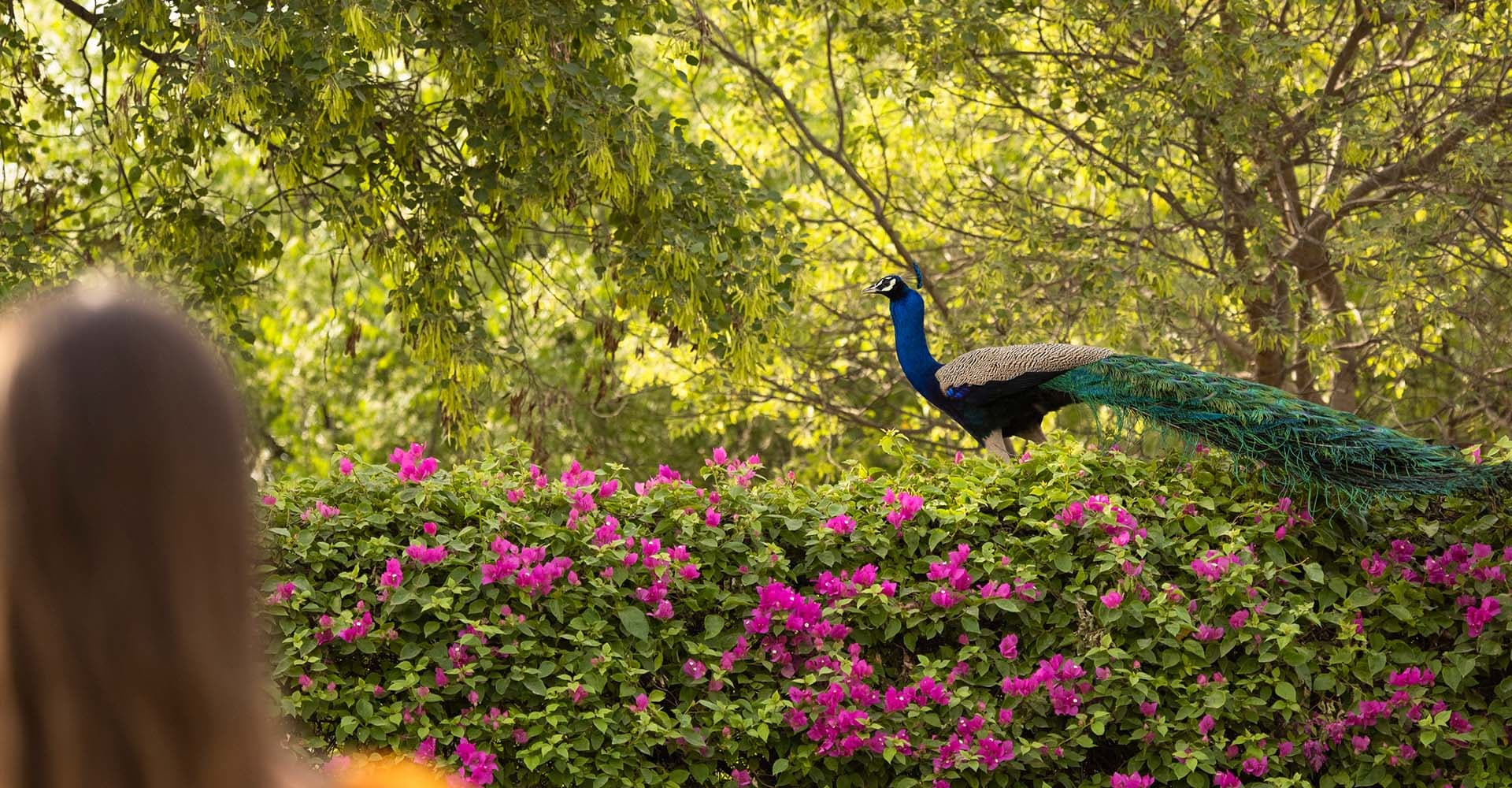
A low-rise garden hotel on Fatehabad Road, under 10 minutes from the Taj Mahal — Mughal-style courtyards, a pool and an Ayurvedic spa. The premium Agra stay.
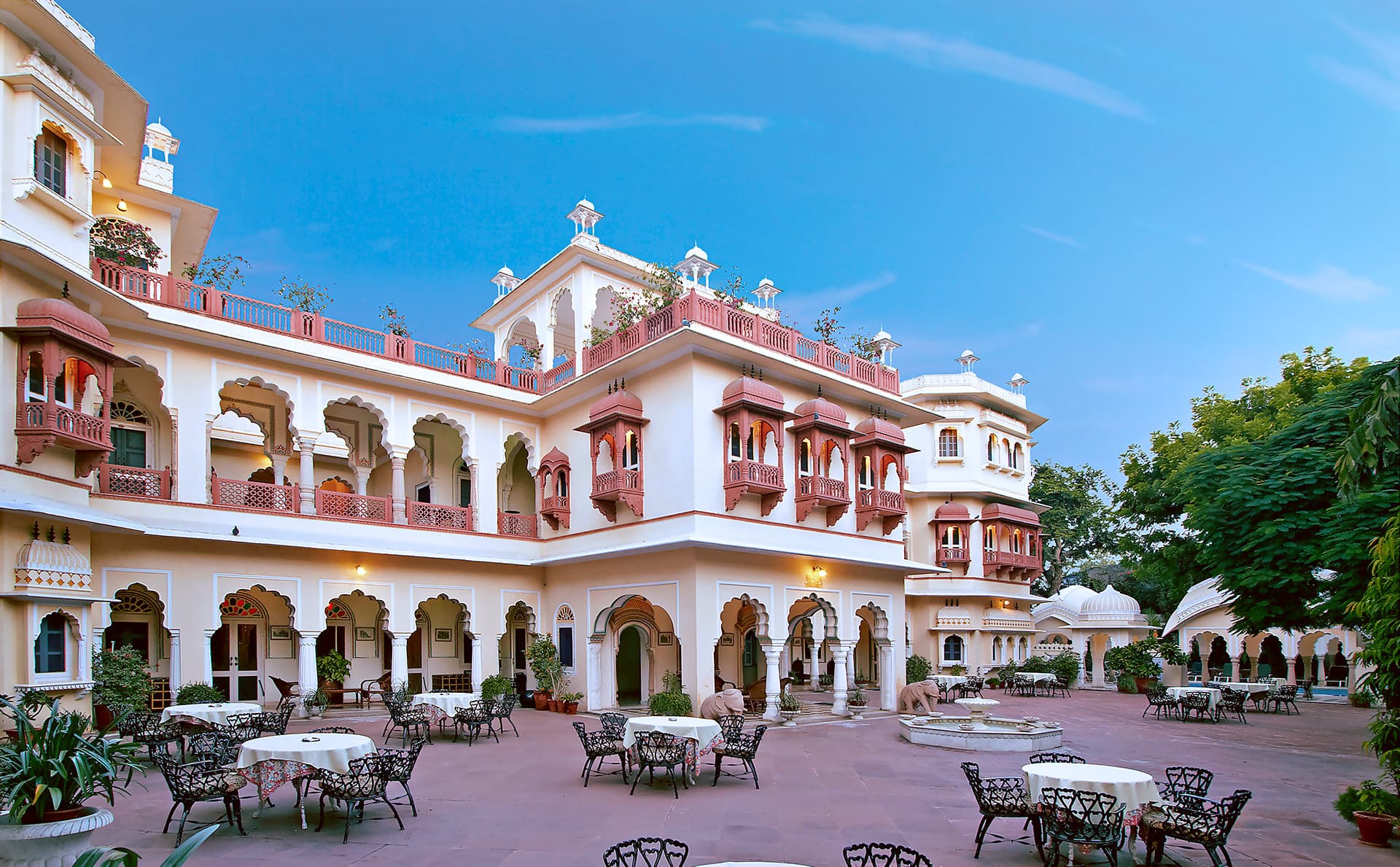
Next, 2 nights in Jaipur
Stay at Alsisar Haveli, Jaipur — an 1892 family-owned haveli with frescoed courtyards and a garden pool, on our premium Rajasthan tours.
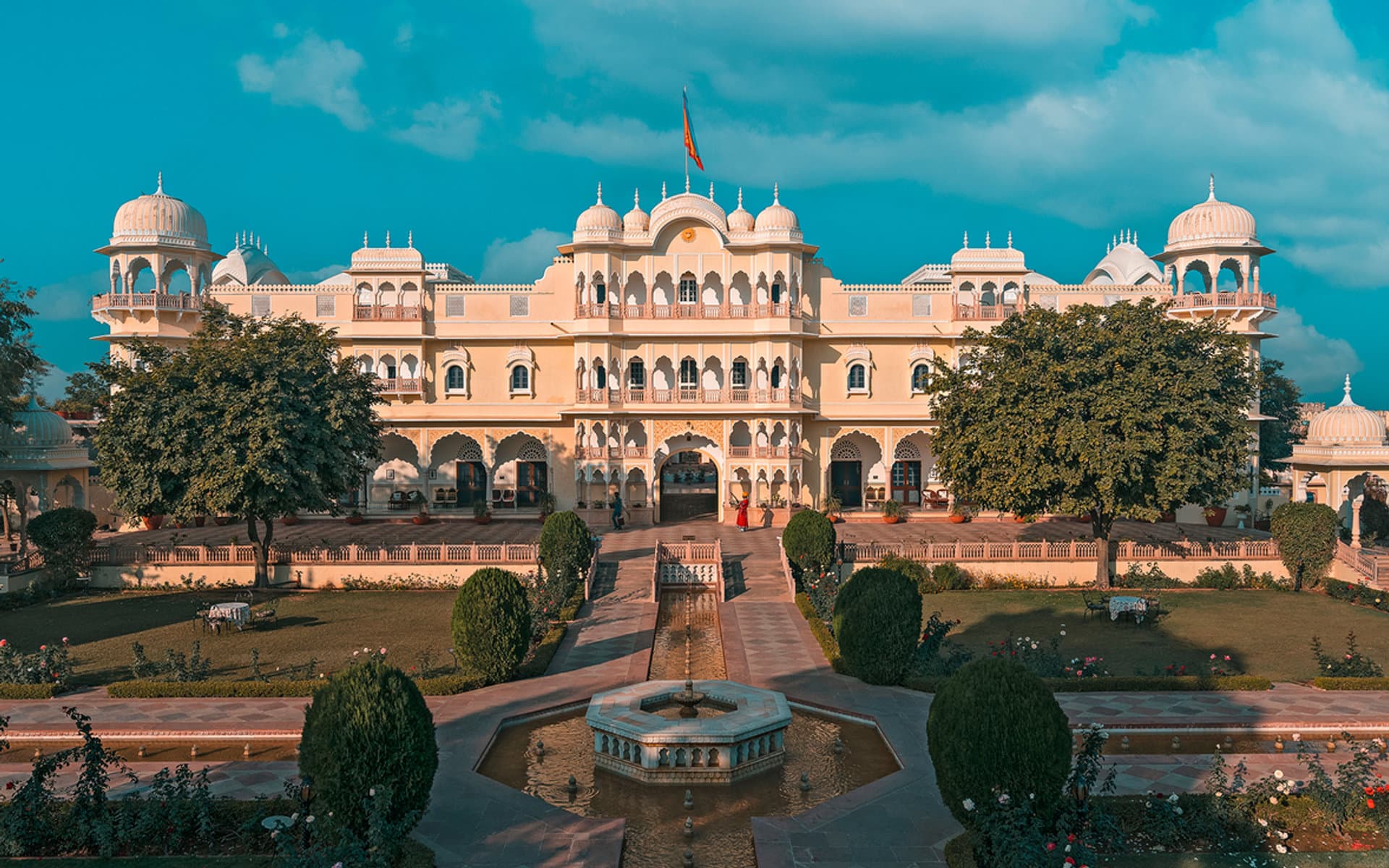
Finally, one night in Ranthambore
Nahargarh Ranthambhore is a fort-and-palace-style hotel near Ranthambore National Park — frescoed interiors, a Mughal garden, a pool and a spa.
Chapter Three — Day by Day
5 of your 7days — the full itinerary follows below. Scroll to travel the route.
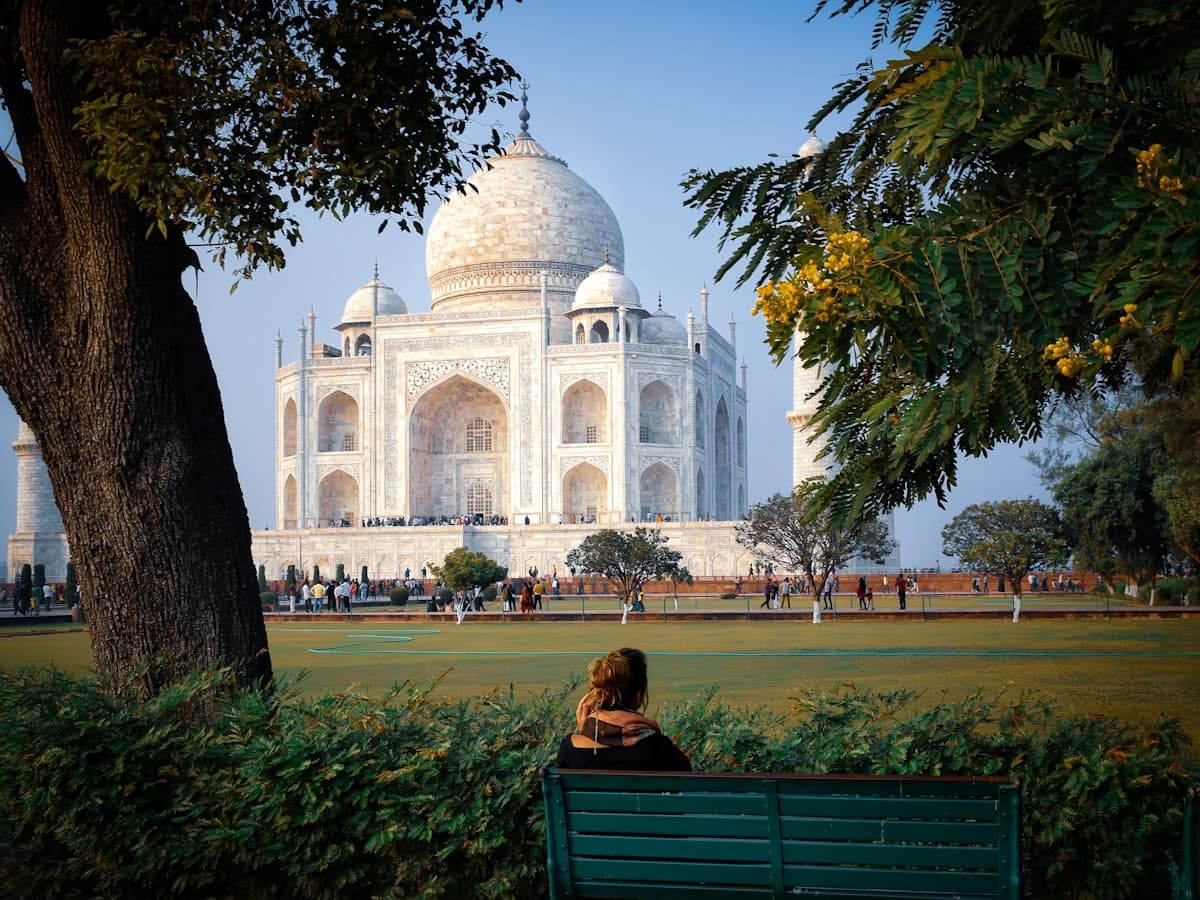
Day 2 · Delhi → Agra
The drive to Agra runs about 165 kilometres down the Yamuna Expressway and takes three to three and a half hours. It is flat, fast and unremarkable, which is the point — it replaced a full day on the old road. You reach Agra by early afternoon. The rest of the day is Agra Fort, in the long light, with the Taj Mahal visible downriver from its marble balconies — a first sight of it before tomorrow's sunrise.
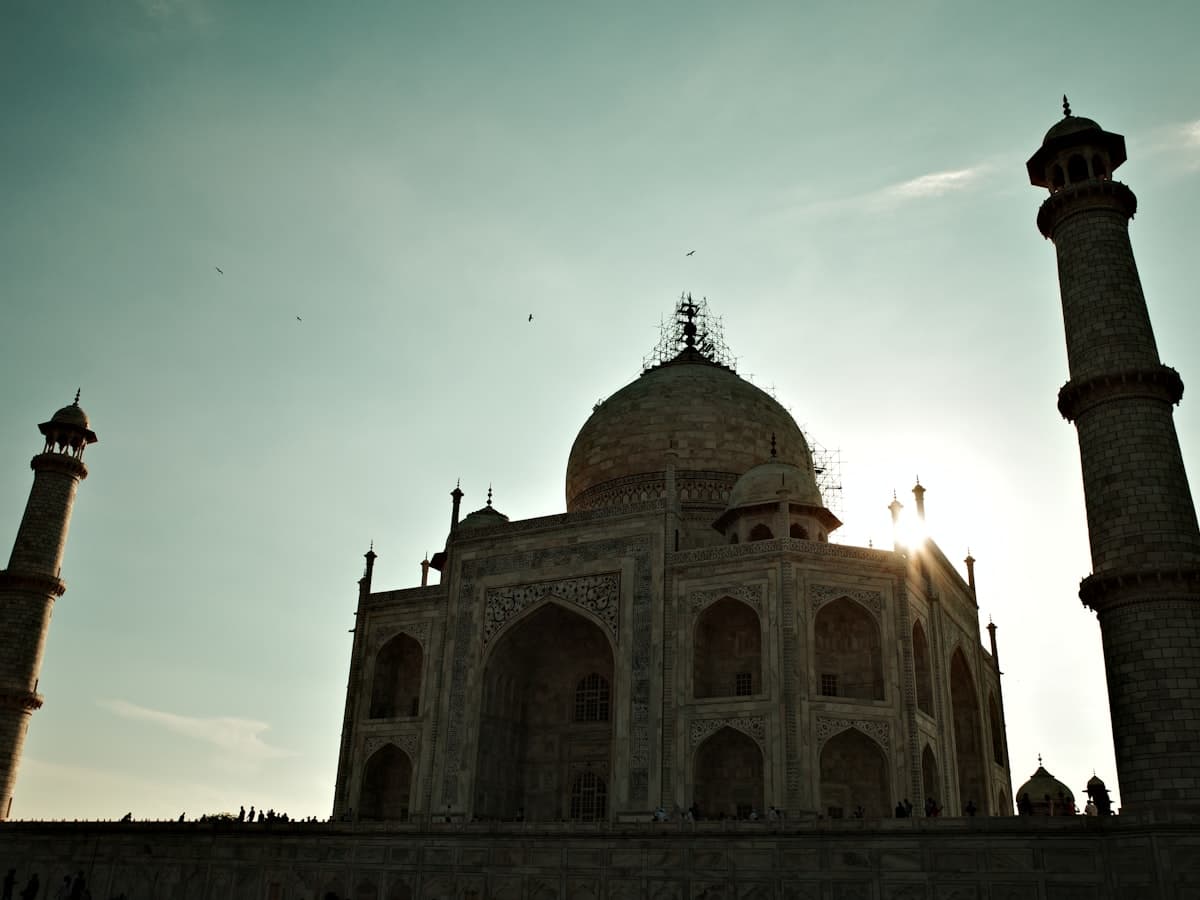
Day 3 · Agra
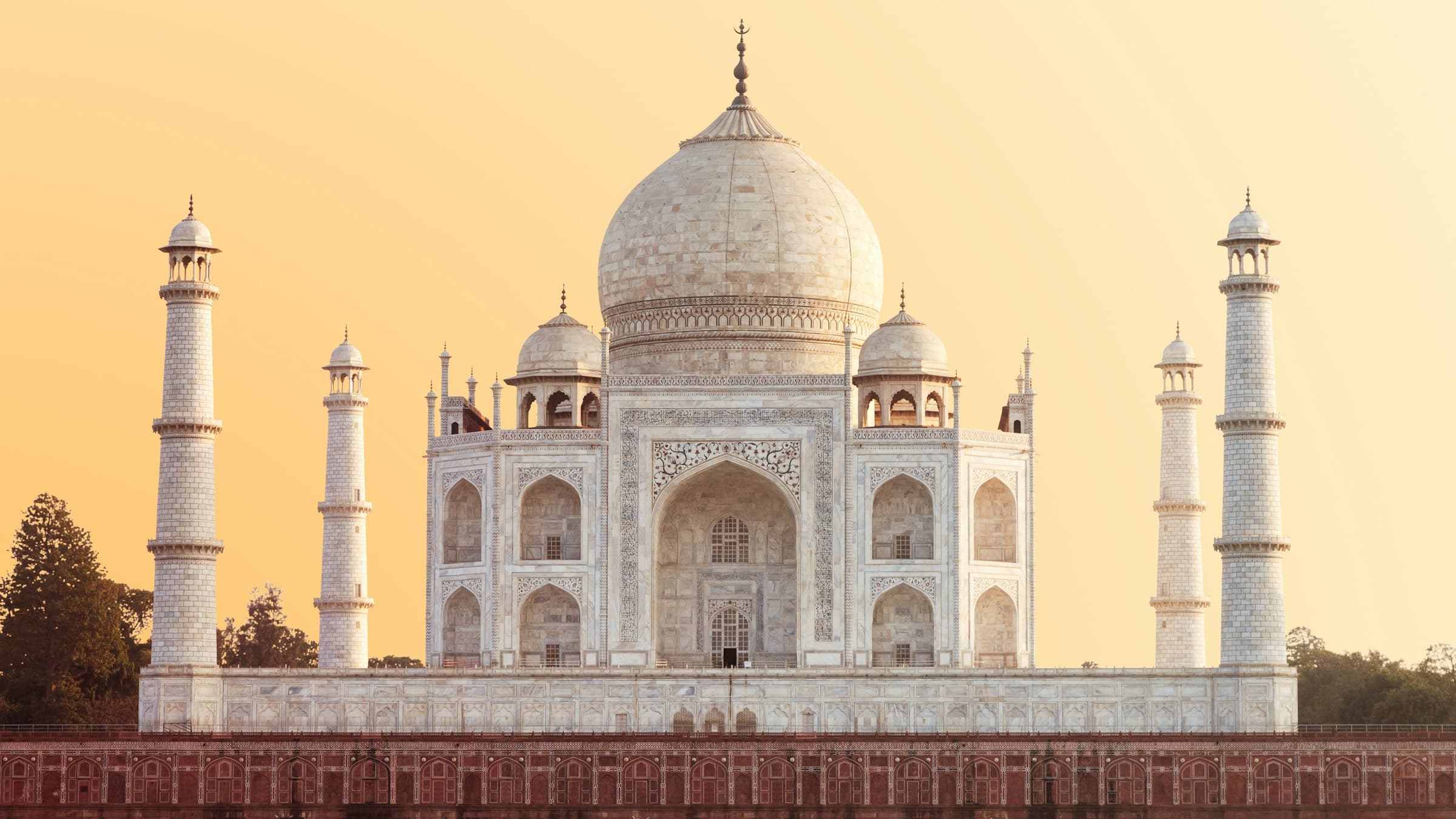
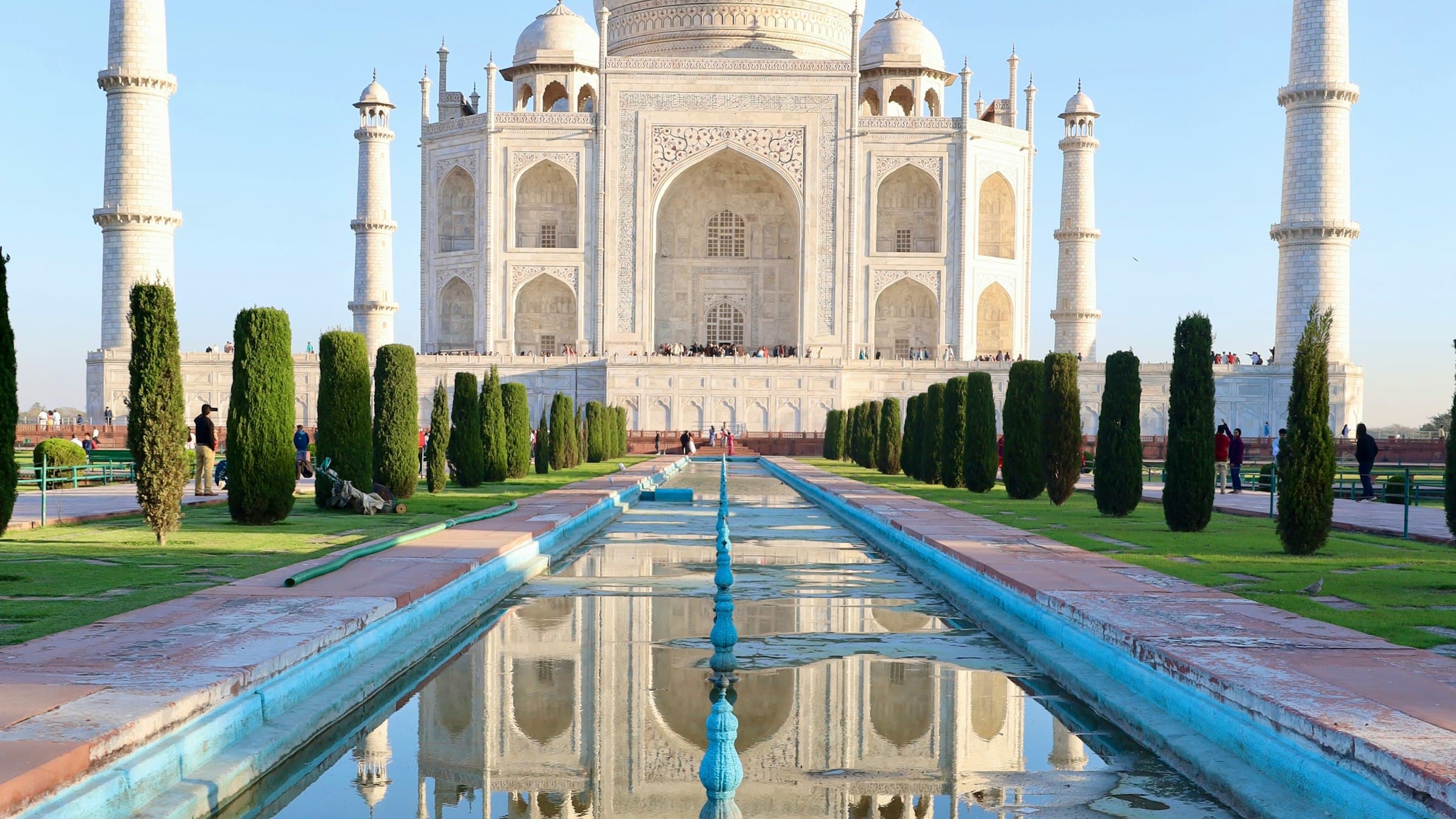
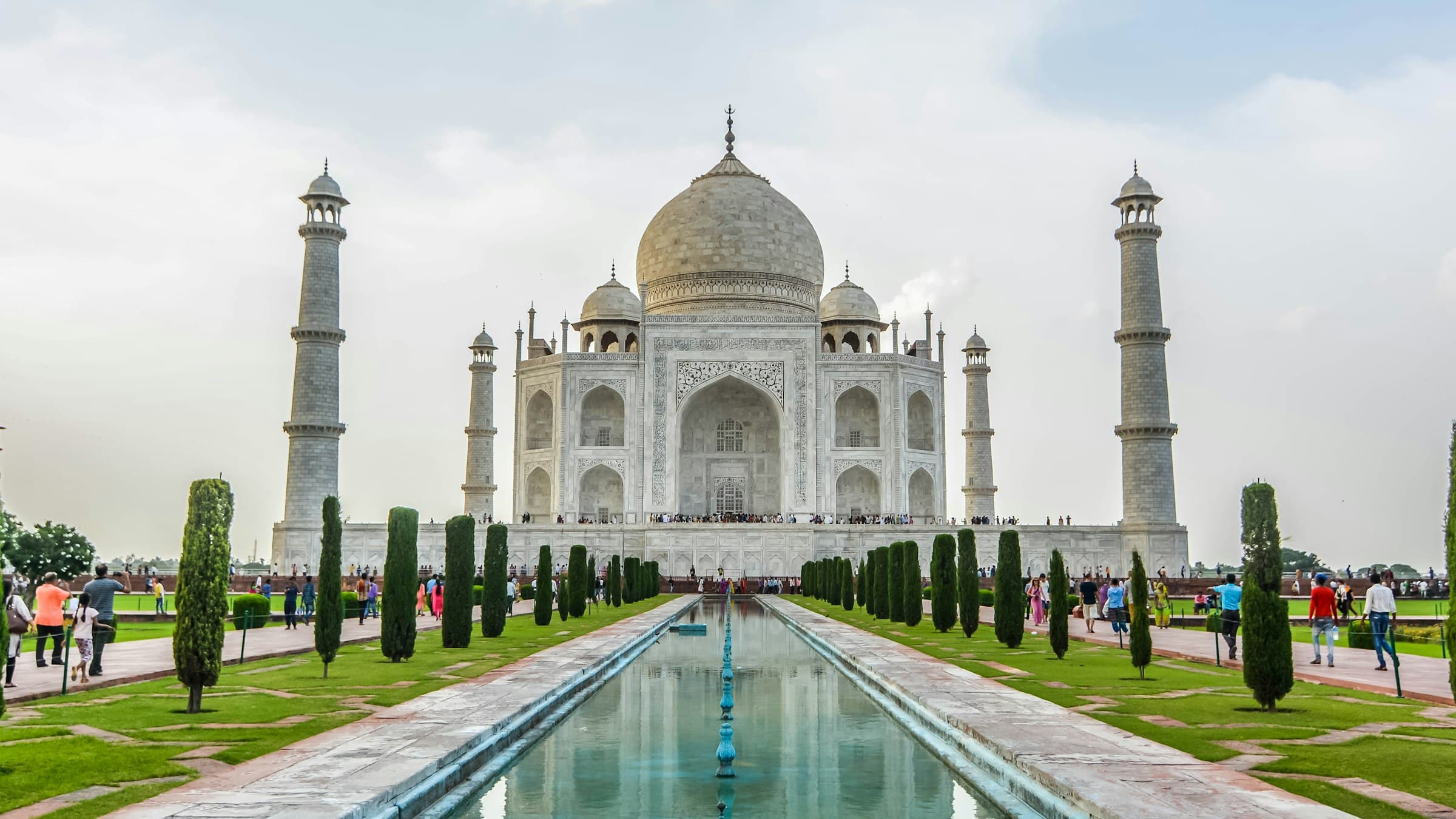
The gates open at first light, and the first hour is the coolest, the quietest and the best for photographs, as the marble shifts from grey to pink to white. A private guide handles the tickets and the queue. Back to the hotel for breakfast. The rest of the morning is Agra Fort, Akbar's red sandstone citadel, including the rooms where Aurangzeb held his father prisoner within sight of the Taj. The Taj is closed on Fridays.
Day 4 · Agra → Jaipur
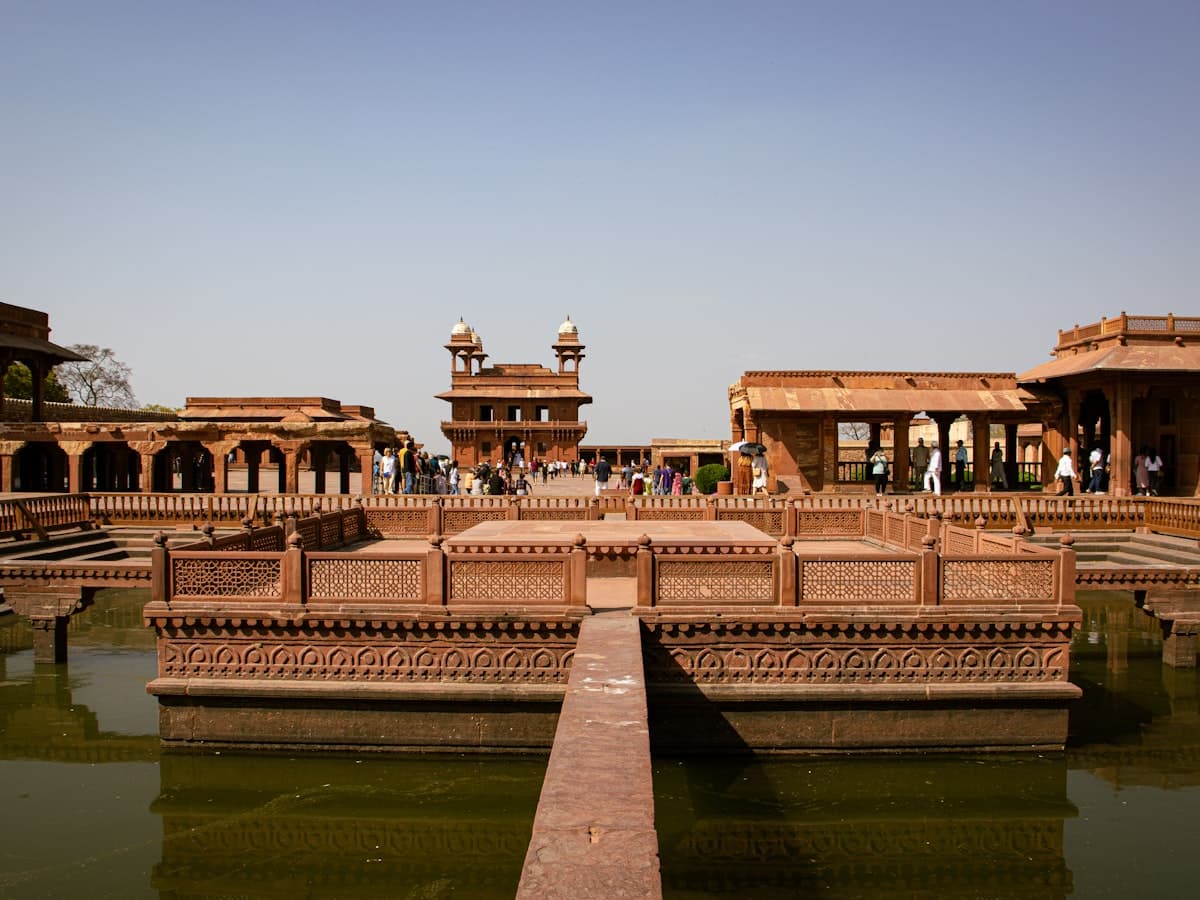
A morning drive out to Fatehpur Sikri, Akbar's capital of 1571, abandoned within twenty years and left almost untouched since. The Buland Darwaza is the tallest gateway in India. The road then runs on towards Jaipur. Near Abhaneri it passes Chand Baori, a stepwell that drops thirteen storeys into the ground. Its walls are a lattice of some 3,500 steps. It is one of the oldest and deepest in the country. Jaipur by evening, about five hours of driving in all.
Day 5 · Jaipur
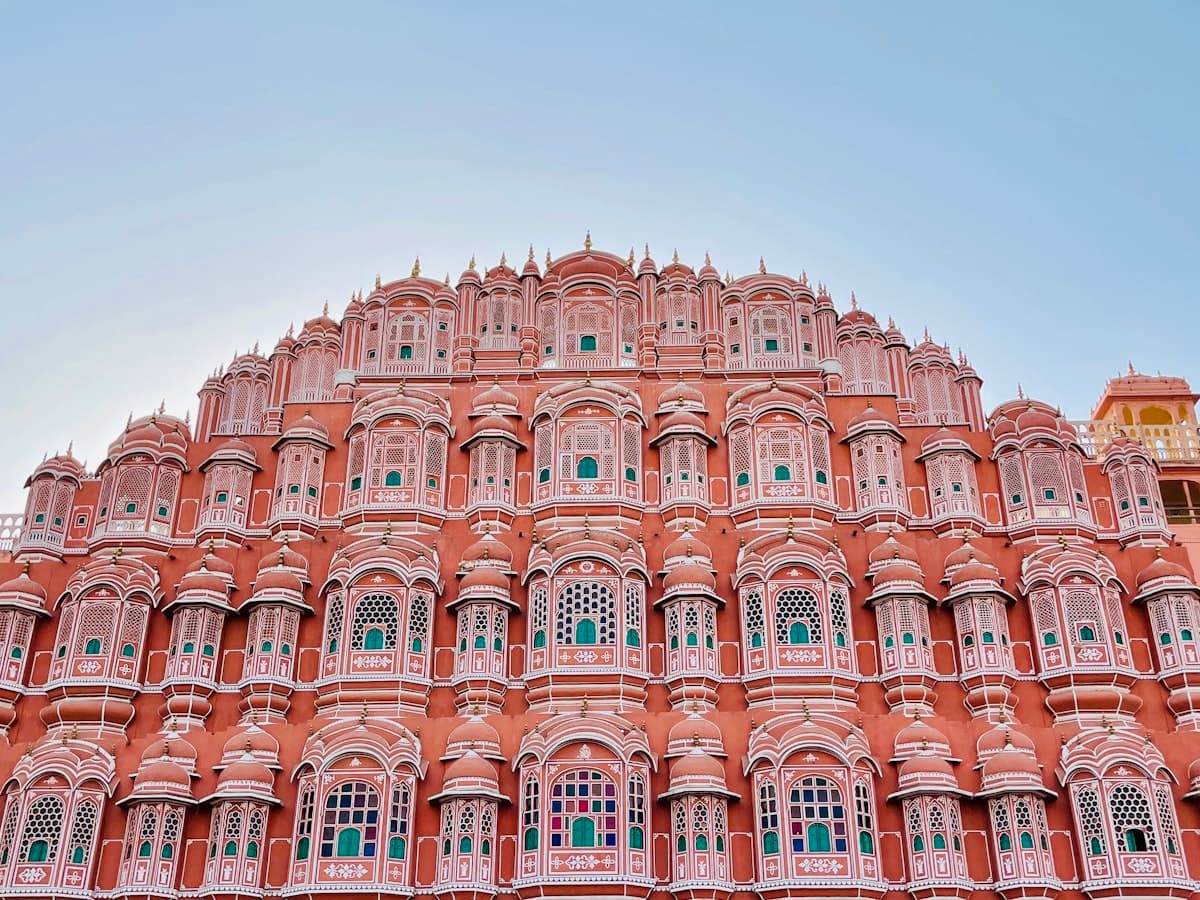
A full day built around Amber Fort. The fort sits on a hill above Maota Lake, begun in 1592 by Raja Man Singh I. Inside, Sheesh Mahal glitters — thousands of small mirror tiles set into the walls and ceiling, still catching light after four centuries. A guide walks you through Ganesh Pol, the fort's most ornate gate, before the afternoon opens up. Back in the old city, Johari Bazaar sells jewellery the way it has for generations, and Bapu Bazaar deals in block-printed textiles. Both are better explored slowly, with someone who knows which shops to trust.
Day 6 · Jaipur → Ranthambore
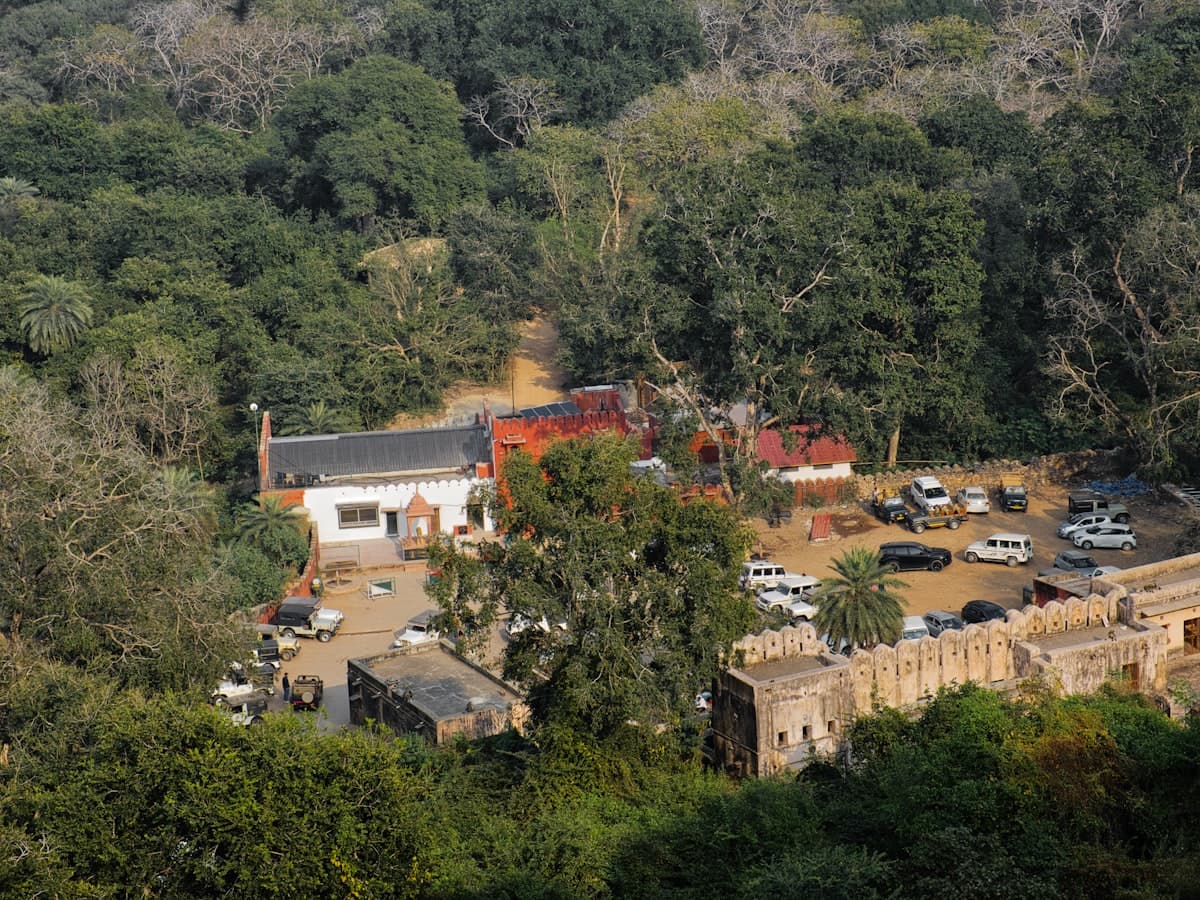
A morning drive south from Jaipur to Ranthambore, about 180 kilometres and four hours through the town of Tonk. The country turns dry and open along the way. Ranthambore was once the private hunting ground of Jaipur's rulers. It became a Project Tiger reserve in 1974 and a national park in 1980. You check in by early afternoon. An optional evening game drive can be added on the arrival day, or the evening kept free to settle in.
Chapter Four — The Full Itinerary
Every day, start to finish — including the transfers the day-by-day chapter above skipped.
Delhi
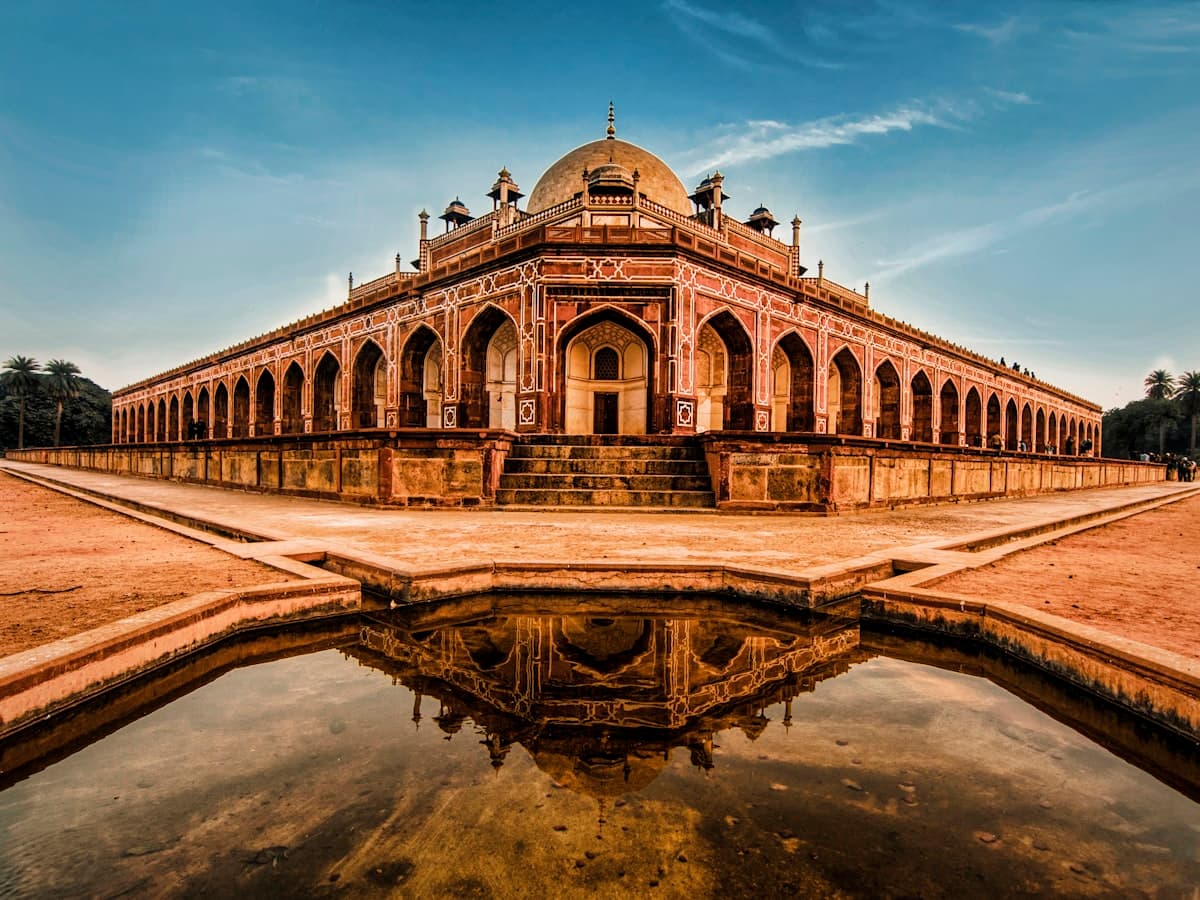
A private airport pickup in Delhi, then a first afternoon among the city's Mughal landmarks. Humayun's Tomb, finished in 1570, was the first great garden tomb built in India. Its design was later echoed in the Taj Mahal. Qutub Minar rises more than 70 metres and dates from the 12th century. It is the tallest brick minaret in the world. Old Delhi adds the Red Fort and the broad steps of the Jama Masjid. The evening is free before the drive to Rajasthan.
Delhi → Agra
The drive to Agra runs about 165 kilometres down the Yamuna Expressway and takes three to three and a half hours. It is flat, fast and unremarkable, which is the point — it replaced a full day on the old road. You reach Agra by early afternoon. The rest of the day is Agra Fort, in the long light, with the Taj Mahal visible downriver from its marble balconies — a first sight of it before tomorrow's sunrise.
Agra
The gates open at first light, and the first hour is the coolest, the quietest and the best for photographs, as the marble shifts from grey to pink to white. A private guide handles the tickets and the queue. Back to the hotel for breakfast. The rest of the morning is Agra Fort, Akbar's red sandstone citadel, including the rooms where Aurangzeb held his father prisoner within sight of the Taj. The Taj is closed on Fridays.
Agra → Jaipur
A morning drive out to Fatehpur Sikri, Akbar's capital of 1571, abandoned within twenty years and left almost untouched since. The Buland Darwaza is the tallest gateway in India. The road then runs on towards Jaipur. Near Abhaneri it passes Chand Baori, a stepwell that drops thirteen storeys into the ground. Its walls are a lattice of some 3,500 steps. It is one of the oldest and deepest in the country. Jaipur by evening, about five hours of driving in all.
Jaipur
A full day built around Amber Fort. The fort sits on a hill above Maota Lake, begun in 1592 by Raja Man Singh I. Inside, Sheesh Mahal glitters — thousands of small mirror tiles set into the walls and ceiling, still catching light after four centuries. A guide walks you through Ganesh Pol, the fort's most ornate gate, before the afternoon opens up. Back in the old city, Johari Bazaar sells jewellery the way it has for generations, and Bapu Bazaar deals in block-printed textiles. Both are better explored slowly, with someone who knows which shops to trust.
Jaipur → Ranthambore
A morning drive south from Jaipur to Ranthambore, about 180 kilometres and four hours through the town of Tonk. The country turns dry and open along the way. Ranthambore was once the private hunting ground of Jaipur's rulers. It became a Project Tiger reserve in 1974 and a national park in 1980. You check in by early afternoon. An optional evening game drive can be added on the arrival day, or the evening kept free to settle in.
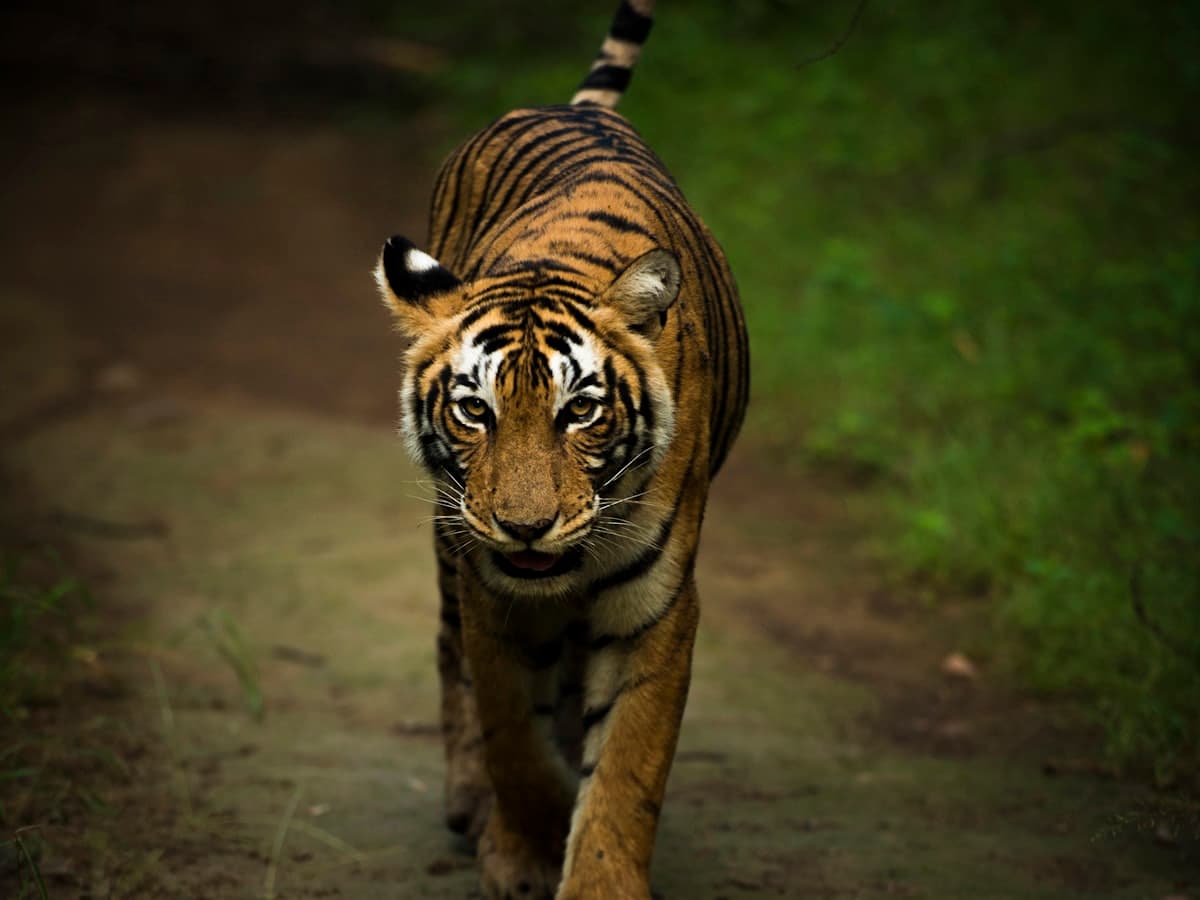
Ranthambore
Two game drives today, one soon after dawn and one in the late afternoon. Those are the hours when tigers move. The park is divided into ten zones, and zones one to five hold the core forest and most sightings. Between drives, there is time for Ranthambore Fort. It was begun in the 10th century and stands on a high crag inside the park. Its gateways and domed chhatris look down over Padam Talao, the largest of the park lakes. The Trinetra Ganesh temple inside the walls still draws pilgrims every Wednesday.
Guest Stories
Real words from real journeys — rated 5.0 across 310 Google reviews.
“
An absolutely flawless experience. We felt like royalty from the moment we landed in Delhi until our departure.
Sarah & James
United Kingdom
“
Truly exceptional — Brijesh, our tour planner, was incredibly attentive, professional, and meticulous in organizing a flawless itinerary.
Milly Witcomb
United Kingdom
Mentions guide Brijesh
“
Nothing short of magical. Brijesh crafted a seamless itinerary that balanced sightseeing, culture, and relaxation, making our journey truly special.
Shakira Tabizi
United States
Mentions guide Brijesh
“
Everything went beyond our expectations. Our driver Rajesh kept us comfortable in every city, and Vicky was endlessly knowledgeable.
Melissa
Australia
Mentions guide Rajesh & Vicky
“
From the moment we landed until we left, our driver Manish made us feel so taken care of — he made the trip even more memorable.
Rossen Milanov
United States
Mentions guide Manish
“
Brijesh is a super good man! A comfortable journey through six cities, exactly to our desires and limits.
Michelle de Matheu
United States
Mentions guide Brijesh & Manish
“
Excellent hotels and tour guides. Our driver Manish was superb in every way — reliable, and full of local knowledge.
James Boochame
Australia
Mentions guide Manish
Chapter Five — Terms & Conditions
Cancellation windows, refund timing, and rescheduling terms for this journey follow our one sitewide policy — nothing package-specific to dig through.
Read the Return & Refund PolicyFrequently Asked
Yes, it is built with families in mind — short driving days, a resort with space to roam at Ranthambore, and safaris timed for cooler, more comfortable hours. Ranthambore National Park sets a minimum age of five for safari entry, which is worth checking against your children's ages when you enquire.
No safari can guarantee a sighting — Ranthambore is wild, not a zoo. Two drives across the trip meaningfully improve the odds, and the reserve is genuinely one of India's more reliable parks for tiger sightings.
October to June, when the park is open. The drier months from March onward tend to bring wildlife closer to the waterholes, making sightings somewhat more likely, though days are hotter.
Chapter Six — Similar Journeys
Other ways to see it
Before you go
Why Choose Us
01
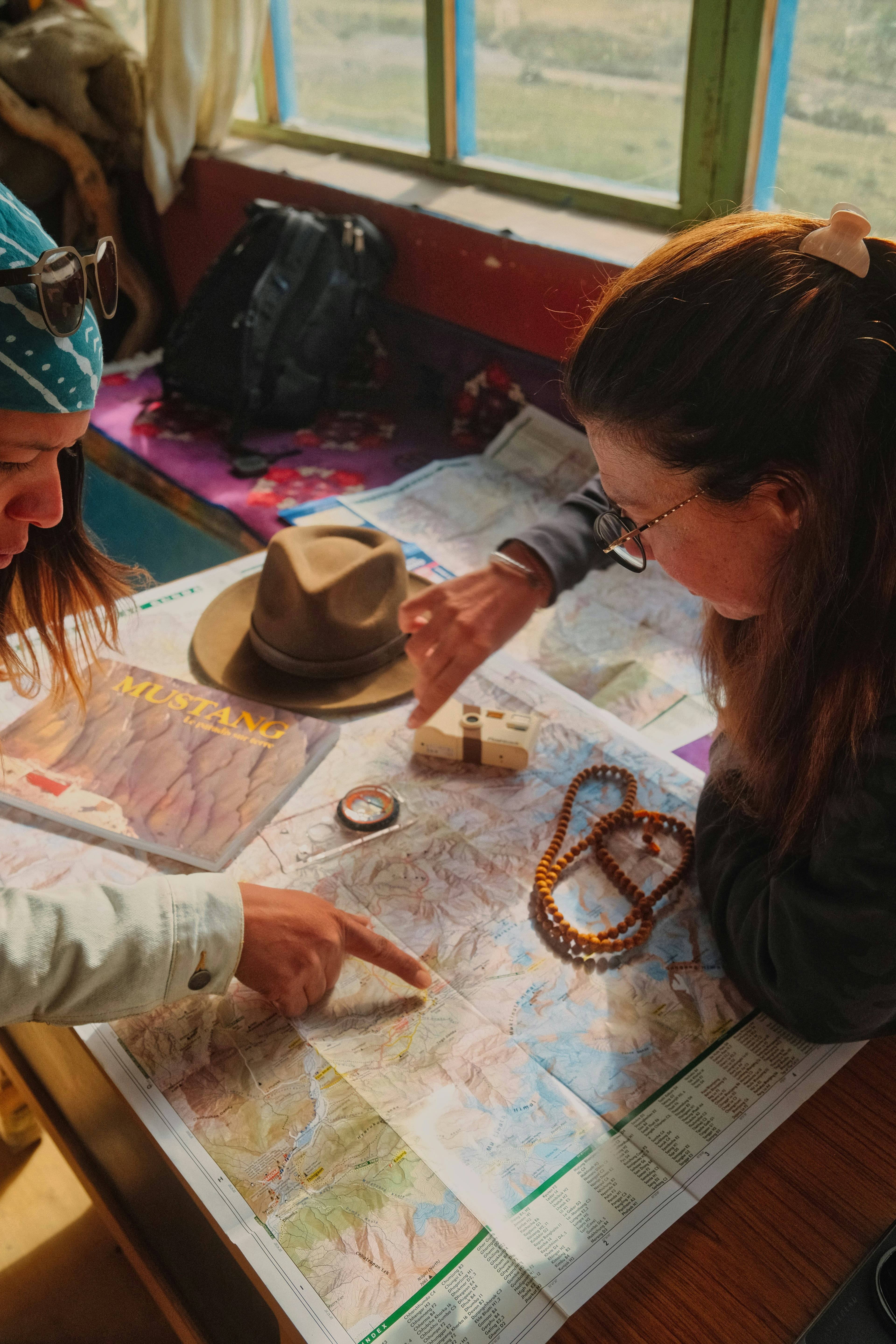
This route was shaped around Golden Triangle & Ranthambore's real places, not lifted from a fixed template.
13 years — Brijesh Sharma, Bespoke Itinerary Specialist
02
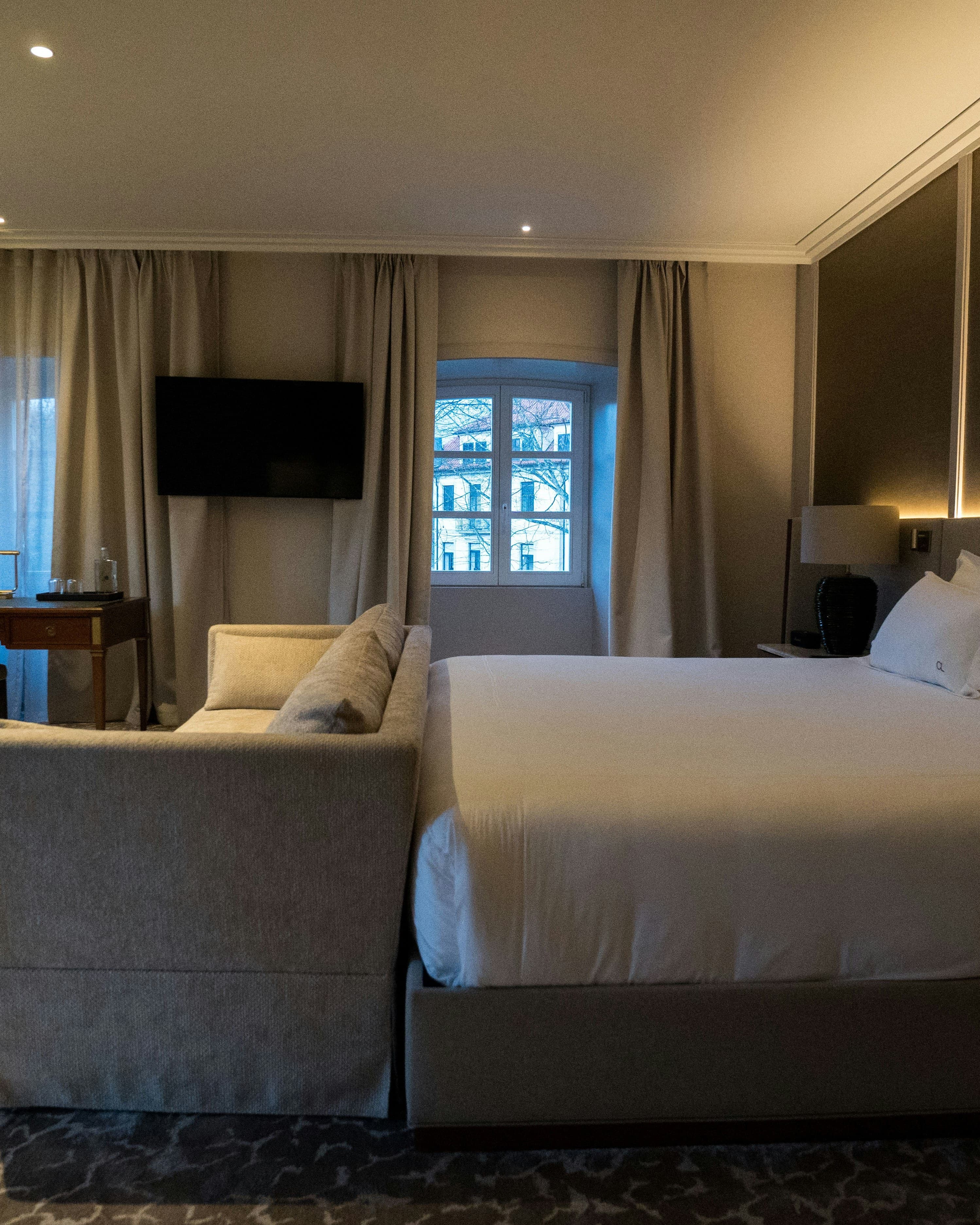
Every stay on this trip was chosen in person, not off a ratings page.
4 real stays, 4★
03
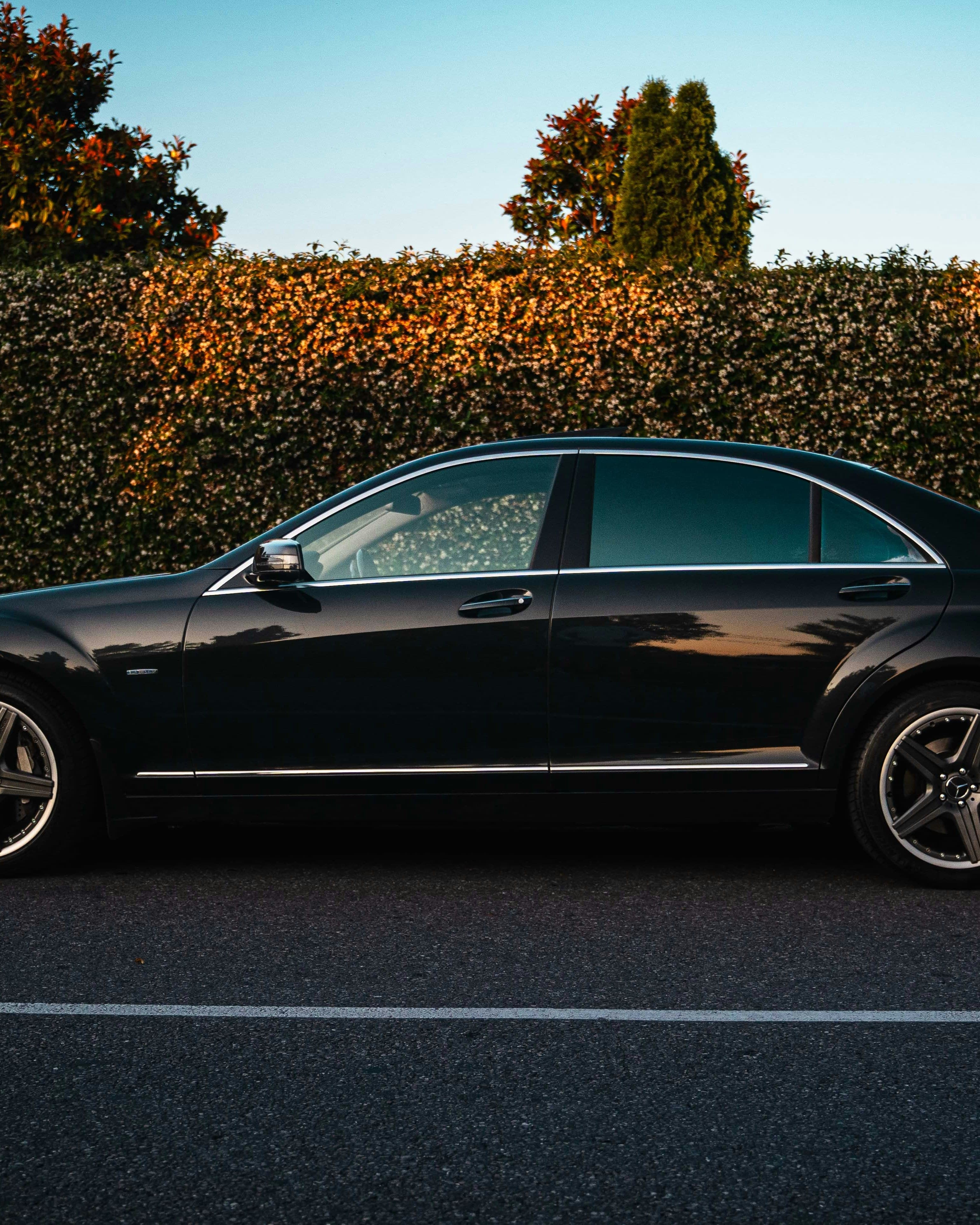
One driver, air-conditioned, for the whole route — no shared shuttle.
Premium sedans & SUVs · One driver, the whole trip

Kashmir to Kanyakumari
Get In Touch
Tell us your travel dates and group size — we'll confirm availability and refine this itinerary around you.