
Srinagar to Leh · 14 Days
Kashmir & Ladakh — the Grand Traverse
The unhurried traverse — Srinagar, the drive to Leh, and the far corners of Ladakh: Nubra, the border village of Turtuk, and Pangong, with rest built in.
Day by Day
14 Days, In Full
The fullest version of the Srinagar-to-Ladakh journey. Three nights in Srinagar for the lakes, the gardens and the old city. The drive over the passes to Leh, and three nights there to adjust and to see the monasteries. Then the far north: the Nubra Valley for the dunes and the camels, a day out to Turtuk, a Balti village that was in Pakistan until 1971, and east to Pangong Lake. It is paced so that the two big driving days each have an easier one beside them. Fourteen days, and the whole of the two regions.
Srinagar
Arrive in Srinagar and a First Shikara on Dal Lake
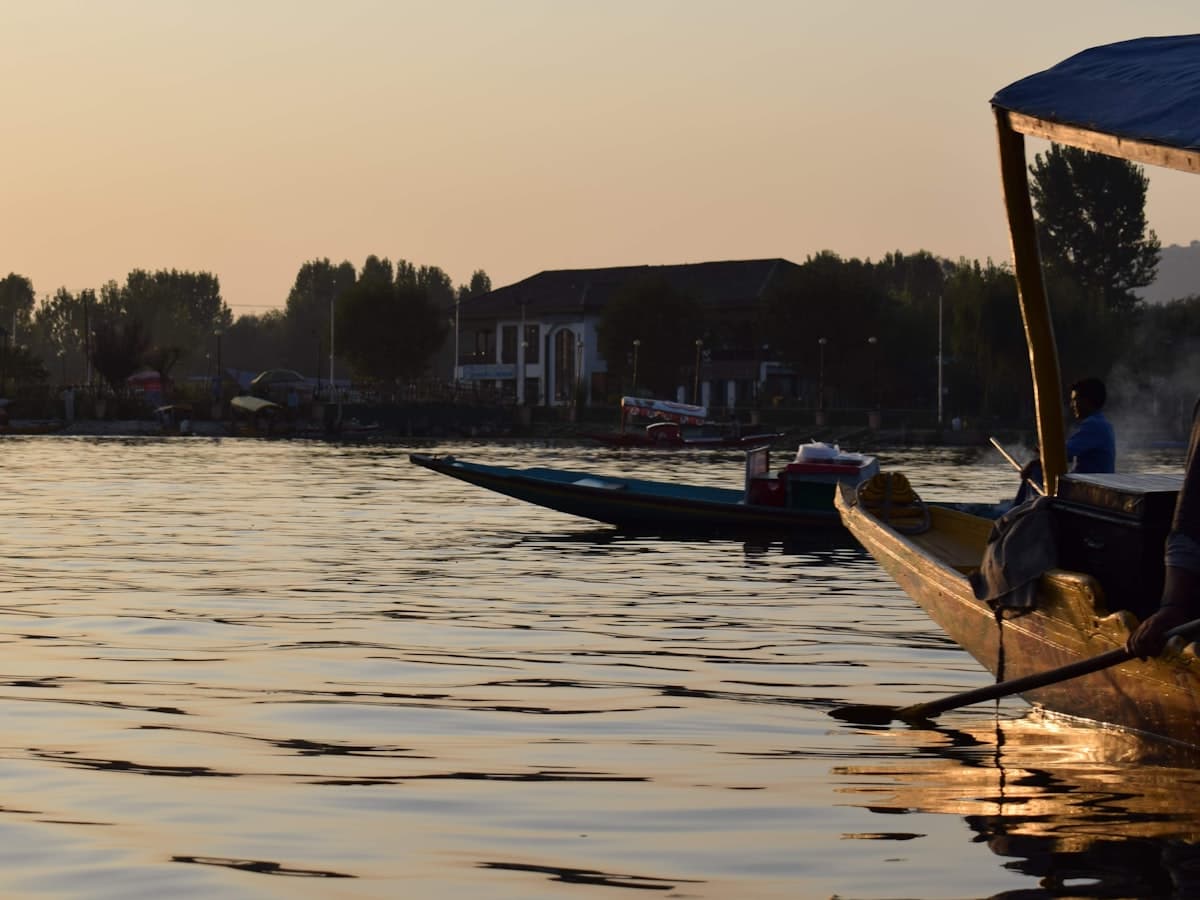
You land at Srinagar and drive to the lake, twenty minutes or so. The afternoon is easy. A shikara ride on Dal Lake is the way to start: a slow paddle past the houseboats, into the lanes of the floating gardens, out to open water for the light on the mountains. Back on shore there is time for tea and a walk along the boulevard. The evening is free. Srinagar sits at about 1,600 metres, so the air is cool even in summer.
Srinagar
Srinagar — the Mughal Gardens and Pari Mahal
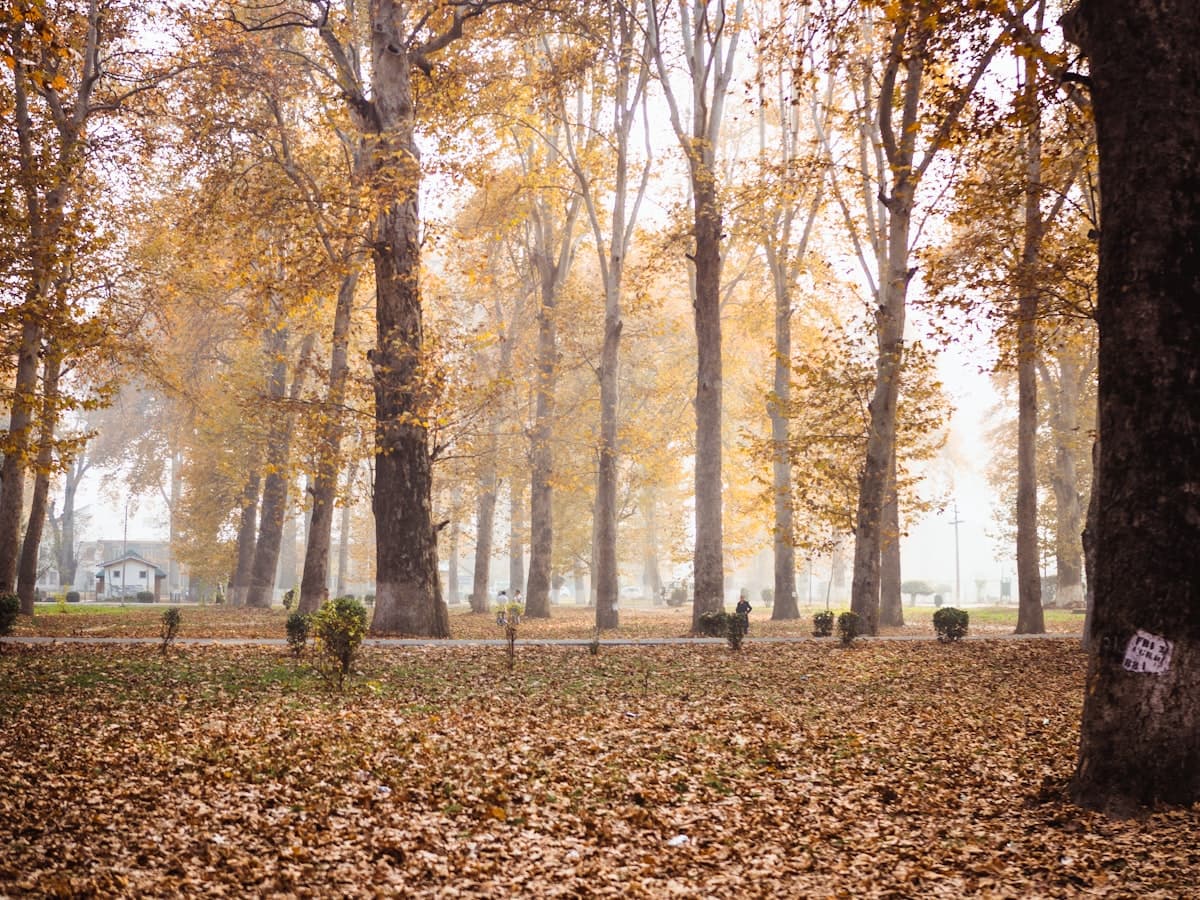
A day along the eastern shore of the lake, where the Mughal emperors built their gardens. Nishat Bagh climbs the hillside in twelve terraces, one for each sign of the zodiac. Shalimar Bagh, built by Jahangir for Nur Jahan, runs water down a central channel between chinar trees. Chashme Shahi is small and built around a spring. Above them, Pari Mahal is a terraced ruin with the best view in the city. The afternoon can add the tulip garden in season, or a carpet workshop.
Srinagar
Srinagar — the Old City, Hazratbal and Shankaracharya
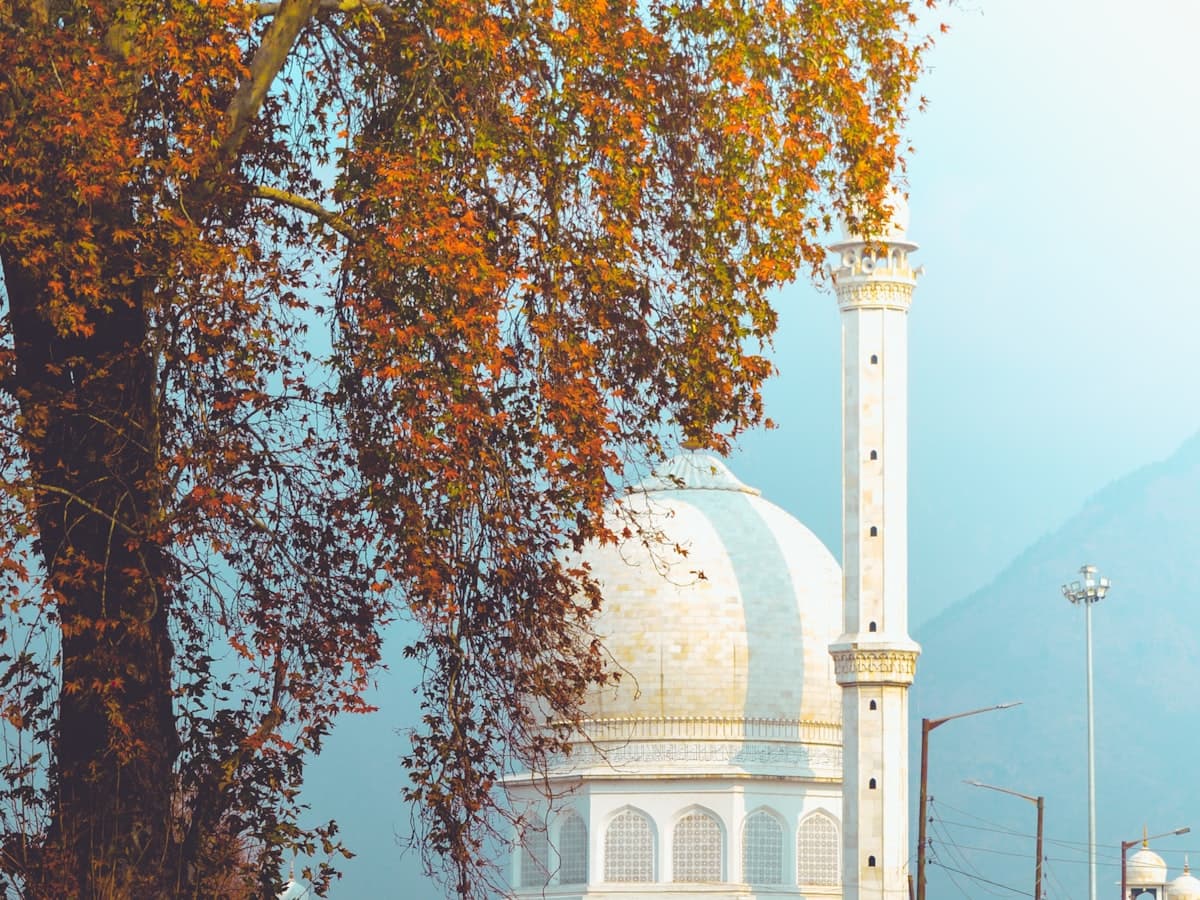
A day in the older parts of Srinagar. The Shankaracharya temple sits on a hill above the city, up a long stair, for a wide view over the lake and the valley. Hazratbal, the white marble shrine on the western shore, holds a relic of the Prophet and looks straight across the water to the mountains. In the old city, downtown, a walk on foot takes in the wooden Jamia Masjid, the riverside shrines, and workshops for papier-mache and copper. It is the day that shows how the city lives.
Srinagar → Kargil
Srinagar to Kargil — Over Zoji La
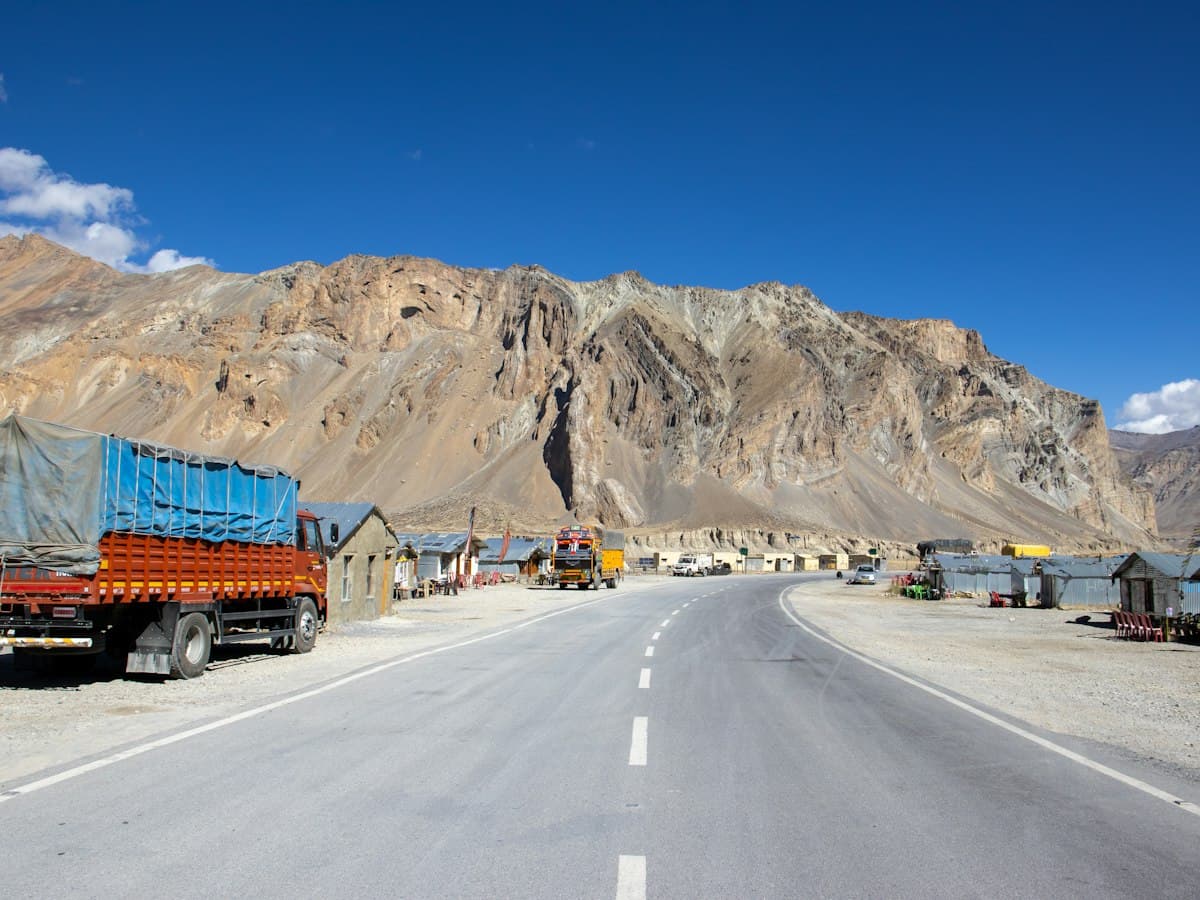
The first day of the overland to Ladakh, and a long one. The road leaves the Kashmir valley at Sonamarg, then climbs the switchbacks of Zoji La, at about three and a half thousand metres the second-highest pass on the route and the one that closes the road all winter. Beyond it the landscape turns bare and brown. Drass, soon after, records some of the lowest temperatures of any inhabited place on earth, and has a memorial to the 1999 conflict on the ridges above. Kargil, the old caravan town on the Suru river, is the night stop. The drive takes most of the day, and an early start matters.
Kargil → Leh
Kargil back to Leh — Mulbekh, Lamayuru & the Sham Valley
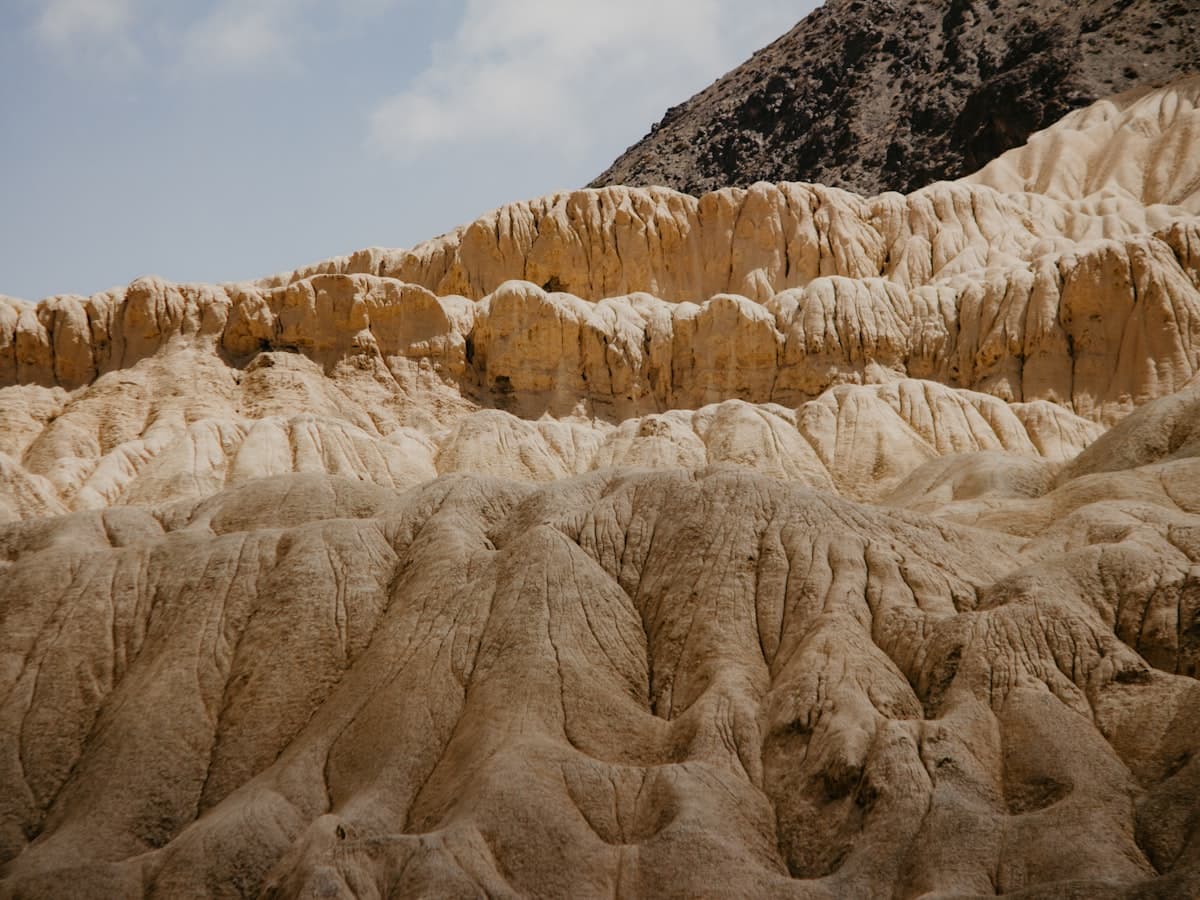
The return drive east, retracing the Srinagar road but stopping at whatever you skipped on the way out. The Mulbekh Buddha, if you missed it. Lamayuru again, or Rizong, or the Alchi paintings if there is time. The road climbs back over Fotu La and Namika La and drops into the Sham valley. It is a full day of driving, six to seven hours plus stops, with the altitude rising the whole way. Back in Leh by evening.
Leh
Arrive in Leh — Rest and Acclimatise
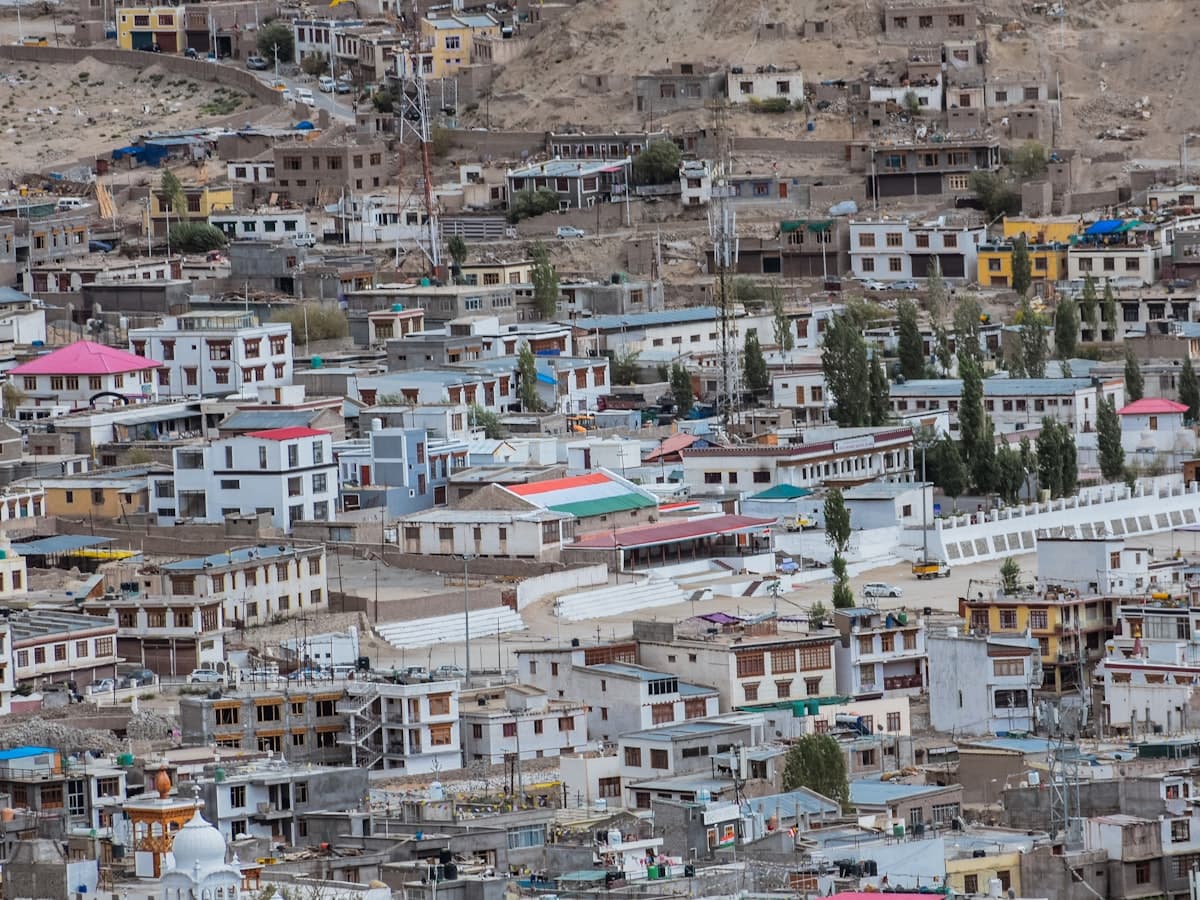
You fly into Leh in the early morning, over the main Himalayan range. The airport sits at 3,500 metres, so the first day is a rest day, and this is not optional. Your guide checks you in and asks you to do very little. Drink water, eat lightly, sleep if you can. A short, slow walk to Leh market in the afternoon is as much as you should do. Giving the body a full day here now prevents altitude sickness later.
Leh
Leh — Old Town, Palace and Shanti Stupa
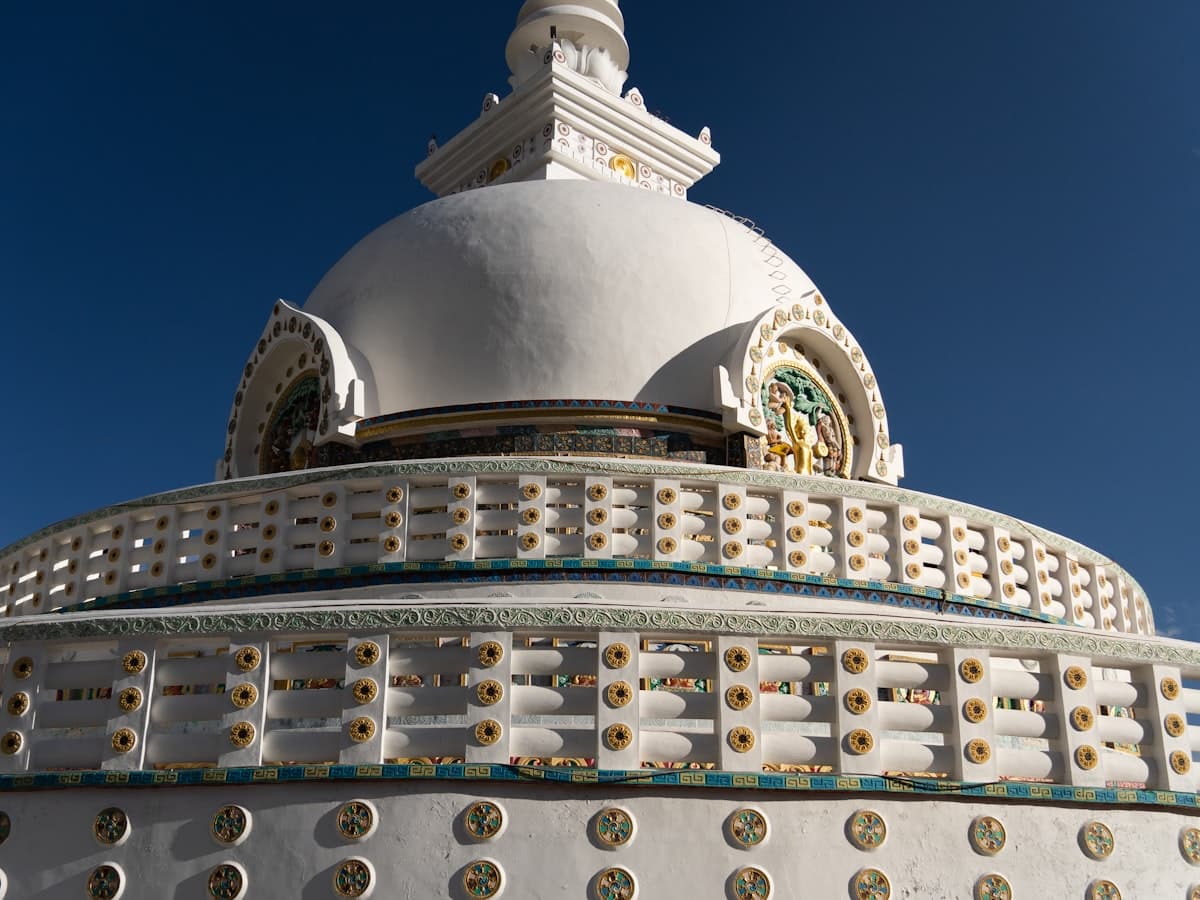
A gentle first full day, still close to the hotel. The morning is Leh's old town: the bazaar, the mosque, and the nine-storey palace above it. The climb through the palace floors is slow but short. In the afternoon, drive up to Shanti Stupa for the view over the valley. Sankar Monastery, a working gompa a short way from the centre, fills any spare time. An early night before tomorrow's monastery run.
Leh
The Indus Valley Monasteries — Thiksey and Hemis
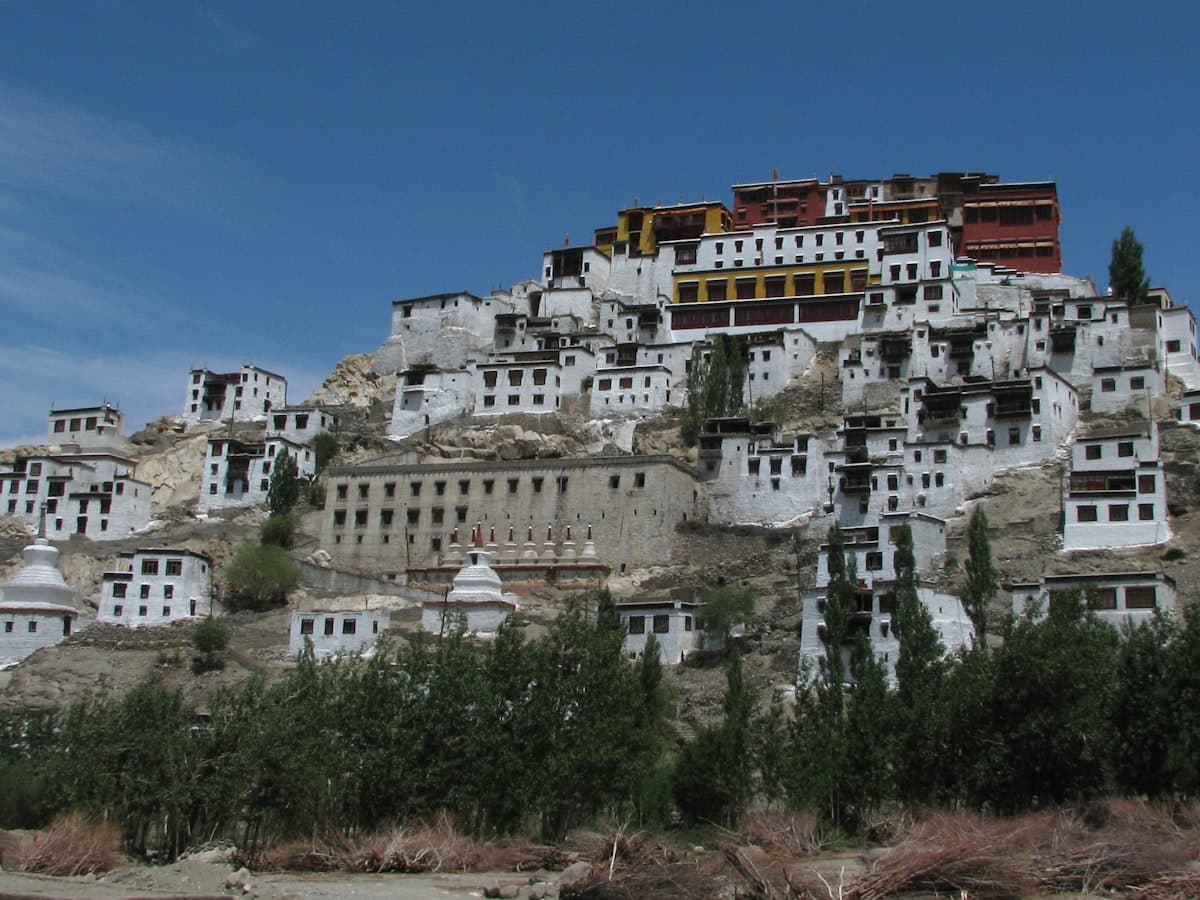
A full day among the great monasteries south-east of Leh. Start early at Thiksey, a twelve-storey monastery on a hill, for the dawn prayers if you are up to it. Then Hemis, the largest and richest in Ladakh, hidden in a side gorge. Shey, the old royal palace with its giant seated Buddha, and Stok are on the way back. It is a lot of driving, but the roads are good and the valley is beautiful. Back in Leh by evening.
Leh → Nubra Valley
Over Khardung La to the Nubra Valley
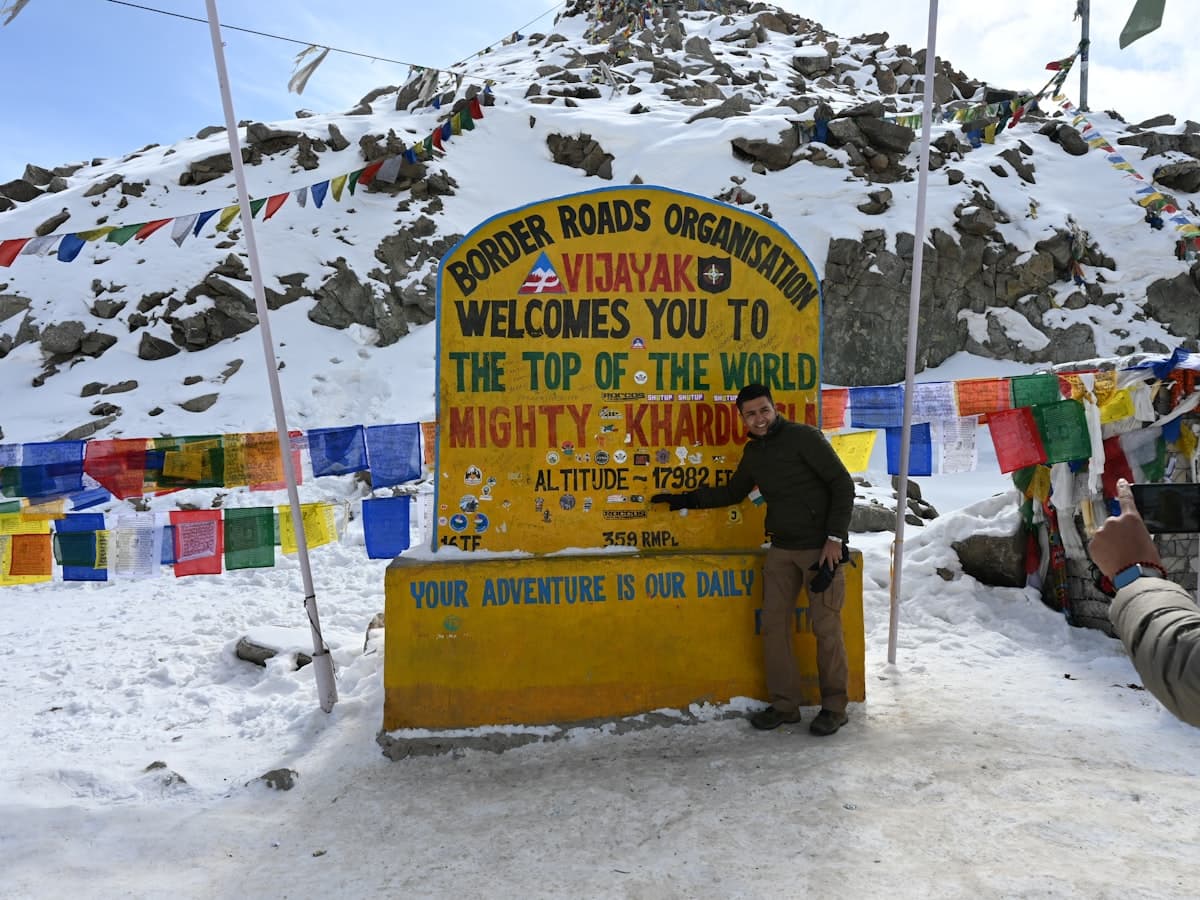
The drive to Nubra crosses Khardung La, at about 5,360 metres one of the highest motorable passes in the world. You stop briefly at the top for photos and tea, but not long, because of the altitude. The road then drops a long way into the Nubra valley, green and wide after the bare passes. You reach your Nubra hotel by mid-afternoon. The rest of the day is at rest by the river. The full drive takes five to six hours with stops.
Nubra Valley
Nubra — Diskit Monastery and the Hunder Dunes
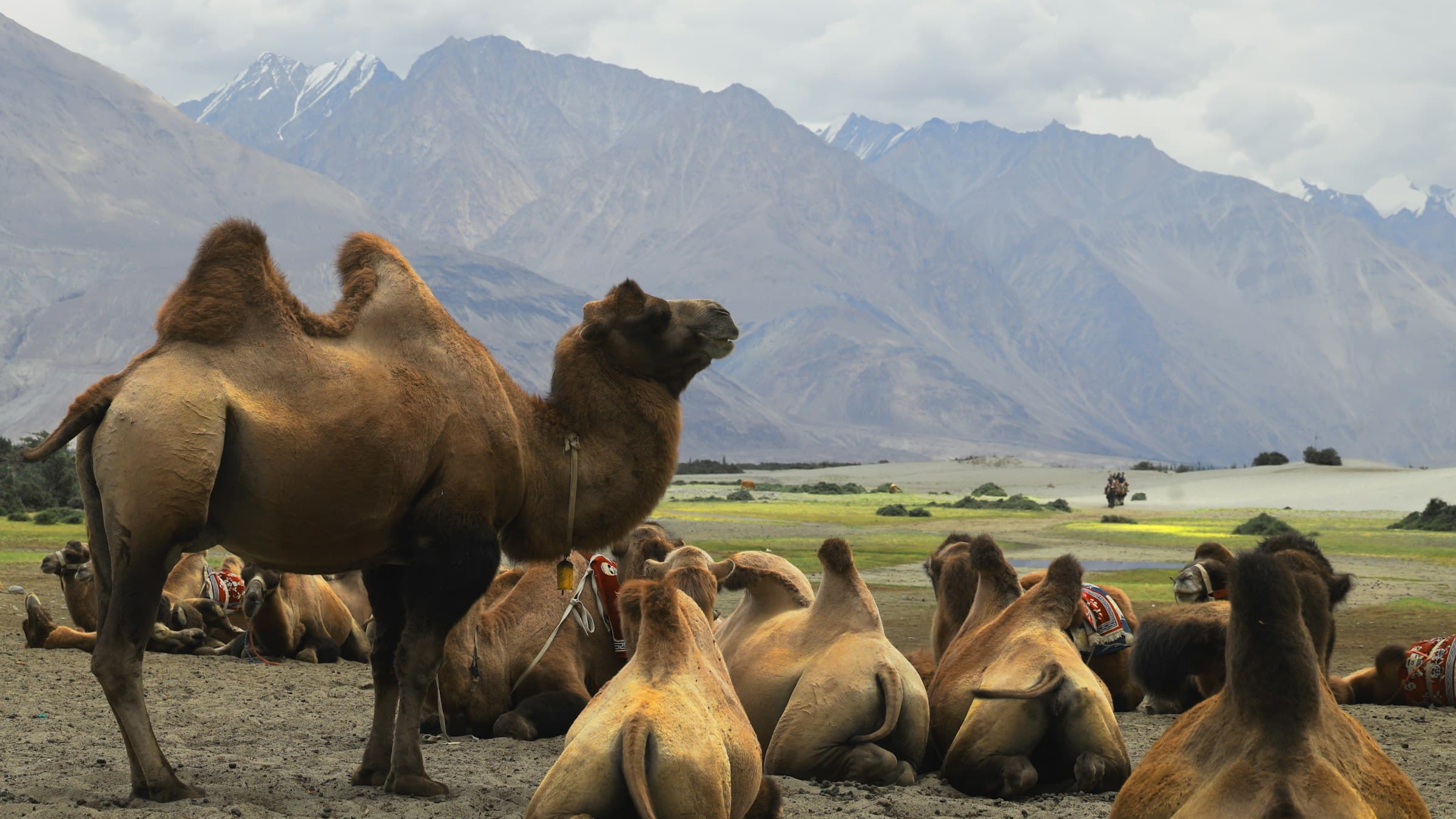
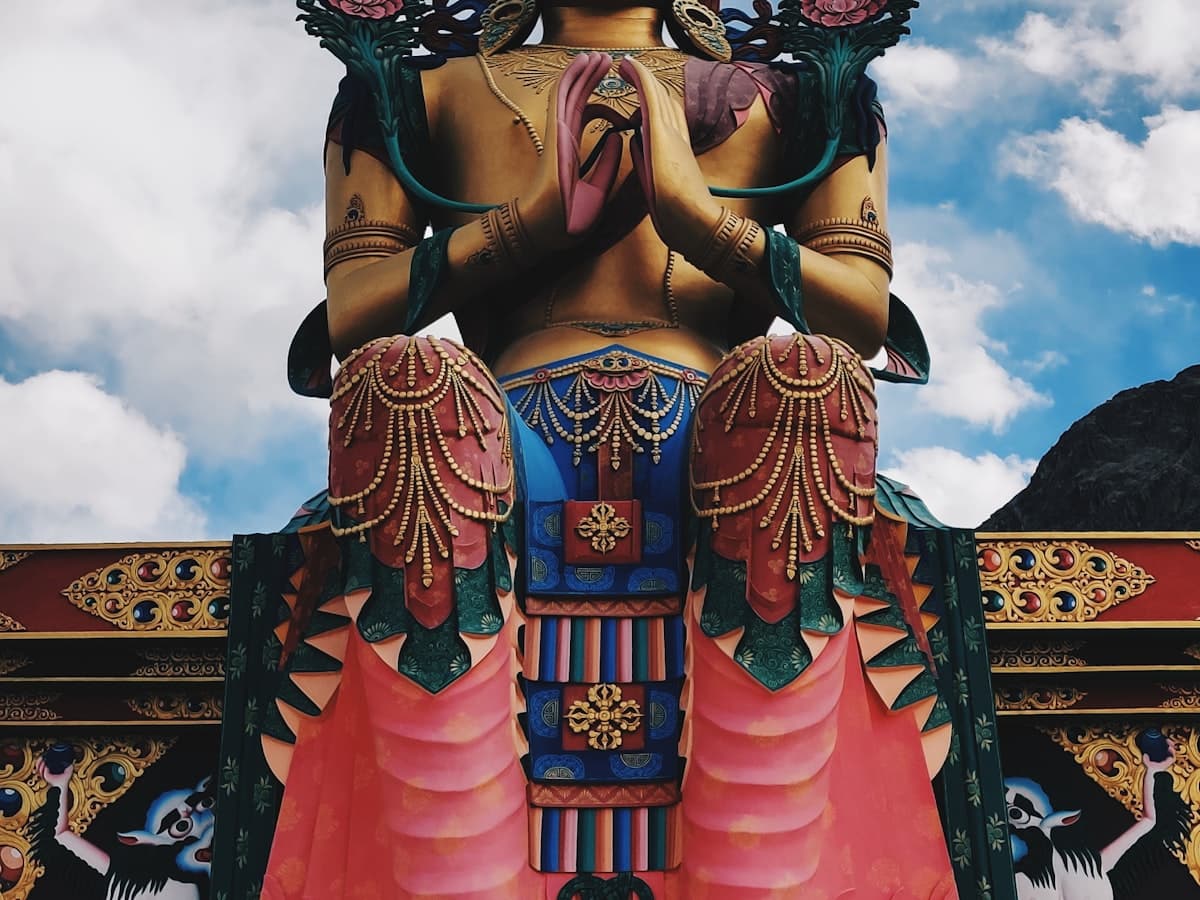
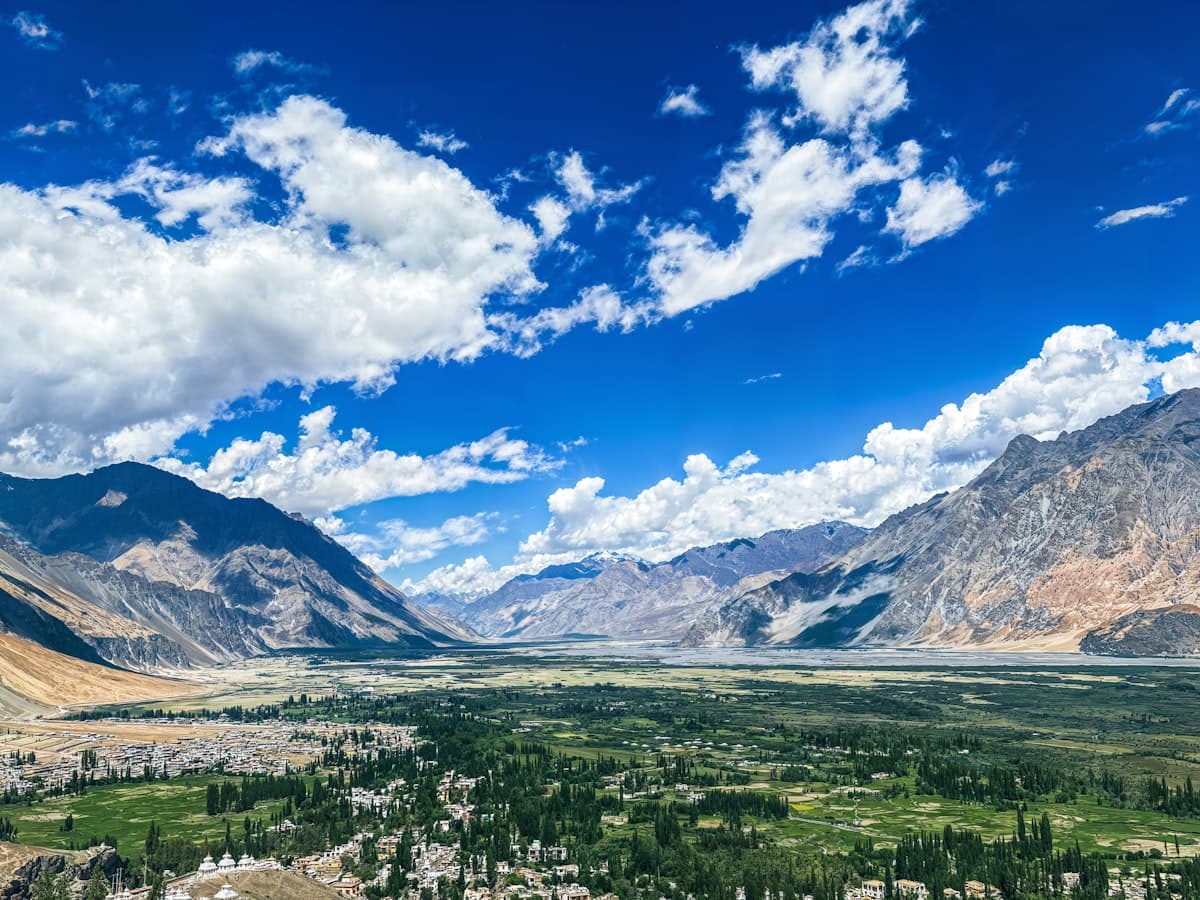
A full day in the Nubra valley. The morning is Diskit Monastery and its 32-metre Maitreya statue, which looks down the valley towards Pakistan. In the afternoon, the white sand dunes at Hunder, with their two-humped Bactrian camels. A short camel ride runs in the last hour of light, when the dunes turn gold. Turtuk, a Balti village near the border that only opened to visitors in 2010, is an option for those with the time. A second night in Nubra.
Nubra Valley
Nubra to Turtuk — A Balti Village Near the Border
A day trip down the Shyok valley to Turtuk, one of the last villages before the line with Pakistan. Turtuk is Balti, not Ladakhi, Muslim and Urdu and Balti-speaking, and it only opened to visitors in 2010. It is a green terraced village of apricot orchards and stone lanes, with old water mills and a small museum in a former royal house. The drive down and back takes most of the day, about three hours each way from the Hunder area. It is the most different place in Ladakh.
Nubra Valley → Pangong Lake
Nubra to Pangong — The Shyok River Road
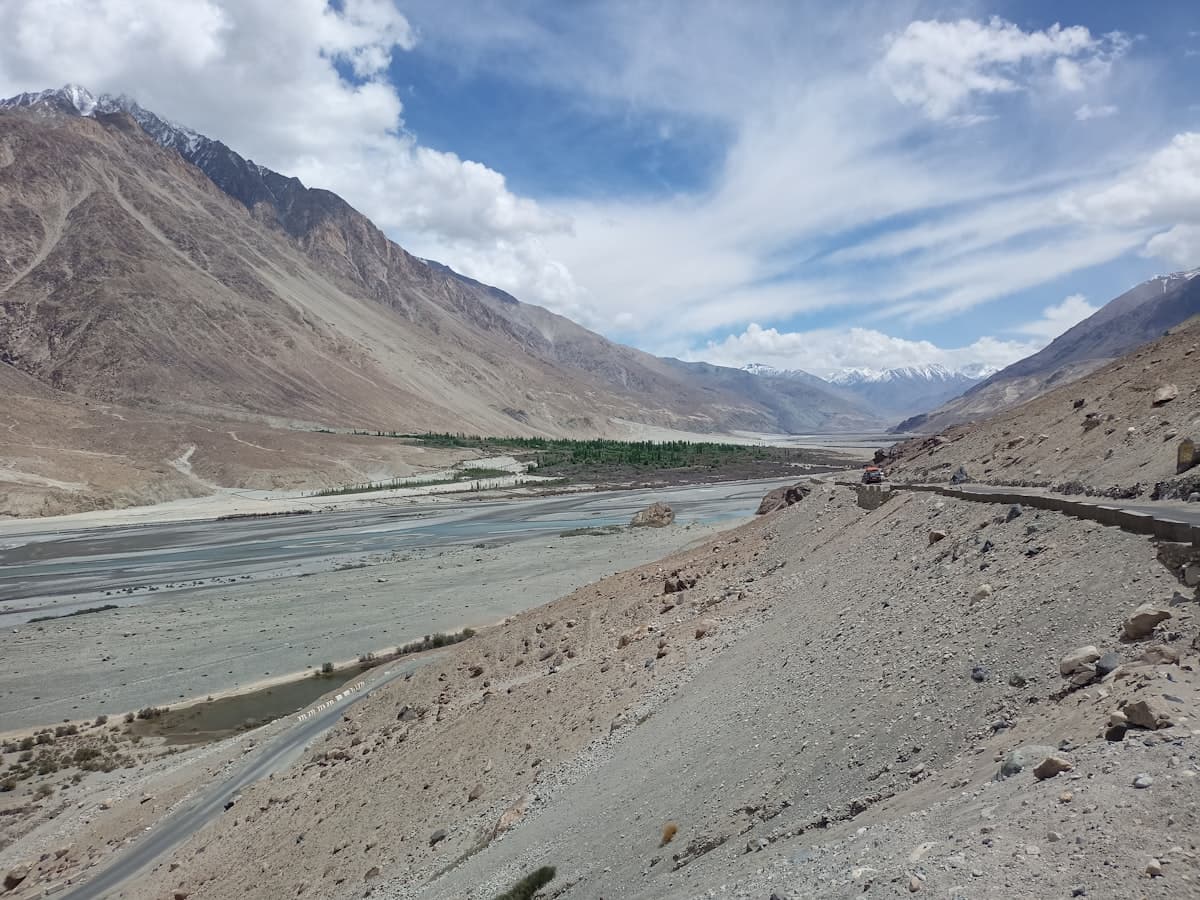
A long, rough and spectacular drive that avoids going back over Khardung La. The road follows the Shyok river east, through a wide, empty valley of braided river channels and bare rock. Parts of it are unpaved and slow. There are no towns and few people for hours. You reach Pangong from the north in the late afternoon, with the lake opening up ahead. Plan on seven to eight hours on the road. It is worth it.
Pangong Lake
A Day on the Shore of Pangong
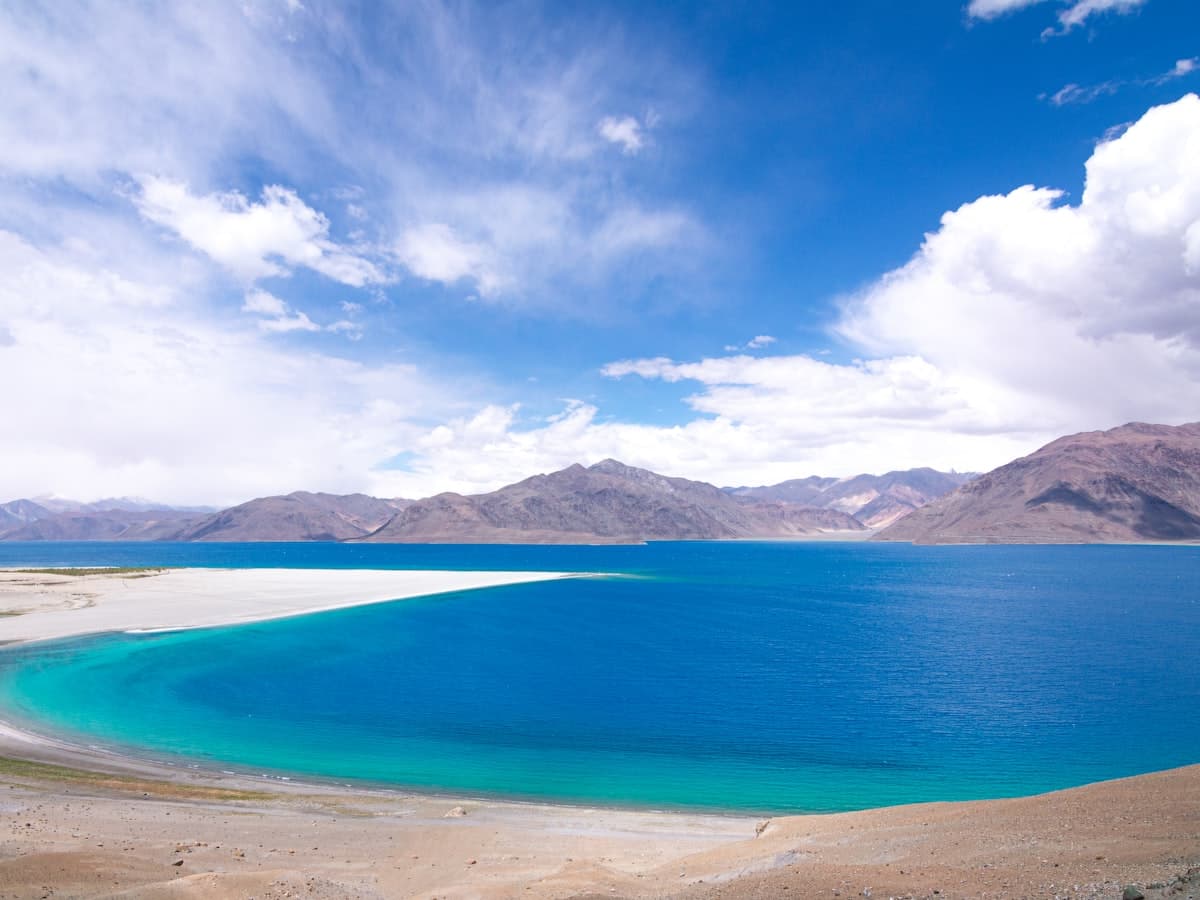
A slow day by the lake, which is the point of coming this far. The water changes colour through the day, so it rewards sitting still and watching. A short drive along the shore towards the villages of Man and Merak gets you away from the day-trip crowds at Spangmik. The altitude here is 4,350 metres, so walking is slow and naps are normal. After dark, the sky fills with stars. A second night on the shore.
Pangong Lake → Leh
Pangong back to Leh — Chang La and the Long Valley
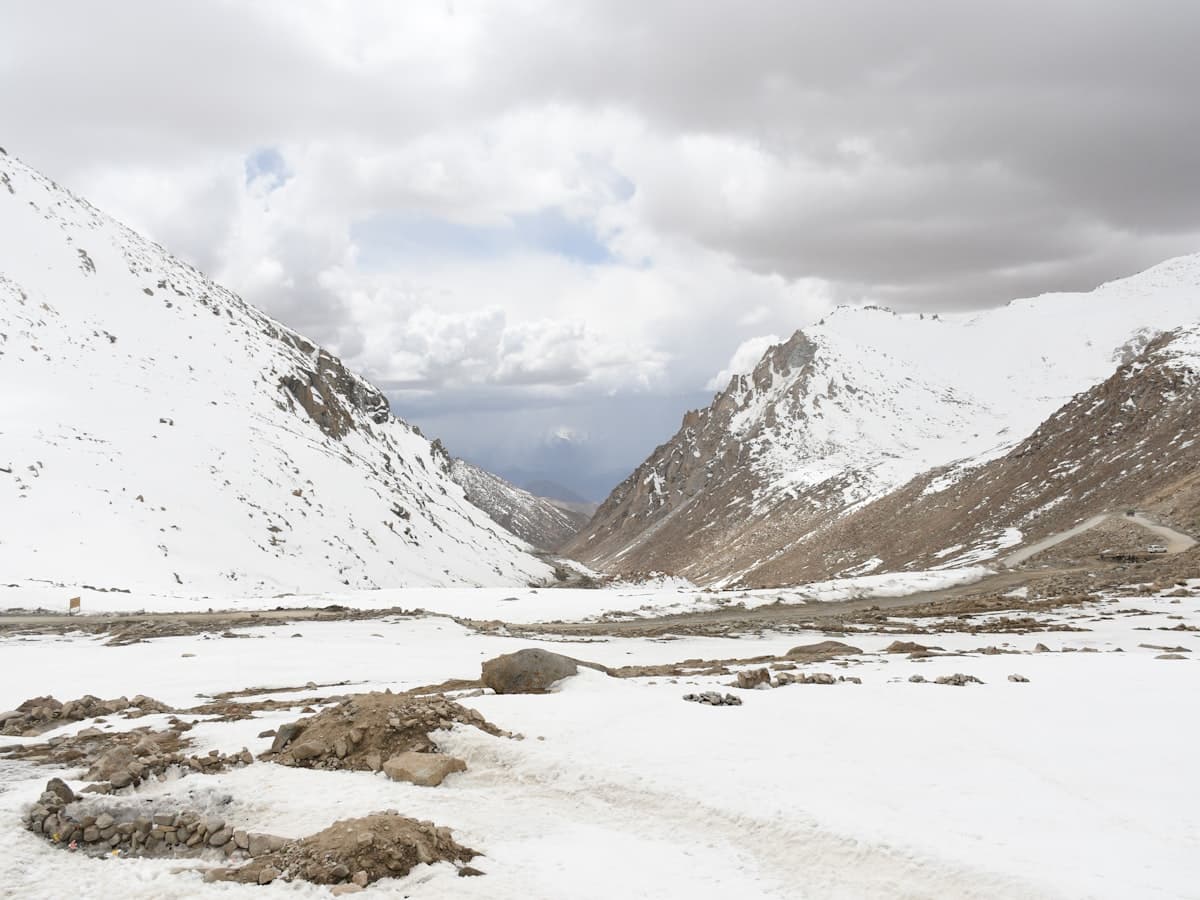
An early start to be over Chang La before the afternoon wind. The pass is at about 5,360 metres and often holds snow even in summer. Below it the road runs down past Hemis and Thiksey, so there is a chance to stop at either if you missed them. You are back in Leh by mid-afternoon, at a lower and easier altitude. The last evening is free for the market and for packing. The drive is five to six hours in all.
Book This Itinerary
Priced Packages On This Route
This route is already built into these packages — real inclusions and pricing on each one's own page.

Kashmir to Kanyakumari
Get In Touch
Start Planning Your Trip
Full itinerary, real pricing, one honest conversation — no sales pressure, just answers.