
Luxury Leh Tours
Ladakh's high-mountain capital on the Indus, where a 17th-century palace, hilltop monasteries and a slow first few days set up everything beyond.
Plan My Leh Trip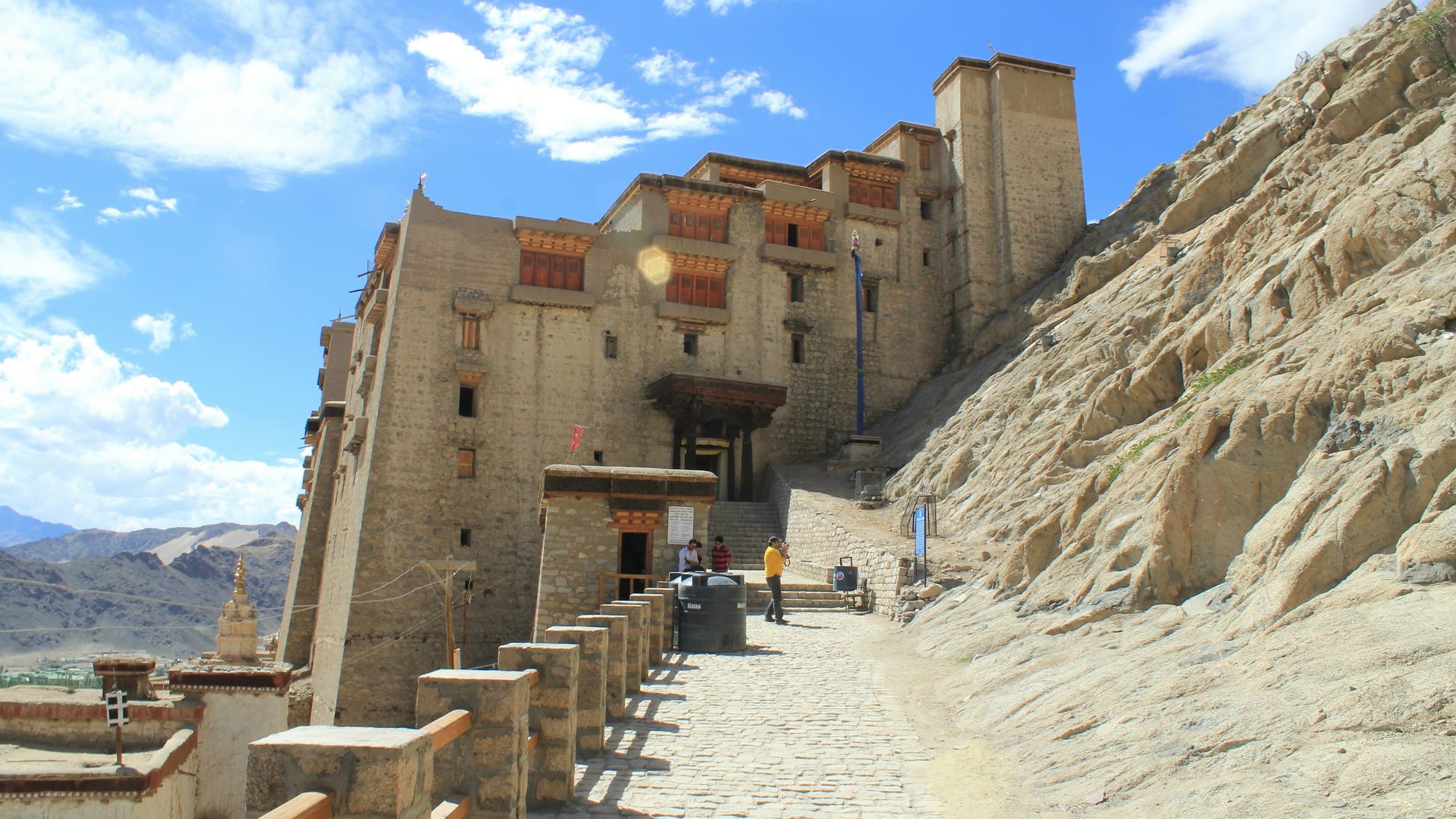
Overview
Leh At A Glance
A luxury Leh tour starts slowly, and that is deliberate. The town sits at about 3,500 metres on the bank of the Indus. Travellers usually allow time to acclimatise before going higher, and a private guide builds the first days around that. Begin in the old town. Leh Palace rises above the narrow bazaar lanes, a palace of the 17th century. Shanti Stupa, a white-domed peace stupa, looks over the town from its hill. Outside town, Thiksey Monastery climbs its ridge in tiers. Its early-morning prayers, with long horns, drums and chanting, are a quiet way to start a day. Hemis sits in a side gorge and is known for its summer masked festival. Further down the Indus, the Sangam near Nimmu shows the clear green Indus meeting the grey Zanskar. Add a day of river rafting or a walk on the Markha valley trail if you want some movement. Leh is also the base for Nubra, Pangong and the high lakes of the Changthang. Please ask a doctor about altitude before you travel. Your guide and driver plan the route around your pace, so nothing feels rushed.
- Best Time
- Roughly late spring to early autumn, when the high roads and passes are generally open. Winter brings deep cold and road closures, so check current conditions with your guide.
- Getting There
- Leh has its own airport, Kushok Bakula Rimpochee Airport, with flights from Delhi and a few other cities. By road, Leh is about 434 km from Srinagar and about 473 km from Manali, both on seasonal routes.
- Where To Stay
- Ladakh Sarai, The Grand Dragon Ladakh, Stok Palace Heritage
- Continue To
- Kargil, Nubra Valley, Pangong Lake
- Coordinates
- 34.15° N, 77.58° E
What To See
What To See In Leh
Leh's real highlights are what a private guide builds each day around.
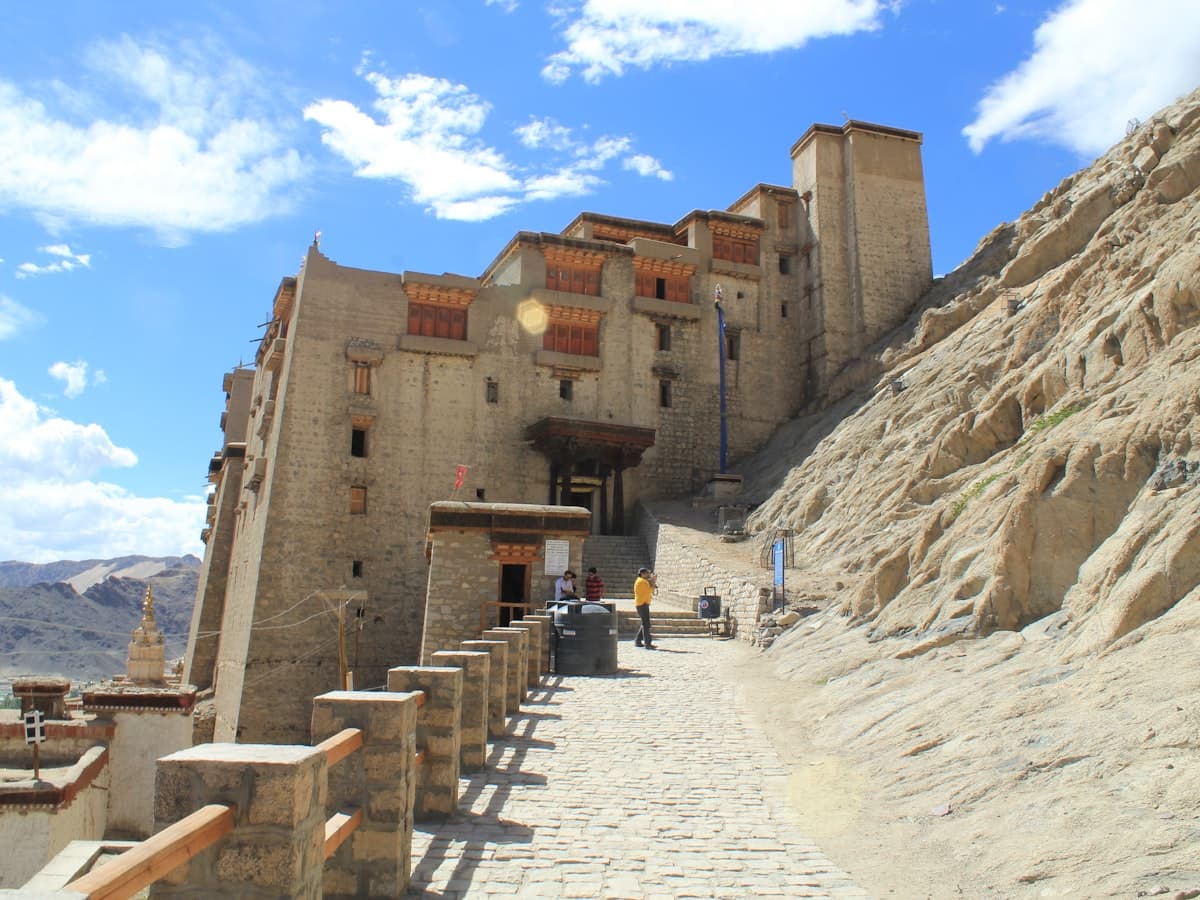
Leh Palace
The nine-storey former royal palace above Leh's old town, built in the 1600s and modelled on the Potala in Lhasa.
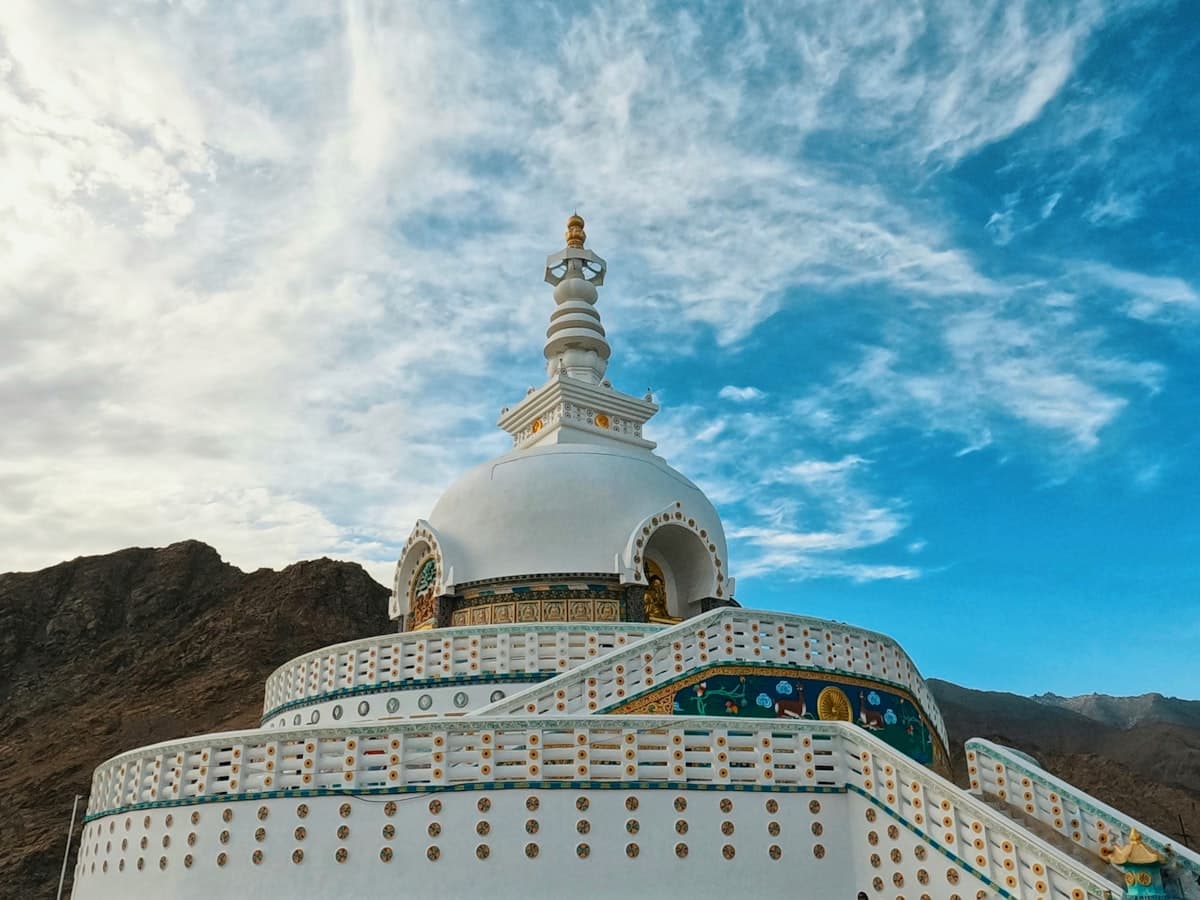
Shanti Stupa
A white domed peace stupa on a hill above Leh, built by Japanese Buddhists and opened by the Dalai Lama in 1991.
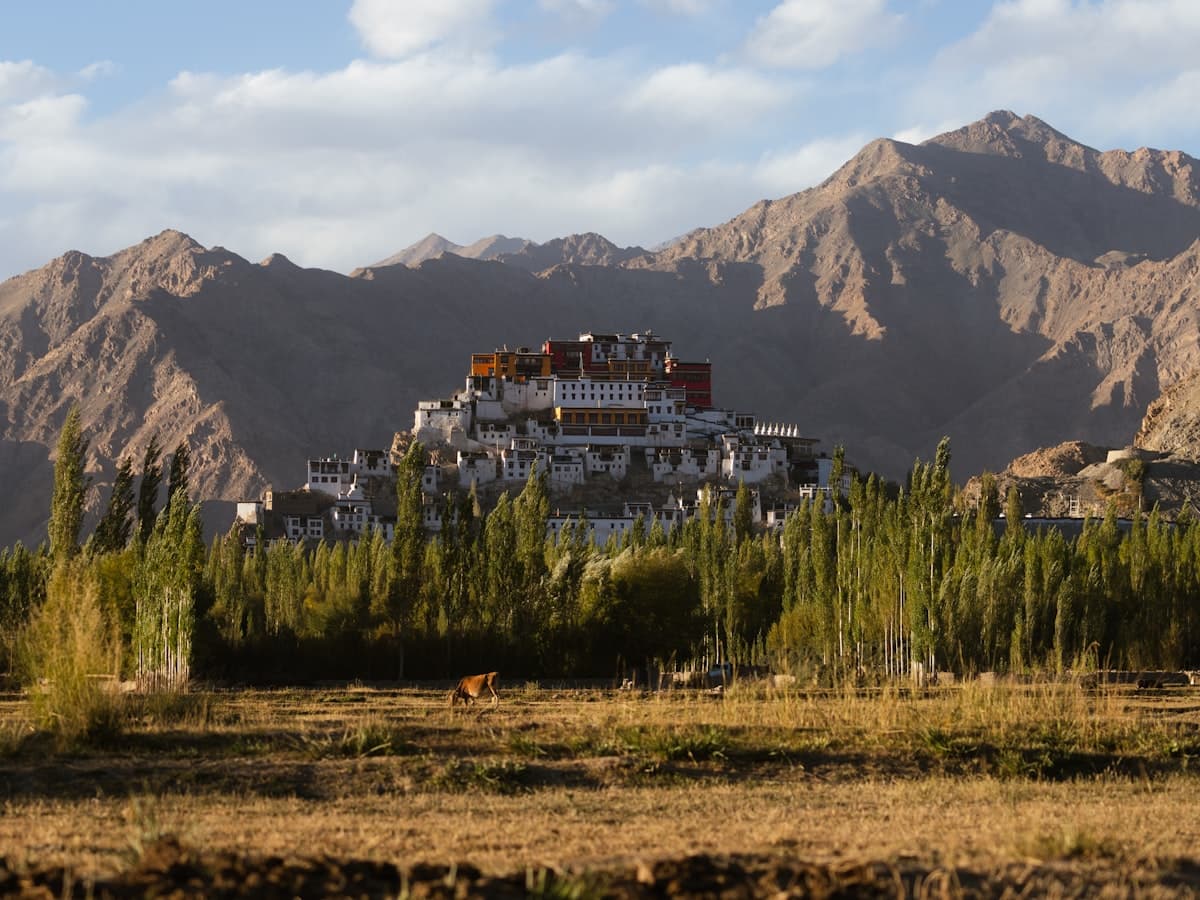
Thiksey Monastery
A twelve-storey hilltop monastery 19 kilometres from Leh, often compared to the Potala, with a two-storey Maitreya Buddha.
Hemis Monastery
Ladakh's largest and wealthiest monastery, hidden in a side gorge 45 kilometres from Leh, home of the summer masked festival.
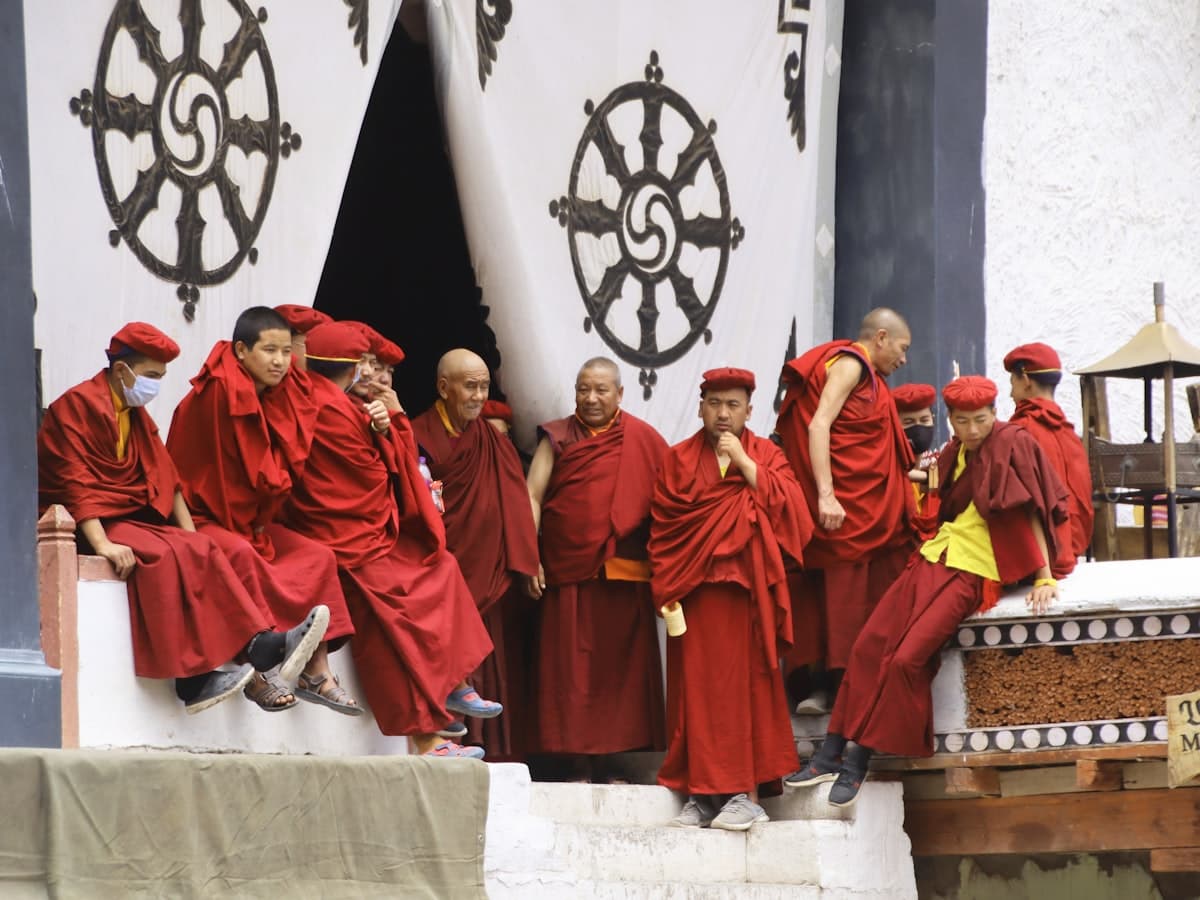
Sangam — Indus & Zanskar Confluence
The point near Nimmu where the clear green Indus meets the grey Zanskar, each river holding its colour for a stretch.
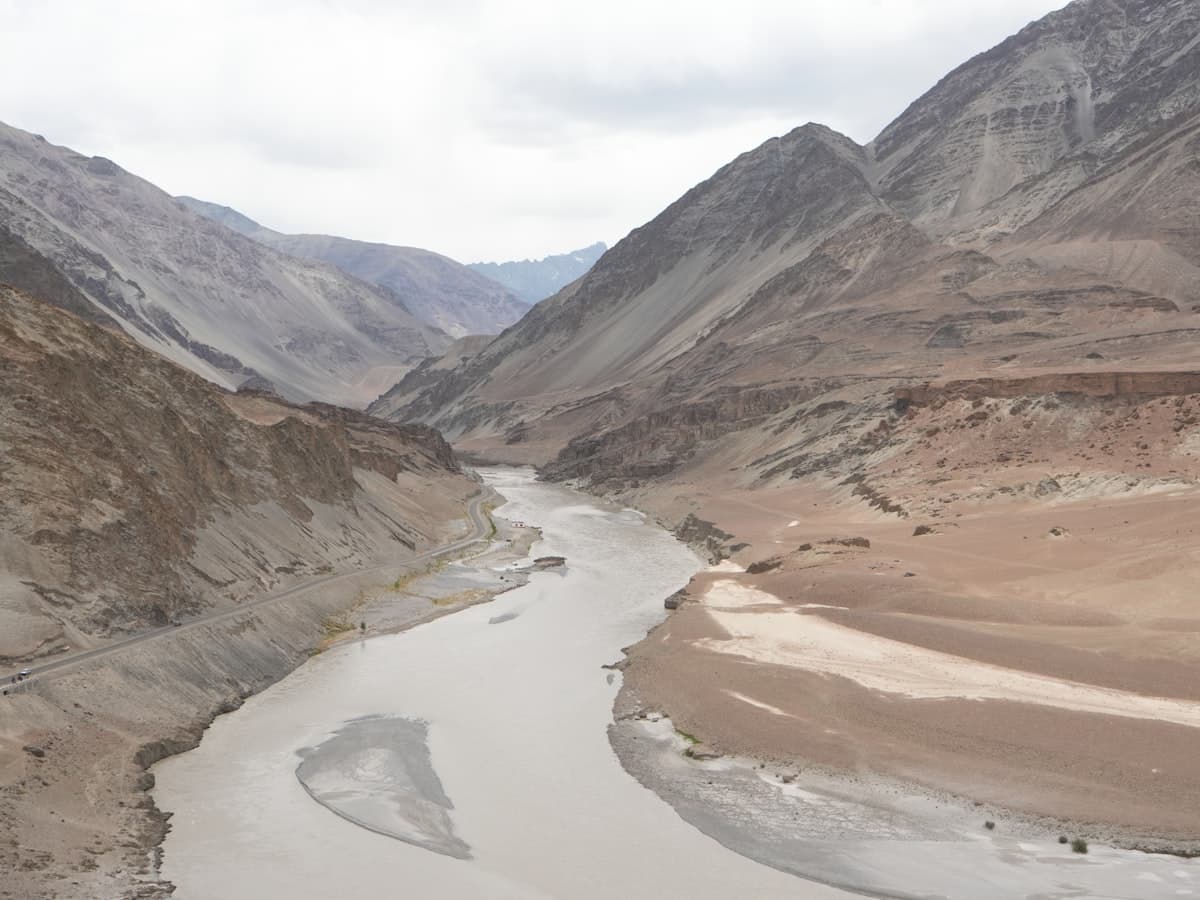
Dawn Prayers at Thiksey
Sitting in on the early-morning puja at Thiksey Monastery, with long horns, drums and chanting, before the day's visitors arrive.
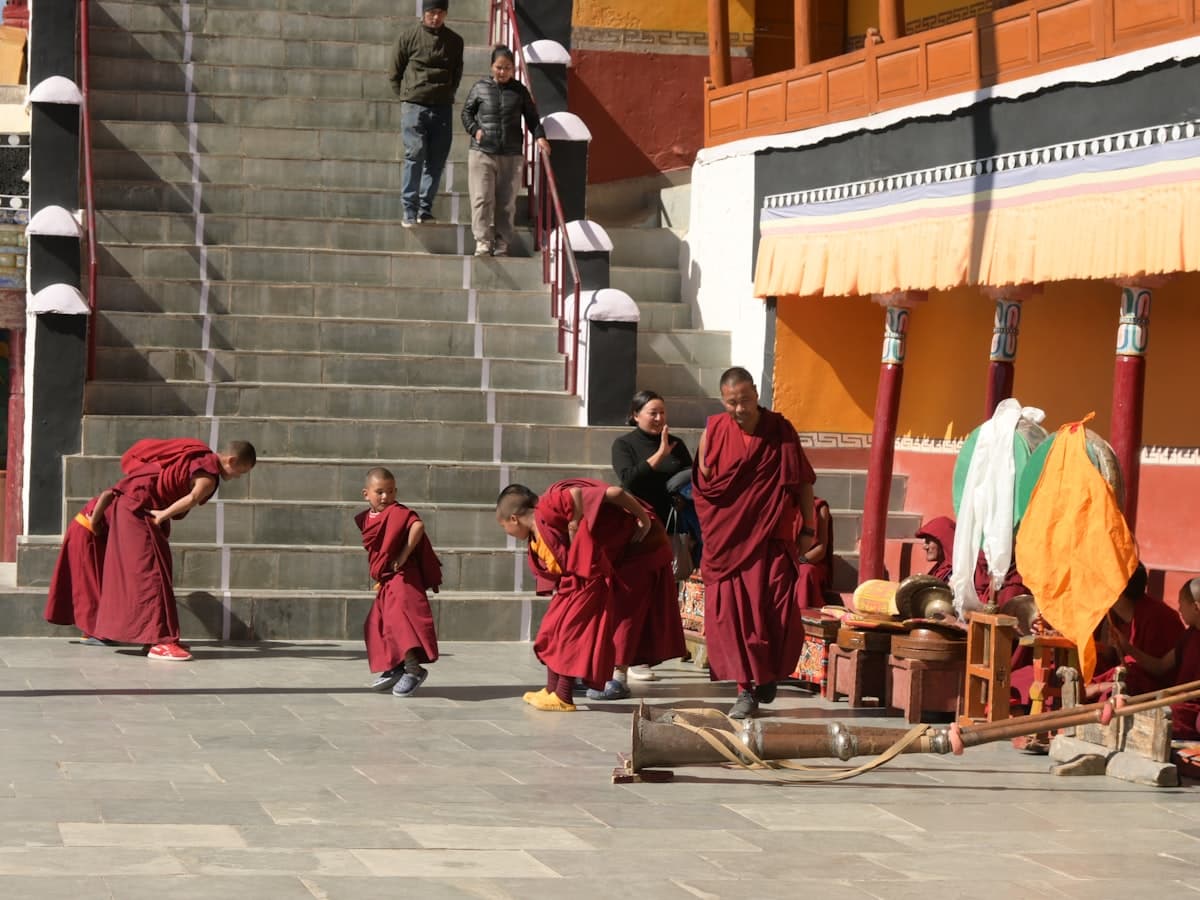
Zanskar River Rafting
A whitewater day on the Zanskar, through the deep Grand Canyon of Ladakh from Chilling to Nimmu.
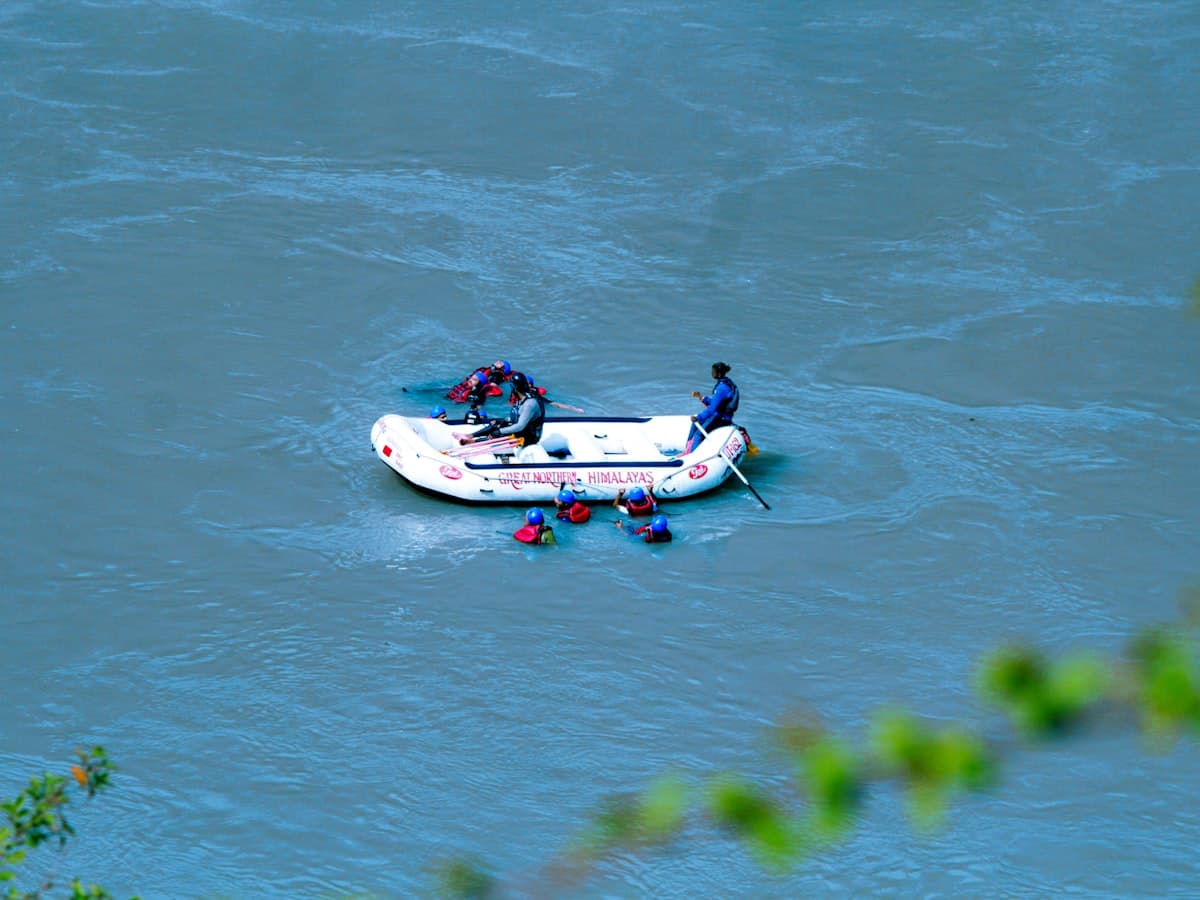
Markha Valley Day Walk
A day on the Markha valley trail, Ladakh's classic trek, walking one green river leg without the full multi-day commitment.
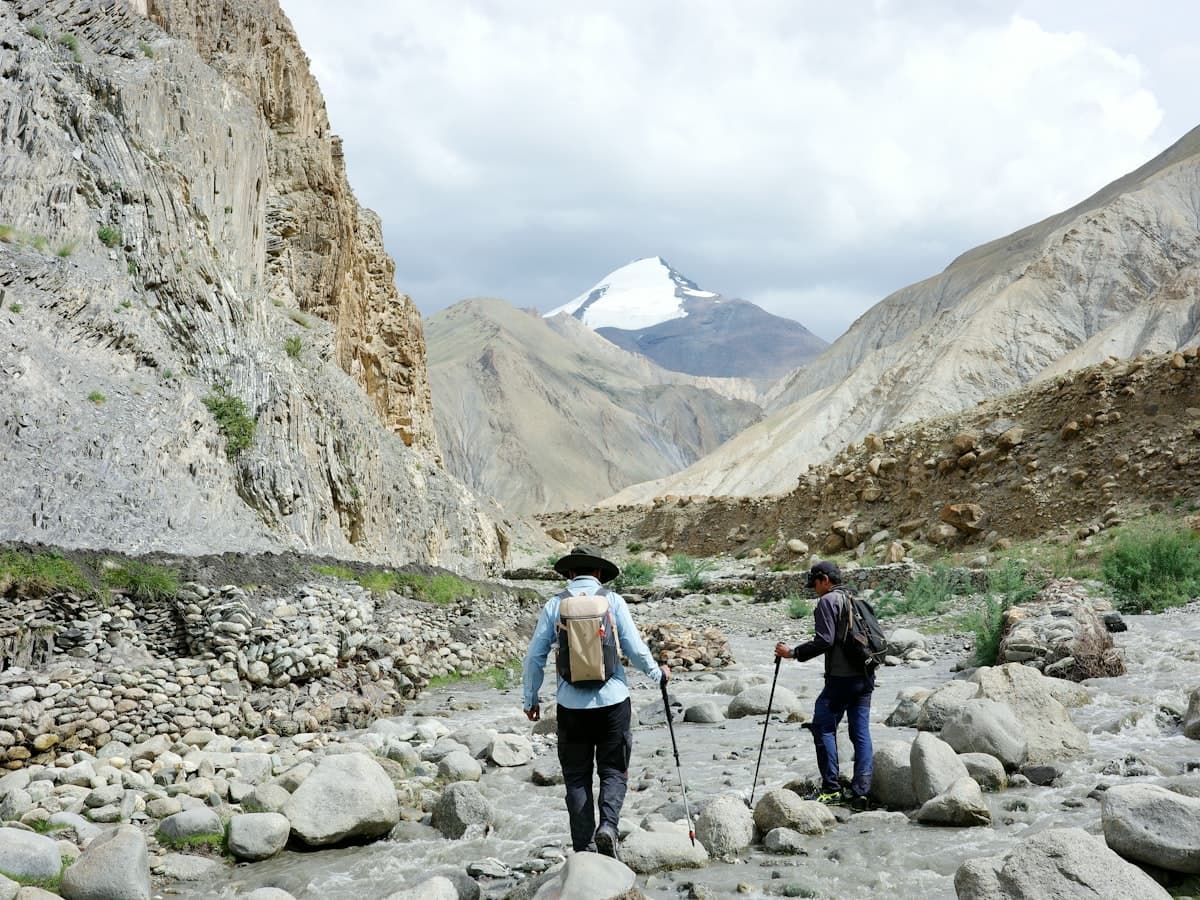
How To Travel
Journeys Through Leh
Every journey comes with a private guide and driver for each day on the road. Full details live on each journey's own page.
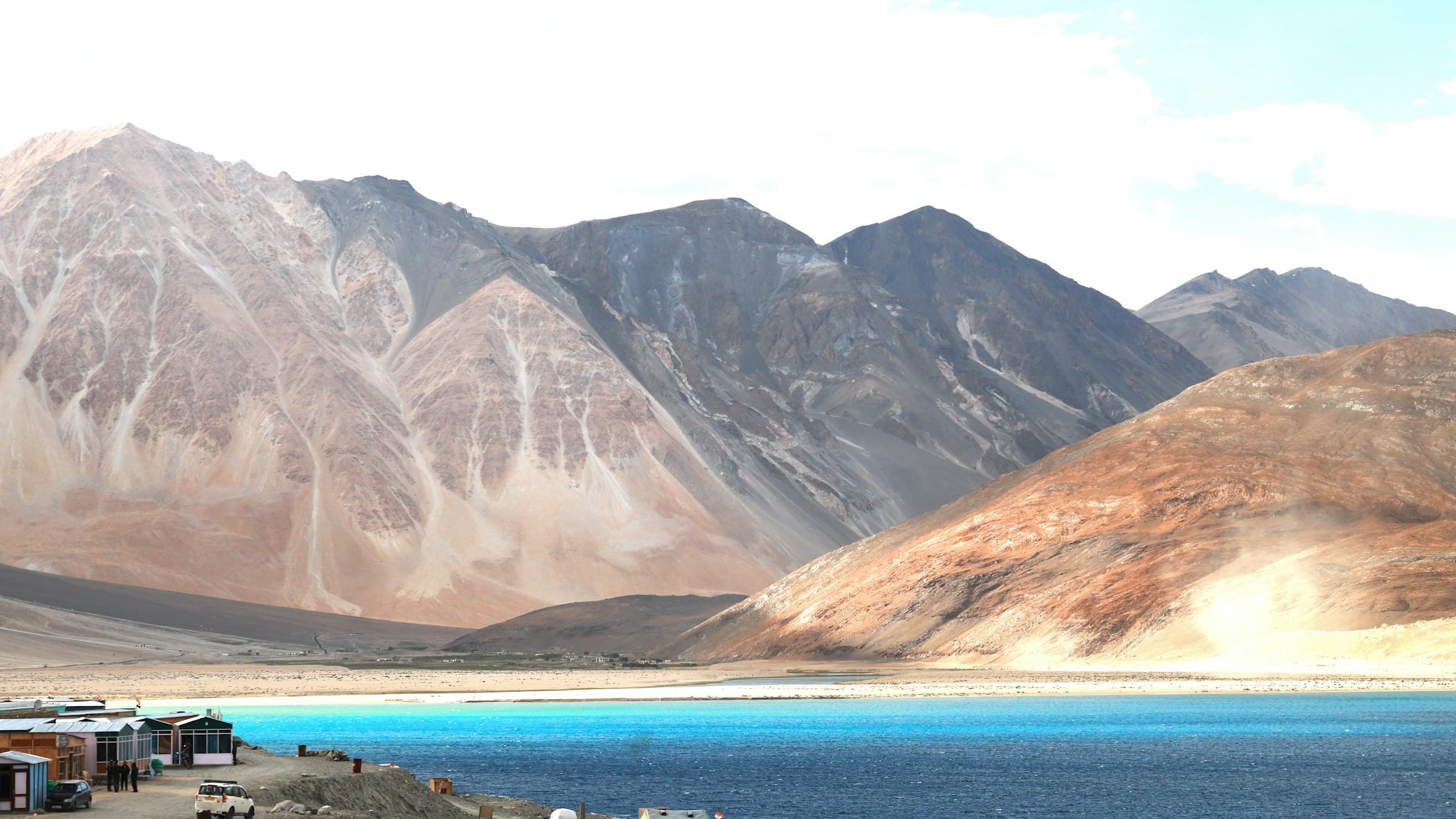
13 Nights
Slow Ladakh
Leh · Nubra Valley · Pangong Lake · Sham Valley · Tso Moriri
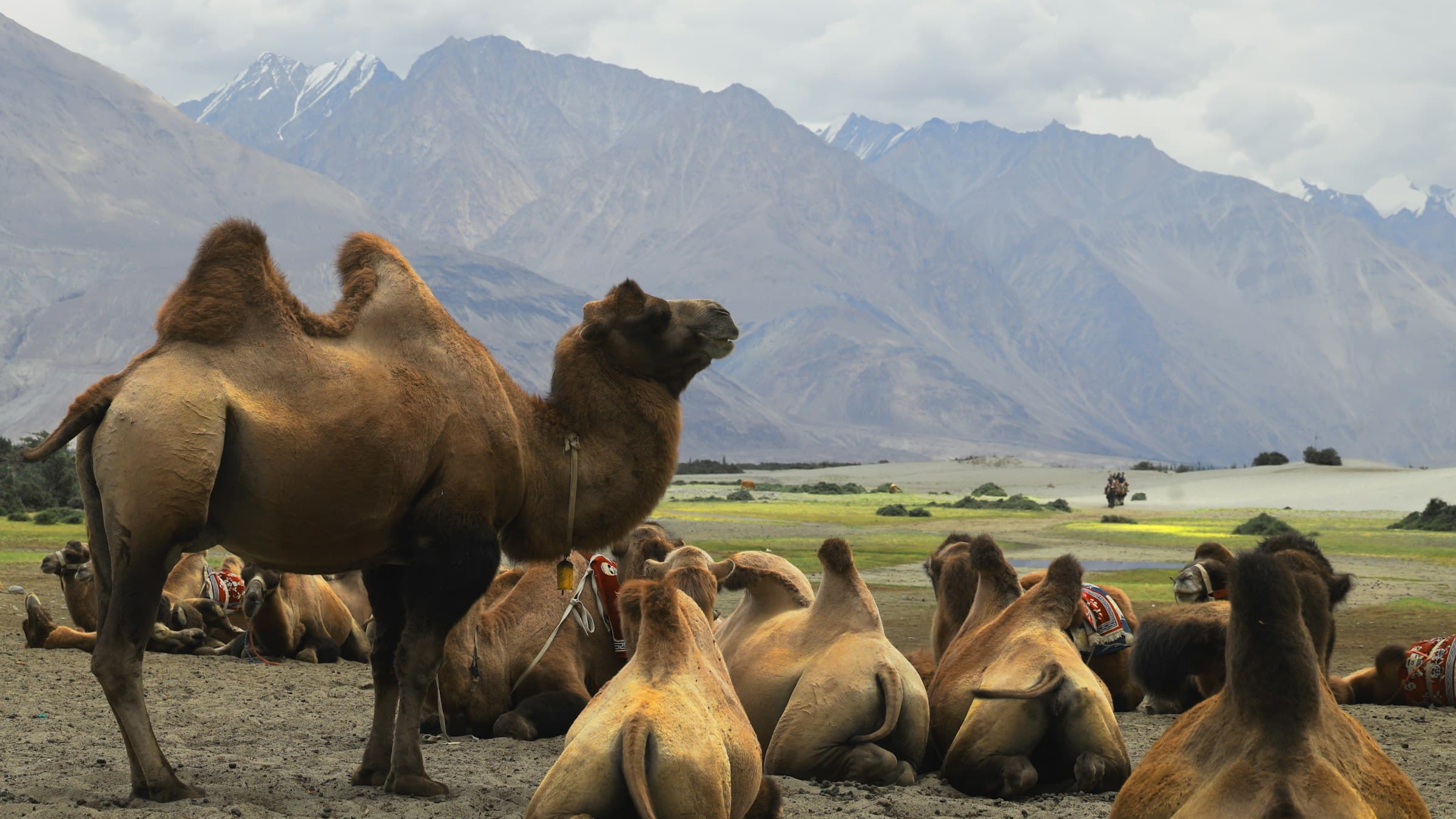
13 Nights
Kashmir & Ladakh Grand Traverse
Srinagar · Kargil · Leh · Nubra Valley · Pangong Lake
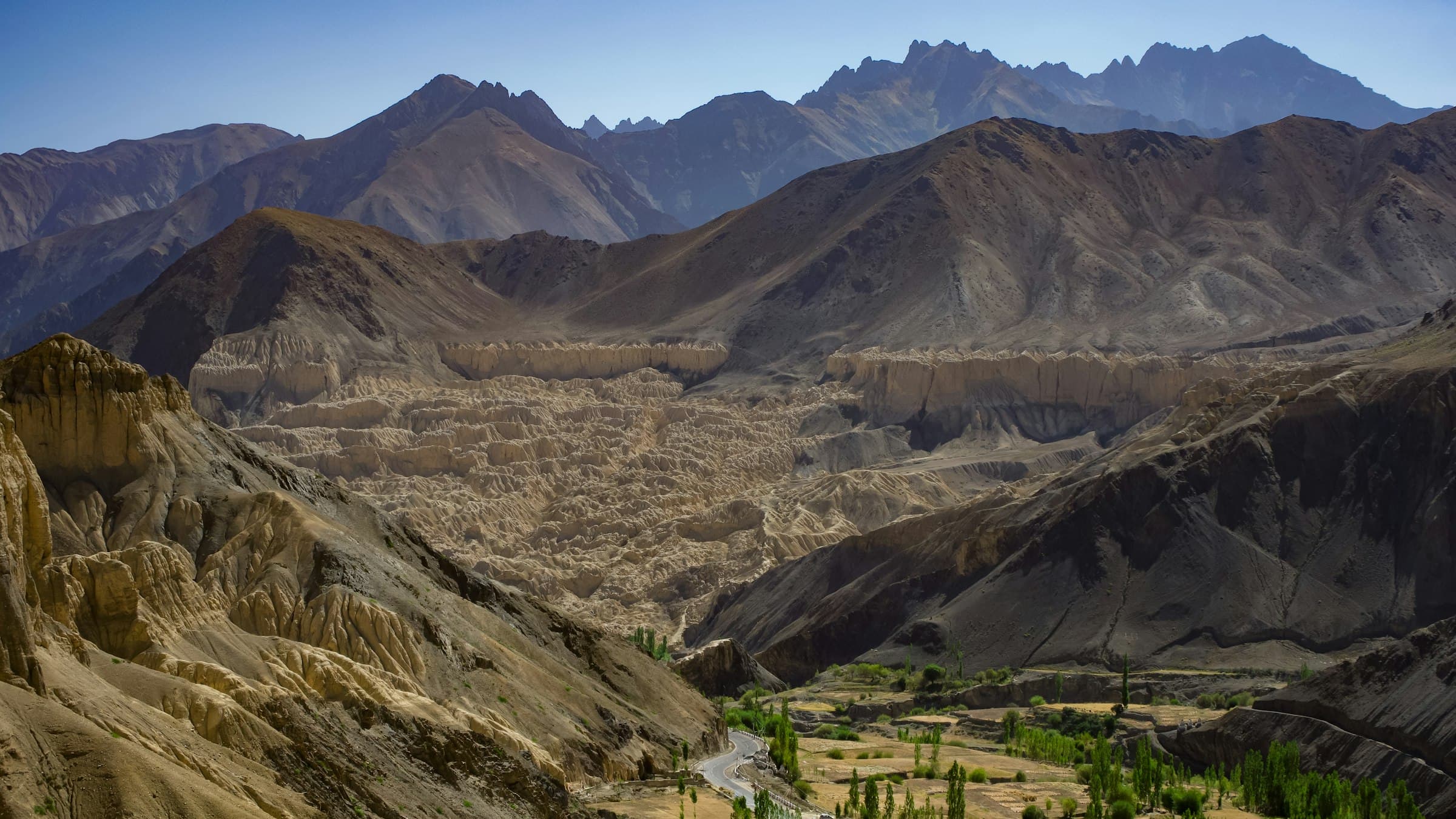
12 Nights
Ladakh Photography: Lakes & Light
Leh · Nubra Valley · Pangong Lake · Sham Valley · Tso Moriri
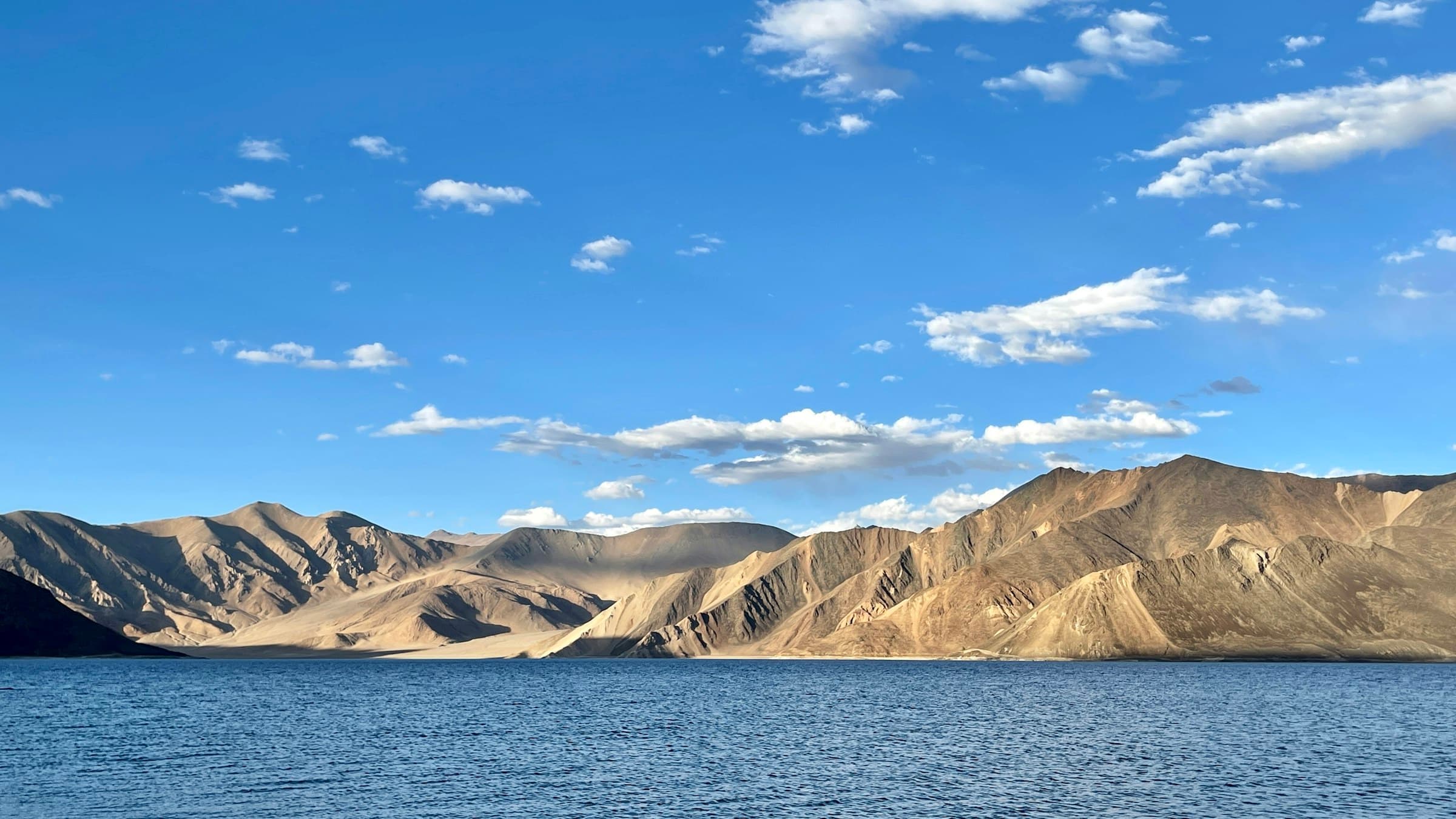
11 Nights
Kashmir & Ladakh Photography Expedition
Srinagar · Kargil · Leh · Nubra Valley · Pangong Lake
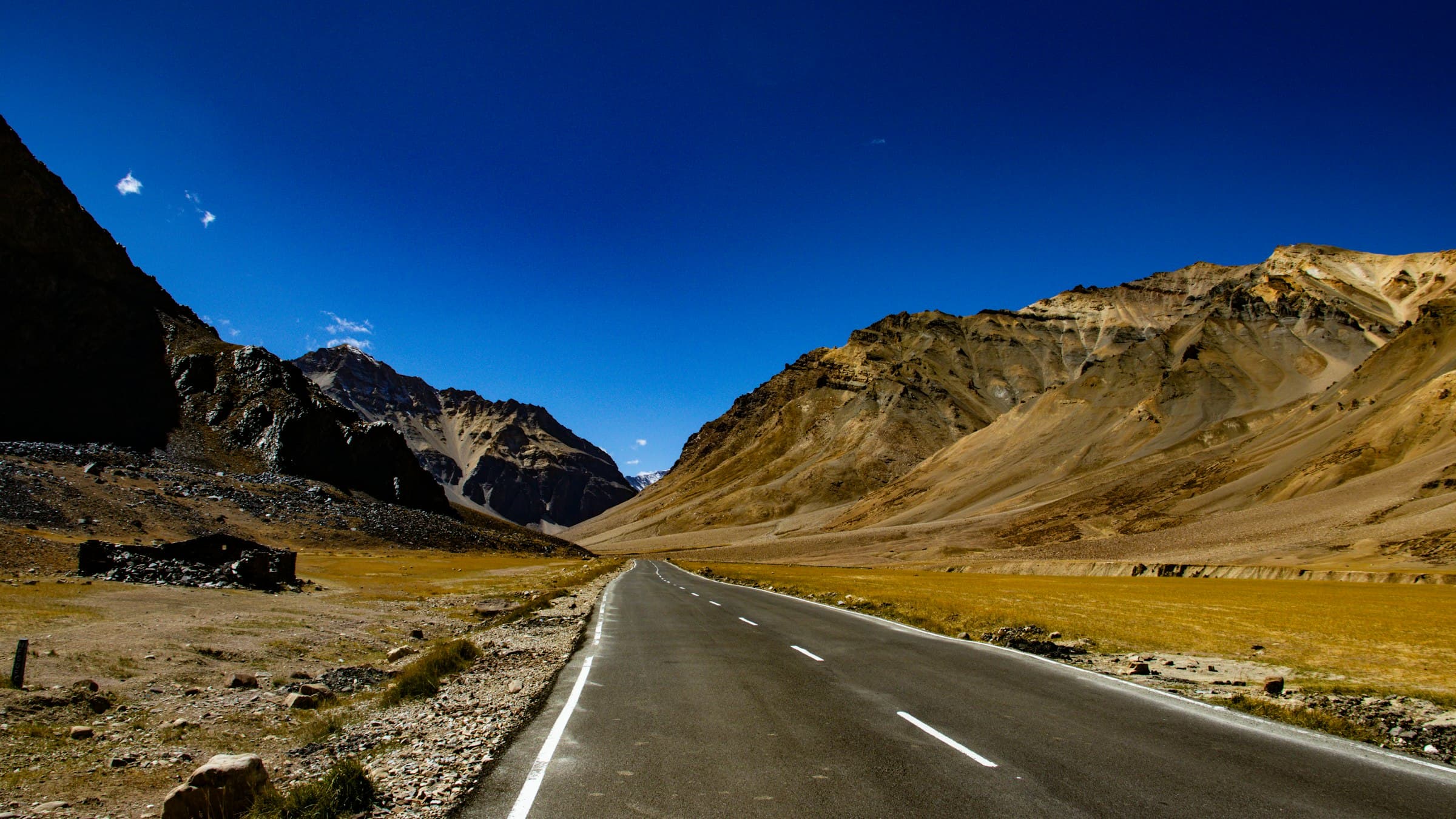
9 Nights
Ladakh Photography Expedition
Leh · Nubra Valley · Pangong Lake
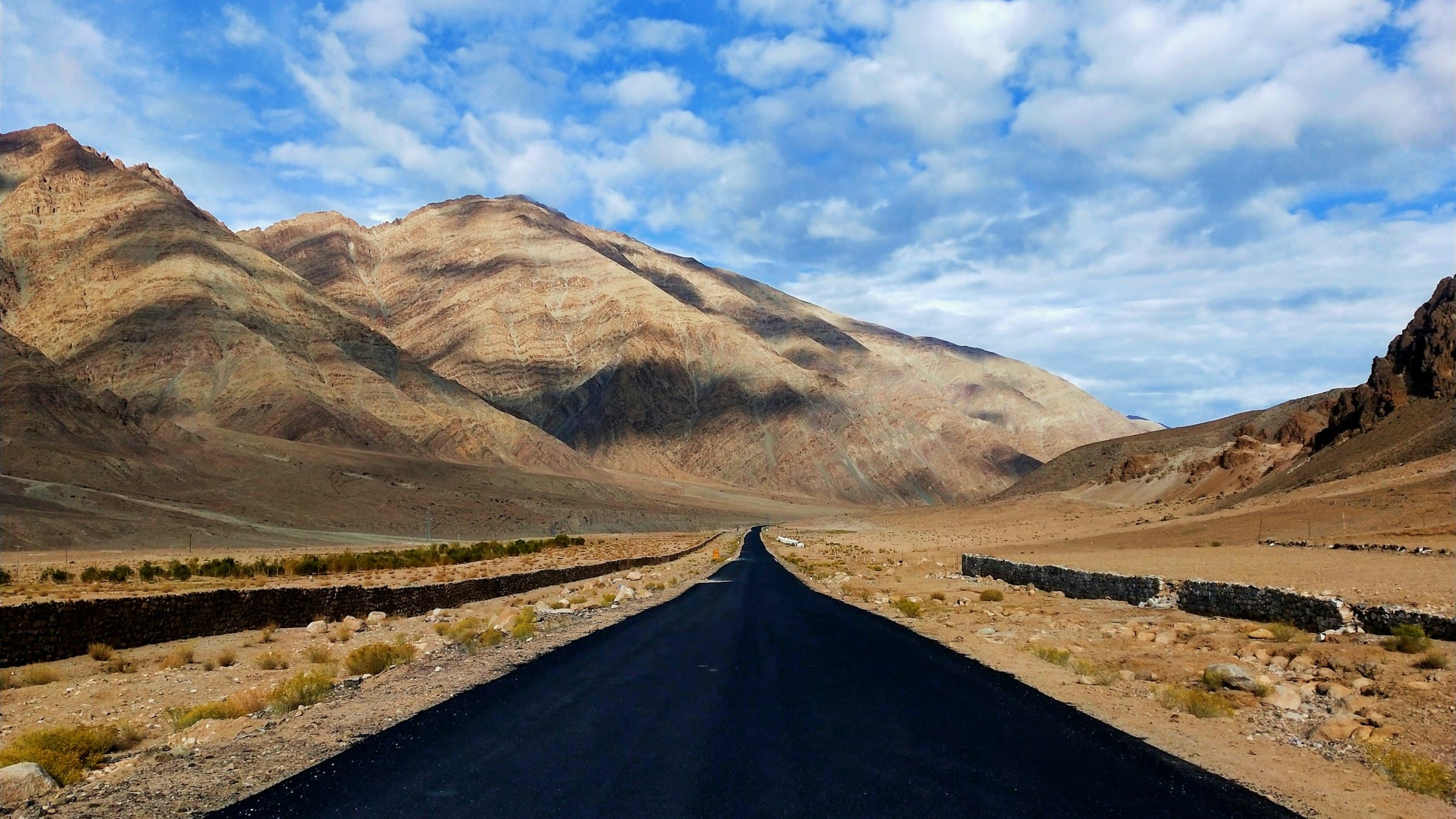
8 Nights
Srinagar to Leh Overland
Srinagar · Kargil · Leh
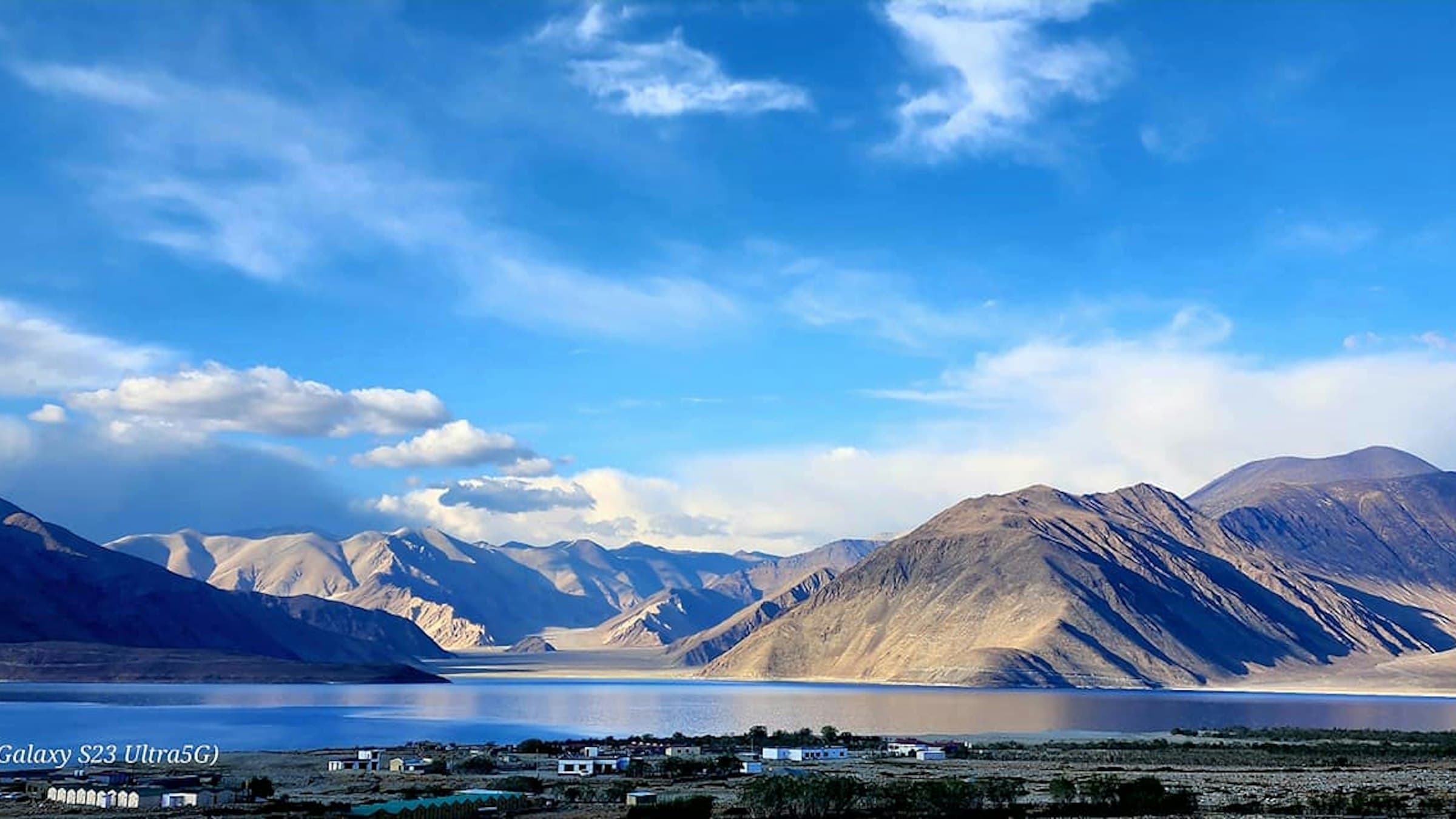
7 Nights
Ladakh Family Adventure
Leh · Nubra Valley · Pangong Lake
7 Nights
Ladakh Two Lakes: Tso Moriri & Pangong
Leh · Pangong Lake · Tso Moriri
Where To Stay
Where To Stay In Leh
Stays are chosen for the setting and the service, then matched to the pace of your route.
Ladakh Sarai
★★★★★
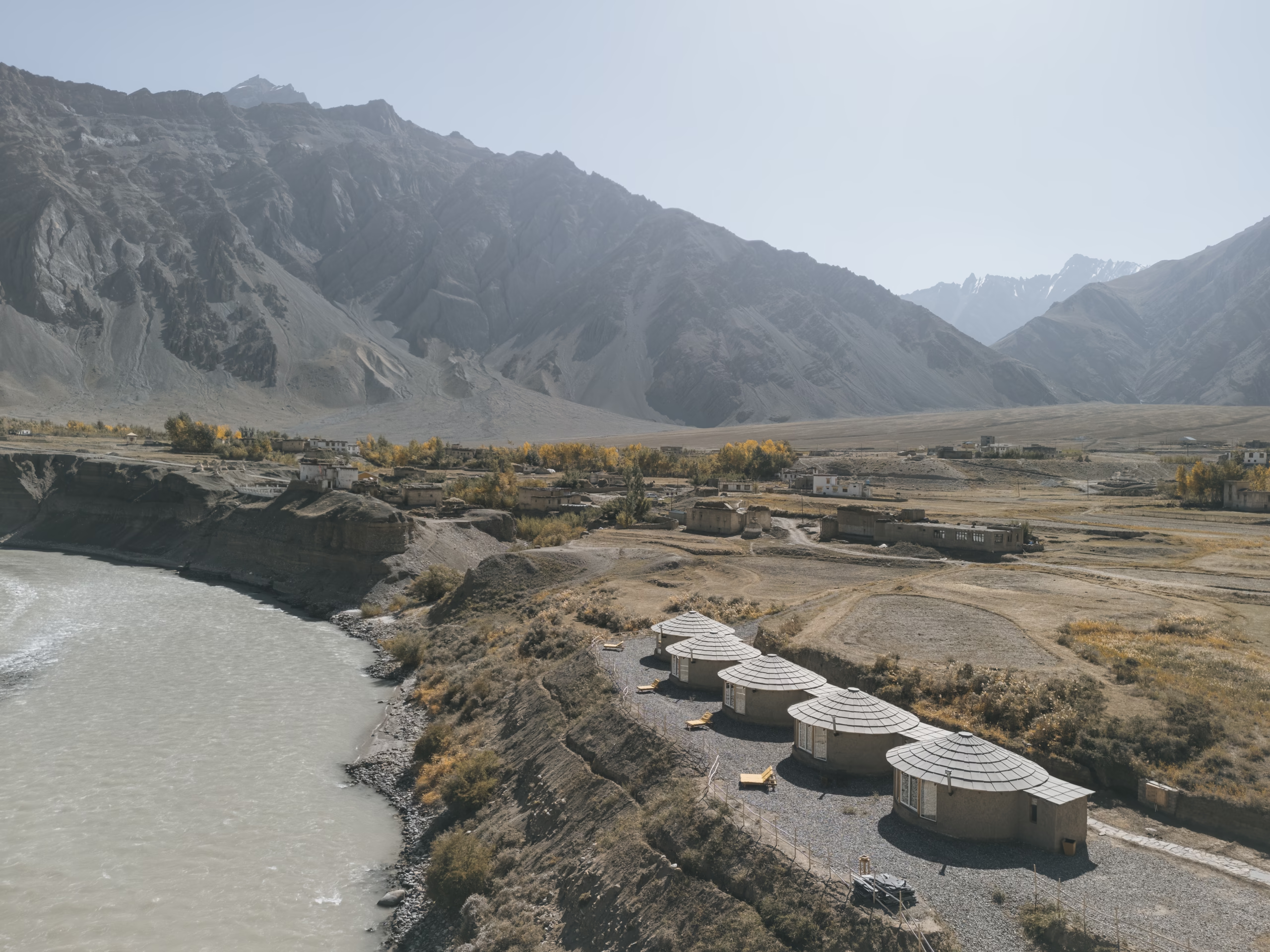
Ladakh Sarai is a small tented lodge in the hills above Saboo, a village on the edge of Leh, away from the town. The accommodation is a handful of stone cottages and yurts, furnished with Ladakhi rugs and textiles, each with a wood stove and a proper bathroom. The camp is set among barley fields and looks across the Indus valley to the Stok range. It is run by an established Himalayan operator and is built for slow days. Meals are shared, the food is local, and guided walks leave straight from the camp. It is the choice for travellers who want the Leh sights but not a hotel in the town, and it works well as a base for the first, acclimatising days.
The Grand Dragon Ladakh
★★★★★
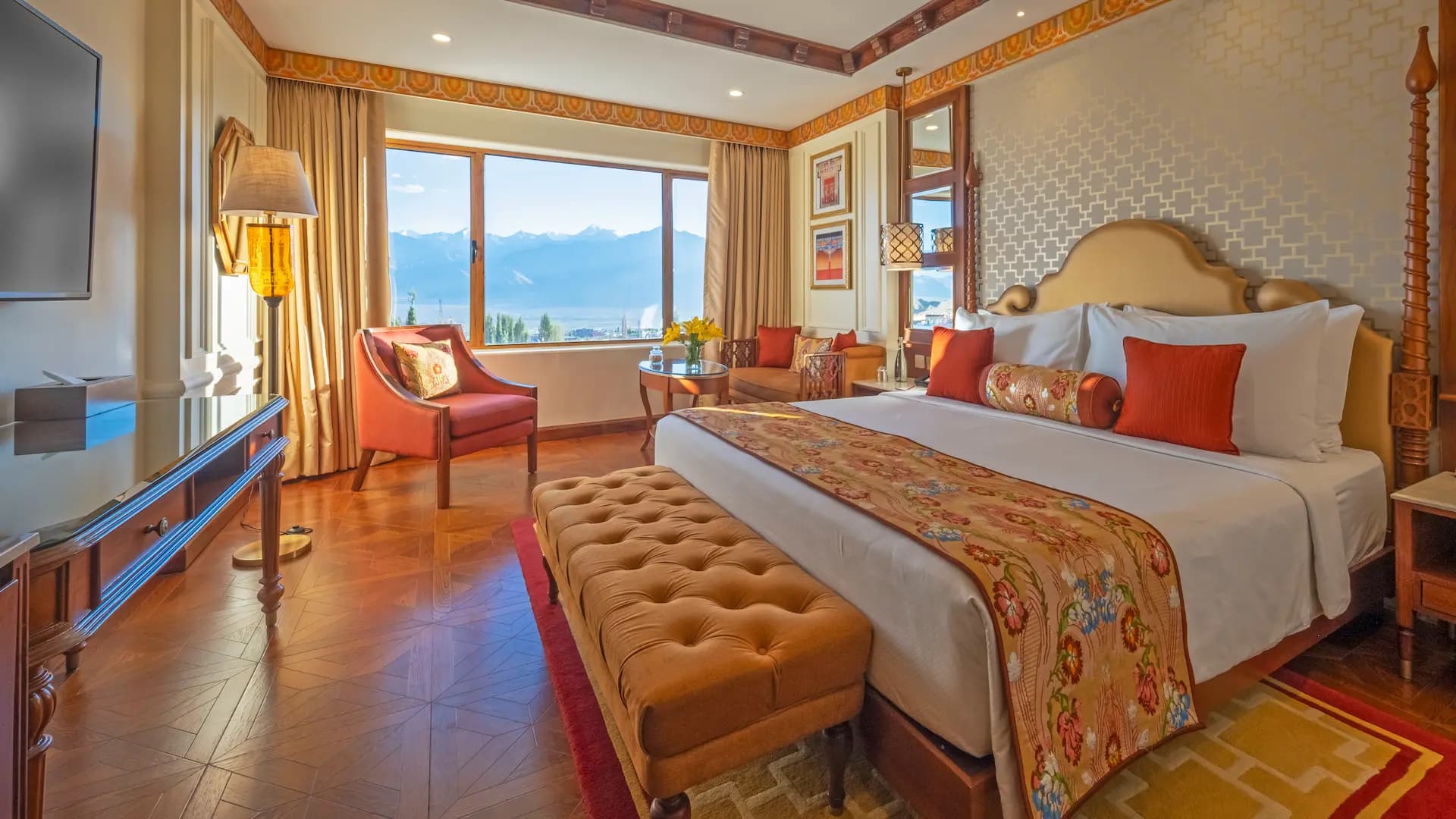
The Grand Dragon is the only certified five-star hotel in Ladakh. It stands on a rise on the edge of Leh, at about 3,500 metres, with the Stok range filling the windows. The building is run for the altitude. Rooms have a fresh-air system that raises the oxygen level, which helps guests sleep on the first nights. The heating is central and the water is hot, neither of which can be taken for granted this high up. There are 76 rooms and suites, all with mountain views, warm Ladakhi textiles and large bathrooms. The hotel has a spa, a library, a coffee shop and two restaurants, one of them serving Ladakhi food. The family that owns it has traded and hosted in Leh for generations. It is open all year, including deep winter, when most of Leh closes.
Stok Palace Heritage
★★★★
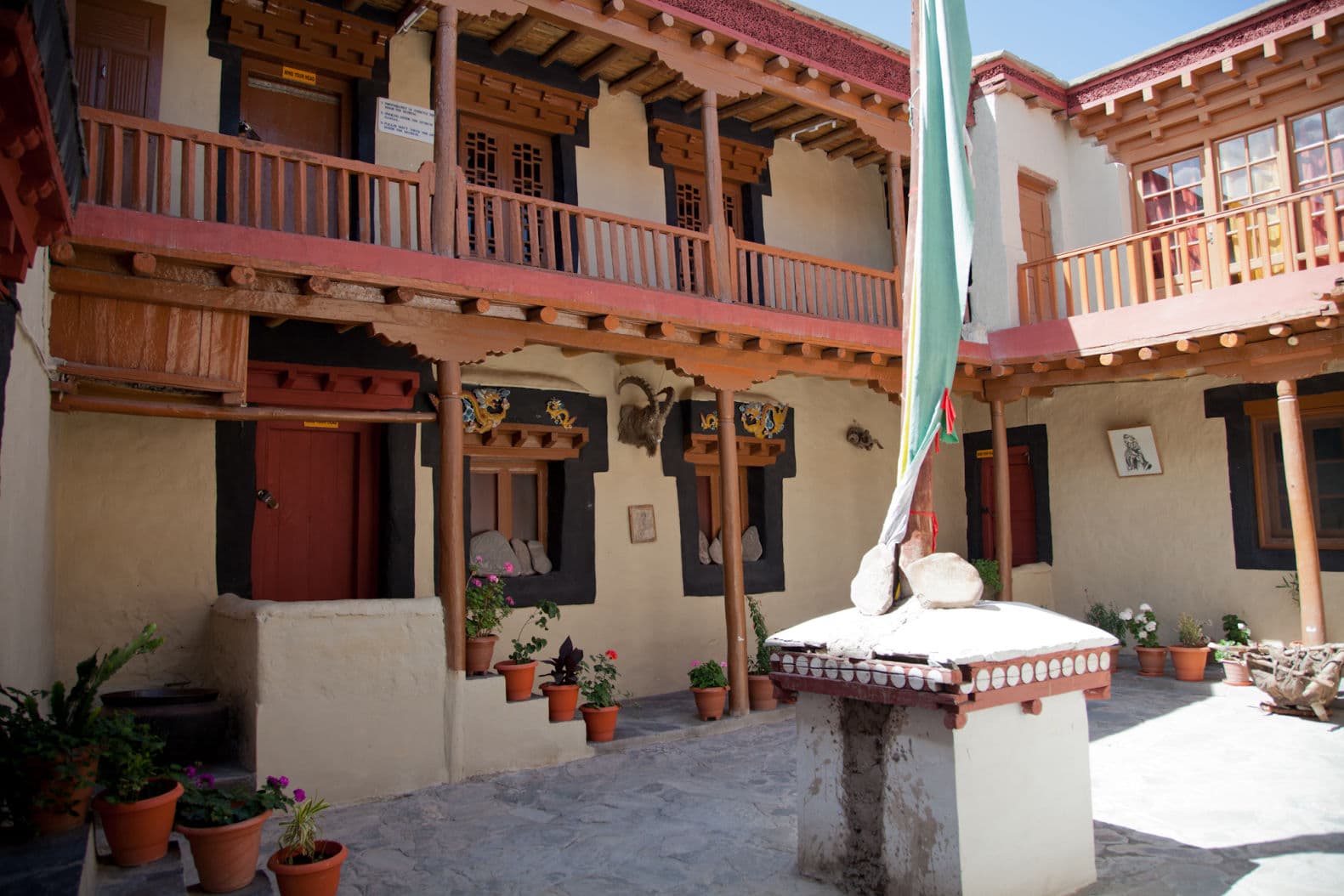
Stok Palace is the home of the Ladakhi royal family. It was built in 1820 and sits in Stok village, about 14 kilometres from Leh, on a ridge above the Indus valley. The family still lives in part of it. A few of the palace rooms are let to guests, each one furnished with old Ladakhi pieces, painted woodwork and family objects. This is a heritage stay, not a hotel. There is no television, no air conditioning and limited Wi-Fi, by choice. Meals are Ladakhi and are taken with the family or in the palace kitchen. The palace museum, one of the best collections of Ladakhi royal art and thangkas, is on the same site. Stok is quiet, rural and dark at night, a complete change from the town.
16
years crafting private India journeys
30,000+
travellers guided end to end
5.0
from 310 Google reviews

Ministry of Tourism
NIDHI Certified Tour Operator

Rajasthan Tourism
Recognized Travel Agency

Travel for LiFE
Sustainable Tourism Pledge

Google Reviews★★★★★
Verified business reviews
Frequently Asked
Questions About Leh
How many days do you need in Leh?
Plan three to four days in Leh itself. Most travellers spend the first couple of days on gentle sights such as the old town, Leh Palace and Shanti Stupa while they acclimatise. Thiksey, Hemis and the Sangam fit in after that. Nubra, Pangong and Tso Moriri are separate legs that each need extra nights.
What should I know before visiting Leh?
Leh is high, so travellers usually allow time to acclimatise and should ask a doctor before travel. Pack layers, sun protection and sturdy shoes, as days can be bright and nights cold. Dress modestly at monasteries and ask before photographing monks or prayer halls. Check current details for any permits with your guide.
When is the best time of day to visit Shanti Stupa?
Early morning and late afternoon are usually the most comfortable. The air is cooler, the light is softer, and the views over the Leh valley are easier to photograph. The hilltop is open to the sun, so carry water and a hat. Check current timings with your guide.
Can I see monastery prayers in the morning?
Often, yes. Thiksey Monastery is known for its early-morning puja, with long horns, drums and chanting. It starts before most day visitors arrive. Sit quietly at the back, keep your voice low and ask before taking photographs. Check current arrangements with your guide, as practice can vary.
Are your tours in Leh private?
Yes. Every journey is private. You travel with your own guide and driver, and the pace is yours to set.
What is the best time to visit Leh?
Roughly late spring to early autumn, when the high roads and passes are generally open. Winter brings deep cold and road closures, so check current conditions with your guide.
How do I get to Leh?
Leh has its own airport, Kushok Bakula Rimpochee Airport, with flights from Delhi and a few other cities. By road, Leh is about 434 km from Srinagar and about 473 km from Manali, both on seasonal routes.
Can I combine Leh with other cities?
Yes. We can join Leh to other cities in Ladakh in a single route, with transfers and stays planned around it.
Can you arrange hotels in Leh?
Yes. Stays are part of every journey. We match them to your budget and to the pace of your route.
How do I plan a trip to Leh?
Share your dates and who is travelling using the form on this page. A specialist replies with a private route for you to review.
Continue The Route
More Of Ladakh
The other cities in Ladakh we build private journeys through, each with its own guide.

Kashmir to Kanyakumari
Get In Touch
Start Planning Your Leh Journey
Tell us a little about who's coming and when. A private itinerary comes back built around your answer.