

Golden Triangle & Uttarakhand · 11 Days
Golden Triangle, Rishikesh & the Ganga
The complete circuit — two nights in Delhi, three in Rishikesh, and the full Agra-Jaipur leg.
Day by Day
11 Days, In Full
The Golden Triangle and the Ganges given equal room. Two nights in Delhi for Old and New Delhi both. Three nights in Rishikesh: white-water rafting, a spa day, and the ashram quarter with the evening aarti at the ghats each night. Back to Delhi, then Agra for the Taj Mahal at sunrise and the fort, and on to Jaipur by way of Fatehpur Sikri for Amber Fort and the Pink City. Eleven days, and neither half of the trip feels like an add-on to the other.
Delhi
Arrival in Delhi — Mughal Landmarks
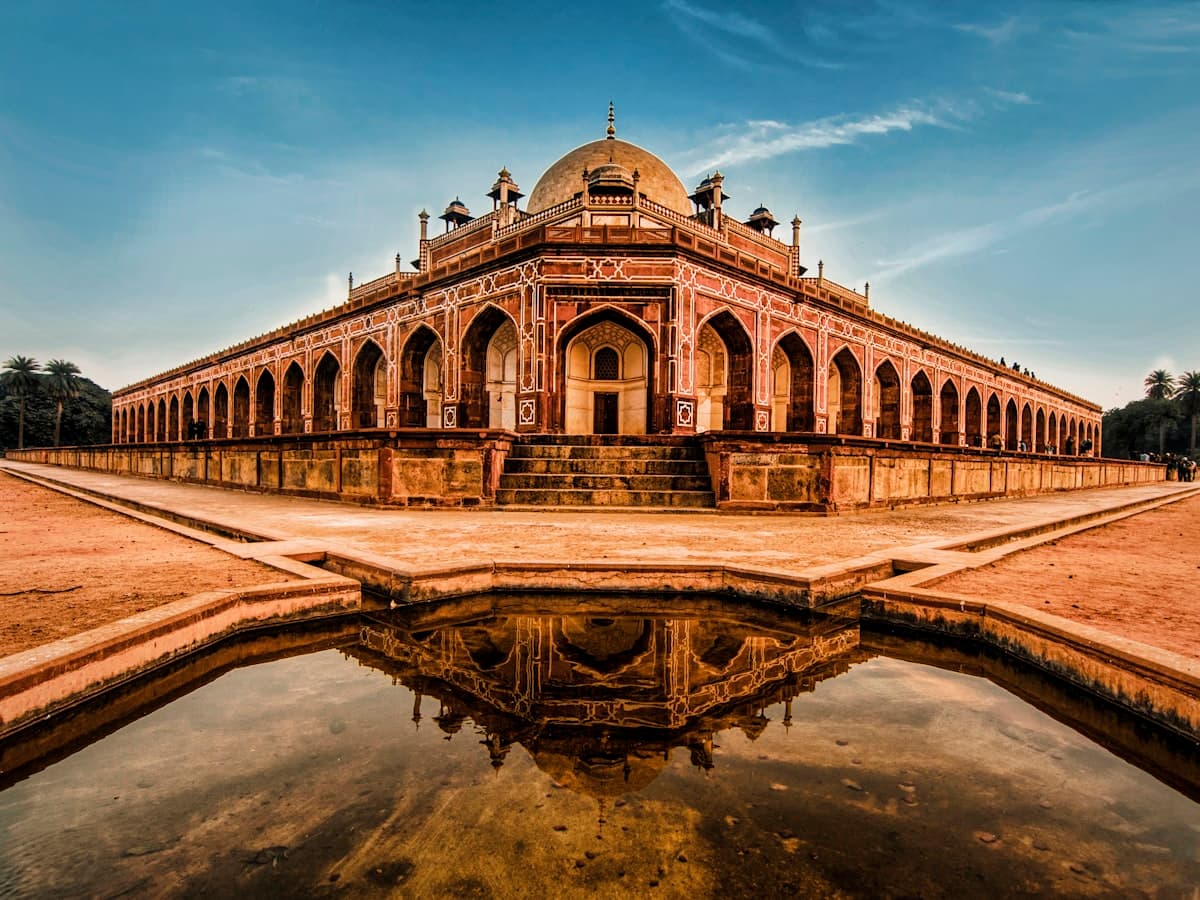
A private airport pickup in Delhi, then a first afternoon among the city's Mughal landmarks. Humayun's Tomb, finished in 1570, was the first great garden tomb built in India. Its design was later echoed in the Taj Mahal. Qutub Minar rises more than 70 metres and dates from the 12th century. It is the tallest brick minaret in the world. Old Delhi adds the Red Fort and the broad steps of the Jama Masjid. The evening is free before the drive to Rajasthan.
Delhi
Delhi — Old City & the Imperial Capital
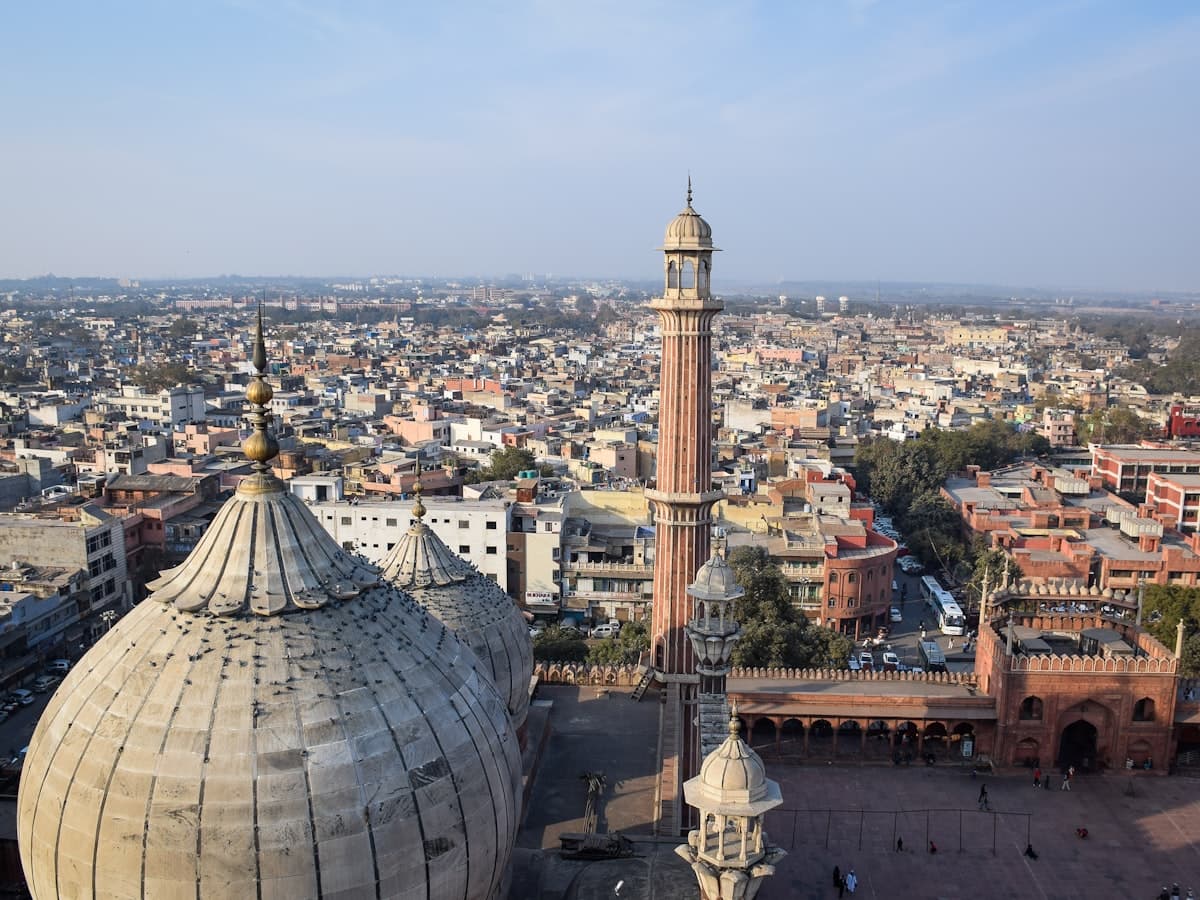
A full day across two Delhis. The morning is Shahjahanabad on foot — the Jama Masjid, the spice market, a cycle-rickshaw through Chandni Chowk. The afternoon is the imperial city the British built: the long axis of Rajpath, India Gate, and the sandstone government buildings on Raisina Hill. Humayun's Tomb or the Qutub Minar fills the gap between them. It is a long day and worth it.

Delhi → Rishikesh
Delhi to Rishikesh — up to the Ganges
A drive of about six hours north from Delhi, through Meerut and Muzaffarnagar before the road starts to climb toward the Himalayan foothills. Haridwar, where the Ganges leaves the mountains, makes a natural stop along the way for an hour at Har Ki Pauri. The last stretch follows the river itself into Rishikesh, the yoga town where the Ganges runs clear and green under Laxman Jhula. You arrive by evening, in time for the aarti at one of the riverside ghats.

Rishikesh
Rishikesh — Rafting and the Evening Aarti
A morning of white-water rafting on the Ganges, a run of roughly two to three hours through named rapids from Shivpuri or Marine Drive down toward the town, grade two to three and suited to first-timers. The afternoon is free, or given to a yoga class at one of the riverside ashrams. The evening returns to the ghats for the aarti, either at Triveni Ghat or the quieter Parmarth Niketan.

Rishikesh
Rishikesh — a Day of Ayurveda and Yoga
A day set around treatment rather than sightseeing, built for a stay at Ananda or a similar wellness-focused property. It opens with a morning yoga or pranayama session, followed by an Ayurvedic consultation and one or two therapies through the day, from the resort's own physicians. Meals follow the individual programme rather than a standard menu. The pace is deliberately slow, with long unstructured time on the terrace or in the gardens.

Rishikesh
Rishikesh — Ashrams, Laxman Jhula and the Beatles Ashram
A day given to the town's yoga history. A guided walk through the overgrown, graffiti-painted huts of the former Maharishi Mahesh Yogi ashram, where the Beatles studied in 1968, followed by a visit to a working ashram along the riverbank. A crossing of Laxman Jhula for the view up the Ganges, and time in the cafes and yoga-shop lanes on the eastern bank. The evening returns to the ghats for the aarti.

Rishikesh → Delhi
Rishikesh to Delhi — Back to the Capital
The same road south, about six hours, back down from the Himalayan foothills to Delhi. The drive is usually timed to leave after an early breakfast, reaching the capital by mid-afternoon with time to rest before the Golden Triangle leg begins. It is a full driving day, and the last of the trip's long transfers before the shorter hops between Delhi, Agra and Jaipur.
Delhi → Agra
Delhi to Agra — The Yamuna Expressway
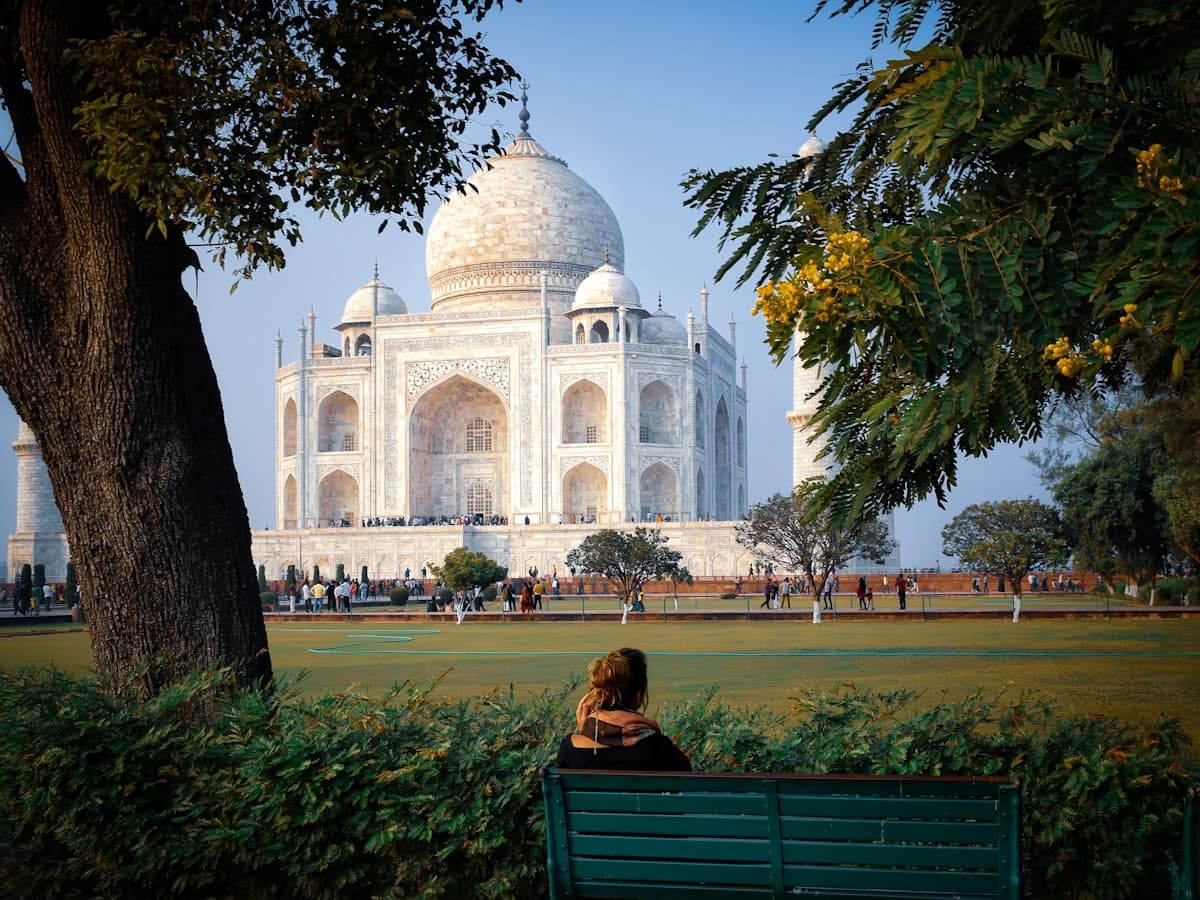
The drive to Agra runs about 165 kilometres down the Yamuna Expressway and takes three to three and a half hours. It is flat, fast and unremarkable, which is the point — it replaced a full day on the old road. You reach Agra by early afternoon. The rest of the day is Agra Fort, in the long light, with the Taj Mahal visible downriver from its marble balconies — a first sight of it before tomorrow's sunrise.
Agra
Agra — The Taj at Sunrise, then Agra Fort
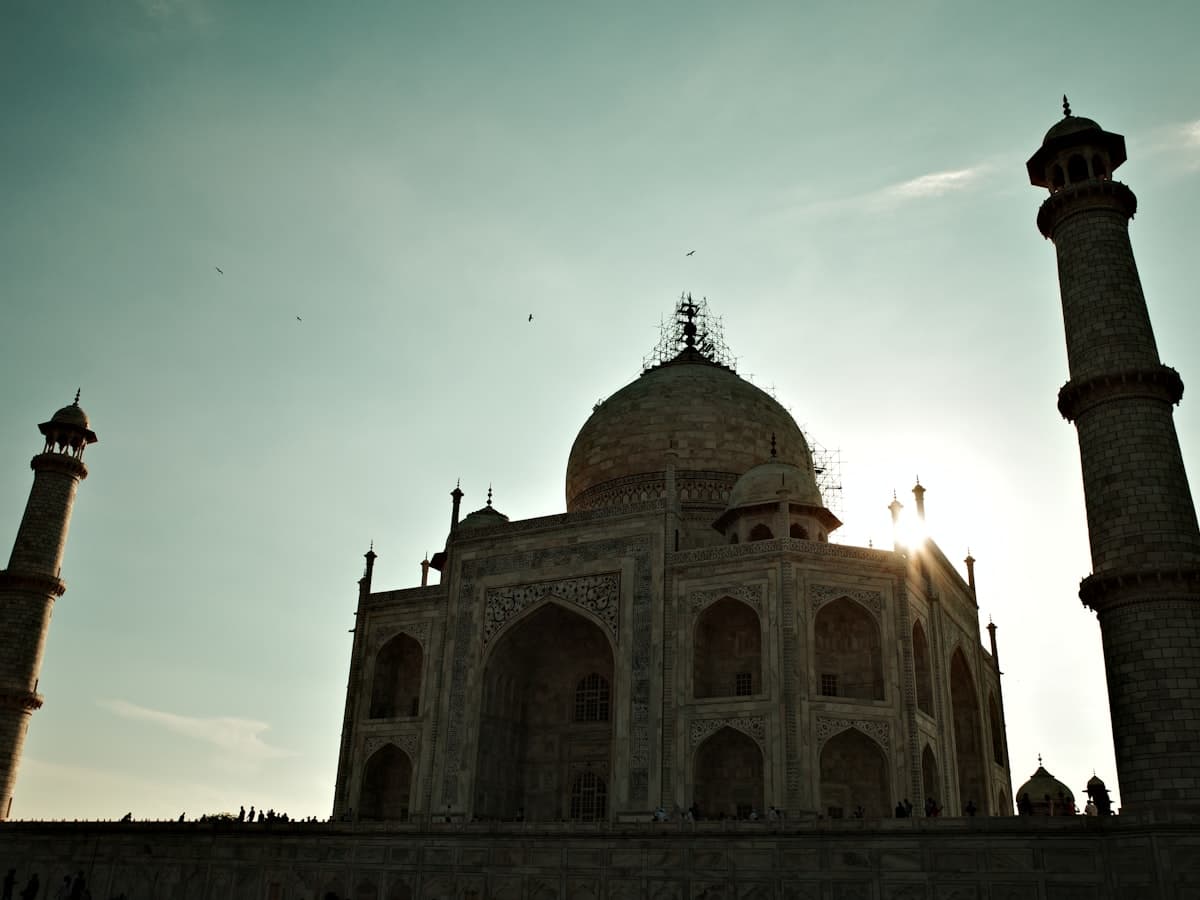
The gates open at first light, and the first hour is the coolest, the quietest and the best for photographs, as the marble shifts from grey to pink to white. A private guide handles the tickets and the queue. Back to the hotel for breakfast. The rest of the morning is Agra Fort, Akbar's red sandstone citadel, including the rooms where Aurangzeb held his father prisoner within sight of the Taj. The Taj is closed on Fridays.
Agra → Jaipur
Agra to Jaipur — Fatehpur Sikri & Chand Baori
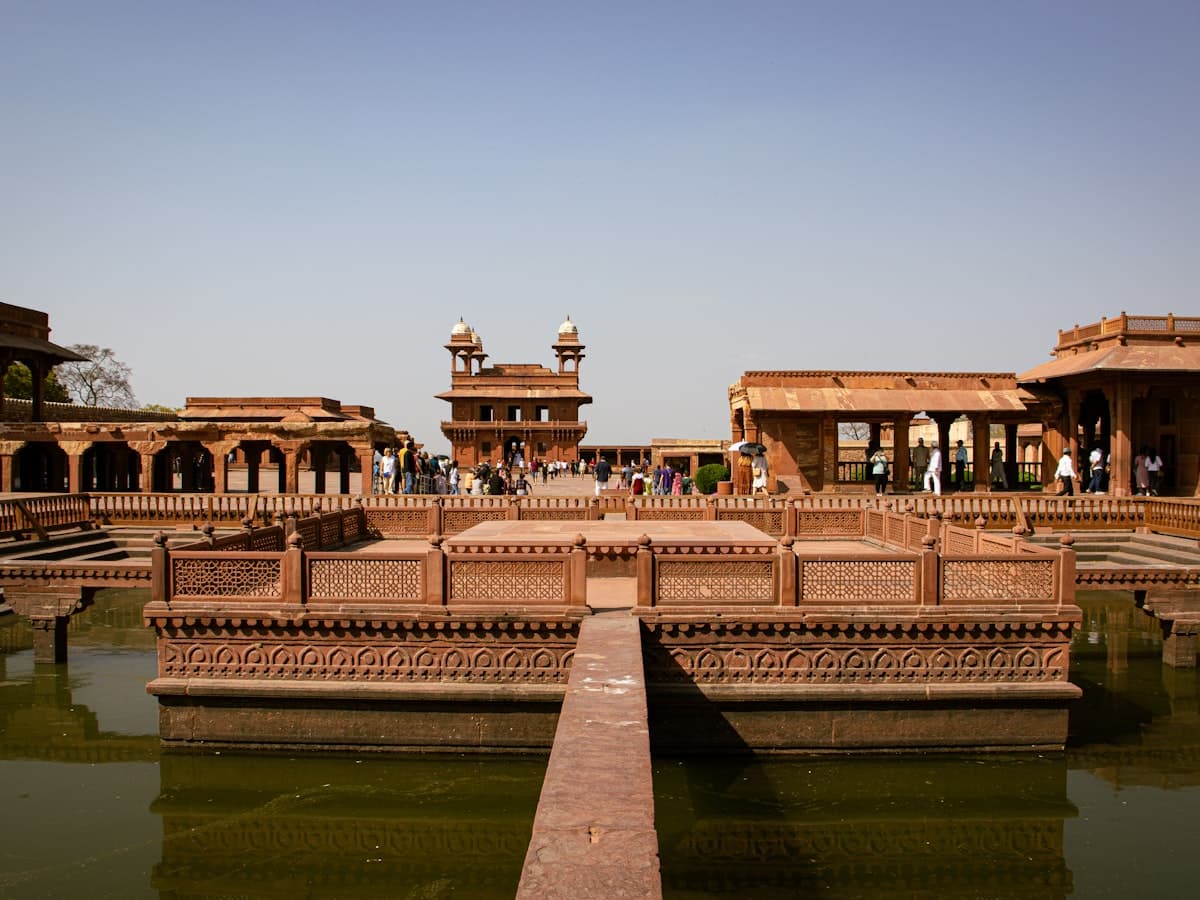
A morning drive out to Fatehpur Sikri, Akbar's capital of 1571, abandoned within twenty years and left almost untouched since. The Buland Darwaza is the tallest gateway in India. The road then runs on towards Jaipur. Near Abhaneri it passes Chand Baori, a stepwell that drops thirteen storeys into the ground. Its walls are a lattice of some 3,500 steps. It is one of the oldest and deepest in the country. Jaipur by evening, about five hours of driving in all.
Jaipur
Jaipur — Amber Fort & the Pink City, then Departure
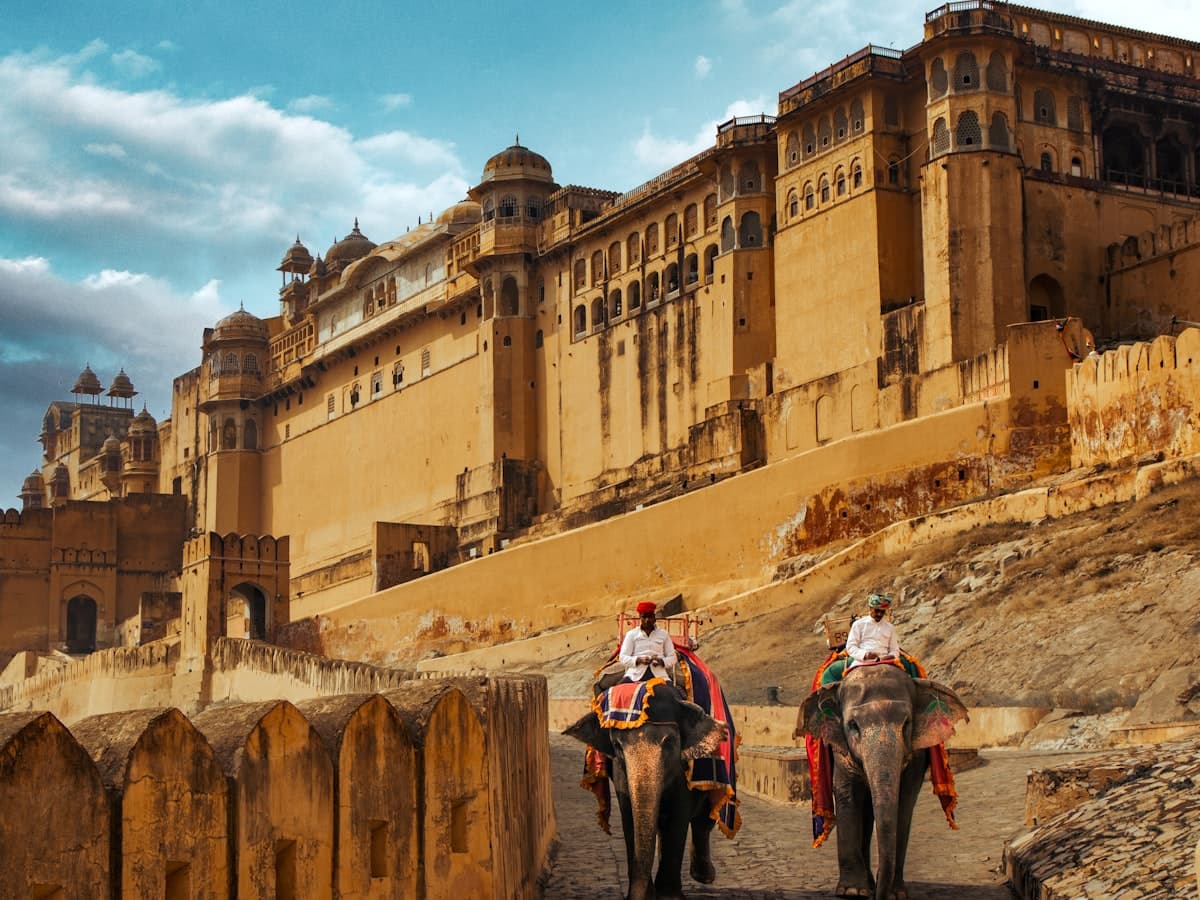
The morning is Amber Fort, on its ridge above the lake, reached on foot or by jeep up the ramp. Inside are the mirrored hall, the painted gates and the older palace behind. Back in the city, a drive past the Hawa Mahal and a walk through the bazaars around the City Palace fills the rest of the day. Your driver times the transfer to the airport or the train. This is the usual last day of a Golden Triangle trip.
Book This Itinerary
Priced Packages On This Route
This route is already built into these packages — real inclusions and pricing on each one's own page.

Kashmir to Kanyakumari
Get In Touch
Start Planning Your Trip
Full itinerary, real pricing, one honest conversation — no sales pressure, just answers.