Wayanad Travel Guide: Edakkal Caves, Chembra Peak, Banasura Sagar and When to Go
Wayanad guide: Edakkal Caves, the Chembra heart lake trek and permits, Banasura Sagar, Kuruva Island, safaris, best months and a 3-day plan.
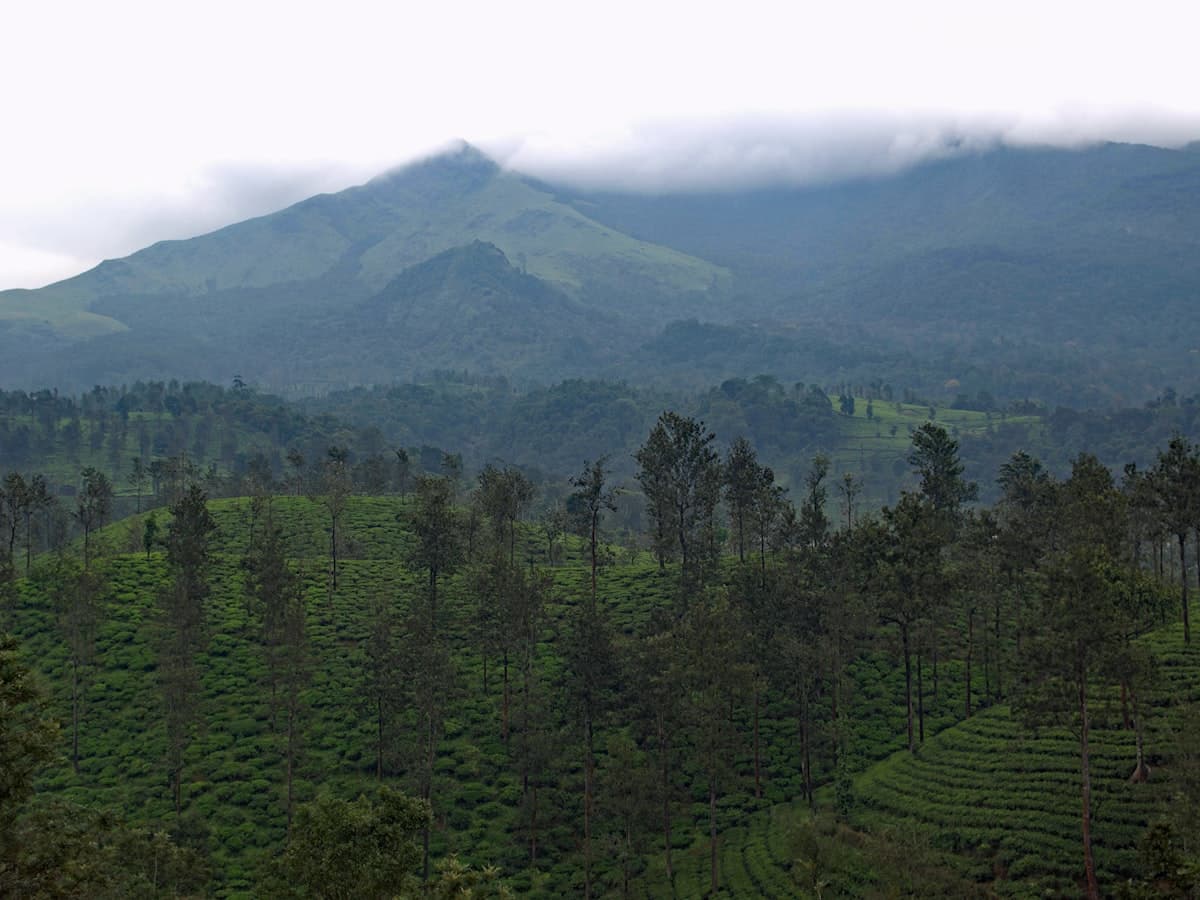
Wayanad is Kerala without the coast. It is a high plateau of tea, coffee and spice estates, folded into the Western Ghats at roughly 700 to 2,100 metres. The air is cooler. The roads climb through bamboo and forest. The pace is slower than the beaches and backwaters, and the scenery is very different.
It is also a place where timing and planning matter more than elsewhere in Kerala. Caves close on certain days, a famous trek is limited to a fixed number of people, and the monsoon changes everything. This guide gives you the facts first, then the sights, then a month-by-month calendar and a three-day plan.
Figures were checked in October 2026. Fees and permit rules change often and sources disagree, so the tables give ranges. Please confirm the day's status before you travel.
Wayanad at a glance
What to know | |
|---|---|
Where | North-east Kerala, in the Western Ghats, bordering Karnataka and Tamil Nadu |
Base towns | Kalpetta, Meppadi, Sulthan Bathery and Mananthavady |
Elevation | About 700 to 2,100 metres. Chembra Peak is the highest point |
Best season | October to March for clear days. August and September for green hills |
Time to allow | 3 nights to see the main sights without rushing |
Best for | Hill scenery, short treks, wildlife, plantation stays, quiet |
Not for | Beach time, a big nightlife scene |
Getting there | By road from Kozhikode (about 3 hours), Mysuru or Bengaluru (a long day) |
A note on the 2024 landslide
On 30 July 2024, heavy rain triggered landslides in the Mundakkai and Chooralmala area, in the south of the district. Hundreds of lives were lost. It was one of the worst disasters in Kerala's recent history.
Most of Wayanad's sights lie well away from that valley, and the district reopened its main attractions after the monsoon. The affected area is not a place to sightsee. Treat it with respect, follow local guidance, and ask your hotel which roads and sights are open on the day you go.
The main sights
Sight | What it is | Time | Best for |
|---|---|---|---|
Edakkal Caves | Rock shelters with prehistoric carvings | 2 to 3 hours | History, short climb |
Chembra Peak | A day trek to a heart-shaped lake | 4 to 6 hours | Active travellers |
Banasura Sagar Dam | India's largest earthen dam, with boating | 2 hours | Families, views |
Kuruva Island | A protected river delta on the Kabini | 2 to 3 hours | Walks, quiet |
Muthanga and Tholpetty | Wildlife sanctuaries, with jeep safaris | 3 hours | Elephants, deer |
Pookode Lake | A freshwater lake with paddle boats | 1 hour | Easy outing |
Thirunelli Temple | A forest temple beside a stream | 1 to 2 hours | Culture |
Edakkal Caves
Edakkal is not a cave in the usual sense. It is two natural rock fissures high on Ambukuthi Hill, where a boulder has wedged itself in a gap. The walls inside carry hundreds of carved and scratched markings, from figures and tools to symbols. Estimates date the earliest to the Neolithic, thousands of years ago.
The climb is the effort. A path and a long run of steps take you up through forest, and the last stretch is a steel stairway into the rock. Allow about 45 minutes to climb and an hour at the top and back. Wear shoes with grip. The caves are closed on Mondays on several listings, and hours are roughly 9:00 am to 4:00 or 4:30 pm. Fees differ by source, from a token amount to a few hundred rupees for foreign visitors.

Carved markings on the rock wall at Edakkal.
Chembra Peak and the heart-shaped lake
Chembra is the highest peak in Wayanad, at about 2,100 metres. The classic trek goes to the heart-shaped lake on the slope, about 3.5 kilometres uphill and roughly three to four hours there and back. Grass-covered ridges open up as the forest thins, and on a clear day the views carry for miles.
The trek is controlled by the forest department. A daily cap, commonly reported as 200 people, applies. A forest guide goes with every group, and permits are sold at a counter in the morning, so arrive early and expect to queue on weekends. Fees are charged per group, with different rates for Indian and foreign visitors, and sources disagree on the amount. Trekking beyond the lake to the summit is restricted.
Check the trail status before you plan around it. The trek can close in the dry season for fire risk and in heavy monsoon for safety.

The heart-shaped lake on Chembra Peak.
Banasura Sagar Dam
Banasura Sagar is among the largest earthen dams in India. The reservoir is dotted with small islands, and paddle and speed boats run on the water. A long walkway along the top gives a wide view across the hills. It is an easy, family-friendly stop, and it is best in the early evening, when the light softens.

The covered walkway on Banasura Sagar Dam.
Kuruva Island
Kuruva is a protected river delta on the Kabini, with wooded islets, shallow channels and bamboo rafts on some days. Entry is controlled to protect the ecology, so there is a daily limit and it can close when the river is high. Go on a weekday morning, and bring shoes that can get wet.

A quiet channel at Kuruva Island.
Muthanga, Tholpetty and the safaris
Wayanad's wildlife sanctuaries adjoin the forests of Karnataka and Tamil Nadu, and elephants cross between them. Jeep safaris run in the early morning and again in the late afternoon, in set windows. Elephants and deer are the commonest sightings, and tigers are rare. Book through the sanctuary counter or your hotel, as prices are per vehicle and change.
Month-by-month calendar
Month | Weather | What it means for visitors |
|---|---|---|
January | Cool, dry, clear | Excellent for treks and views. Peak season |
February | Warming, clear | Very good. Check Chembra for dry-season closures |
March | Warm, dry | Good in the mornings |
April | Hot, dry | Go early. Fire risk can limit trails |
May | Pre-monsoon showers | Variable. Some trails close |
June | Monsoon begins | Heavy rain, leeches, some sights shut |
July | Peak monsoon | Lush but disruptive. Roads can close |
August | Heavy rain | Green and dramatic. Check conditions daily |
September | Rain easing | Waterfalls full, fewer visitors |
October | Post-monsoon | Clear and green. Good all-round month |
November | Cool, bright | Excellent. Start of peak season |
December | Cool, crisp | Peak season. Book early |
Three days in Wayanad
Day | Plan | Why this order |
|---|---|---|
Day 1 | Arrive, then Banasura Sagar in the late afternoon | An easy first evening |
Day 2 | Chembra permit at the counter, trek in the morning, rest in the afternoon | The trek needs a clear morning and early queue |
Day 3 | Edakkal at opening, Kuruva or a safari, drive on | The climb is cooler early |
If Chembra is closed or you prefer something gentler, swap it for a plantation walk, a spice garden visit and Kuruva Island.
Who Wayanad suits
Traveller | Why it works | Tip |
|---|---|---|
Active travellers | Treks, caves and viewpoints | Book Chembra for a weekday |
Families | Boating, easy walks and cool air | Skip the long climbs |
Couples | Plantation stays and quiet evenings | Choose a hotel inside an estate |
Wildlife lovers | Elephants and forest drives | Book the early safari |
Photographers | Mist, ridgelines, tea rows | Go at sunrise |
Slow travellers | Coffee, spice and a break from beaches | Stay three nights |
What to pair it with
Wayanad slots in between Kerala's other regions.
Munnar is the other great hill region. Read our Munnar tea estate stay guide and the Eravikulam National Park guide.
Periyar is Kerala's best-known tiger reserve. See our Periyar boat and trek guide.
The backwaters and beaches balance the hills. Our Kerala highlights field guide maps the options.
How to plan your trip
Choose the season. October to March is clearest.
Book Chembra for a weekday and arrive at the counter early.
Check Monday closures for Edakkal.
Keep a flexible day in case rain or a closure changes the plan.
Stay in an estate or resort with a guide who knows the local conditions.
Check the local status of roads and sights before you set out.
Where it fits in Kerala
Wayanad usually sits between the coast and the Tamil Nadu border. Our guide to the best time to visit Kerala, month by month helps you place it in the calendar.
Taj Wayanad Resort and Spa is set among the hills, and Vythiri Village Resort sits in the forest. See how the hills fit into a route in the Kerala Hills and Spice itinerary or the Kerala Hills and Spice package.
Frequently asked questions
What is the best time to visit Wayanad?
October to March for clear days and treks. August and September are green but wet.
How many days do you need in Wayanad?
Three nights covers the main sights at an easy pace.
Is Chembra Peak open?
The trek has a daily cap and a forest guide, and it can close in the dry season for fire risk and in heavy rain. Check the status with the forest counter before you go.
How hard is the Chembra trek?
It is a steady uphill walk of about 3.5 kilometres to the heart-shaped lake. Allow three to four hours there and back, and a reasonable fitness level.
What are the Edakkal Caves timings?
Roughly 9:00 am to 4:00 or 4:30 pm. Several listings say they are closed on Mondays. Confirm on the day.
Is Wayanad safe to visit after the 2024 landslide?
Most of the district's sights are far from the affected area and have reopened. Ask your hotel about conditions on the day, and avoid the affected valley as a sightseeing stop.
Can you see tigers in Wayanad?
Tigers are rare. Elephants and deer are much more likely.
Plan your Kerala hills trip with us
We pair Wayanad with the right season, the right estate and a flexible schedule. Explore the Kerala destination page or talk to a trip designer.
Photo credits
Edakkal carvings: Vengolis, CC BY-SA 4.0. Chembra heart lake: Ravi Dwivedi, CC BY-SA 4.0. Banasura Sagar walkway: Dinesh Valke, CC BY-SA 2.0. Kuruva Island: Vinayaraj, CC BY-SA 3.0. All via Wikimedia Commons.
Journeys for this trip
Plan your Kerala trip
Read Next
All Stories →
Thekkady Spice Plantation Visit: What to See, Buy and Avoid
Thekkady in 2 Days: Periyar, Spice Gardens and Culture