Staying on a Munnar Tea Estate
What a real Munnar tea estate stay involves, from plantation walks to tasting sessions, and which estate suits a first visit.
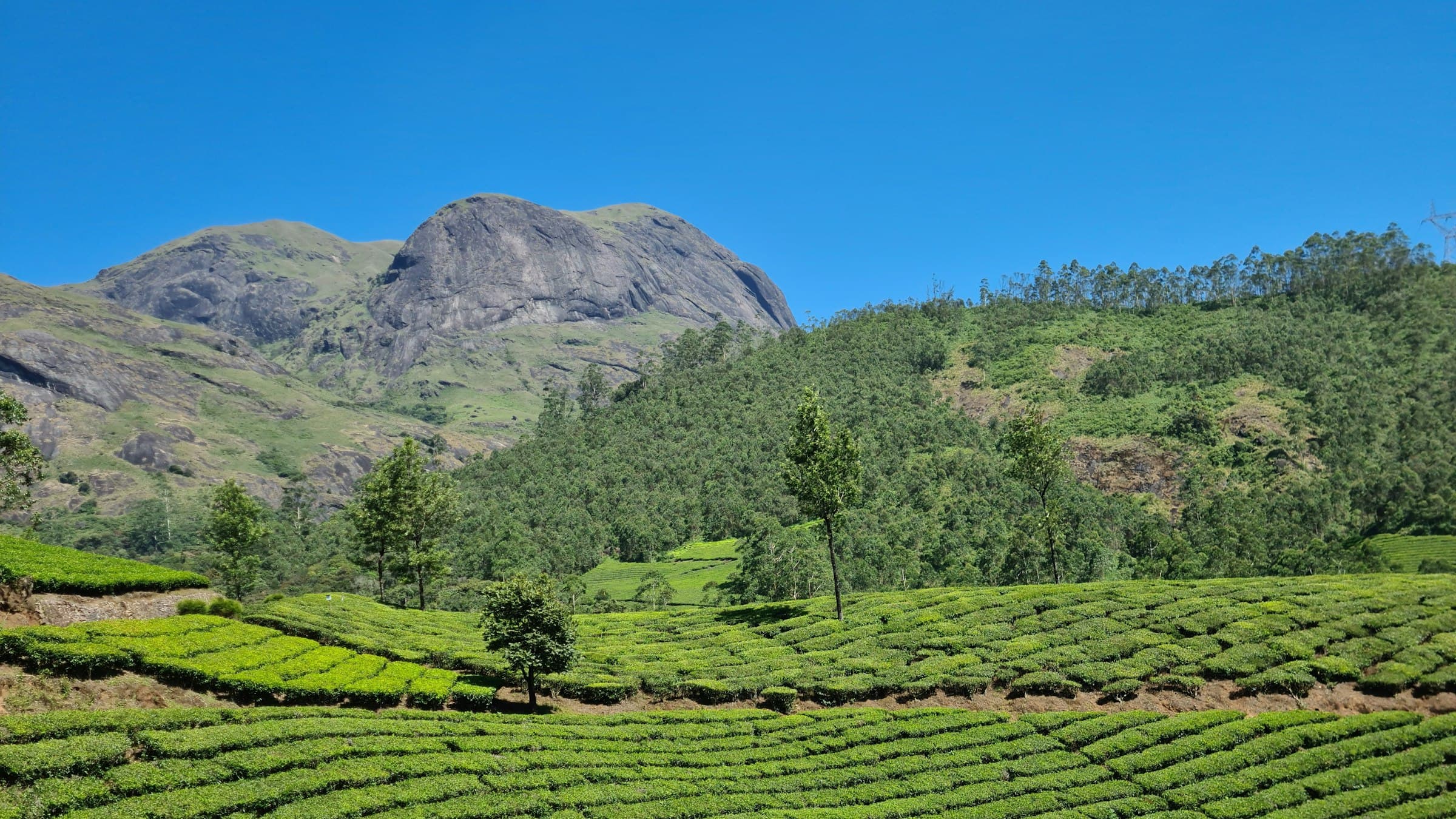
Munnar's hills are covered in tea, not forest — a landscape shaped entirely by 19th-century British planting, and still one of India's major tea-growing regions today. Staying on an actual working estate, rather than in a generic hill-station hotel, is the difference between looking at the plantations and understanding them.
What an estate stay actually involves
Estate properties are built inside or beside working tea gardens, and most run their own guided experiences rather than leaving you to admire the view from a balcony.
A typical estate day includes:
A plantation walk, usually early morning, through the neat rows of tea bushes with a planter or estate guide explaining pruning cycles, plucking standards ("two leaves and a bud" is the classic quality marker) and how altitude changes the leaf.
A tasting session, comparing grades and flavours the way a wine tasting would — Munnar's high-altitude tea tends toward a brighter, more delicate character than lowland Assam tea.
A factory visit, if the estate processes its own leaf on-site, walking the withering, rolling, oxidation and drying stages in sequence.
None of this needs to be booked separately once you are staying on the estate — it is generally built into the stay itself.

Beyond the tea gardens
Two nearby stops round out a Munnar stay well:
Eravikulam National Park, home to the endangered Nilgiri tahr and some of the region's best high-altitude grassland views, a short drive from most estates.
Mattupetty Dam, a reservoir set against the tea-covered hills, popular for an easy morning or evening walk with good light for photographs.
Which estate to choose
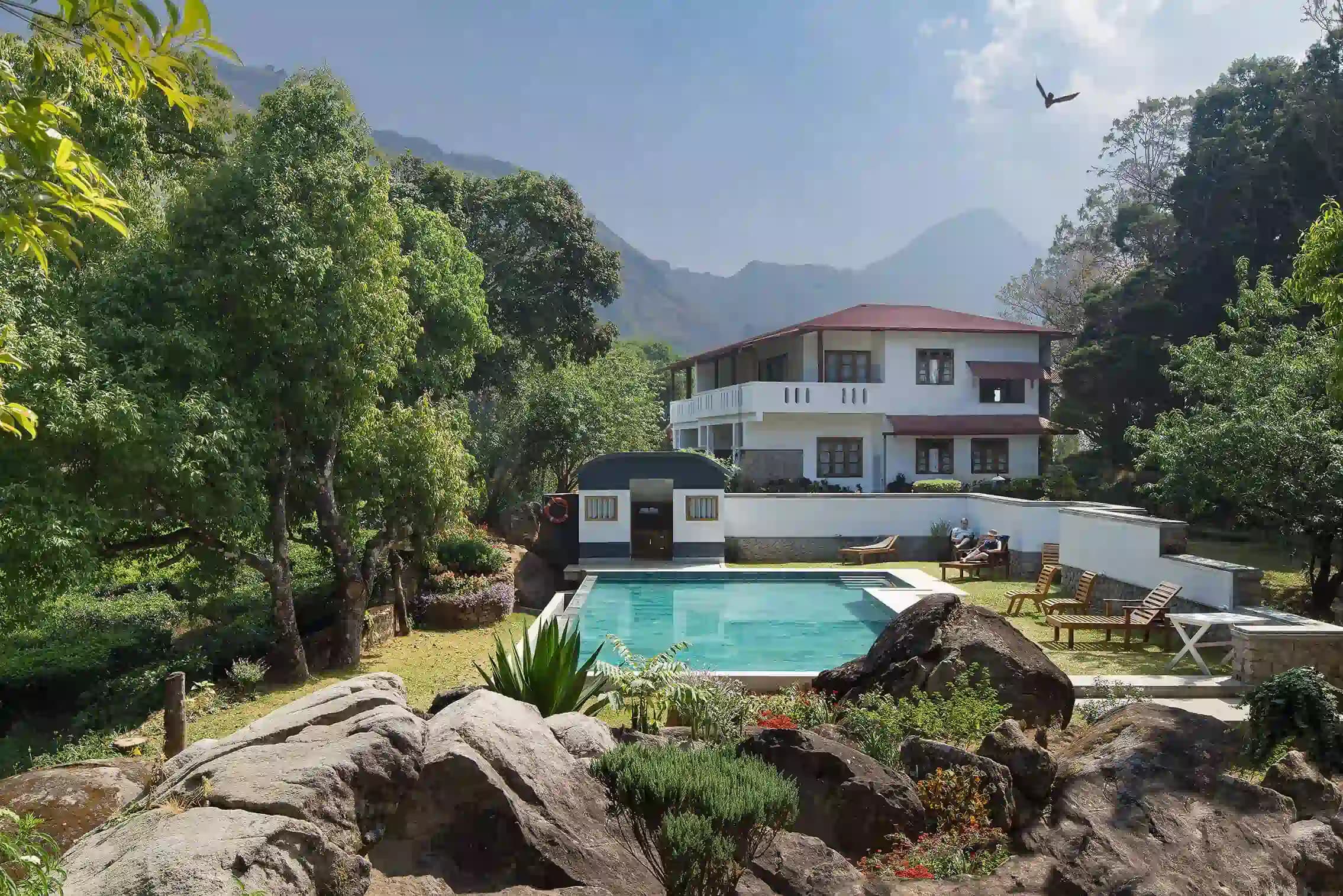
Windermere Estate, a boutique property inside a real working plantation, is the stay we book most often for guests who want the plantation experience to be central to the trip, not incidental to it. Scenic, Munnar – IHCL SeleQtions is a strong alternative with tea-garden views and a more conventional resort structure, better suited to guests who want comfort first and the plantation as a backdrop.
A short history worth knowing
Munnar's tea industry dates to the 1870s, when British planters found the high-altitude climate ideal for tea after early coffee and cinchona plantings failed to thrive. Much of what became modern Munnar was originally consolidated under the Kannan Devan Hills Produce Company, and several of today's estate properties, including working plantations converted to hospitality, trace directly back to those original 19th-century holdings. Knowing this context changes how the plantation walk lands — you are walking through a working continuation of that history, not a recreation built for visitors.
How much time to give it
Two nights is the practical minimum — one full day for the plantation walk, tasting and a factory visit, and a second for Eravikulam or Mattupetty. Three nights suits a slower pace, especially if photography is part of the appeal; the light on the tea gardens changes meaningfully between early morning and midday.
Where this fits a Kerala trip
Munnar usually opens or closes a Kerala route, as the hill-station counterpoint to the backwaters and coast. Our Kerala Hills & Spice itinerary is built around exactly this pairing — Munnar's tea estates followed by Thekkady's spice plantations — and works as a standalone route or the opening leg of a longer Kerala trip.
Best time to visit
September to March gives the clearest hill views and the most comfortable walking weather. The June-to-August monsoon turns the hills a deeper green and is genuinely beautiful, but plantation walks are wetter and less predictable.
Frequently asked questions
Is a Munnar tea estate stay suitable for children?
Yes — plantation walks are gentle and largely flat, and most children enjoy the factory tour's noise and machinery more than adults expect.
How is Windermere different from a standard Munnar hotel?
It sits inside an actual working plantation rather than simply overlooking one, so the tea garden is a real part of the stay, not a view from a resort built elsewhere.
Can you buy tea directly from the estate?
Most estates sell their own processed tea on-site, often at a noticeably better price and freshness than what reaches shops in town.
How many days does Munnar need?
Two nights covers the essentials well; three suits a slower pace or serious photography.
Plan your stay
Browse the Kerala destination page for full route options, or start with the Kerala Hills & Spice itinerary. To build a Munnar estate stay into your own trip, talk to a trip designer.
Read Next
All Stories →
A Night on a Kerala Houseboat: What It Is Really Like
The Best Time to Visit Kerala, Month by Month