Eravikulam National Park: Timings, Tickets and Seeing the Nilgiri Tahr
Eravikulam National Park guide: opening hours, tickets, the forest bus to Rajamala, when it closes for calving and how to see Nilgiri tahr near Munnar.
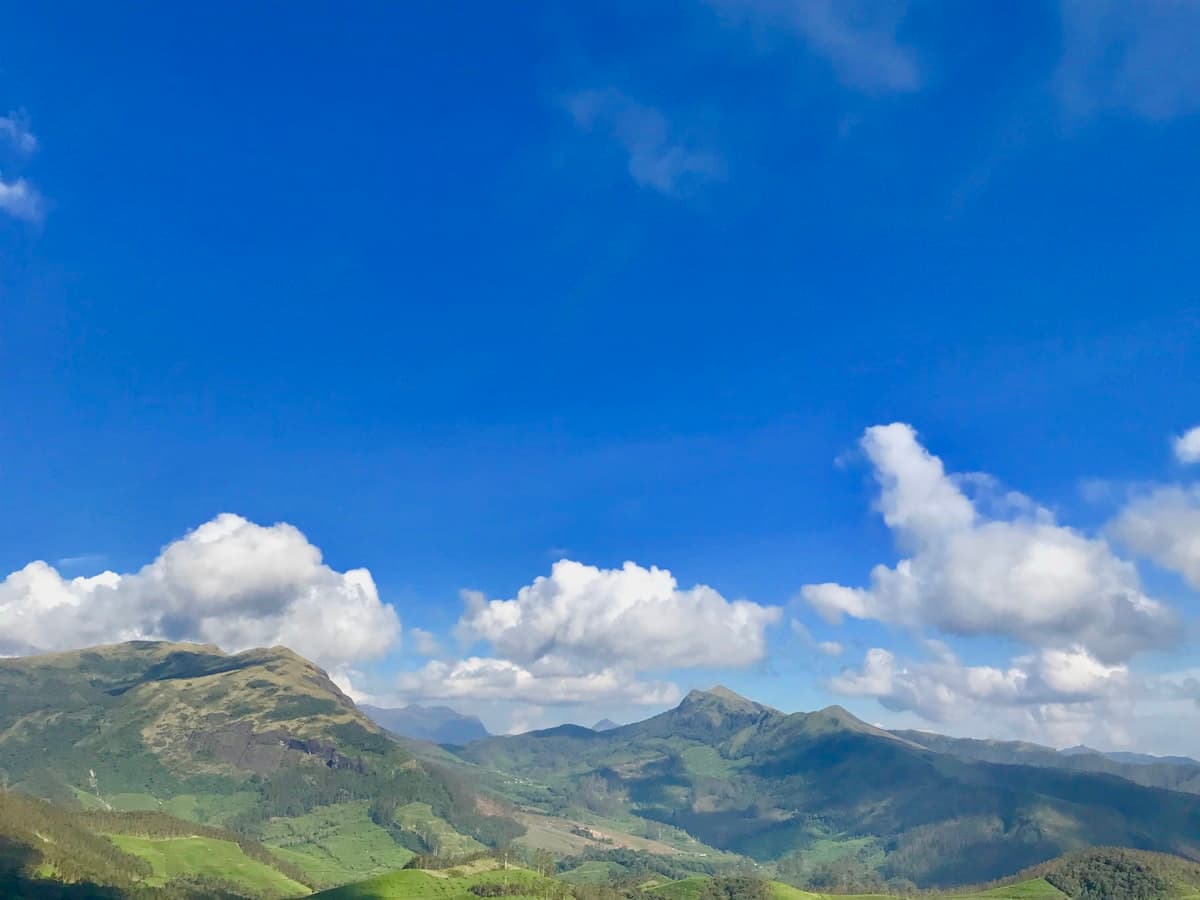
Eravikulam is the one place near Munnar where you stand on open mountain grassland and look down on the clouds. The hills roll away, the air is cool even at midday, and a mountain goat found almost nowhere else walks past you on the road.
It is also a park with rules. Private vehicles are not allowed. Tickets are limited. It closes every year for the calving season, and many visitors turn up in the wrong month.
This guide gives you the practical facts first, then what you will actually see, and the seasons that matter. Figures were checked in October 2026. Sources differ on prices and hours, so the tables show ranges. Confirm with the forest department before you travel.
Eravikulam at a glance
What to know | |
|---|---|
Where | Near Munnar, in Idukki district, Kerala. The tourist zone is Rajamala |
Elevation | Around 2,000 metres. The highest peak, Anamudi, is 2,695 metres |
Area | About 97 square kilometres |
Opening hours | Roughly 7:30 am to 4:00 pm. The last bus up leaves around mid-afternoon |
Weekly closing day | Confirm when you book |
Annual closure | Usually February and March, for calving |
Time to allow | 2 to 3 hours |
Run by | The Munnar Wildlife Division of the Kerala Forest Department |
Status | Wildlife sanctuary from 1975, national park from 1978 |
What makes it special
The park sits on a high plateau of rolling grass, broken by pockets of dense forest called shola. Anamudi, inside the park, is the highest peak in south India.
The star is the Nilgiri tahr, a mountain goat found only in the southern Western Ghats. The park holds one of the largest populations, which has been estimated at several hundred animals. They are used to people, so you can often see them close to the road.

A Nilgiri tahr beside the park road. Keep your distance and never feed them.
Eravikulam also holds a wider range of wildlife than most visitors notice. Surveys list around 26 mammal species, more than 130 bird species and over 100 butterflies. Sightings of anything beyond tahr are a bonus rather than a promise.
Opening hours and tickets
Item | Detail |
|---|---|
Gate hours | Roughly 7:30 am to 4:00 pm |
Last bus | Around mid-afternoon, so arrive well before |
Private vehicles | Not allowed inside the park |
Transport | Forest Department buses from the ticket area to Rajamala |
Closed | Usually February and March, for calving |
Ticket | Indian visitors | Foreign visitors |
|---|---|---|
Entry, including the bus | Roughly ₹125 to ₹200 for adults | Roughly ₹425 to ₹500 |
Camera | A small fee | A small fee |
Video camera | A larger fee | A larger fee |
Sources disagree on the exact fees and are often out of date, so treat these as ranges. Tickets are sold at the park and can be booked online through the Munnar Wildlife Division's booking site. Booking ahead is wise in peak season, because numbers are capped.
How the visit works
You do not drive into Eravikulam. You park, buy your ticket and take a forest bus up to the Rajamala zone. From the drop-off, a marked path leads through the grassland, with the sanctuary's staff keeping visitors to the route.
The bus ride
The bus climbs through tea estates and then out onto open grassland. It is a short ride, but it takes you from one landscape to another. Sit on the side with the view.
The walk
At the top you walk a defined path through the grass. The tahr often graze near the route. Keep your distance, do not feed them, and stay on the path. Rules are enforced by the forest staff, so follow their instructions.

The view over the valley. On a clear day it opens to the plains beyond.

Mist moves across the slopes quickly. A light rain jacket is worth carrying.
When to go
The park's rhythm is set by the calving season and the weather.
Months | What to expect |
|---|---|
February to March | The tourist zone is usually closed for calving |
April to May | Warmer, with long views on clear mornings |
June to August | Monsoon. Heavy rain and mist. The grassland is intensely green, but views come and go |
September to January | Cool and green. A popular window for visitors |
Check the calving dates before you plan around the park. Closure dates are announced each year.
The Neelakurinji
The neelakurinji is the shrub that turns whole hillsides blue when it flowers. It does so in vast carpets once in about twelve years. The famous Eravikulam population flowered in 2018, and the next mass bloom there is expected around 2030.
Other populations around Munnar follow different cycles, so you may read news of a bloom elsewhere in the hills in other years. If a bloom is the point of your trip, ask the forest department or your hotel what is actually flowering and where before you commit.
Who Eravikulam suits
Traveller | Why it works | Tip |
|---|---|---|
Wildlife lovers | Close views of an endangered mountain goat | Go early and walk slowly |
Photographers | Rolling grass, clouds and tahr in the open | Bring a zoom lens and a rain cover |
Families | A short walk and a bus ride | Check the day's ticket numbers |
Walkers | High-altitude scenery without a long trek | Wear layers. It is cooler than Munnar town |
Couples | A quiet, scenic morning | Pair with a tea estate stay |
Travellers with limited mobility | A marked path, but at altitude | Ask the staff about the easiest route |
What to pair it with
Eravikulam makes a good morning, and Munnar fills out the rest of the day.
Tea estates. A stay on a working estate is the best of Munnar. Our guide to staying on a Munnar tea estate explains how to choose one.
Mattupetty Dam. The reservoir sits among tea hills. Boats run on it, and elephants sometimes come to drink on the far side.
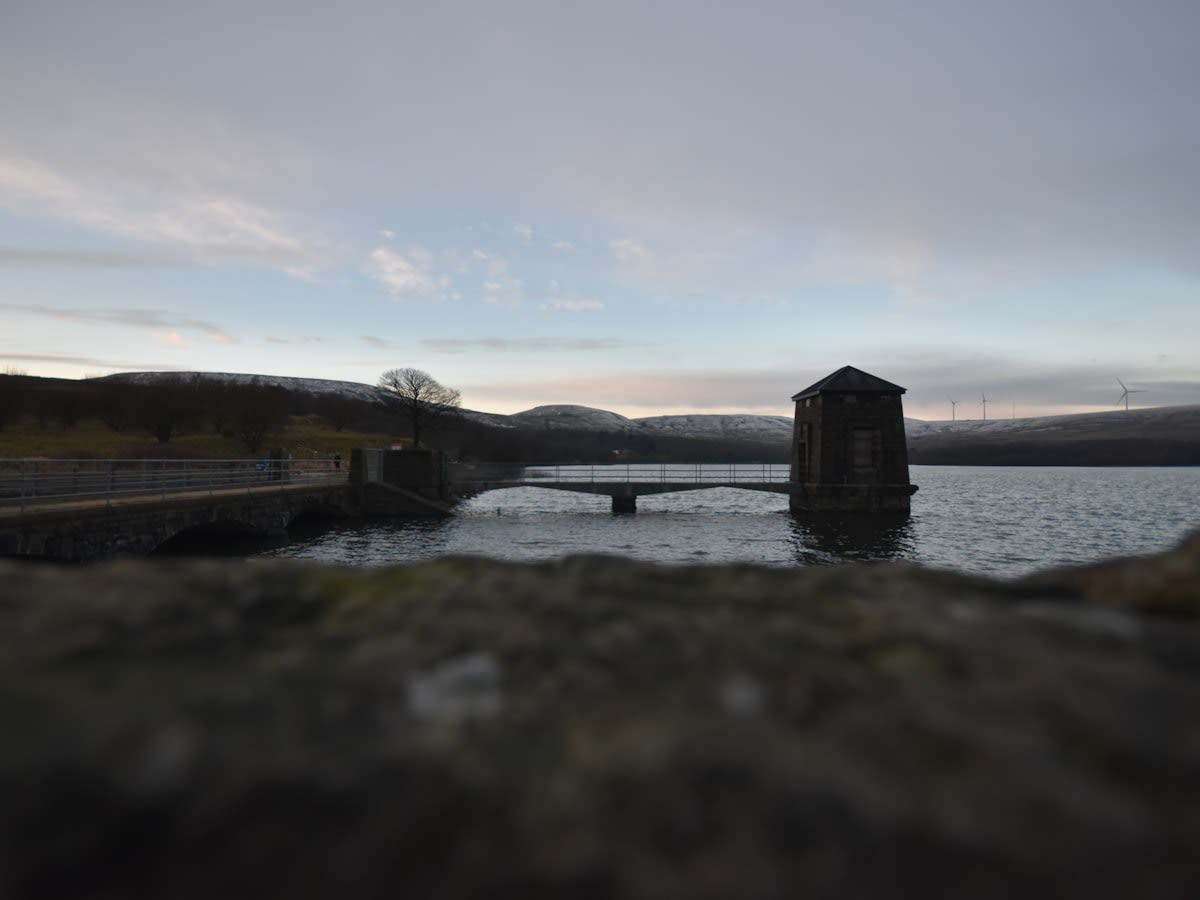
Mattupetty Dam, a short drive from Munnar.
Periyar. If you are heading to Thekkady next, read our guide to Periyar by boat, trek or both.
How to plan your visit
Check the calving closure before you choose your dates.
Arrive early. Buses and tickets are limited, and the mornings are clearest.
Book online if you can, especially in peak season.
Dress in layers. It is cooler and windier than the town below.
Do not leave the path or feed the animals.
Allow two to three hours.
Where it fits in a Kerala trip
Eravikulam belongs on a Munnar day, usually the second one. Our guide to the best time to visit Kerala, month by month will help you place it. For the wider picture, read the best places to visit in Kerala.
For somewhere to stay near the park, Windermere Estate and Scenic Munnar are both in the hills.
To see Munnar in a built route, look at Kerala Hills and Spice or the Kerala Tea and Spice Trail package.
Frequently asked questions
What are Eravikulam's opening hours?
Roughly 7:30 am to 4:00 pm. The last bus up leaves around mid-afternoon. Confirm the day's hours when you book.
Is Eravikulam closed in any month?
Yes. The tourist zone is usually closed for the Nilgiri tahr calving season, generally in February and March. Dates are announced each year.
How much is the Eravikulam ticket?
Roughly ₹125 to ₹200 for Indian adults and ₹425 to ₹500 for foreign visitors, including the bus. Sources differ, so confirm at the park or online.
Can I drive into the park?
No. Private vehicles are not allowed. You take a forest bus from the ticket area to Rajamala.
Will I see tahr?
Very likely. They are used to visitors and often graze close to the path. Sightings of other animals are less certain.
When does the neelakurinji bloom?
About once every twelve years. The Eravikulam population flowered in 2018 and the next bloom is expected around 2030. Other populations around Munnar flower on different cycles.
How long does it take?
Allow two to three hours, including the bus ride and the walk.
Plan your Munnar visit with us
We plan Munnar around the calving closure, the buses and the weather. Browse the Kerala destination page or talk to a trip designer.
Read Next
All Stories →
Places to Visit in Kerala: Backwaters, Hills, Coast and the Food Between
Mattancherry Palace and Jew Town: Timings, Murals and a Walking Route