Two Days in Fort Kochi: A Slow Guide to Kerala's Layered Port
The best Fort Kochi things to do, paced over two days: fishing nets, Mattancherry Palace, Jew Town, Kathakali and where to sleep in a heritage hotel.
The best Fort Kochi things to do are not on a checklist. They are a set of quiet layers: a fishing net swinging over the harbour, a palace covered in old murals, a synagogue with blue-and-white Chinese tiles, a lane of spice merchants. Kochi has been a trading port for centuries, and each wave of traders left something behind. Two unhurried days is enough to read them all.
Most Kerala trips pass through Kochi because the airport is here. That is a pity when the city is treated as a transfer point. Give it two days at the start or end of your journey and it becomes one of the most rewarding stops on the route.
Why Fort Kochi feels different
Fort Kochi sits on a small peninsula where the Arabian Sea meets the backwaters. Portuguese, Dutch and British rulers each held it in turn. Arab, Chinese and Jewish merchants traded here long before them.
The result is a town where a Portuguese-era church, a Dutch bungalow and a Keralan temple sit within a short walk of each other. It is compact, shaded by old rain trees and best explored slowly on foot.
Day one: the waterfront and the palace
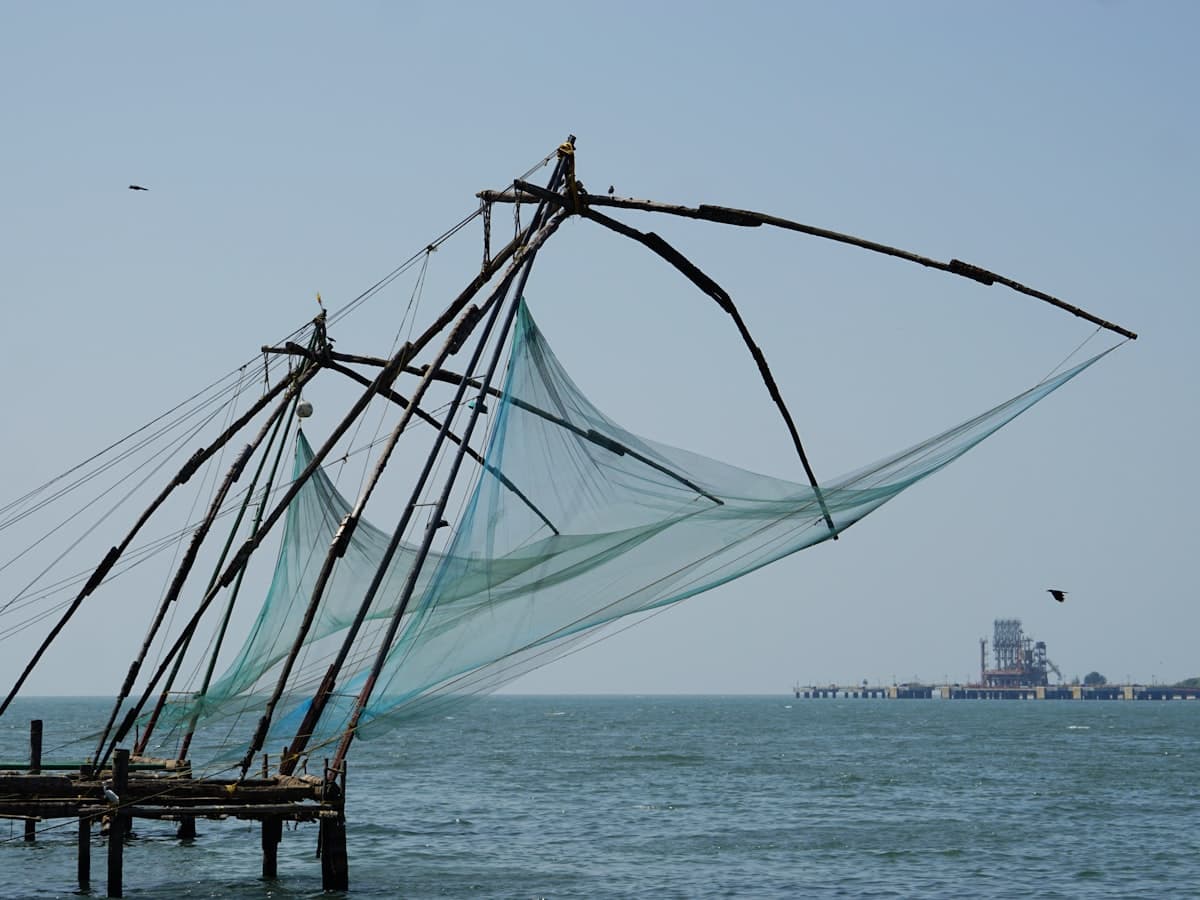
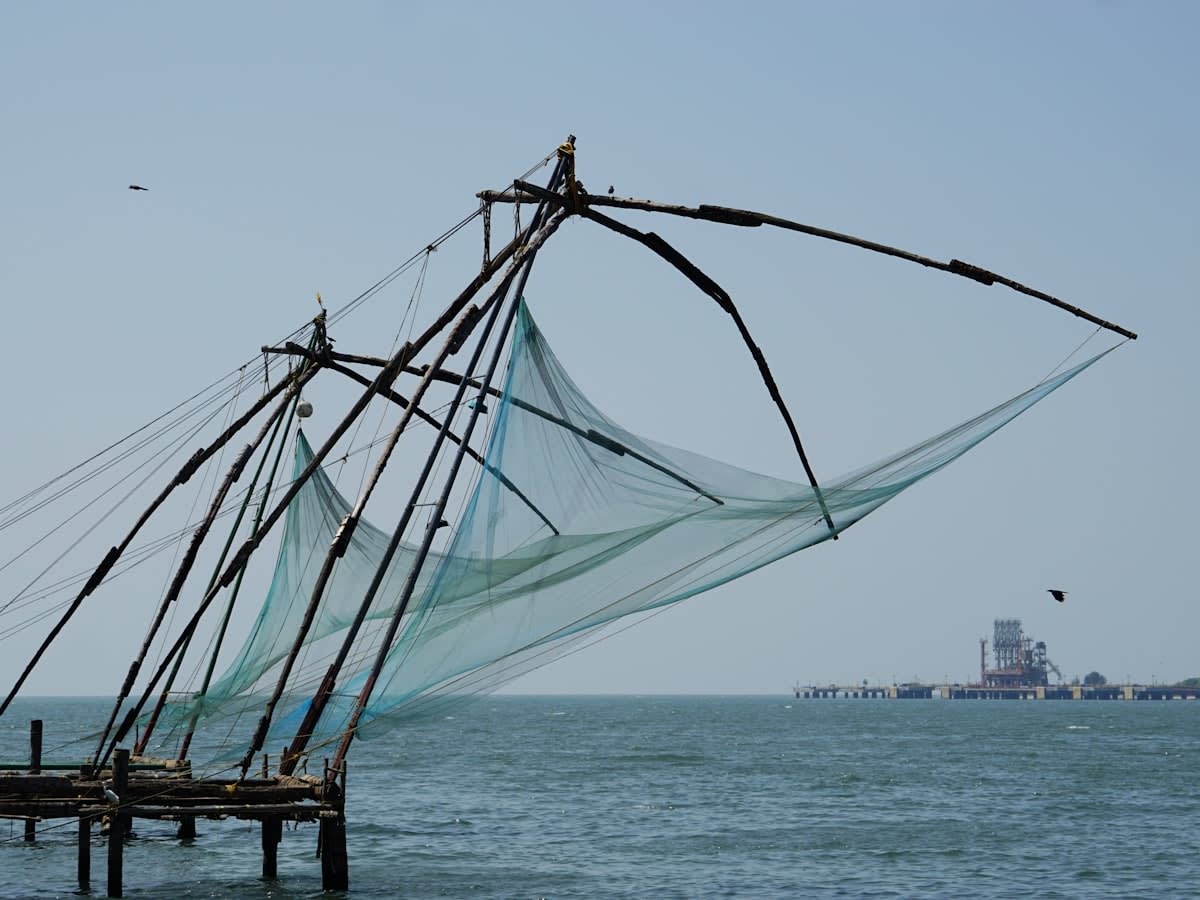
Morning: the fishing nets. Start at the Chinese fishing nets on the northern shore. These huge cantilevered nets are lowered into the water by teams of men and raised again with rocks and ropes. Tradition links them to early Chinese traders. Go early, when the light is soft and the fishermen are working, rather than at the busy sunset hour.
Walk on along the promenade. Small stalls sell fresh catch, and you can have a fish fried to order nearby. It is casual, and it is delicious.
Late morning: Mattancherry Palace. A short drive south brings you to Mattancherry Palace, often called the Dutch Palace. The Portuguese built it in the 1500s as a gift for the local ruler, and the Dutch later renovated it. Inside, the walls carry vivid Kerala murals of Hindu epics, painted in deep reds and greens. Photography is usually restricted inside, so look closely and take your time.
Afternoon: Jew Town. Next door is Jew Town, a lane of antique shops and spice merchants. Ginger, cardamom and pepper are stacked in sacks, and the air smells of them. At its end stands the Paradesi Synagogue, dating to the 1500s, with hand-painted blue-and-white tiles on the floor. Dress modestly and check opening days, as it closes on some days for religious observance.
Evening: Kathakali. Kerala's classical dance-drama is best seen at a small theatre where you can watch the actors apply their elaborate make-up first. It is a slow, absorbing hour, and it explains the masks and gestures far better than a museum could.
Day two: streets, churches and food
Morning: a walking loop. Fort Kochi's streets reward wandering. Look for St. Francis Church, one of the oldest European-built churches in India, and Santa Cruz Basilica nearby, with its painted interior. Colonial bungalows line the lanes behind them, many now cafés, galleries or homestays.
Midday: Kerala food. Kochi's kitchens blend coastal, Syrian Christian and Malabari traditions. Look for seafood curries with coconut milk, appam with stew, and fried fish with tamarind. Ask your guide to choose a small family-run place rather than a tourist restaurant. It costs less and tastes better.
Afternoon: rest and reflect. Heat builds in the early afternoon. Return to your hotel for a break, then visit a gallery or bookshop in the cooler hours. Fort Kochi has a lively small art scene, and the streets fill with locals in the evening.
Evening: a sunset by the water. If you have an evening free, a short boat ride around the harbour shows the town from the sea. It is a peaceful end to the day.
Photography and etiquette
Kochi is a photographer's town, but courtesy comes first.
Ask before photographing people. Fishermen and shopkeepers are used to cameras, but a smile and a nod go a long way.
Respect sacred spaces. Photography is restricted inside some churches, temples and the synagogue. Look for signs, and ask your guide.
Shoot early. The harbour and the old lanes are best from around six to nine in the morning, when the light is soft and the streets are calm.
Look for detail. Peeling paint, carved doorways, hand-lettered shop signs and stacks of spices make better images than the postcard views.
Beyond Fort Kochi
If you have an extra half-day, two outings are worth considering. A backwater cruise on the quieter channels around the city shows village life at a gentler pace than the tourist boats. And a short drive to a spice or coconut plantation lets you see how pepper, cardamom and nutmeg actually grow, and how the trade that built Kochi began. Both can be added without changing the shape of your trip.
Where to stay
Sleep in the old town if you can. Eighth Bastion is a boutique hotel with period character and a courtyard pool, set in the heart of the fort area. For a more classic luxury stay, Taj Malabar Resort & Spa sits on Willingdon Island with sweeping harbour views.
When to go
Kochi is warm and humid through the year. The most comfortable months are November to February. The monsoon, from June to September, brings heavy rain but also lush scenery and lower rates. Our month-by-month guide to Kerala explains how the seasons affect the whole state.
Fitting Kochi into a Kerala trip
Kochi is the natural start or end of a Kerala journey. From here, most travellers head to the hills or the backwaters.
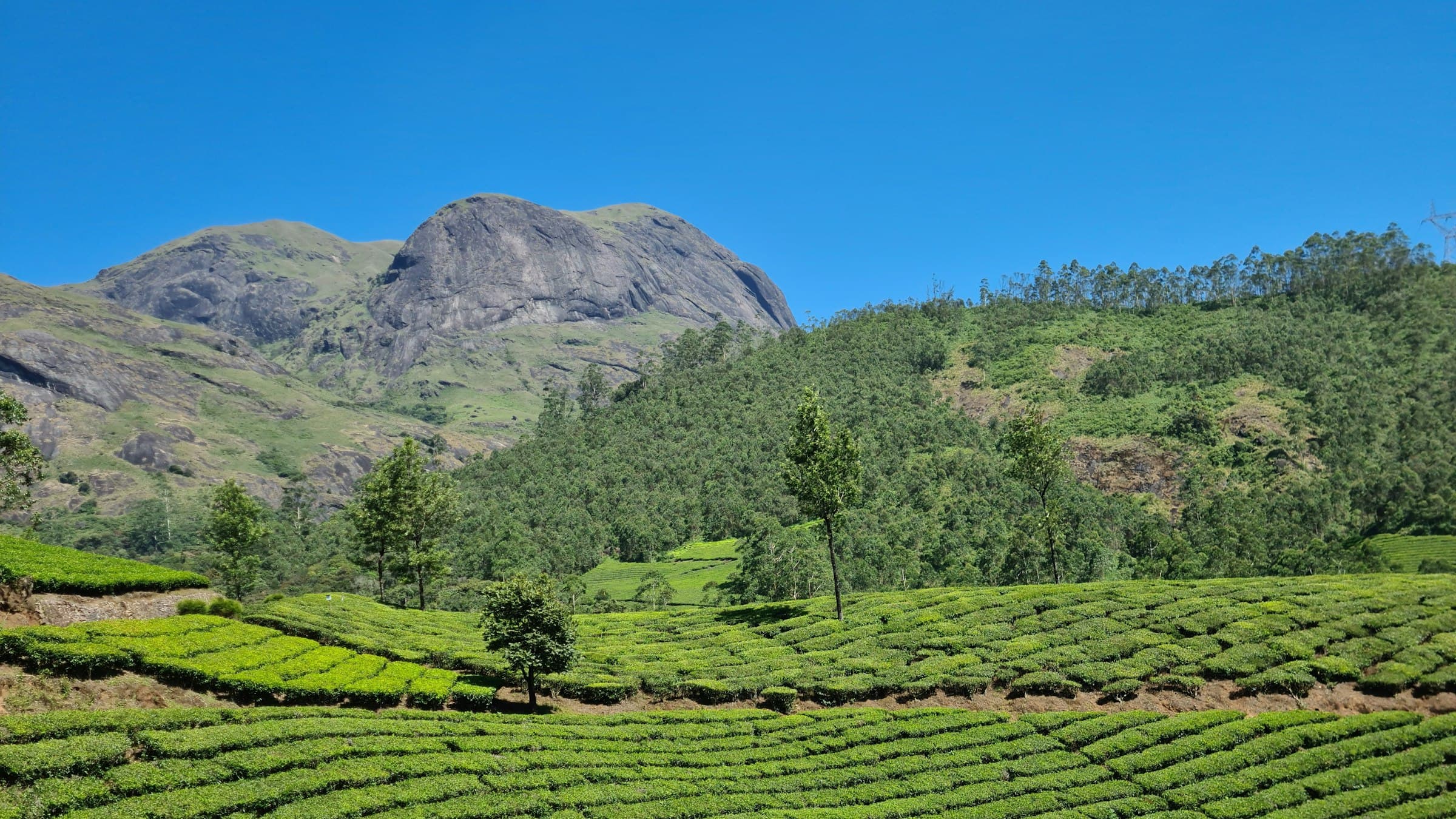
Hills next: continue to Munnar's tea estates, as in our Kerala hills and spice itinerary. Our guide to a Munnar tea estate stay explains what to expect.
Backwaters next: head south to Alleppey or Kumarakom. Read what a night on a Kerala houseboat is really like.
The whole state: our Kerala classic highlights journey and the grand Kerala journey both begin in Kochi and unfold at a comfortable pace.
Frequently asked questions
How many days do I need in Fort Kochi?
Two days lets you cover the main sights slowly. One day works if you are short on time, but you will miss the evening atmosphere.
Is Fort Kochi walkable?
Yes. Most of the old town is compact and flat. Mattancherry and Jew Town are a short drive or a longer walk away.
What is the best time of day for the fishing nets?
Early morning is calmest and best for photographs. Sunset is atmospheric but crowded.
Can I see Kathakali without a full performance?
Yes. Several small theatres offer a shorter show with make-up demonstration, which suits first-time visitors.
Start planning
Explore our Kerala destination guide, or talk to a trip designer about adding two days in Kochi to your route.
Read Next
All Stories →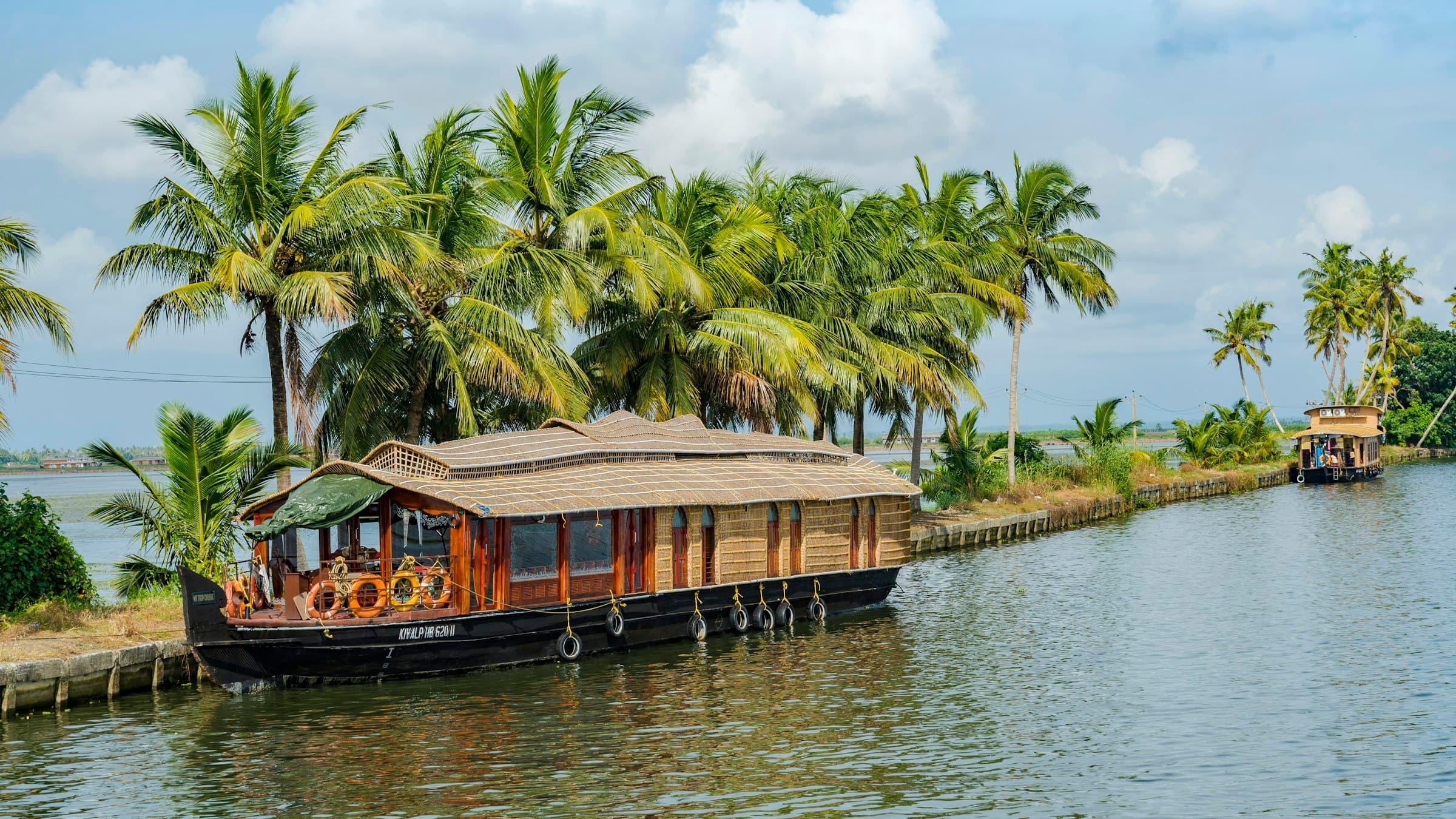
A Night on a Kerala Houseboat: What It Is Really Like
The Best Time to Visit Kerala, Month by Month