Is India Safe for Solo Female Travellers? A Practical Guide
A practical, unhurried answer to whether India is safe for solo female travellers: what to plan for, where to stay, and how a trip designer changes the picture.
Is India safe for solo female travellers? The honest answer is: yes, with the same planning that any major, culturally varied destination requires — and considerably more ease than the question's reputation suggests once accommodation, transport and pacing are arranged properly rather than improvised on arrival. Thousands of women travel India solo every year without incident, and the difference between a comfortable trip and a stressful one usually comes down to five things: where you stay, how you move between cities, how you dress, how you handle unwanted attention, and whether you have a local contact when something needs solving quickly.
Where solo female travellers tend to feel most comfortable
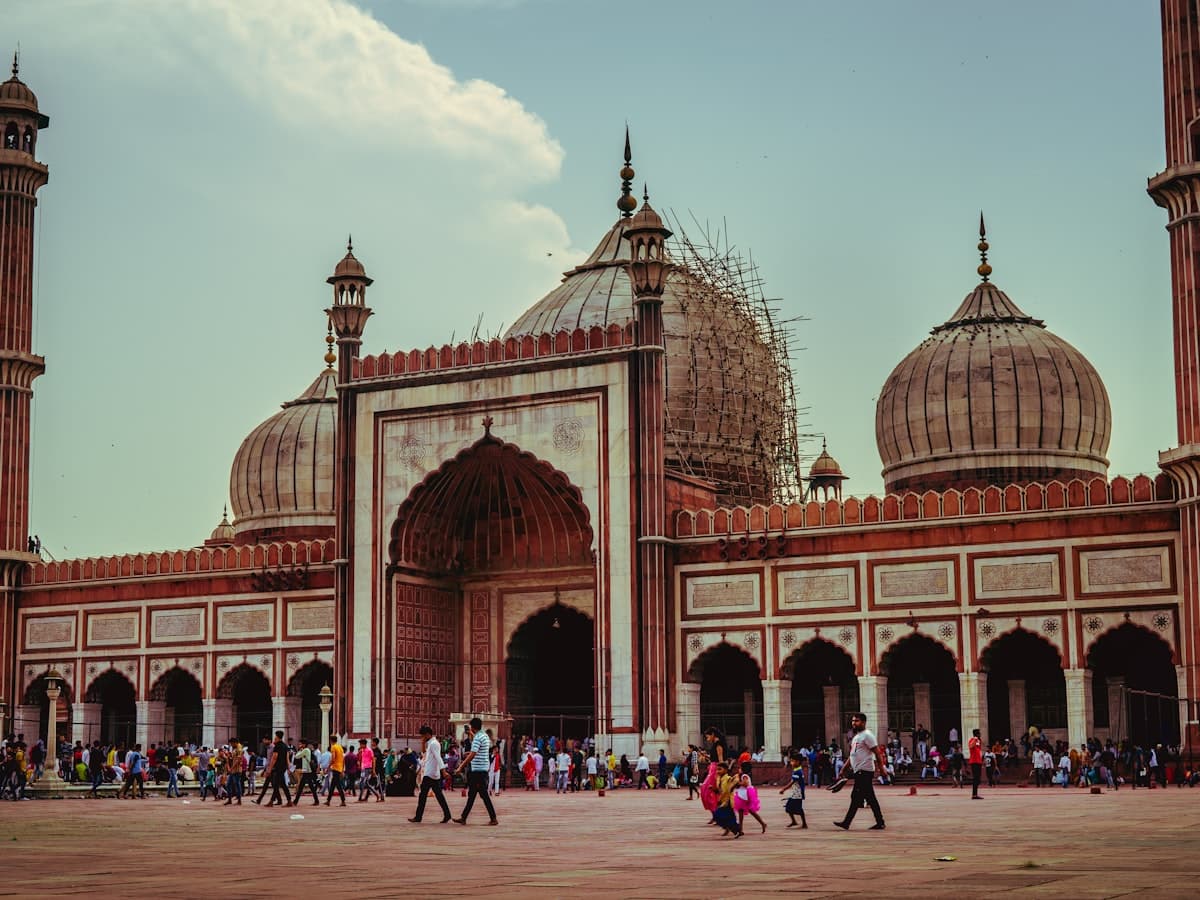
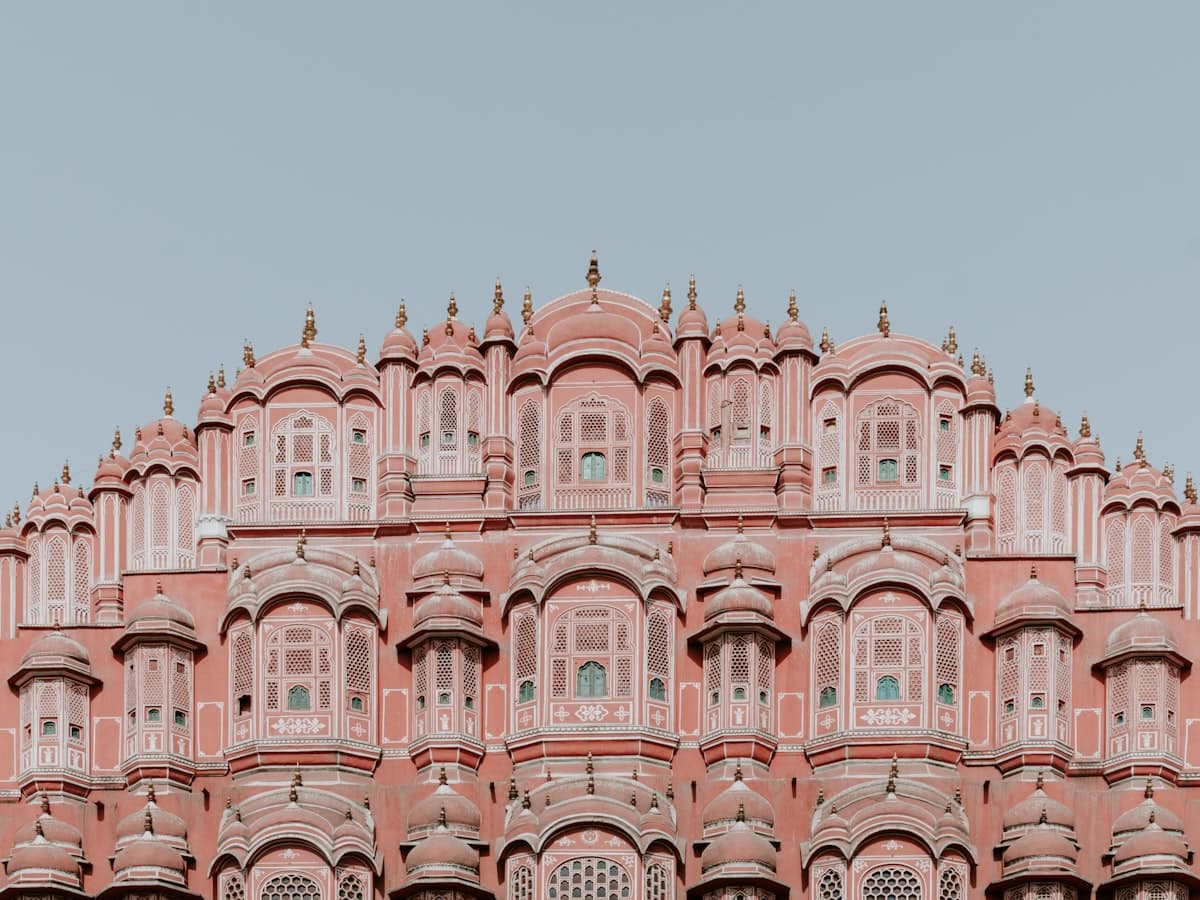
Some regions make this considerably easier than others. Kerala's tourism board has run women-friendly initiatives for over a decade, and its pace — backwaters, hill stations, wellness retreats — suits solo travel naturally; see our Kerala travel guide for the region in full. The Golden Triangle (Delhi, Agra, Jaipur) is the most heavily touristed circuit in the country, which means better-established infrastructure, English-speaking guides, and hotel staff used to independent women guests, though Delhi in particular rewards arranged transport over improvised auto-rickshaw hailing after dark. Rajasthan's palace hotels and heritage properties are set up for a genteel, well-staffed kind of travel that solo women often find reassuring rather than isolating — our guide to Rajasthan's heritage hotels covers what that actually looks like.
Accommodation: the single biggest safety lever
Choose reputable, well-reviewed hotels over budget guesthouses with no reception desk, and read recent reviews specifically from solo women, not just the overall rating. A property with 24-hour front-desk staff, in-house transport arrangements and a proper key-card or locked-door system solves most of the friction points before they happen. This is one of the clearest arguments for travelling with a trip designer rather than assembling a route from booking-site listings: every hotel we place a guest in has already been vetted for exactly this, not just star rating and photos.
Getting around
Pre-booked, verified transport beats hailed transport every time, especially after dark. Arrange airport transfers and intercity travel in advance rather than negotiating on arrival — this is standard practice for every itinerary we build, solo or otherwise, and it removes a genuine source of anxiety before it starts. Within cities, ride-hailing apps with driver verification and trip-sharing features are widely used and generally reliable; avoid unmarked taxis or shared transport late at night.
What to wear
Modest dress — shoulders and knees covered, looser fitting rather than fitted — draws noticeably less attention in most of India outside beach towns and upscale hotel grounds, and is required at religious sites regardless of gender. This isn't really a safety rule so much as a practical one: it reduces unwanted staring and commentary, which is the far more common irritant than any serious incident. A light scarf or shawl earns its space in the bag twice over, for modesty and for the air-conditioning on long transfers.
Handling unwanted attention
Persistent staring, unsolicited photos and occasional comments are the most common friction points reported by solo women travelling India, particularly in less touristed areas — direct, confident refusal ("no") is usually enough, and stepping into a shop, hotel lobby or any staffed space defuses most situations immediately. Serious incidents are rare relative to visitor volume, but a local emergency contact — a trip designer, a hotel concierge, a fixed daily check-in — matters more for peace of mind than for any actual likelihood of needing it.
Health, connectivity and staying reachable
Basic precautions apply here the same as anywhere: travel insurance that covers medical evacuation, a local SIM or eSIM arranged before or on arrival, and a daily check-in habit with someone at home, even a short message. Cash and cards both have a place — cards cover hotels and better restaurants, but small vendors and local markets are cash-first, and ATMs thin out once you're away from major towns. None of this is India-specific caution so much as sensible practice for solo travel anywhere; it just matters more when there's no travel companion to notice if something's off.
A realistic first solo itinerary
For a first solo trip, a single well-supported region beats a rushed multi-region loop — the same logic as any first India trip, but doubly true travelling alone, since fewer transitions mean fewer unfamiliar handoffs. The Golden Triangle alone, or extended into Rajasthan, gives a compact, well-trodden route with strong infrastructure end to end; Kerala's backwaters and hill stations suit a slower, gentler pace for travellers who'd rather ease in. Ten to twelve days in one region, built around vetted hotels and pre-arranged transfers, tends to produce a far more confident first impression than an ambitious loop through four states.
Why a trip designer changes the calculation
The single biggest difference between a stressful solo trip and a smooth one is having someone who already knows the route: which hotels are genuinely well-run, which drivers are trusted and repeat-used, and who to call if a train is cancelled or a plan needs to change same-day. That's the whole premise of how we build itineraries — see our first-trip planning checklist for the broader version of this logic applied to any traveller, and talk to a trip designer about building a solo-friendly route around your own dates.
Frequently asked questions
Is India safe for a woman travelling alone?
Yes, with standard precautions — vetted accommodation, pre-arranged transport, and awareness in crowded or unlit areas. Millions of women, both Indian and international, travel independently across the country every year.
What are the safest regions in India for solo female travellers?
Kerala, the Golden Triangle and Rajasthan's tourist circuit are consistently the most solo-friendly, thanks to established infrastructure and hotel staff experienced with independent women guests.
Should I avoid public transport as a solo woman in India?
Not entirely, but pre-booked or app-verified transport is considerably safer than hailed or unmarked options, particularly after dark or on longer intercity routes.
Is it better to book a solo trip through a trip designer than independently?
For a first solo trip specifically, yes — vetted hotels, arranged transport and a local contact remove most of the guesswork that causes the real friction points, without turning the trip into a group tour.
Start planning
Browse Kerala and Golden Triangle itinerary options built around exactly this kind of solo-friendly pacing, or talk to a trip designer about a route suited to travelling alone.
Read Next
All Stories →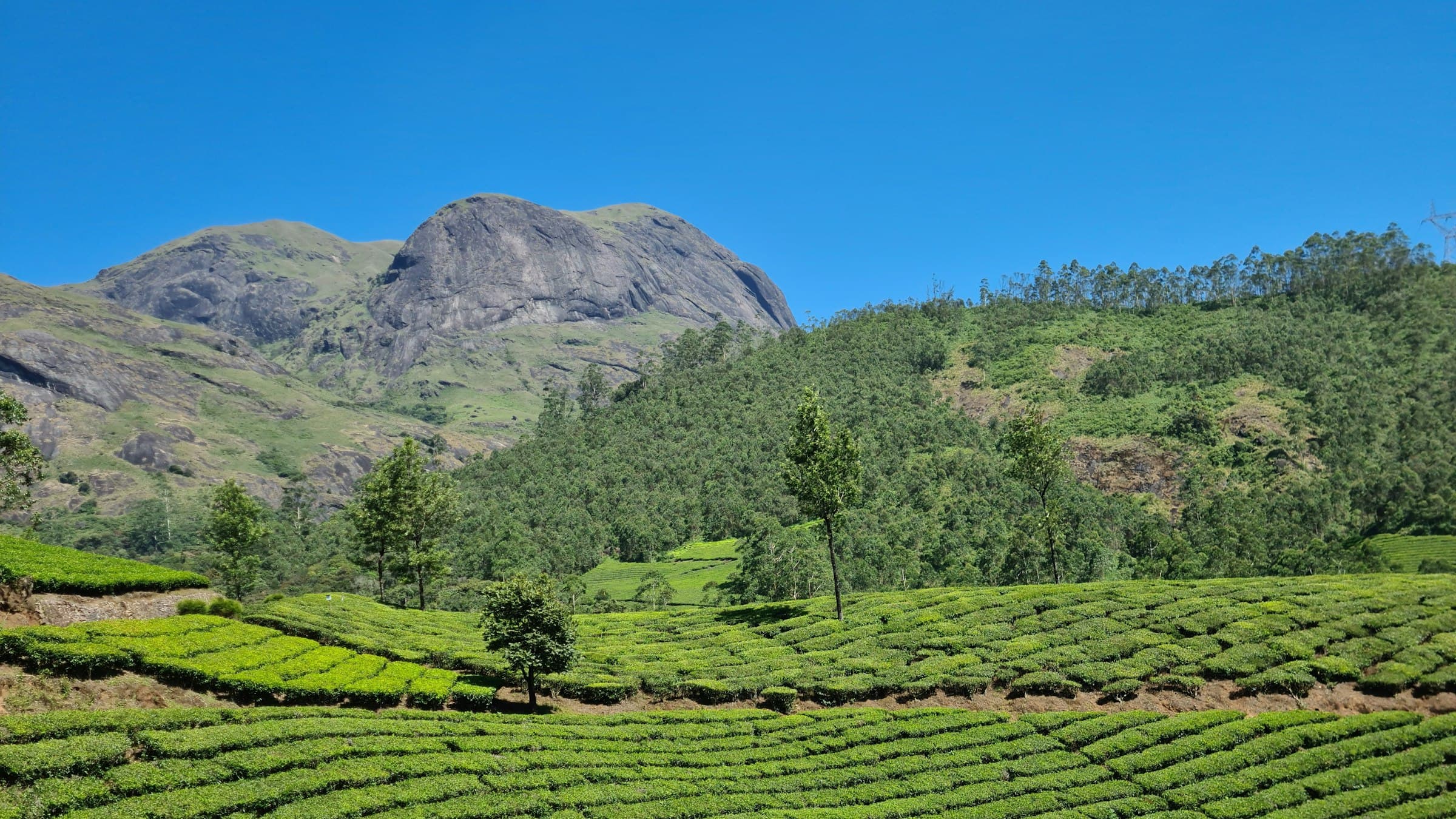
What to Pack for India: A Season-by-Season Packing List
Planning a First Trip to India: A Calm Checklist