Ranthambore Safari: A First-Timer's Guide
Zones, gypsy vs canter, best season and real sighting odds: everything a first-time visitor needs before booking a Ranthambore tiger safari.
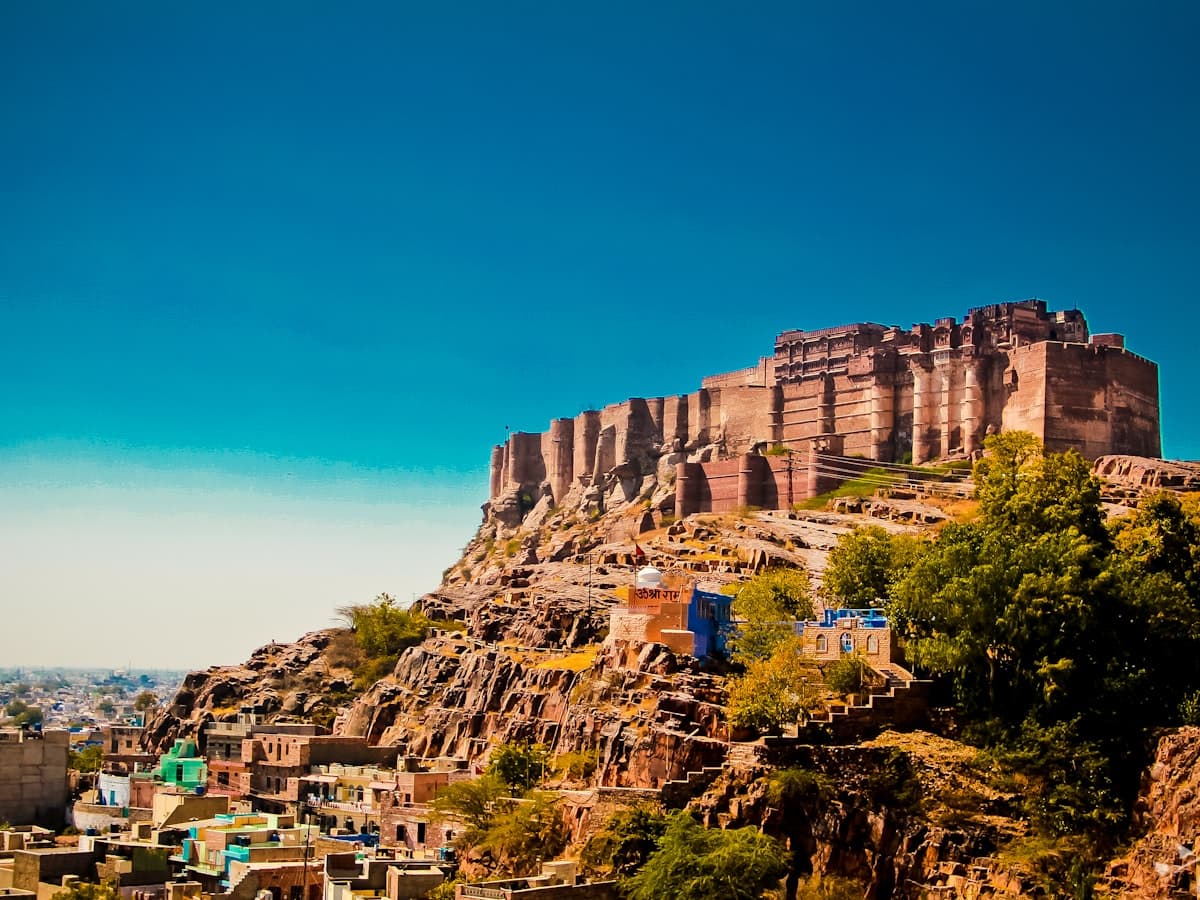
Ranthambore is the place most trip designers point to when someone asks where they can actually see a wild tiger in India. It is not a guarantee, nothing wild ever is, but the odds here are as good as anywhere in the country, and the ruined hill fort above the park adds a second reason to visit even on a quiet drive.
How the park is organised
Ranthambore National Park is split into ten safari zones, numbered 1 to 10. Zones 1 to 5 sit closer to the park's core territory and see the most tiger movement, which is also why they are the hardest to book. Zones 6 to 10 are quieter and less crowded, and still turn up sightings, just less reliably.
Permits are allocated by zone, not by the park as a whole, and they sell out in advance during peak season. Booking a safari through a trip designer rather than at the gate is less about convenience and more about actually getting a permit for a good zone on the date you want.
Gypsy or canter?
Two vehicle types run safaris here.
Gypsy: an open 6-seat jeep, shared with strangers unless privately booked. Faster to manoeuvre, better sightlines, and the standard choice for anyone serious about photography or a quieter drive.
Canter: a 20-seat open truck, cheaper per person but slower to turn and noisier, since you are moving with a larger group.
For a first safari, the gypsy is worth the extra cost. Tiger sightings are often brief, and a smaller, quicker vehicle gets you into position faster.
When the safaris run
Two drives run daily, roughly dawn to mid-morning and again from mid-afternoon to dusk — tigers are most active at both ends of the day, avoiding the heat between. Exact timings shift with sunrise and sunset through the year, so a trip designer will confirm the slot when booking.
The park closes for its own monsoon break, typically July through September, when the core zones are shut to protect breeding season. November to April is the reliable window; April and May, though hot, often produce the best sightings, since tigers move to waterholes to cool off and become easier to spot from a distance.

What else you might see
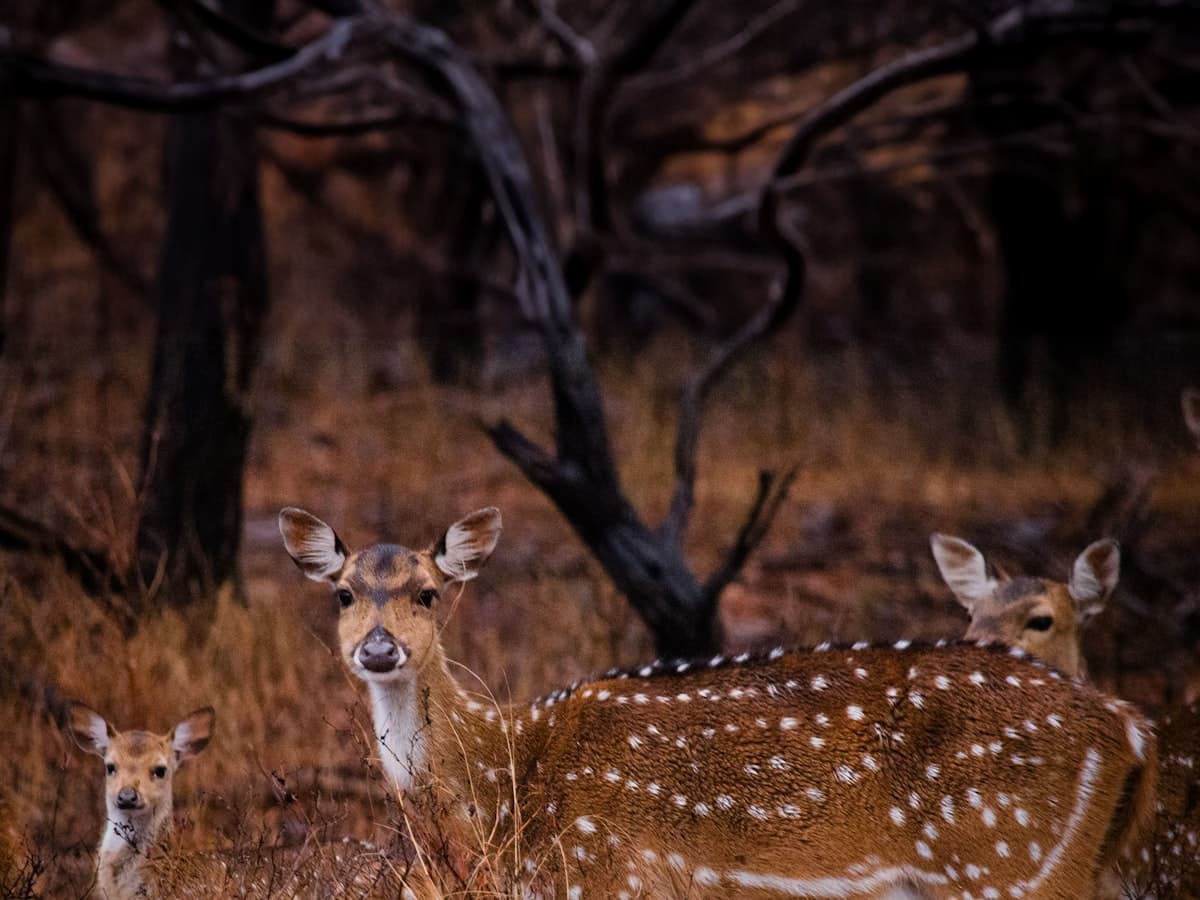
Tigers get the attention, but Ranthambore's other wildlife makes even a quiet drive worthwhile. Sightings of sloth bears, leopards, marsh crocodiles and hyenas all turn up here, alongside over 300 recorded bird species around Padam Talao and Rajbagh lakes — worth knowing if you are travelling with anyone who finds the phrase "no tiger today" disappointing.
Safari etiquette worth knowing
A few habits separate a good drive from a frustrating one for everyone in the vehicle.
Keep voices low and phones on silent. Naturalists track tiger movement by alarm calls from deer and langurs; noise in the vehicle drowns these out.
Don't ask the driver to chase a sighting reported on radio. Most zones cap vehicle numbers near a sighting for the animal's sake, and drivers are bound by that limit regardless of the request.
Dress in muted colours, not bright ones, and bring a layer — open gypsies are cold at dawn even in the warmer months.
More than the tigers
The fort above the park, a thousand-year-old hilltop structure overlooking Padam Talao lake, is often skipped by first-timers rushing between safaris. It is worth an hour if your schedule allows it — one of very few forts in India built inside an active tiger reserve rather than a city.
Where to stay
The Oberoi Vanyavilas, a tented luxury camp inside its own forest, is the benchmark stay near the park and the base we book most often. Nahargarh Ranthambhore is a strong, slightly more understated alternative nearby.
How it fits into a Rajasthan trip
Our Rajasthan Tiger Trail & Pink City route is a four-day short break built specifically around this: Jaipur's forts first, then two safaris at Ranthambore. It works well as a standalone trip or bolted onto a longer Rajasthan route — see our guide to ordering Jaipur, Jodhpur and Udaipur if you are planning the wider circuit. Travellers combining it with Delhi and Agra can look at our Golden Triangle with Ranthambore itinerary instead.
For a ready-built package, see our Rajasthan Wildlife Experience.
Frequently asked questions
What are the real chances of seeing a tiger?
High but not certain — most multi-safari visits (two or more drives) see one, though single-drive odds are lower. Booking a good zone and going in peak months (April–May) improves the odds further.
How many safaris should I book?
Two, at minimum. A single drive can easily be a quiet one; a second drive meaningfully raises your odds without adding a full extra day.
Is Ranthambore suitable for families with children?
Yes, from around age six or seven upward — drives run two to three hours with long stretches of quiet waiting, which is easier for older children.
Which zones should I ask for?
Zones 1 to 5 have the strongest recent tiger activity, but availability depends on the season. Your trip designer will book the best available zone for your dates rather than a fixed favourite.
Plan your safari
Browse the Rajasthan destination page for full route options, or start with the Rajasthan Wildlife Experience package. To lock in the right zone and dates, talk to a trip designer.
Read Next
All Stories →
Three Days in Udaipur, Slowly

Block Prints, Miniatures, Silver: Rajasthan's Craft Trail