
Elephant Beach, Havelock: Boats, the Forest Trek, Snorkelling and Timings
Elephant Beach guide: boat times from Havelock jetty, the forest trek, snorkelling and water-sports prices, best months and how to avoid the crowds.
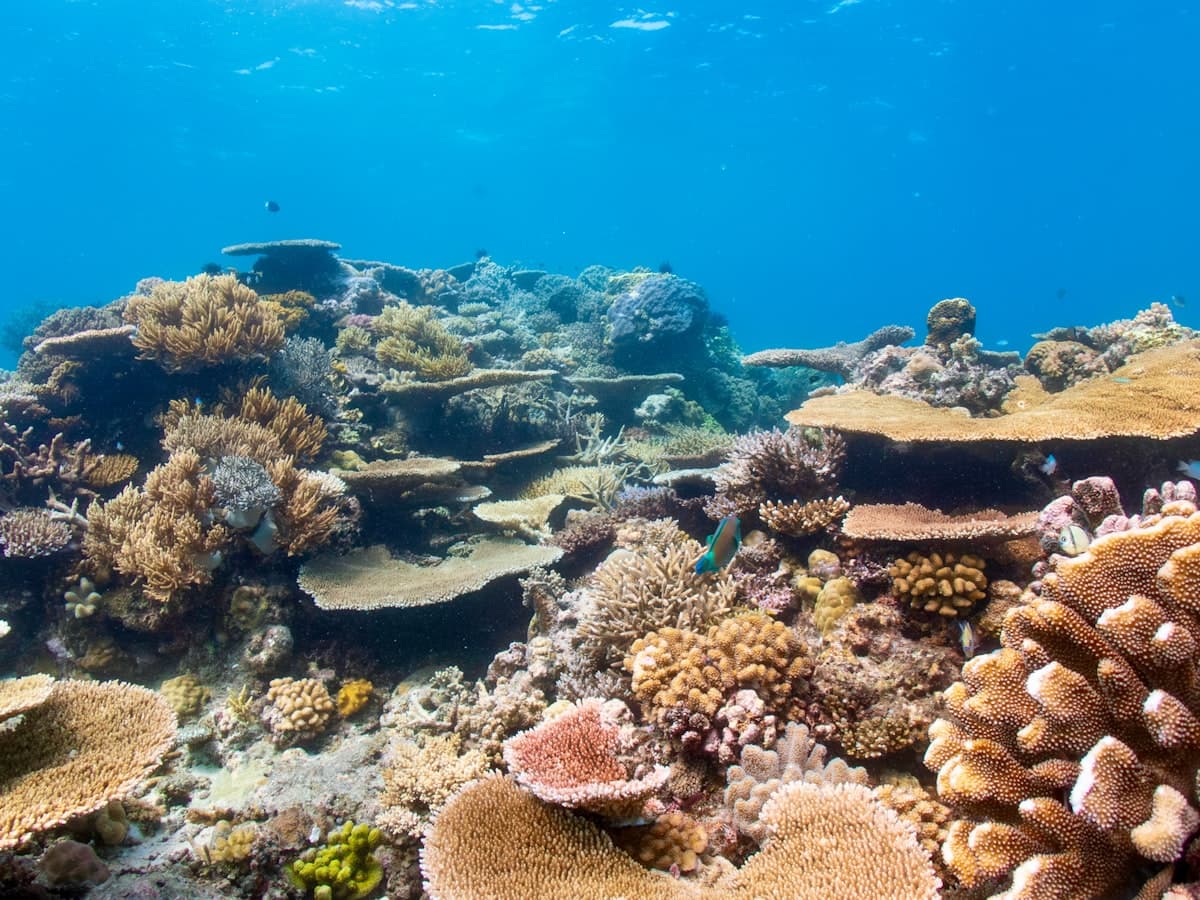
Elephant Beach is where Havelock goes to snorkel. The reef begins just a few metres from the sand, so you can stand waist-deep and still see coral and fish. It is also the beach that fills up first, because day boats arrive from mid-morning.
That makes timing the whole game. Go early and it is calm and clear. Go at midday and it is crowded, with water sports at full volume. This guide gives you the practical facts first, then the choices, then how to get the quiet version.
Figures were checked in October 2026. Boat times and prices vary by operator and season, so the tables show ranges. Confirm with your hotel or operator.
Elephant Beach at a glance
What to know | |
|---|---|
Where | On Havelock Island (Swaraj Dweep), reached by boat or a forest trek |
By boat | Around 20 minutes from Havelock jetty, roughly 8.7 km |
Boat window | Morning slots, with the last boats around midday to 1:00 pm |
By trek | About 2 to 2.5 km through forest and mangrove, around 30 to 40 minutes |
Best months | October to May, when the sea is calm and water activities run |
Rough months | June to September. Activities are limited |
Facilities | Changing rooms, lockers, toilets and small food stalls |
Best for | Snorkelling, glass-bottom boats and water sports |
Why people come
The beach itself is pleasant, but the reef is the draw. Live coral starts a few metres from the shore, and in calm water you can see it from the shallows.
It is also the most active beach on Havelock. Snorkelling, sea walking, jet skiing, glass-bottom boats and parasailing all operate here. Some travellers want exactly that. Others are escaping it, and for them Radhanagar or Kalapathar suits better.
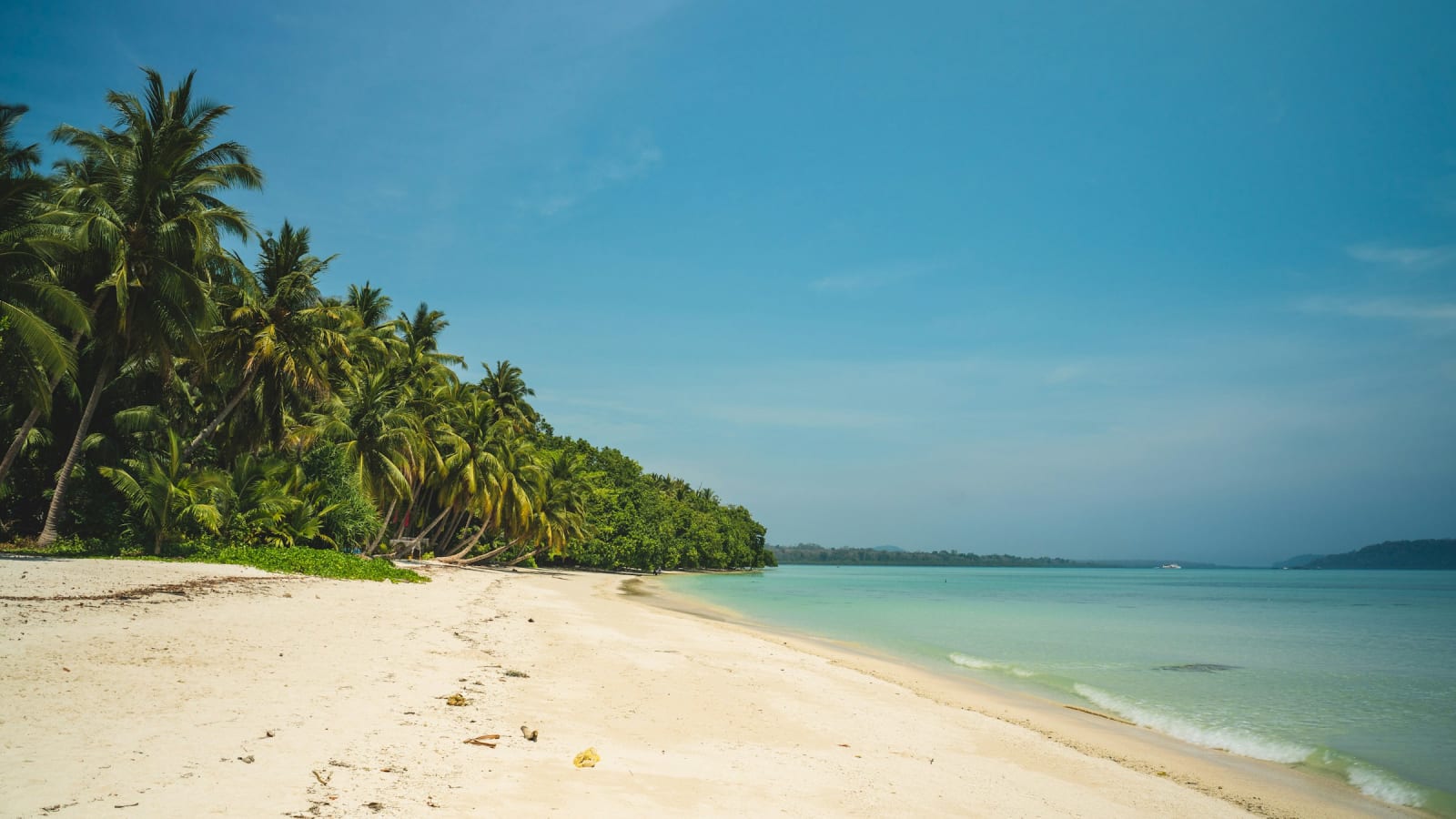
Havelock's beaches are backed by palms and forest.
How to get there
Option | Time | Cost | Notes |
|---|---|---|---|
Speedboat from Havelock jetty | About 20 minutes | Roughly ₹950 to ₹1,500 round trip, often including life jacket, permit and a short snorkel | Departures are in the morning. Book through your hotel or an operator |
Forest trek | 30 to 40 minutes each way | Sources differ. Some say free, others charge for a guide | Dense forest and mangrove. Wear closed shoes and carry water |
By boat
Most visitors go by boat. Boats leave Havelock jetty in the morning, and the last departures are around midday to 1:00 pm. The crossing takes about 20 minutes.
Take an early boat. The first arrivals get calm water, clear visibility and the beach almost to themselves. By late morning the day boats fill the shallows.
By trek
The trek is the quieter route. It runs through dense forest and mangrove, and takes around 30 to 40 minutes each way. You can hire a guide for birdwatching on the way.
Wear closed shoes. The path can be muddy and uneven, and you will be walking in tropical heat. Fees for the trek vary by source, so ask at the trailhead.
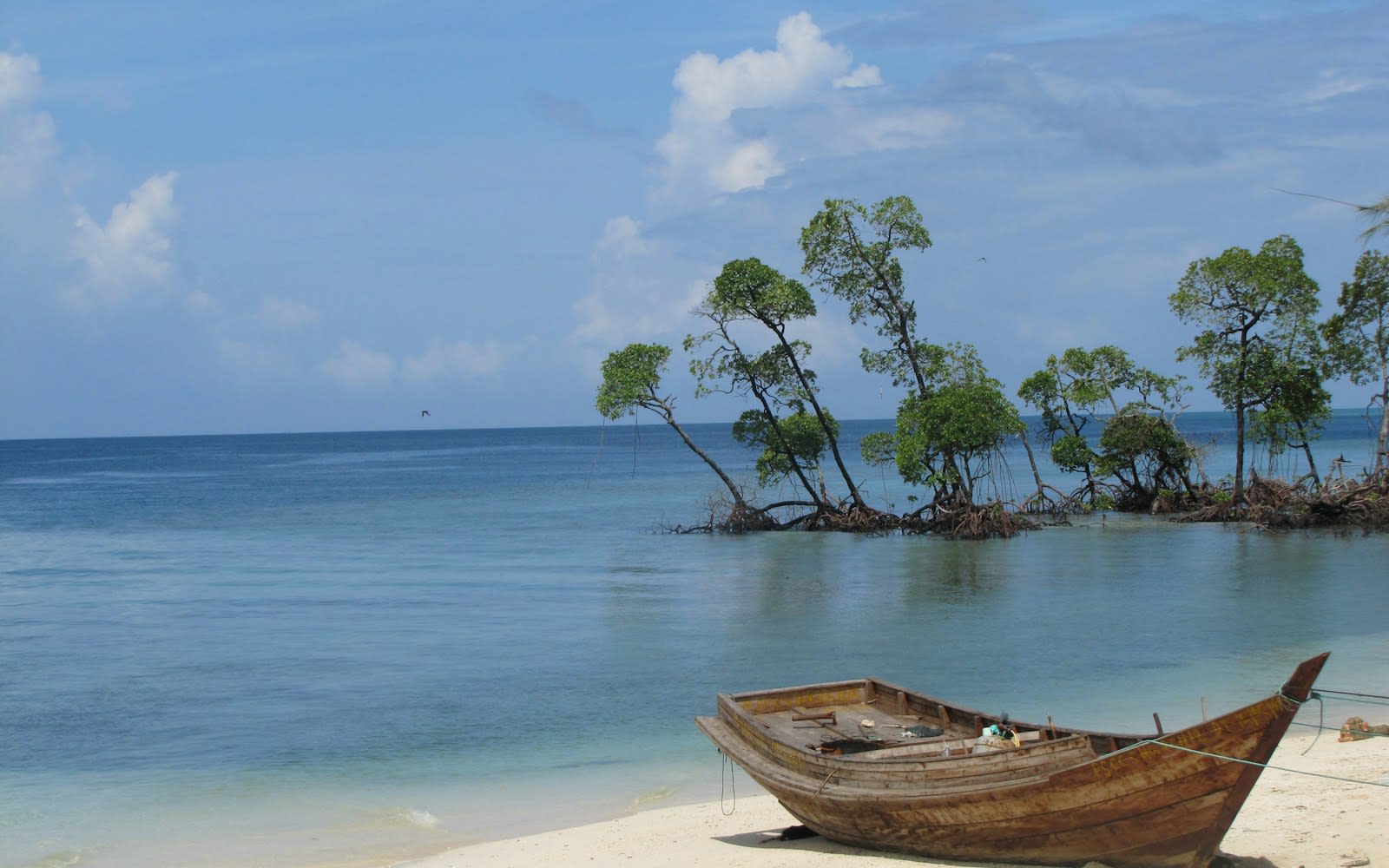
Boats and mangroves are the signature of Havelock's quieter shores.
What to do there
Activity | What it is | Price range |
|---|---|---|
Snorkelling | Guided swim over the shallow reef | From roughly ₹1,000 for a short session, to ₹3,500 and up for longer, guided ones |
Glass-bottom boat | See the reef without getting wet | Varies by operator |
Sea walking | Walk the seabed in a helmet | Varies by operator |
Parasailing, jet skiing, banana boat | Water sports | Roughly ₹3,500 and up for some activities |
Mangrove kayaking | A paddle through the mangroves | Roughly ₹3,500 and up |
Prices vary widely between operators and packages. Ask exactly what the price includes, the duration and the group size before you pay.
Snorkelling well
Snorkelling is the main reason to come. A few rules make it better:
Go early. The water is clearer and quieter before the day boats arrive.
Choose a small group. A guide who looks after four people sees more than one who looks after fifteen.
Never touch the coral. It damages the reef, and it is against the rules.
Ask about the reef. Coral condition changes from year to year. A good operator will tell you what it looks like this season.
If you want deeper, richer coral, a boat trip to a proper dive or snorkel site is better than the beach. Our guide to your first scuba dive in the Andamans explains how that works.
Rules and safety
Elephant Beach has lifeguards and safety nets, and these rules are enforced:
Swim only in the designated areas.
Do not touch or stand on the coral.
Do not bring plastic onto the beach.
Follow the lifeguards and your operator's briefing.
Wear reef-safe sun protection and a rash vest if you will be in the water a long time. Leave valuables in the hotel or the lockers.
When to go
Months | What to expect |
|---|---|
October to May | Calm seas and clear water. All activities run |
June to September | Monsoon. Fewer crowds, but boats and activities are limited |
In the main season, the early morning is the difference between a crowded beach and a calm one. Our guide to the best time to visit the Andamans breaks down the months.
Who Elephant Beach suits
Traveller | Why it works | Tip |
|---|---|---|
Snorkellers | Reef a few metres from shore | Take the first boat |
Families | Shallow water, lifeguards and nets | Choose a guided short session |
Active couples | Water sports, kayaking and a trek | Trek one way, boat the other |
Photographers | Mangroves, boats and clear shallows | Go early for flat water and soft light |
Travellers wanting quiet | It is the busiest beach on the island | Pick Radhanagar or Kalapathar instead |
Travellers with limited mobility | The boat is easier than the trek | Ask your operator about boarding |
How it compares with Havelock's other beaches
Havelock has several good beaches, each best at one thing.
Beach | Best for | Notes |
|---|---|---|
Elephant Beach | Snorkelling and water sports | Boat or trek. Busiest from mid-morning |
Radhanagar | Sunset and swimming | A long beach with lifeguards. Read our Radhanagar guide |
Kalapathar | Sunrise and quiet | East coast. Fewer people |

Radhanagar, the quieter alternative for a long beach day.
How to plan your visit
Take the first boat. It decides the whole experience.
Choose a guided, small-group snorkel. Ask what the price includes.
Bring water, sun protection and a towel. Facilities are basic.
Do not touch the coral.
Pair it with Radhanagar for sunset. Elephant Beach in the morning, Radhanagar in the evening.
Plan around ferry and boat schedules. Add slack for weather.
Where it fits in an Andaman trip
Elephant Beach is a morning on Havelock. Pair it with sunset at Radhanagar and you have a classic island day. If you are deciding how long to stay, read how many days you need in the Andamans. To choose between islands, see Havelock or Neil Island.
For the wider picture, read the best places to visit in the Andaman Islands. For somewhere to stay on Havelock, Barefoot at Havelock and SeaShell Havelock are both on the island.
To see it in a built route, look at Andaman Adventure and Watersports or the Andaman Snorkelling and Reefs package.
Frequently asked questions
How do I get to Elephant Beach?
By speedboat from Havelock jetty, about 20 minutes, or on a forest trek of around 30 to 40 minutes each way. Boats run in the morning, with the last departures around midday to 1:00 pm.
How much does the boat cost?
Roughly ₹950 to ₹1,500 per person round trip, often including a life jacket, a permit and a short snorkel. Prices vary by operator.
Is snorkelling at Elephant Beach good?
Yes, because the reef begins close to shore. Coral condition varies from year to year, so ask your operator, and go early for the best water.
Is Elephant Beach crowded?
From mid-morning, yes, because day boats arrive. The first boats of the day are the quiet ones.
When is the best time to visit?
October to May. June to September is the monsoon, when boats and activities are limited.
Can I swim at Elephant Beach?
Yes, in the designated areas where lifeguards and nets are in place.
Is the trek difficult?
It is a moderate walk through forest and mangrove, in tropical heat. Wear closed shoes and carry water.
Plan your Havelock stay with us
We schedule boats, snorkel groups and sunsets so that you see Elephant Beach early and Radhanagar late. Explore the Andaman and Nicobar destination page or talk to a trip designer.
Read Next
All Stories →
Radhanagar Beach, Havelock: Sunset Times, Swimming and How to Visit
Places to Visit in the Andaman Islands, Island by Island