First, 3 nights in Gangtok
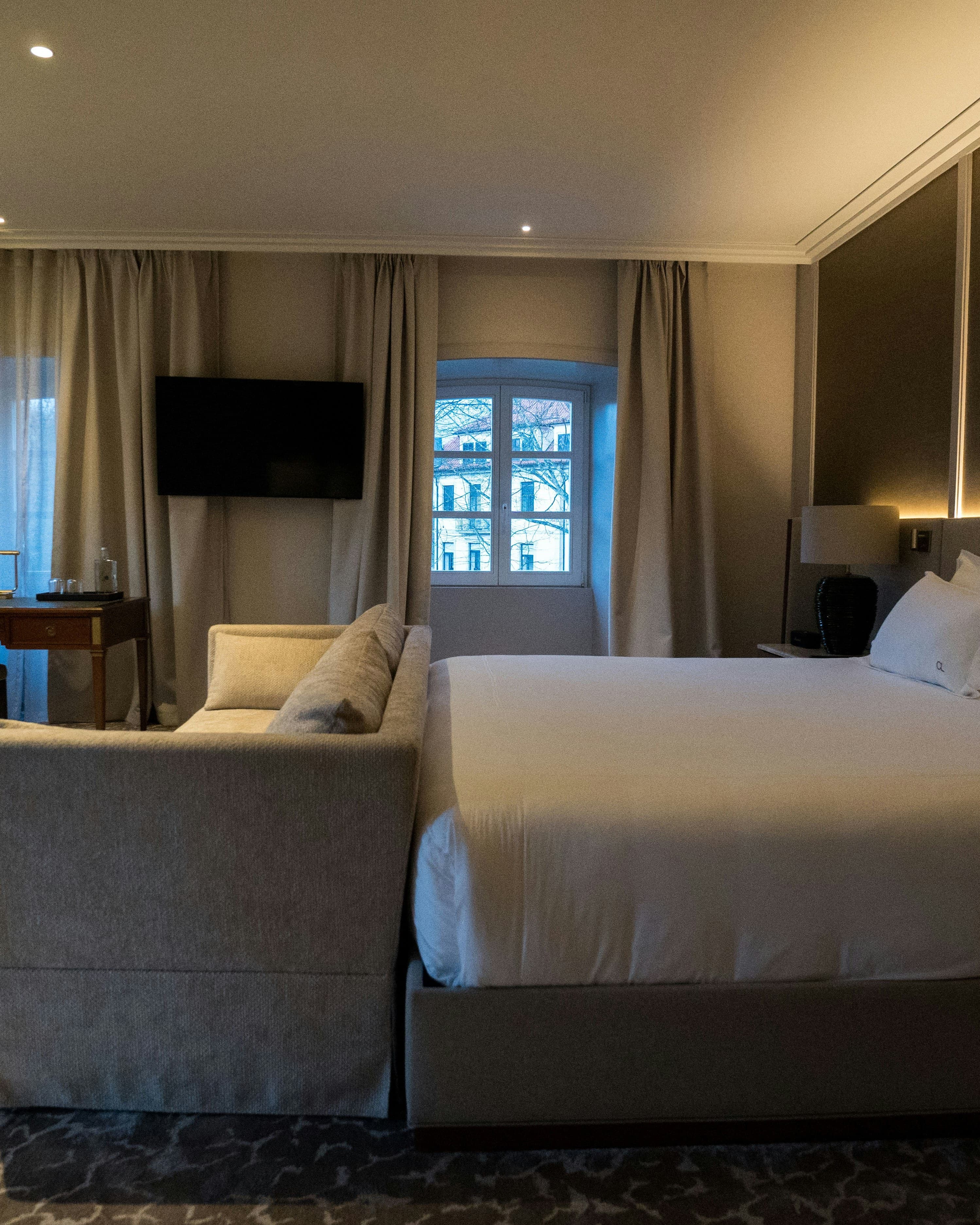
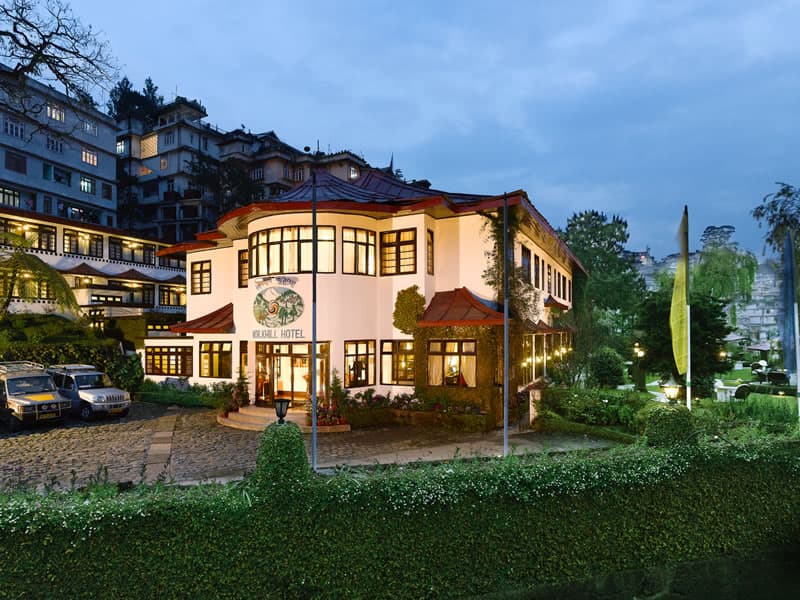
The Elgin Nor-Khill, Gangtok
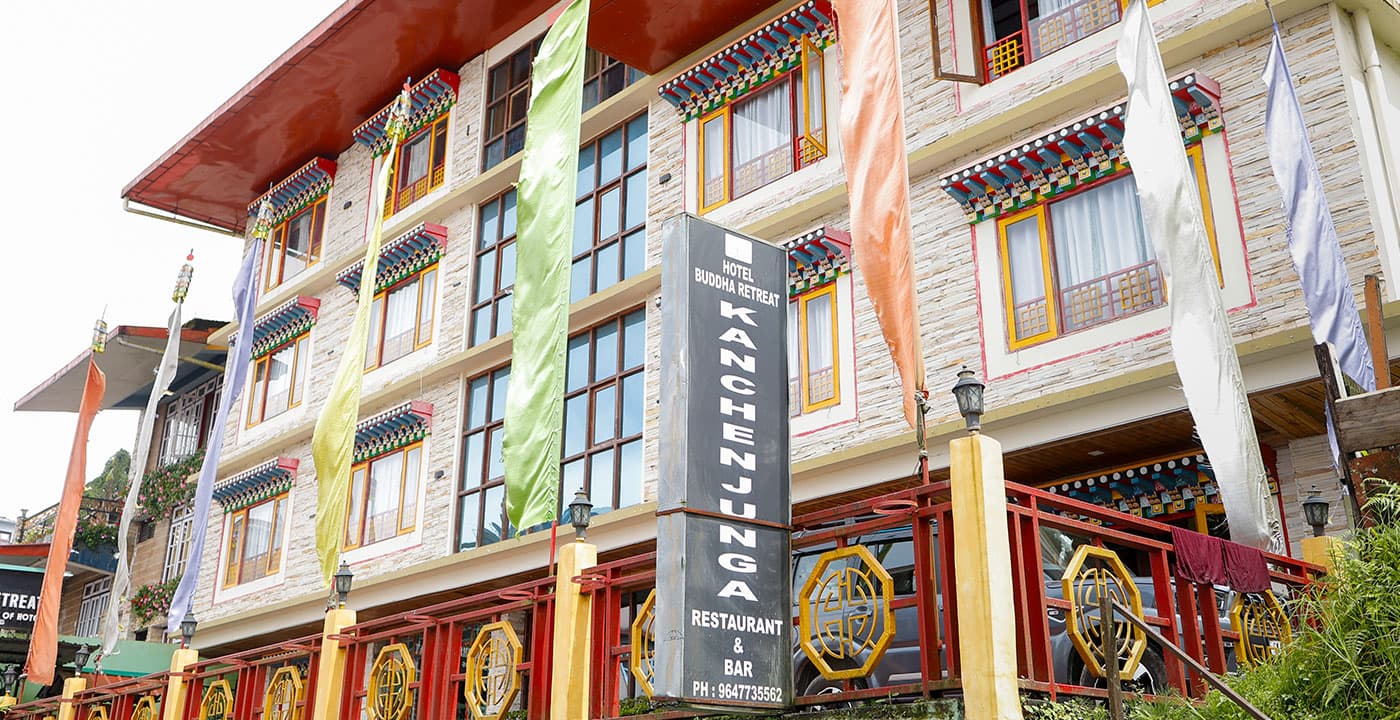
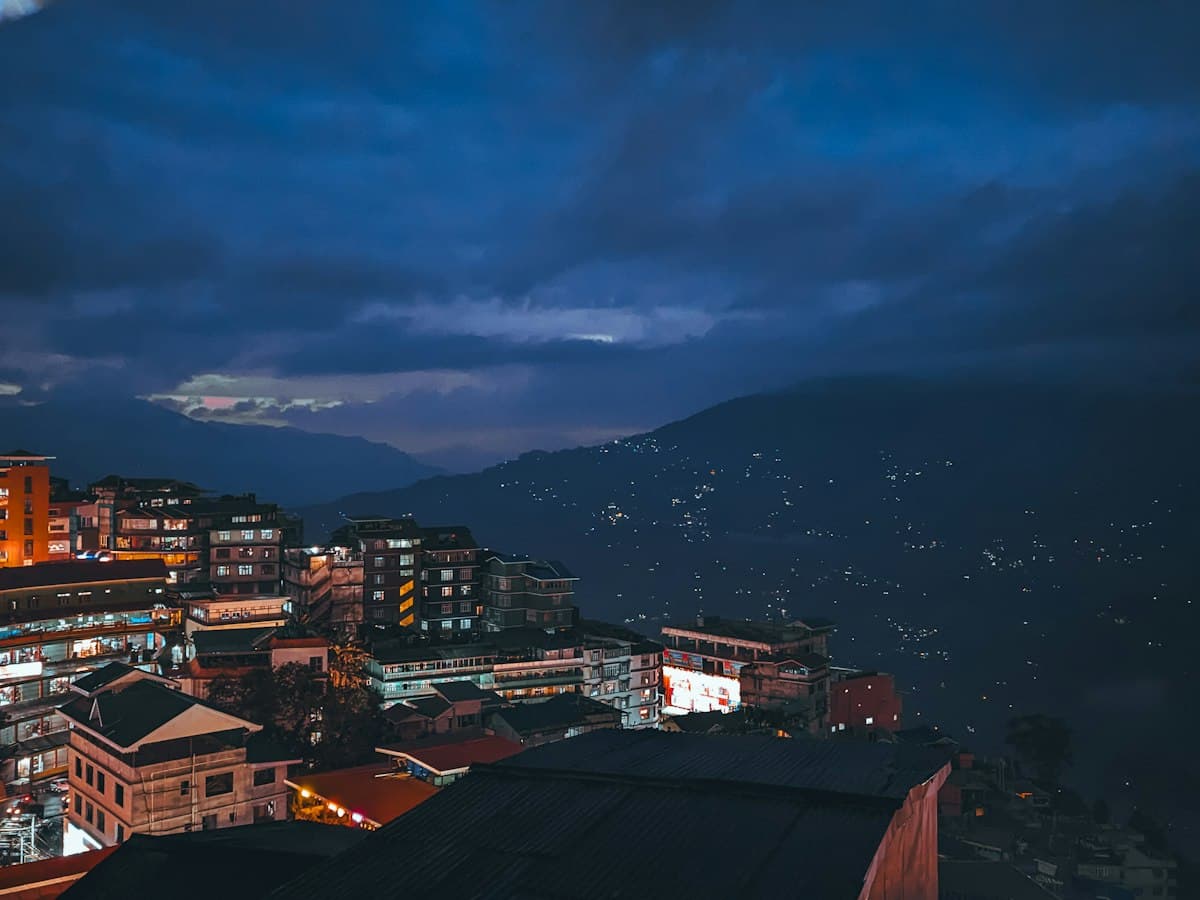
A 1930s former royal guest house above Gangtok — wood-panelled rooms, Tibetan rugs, garden valley views, minutes from MG Marg and the Tibetology institute.

Gangtok → Lachen → Lachung → Ravangla → Pelling
Chapter Two — Where You'll Stay
Handpicked along your own route — not a hotel chain repeated city to city.

First, 3 nights in Gangtok
A 1930s former royal guest house above Gangtok — wood-panelled rooms, Tibetan rugs, garden valley views, minutes from MG Marg and the Tibetology institute.

Next, one night in Lachen
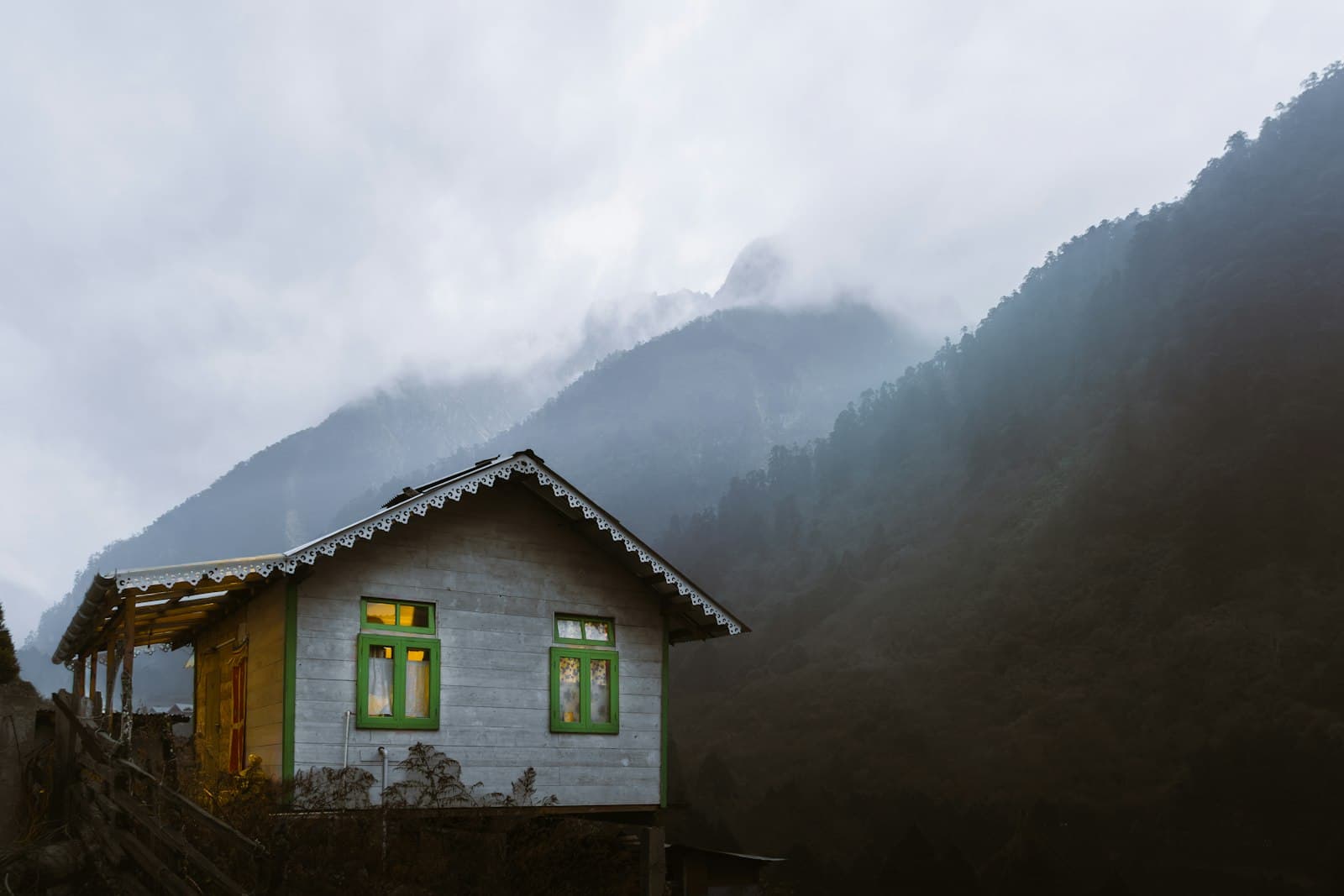
The one proper hotel in Lachen, North Sikkim — warm timber rooms with heaters beside an old monastery, and the pre-dawn Gurudongmar Lake trip arranged.

Next, 2 nights in Lachung
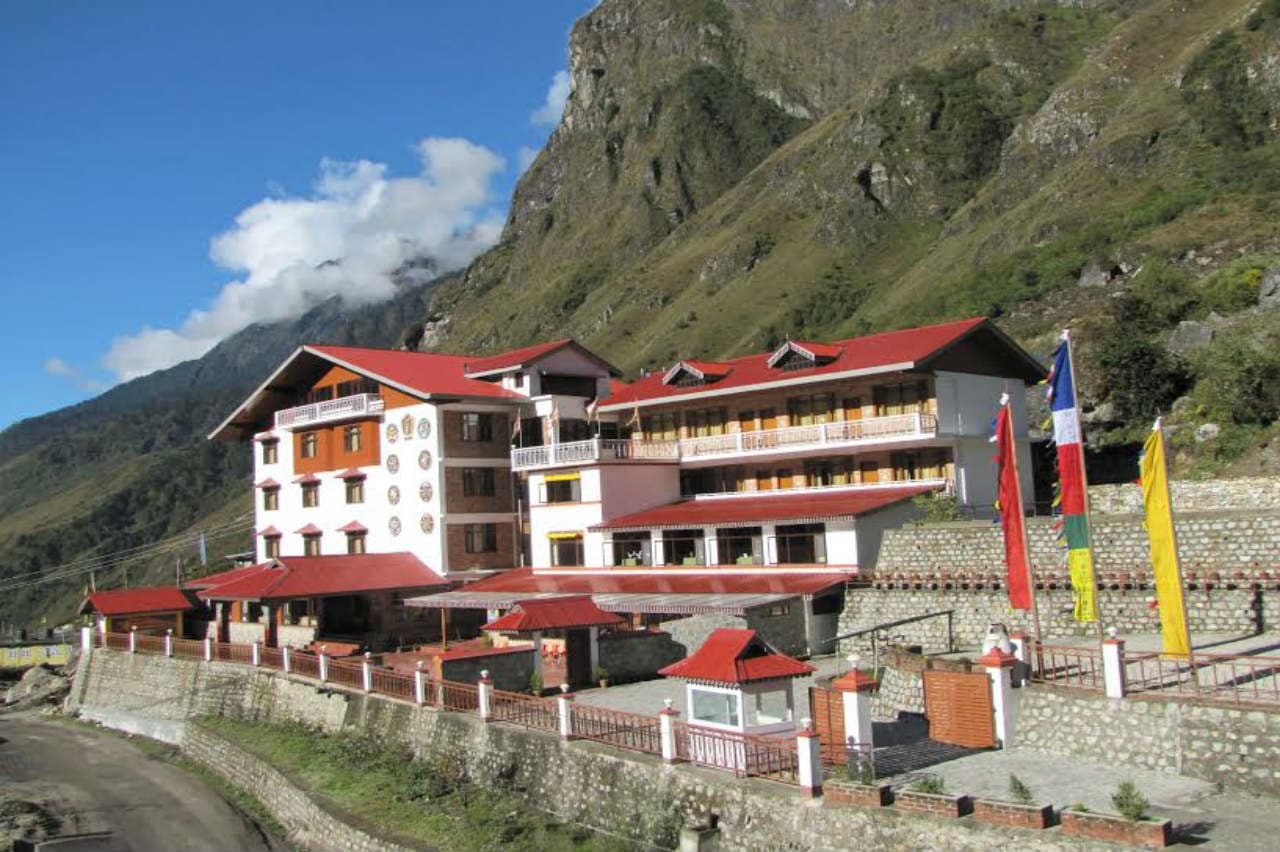
The most comfortable resort in Lachung, North Sikkim — warm timber rooms with heaters and mountain views, and the Yumthang Valley trip arranged.

Next, one night in Ravangla
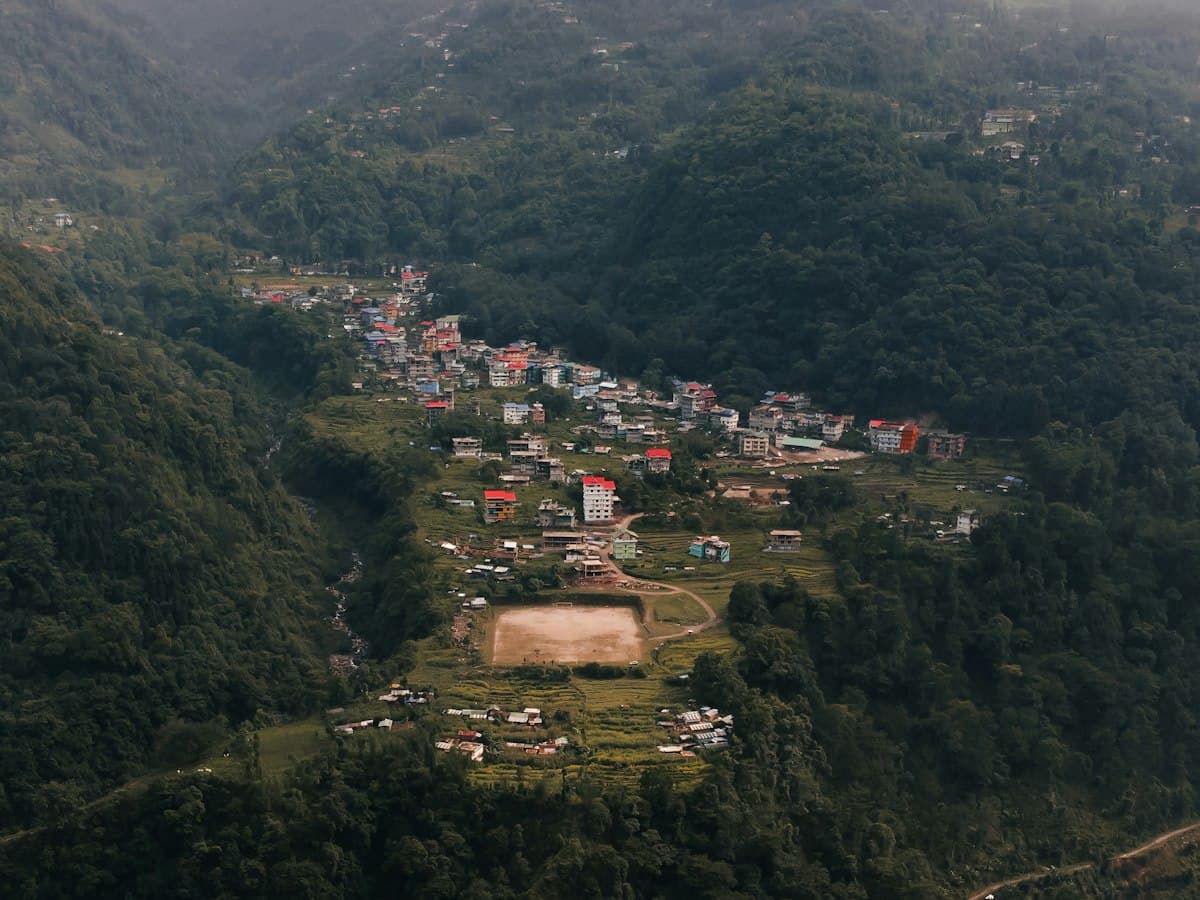
A small Yangthang Heritage hotel below Ravangla with Kanchenjunga-view rooms — minutes from Buddha Park, short drives to Ralang and the Temi tea garden.

Finally, one night in Pelling
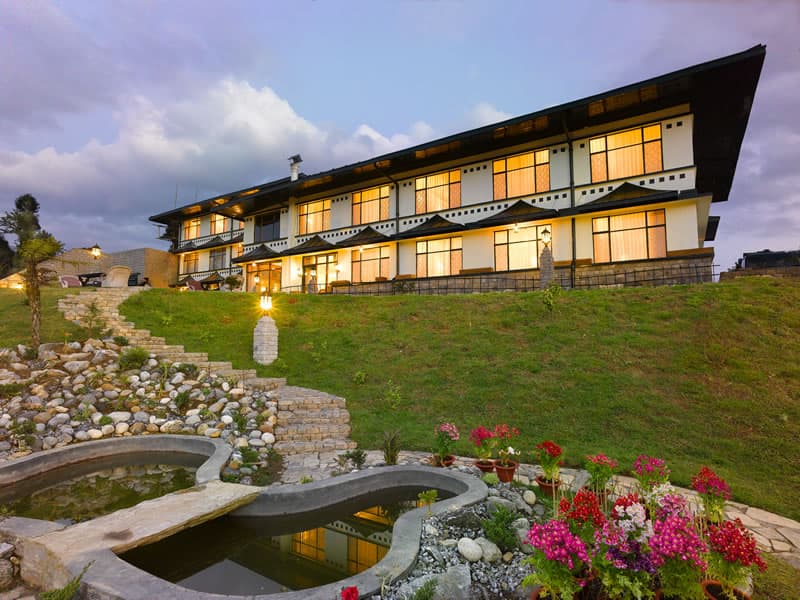
A former royal guest house on a ridge below Pemayangtse in Pelling — Bhutanese-style rooms with Kanchenjunga views and sunrise on the snow.
Chapter Three — Activities & Sightseeing
7 of your 9days — the full day-by-day plan follows below.

Day 2 · Gangtok
A full day around the capital. Rumtek first, the largest monastery in Sikkim and the Karmapa's seat, on a hill facing the town. Then the Namgyal Institute of Tibetology, with one of the best collections of Tibetan texts and art outside Tibet, and the nearby Do-drul chorten. The afternoon takes in the Enchey monastery above the town, the ropeway across the ridge, and time on MG Marg and in the Lal Bazar market.

Day 3 · Gangtok → Lachen
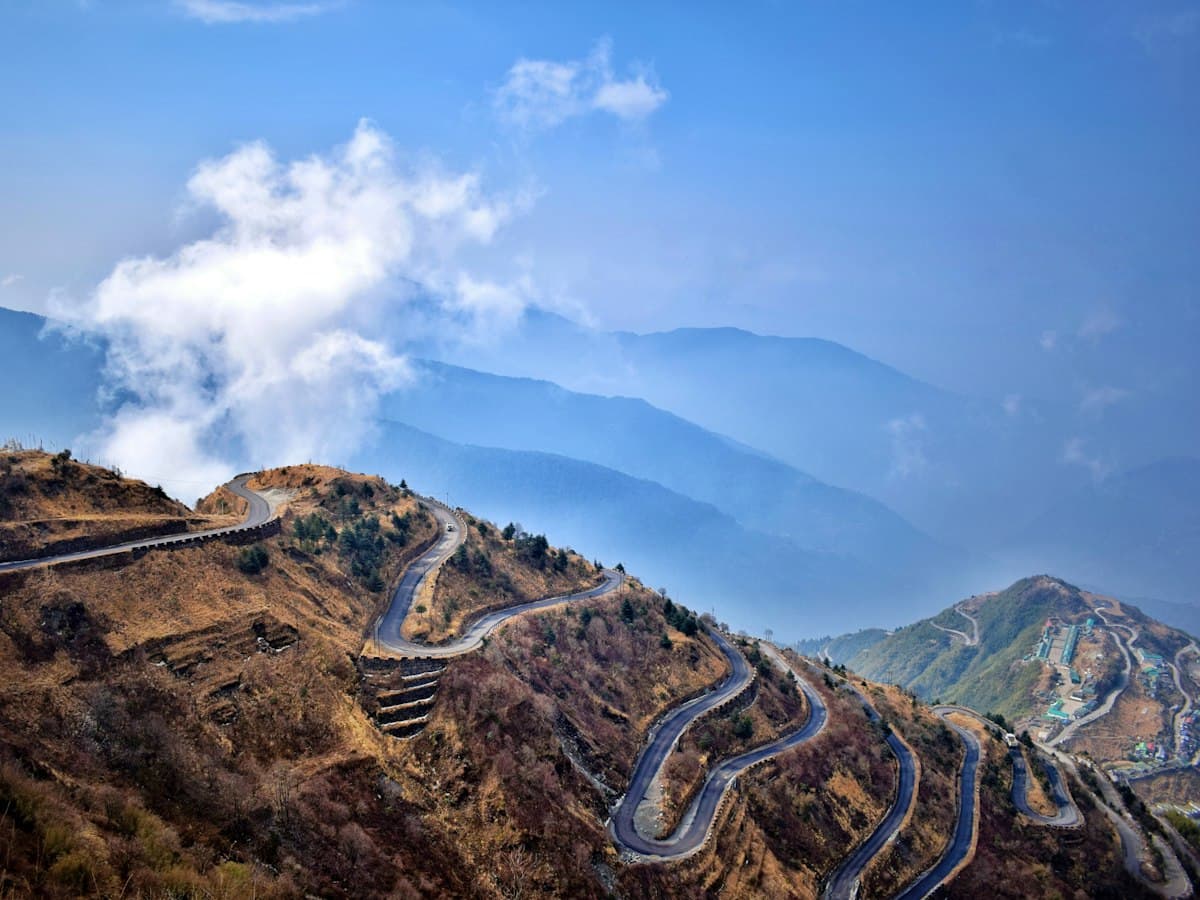
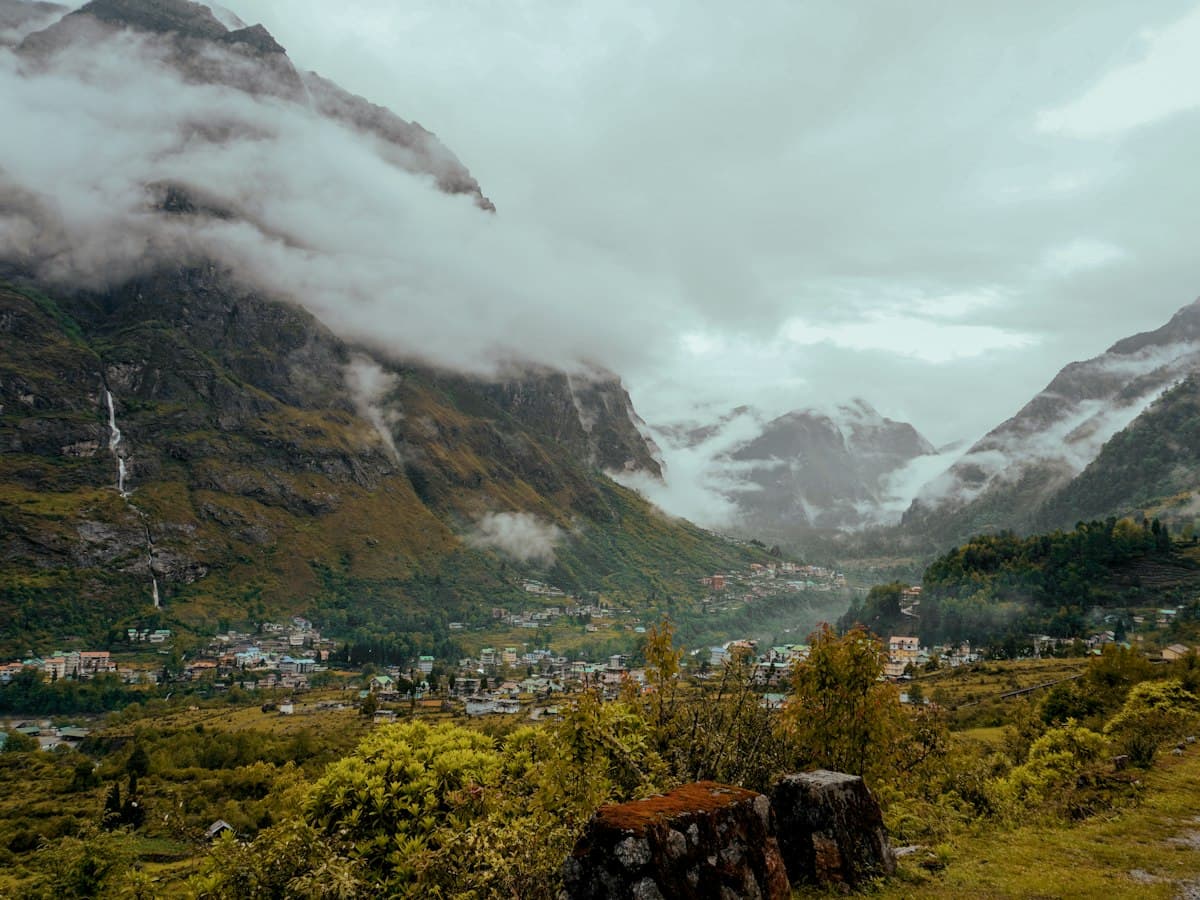
A long drive north, about six or seven hours, following the Teesta up a narrowing green gorge past waterfalls and the town of Mangan. The road is rough in places and the region is restricted, so a permit and a North Sikkim operator are required, and the vehicle changes to a shared arrangement here. You reach Lachen, a high village of wood-and-tin houses at two thousand seven hundred metres, by late afternoon, with an early night before the Gurudongmar start.

Day 4 · Lachen → Lachung
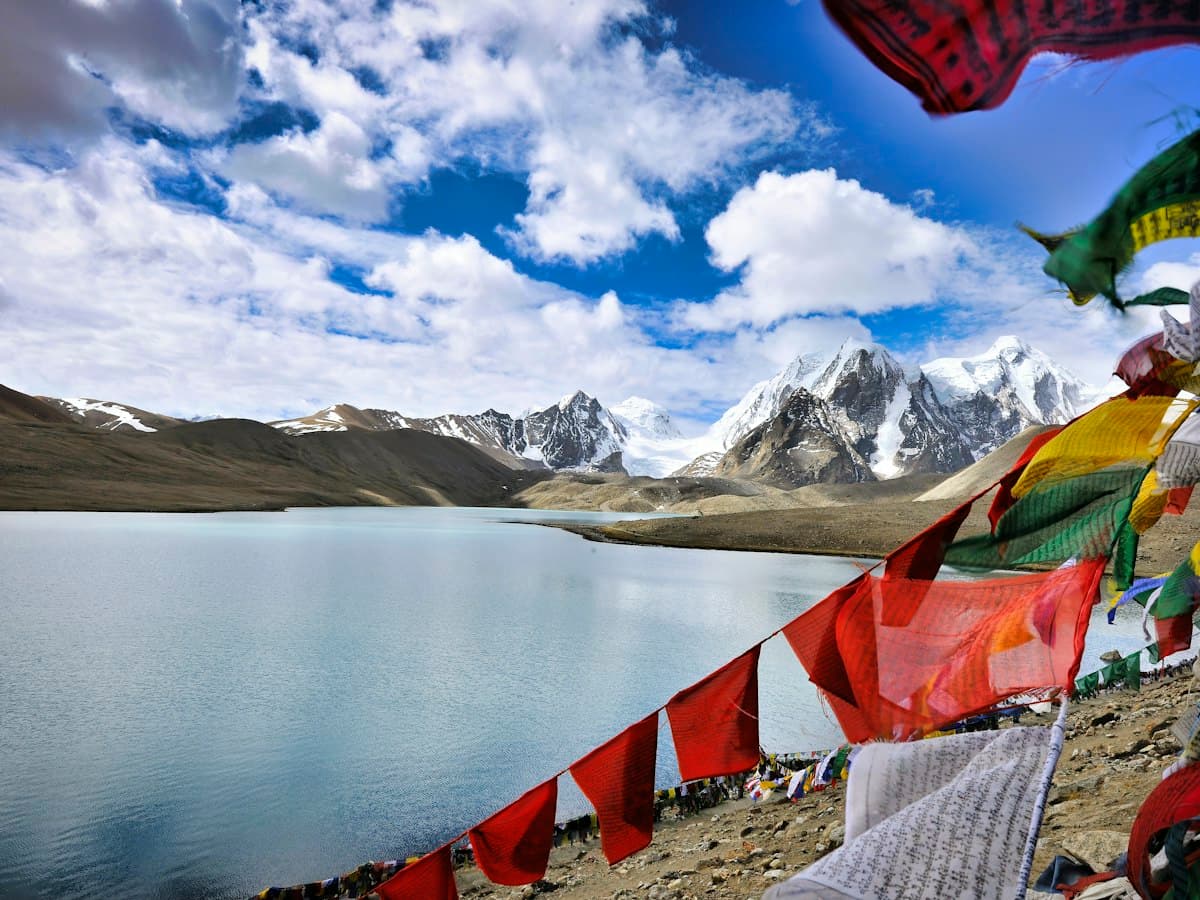
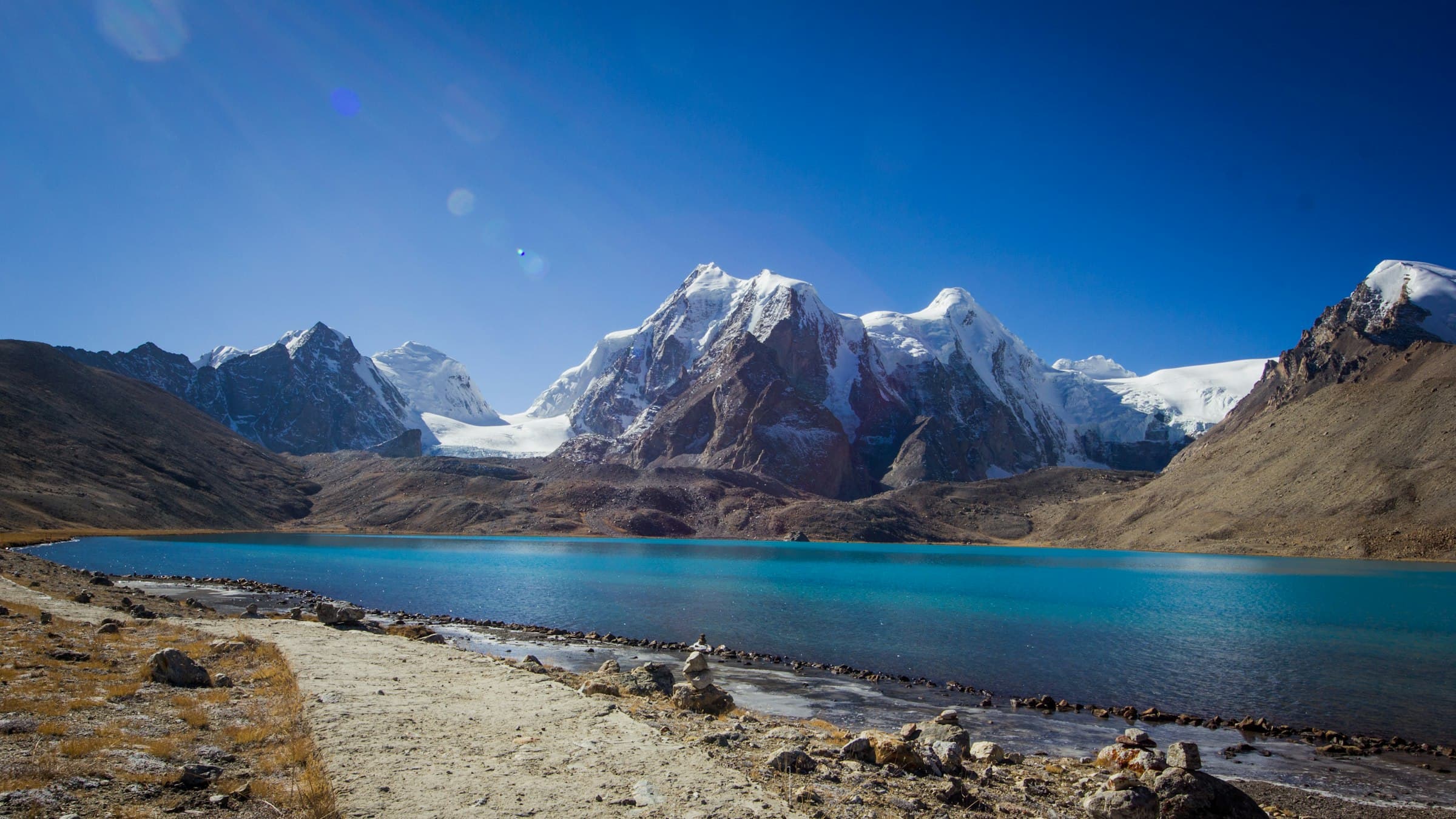
The vehicle leaves Lachen around four in the morning, while the wind is still down, and climbs a rough road onto the plateau. Gurudongmar Lake sits at five thousand four hundred and thirty metres, one of the highest lakes in the world, held blue against snow mountains, with a part that is said never to freeze. The stop is short because of the altitude. Back to Lachen for breakfast, then a two-hour drive south to Lachung for the night.

Day 5 · Lachung
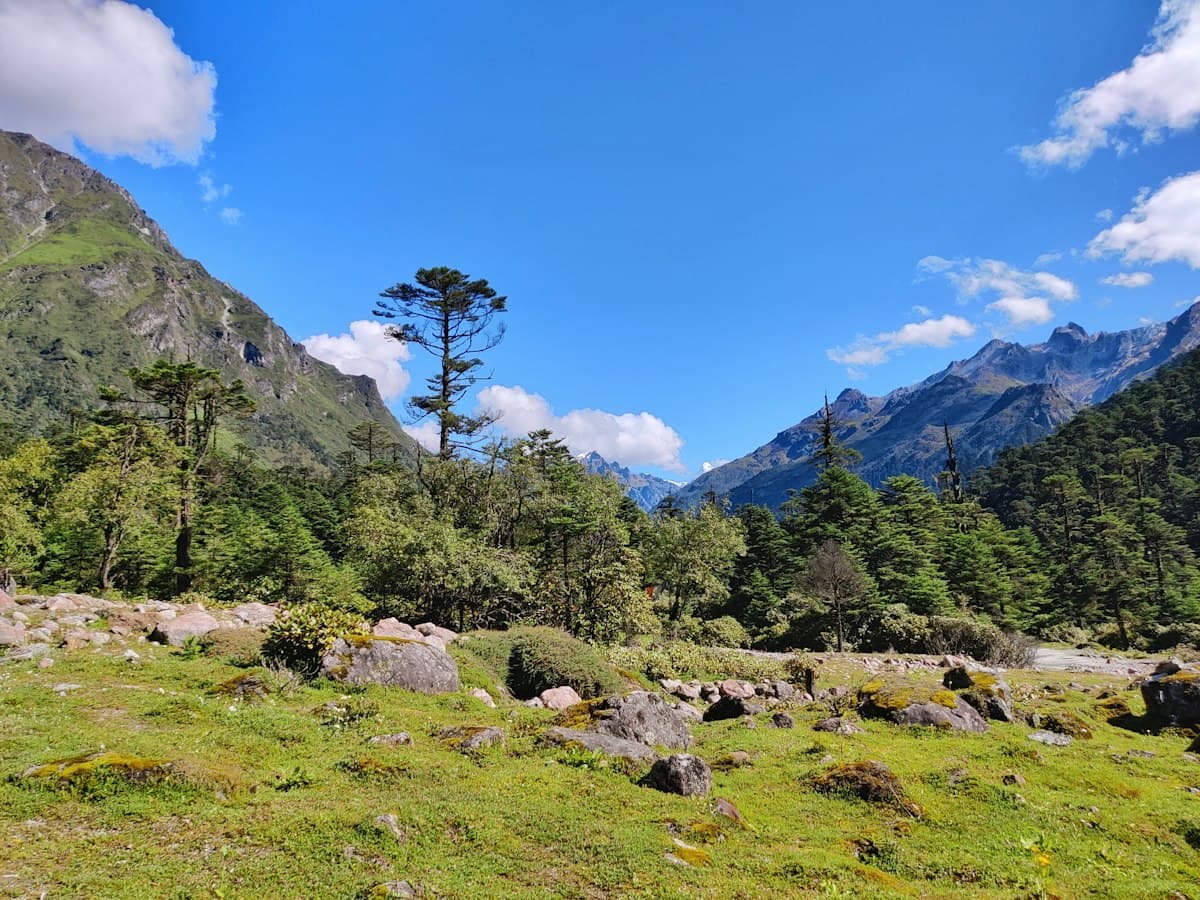
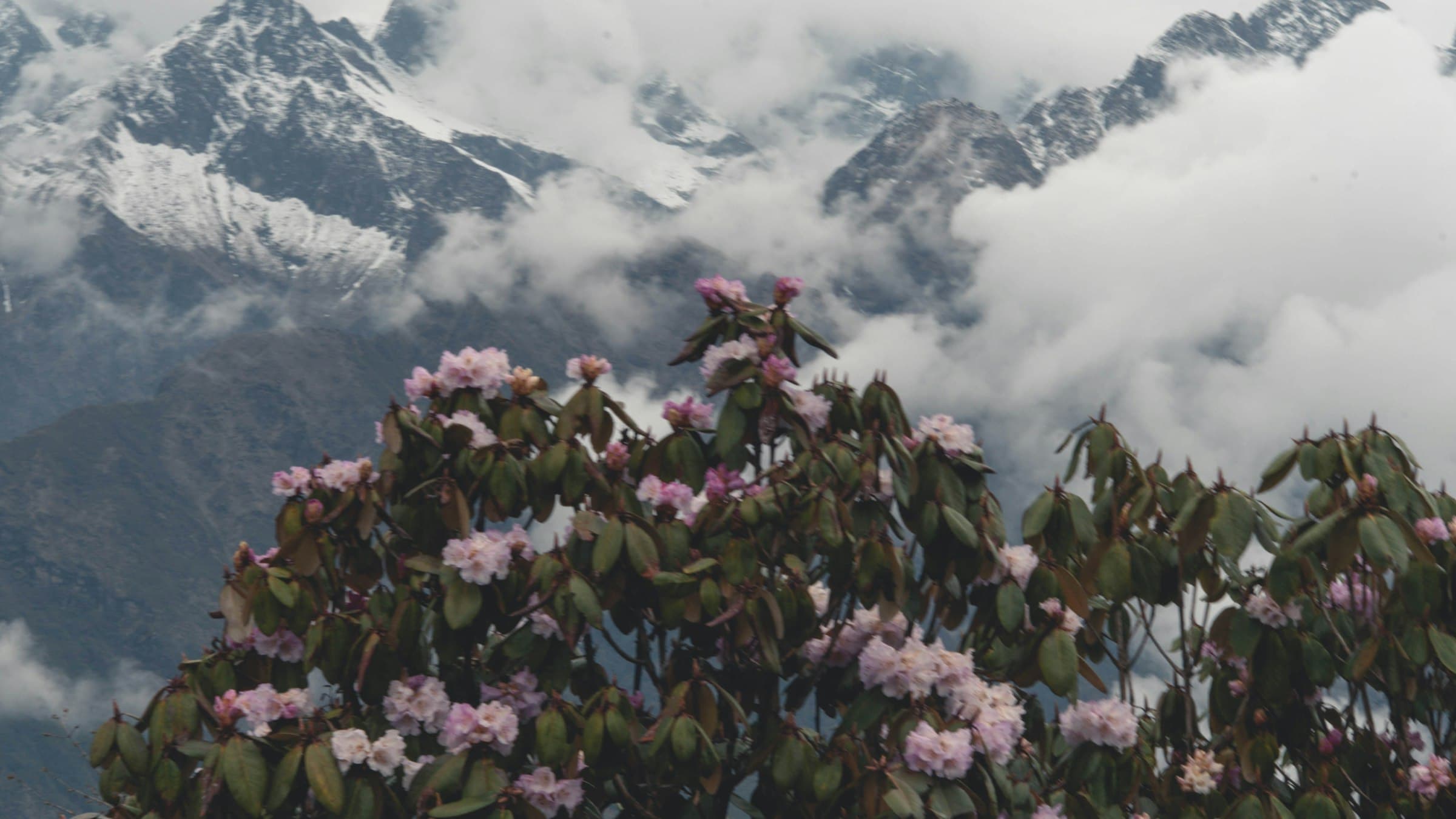
An early drive up the valley from Lachung to Yumthang, the Valley of Flowers, at three thousand five hundred metres. In spring the rhododendron sanctuary on the slopes is in bloom; in other seasons it is a wide river meadow ringed by snow. A footbridge crosses to a hot spring. If the road and the weather allow, the trip continues to Zero Point at four thousand seven hundred metres, the snowbound end of the road. Back in Lachung by early afternoon.

Day 6 · Lachung → Gangtok
The return south is a long day, six to seven hours, back down the Teesta gorge through Chungthang and Mangan. There are stops for the Naga and Bhim Nala waterfalls and for lunch. The green deepens as the road drops. You reach Gangtok in the late afternoon, with the evening free on MG Marg after two nights in the far north.

Day 7 · Gangtok → Ravangla
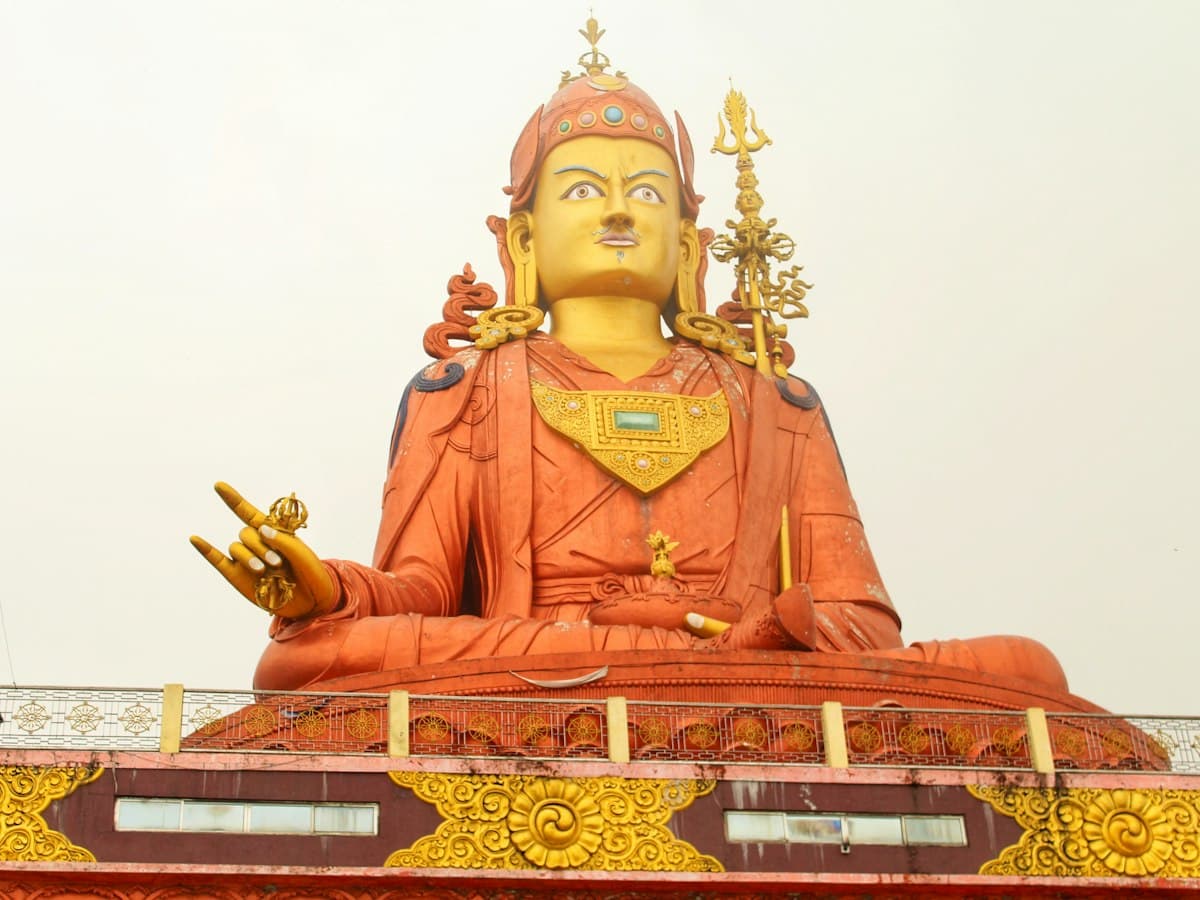
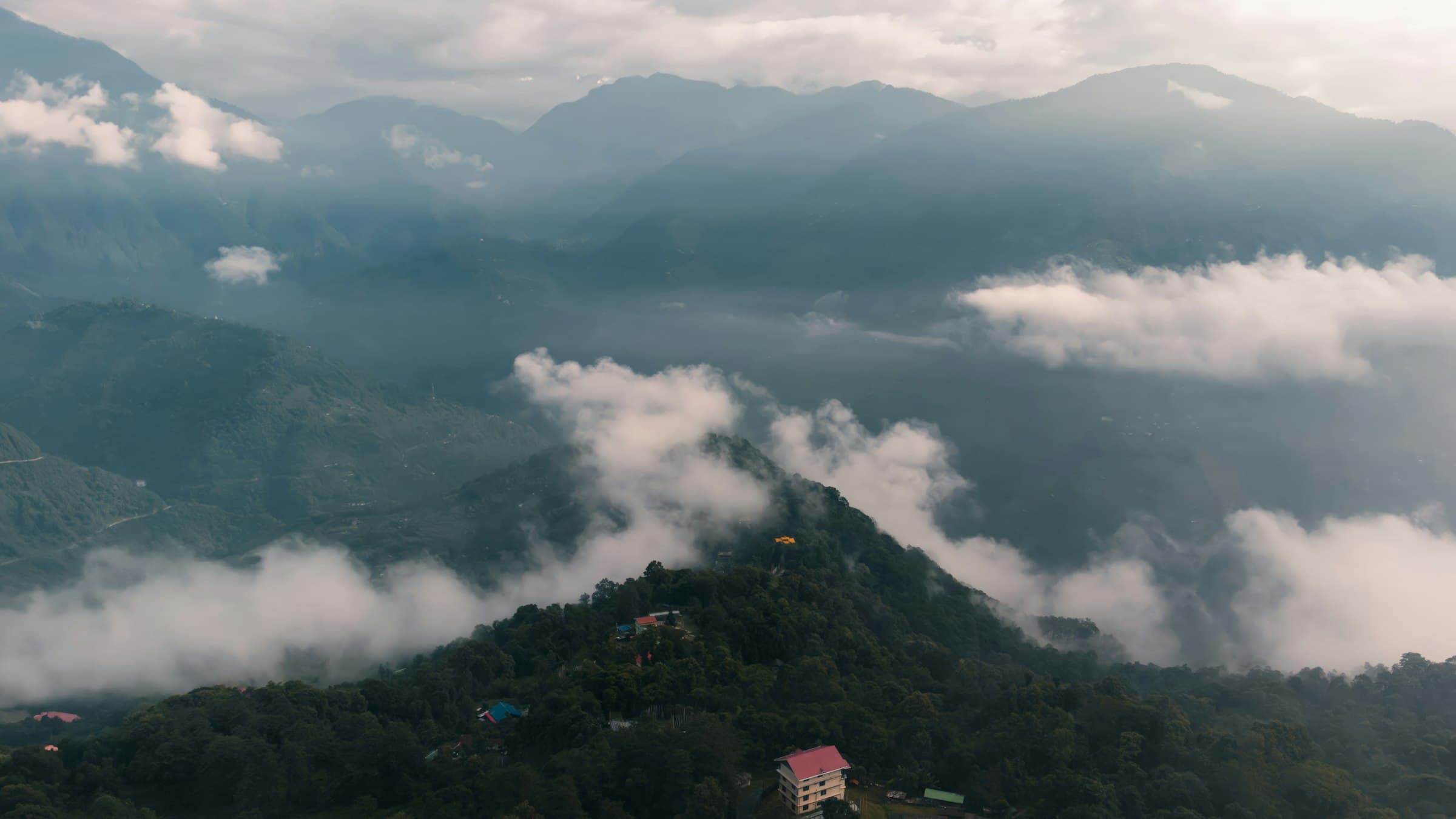
A drive south and west of about four hours, crossing the Teesta and climbing into South Sikkim. The stop on the way is Namchi: the forty-five-metre statue of Guru Padmasambhava on Samdruptse hill, and the Char Dham complex at Solophok, where the four corner temples of India are rebuilt at full size around a statue of Shiva. Both sit on hilltops with wide views. You reach Ravangla, on its ridge facing Kanchenjunga, by evening.

Day 8 · Ravangla → Pelling
A drive of about three hours west along the ridges, through forest and small villages, with Kanchenjunga ahead most of the way on a clear day. There is time to stop at a viewpoint or a roadside monastery. You reach Pelling, in the far west of the state, by early afternoon, and check in with the mountains filling the windows. If the sky is clear, the sunset light on the snow from the hotel lawn is worth waiting for.
Chapter Four — Day by Day
Every day, start to finish — including the transfers the sightseeing chapter above skipped.

Gangtok
The drive up from Bagdogra airport or the New Jalpaiguri railhead takes about four to five hours, climbing out of the Bengal tea plains and up the Teesta gorge into Sikkim. Foreign visitors have their Sikkim permit checked at Rangpo on the way in. You reach Gangtok in the afternoon. The evening is for MG Marg, the traffic-free central avenue, where the town comes out to walk and the cafes fill up.

Gangtok
A full day around the capital. Rumtek first, the largest monastery in Sikkim and the Karmapa's seat, on a hill facing the town. Then the Namgyal Institute of Tibetology, with one of the best collections of Tibetan texts and art outside Tibet, and the nearby Do-drul chorten. The afternoon takes in the Enchey monastery above the town, the ropeway across the ridge, and time on MG Marg and in the Lal Bazar market.

Gangtok → Lachen
A long drive north, about six or seven hours, following the Teesta up a narrowing green gorge past waterfalls and the town of Mangan. The road is rough in places and the region is restricted, so a permit and a North Sikkim operator are required, and the vehicle changes to a shared arrangement here. You reach Lachen, a high village of wood-and-tin houses at two thousand seven hundred metres, by late afternoon, with an early night before the Gurudongmar start.

Lachen → Lachung
The vehicle leaves Lachen around four in the morning, while the wind is still down, and climbs a rough road onto the plateau. Gurudongmar Lake sits at five thousand four hundred and thirty metres, one of the highest lakes in the world, held blue against snow mountains, with a part that is said never to freeze. The stop is short because of the altitude. Back to Lachen for breakfast, then a two-hour drive south to Lachung for the night.

Lachung
An early drive up the valley from Lachung to Yumthang, the Valley of Flowers, at three thousand five hundred metres. In spring the rhododendron sanctuary on the slopes is in bloom; in other seasons it is a wide river meadow ringed by snow. A footbridge crosses to a hot spring. If the road and the weather allow, the trip continues to Zero Point at four thousand seven hundred metres, the snowbound end of the road. Back in Lachung by early afternoon.

Lachung → Gangtok
The return south is a long day, six to seven hours, back down the Teesta gorge through Chungthang and Mangan. There are stops for the Naga and Bhim Nala waterfalls and for lunch. The green deepens as the road drops. You reach Gangtok in the late afternoon, with the evening free on MG Marg after two nights in the far north.

Gangtok → Ravangla
A drive south and west of about four hours, crossing the Teesta and climbing into South Sikkim. The stop on the way is Namchi: the forty-five-metre statue of Guru Padmasambhava on Samdruptse hill, and the Char Dham complex at Solophok, where the four corner temples of India are rebuilt at full size around a statue of Shiva. Both sit on hilltops with wide views. You reach Ravangla, on its ridge facing Kanchenjunga, by evening.

Ravangla → Pelling
A drive of about three hours west along the ridges, through forest and small villages, with Kanchenjunga ahead most of the way on a clear day. There is time to stop at a viewpoint or a roadside monastery. You reach Pelling, in the far west of the state, by early afternoon, and check in with the mountains filling the windows. If the sky is clear, the sunset light on the snow from the hotel lawn is worth waiting for.

Pelling
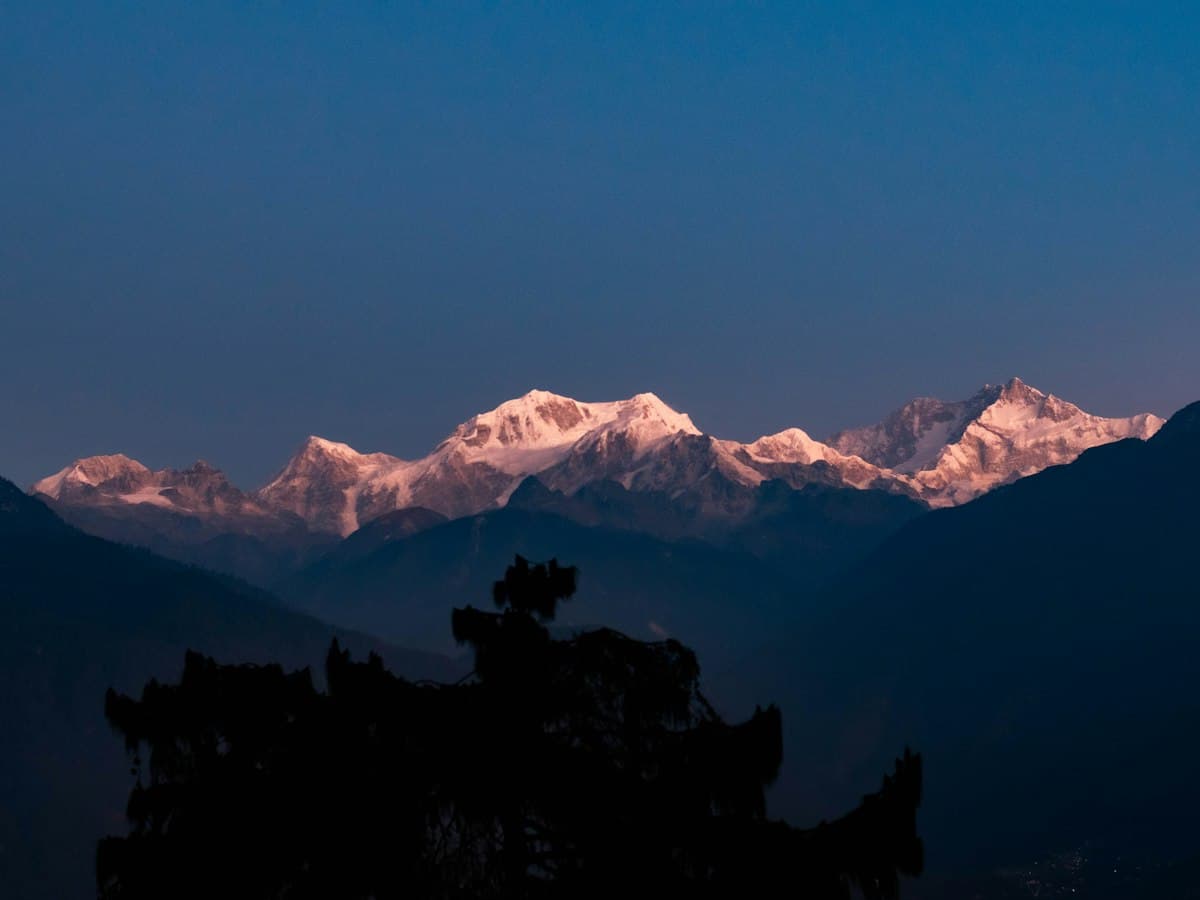
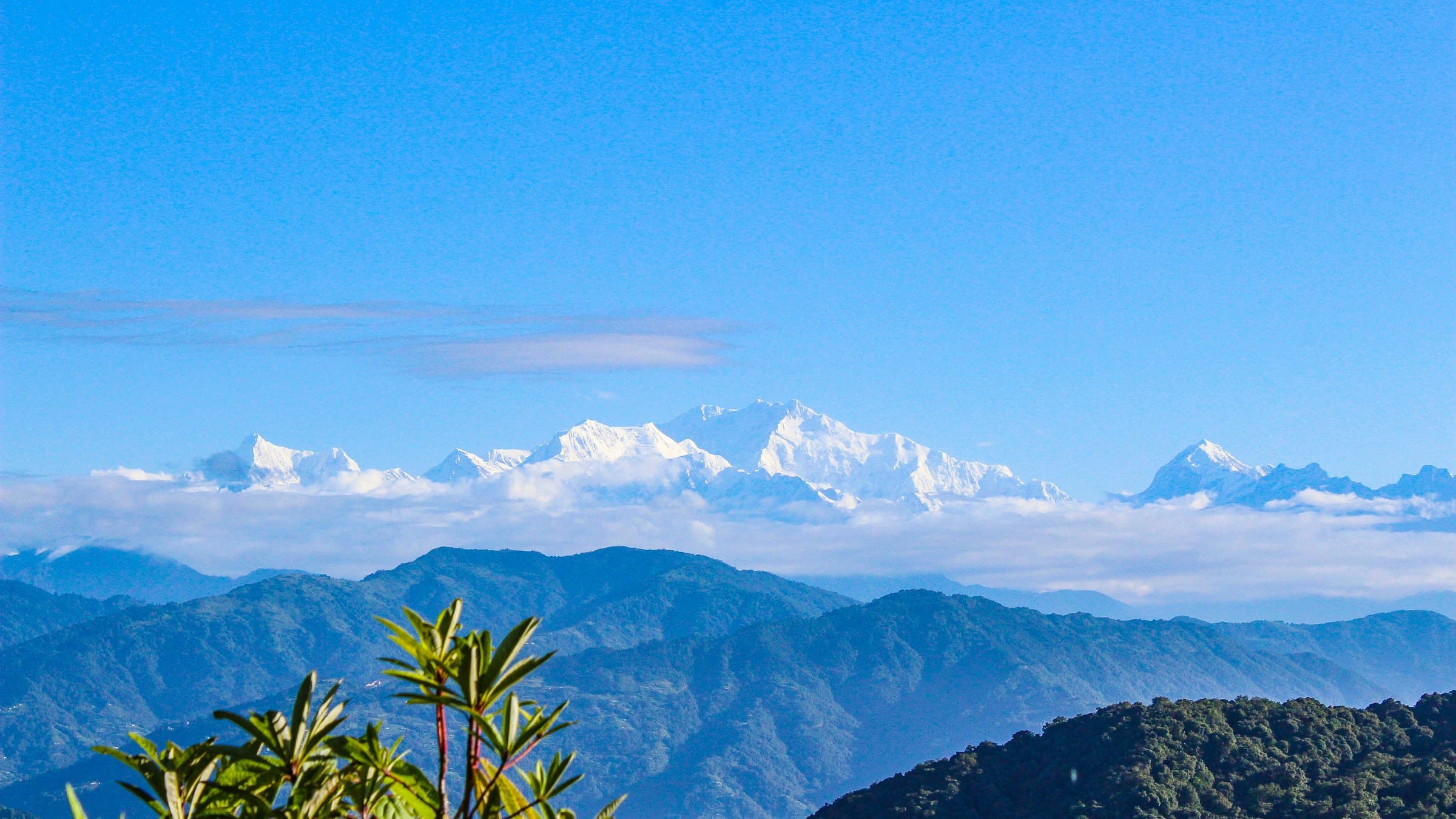
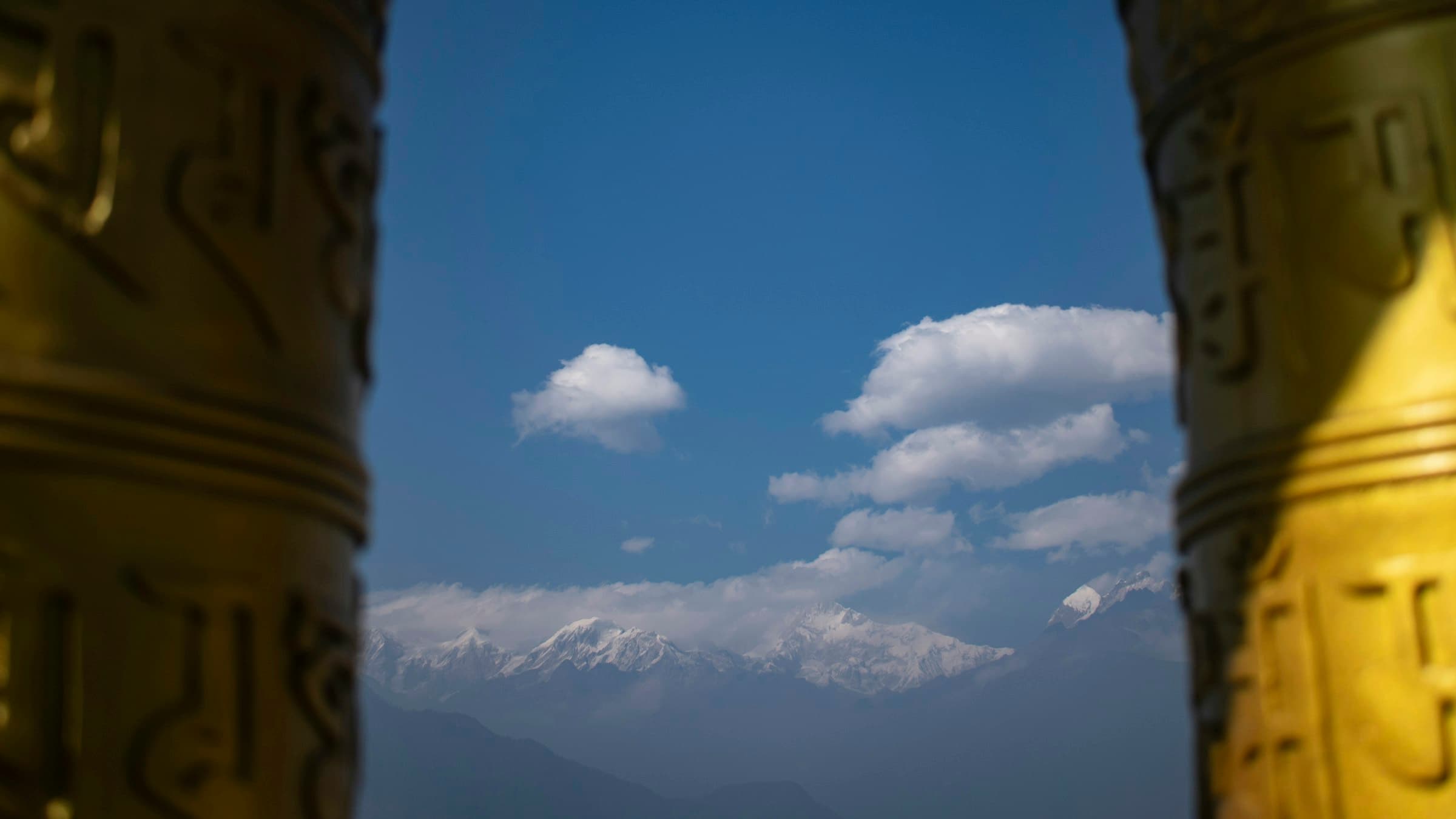
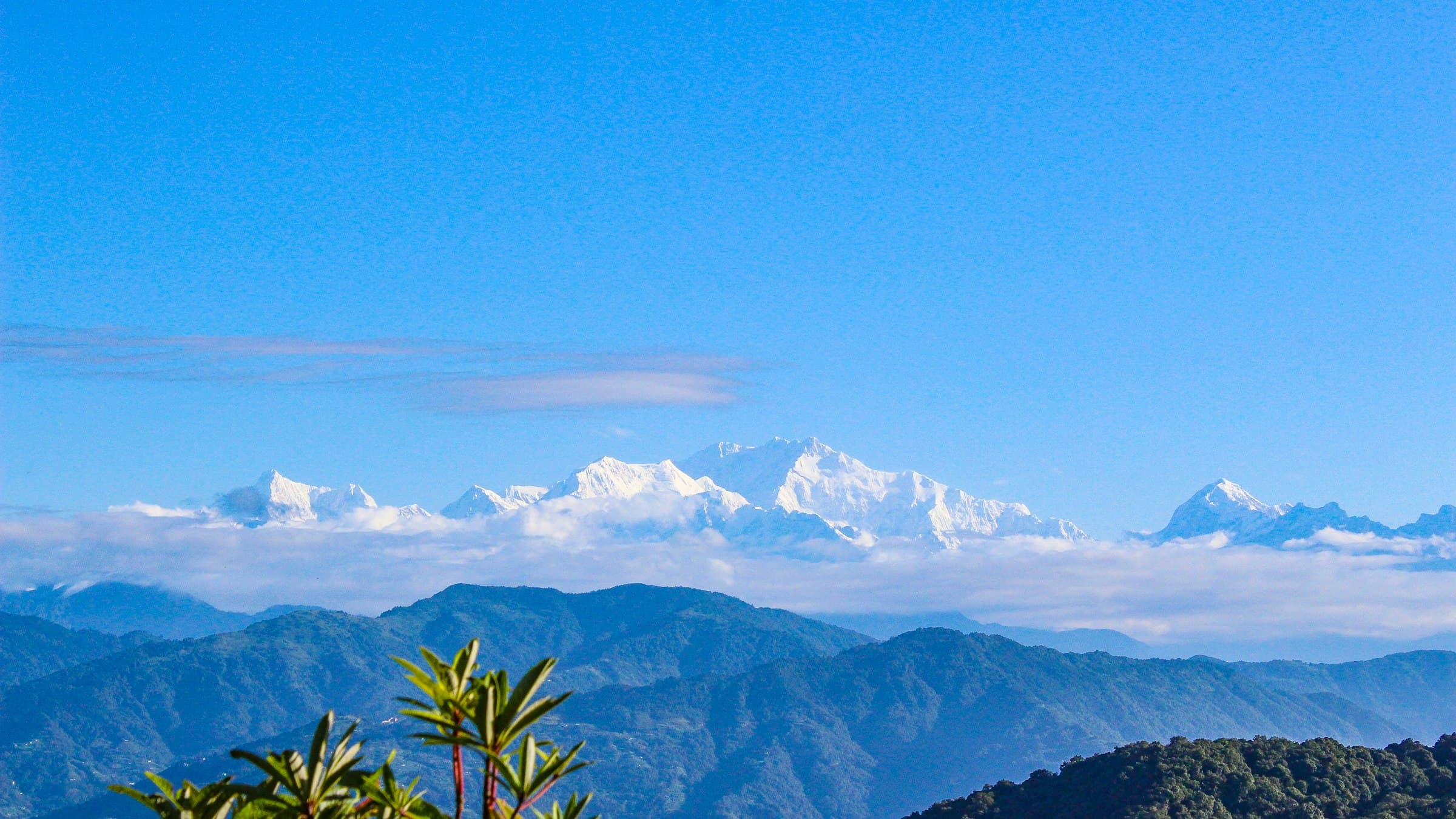
Pelling exists for this view, and the best of it is at first light. From the hotel lawn, or from the Sangacholing ridge a little higher, the Kanchenjunga massif stands clear before the valley cloud builds, and the snow turns from grey to pink to white as the sun comes up. Kanchenjunga is the third-highest mountain in the world and sacred to the Sikkimese, who call it the five treasures of the great snow. The rest of the morning is loose: a monastery, a village walk, or simply the lawn and a pot of tea.
Chapter Five — Terms & Conditions
Cancellation windows, refund timing, and rescheduling terms for this journey follow our one sitewide policy — nothing package-specific to dig through.
Read the Return & Refund PolicyChapter Six — Similar Journeys
Why Choose Us

01
This route was shaped around Sikkim's real places, not lifted from a fixed template.
13 years — Brijesh Sharma, Bespoke Itinerary Specialist

02
Every stay on this trip was chosen in person, not off a ratings page.
5 real stays, 3–4★

03
One driver, air-conditioned, for the whole route — no shared shuttle.
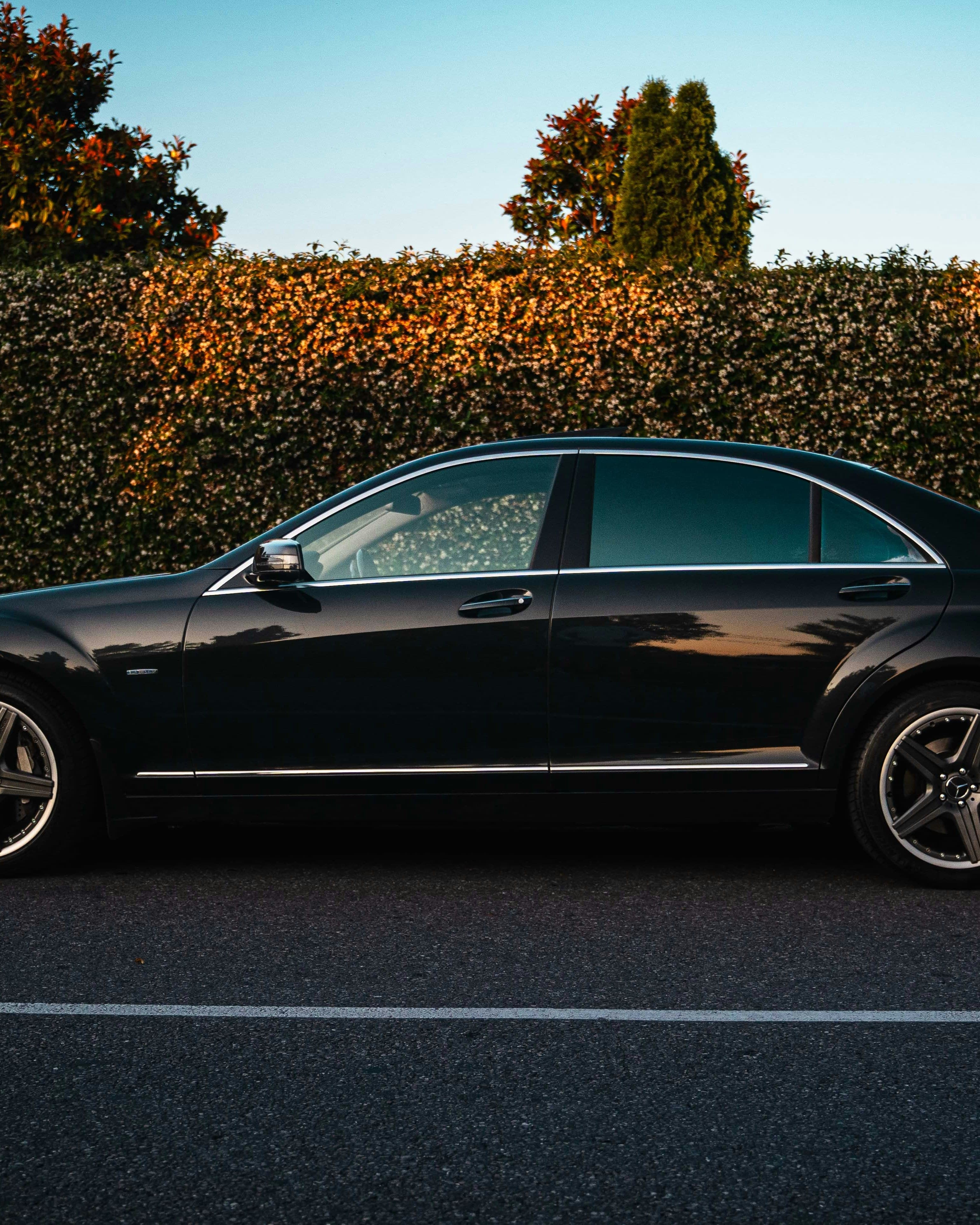
Premium sedans & SUVs · One driver, the whole trip

Kashmir to Kanyakumari
Get In Touch
Tell us your travel dates and group size — we'll confirm availability and refine this itinerary around you.