First, 4 nights in Srinagar
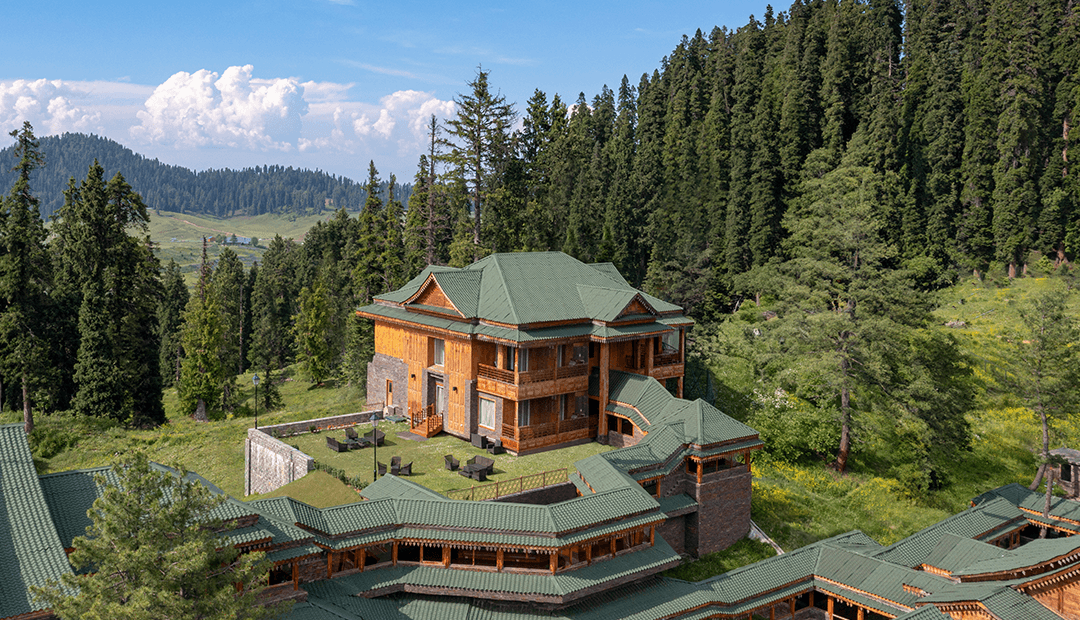
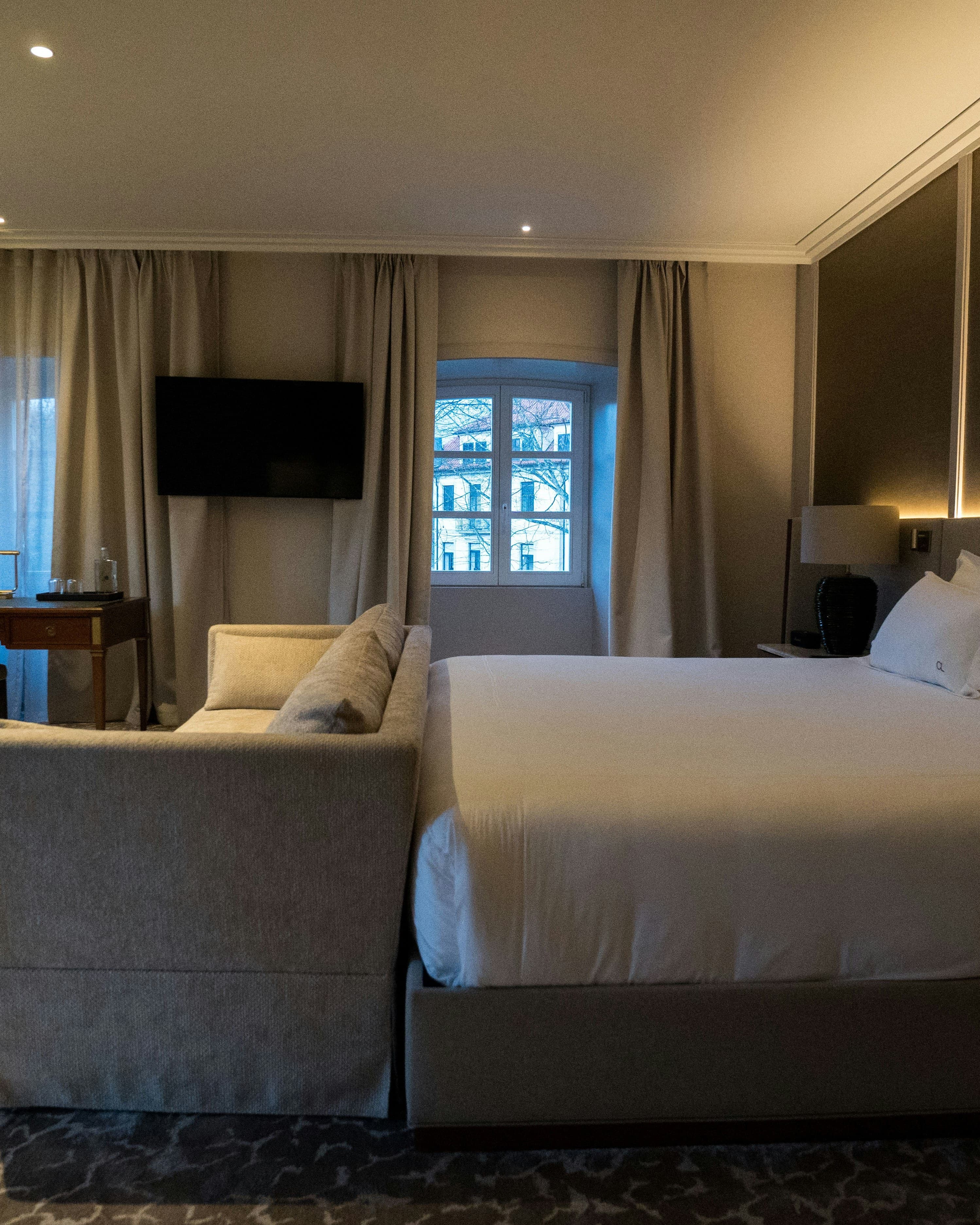
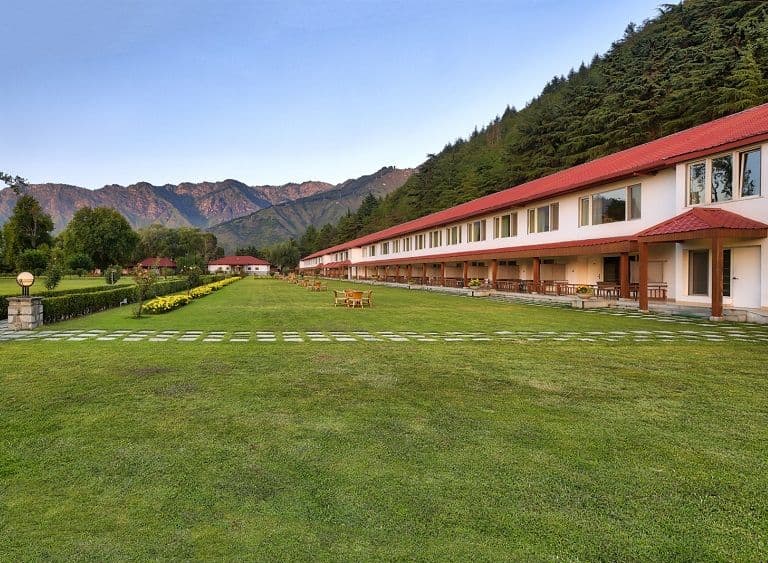
The LaLiT Grand Palace Srinagar
A 1910 Dogra royal palace on Gupkar Road, its lawns running down toward Dal Lake — over a hundred rooms and suites, a nine-hole golf course and a spa.

Chapter Two — Where You'll Stay
Handpicked along your own route — not a hotel chain repeated city to city.

First, 4 nights in Srinagar
A 1910 Dogra royal palace on Gupkar Road, its lawns running down toward Dal Lake — over a hundred rooms and suites, a nine-hole golf course and a spa.

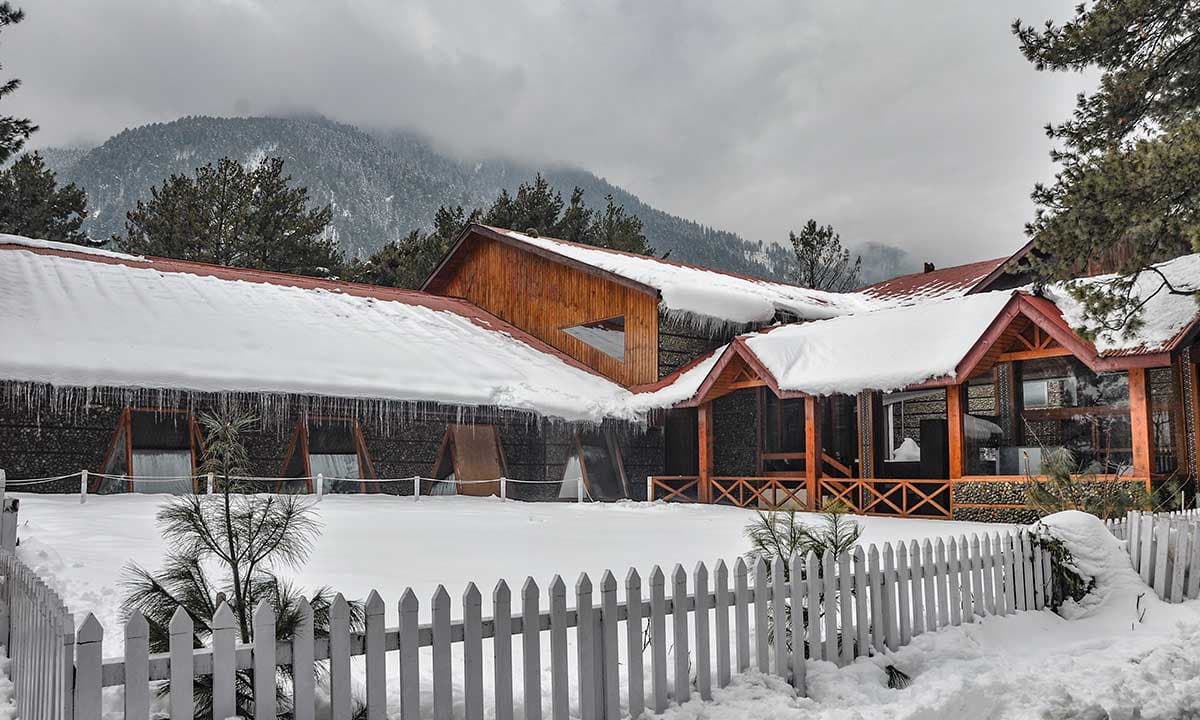
Next, 2 nights in Gulmarg
Gulmarg's only five-star resort — a deodar-and-stone lodge facing Mount Apharwat, near the Gondola, with an L'OCCITANE spa and fireplaces in the rooms.

Finally, 2 nights in Pahalgam
An ITC Welcomhotel on a pine ridge above Pahalgam, beside the 18-hole golf course — large valley-view rooms and an easy base for the Betaab and Aru valleys.
Chapter Three — Activities & Sightseeing
7 of your 9days — the full day-by-day plan follows below.

Day 2 · Srinagar
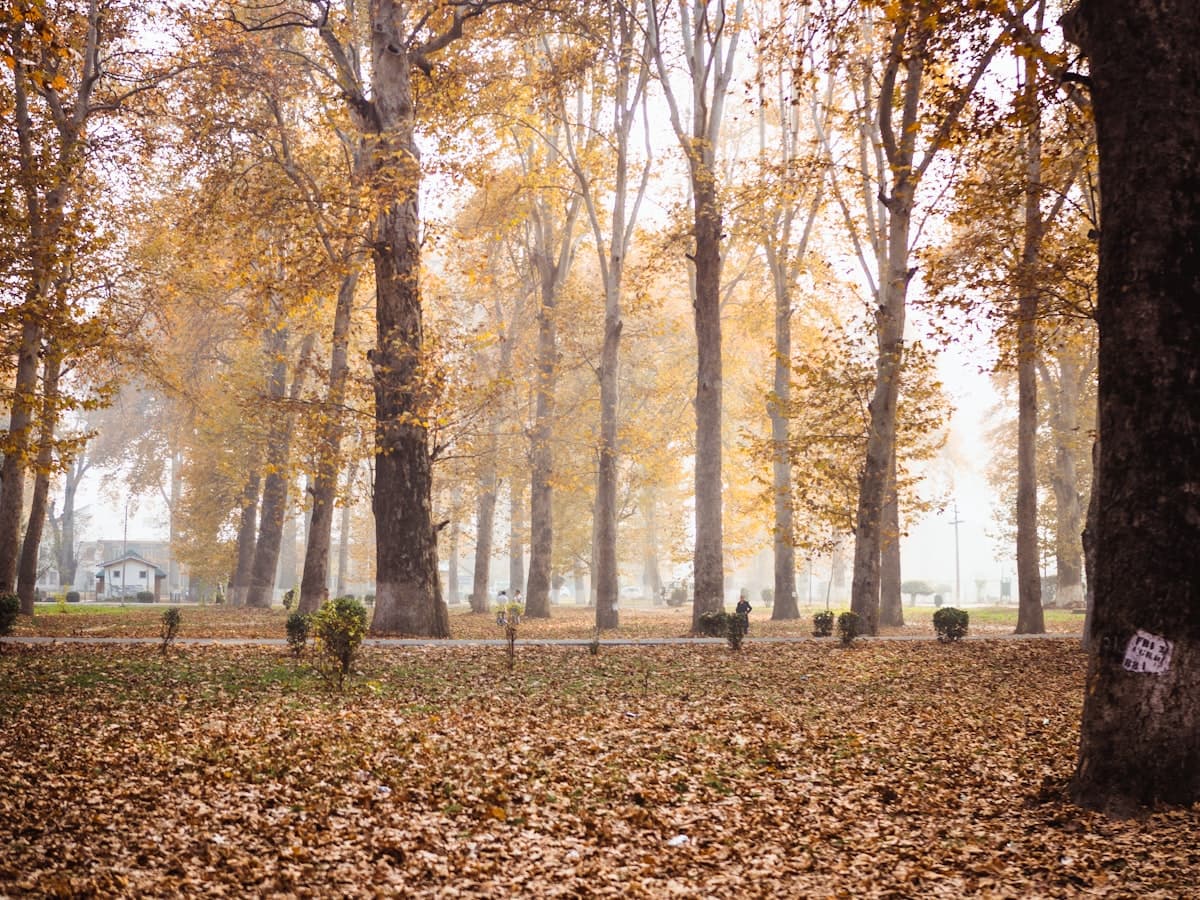
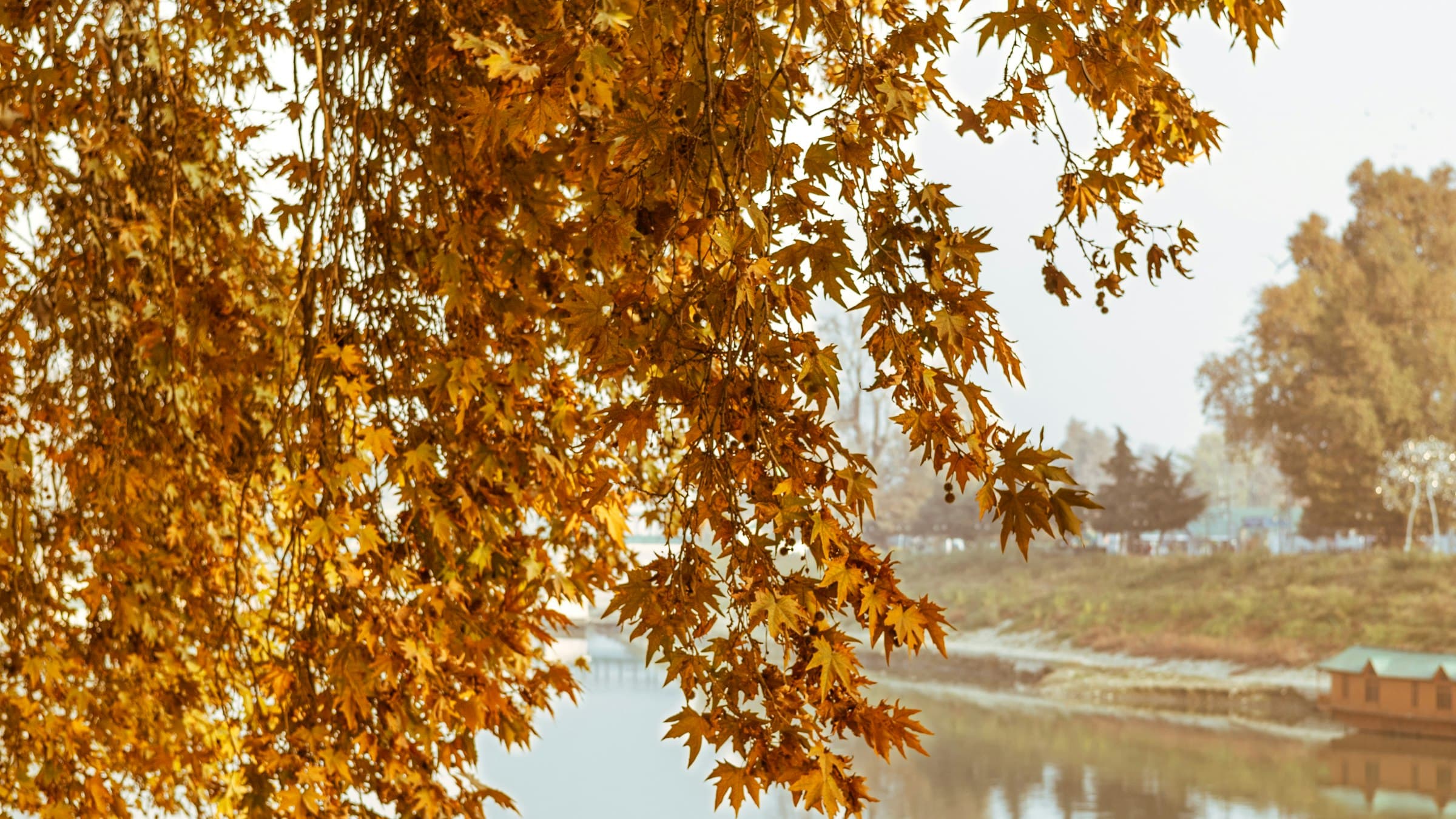
A day along the eastern shore of the lake, where the Mughal emperors built their gardens. Nishat Bagh climbs the hillside in twelve terraces, one for each sign of the zodiac. Shalimar Bagh, built by Jahangir for Nur Jahan, runs water down a central channel between chinar trees. Chashme Shahi is small and built around a spring. Above them, Pari Mahal is a terraced ruin with the best view in the city. The afternoon can add the tulip garden in season, or a carpet workshop.

Day 3 · Srinagar
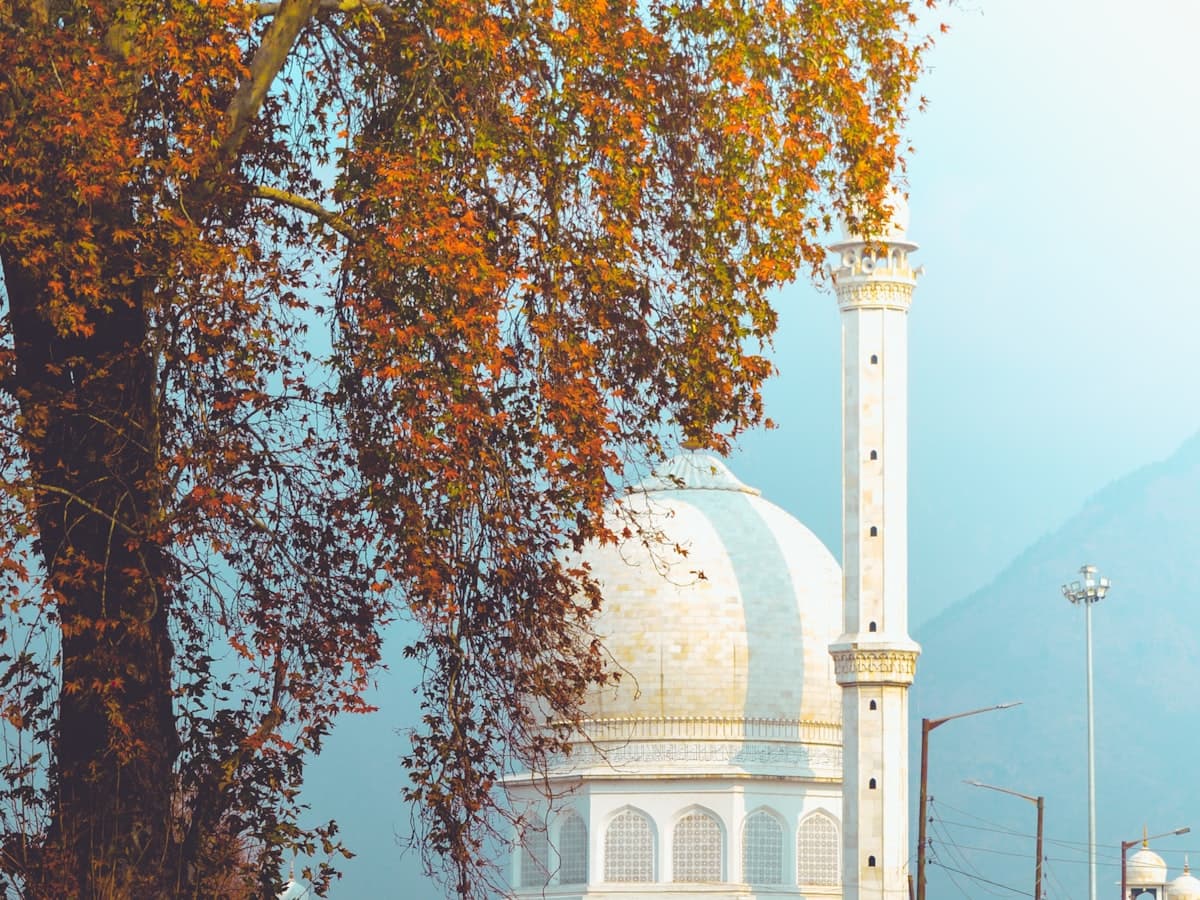
A day in the older parts of Srinagar. The Shankaracharya temple sits on a hill above the city, up a long stair, for a wide view over the lake and the valley. Hazratbal, the white marble shrine on the western shore, holds a relic of the Prophet and looks straight across the water to the mountains. In the old city, downtown, a walk on foot takes in the wooden Jamia Masjid, the riverside shrines, and workshops for papier-mache and copper. It is the day that shows how the city lives.

Day 4 · Srinagar
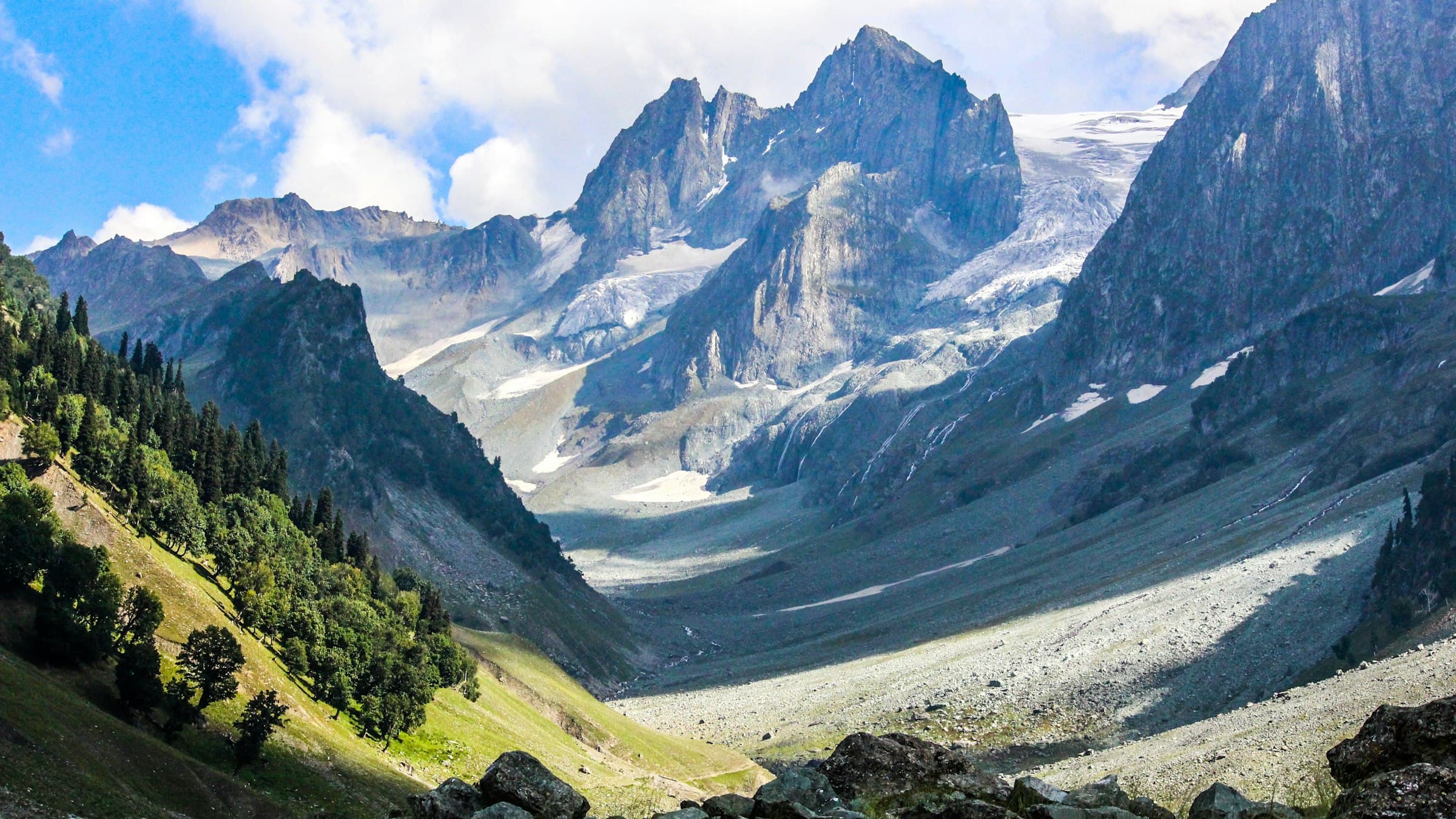
Sonamarg, the meadow of gold, is about three hours from Srinagar on the road toward Ladakh. The drive climbs beside the Sindh river through pine forest and open pasture, and is half the point of the day. At Sonamarg the peaks stand higher and closer than anywhere else in the valley. From the road it is an hour's walk, or a pony ride, to the Thajiwas glacier, where snow lies on the ground into the summer. You return to Srinagar in the evening. The road is usually open from April to November.

Day 5 · Srinagar → Gulmarg
The drive to Gulmarg takes about two hours, out across the rice fields of the valley and then up through pine forest to the meadow at 2,650 metres. Gulmarg means the meadow of flowers, and in summer it is exactly that. After checking in, the afternoon is for the Gondola: stage one to Kongdoori, and stage two, weather allowing, to a shoulder of Mount Apharwat near 4,000 metres. The air is thin at the top, so the visit is short. Warm layers are needed even in July.

Day 6 · Gulmarg
A day to slow down in the mountains. The meadow itself is for walking, with the small wooden church of St Mary's at its centre and the world's highest eighteen-hole golf course spread around it. A path leads up to Khilanmarg, a higher meadow with a view of the Kashmir valley on one side and Nanga Parbat, on a clear day, on the other. If the Gondola was closed for weather the day before, this is the day to try again. The evenings here are cold all year.

Day 7 · Gulmarg → Pahalgam
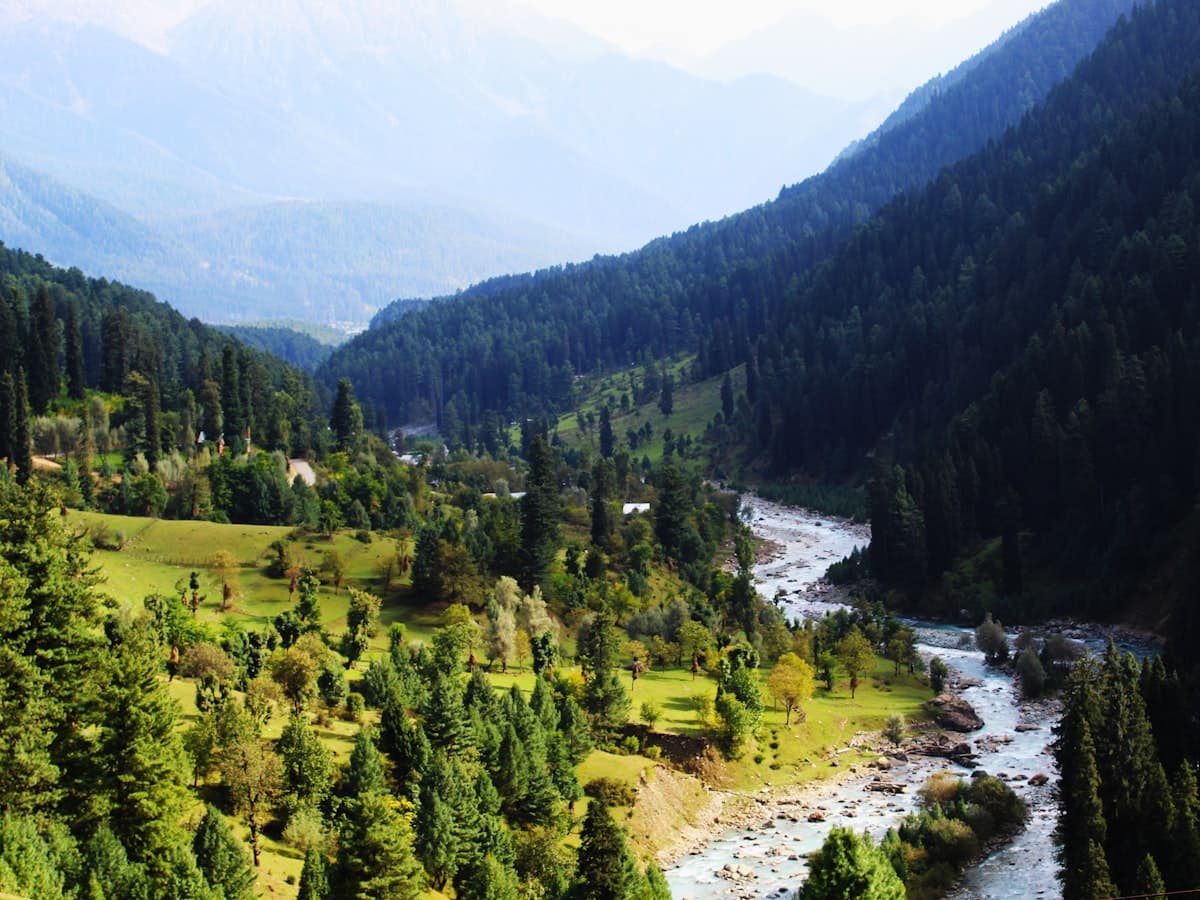
A long transfer day across the width of the Kashmir valley, about five hours with stops. The road comes down from Gulmarg, skirts Srinagar, and heads southeast along the Jhelum. Pampore, the saffron town, is on the way, and so are the ninth-century temple ruins at Avantipur. The land rises again into pine forest as you near Pahalgam, at about 2,400 metres, where the Lidder river runs through the town. The evening is for a walk along the riverbank.

Day 8 · Pahalgam
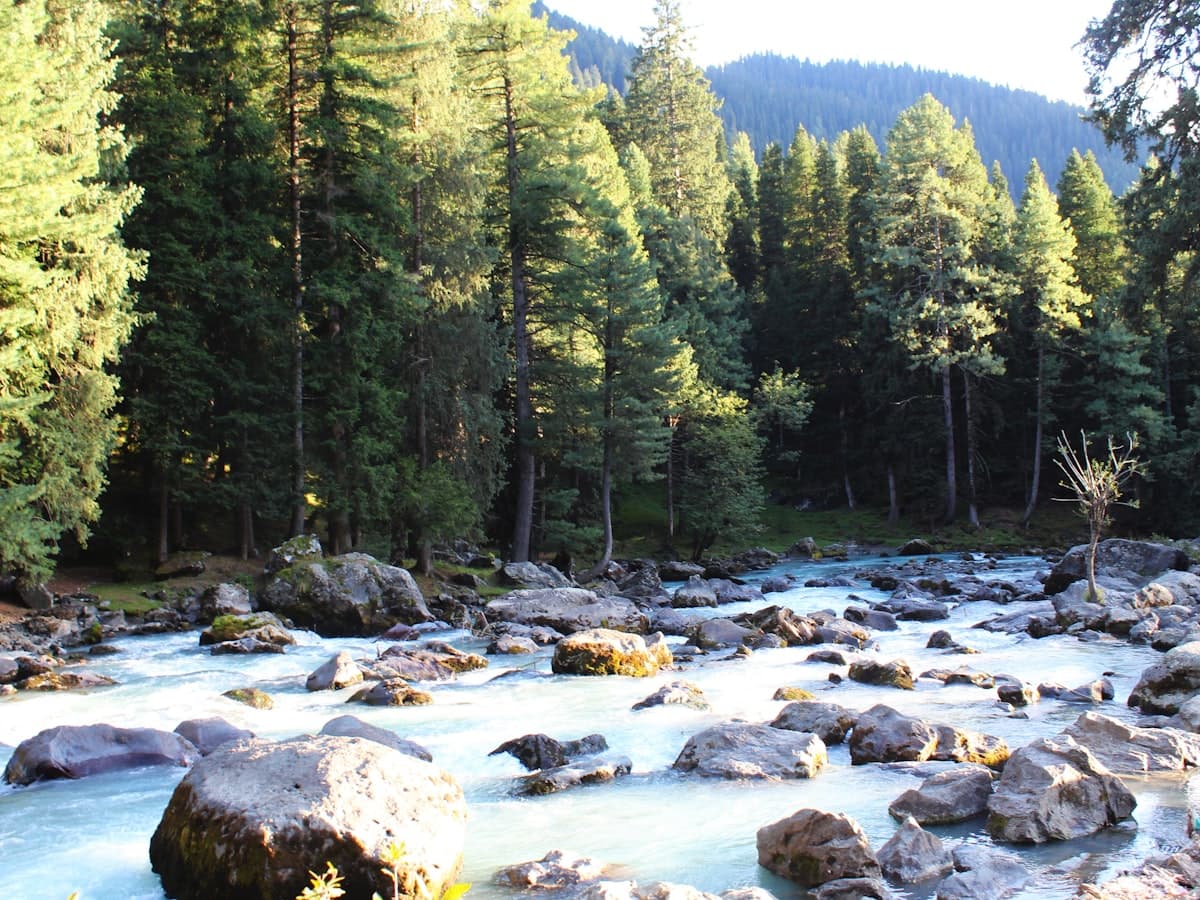
A day up the side valleys from Pahalgam by car, with a local guide. Betaab Valley, fifteen kilometres up the Chandanwari road, is a meadow of lawns and pine under snow peaks, named after a film shot there. Chandanwari, higher still, has a snow bridge over the Lidder that can last into summer, and is the traditional start of the Amarnath pilgrimage. Aru Valley, up a different arm of the Lidder, is quieter, a village on a green flat at the end of the road. Each stop is short; the driving and the scenery are the day.
Chapter Four — Day by Day
Every day, start to finish — including the transfers the sightseeing chapter above skipped.

Srinagar
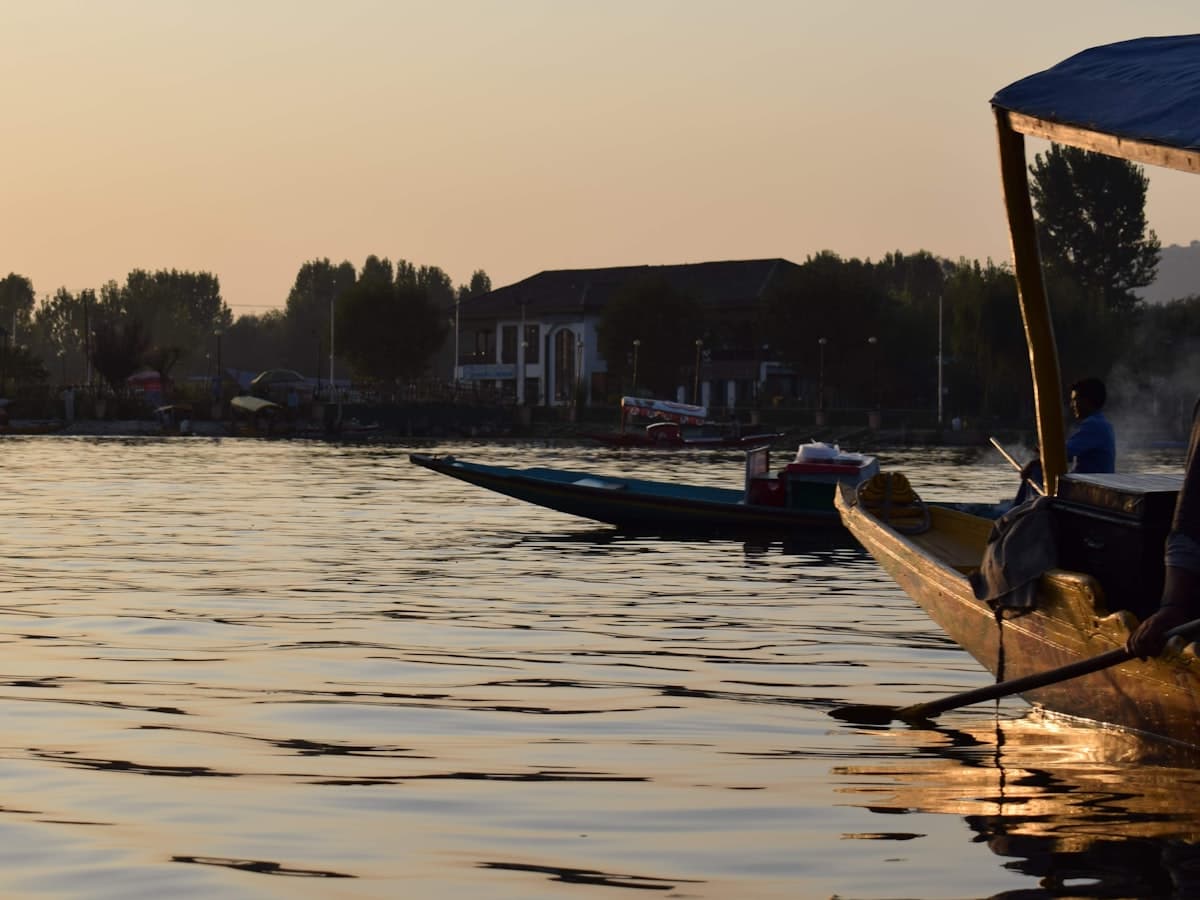
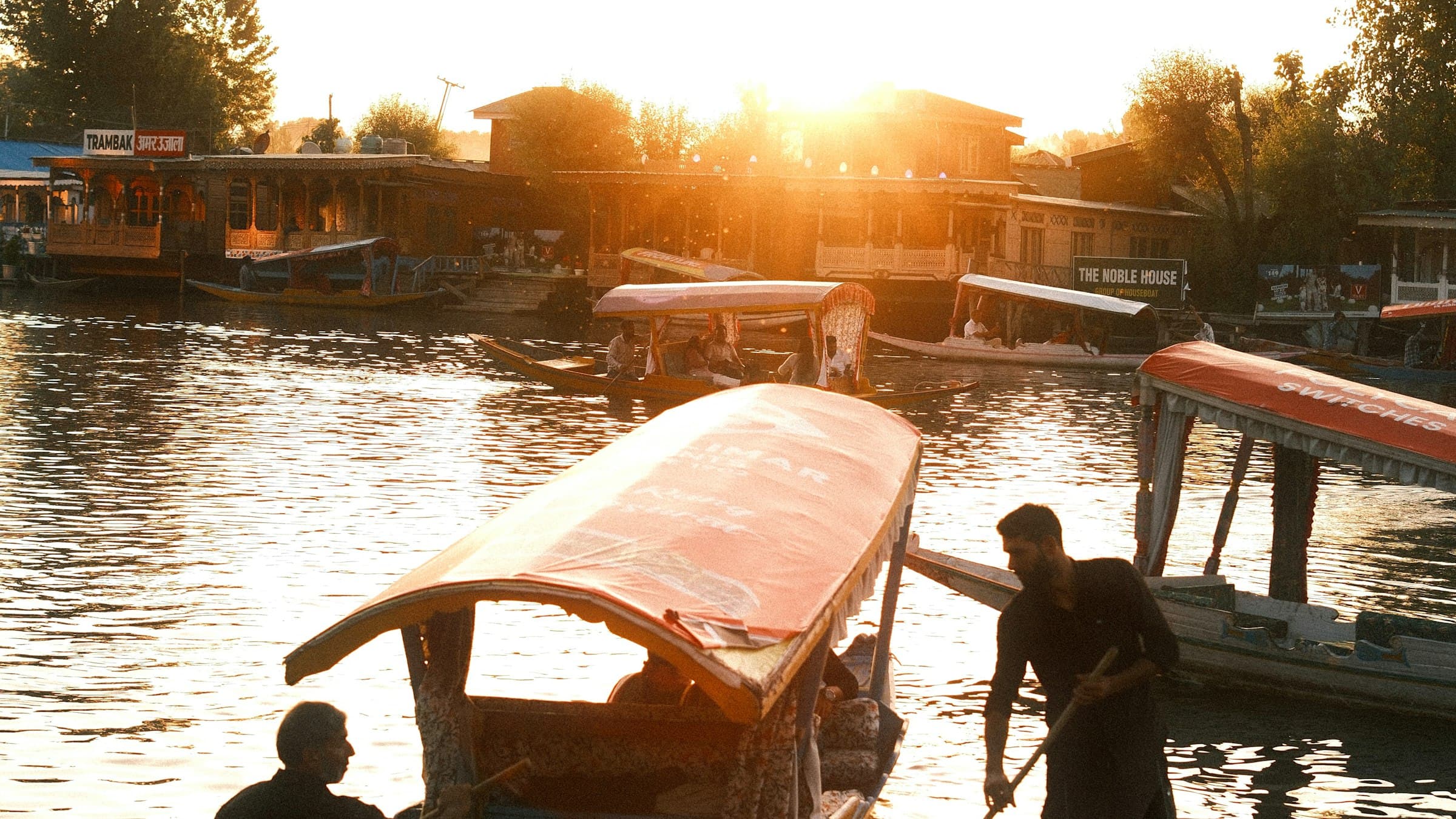
You land at Srinagar and drive to the lake, twenty minutes or so. The afternoon is easy. A shikara ride on Dal Lake is the way to start: a slow paddle past the houseboats, into the lanes of the floating gardens, out to open water for the light on the mountains. Back on shore there is time for tea and a walk along the boulevard. The evening is free. Srinagar sits at about 1,600 metres, so the air is cool even in summer.

Srinagar
A day along the eastern shore of the lake, where the Mughal emperors built their gardens. Nishat Bagh climbs the hillside in twelve terraces, one for each sign of the zodiac. Shalimar Bagh, built by Jahangir for Nur Jahan, runs water down a central channel between chinar trees. Chashme Shahi is small and built around a spring. Above them, Pari Mahal is a terraced ruin with the best view in the city. The afternoon can add the tulip garden in season, or a carpet workshop.

Srinagar
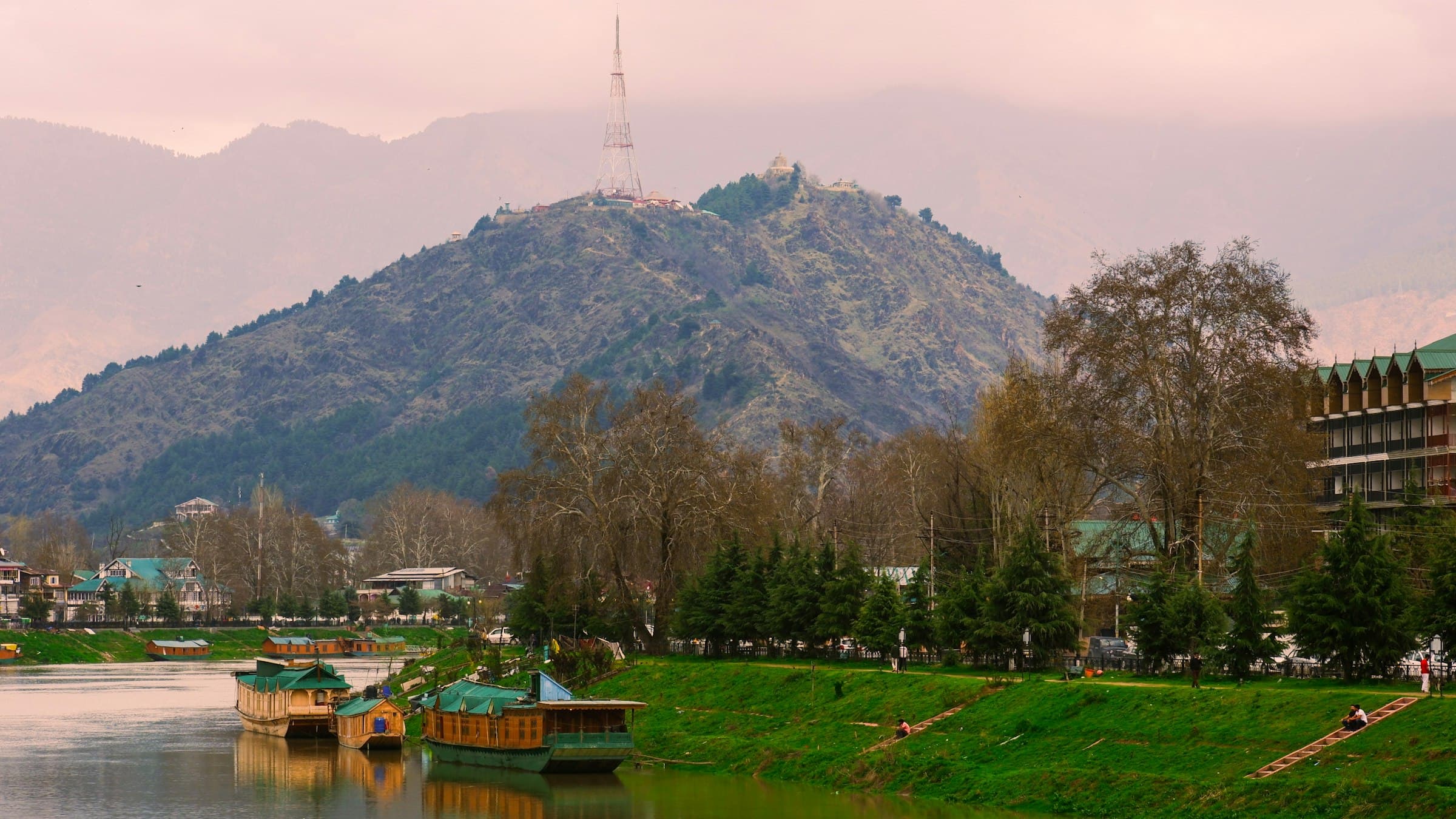
A day in the older parts of Srinagar. The Shankaracharya temple sits on a hill above the city, up a long stair, for a wide view over the lake and the valley. Hazratbal, the white marble shrine on the western shore, holds a relic of the Prophet and looks straight across the water to the mountains. In the old city, downtown, a walk on foot takes in the wooden Jamia Masjid, the riverside shrines, and workshops for papier-mache and copper. It is the day that shows how the city lives.

Srinagar
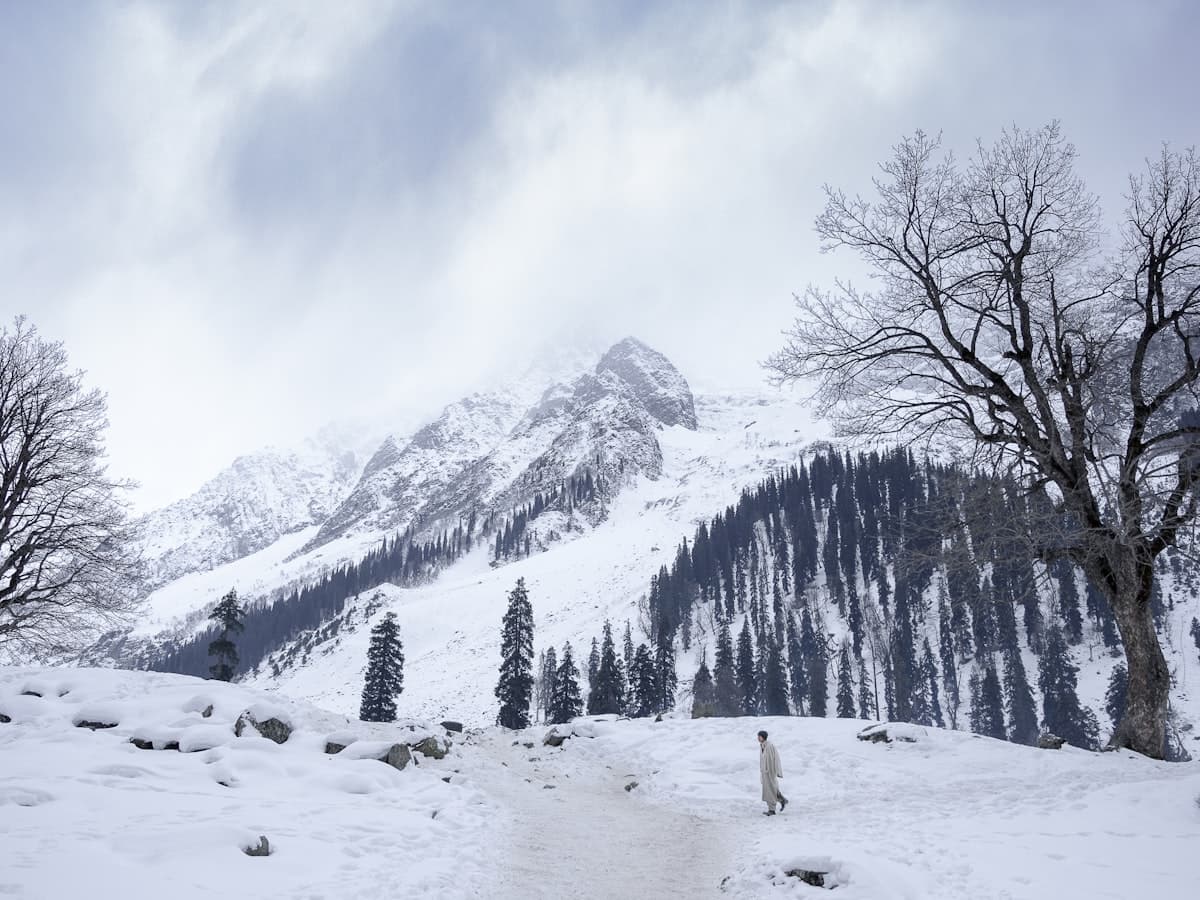
Sonamarg, the meadow of gold, is about three hours from Srinagar on the road toward Ladakh. The drive climbs beside the Sindh river through pine forest and open pasture, and is half the point of the day. At Sonamarg the peaks stand higher and closer than anywhere else in the valley. From the road it is an hour's walk, or a pony ride, to the Thajiwas glacier, where snow lies on the ground into the summer. You return to Srinagar in the evening. The road is usually open from April to November.

Srinagar → Gulmarg
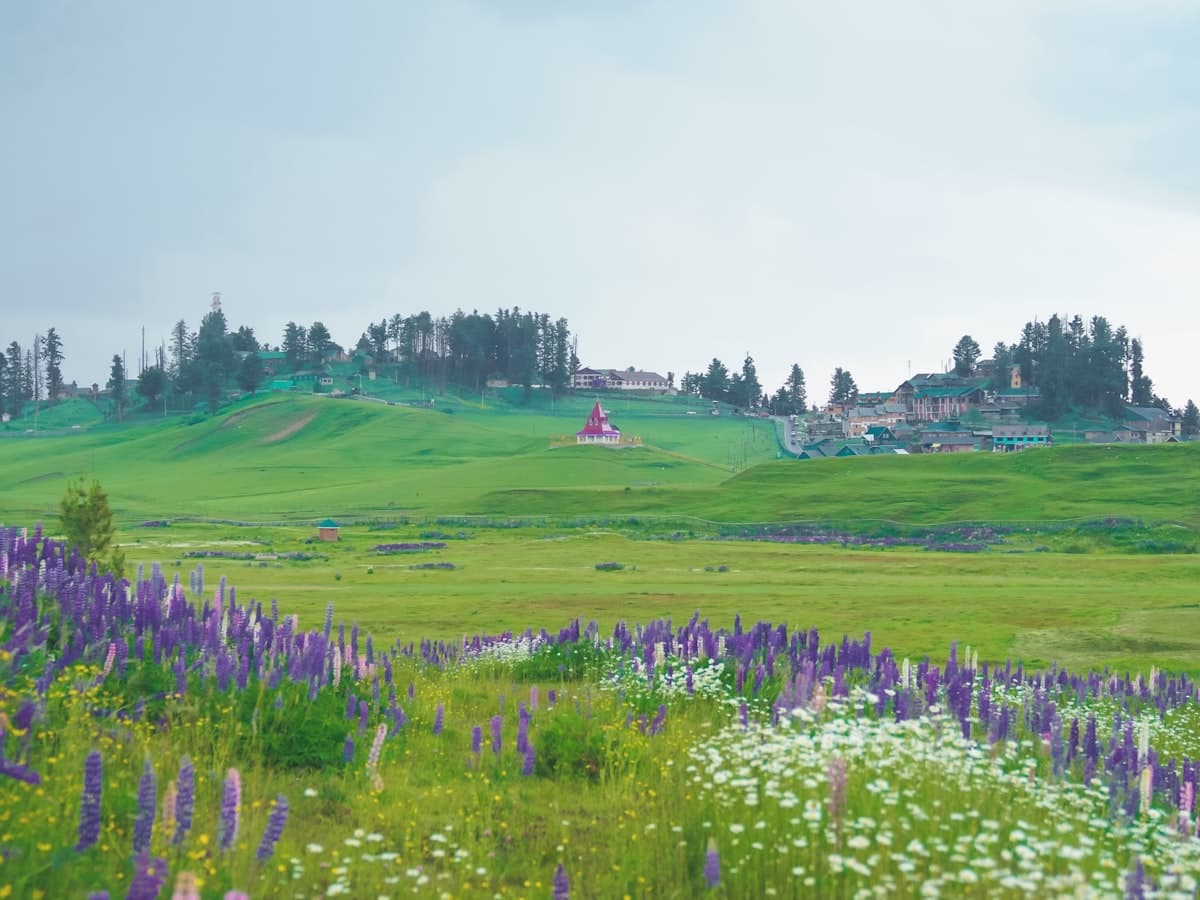
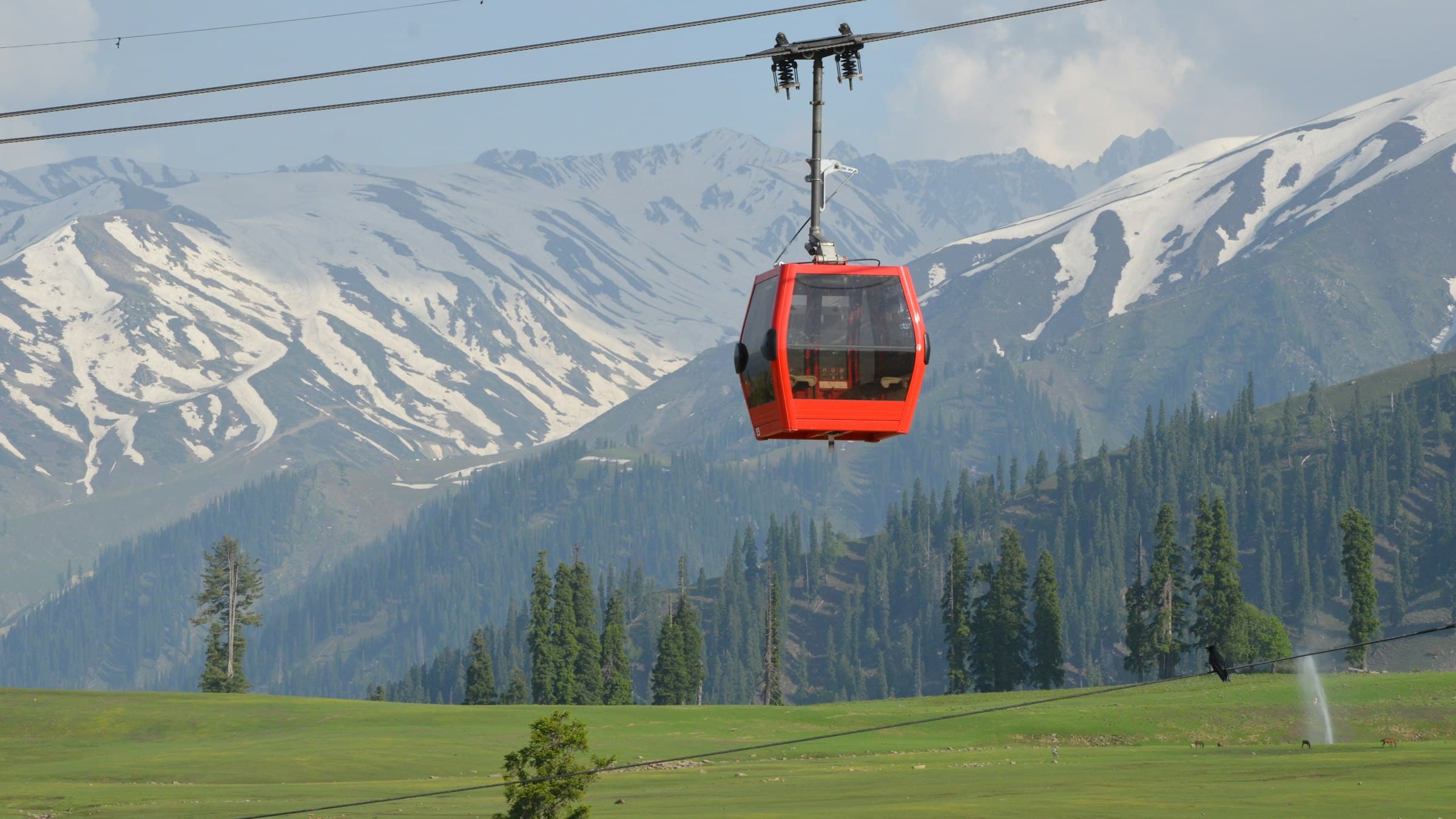
The drive to Gulmarg takes about two hours, out across the rice fields of the valley and then up through pine forest to the meadow at 2,650 metres. Gulmarg means the meadow of flowers, and in summer it is exactly that. After checking in, the afternoon is for the Gondola: stage one to Kongdoori, and stage two, weather allowing, to a shoulder of Mount Apharwat near 4,000 metres. The air is thin at the top, so the visit is short. Warm layers are needed even in July.

Gulmarg
A day to slow down in the mountains. The meadow itself is for walking, with the small wooden church of St Mary's at its centre and the world's highest eighteen-hole golf course spread around it. A path leads up to Khilanmarg, a higher meadow with a view of the Kashmir valley on one side and Nanga Parbat, on a clear day, on the other. If the Gondola was closed for weather the day before, this is the day to try again. The evenings here are cold all year.

Gulmarg → Pahalgam
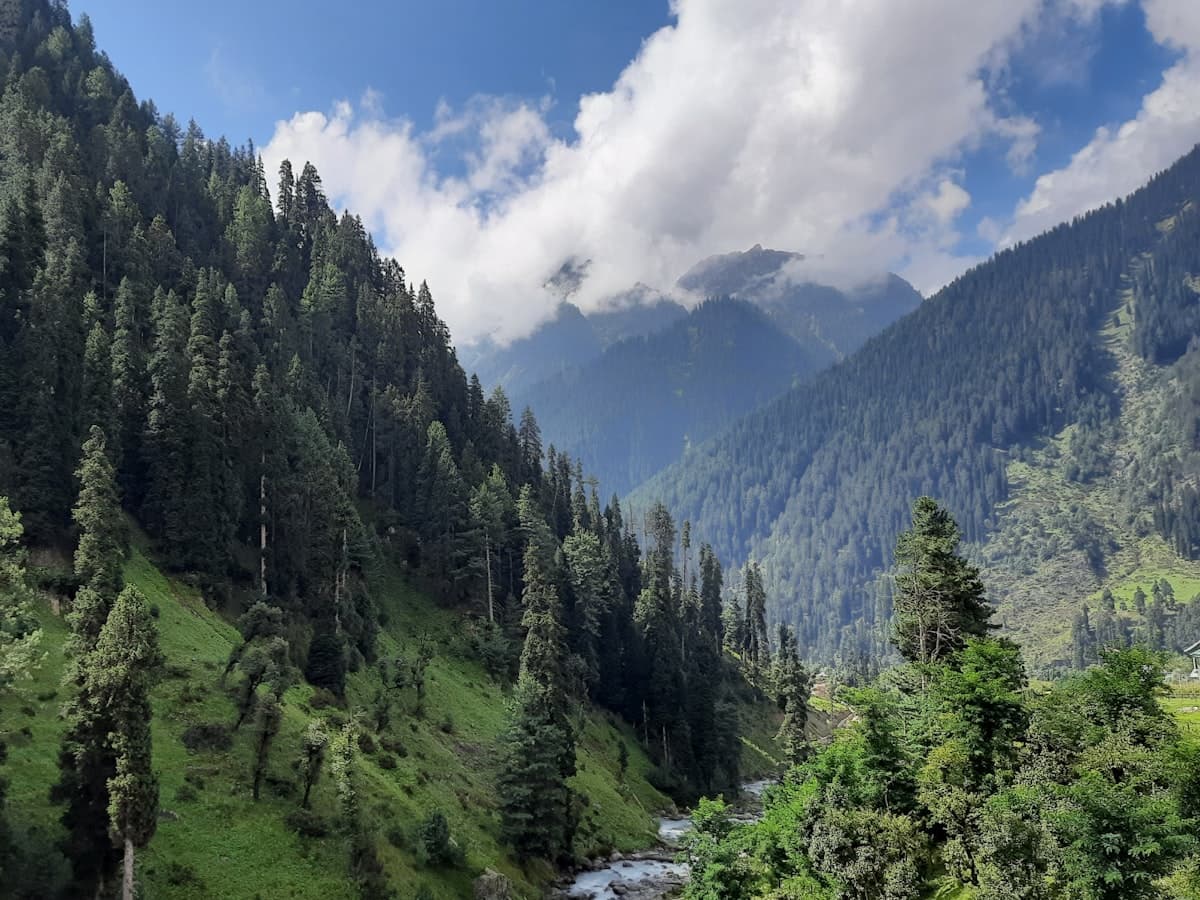
A long transfer day across the width of the Kashmir valley, about five hours with stops. The road comes down from Gulmarg, skirts Srinagar, and heads southeast along the Jhelum. Pampore, the saffron town, is on the way, and so are the ninth-century temple ruins at Avantipur. The land rises again into pine forest as you near Pahalgam, at about 2,400 metres, where the Lidder river runs through the town. The evening is for a walk along the riverbank.

Pahalgam
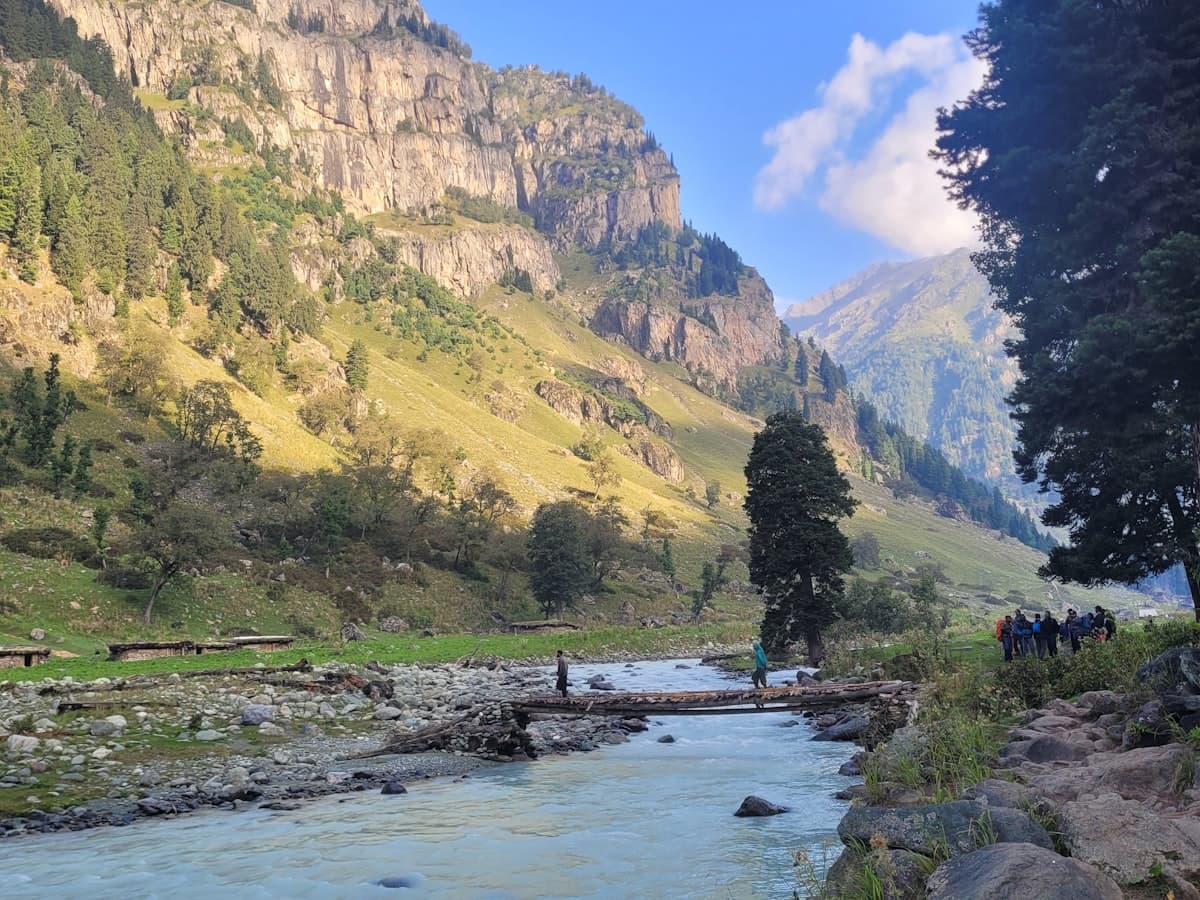
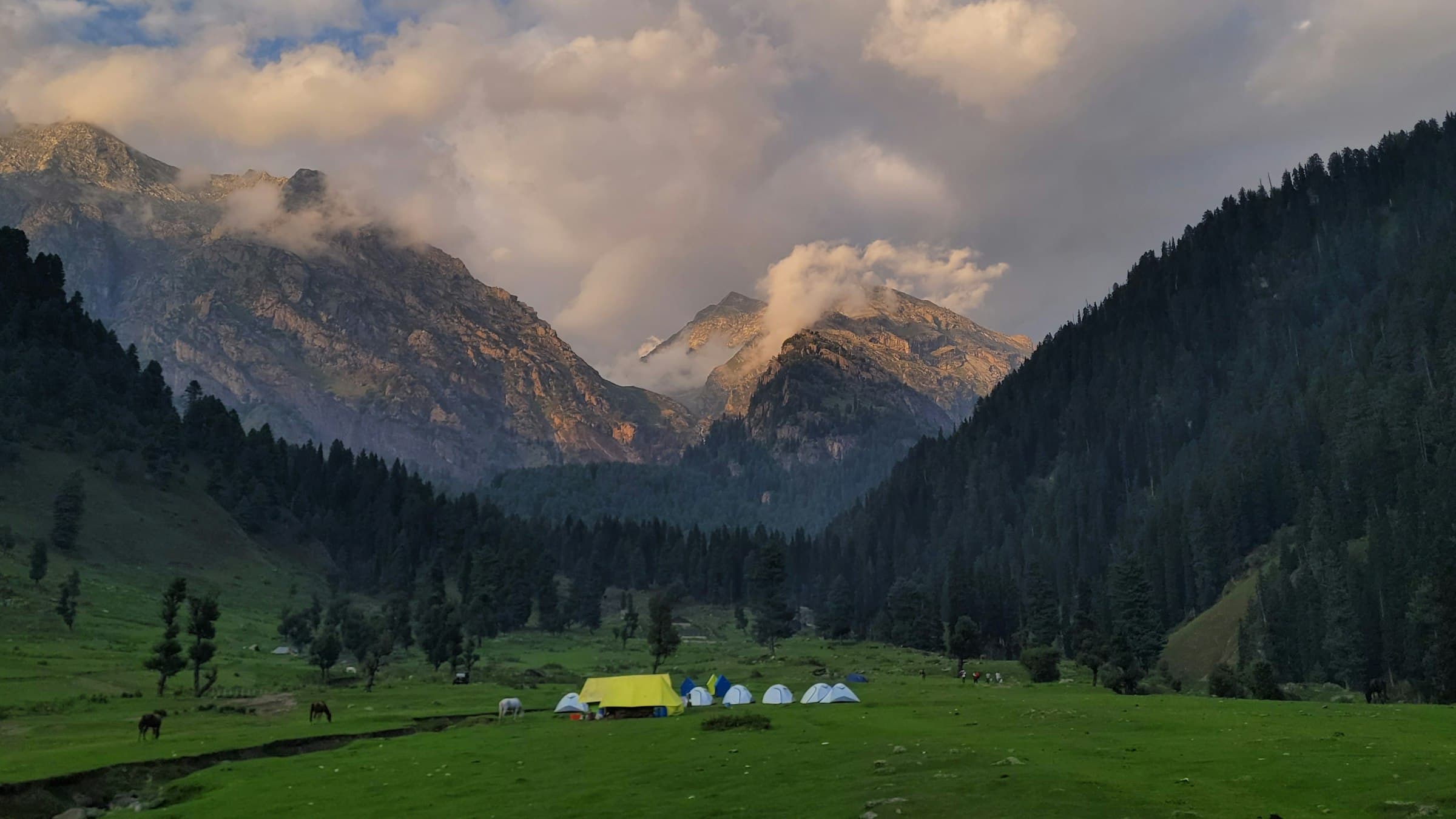
A day up the side valleys from Pahalgam by car, with a local guide. Betaab Valley, fifteen kilometres up the Chandanwari road, is a meadow of lawns and pine under snow peaks, named after a film shot there. Chandanwari, higher still, has a snow bridge over the Lidder that can last into summer, and is the traditional start of the Amarnath pilgrimage. Aru Valley, up a different arm of the Lidder, is quieter, a village on a green flat at the end of the road. Each stop is short; the driving and the scenery are the day.

Pahalgam → Srinagar
The drive back to Srinagar takes about two and a half hours, down the Lidder and along the Jhelum. There is usually time for a last stop: the saffron fields at Pampore, a carpet or papier-mache workshop on the edge of the city, or a final shikara on Dal Lake if the flight is late. Then the short drive to the airport for the flight out. Bags of dried apricots, walnuts and saffron are the things people carry home.
Chapter Five — Terms & Conditions
Cancellation windows, refund timing, and rescheduling terms for this journey follow our one sitewide policy — nothing package-specific to dig through.
Read the Return & Refund PolicyChapter Six — Similar Journeys
Why Choose Us

01
This route was shaped around Kashmir's real places, not lifted from a fixed template.
13 years — Brijesh Sharma, Bespoke Itinerary Specialist

02
Every stay on this trip was chosen in person, not off a ratings page.
3 real stays, 5★

03
One driver, air-conditioned, for the whole route — no shared shuttle.
Premium sedans & SUVs · One driver, the whole trip

Kashmir to Kanyakumari
Get In Touch
Tell us your travel dates and group size — we'll confirm availability and refine this itinerary around you.