First, 2 nights in Shimla
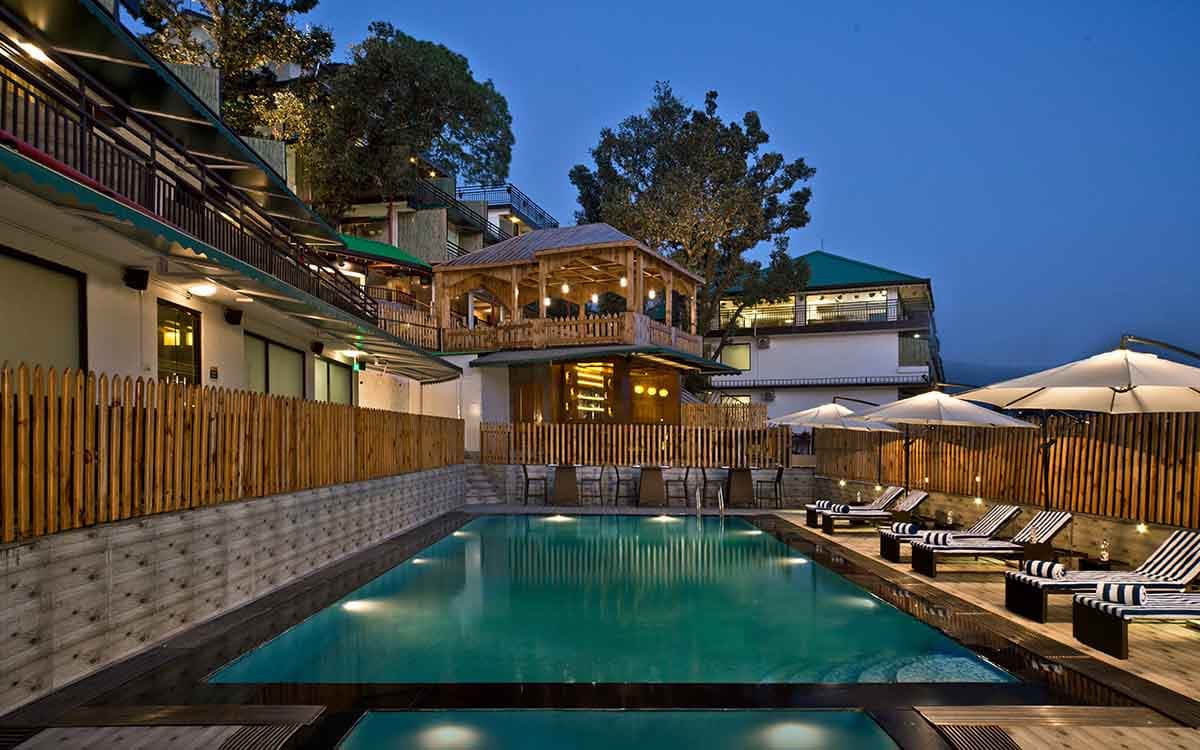
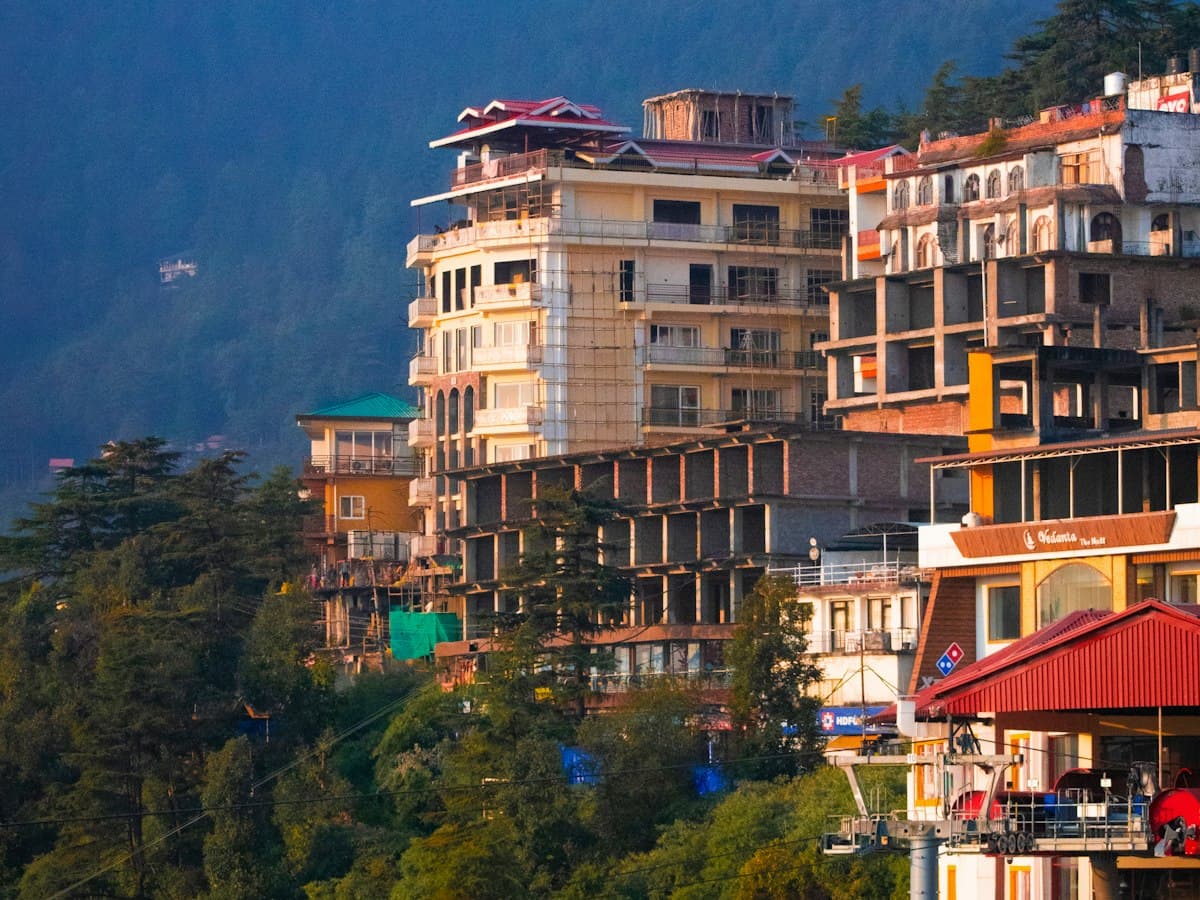
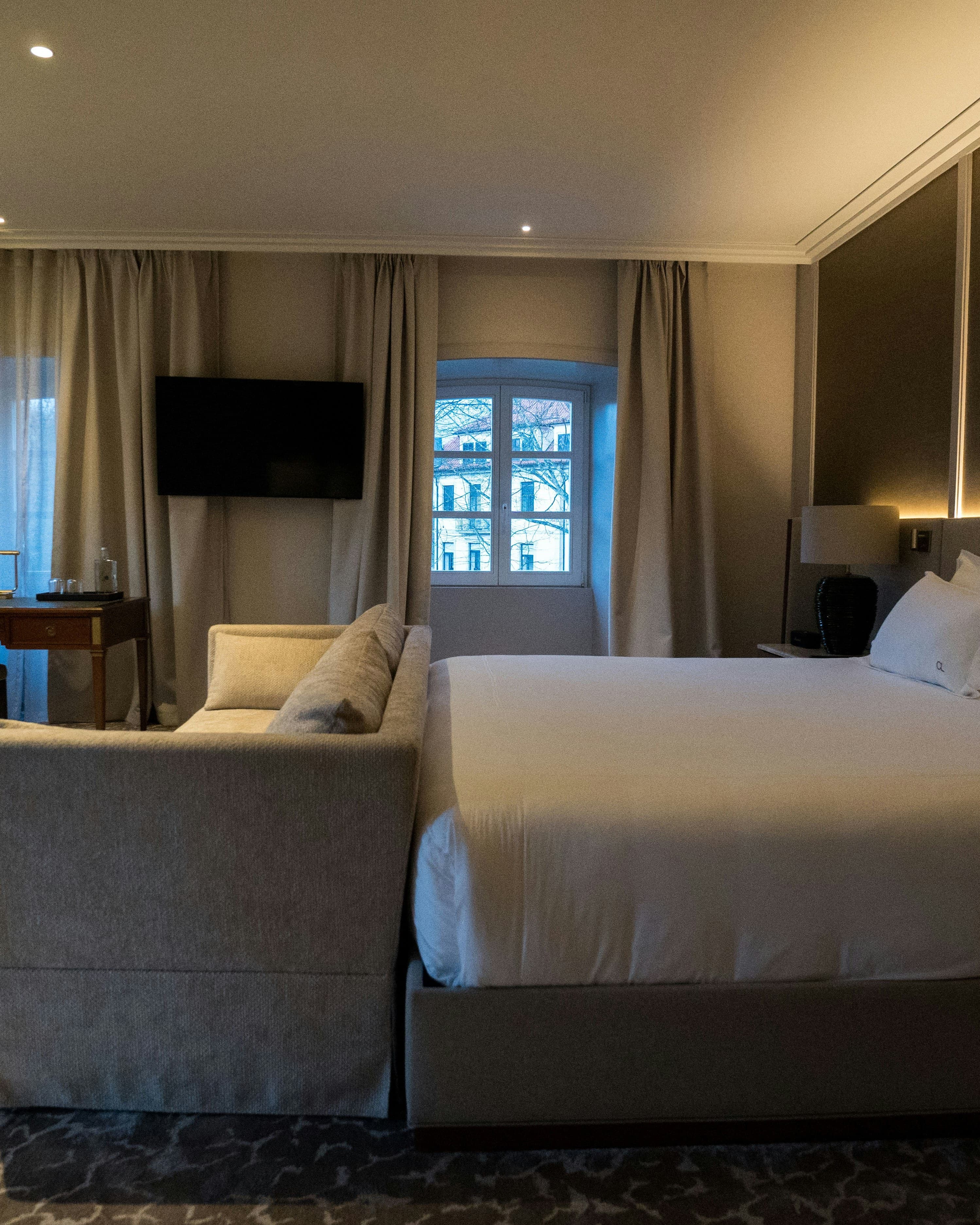
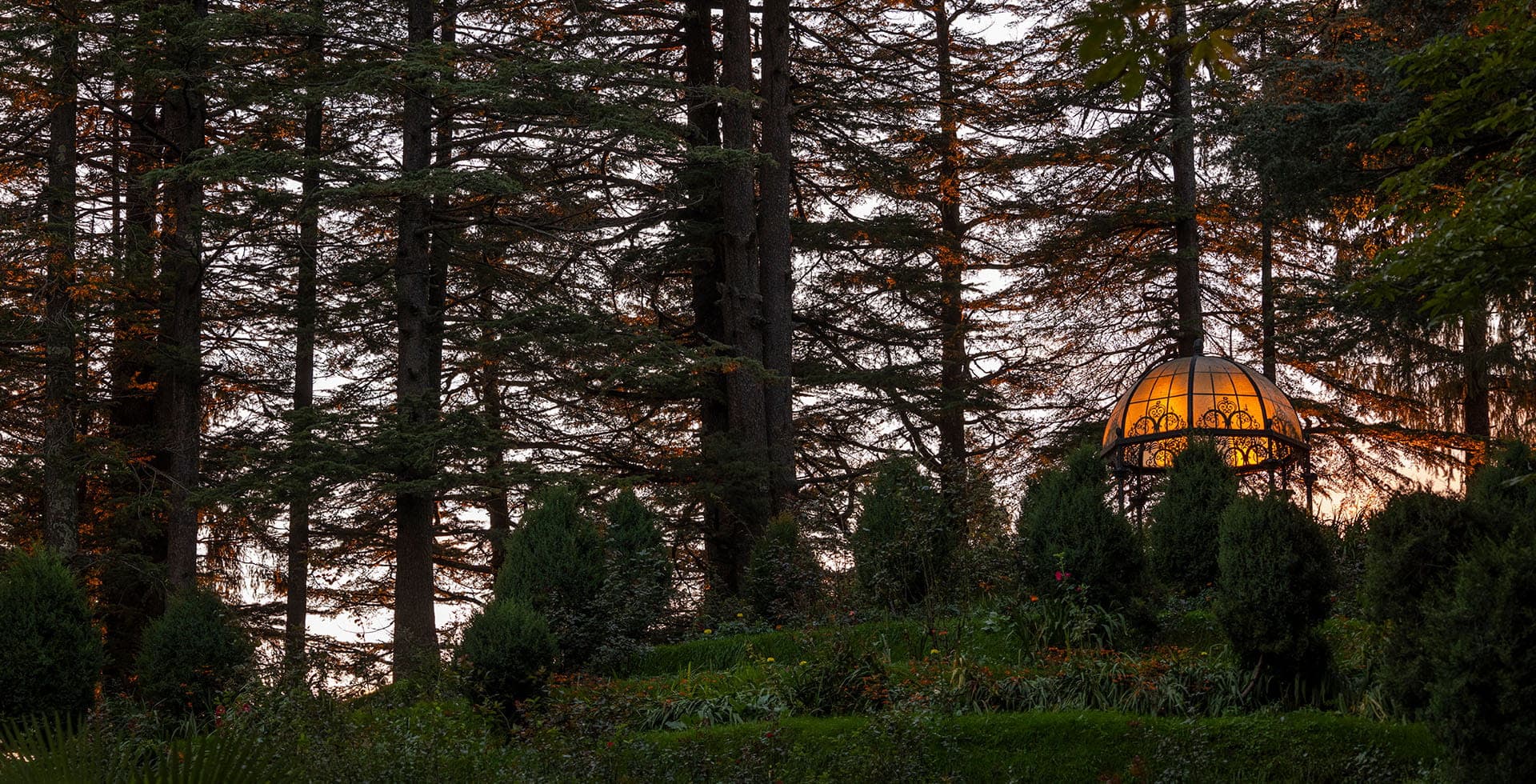
Wildflower Hall, an Oberoi Resort, Shimla
An Oberoi resort in 23 acres of cedar forest above Shimla — a former Kitchener residence, a heated forest-edge pool, a spa, and snow-line views.

Chapter Two — Where You'll Stay
Handpicked along your own route — not a hotel chain repeated city to city.

First, 2 nights in Shimla
An Oberoi resort in 23 acres of cedar forest above Shimla — a former Kitchener residence, a heated forest-edge pool, a spa, and snow-line views.

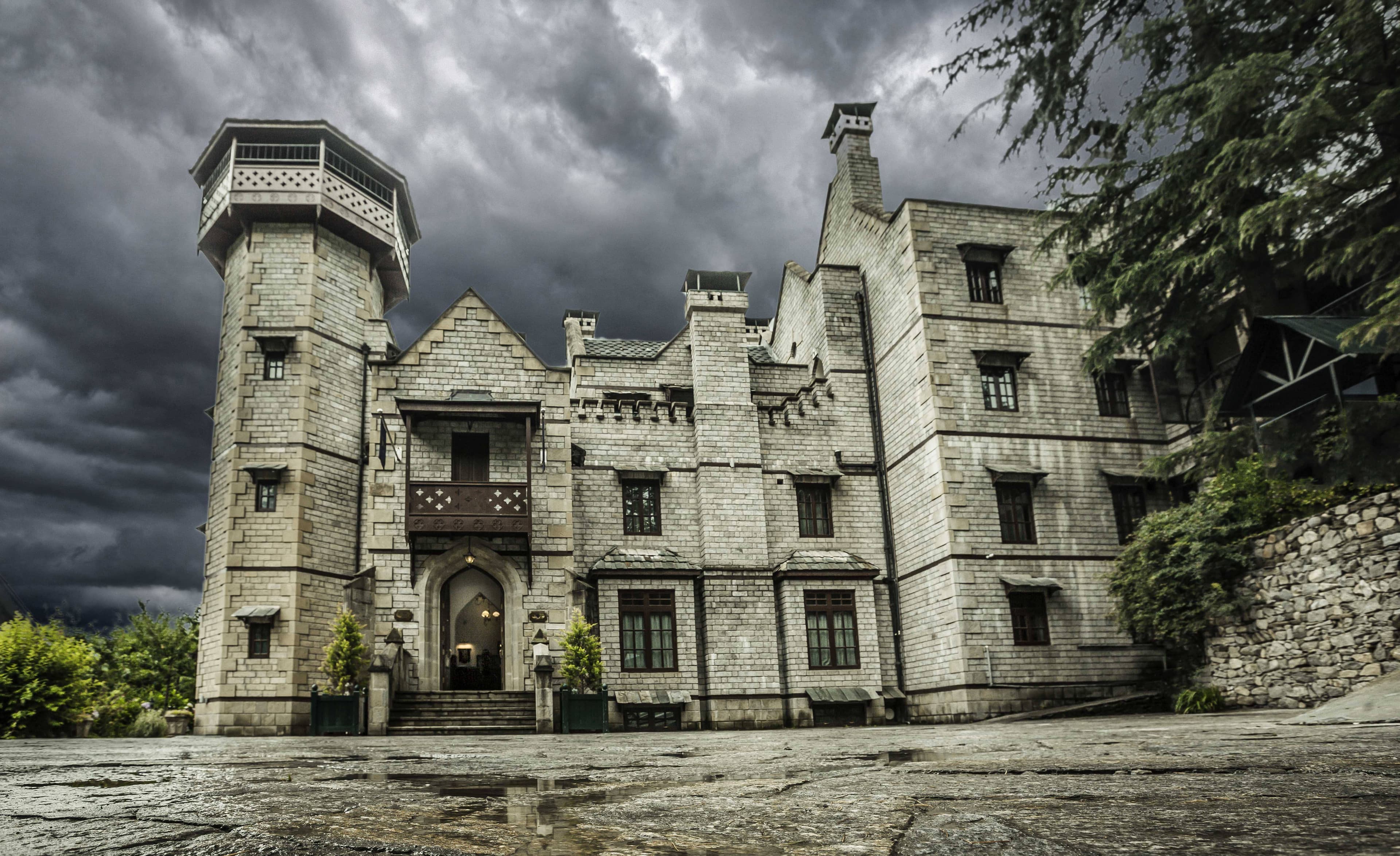
Next, 4 nights in Manali
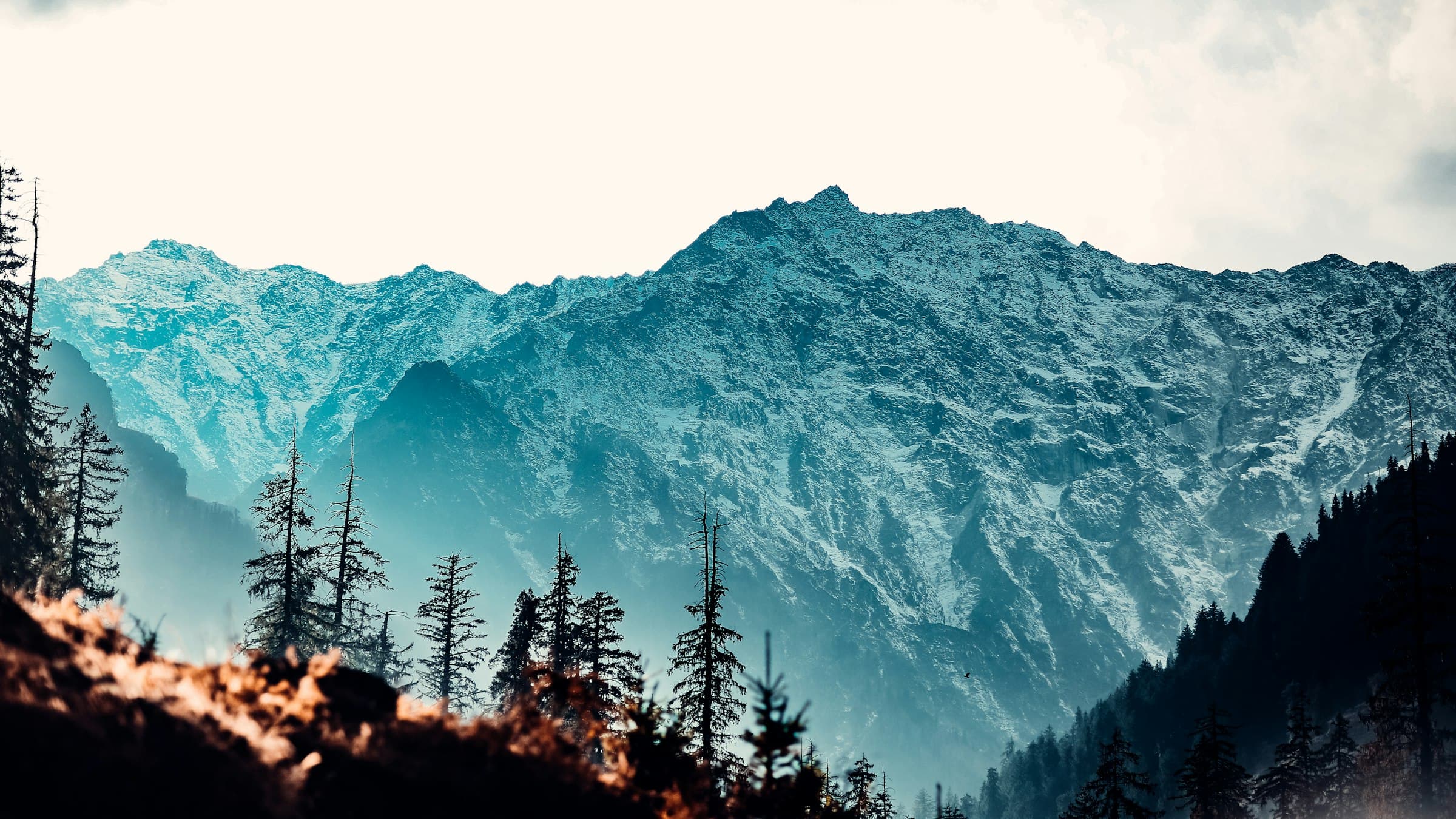
A Gothic castle-style luxury hotel on Hadimba Road, Manali — carved timber, a private art gallery, orchard rooms facing the Dhauladhar peaks, a spa and pool.

Finally, 2 nights in Dharamshala
A Fortune-group hotel in McLeodganj with Dhauladhar-view rooms and a pool — a short walk from the Dalai Lama's temple, the monasteries and the Tibetan market.
Chapter Three — Activities & Sightseeing
7 of your 9days — the full day-by-day plan follows below.

Day 2 · Shimla
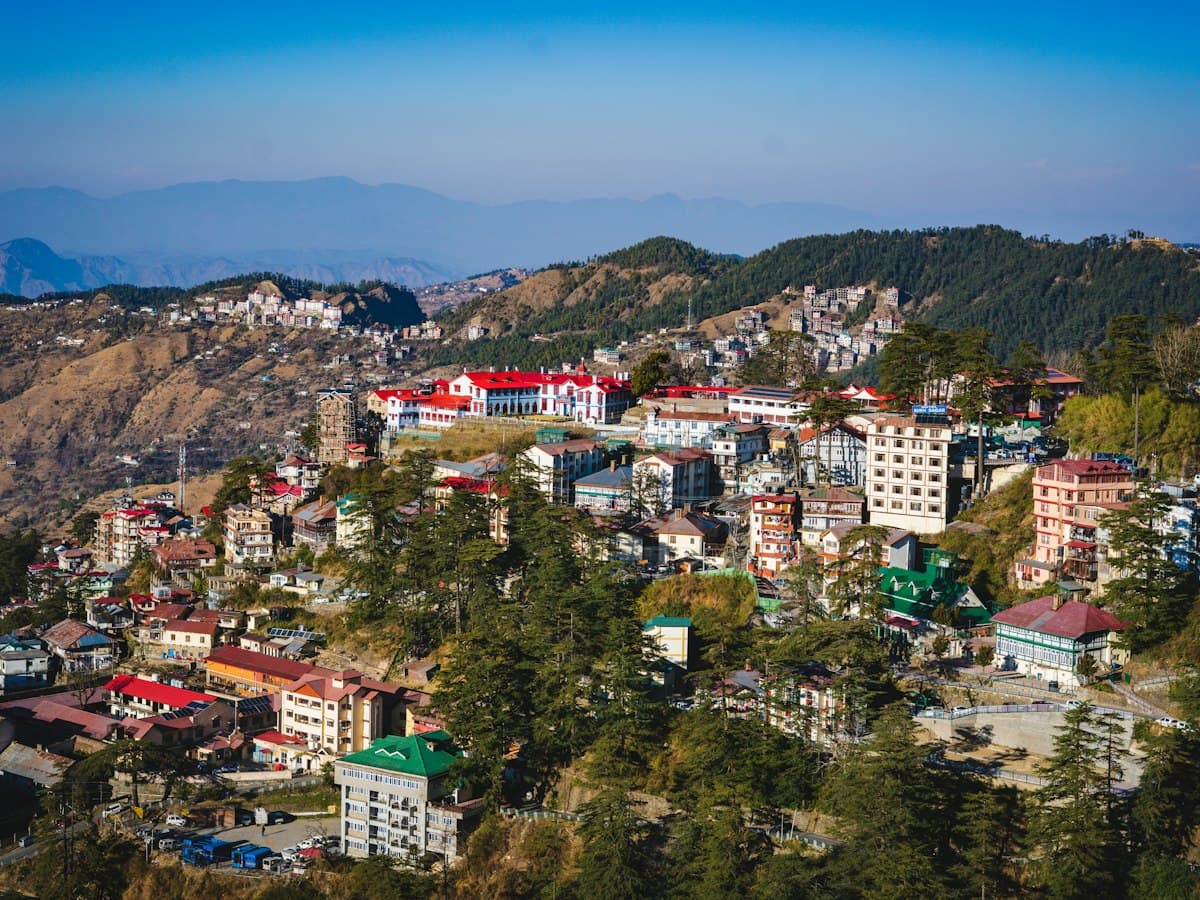
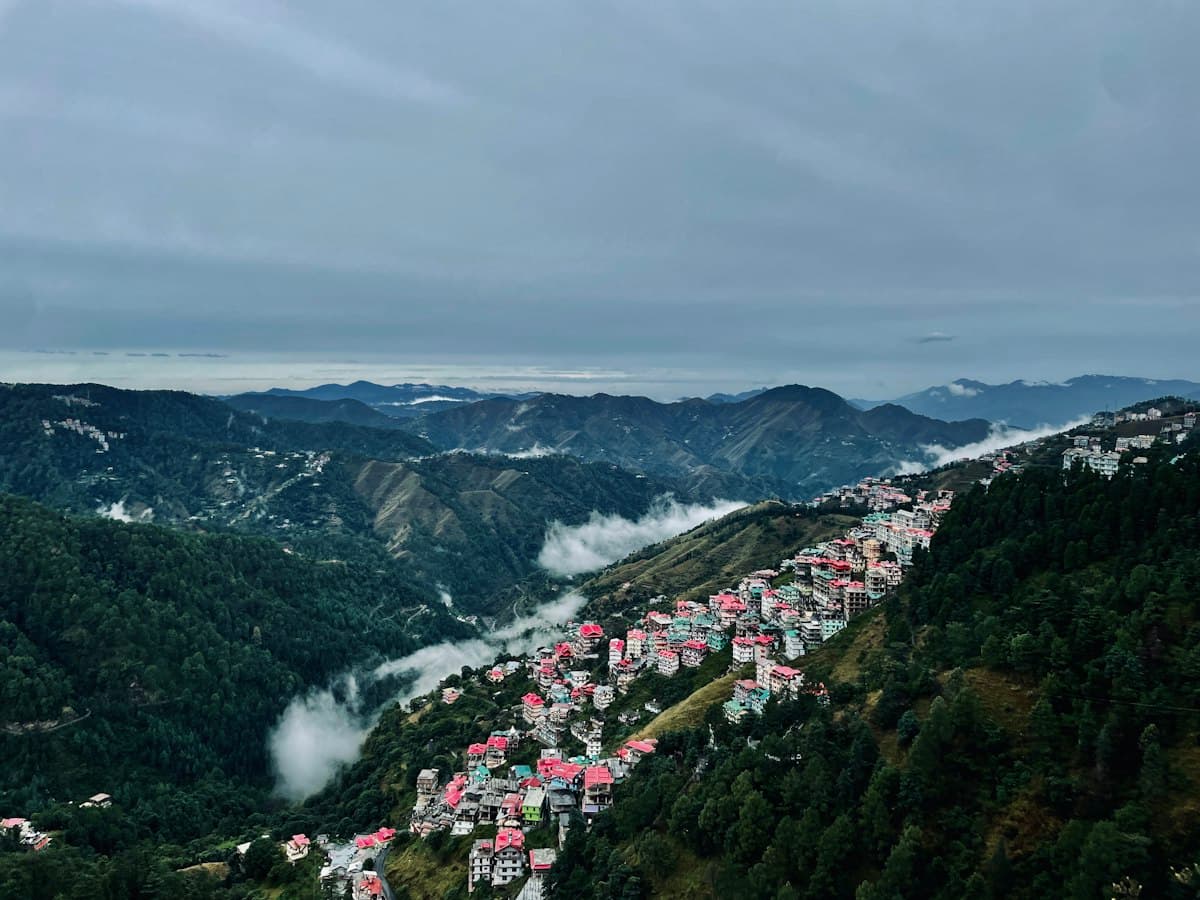
A full day around the old summer capital. A morning heritage walk covers the Mall, the Ridge, the Gaiety Theatre and the Lower Bazaar. Then the Viceregal Lodge on Observatory Hill, the heavy stone mansion where the British ran India in the summer, with its gardens and its independence-era history. The afternoon is Jakhu Temple, on the highest hill, with its giant Hanuman and its monkeys, and a run out to Kufri for the meadow walks and the Himalayan Nature Park.

Day 3 · Shimla → Manali
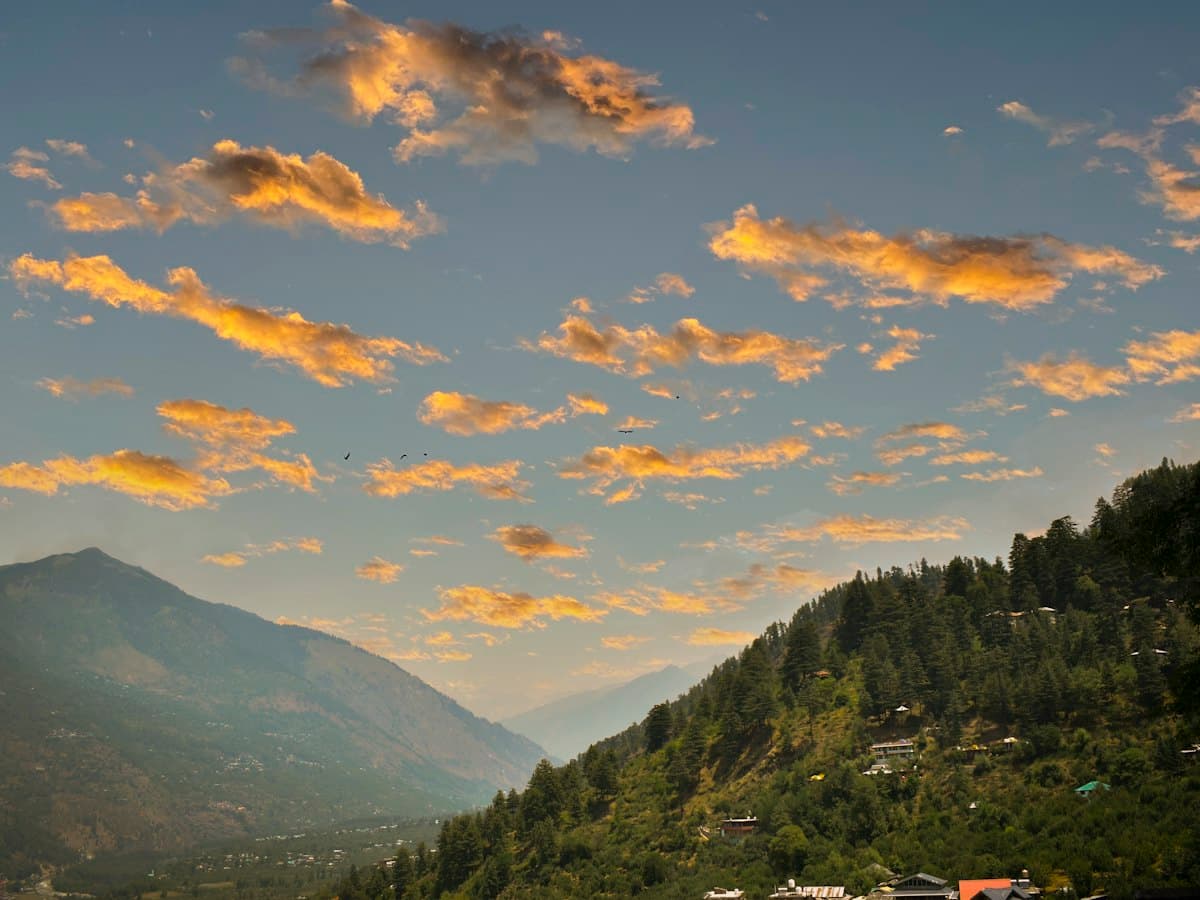
A long driving day, about eight hours over two hundred and fifty kilometres, and one of the more scenic in the state. The road drops to the Sutlej at Bilaspur, past the Gobind Sagar reservoir, then climbs the Beas gorge through Mandi and into the Kullu valley, which turns to apple orchards as you go. There are stops for lunch at Mandi and for the Kullu shawl workshops. You reach Manali by evening. An early start makes the difference on this leg.

Day 4 · Manali
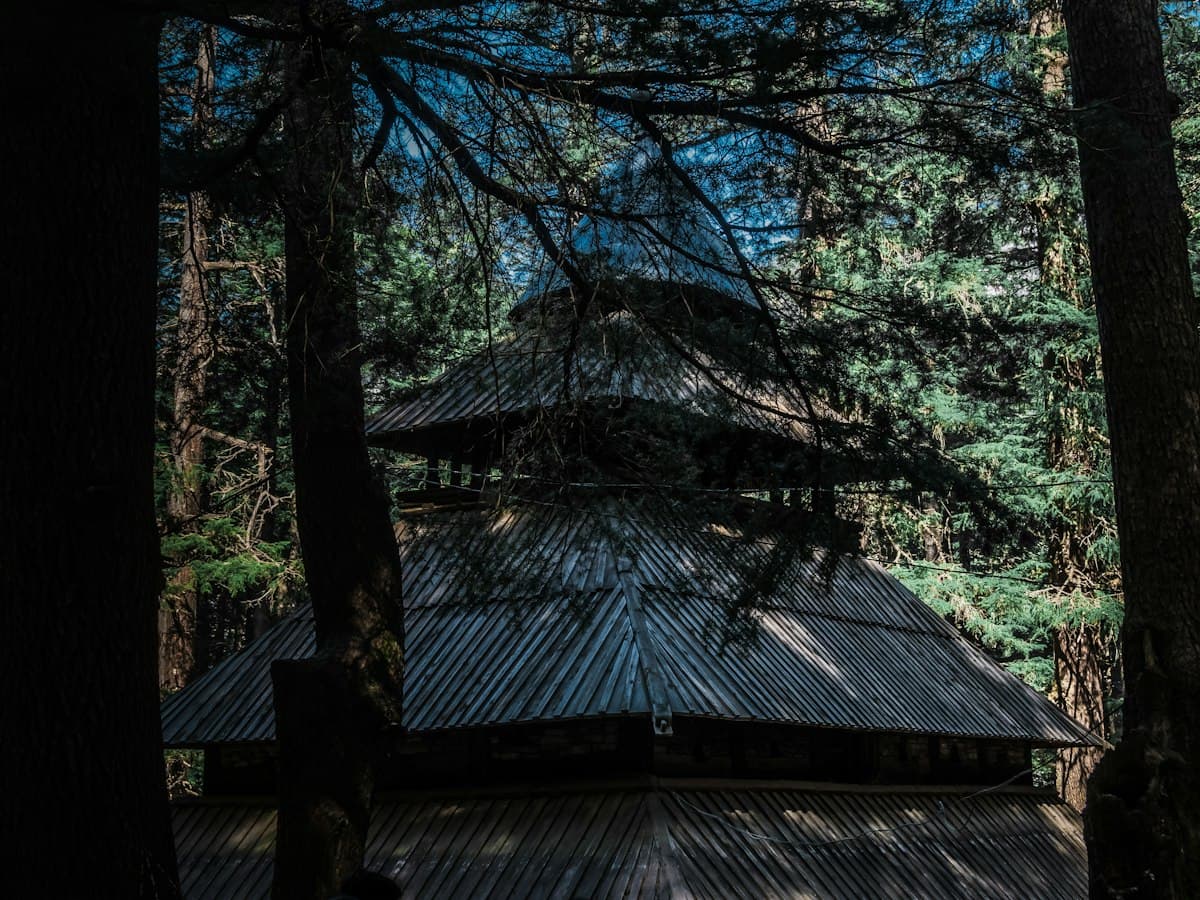
A gentle day in and around the town. The Hadimba temple first, a carved wooden tower of 1553 in a grove of huge deodar cedars, cool and quiet above the town. Then Old Manali across the river, with its slate-roofed houses, the Manu temple, and the cafes along the lane. Vashisht, up the hill, has hot sulphur springs and an old stone temple. The afternoon is loose: the Mall, the Tibetan monasteries, or the club-house gardens by the river.

Day 5 · Manali
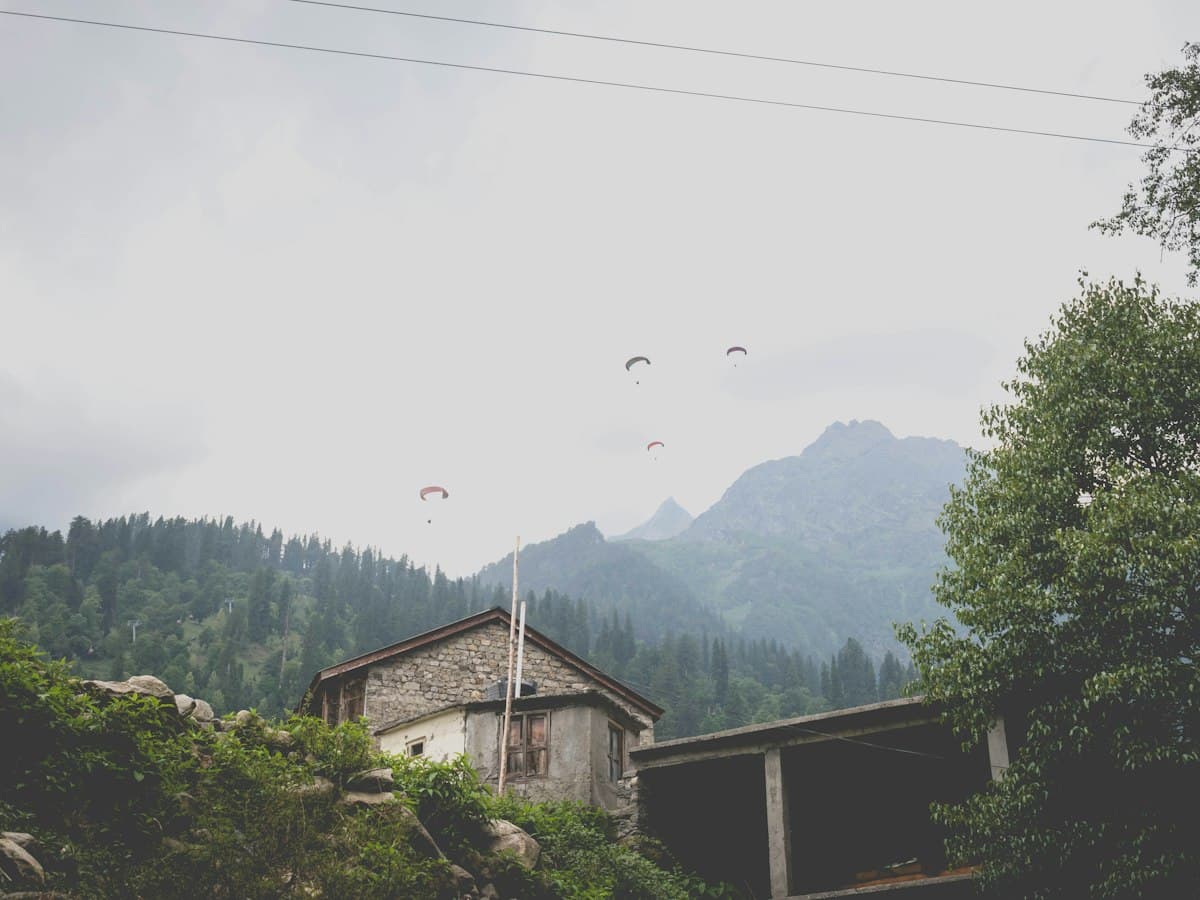
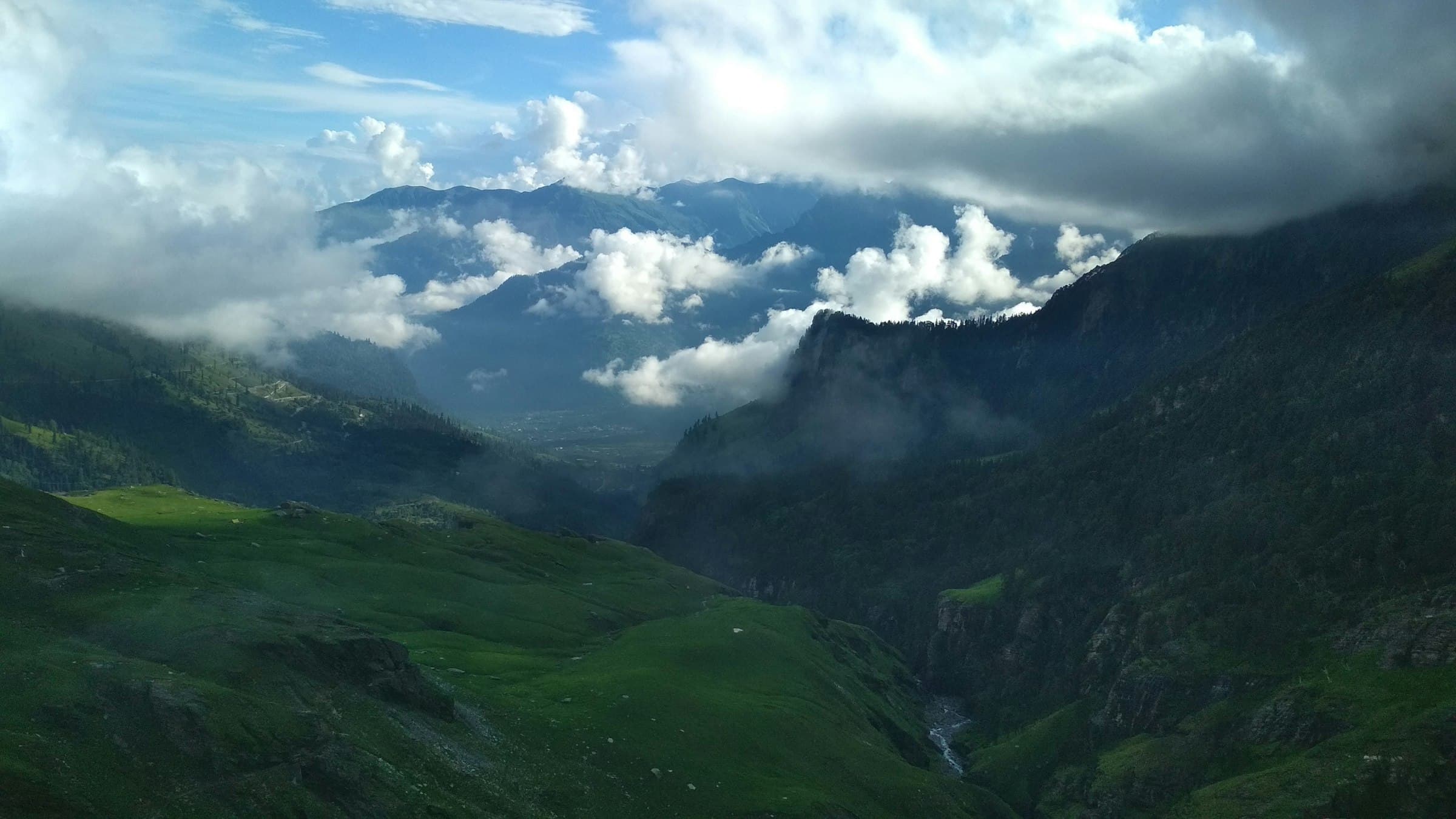
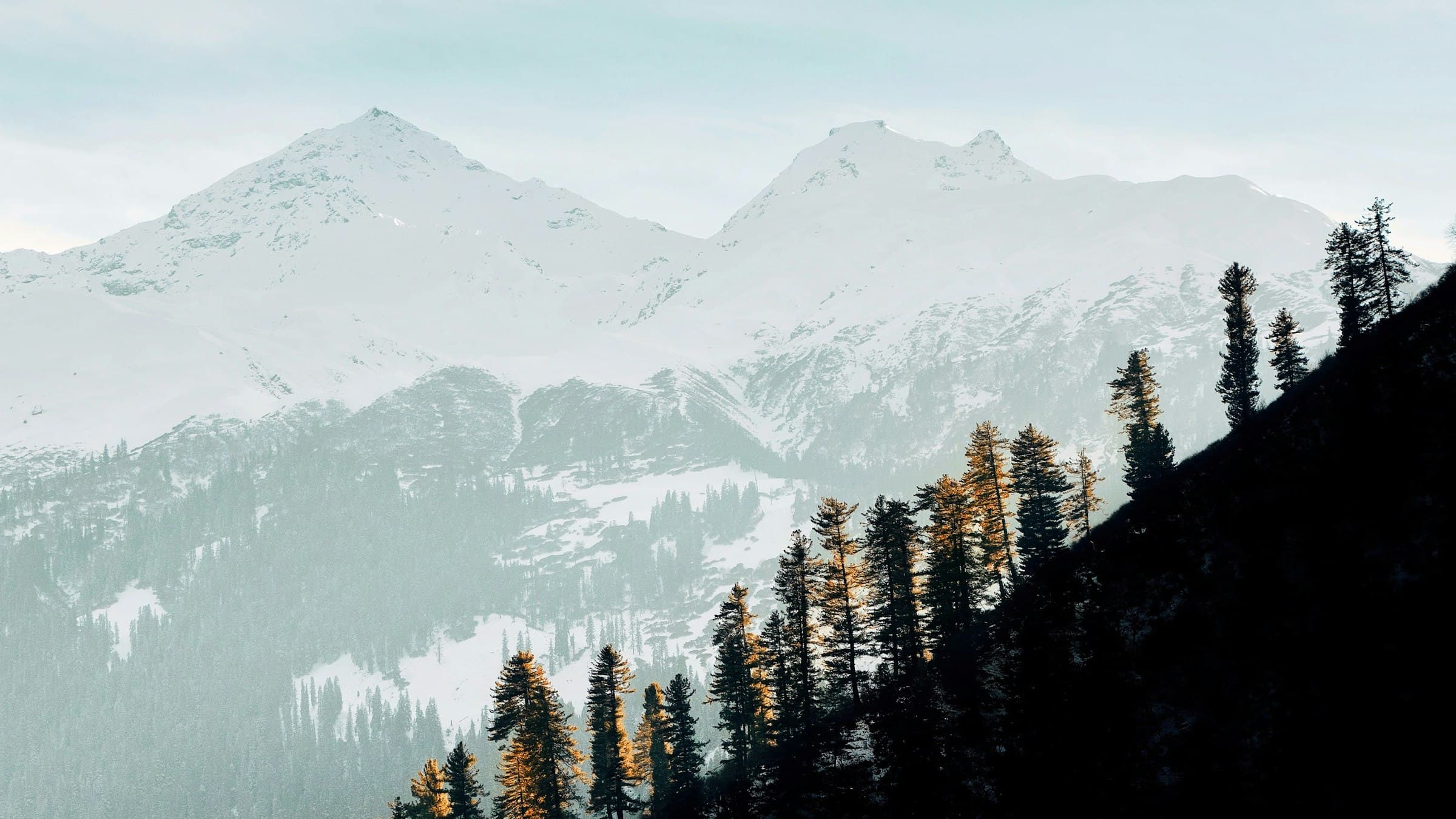
A day toward the high country. Solang Valley, about thirteen kilometres up, is the adventure ground: a tandem paraglide off the slopes, the ropeway to a viewpoint, and, in winter, snow. Beyond it the Atal Tunnel, opened in 2020, runs nine kilometres through the mountain to Sissu in the Lahaul valley, a bare, dramatic landscape that used to be cut off for months. In summer, before the tunnel, the Rohtang Pass itself can be added with a permit. It is a day of snow and big views.

Day 6 · Manali
A half-day south down the valley to Naggar, the old capital of the Kullu kingdom. The castle, from about 1460, is built of stone and deodar beams on a shelf above the Beas, with the whole valley laid out below. Up the hill is the estate of Nicholas Roerich, the Russian painter who settled here, kept as a gallery of his Himalayan canvases. The drive back can take in a roadside trout farm and the Jana waterfall. It is a quiet, art-and-history counterpoint to the Solang day.

Day 7 · Manali → Dharamshala
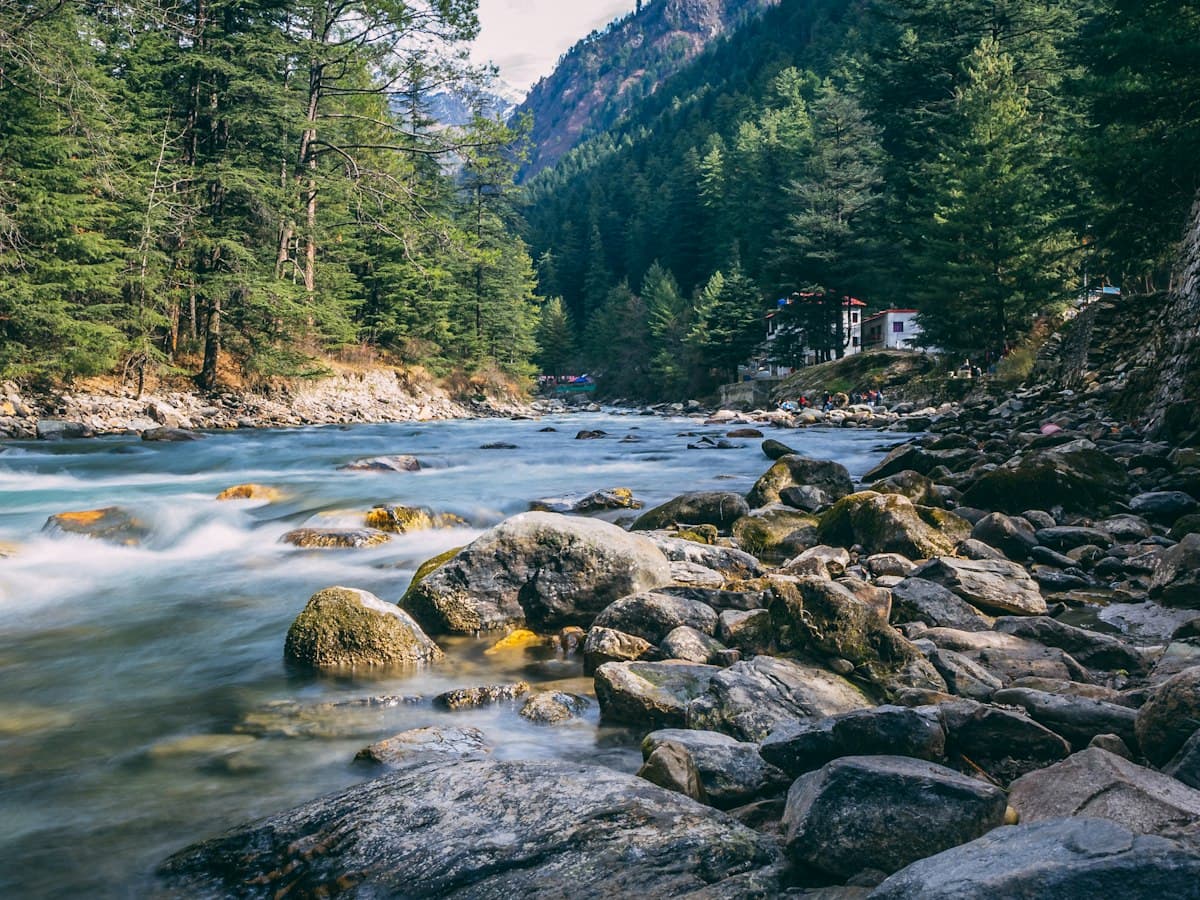
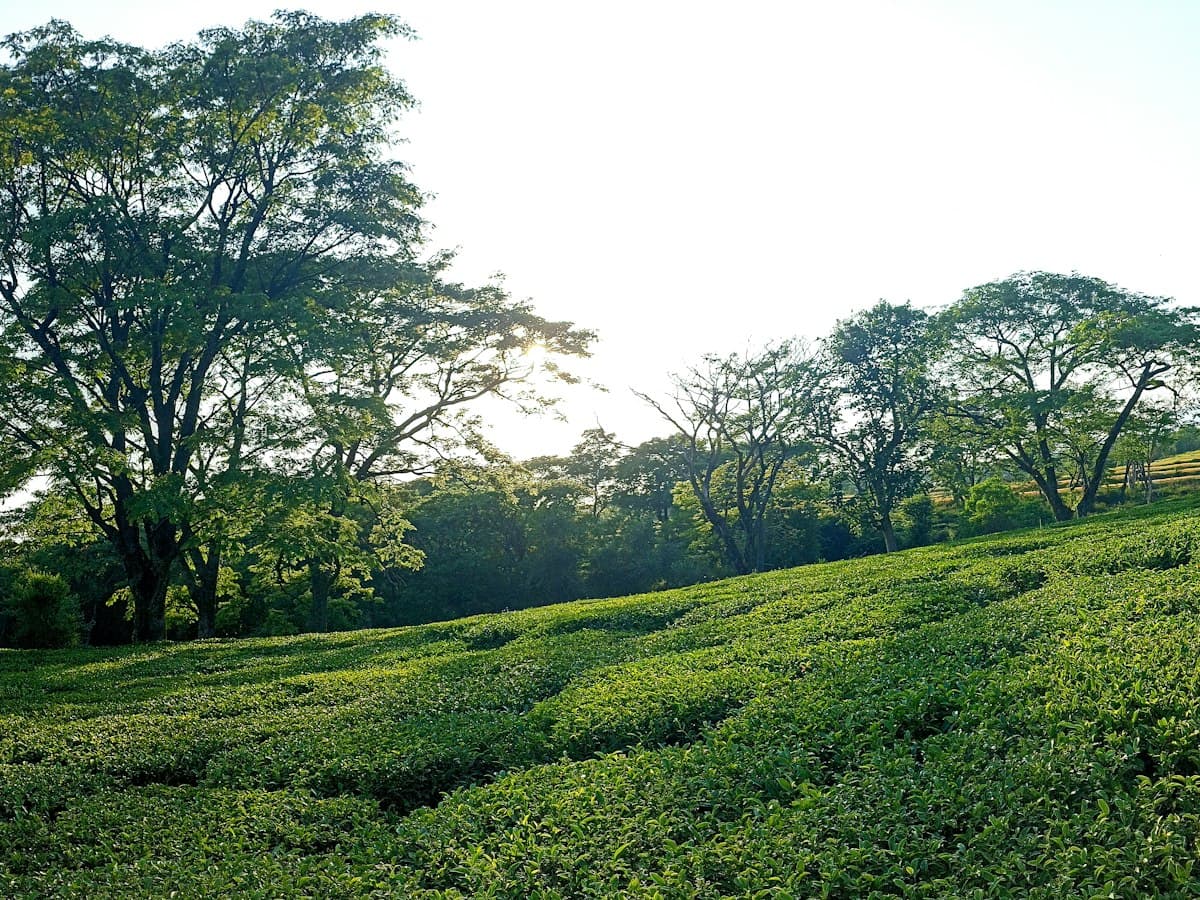
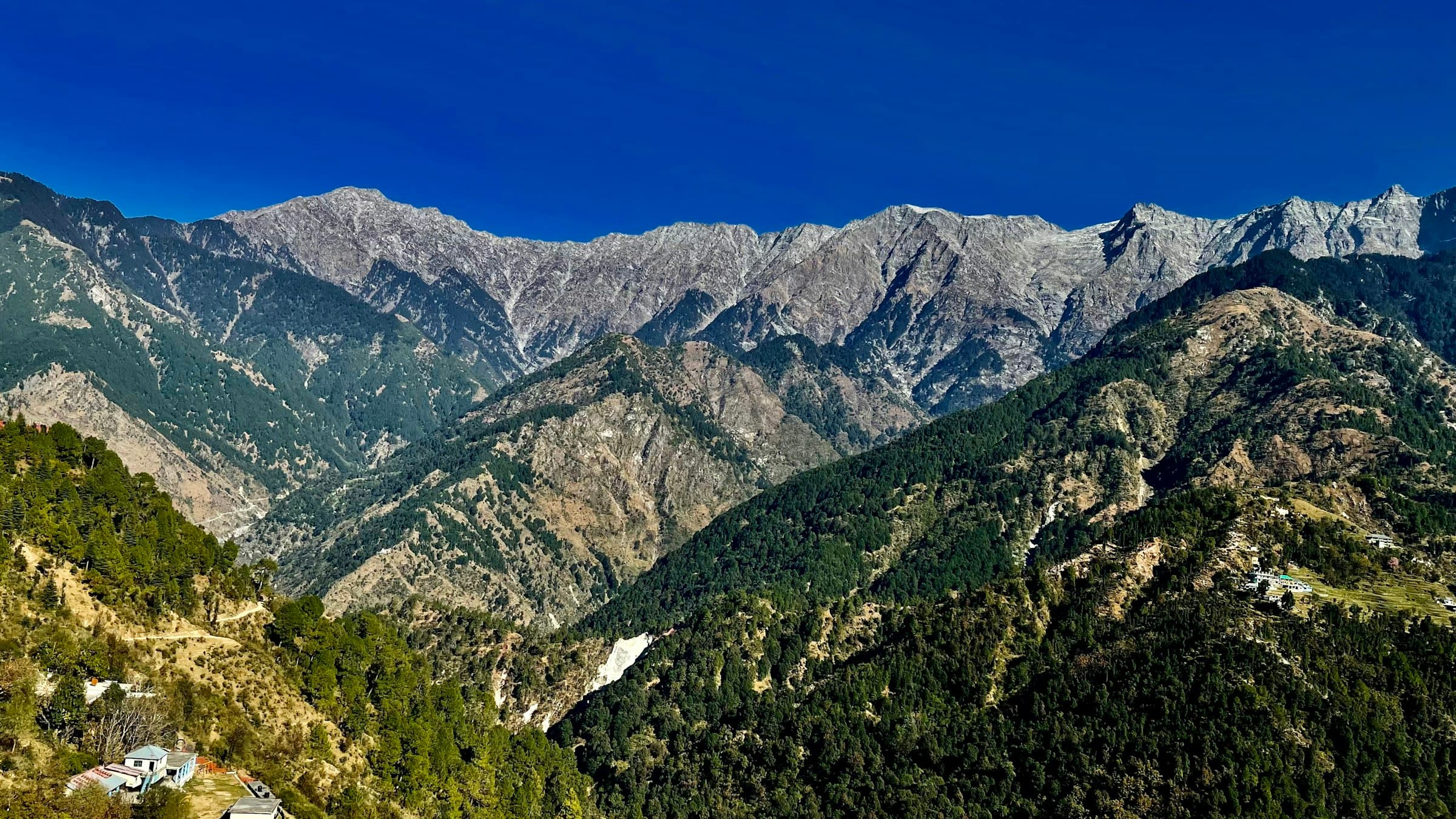
A drive of about seven hours, back down the Beas to Mandi, then west along the Kangra valley. The country opens up: terraced rice, the tea gardens around Palampur, and the Dhauladhar range running along the north the whole way, growing as you approach Dharamshala. There are stops at Mandi's old temples and at a Palampur tea estate. You reach McLeodganj, the upper town, by evening, with the snow wall close above.

Day 8 · Dharamshala
A day in the Tibetan town. The Tsuglagkhang complex first, the main temple across from the Dalai Lama's residence, with the Namgyal Monastery and the Tibet Museum, and the kora path around the hill hung with prayer flags. Then McLeodganj itself: the market, the cafes, and the Norbulingka Institute down the hill, where Tibetan thangka painting and metalwork are taught. The Bhagsu waterfall, a short walk from the village, is an easy afternoon. It is a day about a culture rebuilt in exile.
Chapter Four — Day by Day
Every day, start to finish — including the transfers the sightseeing chapter above skipped.

Shimla
The usual way in is a drive from Chandigarh airport, about four hours, climbing through pine forest past Kasauli and Solan. The last stretch can be swapped for the narrow-gauge toy train from Kalka, which takes longer but is the better story. You reach Shimla in the afternoon. The evening is for the Ridge and the Mall, the traffic-free promenade where the town comes out to walk, with Christ Church lit at one end.

Shimla
A full day around the old summer capital. A morning heritage walk covers the Mall, the Ridge, the Gaiety Theatre and the Lower Bazaar. Then the Viceregal Lodge on Observatory Hill, the heavy stone mansion where the British ran India in the summer, with its gardens and its independence-era history. The afternoon is Jakhu Temple, on the highest hill, with its giant Hanuman and its monkeys, and a run out to Kufri for the meadow walks and the Himalayan Nature Park.

Shimla → Manali
A long driving day, about eight hours over two hundred and fifty kilometres, and one of the more scenic in the state. The road drops to the Sutlej at Bilaspur, past the Gobind Sagar reservoir, then climbs the Beas gorge through Mandi and into the Kullu valley, which turns to apple orchards as you go. There are stops for lunch at Mandi and for the Kullu shawl workshops. You reach Manali by evening. An early start makes the difference on this leg.

Manali
A gentle day in and around the town. The Hadimba temple first, a carved wooden tower of 1553 in a grove of huge deodar cedars, cool and quiet above the town. Then Old Manali across the river, with its slate-roofed houses, the Manu temple, and the cafes along the lane. Vashisht, up the hill, has hot sulphur springs and an old stone temple. The afternoon is loose: the Mall, the Tibetan monasteries, or the club-house gardens by the river.

Manali
A day toward the high country. Solang Valley, about thirteen kilometres up, is the adventure ground: a tandem paraglide off the slopes, the ropeway to a viewpoint, and, in winter, snow. Beyond it the Atal Tunnel, opened in 2020, runs nine kilometres through the mountain to Sissu in the Lahaul valley, a bare, dramatic landscape that used to be cut off for months. In summer, before the tunnel, the Rohtang Pass itself can be added with a permit. It is a day of snow and big views.

Manali
A half-day south down the valley to Naggar, the old capital of the Kullu kingdom. The castle, from about 1460, is built of stone and deodar beams on a shelf above the Beas, with the whole valley laid out below. Up the hill is the estate of Nicholas Roerich, the Russian painter who settled here, kept as a gallery of his Himalayan canvases. The drive back can take in a roadside trout farm and the Jana waterfall. It is a quiet, art-and-history counterpoint to the Solang day.

Manali → Dharamshala
A drive of about seven hours, back down the Beas to Mandi, then west along the Kangra valley. The country opens up: terraced rice, the tea gardens around Palampur, and the Dhauladhar range running along the north the whole way, growing as you approach Dharamshala. There are stops at Mandi's old temples and at a Palampur tea estate. You reach McLeodganj, the upper town, by evening, with the snow wall close above.

Dharamshala
A day in the Tibetan town. The Tsuglagkhang complex first, the main temple across from the Dalai Lama's residence, with the Namgyal Monastery and the Tibet Museum, and the kora path around the hill hung with prayer flags. Then McLeodganj itself: the market, the cafes, and the Norbulingka Institute down the hill, where Tibetan thangka painting and metalwork are taught. The Bhagsu waterfall, a short walk from the village, is an easy afternoon. It is a day about a culture rebuilt in exile.

Dharamshala
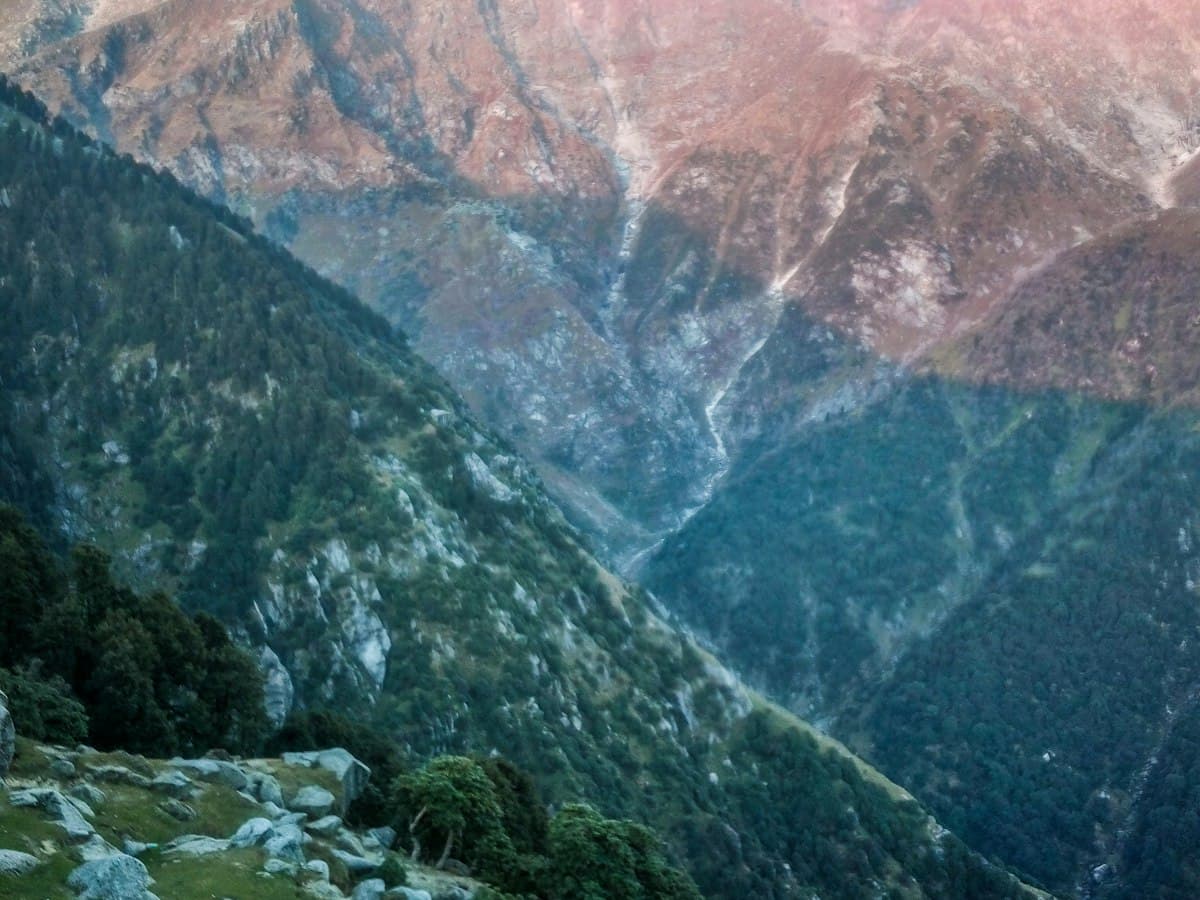
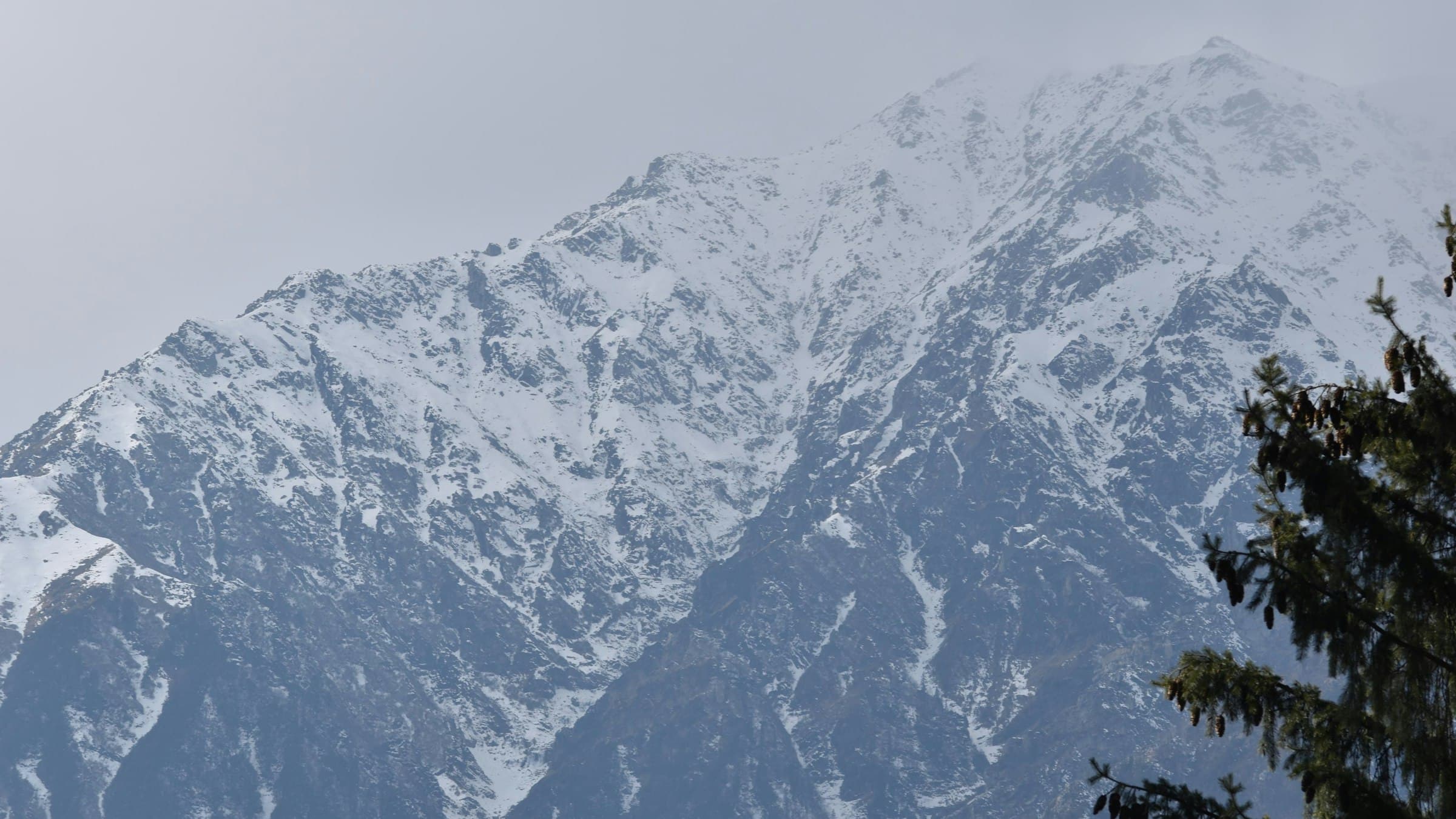
The classic day walk of the Kangra hills. From the Galu Devi trailhead above McLeodganj, the path climbs about a thousand metres over nine kilometres, through oak and rhododendron forest, to the open grassy ridge of Triund at two thousand eight hundred metres. The Dhauladhar range stands straight above it, a wall of rock and snow, and the Kangra valley falls away behind. Four to five hours up, three down, with a guide and a packed lunch. It needs fitness but no skill, and it is the highlight of the region for walkers.
Chapter Five — Terms & Conditions
Cancellation windows, refund timing, and rescheduling terms for this journey follow our one sitewide policy — nothing package-specific to dig through.
Read the Return & Refund PolicyChapter Six — Similar Journeys
Why Choose Us

01
This route was shaped around Himachal Pradesh's real places, not lifted from a fixed template.
13 years — Brijesh Sharma, Bespoke Itinerary Specialist

02
Every stay on this trip was chosen in person, not off a ratings page.
3 real stays, 4–5★

03
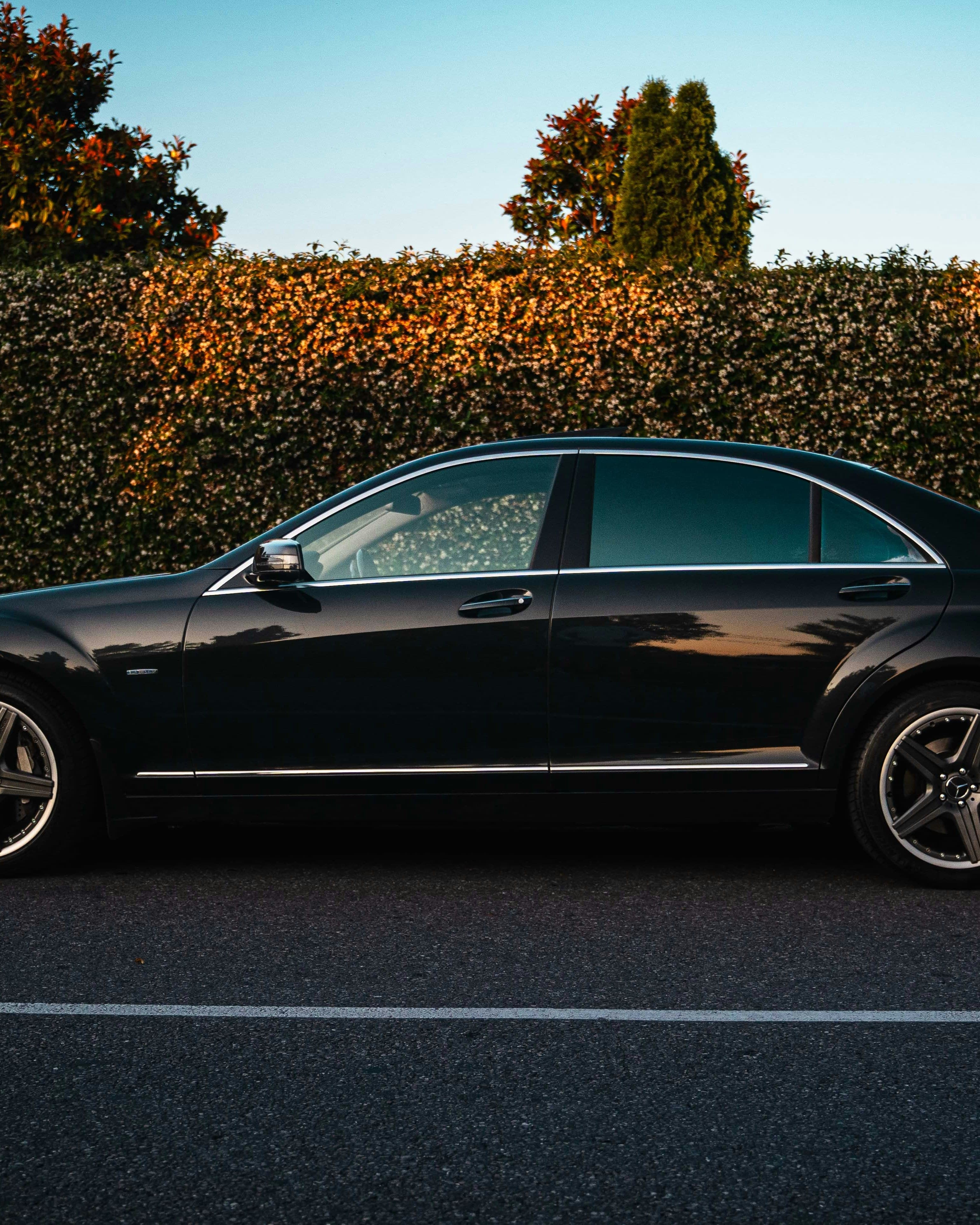
One driver, air-conditioned, for the whole route — no shared shuttle.
Premium sedans & SUVs · One driver, the whole trip

Kashmir to Kanyakumari
Get In Touch
Tell us your travel dates and group size — we'll confirm availability and refine this itinerary around you.