Ayurveda in Kerala: What a Real Retreat Involves
Panchakarma, diet and daily routine explained: what an authentic Kerala Ayurveda retreat actually asks of you, and how to tell a real one from a spa menu.
Kerala is where Ayurveda is still practised as medicine, not just offered as a spa treatment. That distinction matters, because a "real" retreat here asks more of you than an hour-long massage — and delivers more too, if you go in understanding what it actually involves.
What makes Kerala's Ayurveda different
Ayurveda is a full medical system, not a wellness add-on, and Kerala's humid, monsoon-heavy climate is considered ideal for it — the season most associated with deep treatment (roughly June to September) is when pores are believed to be most receptive to herbal oils. Genuine centres are staffed by qualified Ayurvedic physicians (BAMS-trained), who consult with you before any treatment is prescribed, the same way a doctor would.
This is the first real signal of authenticity: a proper retreat starts with a consultation, not a treatment menu. The physician assesses your dosha (constitution) and any specific complaints, then prescribes a personalised plan — which is also why two guests at the same retreat can have completely different days.
Panchakarma, explained plainly
Panchakarma is the core detoxification programme most serious retreats are built around: a structured sequence of oil massages, herbal steam, and cleansing treatments over one to three weeks, designed to work up to and through a genuine internal cleanse.
A realistic week looks like this:
Days 1–2: consultation, dietary adjustment, gentle oil massage (abhyanga) to begin preparing the body.
Days 3–5: deeper treatments — shirodhara (a continuous stream of warm oil poured over the forehead), herbal steam, and dosha-specific massage.
Days 6+: the cleansing phase itself, which can include supervised fasting, herbal purgation or nasal treatments, always under a physician's direction.
Short two- or three-day "Ayurveda experiences" are common at resorts and are genuinely relaxing, but they are wellness spa treatments borrowing Ayurvedic techniques, not panchakarma. Both have a place — just know which one you are booking.
What the daily routine actually feels like
Expect an early, structured day: treatments typically start by 8am, alcohol and caffeine are usually off the table for the duration, and meals are simple, often vegetarian, and timed to the treatment schedule rather than to your preference. Most retreats discourage strenuous activity and heavy socialising during an active panchakarma course — the point is rest, not a holiday alongside it.
This is worth knowing before you book: a serious retreat is closer to a supervised health programme than a resort stay, even when the resort itself is beautiful.
Where to actually do this
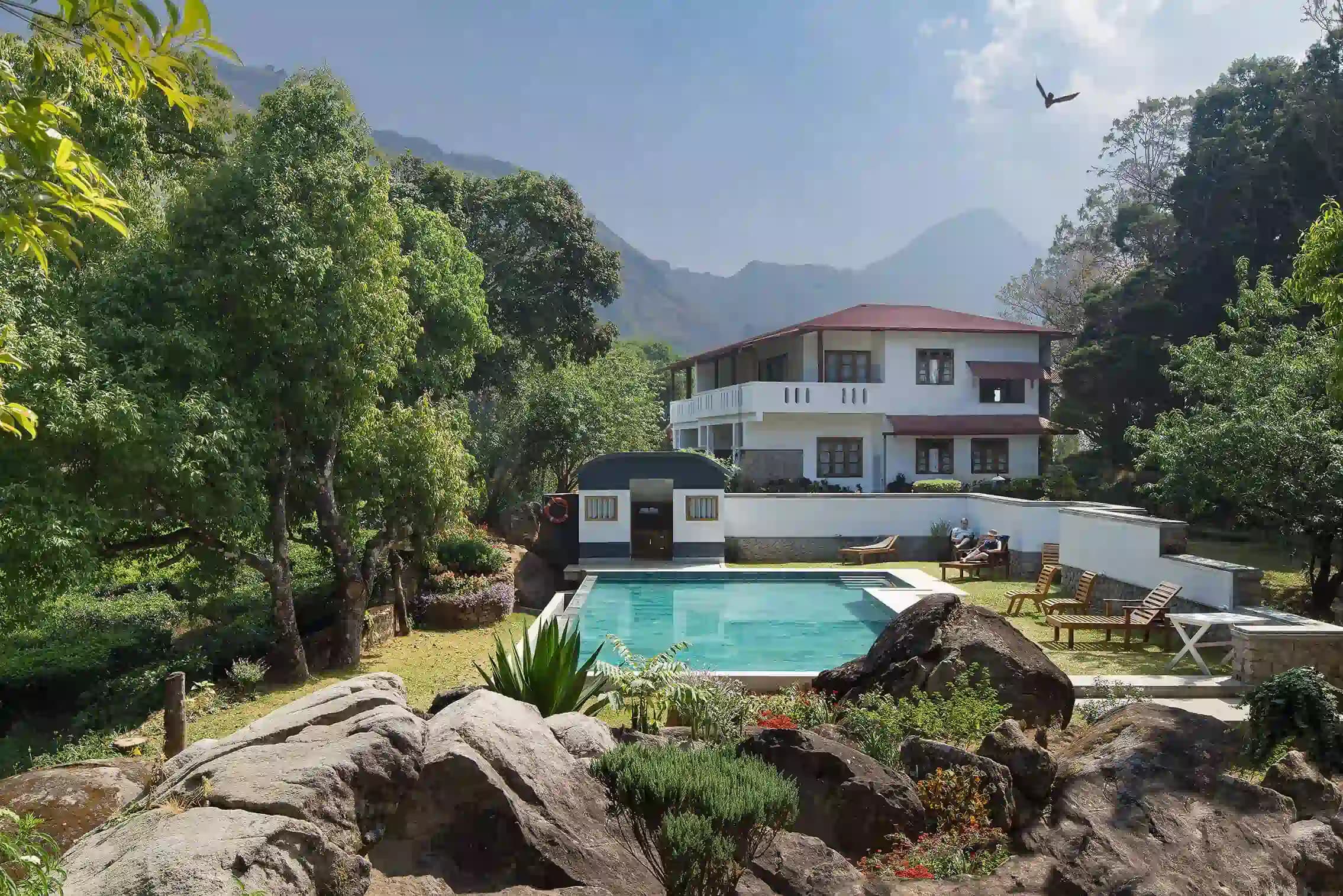
Spice Village, a CGH Earth Experience, near Thekkady, runs one of Kerala's most respected Ayurveda programmes, built around the same CGH Earth philosophy of traditional practice rather than a spa-menu version of it. It sits inside our Kerala Backwaters & Ayurveda route, which pairs a proper multi-day treatment block with Kerala's other signature experiences rather than isolating wellness from the rest of the trip.
For a package built specifically around this, see our Kerala Ayurveda & Wellness Retreat.
How to tell a real centre from a spa dressed up as one
A few honest markers, since "Ayurveda" is used loosely across Kerala's hospitality industry.
A real consultation with a physician, not a therapist reading a form, before any treatment starts.
A written treatment plan, specific to you, not a fixed multi-day package identical for every guest.
Oils prepared or sourced properly, ideally with visible quality control, not a generic "spa oil" used across every treatment.
A physician available throughout, not just at intake, to adjust the plan as your body responds.
If a "retreat" skips the consultation and goes straight to a treatment menu, it's a spa borrowing Ayurvedic language, not a medical programme — still potentially relaxing, just not what panchakarma actually is.
How long to plan for
A genuine panchakarma course needs a minimum of seven days to do anything meaningful, and most physicians recommend fourteen for real results. Anything shorter is worth treating as an introduction, not a cleanse — useful for finding out whether the deeper version is for you.
Frequently asked questions
Is a short Ayurveda spa treatment "fake"?
Not fake, just different — it borrows Ayurvedic techniques for relaxation rather than delivering a supervised medical programme. Both are legitimate; they answer different questions.
What should I avoid during a retreat?
Alcohol, heavy or spicy food, strenuous exercise and, where possible, work. Most centres will ask directly and check in on this.
Is Ayurveda safe for someone with an existing medical condition?
Tell the consulting physician everything up front — genuine centres adjust the programme around real medical history rather than applying a standard package regardless.
What's the best time of year to go?
The monsoon months (June to September) are traditionally considered ideal, though reputable centres run programmes year-round.
Plan your retreat
Browse the Kerala destination page for full route options, or start with the Kerala Ayurveda & Wellness Retreat package. To match the right length of programme to your goals, talk to a trip designer.
Read Next
All Stories →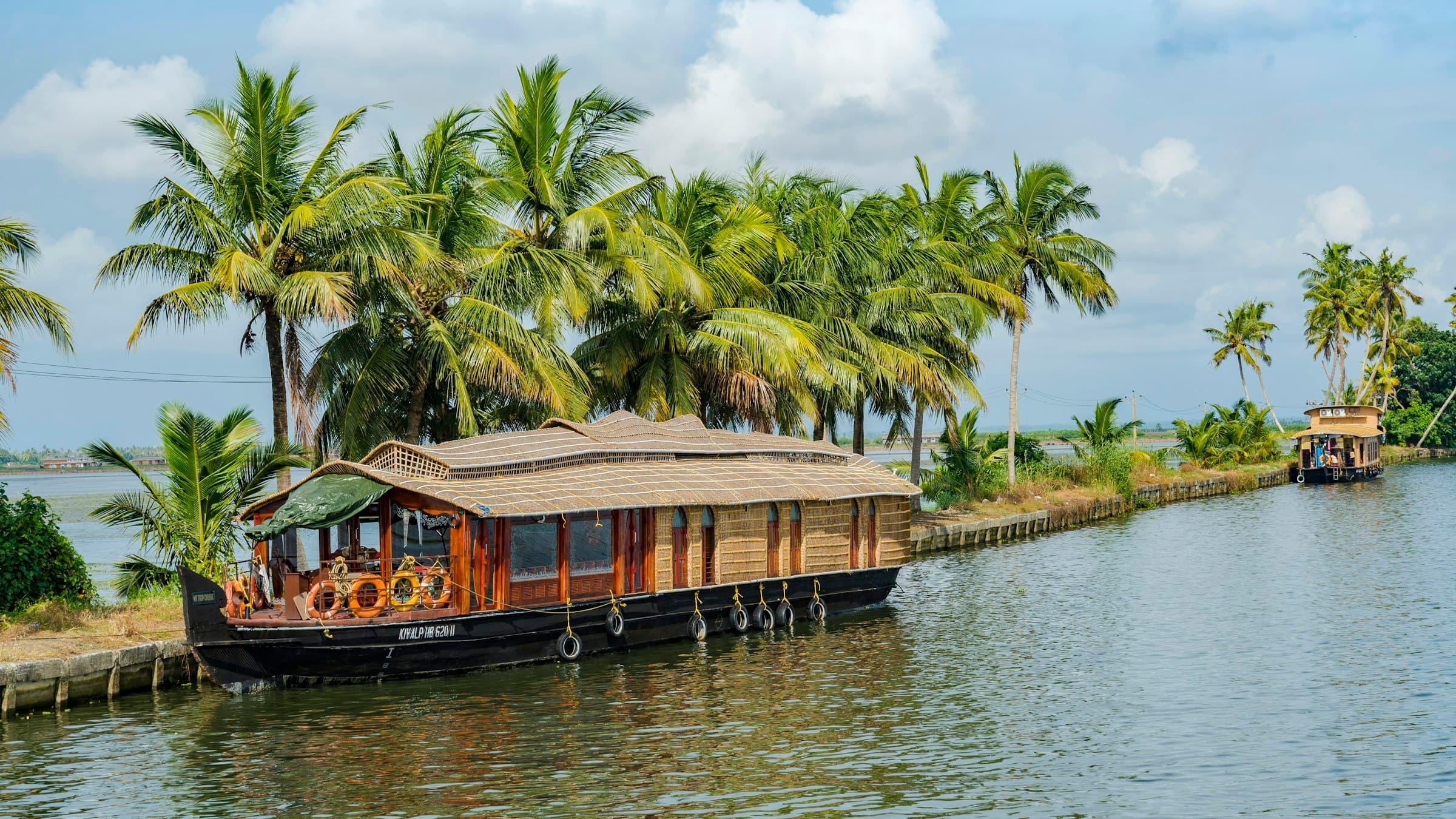
A Night on a Kerala Houseboat: What It Is Really Like
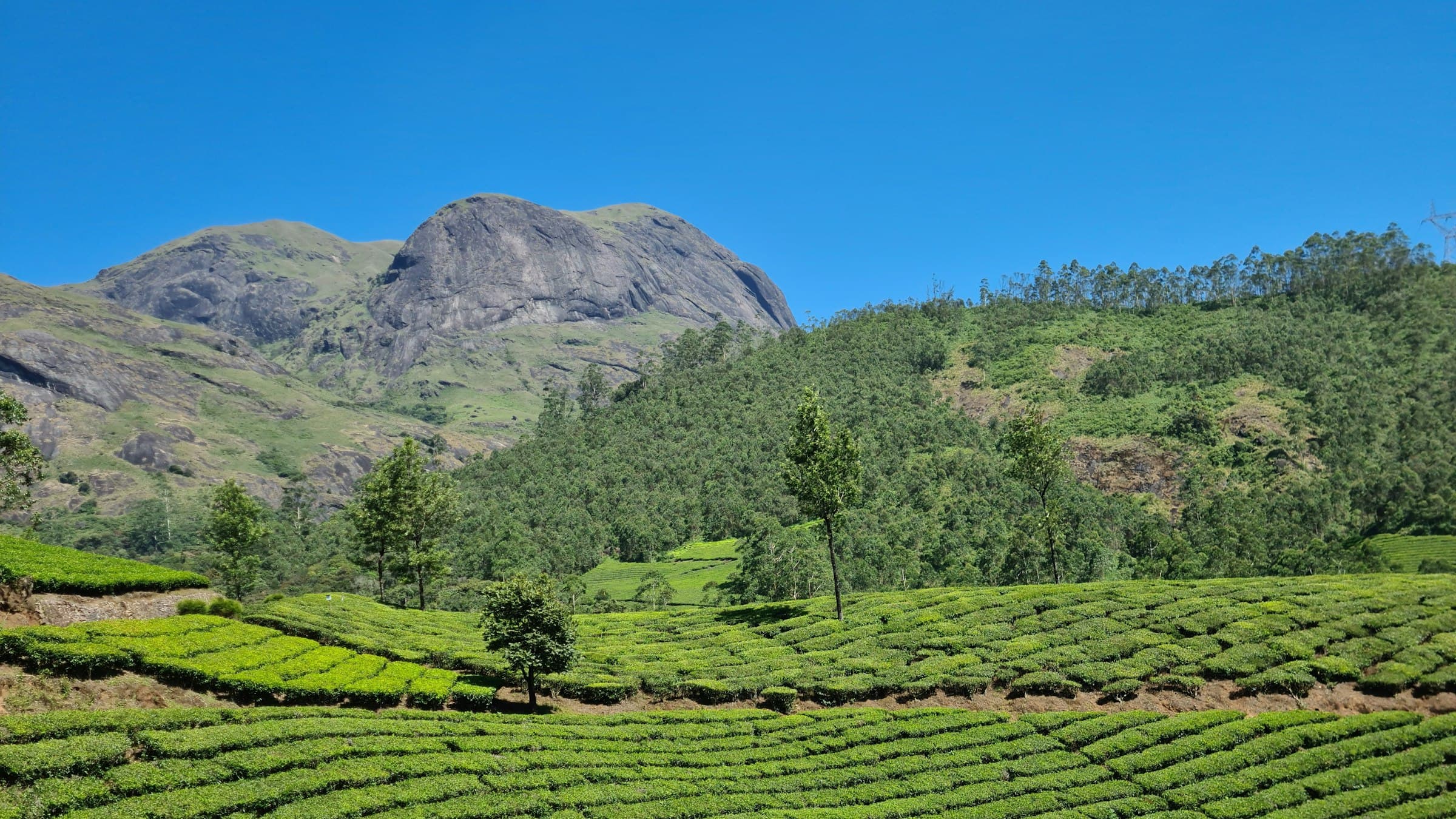
The Best Time to Visit Kerala, Month by Month